• Link to X
  • Link to Facebook
  • Link to Instagram
  • Link to TikTok
  • Link to Youtube
  • About
    • About Us
      • President
      • Board of Directors
      • Board of Advisors
      • Financials
      • Our Methodology
      • Success Tracker
      • Contact
  • Act Now
    • 30 Ways to Help
      • Email Congress
      • Call Congress
      • Volunteer
      • Courses & Certificates
      • Be a Donor
    • Internships
      • In-Office Internships
      • Remote Internships
    • Legislation
      • Politics 101
  • The Blog
  • The Podcast
  • Magazine
  • Donate
  • Click to open the search input field Click to open the search input field Search
  • Menu Menu

Archive for category: Women’s Empowerment

Education, Technology, Women's Empowerment

GirlsGoIT Promotes Teaching Girls about Tech

GirlsGoIT Promotes Teaching Girls about Tech
GirlsGoIT is an organization based in Moldova that encourages girls and young women to explore IT careers. Particularly reaching out to girls with disabilities or from rural areas, the organization helps introduce girls to tech fields through workshops, summer camps and large community events. Through the work of the organization, GirlsGoIT promotes teaching girls about tech and helping them see that there is a place for them in the tech industry. The tech industry needs girls’ voices, creativity and ideas to continue to thrive and grow. 

How GirlsGoIT Promotes Teaching Girls About Tech: Work and Events

A major event in the Girls GoIT program is the summer camps the organization holds, where the organization invites girls aged 16 to 20 from all over the country to spend time learning the basics of IT work, how to use different computer programs and how to create their own software. The camps also give young women a fuller scope of tech work by inviting professionals to work with the girls. These include web designers, copywriters and social media analysts. Working with the professionals gives the girls a chance to conceptualize different careers and think of the different possible career paths in the world of tech IT.

The hope with the camps is that the girls will continue to research and practice for a career in tech. The girls will build connections with professionals and peers and will pass on their knowledge to other young people in their communities. In fact, many of the girls become GirlsGoIt ambassadors, where they establish and run local computer clubs in their communities. 

Throughout the year, however, GirlsGoIT continues to have programs to help introduce more girls to the world of tech. The organization often has workshops in the spring and summer and has expanded its work to include creating and programming robotics and learning how to 3D print and model. GirlsGoIT also has many live discussions for adults in which it advises parents, educators and other professionals about encouraging more young women to involve themselves with IT. It often holds informative lectures about what people can do to help create a more inclusive tech workforce.

Work During the Pandemic

With COVID-19 preventing many in-person events, many GirlsGoIT annual events had to reform and take on a new shape. But even with these setbacks, GirlsGoIt was still able to hold successful events and create new opportunities for the participants of its program.

Even before the pandemic, the team at GirlsGoIt was looking for ways to combine in-person education with the digital sphere. So, the organization embraced this and moved its typical seasonal workshops online in 2020. In the autumn workshop in October 2020, around 155 participants joined. For the spring workshop, which was from the end of March to early April 2021, more than 922 people applied. This represents the largest number of applicants the workshop has had. 

GirlsGoIT Collaborations and Campaigns 

In 2020, GirlsGoIT partnered with different organizations to host new events and give participants of its programs new opportunities. One of the organizations was Crunchyroll Moldova. Both organizations host a discussion event about STEM education’s importance in our new generation. In addition, Crunchyroll also offers internships to participants of GirlsGoIt. The internship provides experience and helps the girls continue in their careers with a letter of recommendation and a diploma.

In 2021, GirlsGoIT released a new campaign titled “It’s Not Just About the Code!” The campaign intends to show that people with different interests and fields ranging from tech-based to artistic careers can involve themselves in GirlsGoIT. A variety of professions and fields use IT skills. It also emphasizes that learning how to code is just the first step in working in IT. Other skills include being able to communicate efficiently, creating a good product and considering the customer’s needs that are necessary to succeed in the tech field. GirlsGoIT emphasizes that the program is about teaching all the skills young women would need to be successful in the industry.

Impact and Importance

Predictions have determined that soon, 90% of all jobs will require some form of ICT skills. However, as of 2018, women held only 25% of all tech jobs. Upon further examination, only 19% of entry-level or mid-level tech jobs contain women. Women had 16% of senior-level jobs and filled only 10% of executive positions in the tech industry.

The low women-held tech positions directly tie into young women choosing to study IT or STEM-related fields in the teenage as young adult years. Many young women reported avoiding the subjects because they believed they were not good at IT subjects. The women did not think that the subjects were interesting or did not believe they wanted a tech career.

The fewer women in the tech industry, the more it feels to people that women do not belong in this field. GirlsGoIT’s work is important because of how the organization teaches girls to code, create software and build robotics. The organization is also important because it shows young women and their communities that women belong in the world of tech and that the world needs their voices and ideas.

In Conclusion

Many of the young women who participated in GirlsGoIt and became ambassadors for the program did not know they wanted a career in tech before they joined. Some of the women even said they were sure they were not good at STEM subjects before participating. The program also helped win over many parents. Seeing their daughters participate in the programs helped people realize the importance of increasing the number of women in the tech industry. The women started to encourage other parents that they knew to support their children in STEM and IT subjects. GirlsGoIt promotes teaching girls about tech and is taking an important step to help make the tech industry a more equal and fair workspace.

– Mikayla Burton
Photo: Flickr

June 11, 2021
https://borgenproject.org/wp-content/uploads/borgen-project-logo.svg 0 0 Kim Thelwell https://borgenproject.org/wp-content/uploads/borgen-project-logo.svg Kim Thelwell2021-06-11 04:42:262024-12-13 18:02:31GirlsGoIT Promotes Teaching Girls about Tech
Developing Countries, Women's Empowerment

How the Sports Bra Project Decreases Poverty

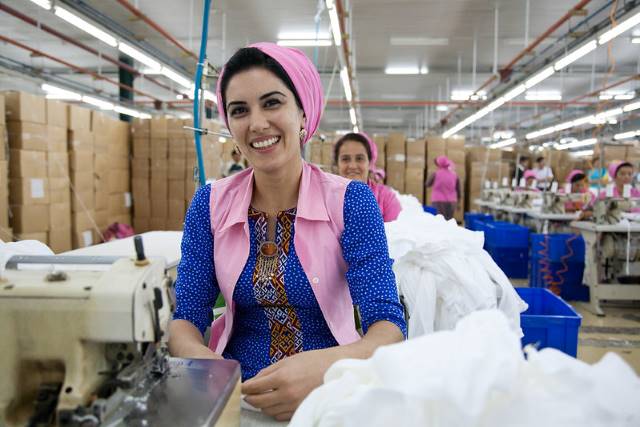
The Sports Bra Project In many countries, sports bras are often overlooked as a basic necessity and are deemed a luxury. Sports bras are either hard to come by or oftentimes put at the end of the list when it comes to expenses. Due to the inaccessibility and high expense of sports bras, Sarah Dwyer-Shick created the Sports Bra Project. The Sports Bra Project recognizes that a lack of sports bras presents a barrier to female participation in sports, limiting opportunities for inclusion. With more women engaged in sports, more women are empowered and open to possible athletic careers that present a pathway out of poverty.
What is the Sports Bra Project?

Dwyer-Shick founded the Sports Bra Project in 2018 when she discovered the need for sports bras in Namibia, Africa. Originally, she brought a few sports bras to local women participating in youth soccer. She then discovered that even players on the Namibian National Women’s Soccer Team did not have access to sports bras. Dwyer-Shick realized the greater need for sports bras all around Africa, not just Namibia. From this revelation, the nonprofit was born.

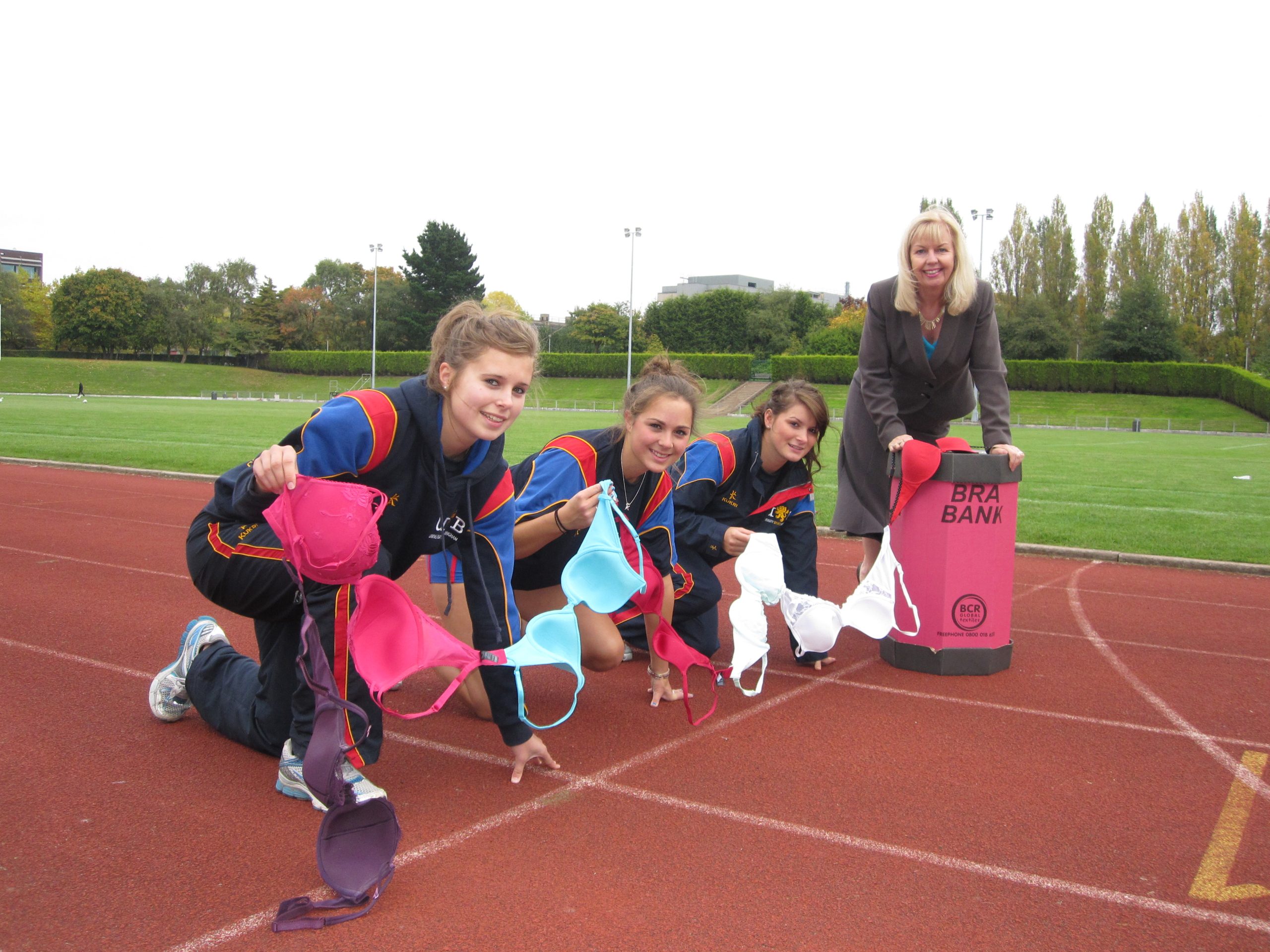
The Sports Bra Project provides sports bras to people in 26 different countries. The organization collects sports bras and distributes them to partner organizations, many of which are located in Africa. Through these efforts, the project helps female athletes overcome one of the main barriers to participation in sports — proper attire. Without the needed clothing, many people are hesitant to join in sports. For those who do join, improper athletic clothing hinders their performance and can even lead to pain or injuries.

The Sports Bra Project has already collected more than 4,500 sports bras for athletes in need. Even ordinary individuals can contribute to the cause by donating sports bras and setting up collection campaigns. More than 50 soccer teams in the United States have held sports bra drives to collect sports bras for those in need all over the world. The nonprofit also allows handwritten notes to be attached to the bras to make donations more personal.

How Sports Bras Help Poverty

The Sports Bra Project was set up because something as simple as an article of clothing can provide countless opportunities to young girls and women around the world. Although sports bras seem like an added expense, sports bras can decrease poverty.

Sports bras address the gap between males and females in sports, which has a catalyst effect. Sports activities keep children off the streets, provide a possible career path and provide a healing outlet for those who have experienced trauma. Regardless of the reasoning behind participation, sports foster important traits that ensure a brighter future for participants. “Teamwork, leadership and confidence” are among these traits.

Sports bras decrease poverty by reducing the gender gap in sports while uplifting and empowering females with valuable skills that go beyond the sports arena. Proper clothing encourages women to participate in sports and empowers women to step into arenas typically dominated by males. By reducing the gender gap and supporting females to develop careers in sports, women are empowered to rise out of poverty.

– Maddie Rhodes
Photo: Flickr

May 30, 2021
https://borgenproject.org/wp-content/uploads/borgen-project-logo.svg 0 0 Kim Thelwell https://borgenproject.org/wp-content/uploads/borgen-project-logo.svg Kim Thelwell2021-05-30 01:30:312021-07-15 01:26:32How the Sports Bra Project Decreases Poverty
Global Poverty, Women's Empowerment

4 Sustainable Fashion Brands Fighting Poverty

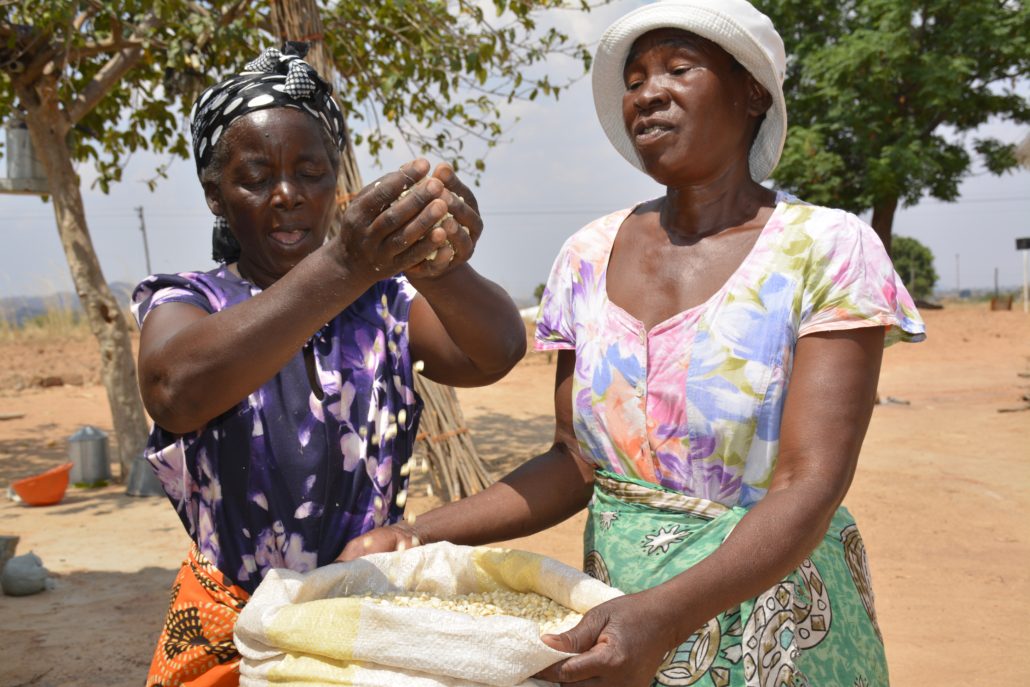
sustainable brands fighting povertyThere are many sustainable fashion brands fighting poverty. In many countries, jewelry making is not only a tradition but also a way to make a living. Many poverty-stricken countries rely on fashion production to keep their economy going. Because of this, brands that provide their garment workers a fair living wage and safe working conditions help alleviate poverty in low-income areas. Sustainability lifts workers out of cycles of poverty by making long-lasting products from sustainable materials. The following brands produce fair trade products and are finding alternative ways to continue fighting global poverty.


ARMEDANGELS

ARMEDANGELS is a fair fashion brand that prioritizes producing contemporary and modern collections with fairly produced, eco-friendly and high-quality products. The company ensures high standards and fair working conditions by working with PETA, the Fair Wear Foundation and the Fairtrade Organization. Since 2011, the brand has been Global Organic Textile Certified (GOTS) and only works with regenerative and sustainable materials, which include organic linen, organic wool, recycled cotton, organic cotton and more.

In April 2018, the company founded ARMEDANGELS Organic Farmers Association to help small farmers transition from conventional cotton to organic cotton. The brand also strives in pushing for social change by engaging in political and environmental activism. Within its Greener Deal, donations were provided to organizations actively involved in climate protection in Europe and Germany. ARMEDANGELS also achieved climate neutrality and its CO2 emissions are two-thirds lower in intensity than classic fashion companies.

SOKO

SOKO is a certified women-led B-corp ethical jewelry brand that employs Kenyan artisans who produce collections for conscious consumers. This company believes that economic sovereignty and financial inclusion provide lasting impacts and actively works to reduce poverty and inequality. The brand works toward this goal with its virtual manufacturing platform. The platform connects 2,300 independent artisans with a global marketplace through mobile technology. The SOKO platform allows artists to receive orders and payments to hand-make products from upcycled and ethically sourced materials. Because of this network, workers can improve and preserve their cultural techniques at scale. They can also earn five times more than those employed in an average artisan workplace.

SOKO employees only work 50% or less of their total capacity. This helps them to avoid sole reliance on this particular sustainable fashion brand, to guarantee their freedom and to encourage sustainable, long-term economic sovereignty. Because of policies like this, the United Nations, USAID and the World Bank have endorsed SOKO for its social impact.

Nudie Jeans

Nudie Jeans is a Swedish denim brand founded in 2001 that produces 100% organic cotton denim collections for more than 50 countries. The company prioritizes environmental and social sustainability through its free repair services, resale of secondhand trade-in jeans and by paying its garment workers a living wage. Since 2016, Nudie Jeans’ stakeholders have verified that 3,400 workers have been provided additional payments to ensure a living wage. These payments expanded in 2019 to include workers employed in the spinning mills, knitting and processing units. This has the effect of creating a fair trade system throughout its supply chain.

Akola

Akola is a jewelry brand that uplifts Ugandan women by providing empowering job opportunities in Jinja, Uganda. Akola employs nearly 200 Ugandan women. By handcrafting each piece, female workers break free from poverty through fair-paying jobs that help them achieve economic independence. Because of this policy, positive economic impacts reverberate through families and communities.

The women are also provided with a holistic curriculum of programs. The brand offers training programs on leadership, financial literacy and skills to become self-reliant. This brand uses cultural techniques and local and sustainable materials such as upcycled palm leaves, cow horns and agave plants. The impact of Akola is shown by the fact that 66% of Akola-employed women own land or a home, almost 80% of Akola children are enrolled in school and almost 30% of Akola women are in community leadership positions.

These sustainable fashion brands fighting poverty help create solutions in the fashion industry. Supporting fair fashion can help garment workers escape the cycle of poverty.

– Giselle Magana
Photo: Flickr

May 22, 2021
https://borgenproject.org/wp-content/uploads/borgen-project-logo.svg 0 0 Kim Thelwell https://borgenproject.org/wp-content/uploads/borgen-project-logo.svg Kim Thelwell2021-05-22 07:30:022024-12-13 18:02:284 Sustainable Fashion Brands Fighting Poverty
Global Poverty, Politics, Women's Empowerment

5 Improvements for Kosovo Women in Politics

Kosovo women in politics
Kosovo women hold more power in politics than ever before, including the highest office. Vjosa Osmani became the acting president of Kosovo after the arrest of the previous leader for war crimes in November 2020. For Kosovo women in politics, suppression from the 1990s Serbian rule still affects their representation in democratic offices since Serbia refuses to recognize Kosovo’s 2008 declaration of independence. However, 44 of 120 new Parliament members the country elected in February 2021 were women, marking the highest number of women that the body has ever elected.

5 Ways That Kosovo Women are Gaining Representation in Politics

  1. Parliament Quota – After the Kosovo War with Serbia ended in 1999, Kosovo’s police force expanded to include the recruitment of female officers. One of these officers, Atifete Jahjaga, became Kosovo’s first female president in 2011. In 2004, Kosovo’s Law on Gender Equality declared equal opportunity for male and female participation in politics. In 2008, the Law on General Elections introduced a gender quota requiring a representation of at least 30% of either gender in elections. During the 2021 February election, women won more seats in Parliament than any previous year. About 40% of seats in Parliament are now for Kosovo women.
  2. National Democratic Institute’s Week of Women – In Kosovo, there is an annual workshop called The Week of Women. This campaign brings about 100 Kosovo women together to discuss various topics in politics. In 2018, Kosovo held its first six-month intensive program called Women’s Leadership Academy (WLA). The academy focuses on building skills for Kosovo women in politics and one can still access it online. The National Democratic Institute coaches women with various political representations, organizations and research findings. On September 15, 2018, participants shared their results with the Women’s Caucus in the Kosovo Assembly to celebrate the International Day of Democracy.
  3. Kosovo Women’s Network – The Kosovo Women’s Network (KWN) strives to improve women’s participation in politics. Six programs partner with 158 membered organizations. The programs include strengthening measures, decision-making, health care, gender, empowerment and education.
  4. “Marching, not Celebrating” Protest – In March 2020, Acting President Vjosa Osmani and Prime Minister-designate Albin Kurti attended protests for women. The rally had the title of “Marching, not Celebrating” and protested rampant domestic violence and a patriarchal society. Osmani is the second female president since the Serbian war, a substantial example of increasing opportunity for Kosovo women in politics.
  5. Girls Lead Act – The Girls Lead Act is a U.S. bill that received introduction in 2019. It directs the Department of State and the U.S. Agency for International Development to report to Congress the best solutions to help girls in democratic governance. If passed, this act will prioritize foreign aid in these areas as well, and can significantly aid Kosovo women. Currently, the bill receives support online.

An Optimistic Future

Kosovo women in politics are steadily increasing their solidification of power within the democracy. Kosovo’s independence is growing, though Russia and China’s support of Serbia only recognize Kosovo as a partially independent country. But, the United States and reputable European countries wholeheartedly recognize Kosovo’s independence, providing hope to not just women but also Kosovo’s people in general.

– Libby Keefe
Photo: Flickr

May 17, 2021
https://borgenproject.org/wp-content/uploads/borgen-project-logo.svg 0 0 Kim Thelwell https://borgenproject.org/wp-content/uploads/borgen-project-logo.svg Kim Thelwell2021-05-17 07:31:392024-05-30 22:23:115 Improvements for Kosovo Women in Politics
Women's Empowerment, Women's Rights

Organizations and Government Initiatives Tackling Women’s Rights in Cyprus

Women's Rights in Cyprus
The Republic of Cyprus is located in the eastern Mediterranean Sea. With a population of 1.2 million people, this country faces gender inequality in education, wages and poverty rates. However, its government is working to improve women’s rights in Cyprus through various policies and programs.

The Gender Gap

Cyprus ranks 21st on the European Union’s Gender Equality Index. The European Institute for Gender Equality (EIGE) developed this measurement to see how different factors like age and disability have an impact on gender equality. Cyprus’ ranking emphasizes the need for improved gender equality, specifically women’s rights. Even though there are more women in education than men, in 2017, only 32% of women were secondary school graduates. However, this percentage went up to 38% only a year later.

Despite having more female graduates from secondary and tertiary education, men often receive more pay than women. In fact, women earn half of what men earn. A disproportionate number of women live in poverty in comparison to men. The AROPE (at-risk-of-poverty and social exclusion) measure, which measures poverty, exclusion from the labor market and material deprivation, found that 23.3% of women were in poverty in 2019 while men were at 21.2%. Three in 10 women were at risk of poverty or social exclusion in 2017.

Despite its low ranking in the Gender Equality Index, Cyprus is making faster progress than other countries when it comes to gender equality scores. One can credit this improvement to effective government initiatives.

Government Initiatives

The Constitution of Cyprus has a section on gender equality. Article 28 of the constitution focuses on the equal treatment of women and prohibits discrimination. Cyprus has implemented many government policies and programs to improve gender equality in the country. The government distributed its Strategic Plan on Equality between Women and Men 2014-2017 to different government departments, ministries and local authorities. This precedent has continued with its National Action Plan (NAP) on Gender Equality 2018-2021, increasing awareness for gender equality throughout different areas of the country.

The government of Cyprus has established six new committees to bridge this gender gap. Two committees specifically target violence against women and trafficking and economic empowerment. The government has also increased collaboration with different women’s organizations.

Cyprus Women’s Lobby and Cyprus Antipoverty Network

The Cyprus Women’s Lobby is a branch of the European Women’s Lobby, a nonprofit organization that works with European institutions and civil society organizations. The Cyprus Women’s Lobby is a network of 16 women’s organizations and nonprofit organizations. This group formed in 2008 to improve gender equality and women’s rights in Cyprus. The NAPN-Cyprus (National Anti-Poverty Network Cyprus) is a network of nonprofit organizations. This network focuses on eliminating poverty and social exclusion. NAPN-Cyprus helps alleviate the gender inequality in the country, specifically of women’s rights due to their higher levels of poverty.

Women face a disproportionate amount of inequality in Cyprus. However, their government and different nonprofit organizations are looking to bridge this gap in inequality.

– Mia Banuelos
Photo: Flickr

May 16, 2021
https://borgenproject.org/wp-content/uploads/borgen-project-logo.svg 0 0 Kim Thelwell https://borgenproject.org/wp-content/uploads/borgen-project-logo.svg Kim Thelwell2021-05-16 13:12:332024-05-30 22:23:16Organizations and Government Initiatives Tackling Women’s Rights in Cyprus
Global Poverty, Women's Empowerment

Microfinance in Zimbabwe: Supporting Women Entrepreneurs

Microfinance in Zimbabwe
Imagine a Zimbabwean woman trying to run a very small chicken farm amid the rising inflation of Zimbabwe’s unstable economy. Prices are constantly shifting, making it harder to buy the chickens and feed she needs to keep her business afloat. Her name is Nyachi and she is constantly struggling to stay ahead of the rocky economic situation in Zimbabwe.

Partners Thrive Microfinance and Whole Planet Foundation provided her with a loan of $50, equivalent to 500 Zim. Nyachi was able to buy more chickens and feed, allowing her to remain open for business. With the boost from the loan, she can pay back the money and even take out another loan. Thrive Microfinance also provides courses in business and economics, so Nyachi can be more prepared to handle the complex financing of being an independent entrepreneur. She is an example of how microfinance in Zimbabwe can change the country. Her story is just one of many featured on Whole Planet Foundation’s website, illustrating hard times for many small business owners as well as stories of hope.

The Situation in Zimbabwe

Zimbabwe is currently experiencing an economic crisis. Recent natural disasters, the COVID-19 pandemic and poor economic and financial leadership contribute to the country’s current situation. High inflation rates and the rapid devaluation of the Zimbabwean Dollar plunged the population into poverty and food insecurity. In 2015, The World Bank estimated that around 72% of Zimbabweans lived in poverty. In 2019, it was reported that 50% of Zimbabweans were food insecure and 49% were living in extreme poverty.

More and more women in Zimbabwe are taking on small-scale entrepreneurial roles. However, the male-dominated traditions make it difficult for women to get the loans needed to start and run a business. Without a bank account or the proper collateral for a loan, female entrepreneurs have a challenging road to success. These low-income businesses often struggle to profit since, without loans to start or expand a business, it is often impossible to procure necessary equipment and workers. In Zimbabwe, 52% of the population is female, yet women earn only 10% of the country’s income. This disparity is why most organizations for microfinance (MFIs) in Zimbabwe and worldwide cater specifically to women.

Simple Solution but Complicated History

Microfinancing is not an especially new concept, but its history is complex. In 1997, the wild success of Grameen Bank in Bangladesh sparked global attention. Unfortunately, many MFIs popping up in the wake of that success failed to improve or even worsened situations in their countries. Low-income borrowers in India and Nigeria were victims of MFIs with ultra-high interest rates and other issues that made paying them back difficult or near impossible, especially for those who were not financially literate.

Zimbabwe faced similar challenges when introducing MFIs into the economy and still struggles with some of those issues today. However, with more NGOs and nonprofits becoming involved in microfinance in Zimbabwe, interest rates and other predatory lenders are more scarce. Additionally, with organizations like Thrive working to teach financial literacy to aspiring entrepreneurs, the likelihood of borrowers being taken advantage of is much lower.

Today’s Goals

In 2018, the non-banking financial institution Thrive Microfinance partnered with Business Call to Action, an alliance bringing together multiple governments to address the need for low-income business owners to have the ability to engage in their country’s economics more fully. This alliance aims to provide loans and business management training to 16,500 women and girls in Zimbabwe.

The global nonprofit Kiva uses donated funds to finance small loans. Once a loan is repaid, donors can either withdraw their funds or recycle them back into the revolving lending system. Kiva is currently able to crowdsource an average of $2.5 million in renewable funds every week, making for a total of $1.4 billion in loans given to date. Their mission is a financially inclusive world where everyone is capable of improving their situation.

Programs like these lend more than money. The satisfaction of running a business, the empowerment that comes from education and the security of financial stability lend hope for the future, a loan that never has to be repaid.

– Kari Millstein
Photo: Flickr

May 9, 2021
https://borgenproject.org/wp-content/uploads/borgen-project-logo.svg 0 0 Kim Thelwell https://borgenproject.org/wp-content/uploads/borgen-project-logo.svg Kim Thelwell2021-05-09 07:31:182024-05-30 22:23:06Microfinance in Zimbabwe: Supporting Women Entrepreneurs
Food Security, Global Poverty, Women and Female Empowerment, Women's Empowerment

The Aisyiyah Women’s Movement in Indonesia

Women’s Movement in Indonesia In Central Java province, Indonesia, a group of Aisyiyah volunteers planted mahogany, sengon and teak trees. Aisyiyah is the oldest Islamic women’s movement in Indonesia, founded in 1917. Aisyiyah has four million members dispersed throughout the country. In March 2021, Aisyiyah pledged to plant five million fruit trees in Indonesian homes and gardens, which will contribute to fighting food insecurity during COVID-19.

The Impact of COVID-19

In the last few decades, Indonesia has reduced poverty significantly. The poverty rate has been reduced by more than 50% since 1999, with a poverty rate of 9.78% in 2020. Unfortunately, the pandemic has disrupted the country’s poverty progress. Between March and September 2020, the national poverty rate increased from 9.78% to 10.19%. Approximately one million more people fell below the poverty line due to the pandemic, reversing three years of progress. The Indonesian Government has taken swift action by implementing emergency monetary aid to support households and companies, ensuring a sufficient vaccine supply and improving social benefits and healthcare systems. In addition, the government promised to reduce emissions by 29% in nine years. Most of Indonesia’s emissions come from land conversion so the government intends on implementing reform to protect land and forests.

Aisyiyah has a quest to plant millions of fruit trees, which will help reduce the pressure on forests and feed families. The group cooperates with the national government and other organizations, enabling Aisyiyah to extend its outreach. The women’s movement in Indonesia has strategically multiplied its impact, becoming a powerful force for change.

Aisyiyah’s Environmental Wing

In 2015, the organization created its environmental wing known as the LLHPB to help women respond to natural disasters and climate-related issues. The sector has since expanded its horizons, helping the country reach its emission goals and fight against natural disasters. In the Kalimantan area of Indonesia, volunteers help prevent wildfires. In rural areas of Indonesia, reforestation efforts have faced numerous roadblocks, including weak seedlings and failure to maintain trees after the seeds were planted. Since the close of 2020, Aisyiyah volunteers have planted 4,700 tree seedlings.

Addressing the drought in the Sukoharjo area of Indonesia, members of Aisyiyah purchased gallons of water for affected families. The LLHPB plans to collaborate with the Peatland and Mangrove Restoration Agency to rehabilitate destroyed forests and land in the province of Riau. Together, the organizations and others will replant 600,000 hectares of mangrove forests by 2024.

Aisyiyah’s Connection to the Muslim Faith

Indonesia’s population is predominantly Muslim so Aisyiyah caters its environmental activism to the Muslim audience. The organization uses teachings of the Muslim faith to explain to people why environmentalism is important. According to the Muslim faith, humans are guardians of nature. Aisyiyah promotes this teaching through “Green Ramadan,” a nightly informational session about plastic waste reduction that lasts through the month of Ramadan. Muslims do good deeds during this month so Aisyiyah promotes environmental consciousness as an easy good deed. LLHPB members consider environmental work as elemental to their faith, which corresponds to a message that spreads to the “Green Ramadan” audience.

History of Aisyiyah

Aisyiyah was founded in 1917 as a female education movement in response to the lack of formal schooling for girls. Today, it operates thousands of schools, supports healthcare centers and runs social programs to promote breastfeeding and improve child and maternal health. The organization encourages its international members to advocate for reproductive rights and discourage child marriage. As a non-governmental organization, donations and fundraising activities fund Aisyiyah’s work.

The Aisyiyah women’s movement in Indonesia now works in 33 provinces and more than 7,500 rural Indonesian villages. As of 2016, it has supported more than 1,000 family business ventures to improve household poverty. Through its Empowering Indonesian Women for Poverty Reduction Program (MAMPU), Aisyiyah reached almost 9,000 women and provided training to more than 1,000 local leaders.

Aisyiyah is addressing issues of poverty and the environment in Indonesia by planting trees and dedicating efforts to education, women’s empowerment and child and maternal health, among other issues. Aisyiyah is an inspiring example of a local organization making a significant impact.

– Rebecca Pomerantz
Photo: Flickr

April 30, 2021
https://borgenproject.org/wp-content/uploads/borgen-project-logo.svg 0 0 Kim Thelwell https://borgenproject.org/wp-content/uploads/borgen-project-logo.svg Kim Thelwell2021-04-30 04:15:502021-06-09 04:16:08The Aisyiyah Women’s Movement in Indonesia
Gender Equality, Global Poverty, Women, Women and Female Empowerment, Women's Empowerment, Women's Rights

The Benefits of Investing in Women

The Benefits of Investing in Women
Gender equality, or rather a lack of gender equality, is not simply a historical problem. To this day, women all around the world face inequality. One of the most notable issues pertaining to gender inequality is the gender wage gap. Its impacts affect not only women but society as a whole. To end the gender wage gap and other inequalities, society must start to recognize the benefits of investing in women.

The Gender Wage Gap Explained

There are two types of gender wage gaps. The controlled wage gap refers to when a man and a woman have the same exact job in the same exact industry with the same exact qualifications. In this situation, as of 2021, women earn 98 cents per $1 that men earn. This seemingly small upfront difference builds up over time, and the pay discrepancy leads to very dissimilar outcomes for these two genders.

An uncontrolled wage gap is the second type. The uncontrolled wage gap refers to the overall difference between men’s and women’s wages. It does not matter what job it is, what industry one works in or if one works full- or part-time. The measurement takes into account how much each worker makes on average per hour each year. This gap is much more prominent—a woman makes 82 cents to a man’s $1 as of 2021.

Companies provide several “justifications” for why women receive less pay than men within the organizations, but actual reasons include employers’ implicit biases, a wage penalty that accompanies motherhood and a higher likelihood of women working part-time. This is based on if women have the opportunity to obtain higher-wage jobs within such companies. Often, women are unable to attend school to receive the qualifications necessary for high-skilled work.

These inequalities in labor compensation become more glaringly obvious when it comes to unpaid labor. Women are more than twice as likely as men to participate in unpaid work. Notably, the most frequent unpaid jobs women take on are domestic work and child care. In impoverished communities, women must sacrifice their education to fulfill the expectation to manage the household and raise children.

The Importance of Investing in Women

Beyond equality, investing in women provides a multitude of economic benefits. The unpaid labor women often take on can actually hinder the economy. Economists estimate that unpaid domestic workers—if paid—could constitute approximately 40% of a nation’s GDP. A lack of education for women also plays a role in stunting economies. When women receive education, economies tap into a whole new sector of individuals that bring new, innovative ideas to the table, which help economies grow. Further, studies show that for every 10% of girls enrolled in school in a developing country, the GDP increases long-term by 3%.

In addition to paying women for labor and educating women, it is imperative to give women advancement opportunities. Women make up approximately half of the agricultural labor force but less than 13% of landholders globally. If women obtain the same amount of land, technology and capital as men, there could be an estimated 30% increase in food production. In this way, empowering women could help to substantially reduce world hunger. On the more industrial side, studies show that both efficiency and organization significantly increase when three or more women enter senior positions at companies.

A Better Society For All

Decreasing the wage gap begins in three main areas: women’s unpaid work, education and health. When women in developing countries receive aid and money, the aid does not stop at just the direct beneficiary. Women are likely to extend the benefits to those around them; women tend to invest their earned money into their children’s education and health as well as their own. Giving women financial tools has economic gain for all and promotes economic justice.

The best way to ensure a fair economy is to invest in women, particularly in developing countries. Women should have the opportunity to work the same jobs, receive the same qualifications and have the same economic opportunities as men. Society’s way forward is through taking advantage of the benefits of investing in women.

– Becca Blanke
Photo: Flickr

April 29, 2021
https://borgenproject.org/wp-content/uploads/borgen-project-logo.svg 0 0 Kim Thelwell https://borgenproject.org/wp-content/uploads/borgen-project-logo.svg Kim Thelwell2021-04-29 07:30:252024-05-30 22:23:26The Benefits of Investing in Women
Gender Equality, Global Poverty, Women's Empowerment, Women's Rights

The State of Women’s Rights in Ethiopia

Women’s Rights in EthiopiaEthiopia is a country that is on the rise in global influence, population and economic power. The country has a long and rich history with plenty of powerful female figures, including empresses and heads of state. Still, the state of women’s rights in Ethiopia is not ideal, with women facing a lot of discrimination and far fewer opportunities. While women remain in fewer positions of power and at the wrong end of unequal gender relations, it appears the country is making progress.

The Gender Equality Issues

Ethiopia struggles with massive inequality between the sexes. The Global Gender Gap report in 2010 ranked Ethiopia 121st out of 134 countries in gender disparities. Inequality persists in multiple facets. U.N. Women lists these areas as being of particular concern:

  • Literacy
  • Health
  • Livelihoods
  • Basic Human Rights
  • Social Support

Women suffer from several health inequalities like higher HIV prevalence, high maternal mortality and restricted access to healthcare. Women also participate far less in the workforce and suffer from the impacts of many traditional practices like child marriage and genital mutilation.

Further problems also plague Ethiopian women. In rural communities, women perform most agricultural labor but rarely receive pay or recognition for it. Gender-based violence is a significant problem yet community resources do not reach a lot of women. This is because 80% of Ethiopia’s population lives in rural areas with little infrastructure. Women also experience systemic discrimination regarding land ownership, education and the justice system.

Women’s rights in Ethiopia are not a lost cause. Global actors and Ethiopian organizations are doing plenty to strive for gender equality. These contributions are thus beginning to have a noticeable effect on the country and the fortunes of Ethiopian women.

Leave No Women Behind

U.N. Women’s Leave No Woman Behind program is an example of a concerted effort that had a positive effect on Ethiopian women, targeting Amhara and Tigray regions in 2009. The program focused on the many dimensions of women’s poverty. It aimed to increase women’s human rights at a grassroots level through increased government involvement. Furthermore, the program aimed to “address gender disparities in literacy and educational attainment, sexual and reproductive health services and gender-based violence (GBV).” In addition, it also aimed to provide women better access gender-sensitive reproductive care and help them achieve sustainable and resilient livelihoods.

From February 2009 until February 2012, the program reached more than 100,000 women. Its achievements include reduced child marriage, reduced female genital mutilation, increased access to maternal and HIV care, more equitable division of household labor and more.

Women’s Organizations and Movements

Several Ethiopian women’s organizations have been important in increasing awareness and fighting for women’s rights. The Ethiopian Women with Disability National Association (EWDNA) works toward equal rights and ending social discrimination against women with disabilities. EWDNA serves women with disabilities of all kinds. EWDNA’s work includes the “provision of services in rehabilitation, education and skills training; the promotion of mobility and accessibility, reproductive health and HIV/AIDS education/support” and the comprehensive participation of persons with disabilities on all levels.

Setaweet is a feminist movement based in Addis Ababa, formed in 2014. It is a grassroots movement that seeks to create and espouse a uniquely Ethiopian form of feminism. Setaweet runs gender workshops in secondary schools, provides a gender-based violence call center for women who have experienced abuse, runs a women’s scholar program and presents exhibitions to raise awareness about issues like sexual violence against women.

Gender Equality Progress

Efforts for greater women’s rights in Ethiopia are paying off. In the past two decades, the Ethiopian government has implemented many landmark acts and policies to protect women and afford them more opportunities. This includes legislation that criminalizes domestic violence and several harmful traditional practices that affect women. In 2018, Ethiopia’s parliament appointed Sahle-Work Zewde as the nation’s first female president, a landmark decision for Ethiopian women’s political participation. Women now form half of the cabinet members. Women’s rights in Ethiopia are therefore showing steady and strong signs of improvement, empowering women in the country.

– Clay Hallee
Photo: Flickr

April 25, 2021
https://borgenproject.org/wp-content/uploads/borgen-project-logo.svg 0 0 Kim Thelwell https://borgenproject.org/wp-content/uploads/borgen-project-logo.svg Kim Thelwell2021-04-25 01:30:512024-05-30 22:23:15The State of Women’s Rights in Ethiopia
Global Poverty, Women and Female Empowerment, Women's Empowerment, Women's Rights

The Sophia Society Empowers Women in Kurdistan

The Sophia SocietyIn an area of the world fraught with conflict and tension, Kurdish women continue to fight for equality and rights. Achieving this requires a united commitment to changing the perspective and understanding of culture and the role women hold in society. As a historically conservative society, change sometimes poses a challenge for Kurdistan. The Sophia Society fights for the protection and empowerment of women in Kurdistan.

Women in Kurdistan

Incidents of violence against women are rampant in Kurdistan. Many advocates and women’s rights activists continue to speak out against gender-based violence to lobby for change. Many of the protests and advocation for expanding women’s rights stem from a series of honor killings, domestic violence and human trafficking. Much of the violence thus begins at the family level and the law shrouds it. In a nation where forced marriage is a common practice, a woman’s refusal can thus lead to her death.

Honor killings are justified as a way to quiet a rebellious woman who refuses the will of the man who controls her life. Additionally, these women end up in unmarked graves as a symbol of shame. The Sophia Society aims to put an end to honor killings and other injustices experienced by women, including sexual violence.

Women in Government

The Kurdish government continues to work toward the expansion of rights and the integration of women into leading roles. With a 30% quota of women in parliament and a complete High Council of Women’s Affairs, it appears that the Kurdish government is well advanced on integration. However, critics argue that many of these women serve only as a token and their roles hold no substantial political power.

Political inclusion is a great success for Kurdish women, yet there continue to be cultural aspects that need improvement. From an outsider’s perspective, the number of women in political positions tells a tale of growth and modernization but the lack of domestic safety also makes this questionable.

The Sophia Society

Lanje Khawe established the Sophia Society in 2016, primarily to increase the literacy of Kurdish girls. Since then, the scope of this organization has expanded because it looks to address the multidimensional struggles of women. The members of this Society travel to remote villages via bicycle to deliver books to young girls and women so that they can become literate, educated and empowered in a country that oppresses them. Furthermore, the Society aims to raise awareness about sexual violence against women.

In a patriarchal society, others often deny girls access to books and education because of the misguided fear that they might rebel against patriarchal expectations. However, in many cases, it is this patriarchal society that threatens the security and safety of these girls, as one can see through honor killings.

Impact of the Sophia Society

The Sophia Society continues to use its voice to highlight the horror of honor killings and challenge the status quo within the Kurdish region. The Society, therefore, pushes for acknowledging women’s voices both politically and socially.

The challenge these women face in organizing this group is that if they do anything to bring shame to their families, death becomes a potential outcome.

What Needs to Change?

The most challenging aspect of change in these Kurdish regions is the transformation of societal normalities and cultural expectations. This will therefore require progressive laws and policies as well as public gender equality campaigns. Women learn to be passive and submissive. Because of this, the Sophia Society, therefore, wants to uplift and educate women as the feminine voices of the nation.

The national growth is slow-moving yet hope exists for the future of women’s rights as the Sophia Society commits to change. This group creates an organization of role models for other women who no longer want gender norms to define them. The Sophia Society stands alongside Kurdish women to prepare for a changed future.

– Kate Lucht
Photo: Flickr

April 24, 2021
https://borgenproject.org/wp-content/uploads/borgen-project-logo.svg 0 0 Kim Thelwell https://borgenproject.org/wp-content/uploads/borgen-project-logo.svg Kim Thelwell2021-04-24 07:30:112021-04-22 19:19:39The Sophia Society Empowers Women in Kurdistan
Page 21 of 54«‹1920212223›»

Get Smarter

  • Global Poverty 101
  • Global Poverty… The Good News
  • Global Poverty & U.S. Jobs
  • Global Poverty and National Security
  • Innovative Solutions to Poverty
  • Global Poverty & Aid FAQ’s
Search Search

Take Action

  • Call Congress
  • Email Congress
  • Donate
  • 30 Ways to Help
  • Volunteer Ops
  • Internships
  • Courses & Certificates
  • The Podcast
Borgen Project

“The Borgen Project is an incredible nonprofit organization that is addressing poverty and hunger and working towards ending them.”

-The Huffington Post

Inside The Borgen Project

  • Contact
  • About
  • Financials
  • President
  • Board of Directors
  • Board of Advisors

International Links

  • UK Email Parliament
  • UK Donate
  • Canada Email Parliament

Get Smarter

  • Global Poverty 101
  • Global Poverty… The Good News
  • Global Poverty & U.S. Jobs
  • Global Poverty and National Security
  • Innovative Solutions to Poverty
  • Global Poverty & Aid FAQ’s

Ways to Help

  • Call Congress
  • Email Congress
  • Donate
  • 30 Ways to Help
  • Volunteer Ops
  • Internships
  • Courses & Certificates
  • The Podcast
Scroll to top Scroll to top Scroll to top