• Link to X
  • Link to Facebook
  • Link to Instagram
  • Link to TikTok
  • Link to Youtube
  • About
    • About Us
      • President
      • Board of Directors
      • Board of Advisors
      • Financials
      • Our Methodology
      • Success Tracker
      • Contact
  • Act Now
    • 30 Ways to Help
      • Email Congress
      • Call Congress
      • Volunteer
      • Courses & Certificates
      • Be a Donor
    • Internships
      • In-Office Internships
      • Remote Internships
    • Legislation
      • Politics 101
  • The Blog
  • The Podcast
  • Magazine
  • Donate
  • Click to open the search input field Click to open the search input field Search
  • Menu Menu

Archive for category: Women

Information and news about woman issues

Advocacy, Developing Countries, Education, Global Health, Global Poverty, Poverty Reduction, Women, Women and Female Empowerment, Women's Empowerment

Why Women are More Likely to Live in Poverty

Women Are More LikelyGlobally, women are faced with the invisible burdens of gender inequality which are entrenched deeply within institutional structures and communities as a whole. These prejudices may limit a woman’s access to higher employment and assistance programs, ultimately leading to higher rates of poverty, especially among women of color. As of 2018, the poverty rate for women was 12.9% compared to the 10.6% rate among men. There are several reasons why women are more likely to live in poverty.

Educational Inequalities

In many developing countries, women are more likely to be denied an education, as nearly 25% of all girls have not completed primary school education and two-thirds of women make up the world’s illiteracy rate. In Somalia, for example, only 7% of girls are enrolled in primary school. The lack of education among women may result in higher pregnancy and poverty rates. According to the United Nations Girls’ Education Initiative, a girl’s education is a driving force in their economic well-being. Somalia suffers from one of the world’s worst educational systems and is one of the poorest countries as well, having a poverty rate of 73%. With education, females can increase their access to higher-paying jobs, and thus, benefit the family’s income., which results in a positive cycle for generations, bettering the economy overall.

Women Are Paid Less

Despite having the same qualifications and working the same hours, women are more likely to get paid less than men. Worldwide, women earn nearly 20% less than men. These variances within wages affect women in low-paying jobs and poorer countries dramatically. Closing the gender wage gap can result in overall equal income distribution. In the United States alone, closing the wage gap would mean that half the poverty rate of working women and their families would be cut.

Period Poverty

Around the world, many females may suffer from period poverty: inadequate access to hygienic menstrual products and menstrual education. The lack of education is related to the stigma periods carry. Periods have been associated with immense shame for a long time and this stigma is carried throughout communities, deeply limiting girls’ opportunities. Globally, periods are the reason why girls are absent from school at a disproportionate rate, as two out of three girls in developing countries are skipping school during their period. In India, 23 million menstruating girls drop out of school annually because of a shortage in hygienic wash facilities and products. Without an education, females are less likely to obtain a high-paying job and escape poverty.

Domestic Violence and Sexual Exploitation

One in three females globally fall victim to some form of domestic or sexual violence in their lifetime. Girls and women who grow up in poverty are also at an increased risk of experiencing such crimes. Victims of domestic or sexual violence can be impacted through the degradation of their physical or mental health, loss of employment or are ultimately driven into homelessness. Globally, females lose out on nearly eight million days of employment every year as a direct result of violent acts committed against them. According to a survey by the U.S. Conference of Mayors, domestic violence was the root cause of women becoming homeless in half of all the cities surveyed.

Pregnancy

Economically, females are potentially burdened with the costs of pregnancy, including the additional fees of caring for a child, more significantly than men. Custodial mothers are twice as likely to be poor compared to custodial fathers. Further, unplanned pregnancies can be detrimental to a woman’s income as being unable to work immediately after giving birth means no pay, especially in the informal working sector. In the developing world, nearly 12 million girls aged 15-19 give birth each year, which often results in the end of the girls’ education and the beginning of child marriage. Children who are born from early pregnancies or marriages more often than not enter the same cycle of poverty and no education.

Organizations for Female Empowerment

Malala Yousafzai started the Malala Fund after members of the Pakistani Taliban shot her for advocating the right for girls to be educated. Since then, Malala has built her project into a global initiative that furthers the goal of providing free quality education to young girls in developing countries.

The Orchid Project is a global initiative to end female genital mutilation (FGM). The Orchid Project functions as a platform that raises awareness of the areas where FGM is most prevalent and advocates against the practice. The Orchid Project has brought together more than 193 countries with the collective goal of abolishing FGC by 2030.

Women for Women is an NGO that works to aid those who are in hostile conflict zones and are the victims of collateral damage. Women for Women helps to uplift these victims of violence by providing them with tools, support and education so that they may earn a living and remain stable through the direst of circumstances. Women for Women has helped more than half a million women in countries that have been directly impacted by war and conflicts.

Empowering Women Means Reducing Global Poverty

Females in developing countries experience complexities that restrict their development and progression. Organizations are helping to raise awareness of these complexities and aid women in need. Since women are more likely to experience inequalities that push them into poverty, empowering women ultimately means alleviating global poverty.

– Maya Falach
Photo: Flickr

December 17, 2020
https://borgenproject.org/wp-content/uploads/borgen-project-logo.svg 0 0 Jennifer Philipp https://borgenproject.org/wp-content/uploads/borgen-project-logo.svg Jennifer Philipp2020-12-17 01:30:312024-05-29 22:43:04Why Women are More Likely to Live in Poverty
Developing Countries, Global Poverty, Women, Women's Empowerment

Kudumbashree: Creating a Future for Indian Women

Future for Indian WomenIn 1997, a Kerala state project, recognizing the significance of channeling a significant, often underutilized demographic, began Kudumbashree, a widespread and comprehensive program that seeks to vastly reduce poverty and empower women at the same time. In a state of about 35 million people, Kudumbashree set out on a path to establish local, self-functioning levels of organization that could bring women together, provide access to resources regardless of education, economic status or caste and connect a willing workforce to new and old professional options, opening the future for Indian women across entire regions. In Malayalam, the local language of Kerala, Kudumbashree comprises two unique words, that when combined, translate to “prosperity of the family.” The structure, scale and significance of an enterprise like this is widespread and compelling, not just for one state in India but for an entire country and global community.

Kudumbashree: History and Goals

Kudumbashree is more than just one specific government program; rather, it is also a particular umbrella for cooperating efforts that fall under the jurisdiction of a unifying task force proposition known as the State Poverty Eradication Mission (SPEM). Kudumbashree and SPEM are interchangeable and the second has largely evolved into the first. By one definition, Kudumbashree is a charitable society; by another, it is a facilitator for work. All these descriptions are because of the fundamental and indispensable goal of a budding institution that secures a future for Indian women and their families. Though it may be ambitious and certainly easier said than done, Kudumbashree unabashedly seeks to “eradicate absolute poverty from the State over a period of 10 years.” Even if this goal has not been met yet, a significant amount of resources, community structures and cooperative dynamics have been put into place that brings Kerala closer to success every year.

Programs, Practices and Plans

A little less than half a century ago, Kerala’s poverty levels were at 59.74%. As of 2011 to 2012, that percentage dropped to 11.3%, less than half the national average. A wide range of factors led to this drastic and fortuitous decline and focused public attention and effort have been key among them.

Kudumbashree utilizes the role of the public in a particularly localized, community-centered way, as evidenced by the principal three-tier system the program uses. The three levels in the framework, in order of smallest to largest in terms of local duties, are “Neighborhood Groups,” “Area Development Societies,” and “Community Development Societies.” These hierarchies build upon each other and provide for different prioritizations of tasks.

For instance, Neighborhood Groups are small units with typically less than 30 women members. They meet frequently and are essential in the disbursement of microloans, which the members often save and distribute among themselves. At district-spanning Community Development Societies, more administrative concerns are paramount, such as directing state-financed aid or liaising with governmental bodies. A future for Indian women among Kudumbashree means support and access, not only from the local bodies but from fellow female members of their community.

The Future for Kerala’s Women

At over four and a half million Neighborhood Group members, Kudumbashree spans villages, towns and cities, but more importantly, with every notable award and new business enterprise, it raises greater national awareness. With agribusiness ventures alone, Kudumbashree boasts 778 units serving communities and expanding constantly. The future for Indian women is diverse and full of opportunity, and thanks to initiatives like Kudumbashree, the future is locally-led and integrally focused on the capacities of all people, regardless of gender.

– Alan Mathew
Photo: Flickr

December 11, 2020
https://borgenproject.org/wp-content/uploads/borgen-project-logo.svg 0 0 Kim Thelwell https://borgenproject.org/wp-content/uploads/borgen-project-logo.svg Kim Thelwell2020-12-11 07:14:032020-12-11 07:14:03Kudumbashree: Creating a Future for Indian Women
Development, Global Poverty, Technology, USAID, Women, Women and Female Empowerment

The WomenConnect Challenge: 9 Innovative Projects Empowering Women

Innovative Projects Empowering WomenIn a booming technological world, the gender digital divide continues to suppress women’s access to technology and the global economy. In low- and middle-income countries, women are 10% less likely to own a mobile device than men and are 23% less likely to use the internet. A 2019 report from the GSMA highlights four main reasons for the divide, including affordability, literacy and tech-literacy rates, safety and security and relevance to daily life. The report also estimates that closing the digital divide in just mobile internet usage by 2023 could increase GDP growth by $700 billion in low- and middle-income countries over the next five years.

Through the U.S. government’s Women’s Global Development and Prosperity Initiative (W-GDP), presidential advisor Ivanka Trump and USAID Administrator Mark Green launched the WomenConnect Challenge. With this funding, initiatives seek to shrink the barriers of digital illiteracy and “technophobia” fueled by a lack of complex resources, such as Internet access or formal education. That these barriers unequally limit women and girls leaves entire populations further and further behind in an increasingly digital world. In the first round of the challenge in 2018, USAID awarded more than $2 million to an initial nine innovative projects empowering women and closing gender-based digital divides. The W-GDP initiative hopes to connect 50 million women in developing nations by 2025.

The First Projects that Received Funding

  1. Mali Health – Launched in 2019, the Mali Health application’s trial run proved useful in the lives of 65 women, most of whom live under the poverty line. The women were provided with a smartphone as well as training on the app’s features. The app allows users to search for medical information, advertise their small businesses and connect with larger markets using voice navigation in their native language. An upcoming feature will allow users to voice-record their medical questions and receive a recording back from a doctor. Surveys from the trial run indicate that innovative projects empowering women with knowledge and information boost women’s views on gender equality.
  2. GAPI and Bluetown – GAPI-SI and technology partner Bluetown established the Women in the Network program in Ribaue, Mozambique in late 2019. The project created content “clouds” for locals to access at lower costs than traditional network access, as well as a rent-to-own cell phone program. Additionally, the program is training a team of Ribaue women in technology and internet use so that they may bring this knowledge to their peers and promote widespread connectivity.
  3. GramVaani – Meri Awaz Meri Pehchan, or “My Voice My Identity,” is an app from GramVaani enabling women to connect with other women and spread important information securely in Bihar, India. The application is voice-based, removing the literacy barrier from the equation. Women are trained as “reporters” and visit rural communities to play informational recordings. They gather voiced comments on topics ranging from government programs and water availability to women’s rights. Innovative projects empowering women such as GramVaani make an impact through the dissemination of knowledge, a resource that cannot be taken for granted.
  4. Viamo – The Calling all Women program from Viamo makes use of a voice-based informational platform called the 3-2-1 Service, which allows individuals to share valuable information for free on topics like health, hygiene and financial literacy. The information has reached more than 150,000 people in Tanzania and Pakistan. Additionally, Viamo’s program includes recorded lessons for women on mobile technology and the internet to help bridge the gender digital divide.
  5. Humanitarian OpenStreetMap Team (HOT) – HOT’s project #LetGirlsMap trains women and male allies to map data from Tanzanian villages and report significant issues via mapping platforms. The program has reached 78 villages and has partnered with schools to gather and disseminate knowledge on gender-based violence and economic literacy. Such innovative projects empowering women and girls help them to confront gender norms and inequality while learning about technology and the economy.
  6. Evidence for policy design (EPoD) India at the Institute for Financial Management and Research (IFMR) – EPoD’s project Mor Awaaz utilizes a preexisting government program that is distributing 2 million mobile phones to women in rural India. Mor Awaaz offers training and voice recordings for women on technological literacy and has reached 11,000 women so far, eliminating barriers like caste, mobility and affordability.
  7. AFCHIX – Innovative projects empowering women like AFCHIX are addressing inadequate internet access in impoverished communities. AFCHIX created four women-led “community networks” in Kenya, Namibia, Morocco and Senegal. In these countries, women in community networks lead development projects to bring internet access to their communities and learn the skills needed to upkeep the hardware. The women serve as both technicians and role models.
  8. Equal Access International – Based in Northern Nigeria, Equal Access International created the Tech4Families program to address the cultural norms that prevent women from accessing technology. Tech4Families launched a radio production in August 2020 consisting of 12 episodes that teach listeners about the benefits of technology and justify women’s use of technology via religion and social concepts. The program will be meeting with families to discuss the show’s impact and the next steps toward destigmatizing the idea of women in tech.
  9. Innovations for Poverty Action (IPA) – Low-income women in the Dominican Republic are often unable to access credit from financial institutions because they do not have a credit score. IPA, along with the World Bank, a couple of American universities and other institutions use machine learning and specialized algorithms to redo the credit-earning criteria for women, separately from men. This will allow more women to gain financial credit. Many women state that they will use the money for entrepreneurial endeavors, feeding their families and investing in education.

– McKenna Black
Photo: Flickr

December 8, 2020
https://borgenproject.org/wp-content/uploads/borgen-project-logo.svg 0 0 Kim Thelwell https://borgenproject.org/wp-content/uploads/borgen-project-logo.svg Kim Thelwell2020-12-08 06:29:392024-05-30 07:52:55The WomenConnect Challenge: 9 Innovative Projects Empowering Women
Developing Countries, Gender Equality, Global Poverty, Women, Women's Empowerment, Women's Rights

Preventing Harmful Practices in Malawi

Harmful Practices in MalawiDespite the enactment of the Gender Equality Act in 2013,  Malawi has much more to accomplish with respect to women’s rights. Traditional customs and harmful cultural practices are still deeply entrenched in Malawian society, leading to discrimination and marginalization of women and girls. These practices adversely affect their development, health, socioeconomic status and overall contributions to society. UNICEF defines harmful practices as discriminatory practices that transcend into communities and societies’ cultures and are viewed as acceptable. The most common harmful traditional and cultural practices include female genital mutilation (FGM), Gender-Based Violence (GBV) and child marriage. Such practices perpetuate gender inequalities, violate women’s rights and have detrimental physical and emotional effects on women. The Tilimbike Safe Community Space aims to reduce harmful practices in Malawi that affect women and girls.

Harmful Practices in Malawi

As a result of cultural practices, gender disparities remain pervasive across all aspects of society. Child marriage is a fundamental violation of human rights, with cascading consequences for young girls. For example, girls married as children are more likely to drop out of school, become teenage mothers and have higher rates of maternal mortality.

Malawi has one of the highest rates of child marriage in Africa, with the Human Rights Watch estimating that in 2020, one out of two girls will be married by the time they turn 18.

In addition to child marriage, Malawi remains a setting where gender-based violence is prevalent. One in five young women experiences sexual violence before they turn 18 and nearly 40% of married women have experienced intimate partner violence.

While adequate policies exist, the public and non-governmental sector responses have faced challenges in breaking down discriminatory cultural ideals and improving women’s rights. Harmful practices toward women continue unabated in Malawi due to the persistence of cultural attitudes. However, in rural communities, mentoring has proven to be efficacious in preventing harmful practices and empowering young girls and women.

Tilimbike Safe Community Space

The Tilimbike Safe Community Space is a mentorship program led by The Spotlight Initiative that serves at-risk girls and women in rural communities in Malawi by trying to eliminate harmful practices such as sexual and gender-based violence and child marriage. In mentorship sessions, mentors teach young girls about their basic human rights, sexual and reproductive health and other critical life skills. With this knowledge and interactions with their peers, girls are empowered to speak out and challenge harmful cultural practices.

Tilimbike Safe Community Space has 360 mentors, spanning across the high-risk districts of Dowa, Ntchisi, Mzimba, Nkatabay, Machinga and Nsanje. The program has educated and empowered more than 7,000 young women in these regions by equipping them with knowledge and skills to challenge the harmful practices that fuel GBV in their communities. The women and girls are now apt to speak out in their own communities, with crucial knowledge such as the importance of staying in school and the adverse effects of early marriage. Empowering girls and women is the first step toward change and fostering the foundation for solutions to these harmful practices.

Tilimbike During COVID-19

During COVID-19, women and girls are more confined to their homes due to school closures and travel restrictions. Therefore, they are at increased risk for GBV, teenage pregnancy and being coerced into childhood marriage. Despite the elevated risks, mentees of the Tilimbike Safe Community Space successfully prevented these harmful occurrences. Huge strides have been made to end the harmful cultural practices during COVID-19 restrictions, with no teenage pregnancies or child marriages among the mentees during the lockdown.

These women and girls have renewed hope for achieving their life goals and have enhanced their ability to make informed decisions about their lives and futures. The mentors in the Tilimbike Safe Community Space allow girls and women an opportunity to receive advice and support outside their home to reach their fullest potential. The Tilimbike Safe Community Space illuminates that mentorship programs are effective in breaking down cultural barriers and ending harmful practices.

Further Progression

Initiatives such as the Tilimbike Safe Community Space play a key role in eliminating dismantling gender disparities in society caused by cultural barriers. Mentoring and empowering women and girls will advance not just Malawi but the entire world.

– Samantha Johnson
Photo: Flickr

November 28, 2020
https://borgenproject.org/wp-content/uploads/borgen-project-logo.svg 0 0 Kim Thelwell https://borgenproject.org/wp-content/uploads/borgen-project-logo.svg Kim Thelwell2020-11-28 01:30:482021-01-12 04:45:13Preventing Harmful Practices in Malawi
Global Poverty, Poverty Reduction, Women, Women and Female Empowerment

Trickle Up’s Approach to Poverty Reduction

Approach to Poverty Reduction
Extreme poverty originates in already disadvantaged groups, particularly women, people with disabilities and indigenous peoples. The impact of poverty disproportionately affects communities that already face challenges dependent upon their gender, ability or cultural background. For those who belong to more than one of these identities, poverty can seem inescapable without direct intervention and change within the systems that limit their ability to self-sustain. Trickle Up is one organization that has provided an intersectional approach to poverty reduction by engaging with these vulnerable groups since 1979 and providing women in impoverished areas the financial resources to build up themselves and their communities.

Identity as a Predictor for Extreme Poverty

Women are more likely than men to live in poverty. Many women face the consequences of gender inequalities as they receive 24% less pay than men worldwide and face job insecurity through the informal economy. Moreover, they spend much of their time invested in unpaid labor, such as caregiving.

The Borgen Project spoke with Trickle Up’s Vice President of Programs, Barbara Jackson, who revealed the importance of targeting the obstacles that hold back women especially from emerging out of extreme poverty. She recognized that impoverished women face stigmatization even in their own communities and experience marginalization through the lack of services available to them. Disparities emerge when “men and boys are often prioritized for schooling,” leaving some women without literacy skills. As a result, women frequently must focus on balancing caregiving and wage-earning instead.

“Women are often not included in decision-making processes because they are not considered the voice of the family,” Jackson went on. They are instead “stigmatized for something that is not of their own volition.” Targeting unjust power dynamics that limit women’s ability to pull themselves out of extreme poverty is a crucial approach to poverty reduction.

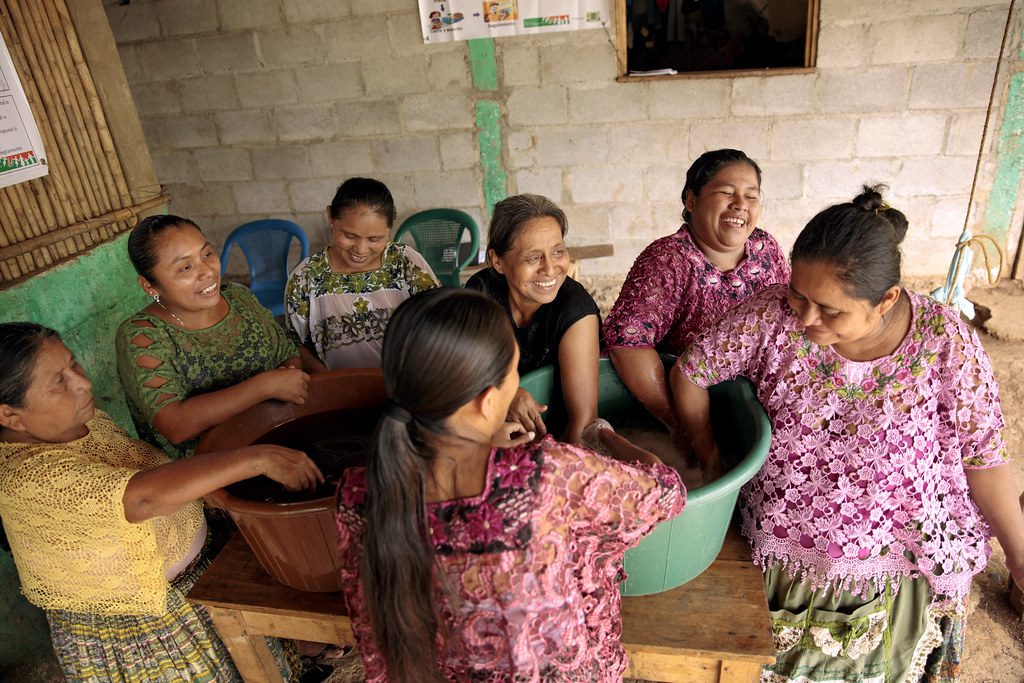
The current global data demonstrates that poverty is an intersectional problem that harms those who fall under more than one disadvantaged category. Women who come from indigenous backgrounds face additional challenges. Indigenous peoples make up nearly 15% of the poorest people globally. Being both a woman and an indigenous person couples with the highest malnutrition and poverty rates out of all social groups in Latin America and the Caribbean. For this reason, Trickle Up has built a program to support and empower Guatemalan indigenous women.

Trickle Up’s Graduation Approach

About 767 million people in the world live in extreme poverty, surviving on less than $1.90 per day. Microcredit services, which involve providing small loans to individuals in developing nations, make up important support for millions of the impoverished each year. However, these services frequently overlook the ultra-poor due to the complexity of their challenges.

Referring to the ultra-poor, Jackson emphasized that “it is critical that they learn basic financial skills, learn how to save, gain greater financial stability through a diversity of income-generating activities, and develop the self-confidence they need to persevere and succeed.” Because of the economic and social disadvantages presented to them simply because of their gender, women are the primary recipients of Trickle Up’s specialized savings and social support services.

Of the many challenges of breaking the cycle of poverty, lack of services and geographic and social isolation are most prominent for the focus of Trickle Up’s graduation approach.

How Trickle Up’s Graduation Approach Works

In place of giving out microcredit, Trickle Up intends for its five-step Graduation Approach to help participants of the program “graduate out of poverty.” Each program undergoes implementation in a community and it selects the participants it deems most vulnerable. Trickle Up later approves these participants.

The selected women then receive consumption support, which is the provision of a small stipend to ensure that they may stabilize their families prior to moving forward with developing long-term investments. Trickle Up’s approach to poverty reduction involves giving livelihood coaching in addition to risk-free capital investment. The training allows for women to decide on the activities they can employ to create a sustainable income.

Prior to graduation, it is essential that women have savings and social networks set up. Jackson shared that women in these communities “don’t come together to talk about their problems and talk amongst themselves.” The savings groups provide opportunities for the participants to “sit and work” together in order to build confidence and trust.

The Desde el Poder Local Program

Desde el Poder Local is one of Trickle Up’s current six projects. Located in El Quiché and Alta Verapaz, Guatemala, the project has selected 410 indigenous women between the ages of 15 and 24 to participate over the span of two years so far. This particular program emphasizes reproductive health education and livelihood development.

Women and men receive reproductive health education in the native languages of the targeted communities. The goals of this education initiative include broadening understanding of the implications of early onset pregnancies while also acknowledging the role of parenthood. Jackson noted that there has been a decrease in pregnancies in the last two years, with no pregnancies occurring for women under 18 in El Quiche and Alta Verapaz. Trickle Up’s inclusion of male family members in both reproductive health and financial literacy programs aims to develop a sustainable change in the gender dynamics of the participant’s communities.

As of August 2020, Desde el Poder Local generated 21 savings groups and 77% of participants increased their annual income during the program. Jackson pointed out, “A dollar a week they’re saving. That’s the first time they’re making their own money.” With the support of their families, communities, and municipal authorities, these women obtain the support they need to continue generating a sustainable income once the project concludes.

Maintaining Support During COVID-19

The traditional approach that Trickle Up has undergone disruption during the coronavirus pandemic. Women who work as local artisans have not been able to travel or access markets in order to sell their products. Fortunately, Jackson assured that Trickle Up staff members have continued to work alongside government staff or field extension agents, which are often women. Information on sanitation hygiene and infection prevention has undergone dissemination through cell phones and word-of-mouth.

Trickle Up has demonstrated that an intersectional approach is essential for poverty reduction. Targeting social problems that exacerbate the effects of extreme poverty, including gender inequality and racial discrimination, allows for growth within the target communities and in society as a whole.

– Ilana Issula
Photo: Flickr
November 5, 2020
https://borgenproject.org/wp-content/uploads/borgen-project-logo.svg 0 0 Kim Thelwell https://borgenproject.org/wp-content/uploads/borgen-project-logo.svg Kim Thelwell2020-11-05 14:18:442024-05-30 07:56:20Trickle Up’s Approach to Poverty Reduction
Global Poverty, Women, Women and Female Empowerment

How Social Media Helps Reduce Menstrual Stigma

Menstrual StigmaMillions of women and girls around the globe are affected by period poverty every day. Countless women must choose between food and menstrual products. Due to insufficient access to menstrual products and/or menstrual stigma, schoolgirls often miss school when they are on their periods. Some teenagers even use unhygienic insoles of shoes to substitute menstrual products, which may lead to further physical health risks due to bacterial infections. Moreover, other women resort to free contraceptive injections (which stops the release of an egg) when they cannot afford menstrual products. This, in turn, leads to health risks such as significant bone mineral density loss.
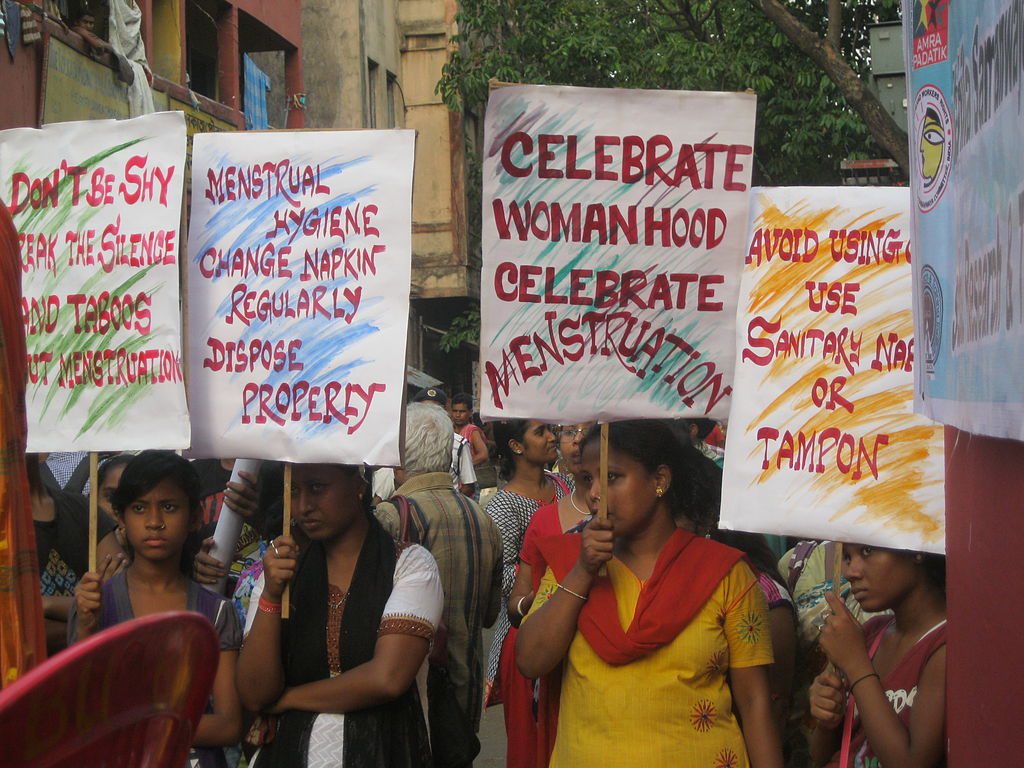
People widely consider period poverty as insufficient access to menstrual products. While this accounts for a major portion of period poverty, the term also refers to issues of shame, menstrual stigma, and the lack of education about menstruation. Around 50% of girls in the U.K. experience menstrual shame and around 70% of girls in Uganda are embarrassed and fearful about menstruating.

Access to Period Products Worldwide

Globally, a minimum of 500 million women experiences period poverty, every month. Among the 355 million menstruators in India, 12% cannot afford period products. Similarly, 65% of females in Kenya are unable to afford menstrual products. Menstruation products are extremely difficult to access because of their high costs. This, even though these products are a necessity. They are perceived as luxury products to millions because many countries still do not accept the products as “daily necessities” and still have not abolished the value-added tax (VAT) on menstrual products. The 2020 tax rate on menstrual products in Hungary marked 27%, followed by Sweden with 25% and Mexico with 16%. Some of the countries that abolished VAT on menstrual products include Malaysia, Lebanon, Tanzania, Ireland among others.

Effects of Menstrual Stigma

Women and girls face period stigma every day. Menstrual stigma causes women and girls to feel embarrassment and shame about their healthy bodies. Furthermore, it keeps them at home when they should be at school — affecting their education and social life. In Nepal, the community expels menstruating women to huts when they are on their period cycles because menstruators are perceived as impure. In Uganda, 70% of girls feel embarrassed to be on their periods and are afraid of menstrual-related accidents. This fear is such that more than 50% of the population skips school to avoid teasing from classmates. In the U.K., 50% of girls feel ashamed of their periods. One anecdote shared that a girl and her classmates suffered great embarrassment when a male teacher taught them about menstruation.

The Pink Protest

Many nonprofit organizations are actively fighting against period poverty. Other than NGOs, period poverty activists create many campaigns that also work toward ending period poverty. Based in the U.K., The Pink Protest works with period poverty activists on the #FreePeriods campaign, to “call on the British government to put an end to British period poverty.” A teenage activist, Amika George, initiated the #FreePeriods campaign in 2017 after she read a report by BBC that 10% of girls cannot afford menstrual products in the U.K. On a winter day in 2017, the campaign gathered 2,000 people to protest. People held up signs saying “bleeding is not a luxury,” “ditch tax on Tampax,” “we are not ovary-acting” along with many celebrities and period poverty activists giving impactful speeches. This included model Adwoa Aboah, Member of Parliament of the United Kingdom Jess Phillips, comedian Deborah Frances-White, period poverty activist Chella Quint, and more.

The Pink Protest has accomplished to become a part of the change of two U.K. laws. Also, they acknowledge that engagement of young people and the utilization of online activism have helped them in this goal. The Pink Protest is a good example of how society can utilize social media to fight period poverty. With their weekly Instagram series ‘On Wednesdays We Wear Pink and Protest,’ The Pink Protest encourages young people across the globe to take one action each week. In this way, young people may become activists, themselves. The Pink Protest hopes that as it provides an exciting and easy way to involve people in activism (through regular campaigns and video series), they can “redefine what activism means to young people”. In this way, they can “create a way for activism to be not just accessible, but also fun.”

The Role of Social Media

According to The Pew Research Center, 70% of Americans use social media and 90% of the people aged 18–29 use at least one social media site. It is also surveyed that 90% of teenagers aged 13–17 have experienced social media and 51% visit social media sites, daily.

The U.N. also discussed the power of social media and how it can help to reduce period poverty. According to the U.N., social media has the power to raise public awareness and get people more involved. As mentioned previously, period poverty is about insufficient access to menstrual products and menstrual stigma. Therefore, openly sharing information about this via social media, which many teenagers and young adults use, can reduce menstrual stigma. Sharing information through posts and infographics alone are good ways to educate others and increase attention to period poverty. Social media engages young people to become period poverty activists. Consequently, this increases the chance that young people become more compassionate and active with menstruators. The millions of women struggling from period poverty around the world stand to benefit greatly.

– Alison Choi
Photo: Wikimedia Commons

October 30, 2020
https://borgenproject.org/wp-content/uploads/borgen-project-logo.svg 0 0 Kim Thelwell https://borgenproject.org/wp-content/uploads/borgen-project-logo.svg Kim Thelwell2020-10-30 07:31:252024-05-29 22:57:19How Social Media Helps Reduce Menstrual Stigma
Global Poverty, Women, Women and Female Empowerment, Women's Rights

The Fight for Women’s Rights in China

Women's Rights in China
For many years, gender equality and women’s rights in China have been a problem, mainly for women. Various restrictions still take place, even today. Income discrepancies and traditional gender roles in the country aimed at placing and keeping women inferior as compared with their male counterparts.

For example, women who have children do not always receive support from their supervisors and often lose their pay when on maternity leave. From occupational rights to issues such as property rights, men in China have always (and unfairly) been the more supported gender for years. Unfortunately, this continues to this day.

Discrimination in the Workplace

Women of the past and present in China, have dealt with unfair employment practices. They have had to jump over unnecessary hurdles just to keep up with their male counterparts. The Chinese government claims to better prioritize the promotion of gender equality, and therefore women’s rights in China. Particularly — in the workplace, however, recent research says otherwise. Of the job listings in the Chinese Government’s civil service job list, 11% stated preferences for men. The percentage was higher in jobs preferring men from 2018 to 2019, at 19%.

This information was identified by the Human Rights Watch, which also discovered that fewer than 1% of these job postings offered offered support to women. This has caused many women to surrender to traditional gender roles. For example, staying at home, not working and being dependent on the male of the house. Notably, only 63% of the female workforce worked in 2017.

Patriarchal Oppression

China’s history has seen a higher focus on men being the core of not just their families but the country’s overall success and growth. Post Confucius era, society labeled men as the yang and women as the yin. In this same vein, society views Yang as active, smart and the dominant half. This, compared with Yin, which is soft, passive and submissive. These ideologies are not as prominent today but persist enough that there is a problem.

The tradition begins at birth with boys being the preferred children compared to girls in China. A consensus opinion in the country is that if one has a male child versus a female child, they believe the son will grow into a more successful member of the family. The sons are more likely favored because the issue of pregnancy is a non-factor and they can choose almost any job they desire. Of course, this is something that does not support efforts for gender equality nor women’s rights in China.

A survey done just last year found that  80% of generation Z mothers did not have jobs outside of the home. Importantly, most of those surveyed were from poorer cities. The same survey found that 45% of these stay-at-home mothers had no intention of going back to work. They simply accepted their role of caring for the house. Gender equality and women’s rights in China have shifted toward cutting into the history of patriarchal dominance within the country.

Women’s Rights Movement in China

Since the Chinese government is not completely behind gender equality in China for women, the feminist movement is still active and stronger than ever. In 2015, the day before International Women’s Day, five feminist activists were arrested and jailed for 37 days. They were just five of an even larger movement of activists fighting against the traditional gender role ideology that has placed females below males. These movements have begun to make great progress towards gender inequality within the country. From 2011 to 2015, a “12th Five Year Plan” had goals of reducing gender inequality in education and healthcare.

The plan also was to increase the senior and management positions and make them accessible for women to apply for said positions. Xi Jinping, the current President of the People’s Republic of China, has proclaimed that the country will donate $10 million to the United Nations Entity for Gender Equality and the Empowerment of Women. During the next five years and beyond, this support will help the women of China and other countries build 100 health projects for women and children. March 1, 2016, the Anti-domestic Violence Law of the People’s Republic of China took effect. This law resulted in the improvement in legislation for gender equality in China. In June of that year,  ¥279.453 billion was put forth toward loans to help women, overall.

– Dorian Ducre
Photo: Flickr

October 30, 2020
https://borgenproject.org/wp-content/uploads/borgen-project-logo.svg 0 0 Kim Thelwell https://borgenproject.org/wp-content/uploads/borgen-project-logo.svg Kim Thelwell2020-10-30 07:30:162024-05-30 07:52:50The Fight for Women’s Rights in China
Child Marriage, Global Poverty, Inequality, Women, Women and Female Empowerment

Women’s Rights in Indonesia

Women's Rights in IndonesiaWomen in Indonesia are working hard and fighting for their rights. Recently, Indonesia ranked second in the most dangerous countries for women in the Asia-Pacific. Violence against women can happen anywhere from the slums to the richest neighborhoods. However, this has not stopped the women of Indonesia, as they continue to march — closing the inequality gap. Importantly, women’s rights in Indonesia have fierce advocates.

Child Marriage

Concerning Indonesian girls, 14% marry before their 18th birthday. This is in part, due to their society’s view of women and discriminating legislation. The Marriage Law, established in 1974, states that parents can marry their daughter off as young as 16 years old. In April of 2018, Indonesia’s president, Joko Widodo, came forth and said that he was drafting a presidential decree that would ban child marriage. However, there has been no timeline set for the decree to be passed. Child marriage indirectly takes away a girl’s future and exposes them to a greater chance of being a victim of sexual violence. This can be directly related to the percentage of women in the workforce (51%) and the percentage of women experiencing sexual violence in their lifetime (33%).

UN Women

U.N. Women give girls and women in Indonesia the voice they deserve. This organization advocates for an end to the violence wrought against women while actively pursuing partners to respond to it. U.N. Women do so much for the women of Indonesia, from giving them access to entrepreneurship classes to directly fighting the government. This, in an attempt to hold authorities accountable for women’s rights in Indonesia. In the mix of their many programs, there is WeLearn and WeEmpower Asia, which both give women resources to integrate into the workforce. WeLearn’s goal is to improve equal learning opportunities and empower women to start their businesses. Where WeLearn encourages women into the workplace, WeEmpower Asia aims to achieve a business environment that empowers women and urges companies to adopt the Women’s Empowerment Principles.

Women Making Progress

Women’s rights in Indonesia have come a long way. Women in Indonesia now march freely in their opposition to the rights they have (or lack, rather). As backstory, the reason that this big (yet slowly closing gender gap) exists is because of the country’s second dictator, Suharto. He ruled for 32 years and widened the gap exorbitantly. However, most notably, he put the mindset in place that women and men garner different treatments. Now, the gap is closing and for the better. In political parties, 30% of the cabinet must be comprised of women. Further, as mentioned above, President Joko Widodo has the highest number of women in his cabinet in the country’s history. Now, those women in the cabinet are pushing for bills like the Sexual Violence Bill, to be passed.

Thanks to Suharto, the women in Indonesia have a lot of work to do. Fighting for women’s rights is not an easy battle. As for the support of men, Gitika Bhardwaj says that “I do think there are a large number of men who are supporting gender equality in the country but unfortunately there have not been enough high-level public awareness campaigns.” In the next few years, these women leaders hope to see the inequality gap as not a tangible thing, but a thing of the past.

– Bailey Sparks
Photo: Flickr

October 17, 2020
https://borgenproject.org/wp-content/uploads/borgen-project-logo.svg 0 0 Kim Thelwell https://borgenproject.org/wp-content/uploads/borgen-project-logo.svg Kim Thelwell2020-10-17 05:52:462020-10-17 05:52:46Women’s Rights in Indonesia
Advocacy, Global Poverty, Women, Women and Female Empowerment

Fighting for the Future: Women’s Rights in Israel

Women's Rights in Israel

In Israel, the battle for gender equality continues to rage. Despite being the third country in the world to have a female head of state, women were forced to sit at the back of the bus as recently as 2018. In the face of gender equality legislation, religious figures continue to promote and enforce gender segregation in public spaces.

Israel, a fairly new country in the Middle East, identifies as a democratic state. The country gained its independence in 1948, passing the Women’s Equal Rights Law in 1951 to ensure gender equality. The Israeli Declaration of Independence states that the nation “…will ensure complete equality of social and political rights to all its inhabitants irrespective of religion, race or sex.” However, the Israeli government has found it difficult to combat gender segregation.

Women’s Rights in Israel Today

Presently, Israel ranks 25th on the Gender Inequality Index. Although the Israeli Declaration of Independence sought to establish gender equality, there has been an increasing demand for enforcing gender segregation in public spaces by Ultra-Orthodox Jewish communities. There have been instances in which women have been denied access to a public bus for wearing shorts deemed “immodest.” In many situations, if women can access a bus, they are forced to sit in the back. In some universities, women are even forced to drink from separate water fountains.

Many lawsuits in Israel have been filed in the name of gender inequality. Although gender segregation in cemeteries is illegal, the Israeli government and the Ministry of Religious Affairs do not uphold the law. As a result, women sit separately from their male family members and are not permitted to be a part of funeral ceremonies.

Women hold esteemed positions in Israeli society. As of 2017, women comprised 59% of the university student population and  53% of the Ph.D. student population. Israel’s Supreme Court has had three female presidents, with women comprising 54% of judges in Israel as of 2017.

Despite the prevalence of female leaders, female lawmakers have been deemed “indecent” by their religious associates and admonished for wearing sleeveless dresses. Although the majority of college degrees are held by women, women academics are not allowed to instruct ultra-Orthodox men at universities. Female lawyers are seated separately and at the back of the room for training programs. Female army cadets are separated from their male counterparts by partition during graduation ceremonies. However, several organizations are advocating for equal treatment.

The Future of Women’s Rights in Israel

Many organizations are fighting for gender equality in Israel. For example, the Israel Religious Action Center (IRAC) fights gender segregation and religious extremism. IRAC has made great progress in the field of anti-segregation legislation, including filing a class action suit against public radio stations for refusing to put women on-air. IRAC’s work has also lead to a Supreme Court ruling making gender segregation on public transportation illegal.

Founded in 1984, The Israel Women’s Network advocates for gender equality through education and awareness. They are currently advocating against gender segregation in public transportation and gender violence. The Women of the Wall are fighting to secure women’s religious rights to pray at the Western Wall through education, empowerment, and advocacy. When gender equality laws will be upheld, the visions for gender equality can be achieved.

The Future is Equality

As the first woman to serve as president of the Israeli Supreme Court, Dorit Beinisch said, “We are commanded to act with tolerance and to promote the protection of human rights.”

The gap between the visions for gender equality and the reality women face is vast. Gender inequality is crucial to the advancement of Israel and the rest of the world, being essential to peace and development. Ultimately, the work of organizations such as IRAC and The Israel Women’s Network continues to empower women and allows Israel to look toward a brighter future.

– Tara Hudson
Photo: Pixabay

October 16, 2020
https://borgenproject.org/wp-content/uploads/borgen-project-logo.svg 0 0 Kim Thelwell https://borgenproject.org/wp-content/uploads/borgen-project-logo.svg Kim Thelwell2020-10-16 12:15:252020-10-16 12:15:25Fighting for the Future: Women’s Rights in Israel
Women

Maternal Mortality in Sub-Saharan Africa

Maternal Mortality
Maternal mortality refers to the death of a woman due to causes related to or aggravated by her pregnancy and/or childbirth. Almost all (99%) of maternal deaths occur in developing countries, and 68% occur in Sub-Saharan Africa alone. The Trends in Maternal Mortality 2000-2017 report is a joint effort by WHO, UNICEF, UNFPA, World Bank Group and the United Nations Population Division. Its statistics showcase huge global health disparities that leave African mothers extremely vulnerable, showing that maternal mortality in Sub-Saharan Africa is a prevalent issue.

Health Inequality in Maternal Healthcare

Almost all maternal deaths are preventable, yet in 2017, Sub-Saharan Africans suffered from the highest maternal mortality ratio (MMR) of 533 maternal deaths per 100,000 live births, or 200,000 maternal deaths a year. All three countries with the highest MMR globally with over 1,000 deaths per 100,000 live births, considered an extremely high rate, are in Sub-Saharan Africa: South Sudan (1,150), Chad (1,140) and Sierra Leone (112). In comparison, the 2017 MMR in North America and Western Europe was 18 and five.

The fact that MMR is under 10 in many countries means that current technology and medical knowledge are already capable of reducing MMR to almost zero. The global imperative is to improve health infrastructure and education in developing nations so that they, too, can access services and resources available to protect mothers in the developed world.

The Importance of Access

Lack of access to health facilities and medical professionals is among the main reasons for maternal deaths. Currently, in Africa, there are 985 people for every nurse/midwife and 3,324 people for every medical doctor. This means that many pregnant women do not receive antenatal, delivery and newborn care, which greatly increases their risk of dying from severe bleeding, infections or other complications. Ensuring that there are accessible and affordable health facilities for all women would eliminate risks of preventable and treatable deaths.

Adolescent Pregnancy

Improving sexual health education is key to eliminating adolescent pregnancies, which account for a significant portion of maternal mortality in Sub-Saharan Africa. Adolescent girls, especially those under 15, have a higher risk of maternal mortality compared to older women. In 2014, there were 224 adolescents per 1,000 cases of pregnancy in the Democratic Republic of Congo – the highest teenage pregnancy rate in the world, followed by Liberia (221) and Niger (204). Improvements in sexual health education would inform young girls of contraceptive options, family planning methods and safe abortion facilities.

Progress Tracker

Significant efforts have succeeded in reducing maternal mortality in Sub-Saharan Africa. From 2000 to 2017, Sub-Saharan Africa has achieved a substantial reduction of 39% of maternal mortality (from 870 to 533 maternal deaths per 100,000 live births). A significant number of countries in this region have reduced their MMR by more than half, such as Rwanda (79%), Mongolia (71%), Eritrea (63%), Zambia (60%) and Cabo Verde (51%).

WHO has stated that improving maternal health remains one of their key priorities. In 2015, the global health organization launched the Global Strategy for Women’s, Children’s and Adolescents’ Health aimed at ending all preventable deaths of women, children and adolescents. The UN’s Sustainable Development Goal target 3.1, also launched in 2015, aims to reduce global MMR to less than 70 per 100,000 live births by 2030. While the current MMR in Africa is still seven times less than the target, promising results from past and current campaigns indicate that a better future is within reach.

– Alice Nguyen
Photo: Flickr

October 11, 2020
https://borgenproject.org/wp-content/uploads/borgen-project-logo.svg 0 0 Kim Thelwell https://borgenproject.org/wp-content/uploads/borgen-project-logo.svg Kim Thelwell2020-10-11 10:00:172024-05-30 07:52:27Maternal Mortality in Sub-Saharan Africa
Page 17 of 36«‹1516171819›»

Get Smarter

  • Global Poverty 101
  • Global Poverty… The Good News
  • Global Poverty & U.S. Jobs
  • Global Poverty and National Security
  • Innovative Solutions to Poverty
  • Global Poverty & Aid FAQ’s
Search Search

Take Action

  • Call Congress
  • Email Congress
  • Donate
  • 30 Ways to Help
  • Volunteer Ops
  • Internships
  • Courses & Certificates
  • The Podcast
Borgen Project

“The Borgen Project is an incredible nonprofit organization that is addressing poverty and hunger and working towards ending them.”

-The Huffington Post

Inside The Borgen Project

  • Contact
  • About
  • Financials
  • President
  • Board of Directors
  • Board of Advisors

International Links

  • UK Email Parliament
  • UK Donate
  • Canada Email Parliament

Get Smarter

  • Global Poverty 101
  • Global Poverty… The Good News
  • Global Poverty & U.S. Jobs
  • Global Poverty and National Security
  • Innovative Solutions to Poverty
  • Global Poverty & Aid FAQ’s

Ways to Help

  • Call Congress
  • Email Congress
  • Donate
  • 30 Ways to Help
  • Volunteer Ops
  • Internships
  • Courses & Certificates
  • The Podcast
Scroll to top Scroll to top Scroll to top