
• Link to X
  • Link to Facebook
  • Link to Instagram
  • Link to TikTok
  • Link to Youtube
  • About
    • About Us
      • President
      • Board of Directors
      • Board of Advisors
      • Financials
      • Our Methodology
      • Success Tracker
      • Contact
  • Act Now
    • 30 Ways to Help
      • Email Congress
      • Call Congress
      • Volunteer
      • Courses & Certificates
      • Be a Donor
    • Internships
      • In-Office Internships
      • Remote Internships
    • Legislation
      • Politics 101
  • The Blog
  • The Podcast
  • Magazine
  • Donate
  • Click to open the search input field Click to open the search input field Search
  • Menu Menu

Archive for category: Women

Information and news about woman issues

Global Poverty, Women

Improved Farming Strategies to Fight Poverty in India

Fight Poverty in IndiaIndia has made strides in improving rates of malnutrition and undernutrition. Still, the country continues to hold one of the highest child undernutrition rates in the world, which affects children’s health and development, school performance and productivity as adults. Almost four out of 10 children do not meet their full potential because of stunted growth or undernutrition. India shares 25% of the global hunger burden with close to 195 million people who are undernourished. Inadequate food security results in malnourished mothers whose babies suffer from low birth weight. In addition, land degradation, climate change and shrinking biodiversity present new challenges for farmers and food security. Large tracts of farmlands have become barren because of the overuse of one type of fertilizer. Poor soil and improper farming methods result in less food availability, causing hunger and poverty. With support from organizations, agriculture and food security can be improved to fight poverty in India.
Help for Dalit (Untouchable) Women

A grassroots organization is working to fight food insecurity and poverty in India. Founded in 1983 in the Sangareddy district of Telangana, the Deccan Development Society works in 75 villages with around 5,000 “untouchable” women members. Its members represent the most destitute people in the community. The group has encouraged women to adopt millet-based agrobiodiverse farming approaches and market strategies that address malnutrition, food insecurity and poverty in the area. In its initial 10 years, the Society generated more than one million employment days for women, thereby directly reducing poverty in India. In the past 25 years, it has helped more than 2,700 women reclaim their farmlands.

Biodiverse Farming Methods

To address the limited water supply and poor soil quality, the Deccan Development Society helps its members to gain control over farming, seeds and the markets for their products. The Society has formed a processing unit for millet and also a seed bank as well as outlets for farm product sales. These avenues provide a powerful network of support for the farmers. More than 5,000 women have now adopted biodiverse millet-based farming, which combats food insecurity, malnutrition and poverty in India.

These days, many farmers are seeking profitable crops, using chemical fertilizers and buying market seeds rather than using organic practices and growing their own seeds. This causes the soil’s fertility to deteriorate, which leads to spending more money on enriching the soil in the future. The women farmers instead have been saving their seeds and they use organic methods with no investment involved — a more ecological and financially sound program that results in less expensive and more healthy food for their families. The women have enhanced the productivity of more than 3,500 acres of marginal or fallow land, to grow more than a million kilograms of extra sorghum per year. This activity has let them produce nearly 1,000 extra meals per family annually. These practices are not only ecologically correct but also help to reduce poverty and increase nutritional security in India.

Food Security Moving Forward

In 2019, the Deccan Development Society was awarded the Equator Prize for its work in eco-agriculture and food security. In February 2021, the Society held its 21st Mobile Biodiversity Festival at Machnoor, Jharasangham Mandal. The event celebrated the efforts of women farmers in improving agriculture, food security and nutrition. The festival featured traditional agricultural practices and showed how certain practices can help solve the problem of nutritional security and fight poverty in India.

– Sarah Betuel
Photo: Flickr

February 14, 2021
https://borgenproject.org/wp-content/uploads/borgen-project-logo.svg 0 0 Kim Thelwell https://borgenproject.org/wp-content/uploads/borgen-project-logo.svg Kim Thelwell2021-02-14 07:15:002024-05-30 22:23:22Improved Farming Strategies to Fight Poverty in India
Children, Developing Countries, Global Poverty, Women, Women's Empowerment

Little Light Uganda: Empowering Ugandan Women

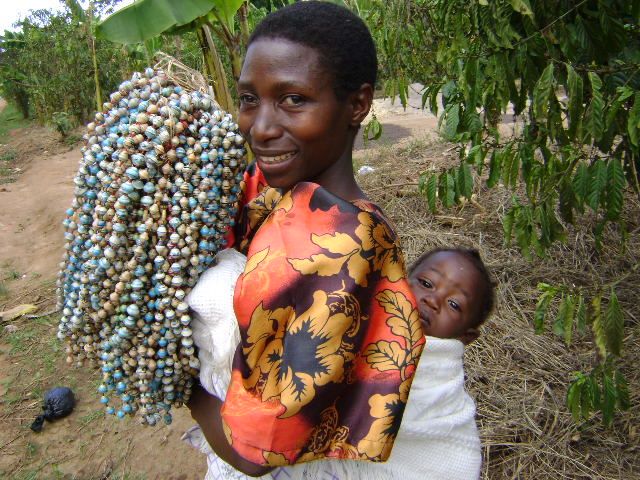
Little Light UgandaLittle Light Uganda is a nonprofit organization located in Namuwongo Slum, which is in Uganda’s capital, Kampala. Since its establishment in 2007, Little Light’s mission has been to provide aid to those in the community who are living in poverty.

Little Light Helps Uganda

Uganda’s economy has had a reduction in growth because of the COVID-19 pandemic, a locust invasion and heavy rains that led to flooding. With subsequent job loss along with the economic decline, programs like Little Light Uganda are essential for giving help to those in need. Little Light’s services include “giving access to proper education, economic empowerment and psycho-social support.”

Little Light Uganda has two groups in the organization, its youth group and its women’s group. The youth group, officially known as Spoon Youth, aims to provide the young people in Namuwongo a safe and reliable environment. The group also educates children on how to navigate life living in poverty, including matters of crime and violence. Children and youth make up more than 70% of Namuwongo’s population, half of them without parents, which is why Little Light works to provide them sanctuary and resources.

Women’s Empowerment Group

The mothers of children in the youth group are invited into Little Light’s women’s empowerment group, called “Umoja,” which is Swahili for “Unity.” The group’s mission is to give women living in the Namuwongo slum tools to better their economic and social situation. Members of the women’s group meet every afternoon at the organization to make authentic African jewelry from recycled newspapers and hand-rolled beads. The jewelry is marketed in Uganda and abroad to provide an income and livelihood for women.

Mama Pendo Jewelry

The name the group has coined for the jewelry brand is Mama Pendo, which translated from Kiswahili means “The Mother of Love.” The initiative aims to improve the quality of life for refugees and single mothers trying to provide their children with an education.

Little Light Uganda volunteers have worked with the women to support their hard work and create a website for their jewelry to be sold. The proceeds from sold jewelry go toward projects the women feel passionate about, all of which intend to benefit the conditions for struggling women and other vulnerable individuals.

Combating Malaria and COVID-19

One of the group’s projects is dedicated to fighting malaria in Uganda, which is one of the main causes of death in the country. According to the American Journal of Tropical Medicine & Hygiene, between 70,000 to 100,000 children in Uganda die from the disease every year. The group uses money earned from sold bracelets to buy an organic mosquito-repellent soap, which is given to disadvantaged families that live in places that are more vulnerable to malaria.

The women have also created an initiative to combat COVID-19. Since hygiene is an essential tool for preventing the spread of the virus, the group has pledged one bar of soap for a family in Namuwango living in poverty for every website purchase.

Women’s Empowerment for Poverty Reduction in Uganda

Little Light Uganda does a lot for its community with initiatives like the Mama Pendo project. Not only is the organization helping those in need but it is also empowering women living in poverty. Women with more resources and liberation are more likely to pursue their own education and prioritize the health, nutritional and educational needs of their children.

– Celia Brocker
Photo: Flickr

February 12, 2021
https://borgenproject.org/wp-content/uploads/borgen-project-logo.svg 0 0 Kim Thelwell https://borgenproject.org/wp-content/uploads/borgen-project-logo.svg Kim Thelwell2021-02-12 06:17:422021-02-12 06:17:42Little Light Uganda: Empowering Ugandan Women
Developing Countries, Education, Gender Equality, Global Poverty, Poverty Reduction, Women

The Insulated Wonderbag Combats Global Poverty

insulated WonderbagIn Africa, nearly 90% of women use open fire cooking methods. The same is common for women in developing countries throughout the world. This system can often take hours to cook a full meal. The insulated Wonderbag, a heat retention cooking device, aims to change lives and create a sustainable life for those living in poverty, especially women.

The Insulated Wonderbag

In developing countries, gendered roles like cooking and tending to the household take up a lot of time.  The amount of time spent cooking could be better used on activities that result in the progression of women, such as education and development. Often, women are disproportionately responsible for cooking meals and the labor that goes into the open fires that are required for such cooking. A South African entrepreneur decided to design an invention to help address these difficulties. The insulated Wonderbag is an eco-technology innovation that saves girls and women hours of time and labor and improves indoor air quality and overall health, among other benefits.

How the Wonderbag Began

The idea behind this invention comes from Sarah Collins, a local South African innovator with extensive knowledge of social development and a love for the environment. Collins grew up watching the women before her use cooking tricks to keep food warm when the power went out. One of these tricks, used by her grandmother, was letting hot pans of food sit in cushioned pads to remain warm. A life-changing yet straightforward concept that Collins took and made her own.

The Simple Magic of the Wonderbag

First and foremost, the Wonderbag is a product meant to alleviate women and girls’ daily struggles as caregivers and enable them to pursue education and employment. The Wonderbag works without electricity or gas and is made of upcycled materials such as poly-cotton and chipped-foam. Essentially, it functions similarly to a crockpot or a slow cooker. The insulated Wonderbag allows food, once brought to the boil by traditional cooking methods, to continue cooking for up to 12 hours inside the Wonderbag.

The Benefits of the Wonderbag

  • Females regain four to six hours of their day
  • Boosts household incomes up to $2 a day
  • Saves more than 1300 hours for girls and women each year, enabling them to go to school, learn skills and find employment
  • Raises incomes of women living in poverty
  • Decreases the use of fossil fuels for cooking by 70% and thus also the associated negative health impact
  • Allows women to re-invest their earnings into providing healthier meals for their families

The Impacts of the Wonderbag

Since 2008, the revolutionary Wonderbag has been distributed around the world. Thus far, it has had an impressive impact. The introduction of the Wonderbag into communities allows women the chance to build their own businesses and create jobs for others. These businesses range from serving warm meals to sewing new bags. Moreover, every time a Wonderbag is bought, another is donated to women in need in Africa, continuing the cycle of prosperity.

More than 130 NGOs in Kwazulu Natal, South Africa, benefitted from reselling Wonderbags to generate an income, especially during the COVID-19 pandemic. Collectively, these NGOs generated almost two million South African rands to sustain their operations.

Overall, the global need for the insulated Wonderbag continues to grow. So far, there are more than one million Wonderbags worldwide. With every purchase, $1 goes toward subsidizing bags for people in vulnerable communities. The Wonderbag is an innovative solution to combat global poverty.

– Sallie Blackmon
Photo: Flickr

February 2, 2021
https://borgenproject.org/wp-content/uploads/borgen-project-logo.svg 0 0 Kim Thelwell https://borgenproject.org/wp-content/uploads/borgen-project-logo.svg Kim Thelwell2021-02-02 01:30:432021-02-02 05:01:09The Insulated Wonderbag Combats Global Poverty
COVID-19, Global Poverty, Human Trafficking, Women, Women & Children

Online Human Trafficking During COVID-19

human trafficking during COVID-19The United Nations has warned of a recent increase in human trafficking taking place through social media. According to the Committee on the Elimination of Discrimination against Women (CEDAW) perpetrators are approaching victims on social media and messaging platforms. Experts correlate this surge of online human trafficking with the lockdowns governments have implemented to combat COVID-19 that has left millions of people jobless and struggling to survive.

The Human Trafficking Crisis

Human trafficking has long posed a threat to the safety and well-being of the world’s most vulnerable populations. The U.N. has stated that between 2017 and 2018, approximately 75,000 trafficking victims were identified in 110 countries. During this period, 70% of victims were female, 77% of whom were then trafficked for sexual exploitation and 14% for forced labor.

There are several factors that make a person more vulnerable to human trafficking. The most pressing factor, however, is financial struggles or poverty.

Online Human Trafficking and COVID-19

Human trafficking is on the rise as millions are made desperate by the economic consequences of COVID-19. People employed in informal sectors have been particularly impacted by layoffs, while earlier this year migrant workers were left stranded far from home when borders closed and travel bans were implemented. According to the World Bank, the COVID-19 pandemic will result in global extreme poverty increasing for the first time in two decades, pushing as many as 150 million people into poverty by 2021.

The impact, however, will be felt the hardest by females. As a result of the pandemic, 47 million more women and girls will be pushed into extreme poverty. Estimates even predict that globally, for every 100 men living in poverty in 2030, there could be as many as 121 women.

Besides  COVID-19’s economic consequences, traffickers have also benefited from the fact that people are spending more time online during lockdowns. While traffickers have usually operated with a great deal of impunity, the internet allows for easier access to vulnerable populations as well as the benefits of anonymity and false identities.

Addressing Human Trafficking During COVID-19

Human trafficking is a global problem but despite the scale of the threat and the advantages that perpetrators have during COVID-19, governments can take action to protect vulnerable groups, especially women and girls.

In an appeal to social media and messaging companies, CEDAW recommended that safety controls be set up to reduce the risk of exposing women and girls to trafficking and sexual exploitation. CEDAW has called upon online platforms to use data, artificial intelligence and analytics to identify possible patterns that could lead to trafficking. It also urges platforms to “put in place the appropriate governance structure and procedures which will allow them to be reactive in their response and provide the relevant level of information to the concerned authorities.”

CEDAW also urged governments to resolve the underlying issues that allow human trafficking to flourish. These issues include sex-based discrimination, economic insecurity, conflict and unsafe conditions for migrants and displaced people.

In addition, the United Nations has urged national governments to ensure that services for trafficking victims and survivors stay open during lockdowns and that the rights of migrant and informal workers are protected by labor laws. Finally, investments in programs for women’s economic empowerment are encouraged as a means of mitigating the disproportionate economic impacts on females. With the appropriate measures in place, human trafficking during COVID-19 can be prevented.

– Angie Grigsby
Photo: Flickr

January 28, 2021
https://borgenproject.org/wp-content/uploads/borgen-project-logo.svg 0 0 Yuki https://borgenproject.org/wp-content/uploads/borgen-project-logo.svg Yuki2021-01-28 01:30:552024-05-30 07:55:58Online Human Trafficking During COVID-19
Health, Women, Women's Rights

Freedom Cups: Period Poverty in Singapore

Period Poverty in Singapore
Period poverty in Singapore is not only detrimental to the poor, but it is particularly detrimental for women in poverty. Unfortunately, many do not see period poverty as a substantial issue. Rather than appropriately encouraging and educating adolescent women about their menstrual cycles, many women receive shame for it. Mental health and physical issues are also apparent due to period poverty in Singapore. The lack of access to proper menstrual materials pushes Singaporean women into using unsafe materials for their cycles. As a result, women develop a number of health issues such as bacterial vaginosis, urinary tract infections, green or white vaginal discharge and vaginal and skin irritation.

Mental Health Issues

Mental health issues are also important to consider when discussing period poverty. It is a serious necessity to one’s overall well-being and when overlooked, it can have drastic consequences. Individuals who experience severe aversive conditions such as shame and guilt are more likely to experience negative mental issues such as post-traumatic stress disorder (PTSD). In Singapore specifically, it is taboo to discuss one’s menstruation cycle.

This resulting cultural attitude that egregiously directs shame toward Singaporean women and children can make women more likely to develop PTSD. Even in cases when PTSD is not present, findings have determined that the absence of proper menstrual products is due to higher rates of depression, anxiety and distress. Naturally, the issue with period poverty also has links to issues of other forms of poverty. Vanessa Paranjothy recounts that this is especially arduous in areas where there is a lack of running water, plumbing and electricity. Another issue regarding menstruation mishandling in Singapore involves women’s lack of access to the materials necessary to overcome period poverty.

Freedom Cups Helping Women

However, women in Singapore have found their own ways to address the period poverty crisis. One example includes a group of sisters, Joanne, Rebecca and Vanessa Paranjothy and their creation of Freedom Cups. These devices function as reusable tampons and pads, effectively containing menstrual blood. As long they receive proper washing, these devices are re-usable for a span of up to 10 years, without the high risk of infection as with reusing pads. Moreover, these items are able to gather menstrual fluid for up to 12 hours per individual use.

Due to the reusability of these Freedom Cups, women are able to better afford the product, without furthering their fall into period-related poverty. Additionally, the Paranjothy sisters supply one freedom cup to another woman in need for each cup sold. So far, the sisters have distributed Freedom Cups to more than 3,000 women. This, however, is not the end of the sisters’ efforts. They continue making efforts across the world to end period poverty, such as in the Philippines.

Further Initiatives

Widespread organizational efforts also address period poverty in Singapore. Groups such as The World Federation of United Nations Associations had marked success with its Mission Possible: Singapore or Pink Project. This project involved the mass donation of menstrual and other health products to the Star Shelter as well as the Tanglin Trust School and the advertisement of the issue of period poverty to the areas.

However, of all of the efforts done to alleviate period poverty, foreign aid and involvement are the most crucial. The issues that exist regarding menstruation mishandling in Singapore are reflective of many of the issues across the world. Many women still experience feelings of shame and a lack of adequate care when it comes to their menstrual cycles. Vanessa Paranjothy recounts that, despite their efforts to initially provide Freedom Cups to women in the Philippines, only married women received them.

Without the continued investment into education regarding how to perceive their bodies and access to suitable menstrual materials, women will continue to suffer the adverse effects of period poverty. However, actions involving donation and innovation of feminine hygiene products, such as those the Paranjothy sisters made, and a greater emphasis on sexual education can help alleviate period poverty in Singapore and other developing countries.

– Jacob Hurwitz
Photo: Flickr

January 20, 2021
https://borgenproject.org/wp-content/uploads/borgen-project-logo.svg 0 0 Kim Thelwell https://borgenproject.org/wp-content/uploads/borgen-project-logo.svg Kim Thelwell2021-01-20 15:45:052021-05-15 13:21:58Freedom Cups: Period Poverty in Singapore
Developing Countries, Global Poverty, Women, Women's Empowerment

Entrepreneurship: Initiatives Help Yemeni Women

Help Yemeni WomenOn top of the constant violence occurring in Yemen, almost 13% of the population face unemployment. Most women in Yemen work as homemakers, but a 2012 study, Measuring Women’s Status in Yemen, shows that almost one in two women (47%) would like to start their own business. Initiatives in Yemen offer women free business training, skills training and loans to help Yemeni women generate an income.

The Small and Micro Enterprises Promotion Service Agency (SMEPS)

SMEPS came to Yemen in 2005 and works to enhance the lives of Yemeni citizens through the creation of jobs and skills training. SMEPS has taught Yemeni women the best growing, harvesting and post-harvesting techniques for coffee beans. Yemeni women helped create a coffee that entered the gourmet market at a premium price. SMEPS also helped coffee farmers in Yemen. The aim was to create business resilience by expanding the production of farmers through improving the value chain by using modern technologies and better farming methods.

In 2010, SMEPS partnered with The International Labour Organization (ILO) to provide business training for women entrepreneurs. ILO came to Yemen in 1965 and has created opportunities for citizens to rise out of poverty. In one year, the workshops targeted around 500 Yemeni women who had taken out a loan to either start a small business or expand their existing businesses. The second phase of the program aims to reach 2,000 more women. Results indicate that after the training courses, the women had a higher level of business knowledge and competence to start or improve their own businesses. Overall, the women improved their quality of life with the income they earned.

SPARK’s Agri-Business Creation Programme (ABC)

SPARK came to Yemen around 2012 to assist citizens in agriculture, helping them earn an income from their crops. SPARK created a program called Agri-Business Creation (ABC) to help agri-entrepreneurs through training, mentoring and business plans. The program has notably assisted Yemeni women in developing agricultural businesses. Four female-run businesses were awarded microloans to expand their business after the training they received in business skills from SPARK’s ABC program. The loans help Yemeni women to generate more products and expand their businesses. Besides seeing an increase in income, the success of their work contributed to a boost in confidence and a sense of independence in the women.

The Deutsche Gesellschaft für Internationale Zusammenarbeit (GIZ) GmbH

GIZ came to Yemen in 1965 and assisted citizens with basic necessities and the provision of educational opportunities. First, GIZ helped Yemeni women develop businesses. Nearly 200 women attended training on how to develop a successful business idea and how to establish a business. Many women found prosperity in their new businesses and employed other women to assist them in their work. Secondly, around 300 women with existing businesses received additional business training via coaching. After the training, many women tripled their income and hired more women to work for them. Lastly, GIZ created opportunities for homemakers to sell handmade goods overseas. GIZ took handmade baskets made by Yemeni women to Germany and showed off their goods in exhibitions. This strategy helped 300 women in rural areas earn a steady income.

Although the raging war in Yemen has resulted in high unemployment, organizations like SMEPS, SPARK and GIZ offer programs and strategies to help  Yemeni women earn an income by developing entrepreneurial businesses.

– Samantha Rodriguez-Silva
Photo: Flickr

January 11, 2021
https://borgenproject.org/wp-content/uploads/borgen-project-logo.svg 0 0 Yuki https://borgenproject.org/wp-content/uploads/borgen-project-logo.svg Yuki2021-01-11 07:30:472024-05-30 07:55:55Entrepreneurship: Initiatives Help Yemeni Women
Global Poverty, Women

Mental Health in Taiwan: Striving for Reformation

Mental Health in Taiwan
As of the year 2017, about 1.5 million people in Taiwan experience some form of depression. Much like many other Asian populations, mental health issues within groups ranging from young children to prisoners to middle-aged adults heavily afflict Taiwan. With conflicts related to school bullying, family, structure and support, lack of available treatment and workplace violence, deterioration of mental health in Taiwan is something that many Taiwanese people experience. Evidently, mental health is indeed a pressing issue that calls for urgent alleviation.

Mental Health in Taiwan

A 20-year study from 1990 to 2010 utilized a Chinese Health Questionnaire to examine the prevalence of common mental disorders (CMDs) among over 10,000 Taiwanese adult participants. The study showed a doubling in probable CMDs from 11.5% to 23.8%. However, amid rising levels of mental illness in Taiwan, there is also a rise in efforts to dispel stigmas, implement more effective programs and make amendments in already established legislation. There are people and groups beginning to recognize and work towards both reviving conversations and seeking out solutions related to mental health.

The Mental Health Act of Taiwan

The Ministry of Health and Welfare first established the Mental Health Act of Taiwan in 1990 with the objective of promoting mental well-being, treating mental health issues and supporting patients and their families. In 2007, policymakers implemented an amendment to the act to put patients and their families first. Many policies, prevention and resource allocation thereafter were then based more heavily upon the input of those who have actually experienced mental health issues along with their family members.

One of the larger impacts of the amendment was that compulsory admissions needed to receive approval from the Psychiatric Disease Mandatory Assessment and Community Care Review Committee. The number of compulsory admissions, or involuntary admissions, decreased by 83% in comparison to 2006. This change showed Taiwan’s commitment to developing a more detailed plan for protecting patients’ safety and rights. The amendment also drastically impacted the way that psychiatric institutions function in that there were new requirements related to post-treatment procedures, providing assistance for the patient’s family and encouraging community-based rehabilitation. All of these changes were the result of efforts to enhance protection and treatment for those who face issues with mental health and illness.

Women Anonymous Reconnecting Mentally (WARM)

The issue of mental health in Taiwan often carries a negative connotation and many associate it with shame and self-accusation due to very traditional and Confucian values. However, there are now emerging support groups that allow people to voice their struggles and relieve the burden that they might feel. Women Anonymous Reconnecting Mentally (WARM), co-founded by Vanessa Wang in 2017, is the first women’s support group based in Taipei that aims to combat stigmas against mental health by allowing women to share their hardships without feeling ashamed. Though it does not provide professional treatment, women who attend these weekly meetings have expressed that they have found comfort through listening to and speaking about their own struggles.

Having been featured in the Taiwan Observer, Taiwan News and Taipei Times, WARM is quickly expanding its reach. WARM’s Facebook group has over 500 members and is continuing to grow. The issue of mental health is now experiencing more exposure and the process of reconciliation is beginning with these kinds of support groups. Many are slowly realizing the importance of reshaping the narrative around mental health.

The Mental Health Association in Taiwan (MHAT)

Founded in 1955, the Mental Health Association in Taiwan (MHAT) is another group that works with promoting mental health awareness, prevention and treatment. In 2017, it began to target mental health issues within schools through promoting techniques of mindfulness and books related to mental resilience. MHAT’s current goal is to educate young children, teachers and parents about mental health and resiliency. As a diverse group of people who work in various professional fields, MHAT has previously assisted in drafting and promoting legislation related to mental health. It has completed work with and related to the Mental Health Act, the Department of Mental and Oral Health and more.

Over time, mental health in Taiwan is becoming a more popular subject of conversation. There are increasingly more groups and pieces of legislation that advocate for these kinds of issues that will, in turn, raise awareness and encourage more positive attitudes surrounding mental health.

– Grace Wang
Photo: Pixabay

January 6, 2021
https://borgenproject.org/wp-content/uploads/borgen-project-logo.svg 0 0 Jennifer Philipp https://borgenproject.org/wp-content/uploads/borgen-project-logo.svg Jennifer Philipp2021-01-06 12:04:262024-05-30 07:56:13Mental Health in Taiwan: Striving for Reformation
Gender Equality, Global Poverty, Women

Women and Manufacturing in Ethiopia

Manufacturing in Ethiopia
Ethiopia has cultivated a substantial amount of progress in transforming its economy in the last decade due to a sharp focus on government policies and development strategies to advance its budding manufacturing industry. The country notes a thriving working-age population (workers aged 15 to 29) and a large portion of these eager workers are women.

As the country’s priorities shift from agriculture to industry as its most dominant source of employment and profit, the role of women and manufacturing has become fundamental to actualizing Ethiopia’s goal of becoming a middle-income country by 2025.

Women take up about 80-90% of jobs created in manufacturing, and as much of a progressive hurdle that is for Ethiopia’s labor force, there is still much work that needs to occur to make the manufacturing industry all-inclusive. Addressing these issues is crucial to achieving sustainable growth and transformation in Ethiopia and government leaders are beginning to recognize faults and mobilize toward ensuring the representation of women in the workplace.

The Role of Women in an Expanding Industry

On average, around 62% of women have migrated from rural regions to work in the manufacturing industry. With women being the core reason why industrialization in Ethiopia has boosted the economy, there comes a question as to why women are dominating the scene in jobs such as agro-processing, textile and apparel, and leather goods sub-sectors. An improving economy is a relevant reason why women are seeking more work, but another factor is that the majority of women working in the industry have less education, are younger and are working with lower pay than men. This widens the faction of who can work and is a cheaper asset for industries.

Companies also tend to prefer women over men because they perceive them as more quality-oriented, dependable, committed, stable and obedient to leadership. For 89% of women, these industry jobs provide them with a steady income for the first time in their lives. A reported 78% said that their income has improved and 63% stated that their family’s standard of living has also improved since working in the manufacturing industry. As positive as this sounds, there is data that contradicts these points. On average, about 40% of workers’ wages go to housing payments and data shows that earnings are barely covering basic living costs.

Continual Challenges Women Endure at Work

The Ethiopian Constitution (1995), Labor Proclamation No.377 (2003) and other laws have provided protections for female workers’ rights. However, the lack of enforcement of these laws delays any real progress.

In the manufacturing workplace, women are experiencing discrimination and harassment as well as oppressive risks when traveling to and from work. A United Nations Development Programme (UNDP) report stated that women are only earning 77% of what men make even with proper education and experience. Opportunities to earn higher wages prove to be scarce due to gender segregation in the Ethiopian industry. This stems from a gross misconception that women are incapable of working in high-level positions, resulting in women having a difficult time obtaining leadership positions, with 60% of women in the garment production cutting stage, 95% in the sewing stage and only 15% in the finishing stages.

When women do reach managerial or ownership positions, they frequently face restrictions on resources, markets, materials and general information that is critical for a profitable business.

Breaking Barriers to Manifest an Economic Dream

Women and manufacturing in Ethiopia are two dynamic elements that have the potential to generate a level of economic prosperity that Ethiopia has dreamed of. But, in order to fulfill these goals, major improvements need to occur on the ground level as well as the policy level to make labor in the industry more gender-inclusive. The Government of Ethiopia, in cooperation with development partners, has already launched proposals that target the standing issues.

For instance, the Ethiopian Investment Commission (EIC) has worked in partnership with the Department for International Development’s (DFID) Enterprise Partners Programme in establishing and delivering gender relations training packages for women workers and their, often male, managers in the industry. The training for women focuses on reproductive health, personal and menstrual hygiene, nutrition, sexual harassment, communications skills and confidence-building.

The Ministry of Industry (MoI) is also contributing to strategies and objectives for women and manufacturing in Ethiopia by setting up a gender coordination unit at each industrial park, especially at factories with more than 1,000 women workers. A 30% minimum quota is also in development for women in leadership and high-skill job employment that focuses on recruitment and promotions with annual rewards to those who perform best.

Visualizing an End to a Misogynistic System

The recognition of a woman’s value in the workplace is emanant, especially the role of women and manufacturing in Ethiopia. Although there is still much that Ethiopia needs to do, the country is making strides in ensuring women receive representation and equal treatment. On a political level, Prime Minister Abiy has appointed more women leaders in government, giving them as equal an opportunity as men. If businesses follow by example, Ethiopia will reach an economic transformation that could inspire other countries to do the same.

– Alyssa McGrail
Photo: Flickr

January 5, 2021
https://borgenproject.org/wp-content/uploads/borgen-project-logo.svg 0 0 Yuki https://borgenproject.org/wp-content/uploads/borgen-project-logo.svg Yuki2021-01-05 09:21:272022-04-13 01:55:55Women and Manufacturing in Ethiopia
Global Poverty, Poverty, USAID, Women, Women and Children, Women and Female Empowerment

The Suaahara II Project: Improving Health in Nepal

Suaahara II ProjectIn Nepal, 36% of children who are under the age of five remain underdeveloped in terms of growth and health despite progress in recent years. Through cooperation with USAID, the Nepalese Government and local private sector groups, Hellen Keller International (HKI) has provided impactful services that have helped rectify the systematic obstacles causing these health issues. Hellen Keller International is a non-profit organization that aims to reduce malnutrition. The Suaahara II project takes a pivotal role in these efforts.

What is the Suaahara II Project?

One of HKI’s most notable services is the Suaahara II project, which started in 2016 and was initially set to end in 2021. However, it will now extend to March 2023 due to COVID-19. Operating in 42 of Nepal’s districts with a $63 million budget, HKI partnered with these six organizations for the project:

  • Cooperative for Assistance and Relief Everywhere, Inc. (CARE)
  • Family Health International 360 (FHI 360)
  • Environmental and Public Health Organization (ENPHO)
  • Equal Access Nepal (EAN)
  • Nepali Technical Assistance Group (NTAG)
  • Vijaya Development Resource Center (VDRC)

Hellen Keller International’s primary role in the Suaahara II project deals with the technical assistance of child and maternal nutrition. This means that its tasks are oriented around building the skills and knowledge of health workers. This includes teaching health workers how to adequately measure and evaluate assessments; additionally, another technical facet relies on promoting governance that invests in nutrition.

A Multi-Sectoral Approach

Kenda Cunningham, a senior technical adviser for Suaahara II who works under HKI, told The Borgen Project that the Suaahara II consortium has taken a “multi-sectoral approach.” She believes in the importance of this as it pushes individuals to “learn and think beyond their sector.” The Suaahara II Project’s demonstrates its integrated strategy in the initiatives below:

  1. The WASH program focuses on water, sanitation and hygiene through WASHmarts, which are small shops dispersed across districts that sell sanitary products like soap and reusable sanitary pads. Kenda explained how this has helped “bridge a gap” so that poorer households can access hygiene enhancing products. This also allows assistance from private actors, who can expand their markets in rural areas.
  2. The Homestead Food Production program (HFP) encourages households to grow and produce micronutrient-rich foods through vegetable gardening and raising chickens, for example. As a result, 35 districts have institutionalized HFP groups.
  3. The Bhancchin Aama Radio Program is a phone-in radio program that runs twice every week. It hosts discussions among marginalized communities and demonstrations for cooking nutritious foods. It has encouraged the Nepalese to socially and behaviorally alter their health habits.

Advancements from Suaahara I

The Suaahara II project’s contribution to improved health and nutrition in Nepal is also illustrated in its progression from the Suaahara I project’s framework. In addition to understanding the changes made in household systems and at a policy level from Suaahara I, Cunningham told The Borgen Project that technological developments have elevated the Suaahara II Project’s impact in Nepal.

Specifically, smartphones expedite the data collection process when studying trends pertaining to the 2 million households across the districts. The development of new apps provided more households with access to smartphones and key information. This therefore allowed officers to transition from pursuing “a mother-child focus to a family focus” in terms of the Suaahara II project’s accommodations and services.

Challenges with Suaahara II

While the Suaahara II Project has led to institutional and social enhancements regarding health and nutrition, some districts had access to the project earlier. This created a dissonance in the rate of health improvements amongst the districts. Cunningham reported that “far western areas are much more remote and therefore disadvantaged and food insecure.”

This inconsistency was largely due to the “Federalism” that took place in Nepal in 2017, which was a decentralization process that created 42 municipalities for 42 districts. Since every municipality has a different political leader, some districts had the advantage of assistance from foreign NGOs while others did not because their leaders rejected involving foreign NGOs. In these cases, as Cunningham explained, it is like “you are creating your own NGOs from the ground up.”

Suaahara II Achievements

These obstacles, however, have not been pertinent enough to counter the consortium’s efforts in fulfilling the Suaahara II project’s objectives. For example, a primary objective for Suaahra II is to increase breastfeeding amongst babies under six months of age. Exclusive breastfeeding of children under six has increased from 62.9% in 2017 to 68.9% in 2019, according to data that Cunningham shared with The Borgen Project.

Expanding children’s access to diverse and nutritious foods is another objective that has been achieved under the Suaahara II project. The dietary diversity among women of reproductive age (WRA) has increased from 35.6% in 2017 to 45.3% in 2019, according to Cunningham. Given the efficient rate of improvement in women and children’s health, governance and equity in only the first two years of the Suaahara II project, it can be inferred that the consortium will continue to progress in achieving its targets among the Nepalese in the three years that remain.

Regarding how HKI has responded to challenges with the Suaahara II project, Cunningham said  “[We] don’t use a one size fits all approach.” The advancements in Nepal’s health and nutrition systems can be largely attributed to HKI’s multifaceted and integrated strategy, a model that could yield prosperity in the rest of the developing world.

– Joy Arkeh
Photo: Flickr

December 30, 2020
https://borgenproject.org/wp-content/uploads/borgen-project-logo.svg 0 0 Yuki https://borgenproject.org/wp-content/uploads/borgen-project-logo.svg Yuki2020-12-30 01:30:152024-05-30 07:53:30The Suaahara II Project: Improving Health in Nepal
Developing Countries, Global Poverty, Women, Women's Empowerment

SWEDD Project Empowers Women in Sahel

SWEDD projectThe Sahel Women’s Empowerment and Demographic Dividend SWEDD) regional initiative was launched in 2015 with its conclusion set for 2018. The call for the initiative came from six African presidents to accelerate the empowerment of women as a transitional power in the region. The Sahel region is reeling from a host of issues like climate issues, terrorism, organized crime and much more. Lack of food, clean water and medicines are prevalent concerns and the region has suffered a set of humanitarian crises in response. The region’s crises garnered the attention of the United Nations and the World Bank Group, which initiated the SWEDD project and its phase two continuation.

Sahel Women’s Empowerment and Demographic Dividend (SWEDD)

The main objective of the SWEDD project is to increase women and adolescent girls’ empowerment and their access to quality reproductive, child and maternal health services. It also seeks to promote social and behavioral change and reinforcement of advocacy at policy development levels to support these objectives.

Nine countries are currently involved in the SWEDD project, creating an inclusive economy that centers on gender equality issues. These countries are Benin, Burkina Faso, Cameroon, Chad, Côte d’Ivoire, Guinea, Mali, Mauritania and Niger.

As of 2014, women made up a majority of the population in every country listed in the program. Based on this fact, the future envisioned by policymakers would have to embrace and empower the female population, driving a new paradigm for the Sahel.

SWEDD’s Impact

Through this initiative, the establishment of improved societal, financial and health structures have developed in the region. The benefits of the program are seen in various key development sectors.

  • The completion rate for girls in secondary schools rose from 35.1% to 40.3% between 2015 and 2018.
  • The program led to increased access and use of contraception, with more than 4,302,000 women using more modern methods.
  • A whole 10,154 midwives have gained training in new technologies, increasing the overall growth of the field by 15.2% in the initiative’s first four years of existence.
  • The completion rate for girls in secondary schools rose from 35.1% to 40.3% between 2015 and 2018.
  • The program created 1,640 clubs for husbands and husband-to-be in the region, which sets its aims on the education and participation of men and boys for gender equality.
  • The average income of women in the region has risen.
  • A notable decrease in the number of child marriages has been linked to educational attendance.

Continuation of SWEDD

The impact of the SWEDD project in the Sahel region is substantial. The changes stemming from the initiative, have begun a societal restructuring of communities throughout the Sahel, at a critical moment in African post-colonial history. The overwhelming success of the initiative has been rewarded by continuing well beyond its initial end in 2018 to 2023. Phase two of the program ensures that even more women in the region are empowered.

– Christopher Millard
Photo: Flickr

December 28, 2020
https://borgenproject.org/wp-content/uploads/borgen-project-logo.svg 0 0 Lynsey Alexander https://borgenproject.org/wp-content/uploads/borgen-project-logo.svg Lynsey Alexander2020-12-28 01:30:332021-01-11 04:17:00SWEDD Project Empowers Women in Sahel
Page 16 of 36«‹1415161718›»

Get Smarter

  • Global Poverty 101
  • Global Poverty… The Good News
  • Global Poverty & U.S. Jobs
  • Global Poverty and National Security
  • Innovative Solutions to Poverty
  • Global Poverty & Aid FAQ’s
Search Search

Take Action

  • Call Congress
  • Email Congress
  • Donate
  • 30 Ways to Help
  • Volunteer Ops
  • Internships
  • Courses & Certificates
  • The Podcast
Borgen Project

“The Borgen Project is an incredible nonprofit organization that is addressing poverty and hunger and working towards ending them.”

-The Huffington Post

Inside The Borgen Project

  • Contact
  • About
  • Financials
  • President
  • Board of Directors
  • Board of Advisors

International Links

  • UK Email Parliament
  • UK Donate
  • Canada Email Parliament

Get Smarter

  • Global Poverty 101
  • Global Poverty… The Good News
  • Global Poverty & U.S. Jobs
  • Global Poverty and National Security
  • Innovative Solutions to Poverty
  • Global Poverty & Aid FAQ’s

Ways to Help

  • Call Congress
  • Email Congress
  • Donate
  • 30 Ways to Help
  • Volunteer Ops
  • Internships
  • Courses & Certificates
  • The Podcast
Scroll to top Scroll to top Scroll to top