• Link to X
  • Link to Facebook
  • Link to Instagram
  • Link to TikTok
  • Link to Youtube
  • About
    • About Us
      • President
      • Board of Directors
      • Board of Advisors
      • Financials
      • Our Methodology
      • Success Tracker
      • Contact
  • Act Now
    • 30 Ways to Help
      • Email Congress
      • Call Congress
      • Volunteer
      • Courses & Certificates
      • Be a Donor
    • Internships
      • In-Office Internships
      • Remote Internships
    • Legislation
      • Politics 101
  • The Blog
  • The Podcast
  • Magazine
  • Donate
  • Click to open the search input field Click to open the search input field Search
  • Menu Menu

Archive for category: Women

Information and news about woman issues

Global Poverty, Women

Life in Bosnia After the War

After the war
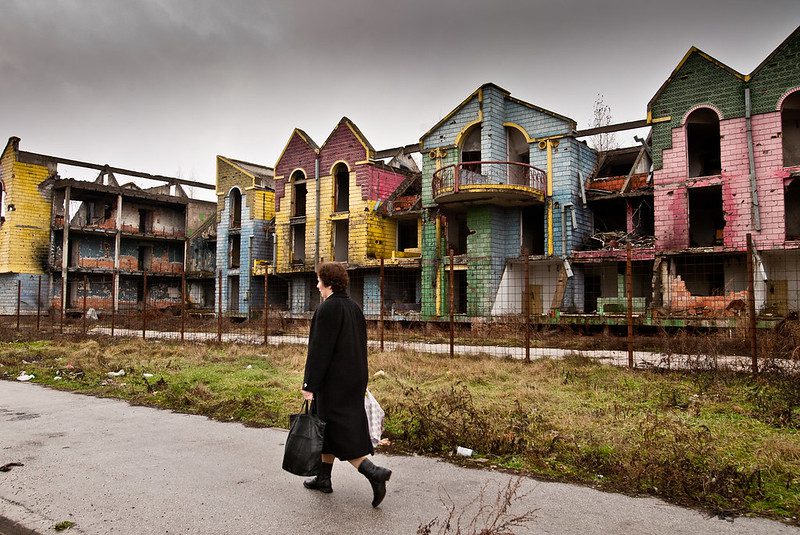
Bosnia and Herzegovina, more commonly known as Bosnia, used to be a part of former Yugoslavia and went through one of the most horrific genocides in 1992. Since the war, Bosnia has had one of the highest poverty rates in the world and an unemployment rate of 15%.

This article examines the perspectives of three Bosnian women from different generations and how difficult it is or was for them to get a good education, proper healthcare or make a comfortable living after the war. Naska is a 64-year-old retired house cleaner who has lived in Bosnia all her life. Elma is 40-year-old working as a dialysis nurse in the Nakas General Hospital in Sarajevo. And finally, Adna is a 20-year-old currently attending The Academy of Fine Arts in Sarajevo.

Living in Bosnia Now

Naska was only 38 when the war started. She was born and raised in Sarajevo and still lives in her old childhood home in the middle of the city. She says living on a pension fund in Bosnia is very difficult. She receives only 300 marks, which is equal to $182 a month. “If I didn’t receive help from my sister back in the United States I would not have enough to pay for all my groceries. I’m really lucky because my friends do not have family away to help and it gets really hard, especially in the winter.” The retirement age in Bosnia is 60 years, but due to health issues Naska was forced to retire early. In our interview, Naska explained that there was a train she used to take on her way to school when she was young. The station she used was bombed during the war and has not been repaired or rebuilt since 1995. She says that times felt happier before the war; her and her neighbors are tired of seeing constant reminders of the worst time of their lives.

Elma was in elementary school during the Bosnian War. She attended class in a basement with her friends. In Bosnia, after secondary school students are required to pick a specialty in high school that they carry on through university. Elma has been studying medicine since she was 16 and works in one of only two state hospitals in Sarajevo. A registered nurse for close to 10 years now, Elma believes that the healthcare system is not the same as it was before. Bosnia has a shortage of good healthcare professionals, and the private sector for medical supplies has taken over hospitals causing treatment to become more expensive for residents. Not only has the healthcare system gotten worse after the war, the possibility of finding a decent job has also worsened. “I have been applying for a job at hospitals for five years now. I could not even get an interview. [My mom] called me a year ago to tell me that her friend has an open position in his hospital. I honestly believe that if it was not for him I would not have a job right now.” Elma thanks her mother for a lot of the good things in her life. She says before finding a long-term job, she worked part-time night shifts at a nursing home and her husband’s job wasn’t stable either. They both live in the apartment her parents had bought previously so they have the luxury of not worrying about paying rent, only utility and groceries. Elma feels her life right now is good, but she worries this could change at any moment.

Adna was born in Sarajevo in 2000. She doesn’t know much about life before the war, only what her parents have told her. She told me in the interview that students in Bosnia don’t learn about the war in schools and everything they know about it comes from stories that get passed down. Her parents tell her it’s because the country is still in mourning and it’s hard for people to talk about what happened. The education system is very different in Bosnia compared to the United States. Primary school lasts for nine years while high school lasts for four. University education can take up to three to five years depending on the college. When I called her to talk one of the first questions I asked was if going to college was worth it. She said, “It depends. It is hard to find a job here with a degree, but it is also hard to find one without. Everybody knows that you need connections to find long lasting jobs. I have plenty of friends who have graduated college and work waitressing job for three years now. My cousin graduated with a sports medicine degree and had a friend who worked at this clinic in the city, but after six months she was let go because it was too expensive to keep her.” Her cousin now works at a boutique in the city’s mall.

COVID-19 in Bosnia

Working in a hospital during COVID-19 hasn’t been the easiest for Elma, but she does applaud her hospital for taking the necessary precautions. At her job, it is mandatory for workers to enter a tent before they enter the building to have their temperatures checked and get sterilized. Then workers must put on a suit complete with additional masks and gloves before being allowed to begin their shift. The only time workers can take the suit off is while they’re eating and after their shift when they are required to take a mandatory shower, change clothes and exit the hospital from the opposite side. Every night she comes home she is exhausted and says that there is too much work to do, but just not enough people to help. However, Elma, Naska and Adna all agree on one thing: the government is too corrupt to do anything that will help the people. And there is evidence that backs them up.

A scandal hit the news about Bosnia’s Prime Minister Fadil Novalic and his involvement with fake ventilators. The government had given $5 million to the Civil Protection firm of Bosnia to buy a hundred ventilators from China. When the ventilators arrived, officials were quick to learn that they were useless and not equipped to handle the virus. The Prime Minister and Head of the Civil Protection firm were arrested on charges of fraud and money laundering on top of an embezzlement charge.

Life in Bosnia has not been easy after the war. The government is ranked 101 out of 180 countries on the Corruption Perception Index and citizens of Bosnia hold out hope that times will change, especially those who remember life before the war. It is very clear however, that life in Bosnia is a long way away from where it used to be.

– Hena Pejdah
Photo: Flickr

October 9, 2020
https://borgenproject.org/wp-content/uploads/borgen-project-logo.svg 0 0 Kim Thelwell https://borgenproject.org/wp-content/uploads/borgen-project-logo.svg Kim Thelwell2020-10-09 01:30:432024-05-30 07:52:08Life in Bosnia After the War
Global Poverty, Women, Women's Empowerment

Maternal Health and Husband Schools in Niger

Husband Schools in Niger
Maternal, reproductive and infant health is inaccessible to many in the world’s most impoverished countries, leaving mothers and their children without the care they need to live healthy and fruitful lives. This is no different in Niger, which ranks last on the Human Development Index (HDI)—one out of every 187 women in Niger dies as a result of childhood complications, and only one in four infants are breastfed during the first six months of their life. The majority of these women and children do not have access to the health facilities that would provide them with vital, potentially life-saving care. While child deaths have decreased significantly in recent years–from 326 children under five dying for every 1,000 born in 1990 to only 75 for every 1,000 in 2017—more work must occur to ensure that every woman and child in Niger has access to the health care they need. Luckily, husband schools in Niger have emerged to improve women’s access to maternal health care.

Gender Inequality

In addition to ranking last in development on the HDI, the report also listed Niger last in issues surrounding gender equality, meaning that it is men, not women, who primarily make decisions about pregnancy and childbirth, including how many children a woman has and whether or not she visits a health care center during pregnancy. Education and literary rates in the nation are low, and many of these men make these choices for their wives lacking essential prior knowledge about the importance of maternal and reproductive health.

Husband Schools in Niger

However, the United Nations Populations Fund (UNFPA), an international organization that focuses on maternal and reproductive health, has dedicated itself to changing that. Since 2004, it has started over 137 husband schools in Niger to educate and better equip these Nigerien men to make decisions about their wives’ health care access.

These schools lack official lessons and schoolwork; rather, they are safe and honest spaces for men to learn about maternal and reproductive health and discuss possible solutions to health care access issues. The men who attend these classes help each other understand the importance of access to medical treatments for the women in their lives, and together they brainstorm ways to encourage pregnant and breastfeeding women to attend an Integrated Health Center in the area. These men, all of whom are married, also bring this information back to their wives, encouraging not only knowledge about their own maternal health for the women in these relationships but also better communication between the couple. These husband schools in Niger have been incredibly successfulーthe use of maternal health resources has tripled in areas where these schools operate, and rates of prenatal doctor’s visits and safe births have increased since the schools’ founding in 2004. This program initially emerged in the Zinder region of Niger alone, but the program has since spread across the entire nation.

Husband schools in Niger are greatly improving health care access to childbearing women by providing their husbands with essential, life-saving education about maternal and reproductive health. However, more work must still occur to ensure that every woman in this country, as well as their children, is able to receive the health care—and the education about this health care—they need.

– Daryn Lenahan
Photo: Flickr

October 5, 2020
https://borgenproject.org/wp-content/uploads/borgen-project-logo.svg 0 0 Jennifer Philipp https://borgenproject.org/wp-content/uploads/borgen-project-logo.svg Jennifer Philipp2020-10-05 09:11:352024-06-10 03:29:18Maternal Health and Husband Schools in Niger
Developing Countries, Gender Equality, Global Poverty, Women, Women's Empowerment, Women's Rights

Women in Developing Countries: The Impacts of International Trade

women in developing countriesInternational trade is arguably the most significant economic development of the last century. Its growth has been roughly exponential due to technological advancements and specialization, and exports today are more than 40 times the amount they were in 1913. Although this growth contributes to higher wealth and more stable economic systems for many countries, it simultaneously can exasperate already-existing inequalities, particularly those concerning women. International trade has contributed to the creation of new workforces containing more women. However, the employment opportunities in developing countries are typically low-paying positions with little prospects for skill development. Women in developing countries are limited to such positions due to social and cultural dynamics, policies and other country-specific contexts.

Employment of Women in Developing Countries

Women in developing countries oftent act as a cheap source of labor for firms. In manufacturing, women are mainly employed in jobs involving the production of goods, rather than higher-paying jobs involving management positions. If an economy is predominantly agricultural, women are often subsistence farmers or members of family businesses. In these situations, many women in developing countries do not get paid for their work. In service-based economies, women occupy low-skill positions such as street vendors. However, increasing the pay women receive for these jobs and successfully closing the gender gap could add about $28 trillion to global GDP.

The tendency of women to work in low-skilled jobs results from ingrained social norms designed to limit women’s economic mobility. Societies that expect women to assume the full responsibility of childcare often give them few opportunities to receive education or reduce the burden of their domestic labor. Consequently, these women are less likely to have the same access men do to land, credit and labor markets.

Little Access to Opportunities

Women in developing countries often also experience disproportionate rates of unemployment or remain in low-paying positions because they are unable to learn more about job opportunities in other locations. Robert Jensen, a former professor from the University of Texas at Austin, examined this phenomenon. He concluded that women living in rural areas in India who were contacted by recruitment campaigns providing information about job opportunities in urban areas ultimately participated more in the labor force. As a result, they experienced increased mobility.

Current Trade and Employment Policies

In 2016, the U.N. Conference on Trade and Development released a report stating that gender-blind trading policies exacerbate the inequalities women experience in developing countries. These gender-blind trading policies do not create equal opportunities. Instead, they allow men in the workforce to further benefit from existing economic advantages they enjoy.

However, the U.N. proposed two new global development frameworks to promote gender equality and women’s empowerment through trade. The 2030 Agenda for Sustainable Development focuses on combating gender issues. It links economic, social and environmental factors to address power structures and social dynamics that contribute to gender inequality. The Addis Ababa Agenda on Financing for Development requests equal gender inclusion into the formulation and implementation of financial, economic, environmental and social policies. It also aims to ensure women’s equal rights through access to economic activities that would combat gender-based violence and discrimination.

Together, these development plans are a holistic, firm course of action in the fight against women’s economic inequality. The U.S. Council on Foreign Relations recently reported on the progress nations have made in adopting plans, allocating funds and formulating policies. It found higher numbers of trade agreements with gender-related provisions in the last three decades. Although the global economic impact of COVID-19 may disrupt this progress, comprehensive plans and agendas will ensure that the pursuit of gender equality in trade continues.

– Isabel Serrano
Photo: Unsplash

October 2, 2020
https://borgenproject.org/wp-content/uploads/borgen-project-logo.svg 0 0 Kim Thelwell https://borgenproject.org/wp-content/uploads/borgen-project-logo.svg Kim Thelwell2020-10-02 11:46:522020-10-02 11:46:51Women in Developing Countries: The Impacts of International Trade
Global Poverty, Women

5 Facts About Femicide in Bolivia

Femicide in Bolivia
Bolivia is a South American country with a population of more than 11 million people. Due in part to the prevalence of “machismo culture” that views women as property, violence against women is commonplace throughout the country. Femicide in Bolivia is a prevalent concern.

According to the World Health Organization (WHO), femicide is the “intentional murder of women because they are women.” Men most commonly perpetrate violence against women, especially male relatives and partners, and this treatment typically follows both repeated physical and verbal abuse. Intimate femicide, when the perpetrator is a partner or relative of the victim, is the most common form. Estimates show that it causes over one-third of annual female murders around the world. These five facts about femicide in Bolivia show the extent of gender-based violence and how the government combats the problem.

5 Facts About Femicide in Bolivia

  1. Bolivia has the highest rate of femicide in South America. In 2018, the country had “two femicides for every 100,000 women.” The first six months of 2019 alone saw more than 60 reported murders of women, or one femicide every two days. The prevalence of femicide relates to overall high levels of abuse and domestic violence against women. In 2016, an estimated 70% of women had been victims of violence by their partners.
  2. There is a high degree of impunity for femicide. In 2016, a mere 4.7% of cases of violence against women made it to court and, of those, less than 5% were sentenced or closed. 206 cases of femicide reported over 23 months starting in 2013. However, in only eight did the court sentence the murderer for the crime.
  3. Women have mobilized against femicide by organizing marches in protest. One such march took place in La Paz in August 2019. Hundreds of Bolivians, including president Evo Morales, joined forces to call out the country’s patterns of violence against women.
  4. Bolivia implemented Law 348 to attempt to combat femicide. This 2013 measure is also called the Comprehensive Law to Guarantee Women a Life Free From Violence. It considers femicide a severe form of violence. The law imposes a minimum sentence of 30 years in prison for anyone convicted. Part of Law 348’s plan to eliminate femicide is a mandate for all levels of government to design and enforce policies specifically addressing gender-based violence. The law also demands that the victims and their families deserve justice.
  5. President Morales has made eliminating femicide a priority for the national government. In 2019, he proposed declaring femicide a crime against humanity and partnering with police and prosecutors to ensure the crime is taken seriously. The Morales administration created a cabinet comprised of multiple ministries to focus on crimes against women and children to curb gender-based violence. Additionally, Morales proposed a tax on fuel to help fund changes within the school system that would provide a learning environment with less gender bias and training teachers on recognizing the signs of violence.

While violence against women is common in the country, the government is taking the problem seriously. They are making many attempts to eliminate gendered violence. Many of the laws passed have proven difficult to enforce. However, Bolivia continues to combat femicide and societal norms that lead to such high rates of violence against women.

– Sydney Leiter
Photo: Pixabay

October 1, 2020
https://borgenproject.org/wp-content/uploads/borgen-project-logo.svg 0 0 Kim Thelwell https://borgenproject.org/wp-content/uploads/borgen-project-logo.svg Kim Thelwell2020-10-01 01:30:482024-05-30 07:52:205 Facts About Femicide in Bolivia
Education, Global Poverty, Nonprofit Organizations and NGOs, Women, Women and Female Empowerment, Women's Empowerment

Empowering Women in India Through Sewing

Empowering Women in India Through SewingOver the last decade, empowering women in poor communities has become a focal point in India. That is because about 50.7 million people live in extreme poverty in India, yet, as of 2019, only 20.7% of women in India are part of the labor force. Moreover, the country has recently seen a drop in its GDP from 6.1% to 5% and is attempting to recover from its uncertain economy. As a result, one solution that many nonprofit organizations and the government have recognized is investing in the population that is living under the poverty line. Specifically, many groups are empowering women in India through sewing.

Today, being able to sew can be an acclaimed vocational skill. Over the past decade or so, embroidery has become an empowering tool for women in India, and a traditional craft. With this understanding, nonprofits have implemented many initiatives in India to empower women and help their families out of poverty.

Sewing the Seeds & Samugam Trust

Sewing the Seeds is a nonprofit organization that partnered with the NGO Samugam Trust to begin a women’s sewing initiative. The plan supports women in impoverished communities by creating economic stability using creativity and the traditional craft of stitching. Bruno Savio and Gayle created Sewing the Seeds to use sewing to empower women in India living in poverty.

Savio’s father opened the Samugam Trust in 1991 to support the educational training of the underprivileged, the rehabilitation of leprosy patients and those who are physically challenged. Bruno Savio has continued his father’s legacy as director of Samugam and partner of Sewing the Seeds. Gayle backpacked across India about 40 years ago. During her journey, she saw an opportunity to empower women in the country through vocational training.

Savio and Gayle recognized that more than 50% of women in India are illiterate, and only 29% of women in India are actively employed. Additionally, those who are employed are paid 46% less than men holding the same positions. Sewing the Seeds and Samugam Trust realize that investing in women is smart economics and essential to reducing poverty. With this in mind, the initiative provides the training, financial assistance, materials and communal space to empower women while preserving local craft traditions.

Samugam Trust has supported the initiative since 2011, with the first collection of products introduced online in 2018. Sewing the Seeds and Samugam Trust have supplied training and machines for 130 women. The importance of this initiative is to empower women in India in a way that is holistic and long term in its support.

Shakti.ism

Shakti.ism also supported empowering women in India through sewing by launching a sustainable livelihood project. The starting goal is to reach out to 10 tribal and disabled Indian women to provide vocational training. To successfully supply these resources Shakti.ism is partnering with Samugam Trust and Sewing the Seeds to empower impoverished women. Recently, they chose 10 women from diverse backgrounds including disabled mothers.

Shakti.ism continuously raises money to cover instruction fees, supplies, daily stipends for trainees and administrative costs such as quality control. Most products are crafted from repurposed saris (a traditional Indian woman’s dress) and are to be sold online. Shakti.ism is empowering women in India as a way to support families living in underprivileged rural areas of India, as well as decrease the wage disparity while increasing the trainees’ self-confidence and skills.

Usha Silai School

Included in the community-based initiative is Usha Silai (sewing) School. This initiative has reportedly set up over 15,000 sewing schools across India with the support of the Digital Empowerment Foundation NGO and Sikana. To further their reach and enhance their programs, Usha and Sikana co-created a video program to train illiterate women. The enhanced program has increased the initiative’s outreach while providing skills to gain a livelihood to women in rural India.

The Digital Empowerment Foundation supplies technological information for rural citizens to use to their advantage. For example, they supply internet-dependent tools that can provide access to training and create socioeconomic equality. Specifically, they provide internet and digital tools in rural community centers that partner with Usha Silai School.

Community-based initiatives that provide sewing empowerment for women in poverty have been essential for the growth of rural India. Sewing has become a highly desired vocational skill and is a powerful tool for those living in poverty. Recognizing the long term impact of vocational training, NGOs provide this solution-based approach across India to bring self-confidence and skills to women.

– Sumeet Waraich
Photo: Flickr

September 25, 2020
https://borgenproject.org/wp-content/uploads/borgen-project-logo.svg 0 0 Kim Thelwell https://borgenproject.org/wp-content/uploads/borgen-project-logo.svg Kim Thelwell2020-09-25 14:47:402024-05-30 07:52:22Empowering Women in India Through Sewing
Global Poverty, Women

Venezuela’s Women Migrants: Victims of Exploitation

Venezuela’s Women Migrants
The pandemic has forced Venezuela’s women migrants to seek out sex work as a means to survive. With nothing to eat or to support their children back in Venezuela, they are charging as little as $2 for sex in foreign countries according to women’s right protector Karina Bravo.

The Situation

Since the beginning of the crisis, Venezuela’s women have had to look for creative ways in which they can still provide food for their children and themselves. According to the United Nations Refugee Agency (UNHCR), an estimated 6.5 million will flee the South American country by the end of 2020; 4.5 million have emigrated already. Walking miles and miles away, they gained the name of the Walkers (Los caminantes) as they cross frontiers and reach their destinations. Yet, due to the current coronavirus pandemic, they have received eviction from Colombia (where Venezuelans are half of the workforce), Ecuador and Peru.

Now, they are on the streets, with no source of income or food to provide for themselves and their families. As a result, at the start of the COVID-19 pandemic, the only option for many of Venezuela’s women was to either go back to their homeland before the borders closed–a country which unemployment, economic crisis, social crisis, food shortages, electricity and water shortages and a surge in crime and violence have obliterated–or become sex workers in a foreign country.

Women who are refugees are the most vulnerable to “labour and sexual exploitation, trafficking and violence.” Moreover, this is the truth for Venezuela’s women migrants, who have been emigrating from their country looking for a better quality of life for themselves and their families.

Prior to the Pandemic

Before the pandemic, Venezuela’s women migrants were already struggling, charging around $9 for sex in the hopes of sending money to their families back in Venezuela and sustaining themselves. However, because of the pandemic, they have had to charge as little as $2. Karina Bravo, a former sex worker in Ecuador and now a women’s right protector through the Latin American Network of Sex Workers, explained in an interview with The Guardian that the current conditions have led to Venezuela’s women migrants being unable to sustain themselves or send money to their families back home. On top of that, they are also facing trouble with available health services and experiencing emotional distress. These women also more frequently become victims of gender-based violence, including rape and stabbings.

Mothers are not the only ones to become sex workers; “girls as young as twelve” are part of the same fate, working for $1 an hour, according to Jana Lopez, a volunteer who is helping migrant families in Cucuta, the Colombian city bordering with Venezuela.

Even young Venezuelan women who applied for jobs in Trinidad and Tobago in the hopes of finding a better opportunity frequently become sex workers. This is a situation that is currently happening in Colombia, Ecuador, Peru, the Dominican Republic, Mexico, Trinidad and Tobago, and many other countries in which Venezuela’s women migrants have emigrated.

Solutions

Indeed, there has been an increase in trafficking and sexual exploitation all over Latin America since the beginning of the pandemic, and it has become much harder for sex workers to find the help they need.

Yet, groups such as the Doctors Without Borders/Médecins Sans Frontières (MSF) are still working to provide medical and preventive care, and mental health counseling services to sex workers in La Guajira, Colombia, most of whom are Venezuelans. All the organization’s services are free and it provides STDS tests, treatment, contraception, prenatal care, vaccinations and nutrition support. Since 2018, it has been providing immigrants with essential lifecare services which they cannot always access in their own countries.

Church organizations and networks are also operating near frontiers in order to help vulnerable immigrants and refugees who frequently become prey to trafficking and prostitution. However, an extreme urgency to expand more services to immigrants and refugees during the pandemic still exists so that they do not fall into the chains of sexual exploitation.

– Alannys D Milano
Photo: Flickr

September 24, 2020
https://borgenproject.org/wp-content/uploads/borgen-project-logo.svg 0 0 Kim Thelwell https://borgenproject.org/wp-content/uploads/borgen-project-logo.svg Kim Thelwell2020-09-24 08:10:112020-12-05 08:11:15Venezuela’s Women Migrants: Victims of Exploitation
Development, Global Poverty, Health, Women

Combating Period Poverty in Nepal

Period Poverty in Nepal
Just like the rest of the world, COVID-19 is significantly impacting Nepal. With an actual existing poverty rate of 25.2% and low literacy rates of 75.1% for males and a 57.4% rate for females, the pandemic has further challenged Nepal through forced school closings and shortages of necessary household items. In particular, period poverty in Nepal has become a dilemma for many Nepalese women and girls. The lack of access to menstrual sanitary products as well as the cultural stigma of chhaupadi, an outdated tradition of isolating menstruating women and prohibiting them from touching others and communal objects, combine to make period poverty in Nepal a pressing issue for women.

The Problem: Existing Stigmas and Disparities

The Nepali government technically outlawed chhaupadi in 2005; however, 18 women died because of chhaupadi since this policy’s creation. Additionally, a 2019 study found that 77% of west-central Nepali girls had undergone menstrual exile. In the context of the pandemic, discriminatory ideals are on the rise. Many fear that contact with menstruating women increases the risk of contracting COVID-19. Traditionally, a majority of girls receive menstrual hygiene products from schools. Without access to school due to the pandemic lockdown, however, many Nepalese girls have been deprived of essential resources like tampons. These closings increased demand for sanitary products in retail stores, causing many businesses to deplete their inventories following the announcement of quarantine quickly.

This deficiency forced women to begin relying on unhygienic alternatives such as old pieces of clothes and even leaves to manage their periods. Even before the COVID-19 crisis, roughly 83% of women used alternate forms of hygiene rather than a sanitary pad, while only 15% used actual hygienic pads. Furthermore, 47% of girls admitted to missing school because of menstruation. The use of these unhygienic methods increases the risk of reproductive tract infections as well as cervical cancer. Around 77% of young girls claimed that, due to hygiene products’ lack of accessibility and affordability, they resorted to making their pads. The financial difficulties that COVID-19 has created have only exacerbated the inability to purchase sanitary pads.

Organizations Helping to Overcome Period Poverty in Nepal

Volunteer Service Overseas (VSO) is pouring its efforts into combating period poverty in Nepal by educating young girls on how to make reusable, hygienic and sanitary pads. VSO initiated a program called Sisters for Sisters that paired young Nepali girls with mentors. Before the pandemic, this mentorship program had informed 2,000 girls on how to construct their sanitary pads. These pads can last up to five years, making this solution appealing to the majority of Nepali families. The Sisters for Sisters program has also focused on debunking discriminatory menstruation ideology.

Action Aid is another organization working to combat period poverty in Nepal. This organization distributes sanitary menstrual kits following emergencies or disasters, with a commitment to helping every woman and girl manage their periods safely. The organization’s efforts to tackle period poverty include various tactics. Similar to the Sisters for Sisters campaign, Action Aid trains girls to make reusable sanitary pads. It also offers educational services better, informing girls about their periods and how to navigate menstrual cycles healthily. Finally, Action Aid aims to eliminate period shaming ideologies such as chhaupadi in Nepal.

Hope for a Better Future

Period poverty is a continual issue for many impoverished countries with preexisting discriminatory stigmas surrounding the topic, and the pandemic has only amplified these issues. With the help of organizations working to aid women and girls in their communities and eradicate period poverty in Nepal, however, there is hope for a safer and more sanitary future.

– Adelle Tippetts
Photo: Flickr

September 19, 2020
https://borgenproject.org/wp-content/uploads/borgen-project-logo.svg 0 0 Kim Thelwell https://borgenproject.org/wp-content/uploads/borgen-project-logo.svg Kim Thelwell2020-09-19 06:50:012022-05-06 14:49:34Combating Period Poverty in Nepal
Education, Global Poverty, Homelessness, Women

3 Consequences of the Documentation Crisis in Syria

Documentation Crisis in Syria
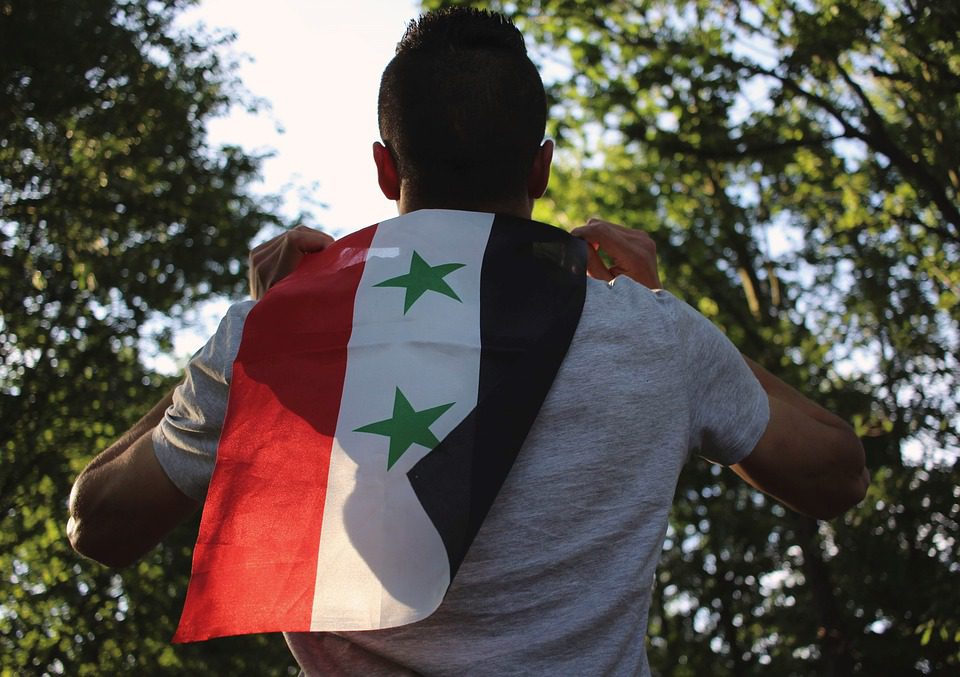
Syrians are facing striking consequences from the nearly 10-year civil war. With the destruction of the country also came the destruction of legal documents, including IDs, birth certificates and education degrees. This article will articulate the specific consequences of the documentation crisis in Syria, as well as organizations working to help.

Homelessness

For many Syrian refugees, finding housing is not a simple task. While some simply fled their homes in hopes of escaping the war, many had to leave due to the loss of their documentation. As The New Humanitarian stated, receiving proof of homeownership is extremely difficult in Syria as is. As the war progressed, more and more homeownership files experienced destruction or people lost them. Moreover, those living in stable homes had to leave.

Further Marginalization of Women

In Syria, significantly fewer women have proper documentation than men. The UN Refugee Agency (UNHCR) conducted a study in 2017 which showed that one in five Syrian men own passports, while only one in 50 women own passports. Not only are women at a great disadvantage due to Syria’s conservative values but as the war continued, Syrian women also lost their already little documentation. Gaining their passports back will be even more difficult than the process was before the war due to the documentation crisis.

Loss of Prior and Further Education

The war directly affected Syrian education as well. In fact, over 33% of Syria’s schools have experienced damage or destruction due to the decade-long war. Displaced people are primarily using the ones that remained intact. Syrian refugees who choose to come back to Syria may not have the ability to further their education without government documents; as of 2019, nearly half of school-aged children in Idleb, Syria is at risk of not having access to school. For some, a lack of documentation inhibits their ability to continue even elementary or secondary education. For others, the loss of their diplomas and other proof of graduation results in further difficulty in finding jobs. This, then, stunts any sort of academic mobilization for Syrians.

Further, secondary schools in Jordan, one of Syria’s bordering countries, “re-imposed documentation requirements it had previously waived, which risks undermining school access for vulnerable students,” according to Human Rights Watch. Moreover, some Syrian documents certify the most recent classes students have completed. Without these documents, the education ministry will place students based on their perceived age. If students lost their birth certificates along with class documentation, they might end up in a difficult learning environment, as they may be ahead or behind in their given class. Some students were drastically misplaced, as one student was meant to be in class two, but was placed in class five. This resulted in the student dropping out.

The Documentation Crisis and Poverty

With each mentioned issue comes the potential for poverty. Homelessness in Syria directly affects the family and the country itself. According to The Guardian, many families are only living on $200 a month, or $50 each week. This is a direct result of the decade-long war and the accompanying loss of homeownership documentation in the nation.

Moreover, as women in Syria already experienced great marginalization, leaving their homes caused serious effects on their health. According to the UN, nearly 7 million Syrians experience food insecurity. According to a 2017 study, food insecurity directly affects pregnant women, as they may suffer from anemia. The study also found that close to 8% of childbearing-aged women continued acutely malnourished. As the documentation crisis continues, so does the risk of poverty, which causes serious health risks for all people, but especially young women.

Lastly, education is pivotal in mobilizing any community. The UN confirmed 385 attacks on educational institutions since the year 2014. The Syrian war has obliterated all opportunities for young people to continue their education anytime soon. For example, 400,000 students were unable to take their final exams in the northwest region of Syria as of 2020. With education comes the ability to move up in the world both socioeconomically and personally. Now, with the documentation crisis paired with the destruction of schools in Syria, children are not able to participate in furthering their education. Some families (17%, according to the Norweigan Refugee Council, or the NRC) have resorted to obtaining false documentation in an attempt to restart their lives post-war.

Current Aid for Syrian Refugees

Organizations like UNICEF are providing various ways to help the documentation crisis in Syria. Whether it be psychological help or advocating for policy reform, there have been significant efforts to aid Syrian refugees. For example, UNICEF has involved 200,000 young people, youth and adolescents in civic engagement activities. The organization has also given 1 million children in both Syria and nearby countries the psychological help they may need. Additionally, UNICEF (along with partnering organizations) has given children access to informal and formal education.

The Borgen Project also allows individuals to make a difference with a simple email. Using The Borgen Project’s Action Center, one can send an email to their local representative to protect the International Affairs Budget. Further funding towards the budget allows for the U.S. to provide foreign aid and give Syrian children the education they deserve.

– Anna Hoban
Photo: Flickr

September 16, 2020
https://borgenproject.org/wp-content/uploads/borgen-project-logo.svg 0 0 Kim Thelwell https://borgenproject.org/wp-content/uploads/borgen-project-logo.svg Kim Thelwell2020-09-16 13:09:072024-12-13 18:02:143 Consequences of the Documentation Crisis in Syria
Global Poverty, War, Women, Women's Rights

Afghan Women Aid War-Torn Communities

afghan womenAlthough Afghanistan’s Constitution, ratified in 2004, forbids discrimination and declares that “man and woman, have equal rights and duties before the law,” gender inequality still persists. Women are repeatedly denied opportunities for social, educational and economic advancement, leaving 80% out of the workforce and only 8% with more than a primary education. Gallup surveys conducted in 2018 identify Afghan women as the “least satisfied women in the world,” with more than half reporting that they would permanently leave the country if given the opportunity due to discrimination, food insecurity and violence. The good news, however, is that the United Nations Mine Action Service has enacted a new initiative in Afghanistan’s Bamiyan province that mobilizes women to escape poverty and empowers them to clear war-torn communities of the remnants of war.

Poverty and Conflict

The World Bank estimates that the number of people living in areas overwhelmed by conflict has doubled since 2007, a rate that has increased alongside poverty expansion. People living in fragile and conflict-affected situations, or FCS, are 10 times more likely to be poor. Forty-three of the world’s most impoverished countries are classified as FCS regions. Proximity to conflict directly affects education, infrastructure, health and the economy. In violent areas, children are less likely to travel to school, families are more likely to suffer long-term medical conditions and communities lose valuable opportunities for monetary mobility and advancement.

The Taliban has sustained a significant presence in Afghanistan for over a decade and has remained a constant threat. More than 1,400 people were killed or injured by landmines in Afghanistan in 2018, a number that has tripled since 2012. Mines and other explosives are certainly detrimental to infrastructure after detonation, but unexploded devices can be equally as destructive. Construction projects are largely avoided for fear of encountering an explosive during the building process. This leaves many areas without roads, essential buildings and airports, all assets that could play a role in reducing poverty.

Dauntless De-Miners

The United Nations Mine Action Service (UNMAS) began a de-mining pilot program in 2018, featuring 14 brave Afghan women in Afghanistan’s Bamiyan province. After receiving training from the UNMAS de-mining experts, the women strap on Kevlar vests and sport protective face shields that enable them to search the soil using massive metal detectors. Once a detector beeps, the team member will kneel and sift through the dirt until the mine or explosive is found and deactivated.

The primary goals of the program are to clear mines, educate villagers and equip Afghan women with the tools they need to escape poverty. The team works approximately nine hours per day, but depending on location, mine removal projects may be short-term. In circumstances where land can be swiftly searched, the team uses the remaining time to learn vocational skills taught by UNMAS workers, training that has the potential to change their status. Additional education for Afghan women, who would otherwise receive very little, is crucial to broadening their job opportunities, increasing household income and helping them rise out of poverty. UNMAS also requires women to participate in meetings that decide how to use the land that is newly mine-free, which showcases their growing presence and immense contribution to their historically war-torn communities.

Fatima Amiri was one of the Bamiyan province’s first team members, and she is frequently highlighted for her dedication. She works tirelessly for her team after witnessing the devastating effects of hidden and unexploded devices. A member of her community traveled to a mountain on the Day of Eid, or the end of Ramadan, and never returned. Amiri realized that day she wanted to rid the surrounding area of mines, and she notes that now, “no one says that women are weak.”

Brace for Impact

Afghanistan’s fearless team is looking to expand its efforts beyond the Bamiyan province in the coming years. Since its inception, the team has covered more than 51,500 square meters and is projected to clear their land of mines and explosives by 2023. Most of the cleared region is now being used to build infrastructure or for farming, a lifestyle that boosts community economies and indirectly improves Afghan women’s social status. The de-mining women are recognized for their success and newly respected for providing their fellow community members with safety, food security and ways to maintain a steady income, three things crucial to overcoming conflict-induced poverty. The community’s appreciation erodes traditional gender norms that have restricted Afghan women for centuries by proving their value as productive members of society capable of protecting thousands in war-torn communities.

– Natalie Clark
Photo: Flickr

September 11, 2020
https://borgenproject.org/wp-content/uploads/borgen-project-logo.svg 0 0 Kim Thelwell https://borgenproject.org/wp-content/uploads/borgen-project-logo.svg Kim Thelwell2020-09-11 09:23:452020-09-11 09:23:44Afghan Women Aid War-Torn Communities
Global Poverty, Women

Senegalese Female Farmers Fight Environmental Difficulties

Senegalese Female Farmers
In a remote village in Senegal, female farmers are banding together to save their village from drought, famine and environmental difficulties. Local Senegalese farmers are struggling with food insecurity, and available land has dwindled. As a result, men are leaving the village to search for opportunities elsewhere. However, one of the biggest problems is the recent decrease in water supply due to rain shortages. Thanks to innovative efforts by these Senegalese female farmers, however, conditions are improving.

Food Insecurity and Environmental Changes in Senegal

Increasing changes to the environment are affecting farmland at an unprecedented rate, with Senegal being one of its main targets. Predictions determine that environmental factors will displace almost 1 billion people by 2050. Rural communities in Senegal and other parts of Africa feel these effects the most. In response to these challenges, Senegalese female farmers have made it their priority to create more sustainable lives. This has proved especially challenging given the little farmland and resources available to them.

While female Senegalese farmers make up a majority of the workforce, they have relatively little access to farmland and other resources. The dwindling supply of farmland does nothing to help this issue. Two and a half million people in Senegal might fall into food insecurity within the next year. Thus, there are a number of initiatives developing to help empower female farmers.

The Solutions

Some of these initiatives include providing women with access to farming equipment and machinery that allows them to tend to their crops more efficiently. Furthermore, educating women on nutrition and self-sufficient farming methods also helps them to become better contributors to their local economy. Many of these women share their knowledge with women in other villages, spreading the impact of their farming efforts. The wide-reaching impact of word of mouth combined with guidance from various nonprofits has helped struggling populations in Senegal by giving them the tools they need to improve their farming techniques.

Since most men in these villages leave for better opportunities, women are left behind to take care of children and provide for themselves. It places an almost unbearable burden on women to be left behind by men in a society in which it is nearly impossible to succeed without them. However, Senegalese women have still managed to come together in order to challenge pre-existing gender norms.

Remaining Barriers and Steps Forward

In spite of numerous obstacles, these women have managed to succeed in cultivating new farmland and revitalizing the local economy. There are still many barriers that prevent women from reaching their full potential. For instance, women produce 80% of the food in the country but have virtually no rights or political power. Nonetheless, recent developments seek to ensure the continued presence and support of women in the agriculture sector in Senegal. These include providing women with plots of land and enabling them to travel to other areas for business. After seeing the positive changes taking place in their communities, men have started to return to their wives. The success of these Senegalese female farmers illustrates how, with the right tools and guidance, women in developing countries can create better lives for themselves and their families.

– Xenia Gonikberg
Photo: Flickr

September 3, 2020
https://borgenproject.org/wp-content/uploads/borgen-project-logo.svg 0 0 Kim Thelwell https://borgenproject.org/wp-content/uploads/borgen-project-logo.svg Kim Thelwell2020-09-03 13:04:052024-05-30 07:52:12Senegalese Female Farmers Fight Environmental Difficulties
Page 18 of 36«‹1617181920›»

Get Smarter

  • Global Poverty 101
  • Global Poverty… The Good News
  • Global Poverty & U.S. Jobs
  • Global Poverty and National Security
  • Innovative Solutions to Poverty
  • Global Poverty & Aid FAQ’s
Search Search

Take Action

  • Call Congress
  • Email Congress
  • Donate
  • 30 Ways to Help
  • Volunteer Ops
  • Internships
  • Courses & Certificates
  • The Podcast
Borgen Project

“The Borgen Project is an incredible nonprofit organization that is addressing poverty and hunger and working towards ending them.”

-The Huffington Post

Inside The Borgen Project

  • Contact
  • About
  • Financials
  • President
  • Board of Directors
  • Board of Advisors

International Links

  • UK Email Parliament
  • UK Donate
  • Canada Email Parliament

Get Smarter

  • Global Poverty 101
  • Global Poverty… The Good News
  • Global Poverty & U.S. Jobs
  • Global Poverty and National Security
  • Innovative Solutions to Poverty
  • Global Poverty & Aid FAQ’s

Ways to Help

  • Call Congress
  • Email Congress
  • Donate
  • 30 Ways to Help
  • Volunteer Ops
  • Internships
  • Courses & Certificates
  • The Podcast
Scroll to top Scroll to top Scroll to top