• Link to X
  • Link to Facebook
  • Link to Instagram
  • Link to TikTok
  • Link to Youtube
  • About
    • About Us
      • President
      • Board of Directors
      • Board of Advisors
      • Financials
      • Our Methodology
      • Success Tracker
      • Contact
  • Act Now
    • 30 Ways to Help
      • Email Congress
      • Call Congress
      • Volunteer
      • Courses & Certificates
      • Be a Donor
    • Internships
      • In-Office Internships
      • Remote Internships
    • Legislation
      • Politics 101
  • The Blog
  • The Podcast
  • Magazine
  • Donate
  • Click to open the search input field Click to open the search input field Search
  • Menu Menu

Archive for category: Women and Female Empowerment

information and Stories about woman and female empowerment.

Global Poverty, Sanitation, Water, Women and Female Empowerment

The Process of Reaching SDG 6 in Kenya

SDG 6 in KenyaWater and sanitation services in Kenya are lacking, but the country is improving these services through the introduction of new inventions and initiatives. The U.N. adopted the 2030 Agenda for Sustainable Development in 2015, a blueprint for achieving the 17 Sustainable Development Goals, which aim to reduce global poverty and address other global issues while improving sustainability. Sustainable Development Goal 6 aims to ensure that every person has access to clean water and sanitation. Here are some initiatives that are helping SDG 6 in Kenya come to fruition through sustainable development.

Water Pans

Water pans are able to provide people with water in arid areas. Constructing water pans involves excavating a dam “and covering it with a dam liner.” This water pan container collects runoff rainwater and is able to hold it until the next rain season.

Without water pans, residents would have to walk long distances to water facilities. These water facilities have a history of corruption linked to them, which reduces water access for the impoverished. Collecting water is also especially dangerous for women who are at risk of undergoing sexual extortion for water or experiencing sexual assault on the walk.

The water pans provide accessible water, which allows farmers to feed their animals and water crops easily. As a result, farmers are able to grow more crops because they can spend more time farming and less time on water collection. Water pans are more than just a solution for water insecurity but also a solution for hunger. Water pans are a solution to the lack of water in warmer climates. They are becoming more popular on farms across Kenya. The installation of water pans for residents could help the achievement of SDG 6 in Kenya.

Fresh Life Toilets

Sanergy is a startup that builds Fresh Life Toilets, affordable alternatives to sewage systems. A Fresh Life Toilet separates solid waste in order to make fertilizer. This means that there is no need for a sewage system and that people can reuse waste sustainably.

Fresh Life Toilets are a better alternative to pit latrines, which do not last as long and have an unsanitary emptying process. Communities sometimes lack accessible designated areas to dispose of waste and can end up emptying the waste into drainages and waterways. By using the waste for organic fertilizer, communities can also avoid polluting waterways.

These Fresh Life Toilet units include handwashing stations, soap, water and feminine hygiene disposal bins. Sanergy has built more than 3,379 Fresh Life Toilets in Nairobi’s urban slums.

Entrepreneurship for Women

Mama Maji is a nonprofit that trains women in Kenya to become entrepreneurs in the water industry. The organization focuses on women because, in the developing world, women are frequently in charge of the collection and cleaning of water as well as caring for the sick.

The organization believes that women in these communities have the knowledge and experience to tackle water and sanitation issues. The Mama Maji creators believe that simply building infrastructure is not a sustainable solution to the water crisis and that by training women to come up with solutions and create their own businesses, the women can go on to provide clean water to their communities.

The nonprofit trains women in the production of Stabilized Soil Blocks (ISSBs), building water tanks and the logistics of running their own businesses. It also provides interest-free loans and training to Kenyan women to help their businesses grow while continuing to support them as their businesses expand.

Mama Maji has offered training on water and hygiene to 2,500 community members. The women in the program have made 2.7 times the current annual income of most women in Kenya.

Kenya is on its way to meeting U.N. SDG 6 — access to clean water and sanitation for all Kenyans. Water pans, Fresh Life Toilets and the efforts of Mama Maji provide community support and resources to accelerate the process of accomplishing SDG 6 in Kenya.

– Stephanie Jackson
Photo: Flickr

December 26, 2020
https://borgenproject.org/wp-content/uploads/borgen-project-logo.svg 0 0 Jennifer Philipp https://borgenproject.org/wp-content/uploads/borgen-project-logo.svg Jennifer Philipp2020-12-26 01:30:202024-05-30 07:56:08The Process of Reaching SDG 6 in Kenya
Activism, Global Poverty, Women and Female Empowerment

5 Influential Young Female Celebrities Who are Changing the World

Zendaya, One of the 5 Influential Young Female CelebritiesHistorical global events often prompt humanitarians to advocate for change. This is especially true for celebrities who have platforms to speak up for those unable to. Moreover, female celebrities’ fight for social justice sets the stage for women to have a voice in global issues. Here are five mega-influential young female celebrities who are at the forefront of social justice and activism causes.

5 Influential Young Female Celebrities

  1. Greta Thunberg. Ever since she first skipped school to protest in front of the Swedish Parliament building, Greta Thunberg continuously inspires an international movement to fight climate change. At just 15 years old, she missed lessons every Friday to go on strike. Thunberg urged young people around the world to join her cause and strive “to make similar demands in their own countries.” By December 2018, more than 20,000 students around the world joined Thunberg’s movement. She would continue to embark on other strikes around the world, choosing to travel by train to limit her carbon impact. In September 2019, the U.N. Climate Conference hosted Thunberg in New York where she spoke on issues regarding extreme weather events and how world leaders need to do more. Thunberg has garnered a multitude of support and received the honor of being named Time Magazine’s Person of the Year in 2019.
  2. Millie Bobby Brown. Brown is best known for her role as Eleven in Netflix’s hit show “Stranger Things” and appears in the film “Enola Holmes.” In 2018, UNICEF announced the 14-year-old as the youngest-ever Goodwill Ambassador, highlighting her passion for social justice issues. Earlier that year, TIME magazine featured her as one of TIME’s 100 most influential people, making her the youngest person on the list. Her platform gives her the chance to inspire change and lead by example for the younger generation.
  3. Amandla Stenberg. Amandla Stenberg’s activism has a prominent influence on her acting decisions, coupled with her early rise to fame at age 12. She first appeared as Rue in the hit film “The Hunger Games” and expresses her activism on her social media platforms. Stenberg has spoken out about cultural appropriation with a school project Tumblr video, “Don’t Cash Crop My Cornrows.” She also frequently advocates for human rights, female empowerment and LGBTQ visibility. She received the 2019 Human Rights Campaign Visibility Award and the title of TIME’s “Next Generation Leader.”
  4. Yara Shahidi. Starring in ABC’s comedy “Black-ish” and its spinoff “Grown-ish,” Yara Shahidi quickly gained momentum with her stellar performances. She also received prime recognition in the film adaptation of the novel “The Sun is Also a Star.” While accumulating a large social platform, Shahidi uses her voice to advocate for social change, including feminism and STEM awareness. In high school, she began her own club that partnered with the Young Women’s Leadership Network, “which provides online mentorship with the goal of ending poverty through education.” Her enrollment at Harvard in 2018, with the goal of double majoring in sociology and African-American studies, garnered Michelle Obama’s support — Obama praised Shahidi for her social justice advocacy efforts.
  5. Zendaya. Zendaya, a prominent actress who stars on HBO’s hit show “Euphoria,” received recognition for her work in the fashion world regarding cultural representation. When working with Tommy Hilfiger to launch Tommy X Zendaya in 2019, Zendaya made it her mission to include more diversity and representation. Zendaya pointed out, “Everyone needs to be seen and [feel] like they are a part of the fashion world. It is much more diverse now, but there can still be more in terms of different shapes, sizes and cultures.”

Looking Ahead

Whether through film or advocacy, these influential young female celebrities are making the most out of their fame by speaking out against the many injustices that plague society. Their platforms allow them to voice concerns and advocate for the less fortunate. These women may be young, but their voices are anything but small. Take note of these celebrity humanitarian names because the world will be hearing a lot more from them in years to come.

– Natalie Whitmeyer
Photo: Flickr

December 25, 2020
https://borgenproject.org/wp-content/uploads/borgen-project-logo.svg 0 0 Kim Thelwell https://borgenproject.org/wp-content/uploads/borgen-project-logo.svg Kim Thelwell2020-12-25 01:31:452024-05-30 07:53:245 Influential Young Female Celebrities Who are Changing the World
Global Poverty, Women and Female Empowerment, Women's Rights

Prioritizing Women’s Rights in The Gambia

Women’s Rights in the Gambia
The Gambia, a country half the size of New Jersey and located in West Africa, is home to 1 million women. The country has a secular constitution and its legal system uses English common law and some aspects of Sharia Law. Under this legal system, women rarely own property. Moreover, they frequently face obstacles in education access and their prenatal/postpartum care is poor, resulting in high maternal mortality rates. Here is some information about women’s rights in The Gambia and efforts to improve them.

Injustices Gambian Women Face

In terms of education access and financial freedom, women’s rights in The Gambia are not equitable. Only 47% of Gambian women are literate in comparison to 64% of men, so most women are at a disadvantage from the start. Additionally, 26% of Gambian girls marry before they turn 18, which allows minimal time to gain pre-marriage financial independence. In 2009, 80% of women worked in the agriculture sector, but only 30% received cash earnings in comparison to 43% of men. Under the customary practice, instead of owning the land they cultivate, women borrow it from their husbands. The women who own property cannot receive more than one-third of the estate, as Sharia Law permits. This is a challenge because most banks will not grant credit unless the applicant owns land which puts women in a difficult situation.

Level The Law Campaign

In 2018, Gambian Attorney General and Minister of Justice, Abubacarr Tambadou, attended the Global Citizen Festival in New York to share The Gambia’s commitment to the Level The Law Campaign. Two years prior, Global Citizen started the campaign to outlaw discrimination against females and gender-based violence by 2030. In response to more than 10,000 Global Citizen tweets, Tambadou renewed the commitment to protecting women’s rights in The Gambia, which vows to repeal all laws that promote gender-based violence, prevent equal political participation and hinder reproductive health.

A statement by Tambadou said that UNICEF organized training for Gambian Law Enforcement Agencies on legislation about child marriage. Also, to demonstrate The Gambia’s commitment to include women in justice systems, half of the appointees to the superior Courts of The Gambia are women. Additionally, four of the seven Court of Appeal judges are women, with a woman serving as president. Finally, Gambia is drafting a new Constitution that ensures more gender-responsive legislation.

New Laws for an Equitable Future

Social justice mobility did not start there. The Women’s Act, passed in 2010, protects women’s rights under the Constitution, which includes human rights protection, the right to health, protection against discrimination, marriage consent and special measures supporting women (the government and private institutions must work towards gender equality). It also ensures that girls who are married or have children can stay in school, protecting them from getting expelled. In 2015, the National Assembly amended the Act to include the prohibition of Female Genital Mutilation (FGM). However, the Act does not regulate certain rights for Muslim women such as child custody, widow inheritance and divorce. These remain subject to Sharia Law.

The Sexual Offenses Act, passed in 2013, amends the procedure of rape trial and other sexual offenses. Meanwhile, the Domestic Violence Act, passed in the same year, protects domestic violence survivors.

Before these laws passed, sexual harassment and Female Genital Mutilation were legal. FGM is a common practice in The Gambia that results in devastating physical and psychological consequences. Fortunately, it is on the decline, although about 75% of women aged 15-49 and 50% of girls under age 15 have undergone it. Although the Women’s Act outlaws discrimination in reproductive health services, women still lack access to vital reproductive resources.

There is a long road ahead to gender equity. Luckily, with more female representation in the public sphere, women’s rights in The Gambia are on the rise. Gambian women bring a new perspective to the table, one that serves in their best interest.

– Rebecca Pomerantz
Photo: Flickr

December 17, 2020
https://borgenproject.org/wp-content/uploads/borgen-project-logo.svg 0 0 Jennifer Philipp https://borgenproject.org/wp-content/uploads/borgen-project-logo.svg Jennifer Philipp2020-12-17 07:52:132020-12-17 07:52:13Prioritizing Women’s Rights in The Gambia
Advocacy, Developing Countries, Education, Global Health, Global Poverty, Poverty Reduction, Women, Women and Female Empowerment, Women's Empowerment

Why Women are More Likely to Live in Poverty

Women Are More LikelyGlobally, women are faced with the invisible burdens of gender inequality which are entrenched deeply within institutional structures and communities as a whole. These prejudices may limit a woman’s access to higher employment and assistance programs, ultimately leading to higher rates of poverty, especially among women of color. As of 2018, the poverty rate for women was 12.9% compared to the 10.6% rate among men. There are several reasons why women are more likely to live in poverty.

Educational Inequalities

In many developing countries, women are more likely to be denied an education, as nearly 25% of all girls have not completed primary school education and two-thirds of women make up the world’s illiteracy rate. In Somalia, for example, only 7% of girls are enrolled in primary school. The lack of education among women may result in higher pregnancy and poverty rates. According to the United Nations Girls’ Education Initiative, a girl’s education is a driving force in their economic well-being. Somalia suffers from one of the world’s worst educational systems and is one of the poorest countries as well, having a poverty rate of 73%. With education, females can increase their access to higher-paying jobs, and thus, benefit the family’s income., which results in a positive cycle for generations, bettering the economy overall.

Women Are Paid Less

Despite having the same qualifications and working the same hours, women are more likely to get paid less than men. Worldwide, women earn nearly 20% less than men. These variances within wages affect women in low-paying jobs and poorer countries dramatically. Closing the gender wage gap can result in overall equal income distribution. In the United States alone, closing the wage gap would mean that half the poverty rate of working women and their families would be cut.

Period Poverty

Around the world, many females may suffer from period poverty: inadequate access to hygienic menstrual products and menstrual education. The lack of education is related to the stigma periods carry. Periods have been associated with immense shame for a long time and this stigma is carried throughout communities, deeply limiting girls’ opportunities. Globally, periods are the reason why girls are absent from school at a disproportionate rate, as two out of three girls in developing countries are skipping school during their period. In India, 23 million menstruating girls drop out of school annually because of a shortage in hygienic wash facilities and products. Without an education, females are less likely to obtain a high-paying job and escape poverty.

Domestic Violence and Sexual Exploitation

One in three females globally fall victim to some form of domestic or sexual violence in their lifetime. Girls and women who grow up in poverty are also at an increased risk of experiencing such crimes. Victims of domestic or sexual violence can be impacted through the degradation of their physical or mental health, loss of employment or are ultimately driven into homelessness. Globally, females lose out on nearly eight million days of employment every year as a direct result of violent acts committed against them. According to a survey by the U.S. Conference of Mayors, domestic violence was the root cause of women becoming homeless in half of all the cities surveyed.

Pregnancy

Economically, females are potentially burdened with the costs of pregnancy, including the additional fees of caring for a child, more significantly than men. Custodial mothers are twice as likely to be poor compared to custodial fathers. Further, unplanned pregnancies can be detrimental to a woman’s income as being unable to work immediately after giving birth means no pay, especially in the informal working sector. In the developing world, nearly 12 million girls aged 15-19 give birth each year, which often results in the end of the girls’ education and the beginning of child marriage. Children who are born from early pregnancies or marriages more often than not enter the same cycle of poverty and no education.

Organizations for Female Empowerment

Malala Yousafzai started the Malala Fund after members of the Pakistani Taliban shot her for advocating the right for girls to be educated. Since then, Malala has built her project into a global initiative that furthers the goal of providing free quality education to young girls in developing countries.

The Orchid Project is a global initiative to end female genital mutilation (FGM). The Orchid Project functions as a platform that raises awareness of the areas where FGM is most prevalent and advocates against the practice. The Orchid Project has brought together more than 193 countries with the collective goal of abolishing FGC by 2030.

Women for Women is an NGO that works to aid those who are in hostile conflict zones and are the victims of collateral damage. Women for Women helps to uplift these victims of violence by providing them with tools, support and education so that they may earn a living and remain stable through the direst of circumstances. Women for Women has helped more than half a million women in countries that have been directly impacted by war and conflicts.

Empowering Women Means Reducing Global Poverty

Females in developing countries experience complexities that restrict their development and progression. Organizations are helping to raise awareness of these complexities and aid women in need. Since women are more likely to experience inequalities that push them into poverty, empowering women ultimately means alleviating global poverty.

– Maya Falach
Photo: Flickr

December 17, 2020
https://borgenproject.org/wp-content/uploads/borgen-project-logo.svg 0 0 Jennifer Philipp https://borgenproject.org/wp-content/uploads/borgen-project-logo.svg Jennifer Philipp2020-12-17 01:30:312024-05-29 22:43:04Why Women are More Likely to Live in Poverty
Global Poverty, Women and Female Empowerment, Women's Empowerment

How the Disha Project Empowers Women in India

How the Disha Project Empowers Women in IndiaIn India — a country surging with sustained economic growth — more than two-thirds of women do not have a profession or are outside of the workforce. This level of engagement also varies between rural and urban areas due to a divide in, among other things, access to training and schooling. Despite the growth in the past few decades in terms of education rates, as well as a similarly important decline in birth rates, women in rural India are still not as able to pursue or secure jobs as their male counterparts are. The Disha Project was an international effort that acted as a catalyst for improvement and provided diverse resources and plans to empower underprivileged Indian women across the nation.

The Disha Project’s Mission

The Disha Project set out to be a three-year united effort between the United Nations Development Programme, the India Development Foundation and the IKEA Foundation. The three groups, together with their networks of experience and assets, came together to provide women in India with opportunities for income growth and management. Skills training remained the primary tool of the Disha Project and teaching women essential skills alongside separate enterprise teachings, participants could gain valuable and diverse knowledge that set them apart from other job seekers.

The original goals of the project included a target goal of introducing and linking a million women in India to a growing chain of economically independent job seekers and makers. Beyond applying skills that would greatly increase the possibilities for job acquisition, the Disha Project also marked replicability and scalability as its goals, which explains the strong focus on self-sustained community growth.

The Models Used

To fulfill the intentions the Disha Project laid out for itself, planning and execution were paramount. Clement Chauvet led the Disha Project and served as the United Nations Development Programme’s chief of skills and business development. In his capacity as Disha Project’s head, he outlined four principal models by which the project would take shape.

Chauvet detailed how model one is primarily educational, providing advice and direction for female job seekers. By surmounting this first barrier to self-sustainable economic growth, the program’s participants can begin to pursue their own aspirations much more aggressively.

The second and third models rely on the market and social networks, leading women seeking to fill these roles to established needs in professions. Additionally, by connecting mentors and those with guidance to women who wish to start with “micro-entrepreneurship,” the UNDP initiative directly provides resources and support. The final and fourth model is that of production and economic efficiency. This model seeks to unite women in India to make sure those producing salable products and practicing profitable skills can expand their reach and value as a part of the system.

Meaningful Success

For the Disha Project, countless personal stories of women in rural India initiating businesses, gaining greater social power and supporting their households and communities financially stand as testimony of success. On a larger scale, Chauvet reports, “With the support of IKEA Foundation, since 2015, 800,594 women in Delhi NCR, Haryana, Telangana, Karnataka and Maharashtra have been enabled with employable skills.”

These women in India also act as a greater example of societal change. Due to the sheer scale of the Disha Project’s impact, small systematic changes, carved in the footholds of agricultural villages and towns, will slowly become more noticeable. Each woman among the almost 900,000 participants carries within herself the tools to inform her family, engage her neighborhood and teach other women in the community.

Through the efforts of organizations like the Disha Project, women are becoming more empowered worldwide, which contributes to a more secure financial future for all and paves a way forward to a world that is more equally accessible, regardless of sex.

— Alan Mathew
Photo: Flickr

December 16, 2020
https://borgenproject.org/wp-content/uploads/borgen-project-logo.svg 0 0 Jennifer Philipp https://borgenproject.org/wp-content/uploads/borgen-project-logo.svg Jennifer Philipp2020-12-16 01:31:272024-05-30 07:53:11How the Disha Project Empowers Women in India
Developing Countries, Global Poverty, Women, Women's Empowerment

Kudumbashree: Creating a Future for Indian Women

Future for Indian WomenIn 1997, a Kerala state project, recognizing the significance of channeling a significant, often underutilized demographic, began Kudumbashree, a widespread and comprehensive program that seeks to vastly reduce poverty and empower women at the same time. In a state of about 35 million people, Kudumbashree set out on a path to establish local, self-functioning levels of organization that could bring women together, provide access to resources regardless of education, economic status or caste and connect a willing workforce to new and old professional options, opening the future for Indian women across entire regions. In Malayalam, the local language of Kerala, Kudumbashree comprises two unique words, that when combined, translate to “prosperity of the family.” The structure, scale and significance of an enterprise like this is widespread and compelling, not just for one state in India but for an entire country and global community.

Kudumbashree: History and Goals

Kudumbashree is more than just one specific government program; rather, it is also a particular umbrella for cooperating efforts that fall under the jurisdiction of a unifying task force proposition known as the State Poverty Eradication Mission (SPEM). Kudumbashree and SPEM are interchangeable and the second has largely evolved into the first. By one definition, Kudumbashree is a charitable society; by another, it is a facilitator for work. All these descriptions are because of the fundamental and indispensable goal of a budding institution that secures a future for Indian women and their families. Though it may be ambitious and certainly easier said than done, Kudumbashree unabashedly seeks to “eradicate absolute poverty from the State over a period of 10 years.” Even if this goal has not been met yet, a significant amount of resources, community structures and cooperative dynamics have been put into place that brings Kerala closer to success every year.

Programs, Practices and Plans

A little less than half a century ago, Kerala’s poverty levels were at 59.74%. As of 2011 to 2012, that percentage dropped to 11.3%, less than half the national average. A wide range of factors led to this drastic and fortuitous decline and focused public attention and effort have been key among them.

Kudumbashree utilizes the role of the public in a particularly localized, community-centered way, as evidenced by the principal three-tier system the program uses. The three levels in the framework, in order of smallest to largest in terms of local duties, are “Neighborhood Groups,” “Area Development Societies,” and “Community Development Societies.” These hierarchies build upon each other and provide for different prioritizations of tasks.

For instance, Neighborhood Groups are small units with typically less than 30 women members. They meet frequently and are essential in the disbursement of microloans, which the members often save and distribute among themselves. At district-spanning Community Development Societies, more administrative concerns are paramount, such as directing state-financed aid or liaising with governmental bodies. A future for Indian women among Kudumbashree means support and access, not only from the local bodies but from fellow female members of their community.

The Future for Kerala’s Women

At over four and a half million Neighborhood Group members, Kudumbashree spans villages, towns and cities, but more importantly, with every notable award and new business enterprise, it raises greater national awareness. With agribusiness ventures alone, Kudumbashree boasts 778 units serving communities and expanding constantly. The future for Indian women is diverse and full of opportunity, and thanks to initiatives like Kudumbashree, the future is locally-led and integrally focused on the capacities of all people, regardless of gender.

– Alan Mathew
Photo: Flickr

December 11, 2020
https://borgenproject.org/wp-content/uploads/borgen-project-logo.svg 0 0 Kim Thelwell https://borgenproject.org/wp-content/uploads/borgen-project-logo.svg Kim Thelwell2020-12-11 07:14:032020-12-11 07:14:03Kudumbashree: Creating a Future for Indian Women
Development, Global Poverty, Technology, USAID, Women, Women and Female Empowerment

The WomenConnect Challenge: 9 Innovative Projects Empowering Women

Innovative Projects Empowering WomenIn a booming technological world, the gender digital divide continues to suppress women’s access to technology and the global economy. In low- and middle-income countries, women are 10% less likely to own a mobile device than men and are 23% less likely to use the internet. A 2019 report from the GSMA highlights four main reasons for the divide, including affordability, literacy and tech-literacy rates, safety and security and relevance to daily life. The report also estimates that closing the digital divide in just mobile internet usage by 2023 could increase GDP growth by $700 billion in low- and middle-income countries over the next five years.
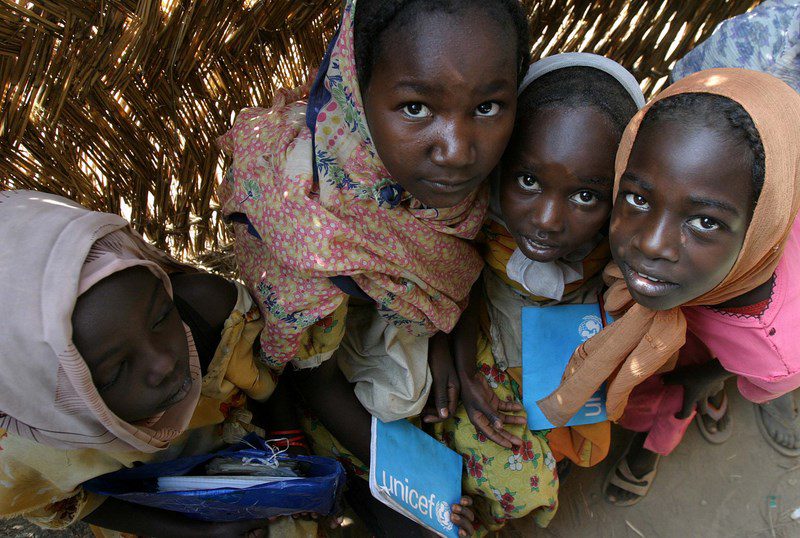
Through the U.S. government’s Women’s Global Development and Prosperity Initiative (W-GDP), presidential advisor Ivanka Trump and USAID Administrator Mark Green launched the WomenConnect Challenge. With this funding, initiatives seek to shrink the barriers of digital illiteracy and “technophobia” fueled by a lack of complex resources, such as Internet access or formal education. That these barriers unequally limit women and girls leaves entire populations further and further behind in an increasingly digital world. In the first round of the challenge in 2018, USAID awarded more than $2 million to an initial nine innovative projects empowering women and closing gender-based digital divides. The W-GDP initiative hopes to connect 50 million women in developing nations by 2025.

The First Projects that Received Funding

  1. Mali Health – Launched in 2019, the Mali Health application’s trial run proved useful in the lives of 65 women, most of whom live under the poverty line. The women were provided with a smartphone as well as training on the app’s features. The app allows users to search for medical information, advertise their small businesses and connect with larger markets using voice navigation in their native language. An upcoming feature will allow users to voice-record their medical questions and receive a recording back from a doctor. Surveys from the trial run indicate that innovative projects empowering women with knowledge and information boost women’s views on gender equality.
  2. GAPI and Bluetown – GAPI-SI and technology partner Bluetown established the Women in the Network program in Ribaue, Mozambique in late 2019. The project created content “clouds” for locals to access at lower costs than traditional network access, as well as a rent-to-own cell phone program. Additionally, the program is training a team of Ribaue women in technology and internet use so that they may bring this knowledge to their peers and promote widespread connectivity.
  3. GramVaani – Meri Awaz Meri Pehchan, or “My Voice My Identity,” is an app from GramVaani enabling women to connect with other women and spread important information securely in Bihar, India. The application is voice-based, removing the literacy barrier from the equation. Women are trained as “reporters” and visit rural communities to play informational recordings. They gather voiced comments on topics ranging from government programs and water availability to women’s rights. Innovative projects empowering women such as GramVaani make an impact through the dissemination of knowledge, a resource that cannot be taken for granted.
  4. Viamo – The Calling all Women program from Viamo makes use of a voice-based informational platform called the 3-2-1 Service, which allows individuals to share valuable information for free on topics like health, hygiene and financial literacy. The information has reached more than 150,000 people in Tanzania and Pakistan. Additionally, Viamo’s program includes recorded lessons for women on mobile technology and the internet to help bridge the gender digital divide.
  5. Humanitarian OpenStreetMap Team (HOT) – HOT’s project #LetGirlsMap trains women and male allies to map data from Tanzanian villages and report significant issues via mapping platforms. The program has reached 78 villages and has partnered with schools to gather and disseminate knowledge on gender-based violence and economic literacy. Such innovative projects empowering women and girls help them to confront gender norms and inequality while learning about technology and the economy.
  6. Evidence for policy design (EPoD) India at the Institute for Financial Management and Research (IFMR) – EPoD’s project Mor Awaaz utilizes a preexisting government program that is distributing 2 million mobile phones to women in rural India. Mor Awaaz offers training and voice recordings for women on technological literacy and has reached 11,000 women so far, eliminating barriers like caste, mobility and affordability.
  7. AFCHIX – Innovative projects empowering women like AFCHIX are addressing inadequate internet access in impoverished communities. AFCHIX created four women-led “community networks” in Kenya, Namibia, Morocco and Senegal. In these countries, women in community networks lead development projects to bring internet access to their communities and learn the skills needed to upkeep the hardware. The women serve as both technicians and role models.
  8. Equal Access International – Based in Northern Nigeria, Equal Access International created the Tech4Families program to address the cultural norms that prevent women from accessing technology. Tech4Families launched a radio production in August 2020 consisting of 12 episodes that teach listeners about the benefits of technology and justify women’s use of technology via religion and social concepts. The program will be meeting with families to discuss the show’s impact and the next steps toward destigmatizing the idea of women in tech.
  9. Innovations for Poverty Action (IPA) – Low-income women in the Dominican Republic are often unable to access credit from financial institutions because they do not have a credit score. IPA, along with the World Bank, a couple of American universities and other institutions use machine learning and specialized algorithms to redo the credit-earning criteria for women, separately from men. This will allow more women to gain financial credit. Many women state that they will use the money for entrepreneurial endeavors, feeding their families and investing in education.

– McKenna Black
Photo: Flickr

December 8, 2020
https://borgenproject.org/wp-content/uploads/borgen-project-logo.svg 0 0 Kim Thelwell https://borgenproject.org/wp-content/uploads/borgen-project-logo.svg Kim Thelwell2020-12-08 06:29:392024-05-30 07:52:55The WomenConnect Challenge: 9 Innovative Projects Empowering Women
Global Poverty, Women and Children, Women and Female Empowerment, Women's Rights

5 Things to Know About Women’s Rights in Algeria

Women’s Rights in AlgeriaThe Algerian constitution states that all citizens are created equal, meaning there should not be discrimination based on “birth, race, sex, opinion or any other personal or social condition or circumstance.” This sounds ideal until one becomes aware that Algeria put a “family code” into place in the 1980s that would treat women as minors under the legal guardianship of their husbands and fathers. Algeria has made some changes to the code since its implementation. These changes are a result of years of activism and pressure on the government to allow women more rights, including the right to equality. Here are five facts about women’s rights in Algeria.

5 Facts About Women’s Rights in Algeria

  1. There is more equality for women in the job market. In February 2016, the government introduced an article that would prompt the state to work to attain equality in the job market. The article “encourages the promotion of women to positions of responsibility in public institutions and in business.” There are no legal restrictions on the professions women choose. However, according to the family code, the husband can revoke the wife’s career path if he does not agree with it. Some men would prefer women to choose more female-dominated career paths, such as health care and education.
  2. Some forms of domestic violence are criminalized. The government adopted amendments to the family code in December 2015 to protect women in the case of domestic violence. Assault on a spouse or former spouse can result in 20 years of imprisonment. Assaults resulting in death can have a consequence of life in prison. The amendment also criminalized sexual harassment in public spaces. This is a major win for women considering their violent and traumatic pasts. During Algeria’s civil war in the 1990s, known as the Black Decade, women became targets of extremists. Extremists especially targeted teachers, businesswomen, female drivers and women engaging in the public sphere. While some women would go missing, others would face rape or murder during that time. These amendments do not take away the brutal past, but it certainly is a step in the right direction.
  3. Women have more access to divorce and child custody. Despite new laws that would allow women increased access to divorce and child custody rights, women still find it difficult to divorce their husbands. Women need approval from the courts and have to meet certain criteria before initiating the divorce whereas men do not need justifications. On top of requiring the husband’s approval of the divorce, women also risk losing their property and assets if they decide to end the marriage.
  4. Many organizations are fighting for women’s rights in Algeria. There are 30 organizations in Algeria fighting women’s oppression. These organizations are a part of a network created by the Civil Society Collective for a Democratic Transition, which was a result of protests for women’s rights in 2019. Many of these organizations are led by women. One organization, in particular, Djazairouna, has been around since the mid-90s. This organization helped families affected by the Black Decade by providing moral, psychological and legal assistance to the victims. The organization’s members would also attend the funerals of victims. Traditionally, only men could attend funerals, but during the Black Decade, women began attending funerals as an act of protest. The women would state that it was not the victim’s fault for being caught in the crossfire but the extremists’ fault. Since the Black Decade, Djazairouna continued to pursue justice for the victims’ families.
  5. Women have an equal opportunity to hold public office. Many of the organizations fighting for women’s rights in Algeria have pushed for major legislation that would give women equality and greater political representation. In 2012, women held about 30% of seats in the government’s cabinet, and again, in 2014. Women also make up half of the judges, 44% of magistrates and 66% of justice professionals in lower courts.

Algeria has made significant progress in the realm of women’s rights. However, as the protests in 2019 prove, the nation must still progress toward increasing the representation and equality of women.

– Jackson Lebedun
Photo: Flickr

December 8, 2020
https://borgenproject.org/wp-content/uploads/borgen-project-logo.svg 0 0 Kim Thelwell https://borgenproject.org/wp-content/uploads/borgen-project-logo.svg Kim Thelwell2020-12-08 01:30:162022-03-30 05:15:455 Things to Know About Women’s Rights in Algeria
Global Poverty, Migration, Women and Children, Women and Female Empowerment

DouglaPrieta Works: A Self-Sufficiency Co-Op

DouglaPrieta Works
In many cases of migration, dangers from gangs and community violence force people to leave their homes. Migrants also tend to flee because of economic challenges and persecution. A few women in Mexico who were part of these forced removals did not want to move to a new country. It was important for these women to stay where their families, cultures and traditions existed despite difficulties like finding sustainable jobs in Mexico. As a result, they decided to move to Agua Prieta, Mexico and become a part of the family at DouglaPrieta Works.

The Beginning

DouglaPrieta Work is a self-help organization that women founded to help the poor. Specifically, the founders had the dream of procuring the means to stay in their home country through the creation of a self-sufficiency co-op. To fund this, the women sell handmade goods such as reusable bags, earrings, winter accessories, dolls and more. They sell these beautiful crafts throughout Agua Prieta, neighboring cities and even in the United States. Their efforts all center back to the main goal of promoting “a mutual-aid ethic among community members, with the goal of economic self-sufficiency.”

How it Works

The first step in economic security is education. The women at DouglaPrieta Works understand this and all self-teach. They work together to learn how to sew, knit, craft, cook and read. The women utilize these skills to then sustain themselves, their families and the co-op. To further support themselves, the group incorporated a farm next to their co-op. They use the fruits and vegetables they grow for cooking. The women encourage sustainable food security through culturally-appropriate foods based on the needs of the people in their community. The group also built a woodshop to craft furniture for the community to maximize the benefits of their surrounding resources. The co-op does not exclude the children in all of this work either. Oftentimes, their children learn the skills along with them and work with each other in school.

Actions

In 2019, they led an initiative where people in their town could donate canned goods and receive a handmade reusable bag in return. This program allowed the women of DouglaPrieta Works able to donate hundreds of canned goods to those in need. Additionally, they were able to provide reusable bags to the community in order to encourage limited plastic bag use to better the environment.

DouglaPrieta Works often provides migrants working at its co-op with funds to help them and their families survive the journey of migration. There is a nearby migrant shelter in Agua Prieta, C.A.M.E, to house the travelers. While at the co-op, many migrants work in the woodshop at AguaPrieta Works in exchange for meals, funds and friendship.

Students and groups interested in learning about the U.S./Mexico border are welcome to join the women at DouglaPrieta Works for a meal, as the women provide stories and information about the border. The power of education and inclusivity is a core value at DouglaPrieta Works.

Helping Out

Overall, incredible work is occurring in the town of Agua Prieta, Mexico. These women are sustaining themselves to stay in the country they call home and they are providing food, resources and work for migrants. Their children are able to learn and grow together, as well as eat healthy, organic meals from the garden. To learn more about the co-op, visit its website.

– Naomi Schmeck
Photo: Flickr

December 3, 2020
https://borgenproject.org/wp-content/uploads/borgen-project-logo.svg 0 0 Kim Thelwell https://borgenproject.org/wp-content/uploads/borgen-project-logo.svg Kim Thelwell2020-12-03 07:30:582024-05-30 07:52:44DouglaPrieta Works: A Self-Sufficiency Co-Op
Developing Countries, Gender Equality, Global Poverty, Women, Women's Empowerment, Women's Rights

Preventing Harmful Practices in Malawi

Harmful Practices in MalawiDespite the enactment of the Gender Equality Act in 2013,  Malawi has much more to accomplish with respect to women’s rights. Traditional customs and harmful cultural practices are still deeply entrenched in Malawian society, leading to discrimination and marginalization of women and girls. These practices adversely affect their development, health, socioeconomic status and overall contributions to society. UNICEF defines harmful practices as discriminatory practices that transcend into communities and societies’ cultures and are viewed as acceptable. The most common harmful traditional and cultural practices include female genital mutilation (FGM), Gender-Based Violence (GBV) and child marriage. Such practices perpetuate gender inequalities, violate women’s rights and have detrimental physical and emotional effects on women. The Tilimbike Safe Community Space aims to reduce harmful practices in Malawi that affect women and girls.

Harmful Practices in Malawi

As a result of cultural practices, gender disparities remain pervasive across all aspects of society. Child marriage is a fundamental violation of human rights, with cascading consequences for young girls. For example, girls married as children are more likely to drop out of school, become teenage mothers and have higher rates of maternal mortality.

Malawi has one of the highest rates of child marriage in Africa, with the Human Rights Watch estimating that in 2020, one out of two girls will be married by the time they turn 18.

In addition to child marriage, Malawi remains a setting where gender-based violence is prevalent. One in five young women experiences sexual violence before they turn 18 and nearly 40% of married women have experienced intimate partner violence.

While adequate policies exist, the public and non-governmental sector responses have faced challenges in breaking down discriminatory cultural ideals and improving women’s rights. Harmful practices toward women continue unabated in Malawi due to the persistence of cultural attitudes. However, in rural communities, mentoring has proven to be efficacious in preventing harmful practices and empowering young girls and women.

Tilimbike Safe Community Space

The Tilimbike Safe Community Space is a mentorship program led by The Spotlight Initiative that serves at-risk girls and women in rural communities in Malawi by trying to eliminate harmful practices such as sexual and gender-based violence and child marriage. In mentorship sessions, mentors teach young girls about their basic human rights, sexual and reproductive health and other critical life skills. With this knowledge and interactions with their peers, girls are empowered to speak out and challenge harmful cultural practices.

Tilimbike Safe Community Space has 360 mentors, spanning across the high-risk districts of Dowa, Ntchisi, Mzimba, Nkatabay, Machinga and Nsanje. The program has educated and empowered more than 7,000 young women in these regions by equipping them with knowledge and skills to challenge the harmful practices that fuel GBV in their communities. The women and girls are now apt to speak out in their own communities, with crucial knowledge such as the importance of staying in school and the adverse effects of early marriage. Empowering girls and women is the first step toward change and fostering the foundation for solutions to these harmful practices.

Tilimbike During COVID-19

During COVID-19, women and girls are more confined to their homes due to school closures and travel restrictions. Therefore, they are at increased risk for GBV, teenage pregnancy and being coerced into childhood marriage. Despite the elevated risks, mentees of the Tilimbike Safe Community Space successfully prevented these harmful occurrences. Huge strides have been made to end the harmful cultural practices during COVID-19 restrictions, with no teenage pregnancies or child marriages among the mentees during the lockdown.

These women and girls have renewed hope for achieving their life goals and have enhanced their ability to make informed decisions about their lives and futures. The mentors in the Tilimbike Safe Community Space allow girls and women an opportunity to receive advice and support outside their home to reach their fullest potential. The Tilimbike Safe Community Space illuminates that mentorship programs are effective in breaking down cultural barriers and ending harmful practices.

Further Progression

Initiatives such as the Tilimbike Safe Community Space play a key role in eliminating dismantling gender disparities in society caused by cultural barriers. Mentoring and empowering women and girls will advance not just Malawi but the entire world.

– Samantha Johnson
Photo: Flickr

November 28, 2020
https://borgenproject.org/wp-content/uploads/borgen-project-logo.svg 0 0 Kim Thelwell https://borgenproject.org/wp-content/uploads/borgen-project-logo.svg Kim Thelwell2020-11-28 01:30:482021-01-12 04:45:13Preventing Harmful Practices in Malawi
Page 26 of 82«‹2425262728›»

Get Smarter

  • Global Poverty 101
  • Global Poverty… The Good News
  • Global Poverty & U.S. Jobs
  • Global Poverty and National Security
  • Innovative Solutions to Poverty
  • Global Poverty & Aid FAQ’s
Search Search

Take Action

  • Call Congress
  • Email Congress
  • Donate
  • 30 Ways to Help
  • Volunteer Ops
  • Internships
  • Courses & Certificates
  • The Podcast
Borgen Project

“The Borgen Project is an incredible nonprofit organization that is addressing poverty and hunger and working towards ending them.”

-The Huffington Post

Inside The Borgen Project

  • Contact
  • About
  • Financials
  • President
  • Board of Directors
  • Board of Advisors

International Links

  • UK Email Parliament
  • UK Donate
  • Canada Email Parliament

Get Smarter

  • Global Poverty 101
  • Global Poverty… The Good News
  • Global Poverty & U.S. Jobs
  • Global Poverty and National Security
  • Innovative Solutions to Poverty
  • Global Poverty & Aid FAQ’s

Ways to Help

  • Call Congress
  • Email Congress
  • Donate
  • 30 Ways to Help
  • Volunteer Ops
  • Internships
  • Courses & Certificates
  • The Podcast
Scroll to top Scroll to top Scroll to top