• Link to X
  • Link to Facebook
  • Link to Instagram
  • Link to TikTok
  • Link to Youtube
  • About
    • About Us
      • President
      • Board of Directors
      • Board of Advisors
      • Financials
      • Our Methodology
      • Success Tracker
      • Contact
  • Act Now
    • 30 Ways to Help
      • Email Congress
      • Call Congress
      • Volunteer
      • Courses & Certificates
      • Be a Donor
    • Internships
      • In-Office Internships
      • Remote Internships
    • Legislation
      • Politics 101
  • The Blog
  • The Podcast
  • Magazine
  • Donate
  • Click to open the search input field Click to open the search input field Search
  • Menu Menu

Archive for category: Women and Female Empowerment

information and Stories about woman and female empowerment.

Women and Female Empowerment

Period Poverty in South Korea

Period Poverty in South Korea
Many have avoided the subject of menstruation in the public spaces of South Korea, as it often receives the label of being a private experience for women. The expectation of South Korean women is that they separate their private life from their public image. As such, the government has immensely ignored period poverty in South Korea.

Brief History

The lack of discussion surrounding menstruation has been consistent since the 1980s. Alongside this issue, patriarchal dominance and gender inequality are similarly longstanding. The harsh stigmas that others have placed upon menstruation accompany inequalities concerning wages, proper mannerisms, pregnancy and family roles.

Many women’s unions pushed for menstrual leave at work as a necessity directly correlated to their health and reproductive care. In 2001, South Korea authorized unpaid menstrual leave; however, women did not exercise the policy. Meanwhile, the refrain from utilizing the law strengthened due to the 2003 law alteration. Women could only receive menstrual leave upon employee’s request, which contributed to workplace discrimination and organizational discouragement.

Others Impacted

In addition to these conditions in organizational settings, period poverty in South Korea was prevalent among lower-class families. In 2016, “insole girls” began to circulate in the media. It referred to girls who could not afford period products using insoles of sneakers instead of pads. This was a direct result of Yuhan-Kimberly, the leading brand of period products. The company raised the prices of its pads by 20%, despite period products being at their highest point in the region.

The exposure of “insole girls” began to stimulate discussion of period poverty in South Korea. The overwhelming response was anger. Period products costed half a living wage at the time, and many representatives began to advocate for period products to receive treatment as a public good. Charities and nonprofit organizations began to plan the distribution of free period products, such as pads, underwear and cosmetics for girls.

Yuhan-Kimberly released a public statement explaining its pledge to donate 1.5 million pads and develop cheaper options for several demographics. With new talk of affordable period products, the conversation began to shift toward menstrual cups and reusable pads, which the South Korean government combatted.

The Current Fight

Despite the tensions of gender disparities and menstruation, the South Korean government began to relax restrictions and pass new policies regarding menstruation. In 2017, the government began to allow the sale of menstrual cups, despite its previous prohibition. In 2018, the South Korean metropolitan government announced the provision of free menstrual products in 10 public venues, such as the Seoul Museum of Art, Seoul History Museum and Seoul Metropolitan Library. The public has also stood up to fight period poverty.

Nonprofit organizations, such as the Korean Women’s Environmental Network (KWEN), fight for menstrual safety and period poverty. As an eco-friendly feminist advocacy group, KWEN has protested against unsafe sanitary pads and toxin-filled menstrual products. KWEN continues to encourage taboo discussions of women’s bodies, educating its audience on topics ranging from women’s hygiene to products that are safe and environmentally friendly.

As part of the ongoing discussion on period poverty in South Korea, many women spoke out on how people should consider period products a public necessity. They fought against the censorship of “saengri,” a common informal term for a period. They also began discussions of gender disparities in the workplace, family life and society.

Cho Nam Joo’s book “Kim Jiyoung, Born 1982 A Novel” sheds light on the different obstacles and pressures of being a woman in Korea. Considering its debut in 2016 — the crux of censored women experiences, Cho was challenging the stigmas to menstruation and the female experience. Cho is part of the feminist movement that stirs in the South Korean community.

A New Direction

Public discussion, nonprofits and the government have ushered in promising change regarding period poverty in South Korea. With continued support, women can challenge the stigmas regarding menstruation and dwindle the numbers of impoverished communities that period poverty in South Korea affects. The idea of a foreseeable end to gender discrimination and menstrual taboo has surfaced and resounds strongly throughout the country.

– Linda Chong
Photo: Flickr

March 6, 2021
https://borgenproject.org/wp-content/uploads/borgen-project-logo.svg 0 0 Lynsey Alexander https://borgenproject.org/wp-content/uploads/borgen-project-logo.svg Lynsey Alexander2021-03-06 01:30:552021-03-02 15:53:09Period Poverty in South Korea
Foreign Aid, Global Poverty, Women

Susan Rice’s Approach to Foreign Aid

Susan Rice's Approach to Foreign Aid
Susan Rice’s approach to foreign aid has formed by her listening to her colleagues’ advice. Her approach is to negotiate and implement policies to help textile workers, small farmers and other people in need.

Susan Rice’s Background

According to her latest 2019 book, “Tough Love: My Story of the Things Worth Fighting For,” Susan Rice grew up in Washington, D.C. Her first job in 1979 at age 14 was as a Democratic page in the U.S. House of Representatives. She graduated high school and took home many awards from the National Cathedral School NCS in D.C. After this, she was a fellow at the Brookings Institute and an undergraduate at Stanford University.

She studied at Oxford in the U.K., where she earned her M.Phil. (masters) degree in international relations. Afterward, she went on to earn her Ph.D. During that time, her thesis “The Commonwealth Initiative in Zimbabwe, 1979–1980: Implications for International Peacekeeping” won the 1991 Chatham House–British International Studies Association Award for the most distinguished doctoral dissertation in international relations in The U.K. She went on to be the youngest black woman to serve in a presidential administration.

Susan Rice’s approach to foreign aid has involved her putting her colleague’s advice into practice. When she first started as assistant secretary of state for African affairs, her colleague Ambassador Prudence’s advice was to pay attention to policy outcomes, not the bureaucracy.

African Growth Opportunity Act and Other Programs

During her years in the Clinton Administration, Susan Rice worked hard toward the African Growth Opportunity Act (AGOA), which passed Congress in 2000. In 2015, Congress updated and extended the program through 2025. The AGOA requires countries to remove obstacles to U.S. trade, implement poverty reduction procedures, fight corruption and bolster human rights.

Poverty is reducing among women through the creation of jobs and through new businesses that women own. The African Women’s Entrepreneurship Program (AWEP), which supports women who own businesses in sub-Saharan Africa, came to be because of the AGOA.

The Department of State also created an International Visitor Leadership Program (IVLP). This program sponsors a small group of African women business owners to come to the U.S. for a three-week intensive networking event to meet with leaders in bipartisan policy, industry and nonprofits. The support these women entrepreneurs receive helps create jobs and influence society. It lifts their communities out of poverty one job at a time.

Work as the US Ambassador to the United Nations

Susan Rice’s approach to foreign aid widened when the Obama Administration made her the U.S. Ambassador to the United Nations. The Trans-Pacific Trade Partnership (TPP), which began with the George W. Bush Administration, continued in the Obama Administration.

It had the intent of lowering or eliminating tariffs on imports and exports of participating countries, thus making it more affordable for them to produce, import and export. The affordability attracts businessmen and women and lifts people out of poverty by creating jobs in both the import and export country. This symbiotic relationship helps lift people out of poverty by the creation of these jobs. In 2014, according to Susan Rice’s speech, one-third of TPP participants were from the Association of Southeast Asian Nations (ASEAN). Indonesia, Malaysia, Philippines, Singapore and Thailand, Brunei Darussalam, Vietnam, Lao PDR, Myanmar and Cambodia all benefit from TPP.

How TTP and AGOA Impact People

Susan Rice’s approach to foreign aid is to negotiate and implement policies like TTP and the AGOA. According to The World Bank, TTP will increase the wages of poor under-skilled textile workers in Vietnam by over 14% by 2030. African countries could also benefit from TTP and especially African women.

According to The World Bank, women make up most of the small farmers in Africa. These women carry goods across borders where they sometimes meet with opposition in documents, regulatory requirements and tariffs.

As Brookings reported, Africa is benefiting from the AGOA. In 2014, African countries exported nearly $1 billion worth of textiles to the U.S. creating jobs for poor under-skilled workers, especially women.

– Kathleen Shepherd-Segura
Photo: Flickr

March 1, 2021
https://borgenproject.org/wp-content/uploads/borgen-project-logo.svg 0 0 Jennifer Philipp https://borgenproject.org/wp-content/uploads/borgen-project-logo.svg Jennifer Philipp2021-03-01 07:30:472024-12-13 18:02:23Susan Rice’s Approach to Foreign Aid
Global Poverty, Violence Against Women, Women, Women's Rights

The Progression of Women’s Rights in Samoa

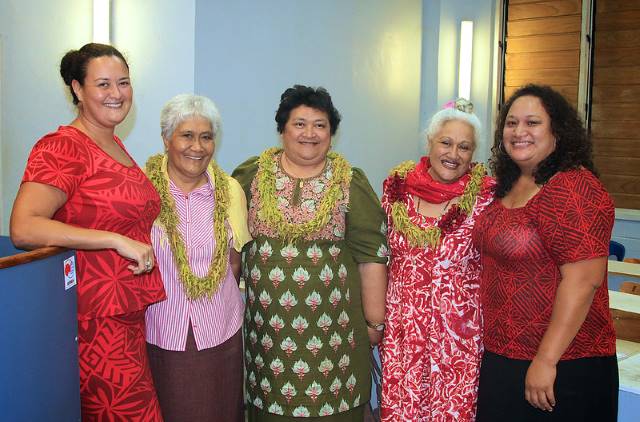
Women’s Rights in Samoa Samoa has had a long history of being considered a place where women’s rights have been hindered. Women’s voices in Samoa are often brushed aside when it comes to major issues such as domestic violence and politics. That being said, improvements on the basis of women’s rights in Samoa have occurred. U.N. Women has also worked to set up programs to support women’s equality in Samoa, which provides hope for the creation of more inclusive Samoan communities in the future.
The Samoan Woman’s Voice

Within the islands of the Pacific, where Samoa is located, the lowest rates of women’s participation in politics are found. Women within the Samoan culture are not encouraged to discover a sense of independent thought that they are willing to express. Because of this, women’s representation in governmental positions is a mere 10%. This minimum of 10%, however, will remain consistent due to an amendment of the Samoan constitution that was passed in 2013. The amendment states that women’s seats will be added into parliament if women are not elected, in order to ensure that at least 10% of parliamentary representation is women.

There are many cultural structures that greatly impact women’s rights when it comes to the expression of political opinions. One of these structures is the Matai councils that are in charge of local decision-making. Although women are allowed to join the Matai council, it is mainly considered a male council because of the low level of female members. The cultural family structures in Samoa also discourage women from reaching for political positions like becoming a Matai. Women mainly answer to their husbands within households so they feel a disconnect between having a desire for political power and their familial positions.

Violence Against Samoan Women

Only 22% of women that live in Samoa have not been a victim of some kind of domestic violence within their lifetime. Within the 78% of women who have experienced abuse, 38% said that the abuse was physical. Overlooked violence is one of the largest setbacks to obtaining more holistic women’s rights in Samoa. Women believe that the violence they face is not of importance. This can be justified by the fact that domestic violence was only reported to the police by 3% of women who experienced it.

3 Programs Improving Women’s Rights in Samoa

As many setbacks as there have been in gaining women’s equality in Samoa, U.N. Women has set up programs in order to empower women in Samoa.

  • The Women’s Economic Empowerment Programs: These programs work to ensure that women in Samoa can secure proper employment and are getting paid for the work they are doing. It also makes sure that women have access to assets and increased economic security.
  • The REACH Project: This program has worked to educate the general rural public of Samoa about general rights, including those of women. Although the goals of this program were extensive, one of them was to create equality of gender and to empower young girls for a better future. REACH accomplished its goals through the creation of sessions meant to increase awareness of rights and gender equality that citizens in rural areas could attend.
  • The Ending Violence Against Women Program: This program has created a fund in order to support women victims of violence within Samoa. It also works to change government policies that could support violence against women in any way. The information and support that this program gives to women who may not be aware of their right to speak up against violence against them is invaluable.

Overall, women’s rights in Samoa are progressing with the help of organizations like U.N Women fighting for the well-being and empowerment of women. Samoa has come a long way with regards to gender equality and the future looks hopeful for women in the country.

– Olivia Bay
Photo: Flickr

February 19, 2021
https://borgenproject.org/wp-content/uploads/borgen-project-logo.svg 0 0 Lynsey Alexander https://borgenproject.org/wp-content/uploads/borgen-project-logo.svg Lynsey Alexander2021-02-19 01:27:432021-02-19 01:27:43The Progression of Women’s Rights in Samoa
Global Poverty, Violence Against Women, Women

Addressing the Deaths of Native American Women

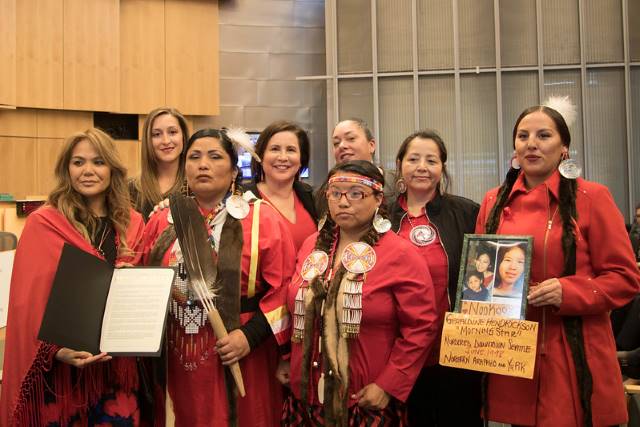
Native American WomenThe 2017 film, Wind River, based on actual events, riveted the public with its reported death rate of Native American women on American reservations. Writer-producer Taylor Sheridan aimed to raise awareness of the overlooked death rate and has succesfully done so since.

Violence Against Indigenous Women

Where poverty is the greatest, indigenous women experience domestic violence rates 10 times higher than the national average for all races. In addition, 84% of Native American women experience violence in their lifetimes or one in three each year. The perpetrators are most often non-Native men outside the jurisdiction of tribal law enforcement.

Murdered indigenous women numbers rose to 500 in 2018, which is a low figure compared to the actual number of missing persons on reservations. Women have silently died and gone missing, underreported, for years. This is due to the discordance that exists between tribal, federal and local law enforcement. However, changes are being made ever since the 1978 ruling of Oliphant v. Suquamish, where it was ruled that Indian courts have no criminal jurisdiction over non-natives. In November of 2019, President Trump signed an executive order to investigate the matter of unsolved cases of missing or murdered Native Americans.

Legislatively Addressing the Issue

Several major changes have since been underway. For example, the Not Invisible Act of 2020 will increase national focus on violent crime against indigenous people and intergovernmental coordination on the high death rate of Native American women. This bill began in 2019 as the Not Invisible Act of 2019; the first bipartisan bill in history to be introduced by four tribal representatives: Deb Haaland, Tom Cole, Sharice Davids and Markwayne Mullin.

To complement the Not Invisible Act, Savanna’s Act became public law in October 2020. Named after Savanna LaFontaine-Greywind, a murdered young indigenous woman whose fetus was cut from her womb, Savanna’s Act will ensure the Justice Department reports statistics on all missing/murdered native women and reform law enforcement. In addition, the National Institute of Justice has created the National Baseline Study which is a study on the health, wellbeing and safety of Native American women, to also provide more accurate data on femicide.

Safe Women, Strong Nations

In addition, the Safe Women, Strong Nations project partners with native nations to combat abductions and murder. The project provides legal advice to the tribes in restoring authority and holding perpetrators responsible. The project works to raise awareness to gain federal action to eliminate the violence against native women.

Poverty makes it easier for native women to be overlooked. One in three Native Americans suffer from poverty, living off on average $23,000 a year. “Poverty is both the cause and the consequence of all the ills visited upon Native Americans.” It is common knowledge that poverty provides leeway for criminality, and with Native American reservations being economically disadvantaged, this is no exception. Addressing systemic poverty instead of turning a blind eye will help lower the death rate of native women. The reservations only need opportunity and U.S.  juridical attention. It is hopeful to see that the United States’ legislative representatives are addressing violence against minority groups but more work needs to be done to protect the well-being of Native American women.

– Shelby Gruber
Photo: Flickr

February 18, 2021
https://borgenproject.org/wp-content/uploads/borgen-project-logo.svg 0 0 Jennifer Philipp https://borgenproject.org/wp-content/uploads/borgen-project-logo.svg Jennifer Philipp2021-02-18 06:22:092021-02-18 06:25:43Addressing the Deaths of Native American Women
Global Health, Global Poverty, Women

Ending Female Genital Mutilation in Sudan

Female Genital Mutilation in SudanAlthough six African states issued legislation to prohibit female genital mutilation, the north African state of Sudan was lagging behind in these efforts. Female genital mutilation ( FGM) was illegal in some Sudanese states but the bans were widely ignored. Under the leadership of Omar al-Bashir, parliament rejected recommendations to ban the practice.

Female Genital Mutilation

FGM is defined as procedures that deliberately alter or cause injury to female genital organs. It is mostly carried out on young girls between infancy and adolescence and occasionally performed on adult women. These procedures are nonmedical and provide no health benefits, only harm to the female. It involves removing and damaging healthy and normal female genital tissue, therefore, it interferes with the natural functions of the female body.

The reasons behind FGM vary between regions due to a mix of sociocultural factors. The procedure is routinely executed by a midwife without anesthesia. There are four types of FGM. Type one is the partial or total removal of the clitoris. Type two is the removal of the clitoris and inner labia. Type three is the removal of all the external genitalia or narrowing of the vaginal opening. Type four is any other type of damage to the female genitalia, such as burning, scraping or piercing.

Females experience either short-term or long-term effects. The short-term effects include severe pain, excessive bleeding (hemorrhage), genital tissue swelling, fever, infections, wound healing issues. The more dangerous and life-altering long-term effects include urinary problems, menstrual problems, increased risk of childbirth complications, the need for later surgeries or psychological problems.

According to UNICEF, 87% of Sudanese women aged between 14 and 49 have undergone a form of FGM. FGM is also more prevalent among the poorest women.

Actions to End Female Genital Mutilation

In 2008, the National Council of Child Welfare and UNICEF joined together to launch the Saleema Initiative, which focused on abandoning FGM at a community level.  The initiative educated women about the health risks and encouraged females to say no to the procedure.

Additionally, the United Nations General Assembly took action in 2012 by calling on the international community to enhance efforts to end FGM. In 2015, the global community agreed to the Sustainable Development Goals (SDGs), which include a target under Goal 5 to eliminate all harmful practices, such as child marriage and female genital mutilation by 2030.

The World Health Organization (WHO) is addressing the issue by implementing guidelines, tools, training and policy to allow healthcare providers the opportunity to offer medical care and counseling to females suffering the effects of FGM.  The WHO also aims at generating knowledge to encourage the abandonment of the FGM procedures. One final measure by the WHO is increased advocacy through publications and tools for policymakers.

Criminalizing Female Genital Mutilation in Sudan

In May 2020, the Sudanese Government criminalized FGM and made it punishable by up to three years in prison. But, experts remain concerned that a law is not sufficient in ending the practice due to religious and cultural ties to the procedure.

The sociocultural and religious ties surrounding female genital mutilation in Sudan complicate attempts to end the practice. Criminalizing FGM in Sudan may not be enough to end the practice. The National Council of Child Welfare, UNICEF, the United Nations General Assembly and the WHO are taking major steps to eliminate FGM or assist those already affected by the practice.

– Rachel Durling
Photo: Flickr

February 18, 2021
https://borgenproject.org/wp-content/uploads/borgen-project-logo.svg 0 0 Kim Thelwell https://borgenproject.org/wp-content/uploads/borgen-project-logo.svg Kim Thelwell2021-02-18 03:10:502021-02-18 03:10:49Ending Female Genital Mutilation in Sudan
COVID-19, Global Poverty, Technology, Women

ICTs: Amplifying Voices of Women During COVID-19

ICTsIn recent years, studies have shown that Information and Communication Technologies (ICTs) have proven to be helpful for vulnerable communities on many different fronts. Since the start of the COVID-19 pandemic, it has been observed that women have increasingly used ICTs, especially those in developing countries.
Hear Her Voice Project

Hear Her Voice is a research project that stemmed from the pandemic itself, allowing 25 girls from five different countries, Bangladesh, India, Malawi, Nigeria and the United States, to share their experiences during COVID-19. These firsthand narratives are insightful as they vlog their daily lives from various different technological platforms. These intimate conversations equip the women with the tools to better educate the public on the struggles they face with menstrual health, relationships, mental health, isolation and livelihoods during COVID-19.

The platform showcased the struggles women had when it came to Sexual and Reproductive Health and Rights (SRHR), especially in Jaipur and Munger. One of the Technology Enabled Girl Ambassadors (TEGA) is Carol, a 23-year-old woman from Munger, India, who shared her struggles with obtaining sanitary pads due to restricted mobility. When she first got her period during the lockdown, she was unable to obtain pads in time and was therefore left with no feminine hygiene products whatsoever.

Women Disproportionately Affected by COVID-19

A study done by the U.N. found that women’s economic resources in Asia and the Pacific are being hit the most. The pandemic has made gender inequalities more prevalent than ever, with the discrepancy highest in family businesses, remittances, property and savings. On top of this, it has been found that COVID-19 governmental aid is not as readily available to women as they are for men. The report stated 84% of women outside of formal employment lack social protections like unemployment support or government financial help. Women are suffering more than men all across the charts: 61% saw decreases in their income, savings and investments; 66% saw their mental health plummeting and  63% saw increased time spent doing unpaid domestic work.

Similar Scenarios During Ebola and Zika

During the 2014 Ebola outbreak in West Africa, women had consistently been the sole caretakers and health care providers, putting them at a higher risk of contracting these highly contagious viruses. The Zika virus in Latin America displayed how reproductive health services were limited and overlooked due to health care services allocating all of their resources into combating the epidemic. These unequal gendered patterns are yet again repeating themselves with COVID-19, the disadvantages being most pronounced for women.

The Impact of ICTs

Overall, information and communication technologies have been utilized by vulnerable minority groups ever since the rise of their prevalence in recent years. These innovative technological modes of communication are reshaping and expanding the uses of social media. The Hear Her Voice project is one of the many initiatives that have been using ICTs in the wake of a pandemic, to give a voice to women and the unique challenges they face and bring global awareness, support and assistance.

Additionally, ICTs provide helplines, applications, resource centers and more, so that women so can access the help and support they require. These platforms are transforming lives by amplifying and uplifting the voices of women during COVID-19.

– Mina Kim
Photo: Flickr

February 14, 2021
https://borgenproject.org/wp-content/uploads/borgen-project-logo.svg 0 0 Kim Thelwell https://borgenproject.org/wp-content/uploads/borgen-project-logo.svg Kim Thelwell2021-02-14 07:30:402021-02-11 02:03:18ICTs: Amplifying Voices of Women During COVID-19
Global Poverty, Women

Improved Farming Strategies to Fight Poverty in India

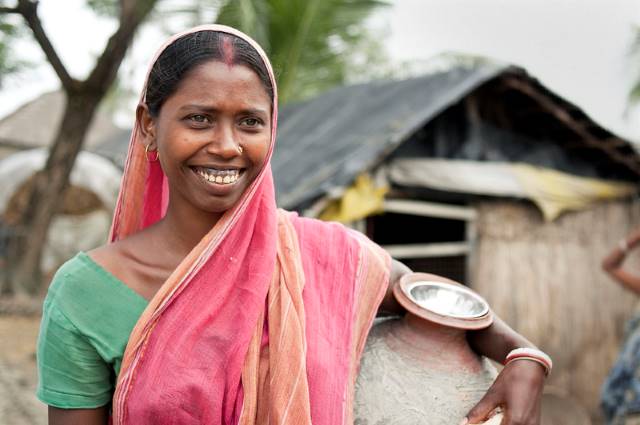
Fight Poverty in IndiaIndia has made strides in improving rates of malnutrition and undernutrition. Still, the country continues to hold one of the highest child undernutrition rates in the world, which affects children’s health and development, school performance and productivity as adults. Almost four out of 10 children do not meet their full potential because of stunted growth or undernutrition. India shares 25% of the global hunger burden with close to 195 million people who are undernourished. Inadequate food security results in malnourished mothers whose babies suffer from low birth weight. In addition, land degradation, climate change and shrinking biodiversity present new challenges for farmers and food security. Large tracts of farmlands have become barren because of the overuse of one type of fertilizer. Poor soil and improper farming methods result in less food availability, causing hunger and poverty. With support from organizations, agriculture and food security can be improved to fight poverty in India.
Help for Dalit (Untouchable) Women

A grassroots organization is working to fight food insecurity and poverty in India. Founded in 1983 in the Sangareddy district of Telangana, the Deccan Development Society works in 75 villages with around 5,000 “untouchable” women members. Its members represent the most destitute people in the community. The group has encouraged women to adopt millet-based agrobiodiverse farming approaches and market strategies that address malnutrition, food insecurity and poverty in the area. In its initial 10 years, the Society generated more than one million employment days for women, thereby directly reducing poverty in India. In the past 25 years, it has helped more than 2,700 women reclaim their farmlands.

Biodiverse Farming Methods

To address the limited water supply and poor soil quality, the Deccan Development Society helps its members to gain control over farming, seeds and the markets for their products. The Society has formed a processing unit for millet and also a seed bank as well as outlets for farm product sales. These avenues provide a powerful network of support for the farmers. More than 5,000 women have now adopted biodiverse millet-based farming, which combats food insecurity, malnutrition and poverty in India.

These days, many farmers are seeking profitable crops, using chemical fertilizers and buying market seeds rather than using organic practices and growing their own seeds. This causes the soil’s fertility to deteriorate, which leads to spending more money on enriching the soil in the future. The women farmers instead have been saving their seeds and they use organic methods with no investment involved — a more ecological and financially sound program that results in less expensive and more healthy food for their families. The women have enhanced the productivity of more than 3,500 acres of marginal or fallow land, to grow more than a million kilograms of extra sorghum per year. This activity has let them produce nearly 1,000 extra meals per family annually. These practices are not only ecologically correct but also help to reduce poverty and increase nutritional security in India.

Food Security Moving Forward

In 2019, the Deccan Development Society was awarded the Equator Prize for its work in eco-agriculture and food security. In February 2021, the Society held its 21st Mobile Biodiversity Festival at Machnoor, Jharasangham Mandal. The event celebrated the efforts of women farmers in improving agriculture, food security and nutrition. The festival featured traditional agricultural practices and showed how certain practices can help solve the problem of nutritional security and fight poverty in India.

– Sarah Betuel
Photo: Flickr

February 14, 2021
https://borgenproject.org/wp-content/uploads/borgen-project-logo.svg 0 0 Kim Thelwell https://borgenproject.org/wp-content/uploads/borgen-project-logo.svg Kim Thelwell2021-02-14 07:15:002024-05-30 22:23:22Improved Farming Strategies to Fight Poverty in India
Children, Developing Countries, Global Poverty, Women, Women's Empowerment

Little Light Uganda: Empowering Ugandan Women

Little Light UgandaLittle Light Uganda is a nonprofit organization located in Namuwongo Slum, which is in Uganda’s capital, Kampala. Since its establishment in 2007, Little Light’s mission has been to provide aid to those in the community who are living in poverty.

Little Light Helps Uganda

Uganda’s economy has had a reduction in growth because of the COVID-19 pandemic, a locust invasion and heavy rains that led to flooding. With subsequent job loss along with the economic decline, programs like Little Light Uganda are essential for giving help to those in need. Little Light’s services include “giving access to proper education, economic empowerment and psycho-social support.”

Little Light Uganda has two groups in the organization, its youth group and its women’s group. The youth group, officially known as Spoon Youth, aims to provide the young people in Namuwongo a safe and reliable environment. The group also educates children on how to navigate life living in poverty, including matters of crime and violence. Children and youth make up more than 70% of Namuwongo’s population, half of them without parents, which is why Little Light works to provide them sanctuary and resources.

Women’s Empowerment Group

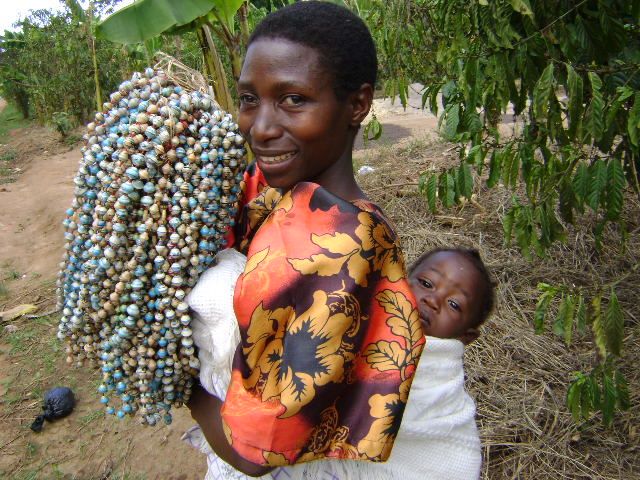
The mothers of children in the youth group are invited into Little Light’s women’s empowerment group, called “Umoja,” which is Swahili for “Unity.” The group’s mission is to give women living in the Namuwongo slum tools to better their economic and social situation. Members of the women’s group meet every afternoon at the organization to make authentic African jewelry from recycled newspapers and hand-rolled beads. The jewelry is marketed in Uganda and abroad to provide an income and livelihood for women.

Mama Pendo Jewelry

The name the group has coined for the jewelry brand is Mama Pendo, which translated from Kiswahili means “The Mother of Love.” The initiative aims to improve the quality of life for refugees and single mothers trying to provide their children with an education.

Little Light Uganda volunteers have worked with the women to support their hard work and create a website for their jewelry to be sold. The proceeds from sold jewelry go toward projects the women feel passionate about, all of which intend to benefit the conditions for struggling women and other vulnerable individuals.

Combating Malaria and COVID-19

One of the group’s projects is dedicated to fighting malaria in Uganda, which is one of the main causes of death in the country. According to the American Journal of Tropical Medicine & Hygiene, between 70,000 to 100,000 children in Uganda die from the disease every year. The group uses money earned from sold bracelets to buy an organic mosquito-repellent soap, which is given to disadvantaged families that live in places that are more vulnerable to malaria.

The women have also created an initiative to combat COVID-19. Since hygiene is an essential tool for preventing the spread of the virus, the group has pledged one bar of soap for a family in Namuwango living in poverty for every website purchase.

Women’s Empowerment for Poverty Reduction in Uganda

Little Light Uganda does a lot for its community with initiatives like the Mama Pendo project. Not only is the organization helping those in need but it is also empowering women living in poverty. Women with more resources and liberation are more likely to pursue their own education and prioritize the health, nutritional and educational needs of their children.

– Celia Brocker
Photo: Flickr

February 12, 2021
https://borgenproject.org/wp-content/uploads/borgen-project-logo.svg 0 0 Kim Thelwell https://borgenproject.org/wp-content/uploads/borgen-project-logo.svg Kim Thelwell2021-02-12 06:17:422021-02-12 06:17:42Little Light Uganda: Empowering Ugandan Women
Global Poverty, Women and Female Empowerment

Period Poverty in the Philippines

Period Poverty in the Philippines
The Philippines, located in Southeast Asia, is an archipelagic state that holds the third-largest Catholic population in the world. General statistics on period poverty in the Philippines are limited, but the religious influence has been blocking a broader question of whether the country should implement sex education or not. Reproductive health legislation poses a risk to bilateral relations between the government and Church, holding lawmakers at an impasse.

The Situation

In the Philippines, many young women endure menstruation as a major economic and social determinant of success. Students, in particular, are ill-equipped to navigate their menarches, and the period stigma impacts the quality of their education and future. Policies to address this issue have been mostly ungenerous, with some advancements happening under President Rodrigo Duterte’s administration. During the COVID-19 pandemic, organizations have been advocating to push period awareness campaigns to the forefront of the public health agenda.

According to a survey that G.M.A. News conducted, most voters support the idea of government-regulated sex education efforts. However, political progress has been slow at best; the Church holds enough public sway to delay any legislative initiatives. The Philippines did not enforce the Responsible Parenthood and Reproductive Act of 2012 until 2019, when Duterte signed an executive order to mandate free reproductive health services, albeit against the will of the Church.

Sex Education in the Philippines

Though the 2012 law includes mandating sex education in school curricula, people have mostly overlooked its application. Determining lessons on periods falls to the jurisdiction of the teachers, most of whom are male, and it is in this setting where many girls start to fall behind because of their menstrual cycles. Currently, the way most young people learn about menstruation is from their mothers who tell the girls to sit on a coconut shell to alleviate their cramps. They receive little help from their teachers and face standard forms of subtle embarrassment common to girls who get their menses for the first time.

The school setting also represents the larger-scale issues for people who menstruate in the Philippines. Toilets are limited in number and privacy, and windows are in poor positions allowing boys to peep at girls who are doing their business. Likewise, 14% of workplaces have inadequate toilets for women, and women must habitually carry their own toilet paper because restrooms have limited water for flushing and hand-washing.

Improving sex education could be a largely successful target to combatting period poverty in the Philippines. A U.N. WASH study identified four key recommendations to improving girls’ menstrual health in the Philippines including better education, improved facilities and greater access to menstrual products and support systems for girls who take an absence. Though period poverty remains largely unchecked, further observation would promote the general betterment necessary to combat women’s health inequities.

Initiatives to Help Fight the Period Stigma

At the social level, humanitarian organizations use community initiatives to provide support for people who menstruate. Save the Children Philippines assigns resident volunteers and teen advocates to dismantle menstrual health stigmas by reaching out to their peers with advice, support and educational tools. However, COVID-19 has intensified the crisis. Save the Children Philippines CEO Alberto Muyot told Business Mirror that now would be the key time to put menstrual health at the forefront of public health solutions. Currently, Save the Children Philippines is providing resources like hygienic kits and food offerings to combat the pandemic.

Addressing the period stigma is another initiative that comes in the form of an innovative strategy. Menstrual cups have had a profound impact on period poverty around the world; as a more economical and comfortable option than their disposable counterparts, they provide a solution that generally improves the standard of living. Sinaya Cup, a small business, retails menstrual cups catered to the specific needs and challenges girls face in the Philippines. For instance, besides promoting menstrual cups solely as an eco-friendly and comfortable solution, Sinaya Cup also promises a waterproof quality important to girls who wish to participate in recreational activities like biking, trekking and climbing.

The attitudes surrounding menstrual health is a global issue that chronically impacts the economic wellbeing of women. Addressing the stigma requires a multifaceted solution. The emergence of COVID-19 has amplified concerns regarding where women fit into the public health conversation, making now the opportune time to address the issue of period poverty. Dismantling period poverty in the Philippines might begin with government and community initiatives, but the state must consider adapting its sectarian views to accommodate the needs of women’s health.

– Danielle Han
Photo: Unsplash

February 10, 2021
https://borgenproject.org/wp-content/uploads/borgen-project-logo.svg 0 0 Jennifer Philipp https://borgenproject.org/wp-content/uploads/borgen-project-logo.svg Jennifer Philipp2021-02-10 08:39:432024-05-30 07:56:36Period Poverty in the Philippines
Advocacy, Education, Global Poverty, Volunteer, Women and Female Empowerment

Jana Amin and the Fight for Girls’ Education

Fight for Girls' Education
Jana Amin has taken great strides to fight for girls’ education. She researched a societal issue and suggested solutions for a school project when she was 13 years old. She decided to write about girls’ lack of access to education. Thus, she contacted Heya Masr, a nonprofit that organizes local educational and empowerment workshops for girls. Then, Amin hired a videographer to film her with Heya Masr’s students. Finally, she created an online fundraising campaign and raised more than $6,000 for the cause.

“We were going to visit family in Egypt anyway,” Amin told The Borgen Project. “And I thought to myself, I’m doing this work anyway. Why not use this as an opportunity to create tangible change?”

This was her first foray into activism. The 17-year-old Egyptian-American has given a TEDx talk, spoken about gender equality on a United Nations panel and curated an exhibit at the American University in Cairo. She advocates changing Western perceptions of Muslim women and wants to fight for girls’ education.

Changing Western Perceptions of Muslim Women

This was Amin’s first time formally conducting advocacy. However, she already had some experience. She lived in Egypt until she was around 10 years old when her family moved to Boston. Her activism began through one-on-one interactions with Bostonians about her life as a Muslim girl.

“On a daily basis, I was asked questions about if Egyptian girls could drive, if my mother could drive, if I was allowed to go to school in Egypt,” Amin said. “And it was all these misconceptions about Islam, the faith, about Middle Eastern culture, and more generally about women in the Middle East, about women in Islam. And so I think that’s how I first initially got pushed towards activism.”

Her desire to fix misconceptions about Muslim women led her to give a TEDx talk, where she spoke about how Western media often portrayed Muslim women as victims of oppression. She suggested that amplifying Muslim women’s voices would change this singular narrative.

Additionally, Amin curated an exhibit at the American University in Cairo. The exhibit featured Princess Fawzia Fuad of Egypt, the first wife of Mohammad Reza Pahlavi and the shah of Iran. Furthermore, the exhibit focused on the differences in how the Western and Egyptian press depicted Princess Fawzia. While Western media portrayed the princess as a helpless political pawn. Egyptian press depicted her as a humanitarian, champion of girls’ education and representation of the modern woman. Amin presented her research to bring awareness to Princess Fawzia’s accomplishments and to give other young Muslim women a powerful role model.

Fighting for Girls’ Education

Jana Amin continues to fight for girls’ education in many different ways. She recently spoke on a United Nations panel about how governments can tailor their policies to specifically address gender disparities.

“We often think that change in somebody’s life or change on a meaningful level requires so much,” Amin told The Borgen Project. “Something so simple as giving someone an education can do so much for their life.”

On her 17th birthday, Amin invited and interviewed 17 experts in female education and empowerment. She streamed this digital event “#17for17: Advocating for Girls’ Education” for many to view. The speakers included prominent writers, artists, activists and humanitarians.

Collateral Repair Project

As one of her ongoing projects, she also volunteers with a nonprofit organization called Collateral Repair Project to directly support women’s education efforts in the Middle East. Collateral Repair Project (CRP) is a nonprofit organization based in Amman, Jordan. It supports refugees living in Jordan through educational and female empowerment workshops and basic needs assistance.

Jana Amin discovered Collateral Repair Project during a school trip to the Middle East in her freshman year of high school. She was struck by its SuperGirls workshops, which provide young female refugees with a space to express their feelings, overcome trauma and speak up for themselves.

After Amin returned to Massachusetts, she volunteered with Collateral Repair Project. She met with refugees over Skype to help them practice conversational English. After three years, she also began teaching English over Zoom. However, the lessons were unreliable due to Wi-Fi issues and Amin began to doubt whether the lessons were useful. Yet after about four weeks, a Yemeni woman lined up her four children in front of a camera, who recited basic English phrases that Amin had taught their mother.

Amin said the experience reminded her that “you educate one woman and she has the ability to educate her family and in turn her community.”

The Power of Activism

Amin believes that she has a responsibility to create positive change in her community. To many people, fearlessness propels Amin’s activism. This courage is evident when she cold-called Michelle Obama. While preparing for her “#17for17” birthday event, she called and messaged the Obama Foundation’s Girls Opportunity Alliance to ask if Michelle Obama could speak at her event. Although Amin did not expect to succeed, the program’s representatives responded within 24 hours to say that Michelle Obama was busy that day. However, its executive director, Tiffany Drake, was willing to be a speaker. She was delighted to discover she is not alone in the fight for girls’ education.

“I think we do the craziest things when we don’t hold ourselves back,” she said.

– Sarah Brinsley
Photo: Courtesy of Jana Amin

February 9, 2021
https://borgenproject.org/wp-content/uploads/borgen-project-logo.svg 0 0 Kim Thelwell https://borgenproject.org/wp-content/uploads/borgen-project-logo.svg Kim Thelwell2021-02-09 14:03:442024-12-13 18:02:21Jana Amin and the Fight for Girls’ Education
Page 24 of 82«‹2223242526›»

Get Smarter

  • Global Poverty 101
  • Global Poverty… The Good News
  • Global Poverty & U.S. Jobs
  • Global Poverty and National Security
  • Innovative Solutions to Poverty
  • Global Poverty & Aid FAQ’s
Search Search

Take Action

  • Call Congress
  • Email Congress
  • Donate
  • 30 Ways to Help
  • Volunteer Ops
  • Internships
  • Courses & Certificates
  • The Podcast
Borgen Project

“The Borgen Project is an incredible nonprofit organization that is addressing poverty and hunger and working towards ending them.”

-The Huffington Post

Inside The Borgen Project

  • Contact
  • About
  • Financials
  • President
  • Board of Directors
  • Board of Advisors

International Links

  • UK Email Parliament
  • UK Donate
  • Canada Email Parliament

Get Smarter

  • Global Poverty 101
  • Global Poverty… The Good News
  • Global Poverty & U.S. Jobs
  • Global Poverty and National Security
  • Innovative Solutions to Poverty
  • Global Poverty & Aid FAQ’s

Ways to Help

  • Call Congress
  • Email Congress
  • Donate
  • 30 Ways to Help
  • Volunteer Ops
  • Internships
  • Courses & Certificates
  • The Podcast
Scroll to top Scroll to top Scroll to top