• Link to X
  • Link to Facebook
  • Link to Instagram
  • Link to TikTok
  • Link to Youtube
  • About
    • About Us
      • President
      • Board of Directors
      • Board of Advisors
      • Financials
      • Our Methodology
      • Success Tracker
      • Contact
  • Act Now
    • 30 Ways to Help
      • Email Congress
      • Call Congress
      • Volunteer
      • Courses & Certificates
      • Be a Donor
    • Internships
      • In-Office Internships
      • Remote Internships
    • Legislation
      • Politics 101
  • The Blog
  • The Podcast
  • Magazine
  • Donate
  • Click to open the search input field Click to open the search input field Search
  • Menu Menu

Archive for category: Women and Female Empowerment

information and Stories about woman and female empowerment.

Child Marriage, Global Poverty, Inequality, Women, Women and Female Empowerment

Women’s Rights in Indonesia

Women's Rights in IndonesiaWomen in Indonesia are working hard and fighting for their rights. Recently, Indonesia ranked second in the most dangerous countries for women in the Asia-Pacific. Violence against women can happen anywhere from the slums to the richest neighborhoods. However, this has not stopped the women of Indonesia, as they continue to march — closing the inequality gap. Importantly, women’s rights in Indonesia have fierce advocates.

Child Marriage

Concerning Indonesian girls, 14% marry before their 18th birthday. This is in part, due to their society’s view of women and discriminating legislation. The Marriage Law, established in 1974, states that parents can marry their daughter off as young as 16 years old. In April of 2018, Indonesia’s president, Joko Widodo, came forth and said that he was drafting a presidential decree that would ban child marriage. However, there has been no timeline set for the decree to be passed. Child marriage indirectly takes away a girl’s future and exposes them to a greater chance of being a victim of sexual violence. This can be directly related to the percentage of women in the workforce (51%) and the percentage of women experiencing sexual violence in their lifetime (33%).

UN Women

U.N. Women give girls and women in Indonesia the voice they deserve. This organization advocates for an end to the violence wrought against women while actively pursuing partners to respond to it. U.N. Women do so much for the women of Indonesia, from giving them access to entrepreneurship classes to directly fighting the government. This, in an attempt to hold authorities accountable for women’s rights in Indonesia. In the mix of their many programs, there is WeLearn and WeEmpower Asia, which both give women resources to integrate into the workforce. WeLearn’s goal is to improve equal learning opportunities and empower women to start their businesses. Where WeLearn encourages women into the workplace, WeEmpower Asia aims to achieve a business environment that empowers women and urges companies to adopt the Women’s Empowerment Principles.

Women Making Progress

Women’s rights in Indonesia have come a long way. Women in Indonesia now march freely in their opposition to the rights they have (or lack, rather). As backstory, the reason that this big (yet slowly closing gender gap) exists is because of the country’s second dictator, Suharto. He ruled for 32 years and widened the gap exorbitantly. However, most notably, he put the mindset in place that women and men garner different treatments. Now, the gap is closing and for the better. In political parties, 30% of the cabinet must be comprised of women. Further, as mentioned above, President Joko Widodo has the highest number of women in his cabinet in the country’s history. Now, those women in the cabinet are pushing for bills like the Sexual Violence Bill, to be passed.

Thanks to Suharto, the women in Indonesia have a lot of work to do. Fighting for women’s rights is not an easy battle. As for the support of men, Gitika Bhardwaj says that “I do think there are a large number of men who are supporting gender equality in the country but unfortunately there have not been enough high-level public awareness campaigns.” In the next few years, these women leaders hope to see the inequality gap as not a tangible thing, but a thing of the past.

– Bailey Sparks
Photo: Flickr

October 17, 2020
https://borgenproject.org/wp-content/uploads/borgen-project-logo.svg 0 0 Kim Thelwell https://borgenproject.org/wp-content/uploads/borgen-project-logo.svg Kim Thelwell2020-10-17 05:52:462020-10-17 05:52:46Women’s Rights in Indonesia
Global Poverty, Health, Women and Female Empowerment

Force-Feeding in West Africa: 5 Facts About Leblouh in Mauritania

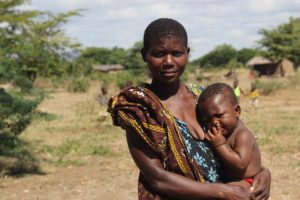
Leblouh in MauritaniaThe Islamic Republic of Mauritania is a West African nation with a population of more than 4 million people. The country is a “deeply patriarchal society” in which women and girls are taught that they are inferior to men and must please men in order to have a fulfilling life. One manifestation of this culture is the standard of beauty for women, which emphasizes obesity as a sign of wealth, status and desirability. The importance of achieving this beauty standard has resulted in the practice of leblouh, or the force-feeding of girls as young as five until they become obese. The practice of leblouh in Mauritania has serious health effects, but women are fighting against it. Here are five facts about leblouh in Mauritania.
5 Facts About Leblouh in Mauritania

  1. Force-feeding is a relatively common phenomenon: Nearly one out of five women in Mauritania have been force-fed. Leblouh is much more prevalent in rural areas, where traditions and customs are practiced more strictly. A 2007 study found that 75% of rural women had experienced leblouh in Mauritania. At the same time, less than 10% of women and girls in cities and urban areas had experienced force-feeding.
  2. Leblouh has severe consequences on the health and safety of women. During two months at a feeding camp, girls must consume up to 16,000 calories of meat, milk, grains and oils per day. Refusal to eat often results in physical repercussions. Of women in these camps, 60% reported physical punishments like beating. More than a quarter had their fingers broken as punishment. However, the health effects of obesity are a punishment on their own. Overweight women risk conditions like cancer, kidney failure, heart disease, diabetes and sleep apnea. They also often face harmful psychological effects as well as a short life expectancy. Additionally, obesity puts women at risk for complications during pregnancy and childbirth.
  3. The Mauritanian government is working to combat obesity. It started a media campaign encouraging weight loss and healthier living habits in 2003. Doctors and experts throughout the country supported the campaign, which emphasized the health effects of obesity. However, the lack of media access in rural areas made it hard to communicate these messages to rural communities, where leblouh is more common. Only one-quarter of Mauritanian women watch TV. Additionally, just 27% of women listen to the radio on a weekly basis, and 11% read newspapers. This made it difficult for the government’s campaign to reach its intended audience.
  4. Women-only gyms have opened to encourage weight loss and healthier living habits among Mauritanian women. The first women-only gym opened in the capital city of Nouakchott. As of 2011, it had 300 members. Women joined the gym for various reasons, including doctors’ orders, self-image and the infiltration of Western culture and its emphasis on thinness.
  5. Women-led NGOs have been founded to fight against the practice of leblouh and advocate for women’s empowerment throughout Mauritania. One such organization is Espoire. The leader of Espoire is Fatma Sidi Mohamed, who experienced force-feeding as a child. The organization aims to provide women with more opportunities to earn an income. Mohamed believes that if women can earn their own incomes, they will be less likely to pull their daughters out of school in order to “fatten them up for early marriage.” Espoire teaches women to read, provides classes on health and grants microcredit to women in Nouakchott. This all has the end goal of encouraging women to join the workforce and live healthier lives.

As these five facts about leblouh in Mauritania demonstrate, force-feeding is a widespread and serious issue. The cultural emphasis on obesity poses severe threats to women’s health and social wellbeing. However, this culture seems to be changing in favor of healthier lifestyles, especially in cities.

– Sydney Leiter
Photo: Flickr

October 16, 2020
https://borgenproject.org/wp-content/uploads/borgen-project-logo.svg 0 0 Kim Thelwell https://borgenproject.org/wp-content/uploads/borgen-project-logo.svg Kim Thelwell2020-10-16 13:29:502024-05-30 07:52:26Force-Feeding in West Africa: 5 Facts About Leblouh in Mauritania
Advocacy, Global Poverty, Women, Women and Female Empowerment

Fighting for the Future: Women’s Rights in Israel

Women's Rights in Israel

In Israel, the battle for gender equality continues to rage. Despite being the third country in the world to have a female head of state, women were forced to sit at the back of the bus as recently as 2018. In the face of gender equality legislation, religious figures continue to promote and enforce gender segregation in public spaces.

Israel, a fairly new country in the Middle East, identifies as a democratic state. The country gained its independence in 1948, passing the Women’s Equal Rights Law in 1951 to ensure gender equality. The Israeli Declaration of Independence states that the nation “…will ensure complete equality of social and political rights to all its inhabitants irrespective of religion, race or sex.” However, the Israeli government has found it difficult to combat gender segregation.

Women’s Rights in Israel Today

Presently, Israel ranks 25th on the Gender Inequality Index. Although the Israeli Declaration of Independence sought to establish gender equality, there has been an increasing demand for enforcing gender segregation in public spaces by Ultra-Orthodox Jewish communities. There have been instances in which women have been denied access to a public bus for wearing shorts deemed “immodest.” In many situations, if women can access a bus, they are forced to sit in the back. In some universities, women are even forced to drink from separate water fountains.

Many lawsuits in Israel have been filed in the name of gender inequality. Although gender segregation in cemeteries is illegal, the Israeli government and the Ministry of Religious Affairs do not uphold the law. As a result, women sit separately from their male family members and are not permitted to be a part of funeral ceremonies.

Women hold esteemed positions in Israeli society. As of 2017, women comprised 59% of the university student population and  53% of the Ph.D. student population. Israel’s Supreme Court has had three female presidents, with women comprising 54% of judges in Israel as of 2017.

Despite the prevalence of female leaders, female lawmakers have been deemed “indecent” by their religious associates and admonished for wearing sleeveless dresses. Although the majority of college degrees are held by women, women academics are not allowed to instruct ultra-Orthodox men at universities. Female lawyers are seated separately and at the back of the room for training programs. Female army cadets are separated from their male counterparts by partition during graduation ceremonies. However, several organizations are advocating for equal treatment.

The Future of Women’s Rights in Israel

Many organizations are fighting for gender equality in Israel. For example, the Israel Religious Action Center (IRAC) fights gender segregation and religious extremism. IRAC has made great progress in the field of anti-segregation legislation, including filing a class action suit against public radio stations for refusing to put women on-air. IRAC’s work has also lead to a Supreme Court ruling making gender segregation on public transportation illegal.

Founded in 1984, The Israel Women’s Network advocates for gender equality through education and awareness. They are currently advocating against gender segregation in public transportation and gender violence. The Women of the Wall are fighting to secure women’s religious rights to pray at the Western Wall through education, empowerment, and advocacy. When gender equality laws will be upheld, the visions for gender equality can be achieved.

The Future is Equality

As the first woman to serve as president of the Israeli Supreme Court, Dorit Beinisch said, “We are commanded to act with tolerance and to promote the protection of human rights.”

The gap between the visions for gender equality and the reality women face is vast. Gender inequality is crucial to the advancement of Israel and the rest of the world, being essential to peace and development. Ultimately, the work of organizations such as IRAC and The Israel Women’s Network continues to empower women and allows Israel to look toward a brighter future.

– Tara Hudson
Photo: Pixabay

October 16, 2020
https://borgenproject.org/wp-content/uploads/borgen-project-logo.svg 0 0 Kim Thelwell https://borgenproject.org/wp-content/uploads/borgen-project-logo.svg Kim Thelwell2020-10-16 12:15:252020-10-16 12:15:25Fighting for the Future: Women’s Rights in Israel
Women

Maternal Mortality in Sub-Saharan Africa

Maternal Mortality
Maternal mortality refers to the death of a woman due to causes related to or aggravated by her pregnancy and/or childbirth. Almost all (99%) of maternal deaths occur in developing countries, and 68% occur in Sub-Saharan Africa alone. The Trends in Maternal Mortality 2000-2017 report is a joint effort by WHO, UNICEF, UNFPA, World Bank Group and the United Nations Population Division. Its statistics showcase huge global health disparities that leave African mothers extremely vulnerable, showing that maternal mortality in Sub-Saharan Africa is a prevalent issue.

Health Inequality in Maternal Healthcare

Almost all maternal deaths are preventable, yet in 2017, Sub-Saharan Africans suffered from the highest maternal mortality ratio (MMR) of 533 maternal deaths per 100,000 live births, or 200,000 maternal deaths a year. All three countries with the highest MMR globally with over 1,000 deaths per 100,000 live births, considered an extremely high rate, are in Sub-Saharan Africa: South Sudan (1,150), Chad (1,140) and Sierra Leone (112). In comparison, the 2017 MMR in North America and Western Europe was 18 and five.

The fact that MMR is under 10 in many countries means that current technology and medical knowledge are already capable of reducing MMR to almost zero. The global imperative is to improve health infrastructure and education in developing nations so that they, too, can access services and resources available to protect mothers in the developed world.

The Importance of Access

Lack of access to health facilities and medical professionals is among the main reasons for maternal deaths. Currently, in Africa, there are 985 people for every nurse/midwife and 3,324 people for every medical doctor. This means that many pregnant women do not receive antenatal, delivery and newborn care, which greatly increases their risk of dying from severe bleeding, infections or other complications. Ensuring that there are accessible and affordable health facilities for all women would eliminate risks of preventable and treatable deaths.

Adolescent Pregnancy

Improving sexual health education is key to eliminating adolescent pregnancies, which account for a significant portion of maternal mortality in Sub-Saharan Africa. Adolescent girls, especially those under 15, have a higher risk of maternal mortality compared to older women. In 2014, there were 224 adolescents per 1,000 cases of pregnancy in the Democratic Republic of Congo – the highest teenage pregnancy rate in the world, followed by Liberia (221) and Niger (204). Improvements in sexual health education would inform young girls of contraceptive options, family planning methods and safe abortion facilities.

Progress Tracker

Significant efforts have succeeded in reducing maternal mortality in Sub-Saharan Africa. From 2000 to 2017, Sub-Saharan Africa has achieved a substantial reduction of 39% of maternal mortality (from 870 to 533 maternal deaths per 100,000 live births). A significant number of countries in this region have reduced their MMR by more than half, such as Rwanda (79%), Mongolia (71%), Eritrea (63%), Zambia (60%) and Cabo Verde (51%).

WHO has stated that improving maternal health remains one of their key priorities. In 2015, the global health organization launched the Global Strategy for Women’s, Children’s and Adolescents’ Health aimed at ending all preventable deaths of women, children and adolescents. The UN’s Sustainable Development Goal target 3.1, also launched in 2015, aims to reduce global MMR to less than 70 per 100,000 live births by 2030. While the current MMR in Africa is still seven times less than the target, promising results from past and current campaigns indicate that a better future is within reach.

– Alice Nguyen
Photo: Flickr

October 11, 2020
https://borgenproject.org/wp-content/uploads/borgen-project-logo.svg 0 0 Kim Thelwell https://borgenproject.org/wp-content/uploads/borgen-project-logo.svg Kim Thelwell2020-10-11 10:00:172024-05-30 07:52:27Maternal Mortality in Sub-Saharan Africa
Global Poverty, Women

Life in Bosnia After the War

After the war
Bosnia and Herzegovina, more commonly known as Bosnia, used to be a part of former Yugoslavia and went through one of the most horrific genocides in 1992. Since the war, Bosnia has had one of the highest poverty rates in the world and an unemployment rate of 15%.

This article examines the perspectives of three Bosnian women from different generations and how difficult it is or was for them to get a good education, proper healthcare or make a comfortable living after the war. Naska is a 64-year-old retired house cleaner who has lived in Bosnia all her life. Elma is 40-year-old working as a dialysis nurse in the Nakas General Hospital in Sarajevo. And finally, Adna is a 20-year-old currently attending The Academy of Fine Arts in Sarajevo.

Living in Bosnia Now

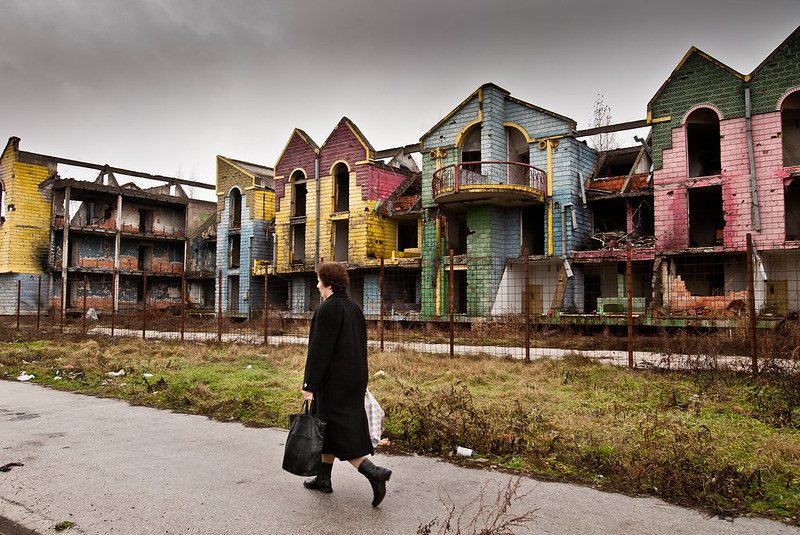
Naska was only 38 when the war started. She was born and raised in Sarajevo and still lives in her old childhood home in the middle of the city. She says living on a pension fund in Bosnia is very difficult. She receives only 300 marks, which is equal to $182 a month. “If I didn’t receive help from my sister back in the United States I would not have enough to pay for all my groceries. I’m really lucky because my friends do not have family away to help and it gets really hard, especially in the winter.” The retirement age in Bosnia is 60 years, but due to health issues Naska was forced to retire early. In our interview, Naska explained that there was a train she used to take on her way to school when she was young. The station she used was bombed during the war and has not been repaired or rebuilt since 1995. She says that times felt happier before the war; her and her neighbors are tired of seeing constant reminders of the worst time of their lives.

Elma was in elementary school during the Bosnian War. She attended class in a basement with her friends. In Bosnia, after secondary school students are required to pick a specialty in high school that they carry on through university. Elma has been studying medicine since she was 16 and works in one of only two state hospitals in Sarajevo. A registered nurse for close to 10 years now, Elma believes that the healthcare system is not the same as it was before. Bosnia has a shortage of good healthcare professionals, and the private sector for medical supplies has taken over hospitals causing treatment to become more expensive for residents. Not only has the healthcare system gotten worse after the war, the possibility of finding a decent job has also worsened. “I have been applying for a job at hospitals for five years now. I could not even get an interview. [My mom] called me a year ago to tell me that her friend has an open position in his hospital. I honestly believe that if it was not for him I would not have a job right now.” Elma thanks her mother for a lot of the good things in her life. She says before finding a long-term job, she worked part-time night shifts at a nursing home and her husband’s job wasn’t stable either. They both live in the apartment her parents had bought previously so they have the luxury of not worrying about paying rent, only utility and groceries. Elma feels her life right now is good, but she worries this could change at any moment.

Adna was born in Sarajevo in 2000. She doesn’t know much about life before the war, only what her parents have told her. She told me in the interview that students in Bosnia don’t learn about the war in schools and everything they know about it comes from stories that get passed down. Her parents tell her it’s because the country is still in mourning and it’s hard for people to talk about what happened. The education system is very different in Bosnia compared to the United States. Primary school lasts for nine years while high school lasts for four. University education can take up to three to five years depending on the college. When I called her to talk one of the first questions I asked was if going to college was worth it. She said, “It depends. It is hard to find a job here with a degree, but it is also hard to find one without. Everybody knows that you need connections to find long lasting jobs. I have plenty of friends who have graduated college and work waitressing job for three years now. My cousin graduated with a sports medicine degree and had a friend who worked at this clinic in the city, but after six months she was let go because it was too expensive to keep her.” Her cousin now works at a boutique in the city’s mall.

COVID-19 in Bosnia

Working in a hospital during COVID-19 hasn’t been the easiest for Elma, but she does applaud her hospital for taking the necessary precautions. At her job, it is mandatory for workers to enter a tent before they enter the building to have their temperatures checked and get sterilized. Then workers must put on a suit complete with additional masks and gloves before being allowed to begin their shift. The only time workers can take the suit off is while they’re eating and after their shift when they are required to take a mandatory shower, change clothes and exit the hospital from the opposite side. Every night she comes home she is exhausted and says that there is too much work to do, but just not enough people to help. However, Elma, Naska and Adna all agree on one thing: the government is too corrupt to do anything that will help the people. And there is evidence that backs them up.

A scandal hit the news about Bosnia’s Prime Minister Fadil Novalic and his involvement with fake ventilators. The government had given $5 million to the Civil Protection firm of Bosnia to buy a hundred ventilators from China. When the ventilators arrived, officials were quick to learn that they were useless and not equipped to handle the virus. The Prime Minister and Head of the Civil Protection firm were arrested on charges of fraud and money laundering on top of an embezzlement charge.

Life in Bosnia has not been easy after the war. The government is ranked 101 out of 180 countries on the Corruption Perception Index and citizens of Bosnia hold out hope that times will change, especially those who remember life before the war. It is very clear however, that life in Bosnia is a long way away from where it used to be.

– Hena Pejdah
Photo: Flickr

October 9, 2020
https://borgenproject.org/wp-content/uploads/borgen-project-logo.svg 0 0 Kim Thelwell https://borgenproject.org/wp-content/uploads/borgen-project-logo.svg Kim Thelwell2020-10-09 01:30:432024-05-30 07:52:08Life in Bosnia After the War
Global Poverty, Women and Female Empowerment

Poverty and Colorism in India

colorism in IndiaImagine, for a moment, that you’re a five-year-old girl growing up in India. All around you, the standards for beauty are pretty, light-skinned Indians: they’re in all of the movies, splashed across billboards and magazines, on promoted ads and videos. Every drug store sells multiple brands of skin-lightening creams, and your favorite actors all endorse skin-lightening products. Your family members tell you not to spend too much time in the sun, just so you won’t get too tan. That’s what colorism in India was like for Rajitha Pulivarthy, now 20 years old and living in the United States.

“I don’t know if I’ve ever experienced [colorism] myself, because I’m more on the lighter-skinned side, but I definitely adopted a colorist attitude when I was younger,” she said, recalling her experiences with colorism. “I wanted myself to look lighter or not get tanned in the summer.” Even with supportive parents who rarely mentioned colorism and told her to stay away from skin-lightening products, colorism still shaped Pulivarthy’s worldview growing up and even after moving to America. Sadly, Pulivarthy’s story is just one of millions. For many women growing up in India, this is the norm.

What is Colorism?

Colorism occurs when some people are discriminated against more than others of the same race, simply due to the shade of their skin. It is very prevalent in India, and it’s a gendered phenomenon, affecting Indian women more than men. Sometimes, colorism is obvious, but often it manifests in more subtle ways, like in everyday behavior. Something like commenting on how someone is “beautiful and fair-skinned” is commonplace in India. While those comments don’t necessarily insult those who have darker skin, they do show society’s preference for those with lighter skin.

Colorism in India

Colorism is so ingrained in everyday life and society, in fact, that skin-lightening products make up a multi-billion dollar industry in India. Bollywood, India’s movie industry, casts predominately light-skinned actors, which perpetuates beauty as light-skinned. Many Bollywood actors also endorse skin-lightening creams.

While the media plays a large role in these notions of lighter skin aligning with beauty, colorism in India can trace its roots all the way back to British colonization. The British ruled many South Asian countries, including India, for over 200 years. Their colonization embedded the idea that fair skin people were the ruling class, and darker-skinned people were the subjects. British rulers treated lighter-skinned Indians more favorably than their dark-skinned counterparts. They gave light-skinned Indians access to government jobs, while constantly demeaning dark-skinned Indians. This discrimination also bled into India’s caste system, where people perceived higher castes as fairer and superior and lower castes as darker and inferior. As such, these lasting colonial legacies mean that skin color still affects the socioeconomic status of Indians today.

How Colorism Affects Poverty

Poverty and colorism in India go hand-in-hand. Because the caste system still affects socioeconomic status, people with darker skin tend to be lower in socioeconomic status as well. Colorism makes social mobility harder for Indians in general. There is systemic discrimination against dark-skinned people in education systems and the labor market. Educators and employers still prefer light-skinned Indians over dark-skinned Indians, which plays greatly into the opportunities for social mobility that darker-skinned Indians do and do not have.

A basic link between poverty and colorism in India is that impoverished people are not able to take care of their appearance and diet. Though they don’t have access to skin-lightening products, they are seen as “dirty” and “dark.” Over time, these connotations begin to blur, and socioeconomic status and skin tone become connected to social and financial status.

One of the most unique effects of colorism in India is how arranged marriages, common in India, discriminate against dark-skinned people. Marriage ads allow people to filter out women on every condition under the sun, including skin color. A study done at the University of New Delhi, India found that dark-skinned men and women were consistently rated lower on marriage ads. This demonstrates yet another way that colorism in India inhibits social mobility, which makes it harder for impoverished people to change their circumstances.

Combatting Colorism in India

Anti-blackness and anti-darkness together ultimately create discriminatory systems that disenfranchise dark-skinned people in India and across South Asia. However, protests over summer of 2020 in the U.S. have prompted calls for equity and justice around the world, especially in India. In particular, there has been a new wave of conversations surrounding colorism in India and how to fight it.

Many Indians are asking themselves and their family members how they can continue to support “Black Lives Matter” while also perpetuating harmful colorism within their own communities. Some people are starting the fight against colorism by talking to their friends, families and community members about colorism. Others are using social media to create movements, like #UnfairAndLovely, which takes the name of a popular lightening cream and uses it to brand positivity posts for dark-skinned Indians. Still others are calling for accountability from notable Indian celebrities like Priyanka Chopra, who has promoted skin-lightening products in the past.

No matter the level of activism, combatting colorism in India needs the work of all of society to make India equitable for all Indians, regardless of skin color. Fighting colorism in India also helps fight poverty, and vice versa. Ultimately, colorism in India shows us that the fight for poverty is not just a fight for living wages, but a fight for global human rights.

– Hannah Daniel
Photo: Flickr

October 6, 2020
https://borgenproject.org/wp-content/uploads/borgen-project-logo.svg 0 0 Kim Thelwell https://borgenproject.org/wp-content/uploads/borgen-project-logo.svg Kim Thelwell2020-10-06 07:30:262024-05-29 23:23:34Poverty and Colorism in India
Global Poverty, Women and Female Empowerment, Women's Empowerment

Innovations in Poverty Eradication in Zimbabwe

innovations in poverty eradication in zimbabweLocated in southern Africa, Zimbabwe is characterized by impressive landscapes and diverse wildlife. Currently, Zimbabwe is suffering from immense poverty. In 2019, extreme poverty was at 34% in Zimbabwe, an increase from 29% in 2018. Furthermore, this represents a change from 4.7 million to 5.7 million people living in poverty. The cause of this swift increase was an economic contraction of around 8%. The World Bank expects a continued increase in extreme poverty in Zimbabwe in 2020. Fortunately, many organizations are working on innovations in poverty eradication in Zimbabwe to combat this problem.

Hyperinflation and Drought

In addition to a general economic downturn, several droughts across Zimbabwe have caused the prices for food and other essential goods to rise. These same droughts slumped agricultural production, especially in rural communities, where people were hit the hardest by this downturn.

The African nation has also been struggling with hyperinflation for more than a decade. This problem results from economic mismanagement by the nation’s previous president, Robert Mugabe. The Zimbabwean dollar lost 85% of its value against the American dollar between February and December of 2019. According to Trading Economics, Zimbabwe’s inflation rate was 737.3% in June 2020, growing to 837.5% by July 2020. As such, Zimbabwe faces severe hyperinflation, which does not help with its fight against widespread poverty. Here are two innovations in poverty eradication in Zimbabwe that are aiming to solve this problem.

Children in the Wilderness

One of these innovations in poverty eradication in Zimbabwe is a project by Children in the Wilderness (CITW), which started in February 2020. The project’s goal is to generate income within rural regions by creating businesses for women to operate. In northern Matabeleland, poverty levels are high due to a lack of diverse income-generating fields. Previously, this land relied on farming to produce income; however, unreliable rainfall and poor soil have made this method ineffective. Families now rely on an average monthly income of $9. This makes it a challenge to survive and prohibits many families from sending their children to school, which could help lift them out of poverty.

In response, CITW hosted classes that educated women on business and budgeting. The women who participated learned how to apply their innovative ideas, make money from their crafting skills and sell their work. CITW’s teachings have also promoted sustainability and self-management amongst the community. For example, the project provided a way to recycle unwanted waste by having women use it in basket weaving. To help women sell these goods, CITW pitches the crafts to businesses around Hwange National Park and Victoria Falls. As these businesses grow, poverty in northern Matabeleland will decrease. Importantly, CITW’s project has not only worked to eradicate poverty but has also brought women together and built pride in their local culture.

The Shoe That Grows

In 2020, CITW arrived in Tsholotsho, an area heavily affected by poverty, to act on a donation made by Melissa Cabrera Wilson. Wilson aims to ease the effects of poverty on children by providing them with another of many innovations in poverty eradication in Zimbabwe. The Shoe That Grows brand has provided children in Tsholotsho with something that most of them will never receive: new shoes. Without this donation, children would have to use shoes that have been passed down to them or nothing at all. So far, CITW has donated more than 45 shoes. The shoes can adjust from sizes one to four, allowing them to be used as the children grow. This innovation has given children relief from the harsh terrain they must walk miles on to get to school every day.

Hit by poverty and hyperinflation, Zimbabwe’s citizens are struggling. With these innovations in poverty eradication in Zimbabwe, they are beginning to overcome poverty step by step. The income-generating groups in northern Matabeleland will have a lasting effect on citizens, as a reliable and creative source of income is game-changing. Additionally, the shoes given to children in Zimbabwe and all over the world have also softened the harsh results of poverty on kids. In all, these innovations in poverty eradication in Zimbabwe have made life more tolerable for many of those affected.

– Emma Green
Photo: Flickr

October 6, 2020
https://borgenproject.org/wp-content/uploads/borgen-project-logo.svg 0 0 Kim Thelwell https://borgenproject.org/wp-content/uploads/borgen-project-logo.svg Kim Thelwell2020-10-06 07:30:142020-10-02 09:13:50Innovations in Poverty Eradication in Zimbabwe
Global Poverty, Women, Women's Empowerment

Maternal Health and Husband Schools in Niger

Husband Schools in Niger
Maternal, reproductive and infant health is inaccessible to many in the world’s most impoverished countries, leaving mothers and their children without the care they need to live healthy and fruitful lives. This is no different in Niger, which ranks last on the Human Development Index (HDI)—one out of every 187 women in Niger dies as a result of childhood complications, and only one in four infants are breastfed during the first six months of their life. The majority of these women and children do not have access to the health facilities that would provide them with vital, potentially life-saving care. While child deaths have decreased significantly in recent years–from 326 children under five dying for every 1,000 born in 1990 to only 75 for every 1,000 in 2017—more work must occur to ensure that every woman and child in Niger has access to the health care they need. Luckily, husband schools in Niger have emerged to improve women’s access to maternal health care.

Gender Inequality

In addition to ranking last in development on the HDI, the report also listed Niger last in issues surrounding gender equality, meaning that it is men, not women, who primarily make decisions about pregnancy and childbirth, including how many children a woman has and whether or not she visits a health care center during pregnancy. Education and literary rates in the nation are low, and many of these men make these choices for their wives lacking essential prior knowledge about the importance of maternal and reproductive health.

Husband Schools in Niger

However, the United Nations Populations Fund (UNFPA), an international organization that focuses on maternal and reproductive health, has dedicated itself to changing that. Since 2004, it has started over 137 husband schools in Niger to educate and better equip these Nigerien men to make decisions about their wives’ health care access.

These schools lack official lessons and schoolwork; rather, they are safe and honest spaces for men to learn about maternal and reproductive health and discuss possible solutions to health care access issues. The men who attend these classes help each other understand the importance of access to medical treatments for the women in their lives, and together they brainstorm ways to encourage pregnant and breastfeeding women to attend an Integrated Health Center in the area. These men, all of whom are married, also bring this information back to their wives, encouraging not only knowledge about their own maternal health for the women in these relationships but also better communication between the couple. These husband schools in Niger have been incredibly successfulーthe use of maternal health resources has tripled in areas where these schools operate, and rates of prenatal doctor’s visits and safe births have increased since the schools’ founding in 2004. This program initially emerged in the Zinder region of Niger alone, but the program has since spread across the entire nation.

Husband schools in Niger are greatly improving health care access to childbearing women by providing their husbands with essential, life-saving education about maternal and reproductive health. However, more work must still occur to ensure that every woman in this country, as well as their children, is able to receive the health care—and the education about this health care—they need.

– Daryn Lenahan
Photo: Flickr

October 5, 2020
https://borgenproject.org/wp-content/uploads/borgen-project-logo.svg 0 0 Jennifer Philipp https://borgenproject.org/wp-content/uploads/borgen-project-logo.svg Jennifer Philipp2020-10-05 09:11:352024-06-10 03:29:18Maternal Health and Husband Schools in Niger
Developing Countries, Gender Equality, Global Poverty, Women, Women's Empowerment, Women's Rights

Women in Developing Countries: The Impacts of International Trade

women in developing countriesInternational trade is arguably the most significant economic development of the last century. Its growth has been roughly exponential due to technological advancements and specialization, and exports today are more than 40 times the amount they were in 1913. Although this growth contributes to higher wealth and more stable economic systems for many countries, it simultaneously can exasperate already-existing inequalities, particularly those concerning women. International trade has contributed to the creation of new workforces containing more women. However, the employment opportunities in developing countries are typically low-paying positions with little prospects for skill development. Women in developing countries are limited to such positions due to social and cultural dynamics, policies and other country-specific contexts.

Employment of Women in Developing Countries

Women in developing countries oftent act as a cheap source of labor for firms. In manufacturing, women are mainly employed in jobs involving the production of goods, rather than higher-paying jobs involving management positions. If an economy is predominantly agricultural, women are often subsistence farmers or members of family businesses. In these situations, many women in developing countries do not get paid for their work. In service-based economies, women occupy low-skill positions such as street vendors. However, increasing the pay women receive for these jobs and successfully closing the gender gap could add about $28 trillion to global GDP.

The tendency of women to work in low-skilled jobs results from ingrained social norms designed to limit women’s economic mobility. Societies that expect women to assume the full responsibility of childcare often give them few opportunities to receive education or reduce the burden of their domestic labor. Consequently, these women are less likely to have the same access men do to land, credit and labor markets.

Little Access to Opportunities

Women in developing countries often also experience disproportionate rates of unemployment or remain in low-paying positions because they are unable to learn more about job opportunities in other locations. Robert Jensen, a former professor from the University of Texas at Austin, examined this phenomenon. He concluded that women living in rural areas in India who were contacted by recruitment campaigns providing information about job opportunities in urban areas ultimately participated more in the labor force. As a result, they experienced increased mobility.

Current Trade and Employment Policies

In 2016, the U.N. Conference on Trade and Development released a report stating that gender-blind trading policies exacerbate the inequalities women experience in developing countries. These gender-blind trading policies do not create equal opportunities. Instead, they allow men in the workforce to further benefit from existing economic advantages they enjoy.

However, the U.N. proposed two new global development frameworks to promote gender equality and women’s empowerment through trade. The 2030 Agenda for Sustainable Development focuses on combating gender issues. It links economic, social and environmental factors to address power structures and social dynamics that contribute to gender inequality. The Addis Ababa Agenda on Financing for Development requests equal gender inclusion into the formulation and implementation of financial, economic, environmental and social policies. It also aims to ensure women’s equal rights through access to economic activities that would combat gender-based violence and discrimination.

Together, these development plans are a holistic, firm course of action in the fight against women’s economic inequality. The U.S. Council on Foreign Relations recently reported on the progress nations have made in adopting plans, allocating funds and formulating policies. It found higher numbers of trade agreements with gender-related provisions in the last three decades. Although the global economic impact of COVID-19 may disrupt this progress, comprehensive plans and agendas will ensure that the pursuit of gender equality in trade continues.

– Isabel Serrano
Photo: Unsplash

October 2, 2020
https://borgenproject.org/wp-content/uploads/borgen-project-logo.svg 0 0 Kim Thelwell https://borgenproject.org/wp-content/uploads/borgen-project-logo.svg Kim Thelwell2020-10-02 11:46:522020-10-02 11:46:51Women in Developing Countries: The Impacts of International Trade
Global Poverty, Women

5 Facts About Femicide in Bolivia

Femicide in Bolivia
Bolivia is a South American country with a population of more than 11 million people. Due in part to the prevalence of “machismo culture” that views women as property, violence against women is commonplace throughout the country. Femicide in Bolivia is a prevalent concern.

According to the World Health Organization (WHO), femicide is the “intentional murder of women because they are women.” Men most commonly perpetrate violence against women, especially male relatives and partners, and this treatment typically follows both repeated physical and verbal abuse. Intimate femicide, when the perpetrator is a partner or relative of the victim, is the most common form. Estimates show that it causes over one-third of annual female murders around the world. These five facts about femicide in Bolivia show the extent of gender-based violence and how the government combats the problem.

5 Facts About Femicide in Bolivia

  1. Bolivia has the highest rate of femicide in South America. In 2018, the country had “two femicides for every 100,000 women.” The first six months of 2019 alone saw more than 60 reported murders of women, or one femicide every two days. The prevalence of femicide relates to overall high levels of abuse and domestic violence against women. In 2016, an estimated 70% of women had been victims of violence by their partners.
  2. There is a high degree of impunity for femicide. In 2016, a mere 4.7% of cases of violence against women made it to court and, of those, less than 5% were sentenced or closed. 206 cases of femicide reported over 23 months starting in 2013. However, in only eight did the court sentence the murderer for the crime.
  3. Women have mobilized against femicide by organizing marches in protest. One such march took place in La Paz in August 2019. Hundreds of Bolivians, including president Evo Morales, joined forces to call out the country’s patterns of violence against women.
  4. Bolivia implemented Law 348 to attempt to combat femicide. This 2013 measure is also called the Comprehensive Law to Guarantee Women a Life Free From Violence. It considers femicide a severe form of violence. The law imposes a minimum sentence of 30 years in prison for anyone convicted. Part of Law 348’s plan to eliminate femicide is a mandate for all levels of government to design and enforce policies specifically addressing gender-based violence. The law also demands that the victims and their families deserve justice.
  5. President Morales has made eliminating femicide a priority for the national government. In 2019, he proposed declaring femicide a crime against humanity and partnering with police and prosecutors to ensure the crime is taken seriously. The Morales administration created a cabinet comprised of multiple ministries to focus on crimes against women and children to curb gender-based violence. Additionally, Morales proposed a tax on fuel to help fund changes within the school system that would provide a learning environment with less gender bias and training teachers on recognizing the signs of violence.

While violence against women is common in the country, the government is taking the problem seriously. They are making many attempts to eliminate gendered violence. Many of the laws passed have proven difficult to enforce. However, Bolivia continues to combat femicide and societal norms that lead to such high rates of violence against women.

– Sydney Leiter
Photo: Pixabay

October 1, 2020
https://borgenproject.org/wp-content/uploads/borgen-project-logo.svg 0 0 Kim Thelwell https://borgenproject.org/wp-content/uploads/borgen-project-logo.svg Kim Thelwell2020-10-01 01:30:482024-05-30 07:52:205 Facts About Femicide in Bolivia
Page 28 of 82«‹2627282930›»

Get Smarter

  • Global Poverty 101
  • Global Poverty… The Good News
  • Global Poverty & U.S. Jobs
  • Global Poverty and National Security
  • Innovative Solutions to Poverty
  • Global Poverty & Aid FAQ’s
Search Search

Take Action

  • Call Congress
  • Email Congress
  • Donate
  • 30 Ways to Help
  • Volunteer Ops
  • Internships
  • Courses & Certificates
  • The Podcast
Borgen Project

“The Borgen Project is an incredible nonprofit organization that is addressing poverty and hunger and working towards ending them.”

-The Huffington Post

Inside The Borgen Project

  • Contact
  • About
  • Financials
  • President
  • Board of Directors
  • Board of Advisors

International Links

  • UK Email Parliament
  • UK Donate
  • Canada Email Parliament

Get Smarter

  • Global Poverty 101
  • Global Poverty… The Good News
  • Global Poverty & U.S. Jobs
  • Global Poverty and National Security
  • Innovative Solutions to Poverty
  • Global Poverty & Aid FAQ’s

Ways to Help

  • Call Congress
  • Email Congress
  • Donate
  • 30 Ways to Help
  • Volunteer Ops
  • Internships
  • Courses & Certificates
  • The Podcast
Scroll to top Scroll to top Scroll to top
