• Link to X
  • Link to Facebook
  • Link to Instagram
  • Link to TikTok
  • Link to Youtube
  • About
    • About Us
      • President
      • Board of Directors
      • Board of Advisors
      • Financials
      • Our Methodology
      • Success Tracker
      • Contact
  • Act Now
    • 30 Ways to Help
      • Email Congress
      • Call Congress
      • Volunteer
      • Courses & Certificates
      • Be a Donor
    • Internships
      • In-Office Internships
      • Remote Internships
    • Legislation
      • Politics 101
  • The Blog
  • The Podcast
  • Magazine
  • Donate
  • Click to open the search input field Click to open the search input field Search
  • Menu Menu

Archive for category: Women and Female Empowerment

information and Stories about woman and female empowerment.

Global Poverty, Poverty Reduction, Women, Women and Female Empowerment

Trickle Up’s Approach to Poverty Reduction

Approach to Poverty Reduction
Extreme poverty originates in already disadvantaged groups, particularly women, people with disabilities and indigenous peoples. The impact of poverty disproportionately affects communities that already face challenges dependent upon their gender, ability or cultural background. For those who belong to more than one of these identities, poverty can seem inescapable without direct intervention and change within the systems that limit their ability to self-sustain. Trickle Up is one organization that has provided an intersectional approach to poverty reduction by engaging with these vulnerable groups since 1979 and providing women in impoverished areas the financial resources to build up themselves and their communities.

Identity as a Predictor for Extreme Poverty

Women are more likely than men to live in poverty. Many women face the consequences of gender inequalities as they receive 24% less pay than men worldwide and face job insecurity through the informal economy. Moreover, they spend much of their time invested in unpaid labor, such as caregiving.

The Borgen Project spoke with Trickle Up’s Vice President of Programs, Barbara Jackson, who revealed the importance of targeting the obstacles that hold back women especially from emerging out of extreme poverty. She recognized that impoverished women face stigmatization even in their own communities and experience marginalization through the lack of services available to them. Disparities emerge when “men and boys are often prioritized for schooling,” leaving some women without literacy skills. As a result, women frequently must focus on balancing caregiving and wage-earning instead.

“Women are often not included in decision-making processes because they are not considered the voice of the family,” Jackson went on. They are instead “stigmatized for something that is not of their own volition.” Targeting unjust power dynamics that limit women’s ability to pull themselves out of extreme poverty is a crucial approach to poverty reduction.

The current global data demonstrates that poverty is an intersectional problem that harms those who fall under more than one disadvantaged category. Women who come from indigenous backgrounds face additional challenges. Indigenous peoples make up nearly 15% of the poorest people globally. Being both a woman and an indigenous person couples with the highest malnutrition and poverty rates out of all social groups in Latin America and the Caribbean. For this reason, Trickle Up has built a program to support and empower Guatemalan indigenous women.

Trickle Up’s Graduation Approach

About 767 million people in the world live in extreme poverty, surviving on less than $1.90 per day. Microcredit services, which involve providing small loans to individuals in developing nations, make up important support for millions of the impoverished each year. However, these services frequently overlook the ultra-poor due to the complexity of their challenges.

Referring to the ultra-poor, Jackson emphasized that “it is critical that they learn basic financial skills, learn how to save, gain greater financial stability through a diversity of income-generating activities, and develop the self-confidence they need to persevere and succeed.” Because of the economic and social disadvantages presented to them simply because of their gender, women are the primary recipients of Trickle Up’s specialized savings and social support services.

Of the many challenges of breaking the cycle of poverty, lack of services and geographic and social isolation are most prominent for the focus of Trickle Up’s graduation approach.

How Trickle Up’s Graduation Approach Works

In place of giving out microcredit, Trickle Up intends for its five-step Graduation Approach to help participants of the program “graduate out of poverty.” Each program undergoes implementation in a community and it selects the participants it deems most vulnerable. Trickle Up later approves these participants.

The selected women then receive consumption support, which is the provision of a small stipend to ensure that they may stabilize their families prior to moving forward with developing long-term investments. Trickle Up’s approach to poverty reduction involves giving livelihood coaching in addition to risk-free capital investment. The training allows for women to decide on the activities they can employ to create a sustainable income.

Prior to graduation, it is essential that women have savings and social networks set up. Jackson shared that women in these communities “don’t come together to talk about their problems and talk amongst themselves.” The savings groups provide opportunities for the participants to “sit and work” together in order to build confidence and trust.

The Desde el Poder Local Program

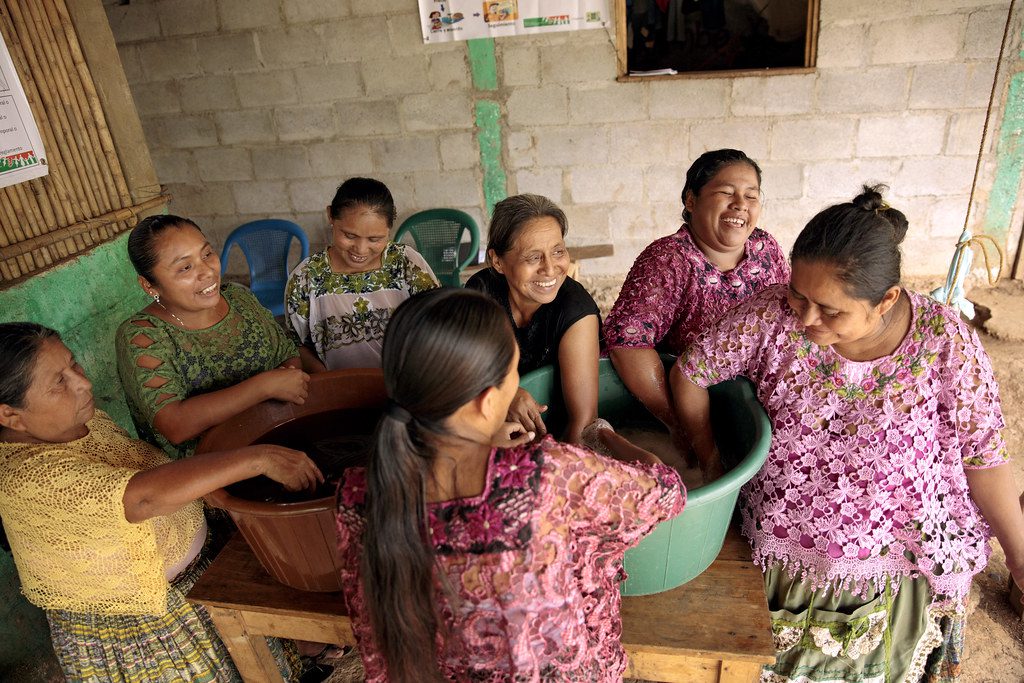
Desde el Poder Local is one of Trickle Up’s current six projects. Located in El Quiché and Alta Verapaz, Guatemala, the project has selected 410 indigenous women between the ages of 15 and 24 to participate over the span of two years so far. This particular program emphasizes reproductive health education and livelihood development.

Women and men receive reproductive health education in the native languages of the targeted communities. The goals of this education initiative include broadening understanding of the implications of early onset pregnancies while also acknowledging the role of parenthood. Jackson noted that there has been a decrease in pregnancies in the last two years, with no pregnancies occurring for women under 18 in El Quiche and Alta Verapaz. Trickle Up’s inclusion of male family members in both reproductive health and financial literacy programs aims to develop a sustainable change in the gender dynamics of the participant’s communities.

As of August 2020, Desde el Poder Local generated 21 savings groups and 77% of participants increased their annual income during the program. Jackson pointed out, “A dollar a week they’re saving. That’s the first time they’re making their own money.” With the support of their families, communities, and municipal authorities, these women obtain the support they need to continue generating a sustainable income once the project concludes.

Maintaining Support During COVID-19

The traditional approach that Trickle Up has undergone disruption during the coronavirus pandemic. Women who work as local artisans have not been able to travel or access markets in order to sell their products. Fortunately, Jackson assured that Trickle Up staff members have continued to work alongside government staff or field extension agents, which are often women. Information on sanitation hygiene and infection prevention has undergone dissemination through cell phones and word-of-mouth.

Trickle Up has demonstrated that an intersectional approach is essential for poverty reduction. Targeting social problems that exacerbate the effects of extreme poverty, including gender inequality and racial discrimination, allows for growth within the target communities and in society as a whole.

– Ilana Issula
Photo: Flickr

November 5, 2020
https://borgenproject.org/wp-content/uploads/borgen-project-logo.svg 0 0 Kim Thelwell https://borgenproject.org/wp-content/uploads/borgen-project-logo.svg Kim Thelwell2020-11-05 14:18:442024-05-30 07:56:20Trickle Up’s Approach to Poverty Reduction
Global Poverty, Women and Female Empowerment, Women's Empowerment, Women's Rights

The Status of Women’s Rights in Morocco

Women’s Rights in Morocco
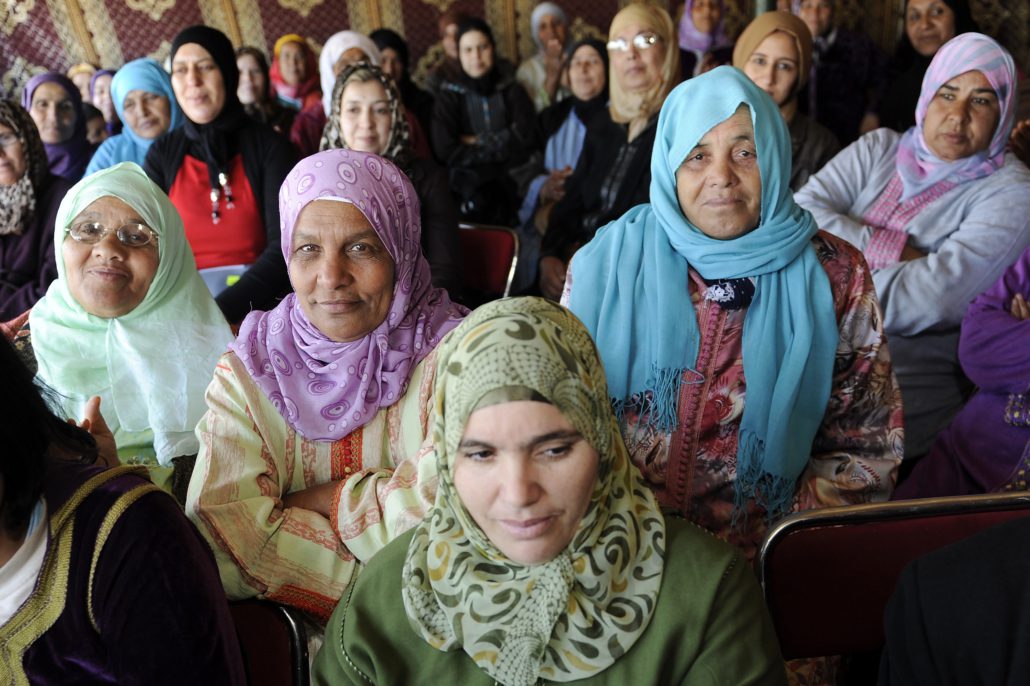
Since Morocco gained its independence from France in 1956, there have been many changes to women’s rights. Across the nation, women continue to fight for their rights in legal, social, political and economic contexts. Although work remains, local organizations have made great strides in improving the status of women’s rights in Morocco.

Women’s Rights On Paper

Morocco’s Constitution addresses the issue of women’s rights. Article 19 of the 2011 Constitution states, “The man and the woman enjoy, in equality, the rights and freedoms of civil, political, economic, social, cultural and environmental character.” This is a general guarantee of gender and matrimonial equality. Moreover, there have been numerous other ratifications in the Moroccan legislature that correlate to this statement.

Moroccan women now have protections against male guardian requirements, rape-marriage allowances and sexual harassment. The government passed all of these laws after 2004, with one as recent as 2018. Yet, there are still a few loopholes in the legal system. For example, the Family Law allows forced marriage if a judicial waiver is provided. Many believe that there is still progress to be made.

Status of Women’s Rights in Morocco (Social Contexts)

While the Moroccan Constitution is promising and shows progression, conservative ideals remain common in social institutions. This includes the hierarchy of power held by males and gender-based discrimination. Socially, the need is the greatest for reform and change, which law or legislation do not often achieve.

Women are fighting for equality in Morocco today by seizing opportunities, including education, economic and financial freedom and leadership positions. By holding higher positions in society, these conservative assumptions may begin to dissipate in family and cultural contexts.

Status of Women’s Rights in Morocco (Political Contexts)

Women gained both the right to vote and the right to stand in an election on the same date in May 1963. The assumption of leadership by women is historical and considered to be a great gain for Moroccan women. Bassima Hakkaoui, a veiled political leader, is now in charge of the Ministry of Solidarity, Women, Family and Social Development. She is the first veiled woman to hold this position.

Unfortunately, most women struggle to gain access to political leadership positions today. As of 2018, only 81 out of 395 parliamentary members were held by women. This begs the question of whether Moroccan women can be accurately and meaningfully represented by their government voices. Many activists call for more female representation in parliament and other positions of power.

Status of Women’s Rights in Morocco (Economic Contexts)

According to USAID Morocco, ranks 141 out of 149 countries in women’s economic participation and opportunity. Women make up 50% of Morocco’s population but only 26% of the labor force. Also, the female labor force participation rate in Morocco decreased by 6% between 1999 and 2010. Moroccan women remain a largely untapped resource within the very borders of the country.

One of the results of the 2011 Constitution includes positive advancements in girls’ education. Increasing access and encouraging girls to finish school has led to more women contributing to the labor market and the economy. The accumulation of generational wealth is an example of this influence.

Fighting for Women’s Rights

To continue improving the status of women’s rights in Morocco, the strengthening of the justice system is crucial. Addressing social and cultural barriers is also important, as many gender limitations stem from conservative or patriarchal views.

Two notable organizations are fighting to raise the status of women’s rights in Morocco and both reside in Rabat. The Democratic Association for Moroccan Women and the Mobilizing for Rights Associates (MRA) work within the community and advocate for legal reforms. These reforms promote women’s social, economic and political equality, monitor international human rights compliance and assist women’s rights campaigns.

MRA also tracks the implementation of the newly signed Elimination of Violence Against Women law, which was recently enacted in September 2018. This law has shown the world that Morocco is willing to make progress in gender equality. Furthermore, it exemplifies the importance of these women’s rights organizations in making progress.

Moving Forward

Although Morocco has made improvements in women’s rights, work remains. Women across the country are continuing to fight for equality in all contexts. Moving forward, women’s rights organizations continue to advocate for the safety and liberty of all Moroccan women.

– Savannah Gardner
Photo: Flickr

October 31, 2020
https://borgenproject.org/wp-content/uploads/borgen-project-logo.svg 0 0 Kim Thelwell https://borgenproject.org/wp-content/uploads/borgen-project-logo.svg Kim Thelwell2020-10-31 07:30:382020-10-30 19:23:59The Status of Women’s Rights in Morocco
Global Poverty, Women, Women and Female Empowerment

How Social Media Helps Reduce Menstrual Stigma

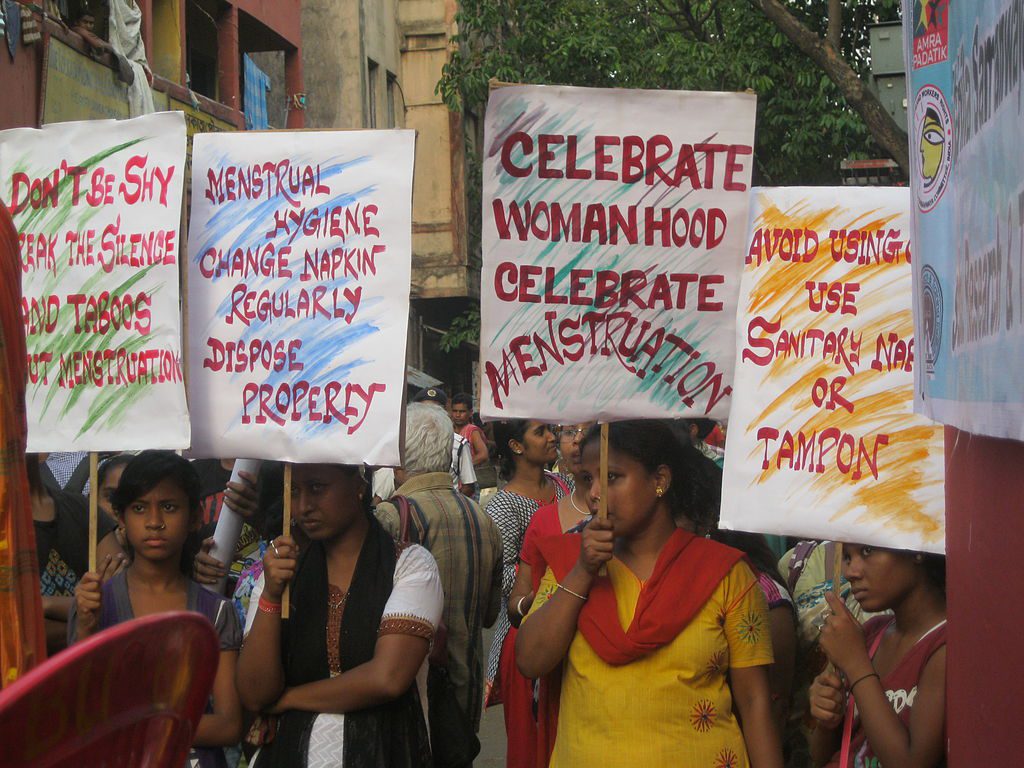
Menstrual StigmaMillions of women and girls around the globe are affected by period poverty every day. Countless women must choose between food and menstrual products. Due to insufficient access to menstrual products and/or menstrual stigma, schoolgirls often miss school when they are on their periods. Some teenagers even use unhygienic insoles of shoes to substitute menstrual products, which may lead to further physical health risks due to bacterial infections. Moreover, other women resort to free contraceptive injections (which stops the release of an egg) when they cannot afford menstrual products. This, in turn, leads to health risks such as significant bone mineral density loss.
People widely consider period poverty as insufficient access to menstrual products. While this accounts for a major portion of period poverty, the term also refers to issues of shame, menstrual stigma, and the lack of education about menstruation. Around 50% of girls in the U.K. experience menstrual shame and around 70% of girls in Uganda are embarrassed and fearful about menstruating.

Access to Period Products Worldwide

Globally, a minimum of 500 million women experiences period poverty, every month. Among the 355 million menstruators in India, 12% cannot afford period products. Similarly, 65% of females in Kenya are unable to afford menstrual products. Menstruation products are extremely difficult to access because of their high costs. This, even though these products are a necessity. They are perceived as luxury products to millions because many countries still do not accept the products as “daily necessities” and still have not abolished the value-added tax (VAT) on menstrual products. The 2020 tax rate on menstrual products in Hungary marked 27%, followed by Sweden with 25% and Mexico with 16%. Some of the countries that abolished VAT on menstrual products include Malaysia, Lebanon, Tanzania, Ireland among others.

Effects of Menstrual Stigma

Women and girls face period stigma every day. Menstrual stigma causes women and girls to feel embarrassment and shame about their healthy bodies. Furthermore, it keeps them at home when they should be at school — affecting their education and social life. In Nepal, the community expels menstruating women to huts when they are on their period cycles because menstruators are perceived as impure. In Uganda, 70% of girls feel embarrassed to be on their periods and are afraid of menstrual-related accidents. This fear is such that more than 50% of the population skips school to avoid teasing from classmates. In the U.K., 50% of girls feel ashamed of their periods. One anecdote shared that a girl and her classmates suffered great embarrassment when a male teacher taught them about menstruation.

The Pink Protest

Many nonprofit organizations are actively fighting against period poverty. Other than NGOs, period poverty activists create many campaigns that also work toward ending period poverty. Based in the U.K., The Pink Protest works with period poverty activists on the #FreePeriods campaign, to “call on the British government to put an end to British period poverty.” A teenage activist, Amika George, initiated the #FreePeriods campaign in 2017 after she read a report by BBC that 10% of girls cannot afford menstrual products in the U.K. On a winter day in 2017, the campaign gathered 2,000 people to protest. People held up signs saying “bleeding is not a luxury,” “ditch tax on Tampax,” “we are not ovary-acting” along with many celebrities and period poverty activists giving impactful speeches. This included model Adwoa Aboah, Member of Parliament of the United Kingdom Jess Phillips, comedian Deborah Frances-White, period poverty activist Chella Quint, and more.

The Pink Protest has accomplished to become a part of the change of two U.K. laws. Also, they acknowledge that engagement of young people and the utilization of online activism have helped them in this goal. The Pink Protest is a good example of how society can utilize social media to fight period poverty. With their weekly Instagram series ‘On Wednesdays We Wear Pink and Protest,’ The Pink Protest encourages young people across the globe to take one action each week. In this way, young people may become activists, themselves. The Pink Protest hopes that as it provides an exciting and easy way to involve people in activism (through regular campaigns and video series), they can “redefine what activism means to young people”. In this way, they can “create a way for activism to be not just accessible, but also fun.”

The Role of Social Media

According to The Pew Research Center, 70% of Americans use social media and 90% of the people aged 18–29 use at least one social media site. It is also surveyed that 90% of teenagers aged 13–17 have experienced social media and 51% visit social media sites, daily.

The U.N. also discussed the power of social media and how it can help to reduce period poverty. According to the U.N., social media has the power to raise public awareness and get people more involved. As mentioned previously, period poverty is about insufficient access to menstrual products and menstrual stigma. Therefore, openly sharing information about this via social media, which many teenagers and young adults use, can reduce menstrual stigma. Sharing information through posts and infographics alone are good ways to educate others and increase attention to period poverty. Social media engages young people to become period poverty activists. Consequently, this increases the chance that young people become more compassionate and active with menstruators. The millions of women struggling from period poverty around the world stand to benefit greatly.

– Alison Choi
Photo: Wikimedia Commons

October 30, 2020
https://borgenproject.org/wp-content/uploads/borgen-project-logo.svg 0 0 Kim Thelwell https://borgenproject.org/wp-content/uploads/borgen-project-logo.svg Kim Thelwell2020-10-30 07:31:252024-05-29 22:57:19How Social Media Helps Reduce Menstrual Stigma
Global Poverty, Women, Women and Female Empowerment, Women's Rights

The Fight for Women’s Rights in China

Women's Rights in China
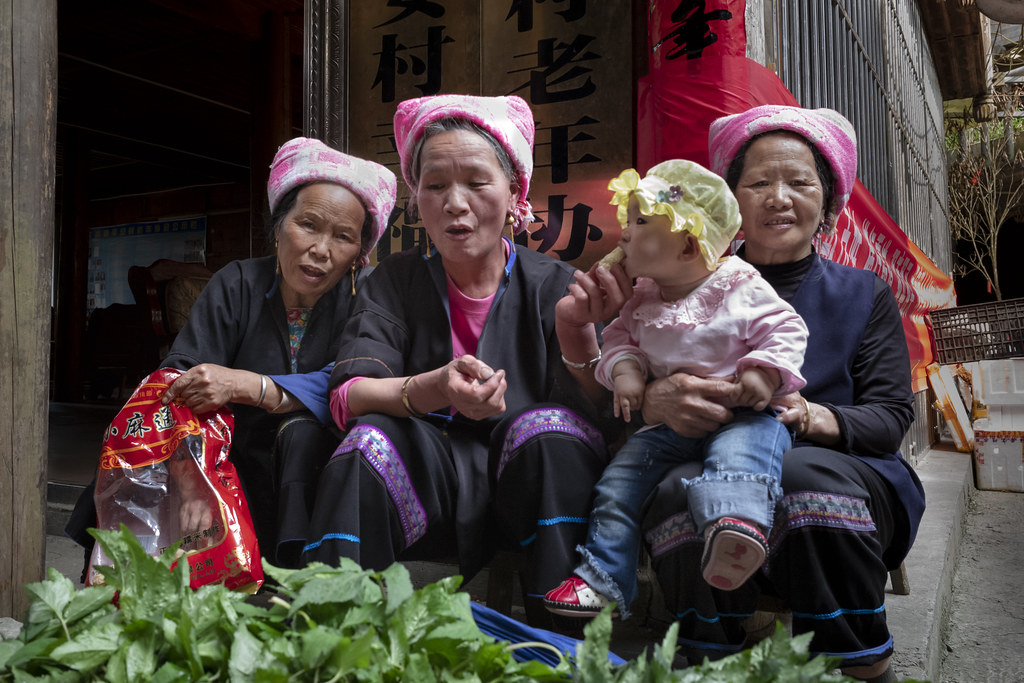
For many years, gender equality and women’s rights in China have been a problem, mainly for women. Various restrictions still take place, even today. Income discrepancies and traditional gender roles in the country aimed at placing and keeping women inferior as compared with their male counterparts.

For example, women who have children do not always receive support from their supervisors and often lose their pay when on maternity leave. From occupational rights to issues such as property rights, men in China have always (and unfairly) been the more supported gender for years. Unfortunately, this continues to this day.

Discrimination in the Workplace

Women of the past and present in China, have dealt with unfair employment practices. They have had to jump over unnecessary hurdles just to keep up with their male counterparts. The Chinese government claims to better prioritize the promotion of gender equality, and therefore women’s rights in China. Particularly — in the workplace, however, recent research says otherwise. Of the job listings in the Chinese Government’s civil service job list, 11% stated preferences for men. The percentage was higher in jobs preferring men from 2018 to 2019, at 19%.

This information was identified by the Human Rights Watch, which also discovered that fewer than 1% of these job postings offered offered support to women. This has caused many women to surrender to traditional gender roles. For example, staying at home, not working and being dependent on the male of the house. Notably, only 63% of the female workforce worked in 2017.

Patriarchal Oppression

China’s history has seen a higher focus on men being the core of not just their families but the country’s overall success and growth. Post Confucius era, society labeled men as the yang and women as the yin. In this same vein, society views Yang as active, smart and the dominant half. This, compared with Yin, which is soft, passive and submissive. These ideologies are not as prominent today but persist enough that there is a problem.

The tradition begins at birth with boys being the preferred children compared to girls in China. A consensus opinion in the country is that if one has a male child versus a female child, they believe the son will grow into a more successful member of the family. The sons are more likely favored because the issue of pregnancy is a non-factor and they can choose almost any job they desire. Of course, this is something that does not support efforts for gender equality nor women’s rights in China.

A survey done just last year found that  80% of generation Z mothers did not have jobs outside of the home. Importantly, most of those surveyed were from poorer cities. The same survey found that 45% of these stay-at-home mothers had no intention of going back to work. They simply accepted their role of caring for the house. Gender equality and women’s rights in China have shifted toward cutting into the history of patriarchal dominance within the country.

Women’s Rights Movement in China

Since the Chinese government is not completely behind gender equality in China for women, the feminist movement is still active and stronger than ever. In 2015, the day before International Women’s Day, five feminist activists were arrested and jailed for 37 days. They were just five of an even larger movement of activists fighting against the traditional gender role ideology that has placed females below males. These movements have begun to make great progress towards gender inequality within the country. From 2011 to 2015, a “12th Five Year Plan” had goals of reducing gender inequality in education and healthcare.

The plan also was to increase the senior and management positions and make them accessible for women to apply for said positions. Xi Jinping, the current President of the People’s Republic of China, has proclaimed that the country will donate $10 million to the United Nations Entity for Gender Equality and the Empowerment of Women. During the next five years and beyond, this support will help the women of China and other countries build 100 health projects for women and children. March 1, 2016, the Anti-domestic Violence Law of the People’s Republic of China took effect. This law resulted in the improvement in legislation for gender equality in China. In June of that year,  ¥279.453 billion was put forth toward loans to help women, overall.

– Dorian Ducre
Photo: Flickr

October 30, 2020
https://borgenproject.org/wp-content/uploads/borgen-project-logo.svg 0 0 Kim Thelwell https://borgenproject.org/wp-content/uploads/borgen-project-logo.svg Kim Thelwell2020-10-30 07:30:162024-05-30 07:52:50The Fight for Women’s Rights in China
Child Marriage, Education, Global Poverty, USAID, Women and Female Empowerment

Support the Keeping Girls in School Act

Support the Keeping Girls in School
Congresswoman Jeanne Shaheen first introduced the Keeping Girls in School Act. The bill claims to “support empowerment, economic security, and educational opportunities for adolescent girls around the world.” Specifically, the Committee on Foreign Affairs and the Committee on Foreign Relations will both work and engage in the implementation of providing opportunities for adolescent girls to obtain a secondary education. This is why support for the Keeping Girls in School Act is so crucial.

Assistance Needed

Congress will also need the assistance of the United States Agency for International Development (USAID) in managing and assisting international matters, such as providing global security for adolescent girls in vulnerable countries. Every five years, these federal committees will meet to monitor the progress of the bill and provide input on the upcoming protocols in improving the status of the situation.

As for quantitative costs, to support the Keeping Girls in School Act requires a large financial budget to be most effective in serving those countries at-risk. Cost estimates are about $340 billion, which is a substantial amount in providing lower-income countries access to secondary education, primarily for younger girls. However, with the economic benefits of this bill, it will prove to be a fulfilling investment.

The Problem At Hand

Every year, more than 130 million girls go unenrolled in school. The U.N. predicts that this rate will increase by up to 150 million girls by 2030. For example, in Yemen, 66% of women are illiterate. Meanwhile, in Burkina Faso, only 1% of girls complete secondary school.

One factor is how many girls enter into child marriages and are not able to obtain an education. In fact, in Ethiopia, 40% of girls are likely to marry under the age of 18. Similarly, in Bangladesh, at least 42% of girls marry younger than age 18 and 22% marry younger than age 15.

Many other external factors contribute to this global crisis. For example, girls with disabilities are less likely to enroll in school and only 1% of girls from the disabled community are literate.

Infections have also proven to hinder access to secondary education for girls under the age of 18. Especially through child marriage, girls are more susceptible to sexually transmitted diseases, such as AIDS. More than 380,000 girls, primarily from Africa, contract HIV or develop AIDS every year. In sub-Saharan Africa, at least 80% of HIV victims among adolescents are girls. A Harvard study noted that if an extra year of secondary education was available for adolescent girls, the risk of contracting HIV would decrease by 12%.

The Economic Benefits

Although it is a large investment, the benefits will far outweigh the costs. For example, if every girl attends school for 12 years, free of cost, estimates have determined that it will generate between $15 trillion to $30 trillion globally by 2030. Moreover, each year a girl attends school, the government saves approximately 5% of its educational budget. When girls have an educational background, they are more likely to obtain jobs and careers and thus, stimulate the economy.

What Now?

It is imperative to lobby support from local, congressional leaders to support the Keeping Girls in School Act, as it can help millions of girls obtain an education. Furthermore, the bill will substantially stimulate the economy in the future. A quick method to accumulate support is to email local representatives about endorsing the bill. With this template by The Borgen Project, emailing local congressional leaders will take less than one minute and benefit more than 130 million girls that do not have access to secondary education.

– Aishwarya Thiyagarajan
Photo: Wikimedia Commons

October 26, 2020
https://borgenproject.org/wp-content/uploads/borgen-project-logo.svg 0 0 Kim Thelwell https://borgenproject.org/wp-content/uploads/borgen-project-logo.svg Kim Thelwell2020-10-26 07:30:192020-10-22 20:39:12Support the Keeping Girls in School Act
Development, Global Poverty, Women and Female Empowerment

Women and Microfinance: Empowering Female Entrepreneurs

Women and MicrofinanceThe importance of women has been well-documented over time, despite historical disparities in their socioeconomic status. More often than not, women living in impoverished countries face numerous barriers to their financial independence. Although they have entrepreneurial visions for their future, the lack of funding forces their dreams to slowly fade away. In this same vein, at least 1 billion women in these nations do not have access to regular bank services. Perhaps it is time for a new marriage — women and microfinance.

However, the good news is that microfinance has helped countless underprivileged women pursue their aspirations of business ownership. Together, women and microfinance have the potential to destroy the old customs that have stifled women from entering the workforce.

What is Microfinance?

Microfinance is a lending service that provides small, manageable loans to unemployed or low-income people who would otherwise lack access to financial services. Microfinance has already transformed the lives of many women. With the help of organizations like the Pakistan-based Kashf foundation, which has supported impoverished female entrepreneurs since 1996, and FINCA, financial freedom has become an obtainable goal for many. One narrative from a former client, Shamsha Naveed, represents a common yet important testimony of the abuse numerous poor women suffer in Pakistan. Moreover, Naveed’s narrative highlights as well, the economic promise women now have.

Shamsha’s Story: The Power of Female Entrepreneurship

For years, Naveed’s husband sexually abused their daughter and tortured Shamsha mentally and physically. She eventually realized her only option was to leave her cruel marriage and move back in with her parents. Not wanting to be a financial liability to her mother and father, Naveed began stitching people’s clothes as a means to earn an income.

Since her stitching job required her to travel door-to-door, she often encountered insults that blamed her for her failed marriage and lack of fair payment for her work. Yet, despite this harassment and exploitation, Naveed persevered and eventually found her way to the Kashf Foundation where she enrolled in specialized career classes. Eventually, she obtained a loan. Naveed’s business is now flourishing, employing a staff of more than 20 workers which allows this female entrepreneur to successfully pay for her children’s education.

The Foundation of International Community Assistance (FINCA)

The Foundation of International Community Assistance (FINCA) is another top microfinance lending institution. FINCA has long championed the cause of female empowerment. Since the mid-1980s, more than 4 million women have benefited from the organization’s assistance. Additionally, in April 2018, the microcredit company opened a women-only branch in Afghanistan. Not only does the location provide specific lending services to women, but it also offers targeted financial literacy classes and financial products. The Afghanistan office has a staff consisting of more than 90 female employees, including female branch managers.

It simply makes financial sense for emerging nations to foster and harness the earning power of women. Women’s inclusion contributes to regions’ overall economic growth and stability. Furthermore, diversified workplaces promote heightened employee engagement and creativity. An employer whose business fosters gender equality will appeal to a wide range of talented individuals. This, in turn, demonstrates to potential employees that the company values contributions from all people.

Building Bridges to Prosperity

Lending institutions such as the Kashf Foundation and FINCA are well-aware that women are marginalized in developing countries. However, these organizations also understand that financial investment goes beyond money. The true value these female entrepreneurs bring is felt not just by their families, but also by their overall economies. As women and microfinance continue to build bridges that educate, inspire and cultivate confidence in female entrepreneurship — there is hope for transitioning many from poverty to prosperity.

– Kim Patterson
Photo: Pexels

October 25, 2020
https://borgenproject.org/wp-content/uploads/borgen-project-logo.svg 0 0 Kim Thelwell https://borgenproject.org/wp-content/uploads/borgen-project-logo.svg Kim Thelwell2020-10-25 01:30:402024-05-30 07:52:44Women and Microfinance: Empowering Female Entrepreneurs
Education, Global Poverty, Health, Malnourishment, Women and Female Empowerment, Women's Empowerment

How Proper Education Will Help End Poverty

Education Will Help End Poverty
Education is a luxury many people take for granted, but it is something poverty-ridden families often sacrifice to have. Globally, over 250 million children and young adults are not in school. As a result, around 617 million young children and adolescents around the world are unable to read or do mathematics within the minimum proficient level. Poverty is one of the main reasons for this tragedy and it often comes from generations prior that also lacked schooling. By properly educating new generations, poverty rates could reduce significantly. Here are some ways that proper education will help end poverty.

Health

Estimates have determined that in developing countries, one-eighth of all children are born malnourished and that about 47% of those in low-income countries will continue to experience malnourishment until they reach the age of 5. Poor nutrition is a direct result of poverty and often linked to insufficient knowledge of proper nutritional diets. A study that occurred in 13 different countries found that the standard yearly gain production increased with those with basic education by 8.7%, which in turn increased food security and helped lower rates of malnourishment in children.

Education will help end poverty because, with basic education, parents learn more about how to care for themselves and their families, which in turn leads their children towards healthier lifestyles. Health education gives families have a higher chance of survival and even reduces rates of HIV and AIDS.

Mortality Rate

Education will help end poverty because it is particularly powerful for girls. Education has many effects on girls and women, but a primary impact is that if all women in poverty finished primary school, then the child mortality rate would reduce by almost 17%. This adds up to about 1 million newborns saved every year, but how does saving lives help lower poverty rates?

If more children survive, then families would not feel the need to have more children, thus the size of families would be smaller. If the families were smaller, then families would have more income and resources to go around, thus reducing poverty. For example, sub-Saharan African women with no education have 6.7 births on average, but with access to schools, these women only have 5.8 births. And finally, those studied who had finished secondary education have 3.9 births on average.

With schooling, women could more easily recognize danger signs in pregnancy and be able to seek care faster. Women with more knowledge about their body, pregnancy and childbirth have a better chance of giving birth safely. Records have determined that a child with a mother who had basic education is 50% more likely to surpass their fifth birthday.

Income and Economic Growth

Income is, of course, a huge factor in poverty. Records have stated that if someone has basic education (that is, reading, writing and mathematical skills), this not only has a positive impact on their own income but can also “increase the rate of return on the economy.” Those with education have a much higher chance of getting better jobs with higher wages. Just one year of education can result in a 10% raise in pay. More pay means better, more nutritious food, better access to sanitation, better access to healthcare and better housing.

For example, Vietnam was one of the poorest economic countries in the world due to its 20-year war. However, since 1990, Vietnam transformed its poor and war-torn country into a GDP that grew to 3,303%. Its economic growth rate was the second fastest and the main strategy for this success was the improvement and modernization of its education system. Vietnam is only second to China, which also implemented a new education system, causing it to have the number one fastest GDP growth.

With children attending schools and developing both important skills and abilities, they will one day get better jobs. The more income they have, the more goods and products they consume which benefits the companies. This in turn increases the demand for the production of more products, thus giving jobs to more people and helping the economy grow. These changes and more will be key in eradicating poverty around the world.

– Katelyn Mendez
Photo: Flickr

October 24, 2020
https://borgenproject.org/wp-content/uploads/borgen-project-logo.svg 0 0 Kim Thelwell https://borgenproject.org/wp-content/uploads/borgen-project-logo.svg Kim Thelwell2020-10-24 01:30:542020-10-22 12:52:38How Proper Education Will Help End Poverty
Education, Gender Equality, Global Poverty, Women and Female Empowerment, Women's Empowerment

Women’s Education in The Gambia: Developing the Economy

women's education in the gambiaAcross the developing world, millions of women and girls in poverty receive little to no education. Women learn to cook, clean and care for children. Men, in contrast, often receive an education from a young age. With this advantage, men can work toward opportunities beyond the reach of their female counterparts. When girls have access to education, they can forward the benefits to their community. One educated girl can impact generations. This is why women’s education in The Gambia is important.

In The Gambia, a small West African country, girls face problems common in developing countries. The average family lives on a daily income of $1, but education after grade six costs $100 per year. Families frequently invest their small income in educating boys, whom they think will support them in adulthood. As a result, women struggle to find opportunities beyond domestic labor.

In addition to these limitations on women’s education in The Gambia, other barriers include cultural biases and teenage marriage. The culmination of these obstacles prevents nearly 50% of the Gambian population from accessing education and economic empowerment. Consequently, the lack of women’s education in Gambia hurts the country’s development.

Why Does Education Matter?

For women living in poverty, including those in The Gambia, very few opportunities wait for them. These girls face the expectation from a young age that they will grow up to become mothers and homemakers. Early on, girls learn about domestic skills and how to raise children. Men, on the other hand, have the opportunity to dive into their education and accelerate their careers.

The education of women in developing countries is absolutely critical to their personal growth. When young girls receive the same opportunities as boys, they learn essential skills that go far beyond the classroom. Health classes teach young women about the spread of illnesses and the importance of nutrition. Math lessons provide analytical skills that they can apply to household finances. Language courses allow them to communicate better with others and read the news.

For women in The Gambia, these skills would allow them to improve their own quality of life. In a nation that often undervalues gender equality, women’s education in The Gambia is a critical first step to leveling the playing field.

Women’s Education and Economic Development

The smallest country in mainland Africa, The Gambia faces limited economic development. The current regime has harmed business freedom and has contributed to the weakening labor force. With a population of around 2.1 million, the country has a limited workforce. Most jobs center on agriculture and crop exports. However, excluding women from the workforce cuts the number of potential workers in half.

Additionally, since the nation’s economy depends on crops, The Gambia’s GDP fluctuates with farmers’ production. This means that in dry seasons, when people struggle to water their crops, the economy struggles as well. In fact, the Gambian economy recently contracted by 10% as a result of erratic rainfall, according to The World Bank.

Including women in the workforce would increase the available amount of labor, which would help in cultivating crops. Additionally, more labor would allow other sectors of the economy to grow, creating a more diverse and stable economic system. If women received an education, making them more employable, more businesses would develop and the economy would grow exponentially.

Education Brings Hope

Over the past several years, efforts around the globe have worked toward improving women’s education in The Gambia. Women in The Gambia are now achieving higher levels of education, and experts predict this trend will continue. Many charities and NGOs are raising money and bringing awareness for this cause. Some are even increasing education through international programs. One of these NGOs is Janga Yakarr, which uses exchange programs in the United States to increase women’s education in The Gambia.

Janga Yakarr, which directly translates to “education, hope,” is a charitable organization founded by sisters Alexandra and Erica Chalmers in 2011. After learning about the lack of opportunities for women in The Gambia due to limited education, they decided to help. The sisters arranged a shipment of desks, chairs, whiteboards, chemistry equipment and educational materials to The Gambia. This effort meant to help children in The Gambia complete their education.

An Educational Exchange

The Chalmers became inspired by how their school supplies supported young girls and the relationships they formed with these students, who lived nearly 4000 miles away. From this point on, the Chalmers sisters wanted to enhance the relationship between students in the U.S. and in The Gambia. They now create an educational connection between the two countries.

To do so, they started the nonprofit Janga Yakurr in partnership with grassroots organization Starfish International. The organization’s aim is to raise money for women’s education in The Gambia. Additionally, it aims to foster relationships between U.S. high schoolers and students in The Gambia, as well as run exchange programs between the schools.

Alexandra Chalmers told The Borgen Project, “Looking at the struggle that many women go through in The Gambia in order to feel empowered, it opened our eyes to how much we take for granted in the United States. Our own education has provided us with so much opportunity to pursue, and we wanted to share that with these girls as well.”

The Future of Women’s Education in The Gambia

Over the past several years, many organizations like Janga Yakurr have helped make progress on women’s education in West Africa. This is important not just for women but for these countries as a whole. When young girls receive the same opportunities as young boys, they can get higher-paying jobs. From there, the labor force will continue to grow, which will improve economic stability.

Additionally, as women are more highly educated, they may help fight for women’s equality. They can use their education to fight for equal representation, for example, and to reduce female circumcision and domestic abuse. With a higher level of education, many women and girls may also gain respect and equality in other facets of life.

Education fuels empowerment. For women in poverty, they likely cannot feel empowered without education and financial support. However, women’s education in The Gambia will provide ample opportunity for them to thrive and for the whole economy to prosper.

– Daniela Canales
Photo: Flickr

October 22, 2020
https://borgenproject.org/wp-content/uploads/borgen-project-logo.svg 0 0 Kim Thelwell https://borgenproject.org/wp-content/uploads/borgen-project-logo.svg Kim Thelwell2020-10-22 19:24:172020-10-22 19:24:17Women’s Education in The Gambia: Developing the Economy
Global Poverty, Women and Female Empowerment

Glamour Boutique: By Women, For Women

Glamour BoutiqueThere are a number of advancements in legal gender rights across the world. However, social norms still play a large role in preventing women from attaining economic independence. Globally, women are almost three times more likely than men to work in the unpaid sector—namely domestic work and caring for children. When the women who are confined to this lifestyle are able to find paid work, it is often part-time and low-wage. This sets them at a significant financial disadvantage. They must depend on their husbands and families to provide for their basic needs.

The Fix

The Inclusive and Equitable Local Development (IELD) sector of the United Nations Capital Development Fund fights to right these wrongs. They invest in small businesses in developing countries that are largely run by women. Through their investments, these businesses expand, hire more people, increase their consumer market and earn more money. When women achieve financial independence, the reward is multiplied. Economically secure women are likely to invest in education, health and their community.

The Entrepreneur

One of these businesses that the IELD benefits is Glamour Boutique—a fashion business in Jessore, a small town in southwestern Bangladesh.

Glamour Boutique was officially founded in 2007 by Parveen Akhter. Akhter had been kidnapped and forced into child marriage when she was in the ninth grade. Her husband—her kidnapper and a drug addict—made it a habit of abusing her throughout their seventeen-year marriage. Encouragement from her oldest son, 16-years-old at the time, led her to file for divorce and set up the Glamour Boutique House and Training Centre. It was based in her home and capitalized on the embroidery and tailoring skills Akhter had taught herself over the years. Once business picked up, she moved into a rented space.

This is when the IELD stepped in. Akhter had little money, a small market and limited machines. They loaned her nearly 30,000 USD to expand. Since then, Glamour Boutique has employed over 50 women and consistently trains around 20 in tailoring and embroidery.

More than anything, the company is female-friendly. It helps to lift women out of poverty and give them a purpose and community. Additionally, she is sensitive to her employees having outside commitments. She offers short four-hour shifts for women who are enrolled in school, have children or have other situations warranting a flexible schedule.

Mussamad Nafiza, an employee at Glamour Boutique, testifies to the beauty of working there. She describes her own and others’ financial gain and independence as well as her dreams of opening a business similar to Akhter’s. Dipa Monjundar, a friend of Akhter’s and fellow small business owner, commends Akhter’s work and celebrates the economic empowerment of women across Bangladesh.

Next Steps

Although important, investing in women’s businesses is not the only way to help women achieve economic prosperity. Commitments from men and the government are essential. They need to respect, uphold and uplift women’s rights to sustainably change the way communities approach gender disparity.

Jessore’s mayor participated in several gender equality training sessions before starting any major projects. If other community leaders encourage participation in similar training courses, economic gender parity may no longer be a far-fetched dream.

– Rebecca Blanke
Photo: Flickr

October 22, 2020
https://borgenproject.org/wp-content/uploads/borgen-project-logo.svg 0 0 Kim Thelwell https://borgenproject.org/wp-content/uploads/borgen-project-logo.svg Kim Thelwell2020-10-22 18:00:052024-05-27 09:28:44Glamour Boutique: By Women, For Women
Activism, Global Poverty, Women and Female Empowerment, Women's Rights

Highlights of Women’s Month in South Africa

Women's Month in South AfricaIn August 2020, South African women celebrated their 65th Women’s Month. The 30-day event originally celebrated for one day on August 9, 2020, commemorates the 1956 march of approximately 20,000 women who protested against the newly enacted laws. These laws required black, South Africans to carry an internal passport and they are part of the legacy of Women’s Month in South Africa.

The legislation, known as the Population Registration Act, perpetuated apartheid by controlling urbanization and maintaining population segregation. Girls and women across the country came together in Pretoria, non-violently congregating in its Union buildings for 30 minutes of silent protest. They also brought a petition against the law, which included 100,000 signatures. This powerful display of strength and unity continues to inspire South African women. Here are a few highlights from this year’s Women’s Month in South Africa.

“This is Gold” Awareness Campaign

Several South African gold producers, including AngloGold Ashanti and Sibanye-Stillwater, used Women’s Month to pivot attention to the key role women play in the mining industry. Specifically, they called for an end to gender-based violence and sexism. The lockdowns caused by the spread of COVID-19 have increased violence against women, an issue already prevalent in South Africa. For instance, sexual assault increased by 10% in 2019 alone and national femicide rates ranked five times the world’s average.

The gold-mining companies sought to help alleviate these issues by appointing more women to higher job positions. Also by demanding accountability from male leadership in their treatment of women and establishing a Women in Mining forum. This forum’s purpose would be to encourage interested women to join the industry. Lastly, these companies called on their stakeholders to use their funds to take action against gender-based violence by reporting these incidents.

Girls Skate South Africa

The organization Girls Skate South Africa hosted an event in Johannesburg, one of the nation’s largest cities. More than 30 girls attended, engaging in activities such as skating and skateboarding at Tighy Park. Because skating is typically considered a masculine sport, Girls Skate South Africa aimed to acknowledge skating’s growing popularity among girls. In this way, they aim to break gender norms by organizing a girls’ skating day during Women’s Month.

Nubian Music Festival

Bonang Matheba, a premier South African television personality, partnered with the Nubian Music Festival to host a virtual concert for Women’s Month. Hosted by Matheba, the event featured a group of talented female performers in the country, including jazz singer Judith Sephuma and singer Lady Zamar. The show was broadcasted live from Sun City — a city within Matheba’s home province — and fans could stream it online. Mpho Mathope, the founder of the Nubian Music Festival, praised the event for promoting social unity to a broad audience during the COVID-19 pandemic.

All-Female Shakespeare Festival

James Ncgobo, the artistic director of the famous Market Theatre in Johannesburg, enacted an all-female theater event. He noted that COVID-19 did not stifle theater, but simply adjusted it. He chose to highlight speeches by Shakespeare originally meant for male actors but called upon women to perform them. The 44-year-old theater, with more than 300 awards, is famous for producing work that centralizes African voices. This recent production was dubbed “Chilling with the Bard,” and is available on YouTube.

In 1956, thousands of South African women rallied against an unjust law, armed with staggering amounts of signatures and sheer will. Decades later, women in the nation continue to channel their strength, talent and resilience to honor Women’s Month in South Africa and the legacy of generations past.

– Faven Woldetatyos
Photo: Wikimedia

October 20, 2020
https://borgenproject.org/wp-content/uploads/borgen-project-logo.svg 0 0 Kim Thelwell https://borgenproject.org/wp-content/uploads/borgen-project-logo.svg Kim Thelwell2020-10-20 08:43:422020-10-20 08:43:42Highlights of Women’s Month in South Africa
Page 27 of 82«‹2526272829›»

Get Smarter

  • Global Poverty 101
  • Global Poverty… The Good News
  • Global Poverty & U.S. Jobs
  • Global Poverty and National Security
  • Innovative Solutions to Poverty
  • Global Poverty & Aid FAQ’s
Search Search

Take Action

  • Call Congress
  • Email Congress
  • Donate
  • 30 Ways to Help
  • Volunteer Ops
  • Internships
  • Courses & Certificates
  • The Podcast
Borgen Project

“The Borgen Project is an incredible nonprofit organization that is addressing poverty and hunger and working towards ending them.”

-The Huffington Post

Inside The Borgen Project

  • Contact
  • About
  • Financials
  • President
  • Board of Directors
  • Board of Advisors

International Links

  • UK Email Parliament
  • UK Donate
  • Canada Email Parliament

Get Smarter

  • Global Poverty 101
  • Global Poverty… The Good News
  • Global Poverty & U.S. Jobs
  • Global Poverty and National Security
  • Innovative Solutions to Poverty
  • Global Poverty & Aid FAQ’s

Ways to Help

  • Call Congress
  • Email Congress
  • Donate
  • 30 Ways to Help
  • Volunteer Ops
  • Internships
  • Courses & Certificates
  • The Podcast
Scroll to top Scroll to top Scroll to top