• Link to X
  • Link to Facebook
  • Link to Instagram
  • Link to TikTok
  • Link to Youtube
  • About
    • About Us
      • President
      • Board of Directors
      • Board of Advisors
      • Financials
      • Our Methodology
      • Success Tracker
      • Contact
  • Act Now
    • 30 Ways to Help
      • Email Congress
      • Call Congress
      • Volunteer
      • Courses & Certificates
      • Be a Donor
    • Internships
      • In-Office Internships
      • Remote Internships
    • Legislation
      • Politics 101
  • The Blog
  • The Podcast
  • Magazine
  • Donate
  • Click to open the search input field Click to open the search input field Search
  • Menu Menu

Archive for category: Women and Female Empowerment

information and Stories about woman and female empowerment.

Global Poverty, Women

The Woman Delivering Food Security to Kenya


Delivering Food Security to Kenya
Maureen Muketha is working to deliver gender equality and food security to Kenya. The 26-year-old nutritionist and native Kenyan is a woman delivering food security to Kenya through Tule Vyema. It is a nonprofit that emphasizes education, sustainable farming techniques and female empowerment.

About Tule Vyema

Tule Vyema means “let’s eat right” in Swahili. Ms. Muketha founded the nonprofit in 2018, after graduating from Jomo Kenyatta University of Agriculture in Kenya. Instead of looking for opportunities outside beyond the borders, she focused her attention on her own community, a pastoral region outside of Nairobi called Kajiado. Here, malnutrition is a major issue.

WHO reported that chronic diseases such as diabetes, obesity and hypertension are becoming more prevalent worldwide, especially in sub-Saharan Africa. In Kenya, 55% of total deaths have links to these non-communicable diseases, which are often a result of malnutrition.

While it is no secret that eating vegetables is fundamental to sound nutrition, vegetables are simply a luxury that many people in the Kajiado cannot afford. The average household in the region lives on $1.50 per day, while one bunch of vegetables costs about 50 cents or one-third of its daily income. Impoverished households must then rely on cheap, highly processed food rich in sugar, salt and fat.

Industrialization is exacerbating this issue, from the emerging prevalence of cheap fast food options to motorcycles and scooters, which are taking the place of walking. As a result, people are consuming more empty calories and exercising less. Through Tule Vyema, Maureen is addressing this issue with education, first and foremost.

Education

Tule Vyema offers free education on the fundamentals of nutrition in order to address food security in Kenya. The organization teaches women how to prepare produce so they can retain their nutrients, and conversely, which preparation methods to avoid. For example, boiling vegetables leaves many of the nutrients behind in the water.

The program also emphasizes the value of indigenous vegetables such as African nightshade, amaranth, cowpeas and spider plant. Tule Vyema also teaches sack farming, which is an efficient method of growing crops.

Sack Farming

Sack farming turns a simple sack into a vertical garden. Farmers fill the bags with a combination of manure, soil and pebbles, and then, the crops grow out of the top and the sides. This technique requires less water than other growing methods, which makes it more viable in an arid climate and helpful in the mission of delivering food security to Kenya. This method also requires less land, which allows farmers without large plots the option of growing food in their own backyard. Additionally, sack farming results in better pest control, leading to fewer lost crops. Finally, it enables farmers to grow indigenous crops without using harmful pesticides, thus maximizing crops’ nutritional value. Not only has sack farming increased food security in Kenya, but the women who have adopted the technique are also enjoying the newfound economic freedom it provides.

Empowering Women

Most women in Kajiado households are homemakers. However, often their main source of income is household chores for neighboring houses. This type of work is frequently unreliable and low-paying. With sack gardens, women can sell surplus vegetables within their community.

The women of Kajiado are taking on leadership roles within the organization, handling logistics such as scheduling classes and bringing education straight to the doorstep of those who do not have the time to seek it out on their own. The administrative people who live within the communities give Tule Vyema real staying power.

Looking to the Future

In just two years, Tule Vyema has helped over 800 households achieve food security. With its early success in delivering food security to Kenya, Maureen Muketha wants the program to expand beyond its borders.

“God willing it expands to various other countries because this is a problem not only in my county but it cuts across the country and even globally,” said Maureen.

– Greg Fortier
Photo: Flickr

April 10, 2021
https://borgenproject.org/wp-content/uploads/borgen-project-logo.svg 0 0 Kim Thelwell https://borgenproject.org/wp-content/uploads/borgen-project-logo.svg Kim Thelwell2021-04-10 19:35:002024-06-06 00:59:32The Woman Delivering Food Security to Kenya
Global Poverty, Poverty Eradication, Women, Women's Empowerment

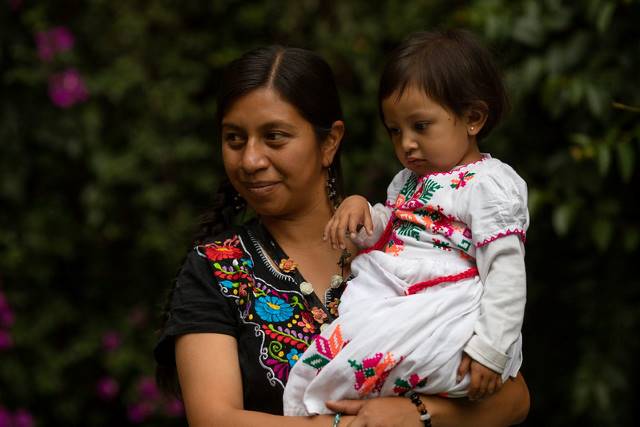
A Women-Led Association to Improve Lives in Mexico

Improve Lives in MexicoBefore the COVID-19 pandemic, moderate poverty in Mexico had declined from 25.7% in 2016 to 23% in 2018, although 29 million people continued living in impoverished conditions. Prior to 2018, Mexico’s multidimensional poverty rate, which includes income poverty as well as factors such as access to food and education, had dropped to about 42% of the population, thereby improving lives in Mexico. However, according to CONEVAL, a public agency that measures poverty, the effects of COVID-19 could mean that 56% of the country, or 70 million Mexicans, may not earn enough to cover their basic needs. This number represents an increase of around 50% more poverty in the past 24 months. Mexican women-led associations and businesses are leading the way to reduce poverty and improve lives in Mexico.

COVID-19 and Poverty

The effects of COVID-19 could eliminate decades of poverty reduction. Global GDP fell 5.2% in 2020, but, Latin America’s drop in real GDP was expected to be closer to 7%, according to the World Bank. The IMF calculates an economic recession of 6.6% in Mexico. By June 2002, more than a million jobs were already lost due to the pandemic.

As a result, Latin America’s second-largest economy, Mexico, could be among the countries in the region that are affected worst. Up to 17 million Mexicans may soon be living in extreme poverty — an increase from 11 million in 2019.

Women Entrepreneurs in Querétaro

In the state of Querétaro, Mexico, a women-led and women-founded association is helping to lift women and their families out of poverty. Established in 2010, Mujeres y Ambiente SPR de RL de CV has combined forces with an environmentally-minded Spanish company, along with the Mexican government and Autonomous University of Querétaro, to develop cosmetics based on local medicinal plants. Mujeres y Ambiente helps women entrepreneurs in Querétaro to expand their own agricultural micro-businesses, thereby helping them to become economically self-sufficient.

Eulalia Moreno Sánchez, along with her two daughters, Ángeles and Rosa Balderas, formed a Women and Environment group in the La Carbonera community. Through consolidating micro-businesses such as selling earthworm humus, mushrooms, medicinal plants, vegetables and aromatic plants, the women utilize the cultivated raw materials which they use in their products, to help the community produce a sustainable income.

International Support for Mexican Women

The Nagoya Protocol came into force in Mexico in 2014. This international agreement supports the equitable sharing of benefits from the use of genetic resources that come from traditional knowledge. Under the agreement, the women of rural Querétaro signed the first-of-its-kind permit between Mexico and Spain, which provides access to the genetic resources of traditional medicine plants cultivated in Mexico. The agreement fairly compensates local producers for their knowledge and their work, thus improving lives in Mexico. The community gets to preserve its ecosystem’s genetic resources and the women’s traditional knowledge based on medicinal plants. Members of the association are offered jobs as well as research and business opportunities.

In 2016, Sanchez and her daughters began to export lemon balm, or Toronjil, for the Spanish cosmetics company Provital. Since then, they have signed additional agreements to produce other medicinal plants for the company. With support from the UNDP (Global Environment Facility), the project establishes the legal framework for ensuring the right to protect biodiversity.

Preserving Biodiversity and Creating Jobs

In addition to alleviating poverty, the association’s goals include stabilizing the soil, cultivating a nursery and conserving biodiversity. Cosmetic products are developed from the women’s traditional knowledge about local herbs and medicinal plants. The entrepreneurs are part of the cosmetics industry’s sustainable supply chain and they serve as an example of successful conservation through the sustainable use of biodiverse resources. These activities have allowed the women to derive an income, create more jobs and open up markets, offering a way to reduce poverty and improve lives in Mexico.

– Sarah Betuel
Photo: Flickr

April 10, 2021
https://borgenproject.org/wp-content/uploads/borgen-project-logo.svg 0 0 Lynsey Alexander https://borgenproject.org/wp-content/uploads/borgen-project-logo.svg Lynsey Alexander2021-04-10 08:43:292024-05-30 22:23:14A Women-Led Association to Improve Lives in Mexico
Women and Female Empowerment

Female Leaders in India: Fighting Discrimination at the Workplace

Female leaders in India
In 2020, Priya Periyasmy became the leader of her village council in Tamil Nadu, a South Indian state that 68 million people populated. Despite gender quota laws in village council elections, female leaders in India are the vast minority and women must fight to do their jobs in a hostile work environment. Additionally, women who run for office often face sexual harassment and slanderous attacks. Following Periyasmy’s brave example, 15 female village council leaders in Tamil Nadu state have filed complaints about discrimination in the past six months.

Village Councilwomen Fight Discrimination

Periyasmy tolerated daily annoyances, with other council members not greeting her and asking her to sit on the floor during meetings. She initially ignored the discrimination, but the abuse she faced interfered with her ability to work. The panchayat vice-president regularly threatened her and once attacked her for sitting on a chair at work. Periyasmy went on strike and organized a sit-in protest with her husband. She and 15 other Dalit women in the same situation are demanding action under the SC/ST (Prevention of Atrocities) Act. Dalit female leaders in India face heightened discrimination. They belong to the lowest caste in India’s social hierarchy.

In another village in Tamil Nadu called Attupakan, V. Sasikumar quit his factory job to support his mother when she became the first female Dalit village council president. After other members stopped her from talking at meetings and hoisting the flag on Independence Day, she asked the Madras High Court to protect her family.

Sasikumar points out the daily wage earner status of his parents. After the struggle of getting into a leading position, his mother now faces discrimination. Other council members would not allow her to do her job. Still, she has the full support of her family.

India reserves half of each state’s village council posts for women, resulting in the election of 1 million female village councilors. However, proposals for similar legislation for state and federal elections exist for 20 years already. The bills did not pass yet. The bipartisan Girls LEAD Act challenges this, increasing global female participation in democracy, human rights and governance.

Girls LEAD Act

About 132 million girls between 6-17 years old are not enrolled in school and only 24% of all national parliamentarians are women, which are two highly connected problems. Women largely have underrepresentation in politics, allowing men to sway important decisions, many of which only women. Through U.S. foreign assistance initiatives, the Girls LEAD Act identifies and addresses barriers to female political participation, providing support for civil society organizations that women lead. The act ensures that each foreign organization engages girls under 18, introducing them to political leadership early.

Promoting girls’ education and political engagement will reduce violence against women and transform more societies into democracies. Women’s leadership supports democracy through cooperation between parties and the understanding of citizens’ needs. According to research, female inclusion in peace negotiations decreases corruption. Additionally, the likelihood of childhood marriage will decrease by 5% for each year of a girl’s continued secondary schooling.

Normalizing women’s leadership in politics will break the stigma and negative cultural attitudes behind it, which is the root of the bigotry that Periyasmy faces. Passing the Girls LEAD Act would protect marginalized politicians, including the 16 female leaders in India who actively fight discrimination.

– Rebecca Pomerantz
Photo: Flickr

April 9, 2021
https://borgenproject.org/wp-content/uploads/borgen-project-logo.svg 0 0 Kim Thelwell https://borgenproject.org/wp-content/uploads/borgen-project-logo.svg Kim Thelwell2021-04-09 01:31:032021-04-08 09:00:33Female Leaders in India: Fighting Discrimination at the Workplace
Global Poverty, Women and Female Empowerment

5 Facts About Women’s Rights in Panama

5 Facts About Women’s Rights in Panama
Panama has a world-class financial and banking sector. However, its steady economic growth has not been proportionate with the reduction of economic, social and political inequalities. Panama’s parliament does not represent the country’s women. As a result, they are subject to high levels of violence and injustice. Here are five facts about women’s rights in Panama. 

Gender Party Initiative

Panama launched the Gender Parity Initiative (GPI) to form alliances between the public sector, private sector and multilateral agencies to close economic gender gaps in 2018. The GPI allowed Panama to add resources, energy and proposals towards three core objectives. These objectives are to increase the number of women in leadership positions, increase women’s participation in the labor workforce and close gender wage gaps. These three objectives increase women’s rights in Panama through 15 different measures. The measures include building the personal and professional development of vulnerable women, assessing women’s decision-making in companies, supporting women in education and promoting women as property owners.

Voices of Indigenous Women

The Comprehensive Development Plan for Indigenous Peoples of Panama project published the Diagnosis of the Situation of Indigenous Women in Panama in 2017. This elevated indigenous women’s voices in development projects and policies. The contribution included seven indigenous ethnic groups in Panama to provide greater visibility to the concerns, challenges and proposals of indigenous women. Additionally, the diagnosis addressed political participation, female indigenous migration, sexual and reproductive health, violence, education and economic conditions. Therefore, this created an institutional framework for Panama to support women’s rights, women’s wellbeing and the local community.

International Women’s Strike

An International Women’s Strike occurred in Panama’s capital in March 2019. Women marched with posters that stated, “We are all workers.” They symbolically stopped at the Attorney General’s Office to demand respect and equality. The Mayor of Panama’s office and the National Institute of Women elevated the strike by organizing Divas del Mundo concerts, featuring entertainers Emeline Michel, Patricia Vlieg and Lila Downs. Furthermore, the National Institute of Culture held the Women’s Space Exhibition fair through the Office of Equal Opportunities. This opportunity uplifted women entrepreneurs by providing them a space to display and sell their goods.

In addition, the presidential candidate of the Panama Podemos Alliance José Blandón signed the V Pact Women on the same day as the march. This pact proposed to have a cabinet with half women and half men. Moreover, this would be a first in Panamanian history. Organizations including the Forum of Women in Political Parties, Panama Women’s Alliance and the National Coordinator of Indigenous Women in Panama convened V Pact Women. Blandón also added that he would enforce that women receive the same pay as men. He also wants to combat domestic violence.

The “Quarantine Without Violence” Campaign

Panama’s Ombudsman Maribel Coco alerted the authorities about the prevention, care and punishment of violence against women during COVID-19. Additionally, he launched the information campaign “Quarantine without violence.” The violent death and the femicide of women have steadily increased in Panama’s overcrowded communities due to difficulty in social distancing.

Panama’s Public Ministry registered 20 femicides in 2019. However, numbers have increased and the violent death of women has risen by 57.8%. The “Quarantine without violence” information campaign aims to protect women’s rights in Panama by raising awareness of their vulnerability to domestic violence, informing women about their rights, providing advice on how women should handle domestic violence and encourage reporting domestic violence cases. Furthermore, it aims to elevate women to work with the justice system, the media and members of the public force. This allows the authorities to remove the aggressor or the woman from the house.

Panama Government’s Steps to End Gender Discrimination

Panama implemented gender-based quarantine schedules in June 2020. These schedules allowed anyone to leave their homes with protective masks during permitted hours. In addition, they declared that people must remain two meters away from others. This gender-based quarantine schedule was an important step in addressing discrimination against transgender people. Others often profile or target people who identify as transgender because the system does not account for their gender identity and expression. As a result, many victims experienced arrest, received fines or could not buy essential goods. However, Panama announced a total lockdown in early 2021. As such, it re-implemented national gender-based measures stating people can only leave their homes based on their registered gender.

Panama’s national government is currently working with the United Nations through a five-year agreement called the Development Cooperation Framework. It aims to address and respond to Panama’s sustainable development. Contributions include access to quality services, governance, institutions, justice, environment, climate change and human rights. It is critical that women’s rights in Panama become a part of the development and growth of the nation moving forward.

– Giselle Magana
Photo: Flickr

April 4, 2021
https://borgenproject.org/wp-content/uploads/borgen-project-logo.svg 0 0 Jennifer Philipp https://borgenproject.org/wp-content/uploads/borgen-project-logo.svg Jennifer Philipp2021-04-04 01:30:572024-12-13 18:02:245 Facts About Women’s Rights in Panama
Global Poverty, Water, Water Crisis, Water Quality, Water Sanitation, Women, Women's Rights

The Water Crisis in Uganda: Realities and Solutions

Water Crisis in Uganda
Water is a necessity for all living beings, and access to safe water is a basic human right. Despite the world experiencing exponential growth in all areas with advances in science and technology, 40% of people experience water scarcity. The country of Uganda is no exception; 8 million Ugandans lack access to safe water. This lack of clean water affects the health of the Ugandan people, their productivity and their economy. Here is what to know about the water crisis in Uganda.

The Current State

One in nine people worldwide has no safe alternative to contaminated water sources. The stress of economic growth over the last two decades in Uganda has put an enormous strain on the land and its resources. Approximately 19% of Ugandans only have access to streams, ponds and unprotected hand-dug wells as sources of drinking water.

Human waste, soil sediments, fertilizers and mud all run into drinking water sources due to the widespread absence of proper toilets and showers. Additionally, the lack of adequate filtration systems and the loss of vegetation, which acts as a natural filtration system, lead to various health problems. According to BioMed Central, 22% of deaths of Ugandan children under the age of 5 are a result of diarrhea.

The water crisis in Uganda also results in 32% of Ugandans having to travel more than 30 minutes to access safe drinking water. The excess time that people spend on water provision hinders their ability to work, maintain the household and take care of children.

Initiatives for a Better Future

Many initiatives are underway to address the water crisis in Uganda and the problems it has created. For example, in 2013, Water.org launched its WaterCredit solution, which has led to increased water and sanitation loans. This initiative has reached more than 276,000 people and the organization and its partners have disbursed approximately $13 million in loans, helping to create long-term solutions to the water crisis in Uganda.

Another program addressing the water crisis is the Uganda Women’s Water Initiative, which transforms contaminated water into clean and drinkable water for school children. More than 300 women in Gomba, Uganda, received training to build rainwater harvesting tanks and Biosand filters. The simple filter consists of layers of rock, sand and gravel that remove 99% of bacteria from water. Funded by Aveda and GreenGrants, this initiative conducts programs about hygiene and sanitation that support these women. Thanks to this program, school children are safer from typhoid and diarrhea which would keep them sick and out of school. Remarkably, Gomba saw a reduction of school absences by approximately two-thirds thanks to filters and harvesting tanks.

An additional project tackling the water crisis in Uganda is the result of a partnership between Generosity.org and the International Lifeline Fund (ILF). The project has three initiatives that include clean water projects, education on sanitation and hygiene practices and strengthening local health services in Northern Uganda. The goal is to improve conditions for approximately 10,000 people.

Looking Forward

Better water and sanitation systems are critical for a healthy society and a stronger economy. In many countries, organizations such as UNICEF have made efforts to combat water issues. This is especially true in the fellow country of Liberia, where the organization strived to developed water, sanitation, and hygiene systems (WASH), with 65% of such machinations functionally today. The Ugandan government now aims to have clean water and improved sanitation for everyone by 2030. Uganda plans to reach this goal by investing in quality water infrastructures, which involves restoring and maintaining clean water sources as well as promoting hygiene and investing in sanitation facilities. Organizations like Water.org and ILF are helping realize this ambitious goal.

– Tara Hudson
Photo: Flickr

March 27, 2021
https://borgenproject.org/wp-content/uploads/borgen-project-logo.svg 0 0 Kim Thelwell https://borgenproject.org/wp-content/uploads/borgen-project-logo.svg Kim Thelwell2021-03-27 10:59:132024-05-29 23:22:49The Water Crisis in Uganda: Realities and Solutions
Gender Equality, Global Poverty, Women and Female Empowerment

Empowering Women: Closing the Mobile Gender Gap

Mobile Gender Gap
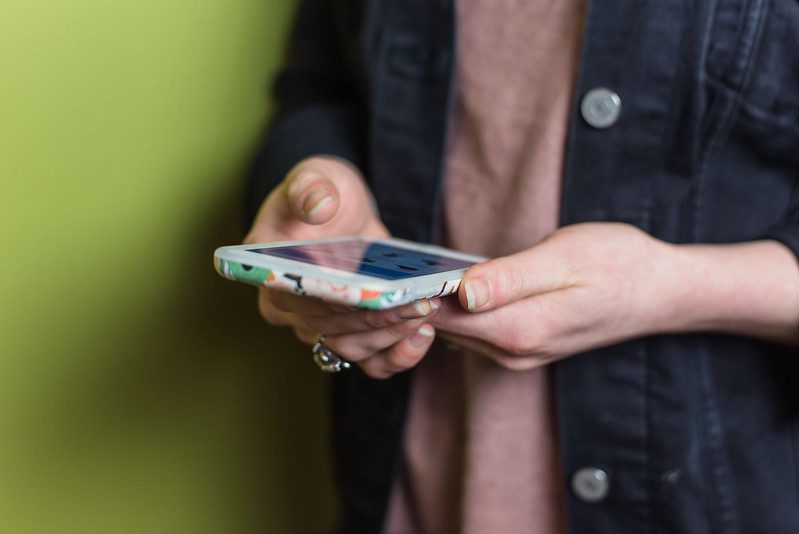
Mobile phone usage directly correlates to social welfare, women’s empowerment and gender equality in households and society. Many sub-Saharan African and West Asian countries failed to meet the quota for gender equality in 2015. Additionally, South Asia has the most prevalent mobile gender gap.

There is a 28% difference in cell phone usage between men and women. On average, women earn less salary than men and are less likely to receive an education. As a result, many women are illiterate. This severely limits a woman’s sense of independence and financial liberty. Cell phone usage is one large indicator of gender inequality. According to GSMA Connected Women, women are 10% less likely to own a cell phone than men in low-to-middle-income countries.

Women’s Empowerment

Mobile phone usage directly links to a sense of empowerment and freedom. According to the Mobile Gender Gap’s 2019 report, women with access to mobile phones in developing nations are more involved in decision-making within the household and community. Furthermore, cell phones allow women to make decisions regarding contraception and easily find information on HIV testing. Many women living in South Asia and sub-Saharan Africa are unaware of the opportunities that come with mobile phone usage.

There are numerous benefits to closing the mobile gender gap. Women become more empowered, connected, safe and are able to access information and services with ease. Additionally, closing the gender gap allows for considerable commercial and economic progress. Including women in technological advancements aids in building the society and economy substantially.

According to a Food Policy study conducted in Uganda, mobile phone usage directly connects to an increase in household income, women’s empowerment, food security and improved dietary quality. Small farm households that use mobile phones improve social welfare as well. Furthermore, the study found that eliminating the mobile gender gap increases economic and social development in developing countries. The GSMA reported that if the gender gap is closed by 2023, an additional $140 billion would be generated in revenue for the mobile industry.

What’s Being Done

Since 2014, 250 million women have obtained cell phones. While the gender gap is certainly shrinking, there is still a significant disparity. However, the GSMA Connected Women Program is working with mobile operators to combat this inequality. It aims to break down the barriers women face when accessing and using mobile internet services. The organization’s goal is to significantly reduce the mobile gender gap and provide commercial opportunities for the mobile industry. The Connected Women has reached more than 19 million women in the past three years.

Similarly, the Mobile Phone Literacy Project aims to sustain and spread mobile literacy interventions for women and girls. For example, female participants in the mobile-based post-literacy program in Pakistan have exhibited notable literacy improvements.

The benefits of mobile phones and internet services are momentous. Women experience a sense of safety, empowerment, financial independence and have increased access to learning services. Projects such as the Mobile Phone Literacy Project are helping to eradicate gender inequality. While the mobile gender gap is steadily closing, there is still much more to be done to maintain gender equality.

– Nina Eddinger
Photo: Flickr

March 26, 2021
https://borgenproject.org/wp-content/uploads/borgen-project-logo.svg 0 0 Kim Thelwell https://borgenproject.org/wp-content/uploads/borgen-project-logo.svg Kim Thelwell2021-03-26 07:31:062021-03-22 09:36:42Empowering Women: Closing the Mobile Gender Gap
Global Poverty, Health, Women

Mental Health Emergency Care Services for Women

Mental Health Emergency Care Services
Mental health emergency care services are a necessity for women across the globe. One in three women experiences a physical or sexual violation in their lifetime. The mental health implications of sexual and physical abuse against women are staggering. According to the World Health Organization (WHO) and the U.N., “Women who experience physical or sexual abuse are twice as likely to have an abortion.” It claims “the experience nearly doubles their likelihood of falling into depression,” as well as “[makes] them more likely to acquire HIV” and “have alcohol disorders.” Sustainable Development Goal (SDG) 5 is to “achieve gender equality and empower all women and girls.” Through this Sustainable Development Goal, the United Nations seeks to end gender-based violence.

In the meantime, many women suffer under the impact of the violence they have already endured. However, there are mental health agencies, emergency care centers and programs that help women after they suffer physical trauma. Here is some information about mental health emergency care services for women.

Samburu Girls Foundation

Doctor Josephine started the Samburu Girls Foundation after rescuing her cousin from a forced marriage and subsequently saving 20 other children. Samburu now rescues at-risk girls in four different counties in Kenya: Samburu, Marsabit, Isiolo and Laikipia. Samburu Girls Foundation helps girls escape child marriage, beading and female genital mutilation (FGM). Pro-bono counselors work to provide safe living conditions and psychological help to young girls who have suffered from sexual and physical abuse. The foundation also seeks to equip the children with a valid education. This occurs through the Schools End FGM program. This program educates communities on the harm that practices such as female genital mutilation induce. Over 1,183 girls have received help from this organization.

Forgotten Women Sexual Trauma Clinic

The organization, Forgotten Women, has a sexual trauma clinic that serves over 105,000 women per year. Its clinic primarily reaches Rohingya women who experienced sexual assault. Many of these women suffer from internal tearing and infections, thousands of whom have become pregnant. Since 2017, over 900,000 people have escaped from Myanmar to Bangladesh refugee camps. Unfortunately, a change in environment has not resolved the trauma that lingers with thousands of the brutalized women. Forgotten Women’s clinic offers several mental health services, such as one-to-one trauma therapy and group counseling sessions. These are necessary services that invest in the healing and well-being of women who have endured sexual, physical abuse and trauma.

The Spotlight Initiative

The Spotlight Initiative is a collaborative effort between the United Nations and European Union. It focuses on eradicating violence against women and girls, specifically in the following areas: Africa, Asia, the Caribbean, the Pacific and Latin America. In Southeast Asia, The Spotlight Initiative provides counseling support via telephone to women in need. According to the initiative, “Since [April 2020], the hotline has received seven times the number of calls it did during the same period in 2019.” The counselors accept calls from women who are suffering from violence. They are responsible for collaborating with local authorities, and referring women to counselors when necessary and supplying legal support.

The pandemic has also worsened violent conditions for women in Mexico. The violence against women and girls (VAWG) caused a spike in phone calls to an additional 53% at the start of 2020. Through the aid of the Spotlight Initiative, alongside the support of the government and private sector, Grupo Posadas hotels now provide seven costless nights to women and children in need of protective services. After their stay, they receive direction to justice centers and other helpful resources.

Collaboration

Working alongside the United Nations on the Sustainable Development Goals is a powerful way to end violence against women and girls. Violence has increased due to the conditions that the pandemic brought on. The services provided by organizations operating under The Spotlight Initiative,  such as Forgotten Woman’s Sexual Trauma Clinic and Samburu Girls Foundation, are vital resources. They provide meaningful, mental health support emergency care services to women and girls that have already experienced violence and need help.

– Hannah Brock
Photo: Flickr

March 22, 2021
https://borgenproject.org/wp-content/uploads/borgen-project-logo.svg 0 0 Kim Thelwell https://borgenproject.org/wp-content/uploads/borgen-project-logo.svg Kim Thelwell2021-03-22 09:59:222021-05-19 09:59:36Mental Health Emergency Care Services for Women
Global Poverty, Women and Female Empowerment, Women's Rights

The Two Sides of Women’s Rights in Bahrain

Women’s Rights in Bahrain
Bahrain, a small Middle-Eastern country off the coast of the Arab Peninsula, consists of Bahrain Island and 30 smaller islands. Due to its coastal location, Bahrain has greater access to ocean travel and, in consequence, a wider range of influences than its Arab-Islamic neighbors. These influences have made Bahrain a more ethnically and religiously diverse nation, and, while still conservative, more liberal and accepting in its interpretation of Islam. However, women’s rights in Bahrain have lacked in many ways.

The openness regarding interpretations of Islam has brought positive change for female rights and Bahraini women are the most liberally educated in the MENA (Middle-Eastern North-African) region. However, Bahraini law is a complicated combination of royal decrees, civil and criminal codes and Sharia law (religious Islamic law that comes from the Quran and the Hadith). As a result, while the secular part of Bahraini law advances women, the religious part holds them back. Here is a breakdown of these opposing legislative forces in the improvement of women’s rights in Bahrain.

The Background

Since he took the throne in 1999, the political and economic reforms of hereditary leader Hamad bin Isa Al-Khalifa have sparked the improvement of women’s rights in Bahrain. Bahrain’s 2002 constitution set women equal to men, guaranteeing gender equality in, “political, social and economic spheres, without breaching the provisions of Islamic law.” While this seems hopeful, the constitution also stated that “the family is the cornerstone of society, the strength which lies in religion, ethics and patriotism,” meaning the nation still believes in a traditional and conservative role for women.

Even more, no provisions exist in the constitution explicitly banning discrimination on the grounds of gender in the workplace or any other sphere of society. While popular protests have demanded a fully elected legislature in 2005 and increased democratic representation, an end to discrimination against Sunnis and the creation of an anti-corruption agency in 2011, no revisions have occurred to the 2002 constitution and the constitution has not given additional rights to Bahraini women.

CEDAW

Bahrain joined the Convention on the Elimination of All Forms of Discrimination Against Women (CEDAW) in 2002. CEDAW is an international treaty from the United Nations that defines what constitutes discrimination against women and sets out an agenda to eliminate it. Bahrain made great strides for women by joining CEDAW, providing its female citizens with adequate healthcare, education and employment opportunities. However, the nation joined the treaty with reservations about CEDAW’s articles that contradicted the Sharia, which included the prohibition of discrimination within governmental policies, the right for a woman to pass citizenship to her husband and children, freedom of movement regarding residency and equality in marriage and family life.

Islamic law mandates that men receive more inheritance than women and that children take citizenship from their fathers. Moreover, it states that it is unacceptable for women to live outside their married houses. Thus, while CEDAW improved women’s rights in Bahrain, the country’s commitment to Sharia law prevents Bahrain from truly accepting these social reforms.

Political Rights

In Bahrain, women have the right to vote and stand in local and national elections. Bahrain was the first nation to grant universal female suffrage in 2002 and, by the 2006 elections, 16 female candidates ran for the Council of Representatives and women made up 50.2% of the vote. While women have won elections, they have an exceedingly difficult time getting elected and even running, making women underrepresented in decision-making positions.

Only 39 female candidates ran in the 2018 parliamentary elections in comparison to 330 men. However, since adopting its new constitution, the Bahraini government has made considerable efforts to elect more women through its Supreme Council of Women, a semi-governmental body that the king’s wife runs. The Supreme Council of Women has had a powerful influence and, in 2018, Bahraini citizens elected six women to Bahrain’s lower house of Parliament, doubling their previous number and setting the record as an all-time high of elected female representatives in the nation.

Education

In 2007, Bahraini women made up 72% of the students at Arabian Gulf University and 67% of the University of Bahrain, exceeding the percentage of men at these universities. However, despite dominating the student population, Bahraini women frequently do not work in the workforce. Due to the strong traditional values of Islam, many subjects are unavailable to female students. Technical subjects are only available to male students, and textile classes are limited to females. While women receive the opportunity for education, they must study subjects that have low demand in the workforce, increasing their likelihood of unemployment.

Economic Rights

True economic equality is hard to achieve in Arab nations and the majority of the Bahraini workforce is male. Women only make up around one-fifth of the working population. However, the Bahraini government encourages women to work, creating incentives for employers to hire Bahraini women. For example, the government implemented a rule stating that hiring a Bahraini woman counts as hiring two citizens, helping companies increase their percentage of indigenous employment so they can employ more foreign workers (who tend to work for cheaper). Despite this government encouragement, Bahraini women face hard social pressures to stay at home and take care of their family, as is customary in Islamic tradition.

Social Rights

In May 2009, the government passed its first personal status law, a huge step for women’s rights in Bahrain. The new law granted women the right to consent to marriage and have conditions in a marriage contract. It also allowed women to take a separate residence if their husband marries a new wife.

Many laws exist that are discriminatory towards women. In Islamic court, a woman’s testimony is worth half of a man’s (however in civil court, testimonies are equal). In addition, no laws exist to protect women from gender-based violence. If a man assaults a female relative, he may face a few days in jail, but then only has to sign a pledge and pay a fee. Even more, spousal rape is legal and a rapist may avoid punishment if he agrees to marry his victim. These laws have deep roots in Islamic law, which grants men and women unequal rights in social and family life.

NGOs

In conjunction with the Supreme Council of Women, many NGOs have been fighting and advocating for women’s rights in Bahrain. Specifically, the Bahrain Women’s Union has had an especially strong impact on the advancement of women’s rights. While 456 NGOs exist in Bahrain, only 19 focus on women’s rights, and 12 of those 19 are a part of the Bahrain Women’s Union. The group aims for women to be more active politically and fights all forms of gender discrimination in Bahrain. After its creation in 2006, the Bahraini Women’s Union worked toward ratifying CEDAW and passing the personal status law. Other influential NGOs in Bahrain include the Awal’s Women’s Society, which provides free legal advice to abused women and the Batelco Anti-Domestic Violence Center, which rehabilitates domestically abused women.

The state of women’s rights in Bahrain is complex and manifold. The nation’s complicated combination of religious and secular law stops many gender discrimination reforms from reaching their full potential. Many NGOs and international organizations are actively helping to advocate for and win rights for Bahraini women but this work does not exempt these women from the societal norms pressuring them into traditional roles in the household. While Bahrain still has a long way to go, its relatively liberal interpretation of Islamic law and openness to equality leaves hope for the continued advancement of women’s rights.

– Georgia Bynum
Photo: Flickr

March 19, 2021
https://borgenproject.org/wp-content/uploads/borgen-project-logo.svg 0 0 Jennifer Philipp https://borgenproject.org/wp-content/uploads/borgen-project-logo.svg Jennifer Philipp2021-03-19 01:31:072024-06-04 01:08:50The Two Sides of Women’s Rights in Bahrain
Global Health, Global Poverty, Violence Against Women, Women and Female Empowerment, Women's Rights

Gender Equality Issues in Moldova

Gender Equality Issues in Moldova
Massive advancements in the quest for gender equality have filled the Modern Era. In the early 20th century, suffrage was pivotal in allowing women to obtain the right to vote. No-fault divorce, maternity leave, the Voting Rights Act and the Civil Rights Act served to further advance the position of women. Around the world, these acts and ones like it have served to acknowledge and reform many factors limiting women’s role in society.

Need for Change

Despite many of these advances, a great deal more progress is necessary. Women are far more likely to be victims of sexual, spousal and physical abuse than men. Additionally, women still make approximately 60% of what their male counterparts earn per hour. If one acknowledges gender inequality now more than ever, why is gender equality progress so difficult to achieve? The answer may lie in the many problems the Republic of Moldova has seen. Specifically, the state of gender inequality in Moldova epitomizes that of countries gender inequality plagues, due to its deep-seated history of gender prejudice, as well as the limited effectiveness of implementing gender-based reforms.

Current Reform Efforts

Gender equality issues in Moldova have long struggled under the reign of communism. As a former member of the Soviet Union, the nation faced many limitations on expanding its people’s liberties and its economy. As a result of regressive economic situations, much of Moldova’s social culture relies on predicated, traditional gender roles. This makes the achievement of gender equality difficult, as society expects women to remain in their traditional gender roles.

Currently, Moldova’s gender equality efforts have appeared to be keeping up with those of other countries. In 2006, the government passed the Convention of the Elimination of All Forms of Discrimination Against Women. In 2016, the Republic of Moldova executed the 2030 Sustainable Development Agenda which attempted to provide social and economic freedom to all human beings. Additionally, it adopted Law No. 71, which introduced paid paternity leave of 14 days and banned the use of sexist imagery and rhetoric in advertisements. Furthermore, it promoted the empowerment of womens’ status in politics at the national and local levels as well as introduced a minimum 40% Parliament gender requirement in order to enact decision and electoral college processes.

Is it Enough?

Despite the implementation of these and similar protocols, the work is far from complete regarding solving gender equality issues in Moldova. Many of the changes are protocols and they do not reflect immediate, or even effective action towards gender reformation.

Flaws in gender equality within Moldova’s government exemplified the need for further action. Gender equality in Moldova is incredibly hard to achieve when there is a huge limitation on Moldovan womens’ political power, as they possess only a fraction of representation in government in comparison to their male counterparts.

Additionally, despite the passing of these legislations years ago, Moldova still ranks 23rd in countries with the highest gender gap. This gap is so pervasive that women still experience prejudice in the form of severe wage differences, segregation of economic level, finite aid for childcare and unequal partner support for childcare.

Moldova also has a continued issue with domestic violence towards women. A family study on violence against women found that 63% of women suffered from violent partners. The study also showed that one out of 10 women experienced some form of economic violence.

A Hopeful Future for Women

While much more work is necessary, hope exists for gender equality in Moldova. While many countries around the world have yet to seriously acknowledge or even pass legislation toward the issue of gender equality, the aforementioned legal efforts show a much more profound commitment to its cause. Furthermore, there have been sizable steps in executing the issue of gender equality. Parliament, though not yet at 40%, has reached 25.7% representation and 36% in local municipalities. Moreover, Moldova’s Minister of Foreign Affairs and European Integration, Oleg Tulea, suggests the decrease in maternal mortality rate and successful birth rates were a result of a decrease in female-directed violence.

Outside intervention has also played a role in assisting women who experience violence. For instance, the U.S. NGO Global Rights for Women taught and created manual addressing how to approach cases of domestic violence. In addition, the document covers other issues, like gender gaps, human trafficking and overall advancement. Recently, Moldova elected the country’s first female president. Maia Sandu won an impressive 57% of the vote and stands as a staunch Europeanist. This also serves as a dramatic change to the isolationist policies, previously popular in Moldova.

The path to solving gender equality issues in Moldova is a long and formidable process. However, with recent successes, the idea of profound advancement is no longer just a dream, but an ever-evolving reality.

– James Hurwitz
Photo: Flickr

March 13, 2021
https://borgenproject.org/wp-content/uploads/borgen-project-logo.svg 0 0 Yuki https://borgenproject.org/wp-content/uploads/borgen-project-logo.svg Yuki2021-03-13 07:30:182021-03-09 12:54:34Gender Equality Issues in Moldova
Global Poverty, Poverty Reduction, Women

How Financial Inclusion Can Fight Poverty

Financial inclusion can fight povertyRoughly 1.7 billion adults around the world are unbanked and most unbanked adults live in developing countries. Unbanked people have limited political, economic and social power and influence. For roughly half of the world’s unbanked who come from the most impoverished 40% of households in their economies, inaccessible financial services compound problems of poverty. Financial inclusion can fight poverty as it opens doors for people to improve their lives. The pace of technological advancement around the world is bringing universal access to financial services closer to fruition.

The Global Unbanked

Unbanked people are not connected to any type of financial institution. The most commonly cited reasons for being unbanked are not having enough money, account expenses, the distance of financial services and insufficient documentation. Nearly half of the unbanked population falls into just seven economies. The highest numbers of unbanked people are in China and India. It can be clearly noted that banking and poverty are closely related.

“Financial tools for savings, insurance, payments and credit are a vital need for poor people, especially women, and can help families and whole communities lift themselves out of poverty,” says Melinda Gates. Without a bank account, people cannot sufficiently save and the cash is not well protected. The digital economy also has the benefit of keeping a clear record of financial activities, which banks can use when underwriting loans. Loans are among the financial tools that are essential to financial growth and stability.

The Gender Gap

Women make up the majority of the unbanked population in most developing countries. Women may face deepened or additional gender-based barriers to account ownership, rooted in financial institutions, governments or society.

Financial institutions often lack products and policies that are gender-inclusive. For instance, women may find it difficult to obtain the identification or the assets needed to open and maintain an account, sometimes due to government-enforced barriers. Additionally, banking-related expenses are also a burden for women looking to enter the formal economy. Finally, the responsibility of unpaid household labor, along with barriers to education, keep many women from earning enough money to access financial services.

The Societal Roles of Women

Women may earn sufficient money but could be part of society that does not allow for them to connect to a financial institution.

For instance, the tradition of men being the head of household and in control of the finances leaves some women with little to no influence in matters of money. Approximately one in 10 women in developing countries are not involved in spending decisions involving their own earnings.

Women’s Empowerment for Poverty Reduction

Women must be part of financial inclusion efforts as they are integral to fighting poverty. Bill Gates explains that women are most likely to be behind the decisions that benefit the family. More women-led businesses and reduced inequalities are ways that an emphasis on financial inclusion for women can further a nation’s development.

Financial Inclusion Using Fintech

An emerging industry is making strides in financial inclusion. Financial technology (fintech) can be described as technological innovations in the processes and products of financial services. Fintech offers solutions to many of the problems at the root of financial exclusion. A fundamental problem is the lack of time or money to travel to distant financial institutions. Fintech has given users the convenience of accessing their accounts and financial services on a mobile device.

Fintech development has been gaining momentum since the COVID-19 pandemic began. Touchless transactions and banking reduce the risk of transmitting COVID-19 and have led many to embrace digital payment, in business and in personal practice. Fintech leaders are proving that underserved communities can be reached through financial technologies. Significantly, this helps foster financial stability for the formerly excluded.

Female-led fintech, Oraan, is working toward financial equality in Pakistan because women make up 48% of the population but only 6.3% of the formal economy. Oraan developed a platform that allows for digital savings groups. Savings groups can help empower women and ensure financial equity as they are well-established financial tools.

The Road to Universal Access

Because financial inclusion can fight poverty, digitized financial services are an effective way to improve access and inclusion. Online banking communities are empowering individuals and opening up opportunities for economic growth. By facilitating conversations about finances, informing underserved groups on the best financial practices and ensuring digital finance infrastructure is accessible, the world can make greater strides toward financial inclusion.

– Payton Unger
Photo: Flickr

March 10, 2021
https://borgenproject.org/wp-content/uploads/borgen-project-logo.svg 0 0 Kim Thelwell https://borgenproject.org/wp-content/uploads/borgen-project-logo.svg Kim Thelwell2021-03-10 08:34:042024-05-30 07:56:45How Financial Inclusion Can Fight Poverty
Page 23 of 82«‹2122232425›»

Get Smarter

  • Global Poverty 101
  • Global Poverty… The Good News
  • Global Poverty & U.S. Jobs
  • Global Poverty and National Security
  • Innovative Solutions to Poverty
  • Global Poverty & Aid FAQ’s
Search Search

Take Action

  • Call Congress
  • Email Congress
  • Donate
  • 30 Ways to Help
  • Volunteer Ops
  • Internships
  • Courses & Certificates
  • The Podcast
Borgen Project

“The Borgen Project is an incredible nonprofit organization that is addressing poverty and hunger and working towards ending them.”

-The Huffington Post

Inside The Borgen Project

  • Contact
  • About
  • Financials
  • President
  • Board of Directors
  • Board of Advisors

International Links

  • UK Email Parliament
  • UK Donate
  • Canada Email Parliament

Get Smarter

  • Global Poverty 101
  • Global Poverty… The Good News
  • Global Poverty & U.S. Jobs
  • Global Poverty and National Security
  • Innovative Solutions to Poverty
  • Global Poverty & Aid FAQ’s

Ways to Help

  • Call Congress
  • Email Congress
  • Donate
  • 30 Ways to Help
  • Volunteer Ops
  • Internships
  • Courses & Certificates
  • The Podcast
Scroll to top Scroll to top Scroll to top