• Link to X
  • Link to Facebook
  • Link to Instagram
  • Link to TikTok
  • Link to Youtube
  • About
    • About Us
      • President
      • Board of Directors
      • Board of Advisors
      • Financials
      • Our Methodology
      • Success Tracker
      • Contact
  • Act Now
    • 30 Ways to Help
      • Email Congress
      • Call Congress
      • Volunteer
      • Courses & Certificates
      • Be a Donor
    • Internships
      • In-Office Internships
      • Remote Internships
    • Legislation
      • Politics 101
  • The Blog
  • The Podcast
  • Magazine
  • Donate
  • Click to open the search input field Click to open the search input field Search
  • Menu Menu

Archive for category: Sanitation

Foreign Policy, Health, Sanitation, USAID, Water

Access to Clean Water and Sanitation, Water for the World

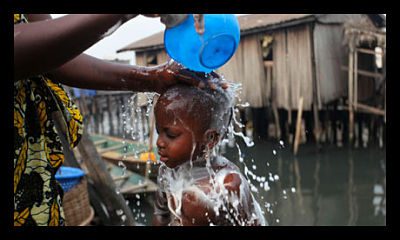
Congressmen Ted Poe (R-TX) and Earl Blumenauer (D-OR) recently introduced an important piece of legislation that may drastically improve the opportunity for every person in the developing world to access to clean water, toilets, and better hygiene practices.

The Water for the World Act of 2013, introduced by these two congressmen, is a bill that is trying to ensure that the world’s abject poor receive the attention they need from the United States in the attempt to seek improvements in clean water access and hygiene. It is important to note that this act does not seek to create new agencies or programs, but to improve the efficiency of existing programs. The emphasis is not on higher dollar amounts, but more strategic approaches in trying to improve the lives of the world’s poorest people.

Worldwide water sanitation holds important implications for those suffering in precarious conditions, as well as the global economy. The World Bank notes that water sanitation and hygiene programs are a great return on investment: For every $1 spent, $4 is returned in economic productivity, which contributes greatly to the world economy. If people do not have to worry about access to clean water, they can spend more time becoming educated, caring for their families, and contributing to both their economy and the worldwide economy. This would amount to over $220 billion being added to international trade each year.

Improvements in water sanitation, access, and hygiene that the Water for the World Act will try to effect will also significantly reduce transmissions of diseases such as pneumonia. Indirectly, rates of education will improve, as less people worldwide will suffer from malnutrition and diarrheal disease due to dirty water. As literacy rates increase, the rising middle class in developing countries will fight for more transparent and accountable governments. More responsible governance around the world is a key objective of U.S. foreign policy, but it cannot ever be realized if world populations are without access to clean water and sanitation.

Global water, sanitation, and hygiene programs currently constitute less than 1% of the budget of the United States Agency for International Development. Due to the bipartisan leadership of Poe and Blumenauer, their act will place a greater focus on enhancing the capacity of the U.S. government to provide for the world’s poorest, a much needed shift in policy which will stretch this 1% to help more people around the world.

– Rahul Shah

Sources: Huffington Post, WASH Advocates, USAid
August 20, 2013
https://borgenproject.org/wp-content/uploads/borgen-project-logo.svg 0 0 Borgen Project https://borgenproject.org/wp-content/uploads/borgen-project-logo.svg Borgen Project2013-08-20 05:53:292017-11-30 10:46:28Access to Clean Water and Sanitation, Water for the World
Sanitation

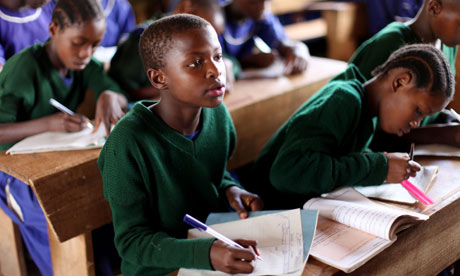
Sanitation Revolution In Nigeria

Sanitation_Nigeria
Betty Torkwase Ikyaator is a water and hygiene consultant for UNICEF Nigeria. Over the last few years, Ms. Torkwase Ikyaator has transformed the hygiene and sanitation standards across Nigeria. In 2008, only 15 communities were open defecation free. Now, more than 4,500 communities are open defecation free.

In a small village of 45 households, Betty Torkwase Ikyaator asks the children for a tour. Ms. Ikyaator asked them where they used the toilet. The children point to an open field, spewing with a disgusting stench, and giggle. Ms. Ikyaator and her team of eight take the children back into the village and gather a group of villagers for a simple presentation. She puts a plate of food, an open water pitcher and pile of excrement next to one another. The villagers watch as files move from the excrement to the pitcher and back again. A simple demonstration such as this makes evident the dangers of contamination, but more importantly, the importance of sanitation.

Shortly afterwards, she led a discussion with community leaders about hygiene and the importance of proper waste disposal systems. A committee of villagers is formed which commits itself to providing each household with a toilet of its own. Ms. Ikyaator leads these discussions to enlighten villagers in the most remote areas of Nigeria about the importance of sanitation. This is no easy task, but by showing villagers the dangers of improper sanitation, Ms. Ikyaator believes that she can empower these communities with the knowledge and desire to change their current living situations for the better.

According to Ms. Ikyaator, follow-up is important. “We keep coming back to the community, checking in on them, giving them encouragement and supporting the procress. But once they realize the benefit, especially in keeping their children healthy, it becomes part of their way of life.”

Ikyaator’s community-led program could prove beneficial to more than just Nigeria. In Africa, 62% of all people do not have access to a toilet. For every $1 spent on improvements to sanitation, $9 USD is typically yielded in reduced health costs, increasing returns on education and safeguarding water resources. Poor sanitation is linked to cholera, schistosomiasis, trachoma and diarrhea, the second largest killer of children in developing countries. Improved sanitation has a serious impact on health and social development. Conversely, sanitation is the most cost-effective major public health intervention to reduce childhood mortality. In addition, access to proper toilets creates physical environments which promote self-respect, dignity, and enhanced safety for women and children, many of whom suffer from sexual harassment and assault when defecating at night or in remote areas.

As of right now, the world is not on track to the meet MDG 10 to halve the proportion of the population without access to safe drinking water and sanitation. From 1990-2004, the WHO and UNICEF worked together to provide 1.2 billion more people with access to improved sanitation. But, the UN is 700 million people short of missing the MDG. And without proper sanitation and clean drinking water, poverty eradication and disease control are impossible.

– Kelsey Ziomek

Sources: UNICEF, Connect Nigeria, WHO, Global Poverty Project
Photo: The Guardian

August 13, 2013
https://borgenproject.org/wp-content/uploads/borgen-project-logo.svg 0 0 Borgen Project https://borgenproject.org/wp-content/uploads/borgen-project-logo.svg Borgen Project2013-08-13 05:44:362024-05-25 00:15:41Sanitation Revolution In Nigeria
Global Poverty, Health, Sanitation

5 Ways to End Global Poverty

5 Ways to End Poverty
The end of global poverty is in sight. While this may seem like a difficult, if not impossible feat, in fact, the opposite is true. By adhering to these concepts, the United Nations states that poverty can be ended in the near future.

  1. Economic Growth: Training and education are key for economic growth in the developing world. Once these two necessities are met, more jobs can be created and people will earn more money to fuel the economy.
  2. Representative and Responsible Government: Corruption has been known to prevent foreign aid from reaching the most impoverished people. Open governments are less likely to be corrupt and more likely to provide social services to their citizens.
  3. ‘Green’ agriculture and development: Due to climate change and population increases, environmentally friendly policies are critical for ensuring sustainability and healthy lifestyles.
  4. Healthcare/Sanitation: Without access to proper healthcare, communities are affected by disease, illness and death, factors that contribute to lack of economic development and social progress. Access to clean water and sanitation will also improve health conditions. When children are healthy, they can go to school and grow up to have careers, thus ending their parents’ poverty cycle.
  5. Global Partnerships: No one country can end global poverty on its own. In order to reduce poverty, everyone must work together to ensure that these other factors are met. Foreign aid, improving trading relations or diplomacy are ways that countries can contribute to eliminating poverty.

Although this is a simplified list, these big ideas are vital for finally ending world poverty. Once poverty is reduced, hunger, war, and illicit operations common to developing countries will no longer be prevalent because people will no longer be imprisoned by extreme poverty. The U.N. is on track for meeting its Millennium Development Goals and hopes to see the end of world poverty by 2030.

– Mary Penn

Sources: Plan Canada, Government of the United Kingdom
Photo: The Guardian

August 6, 2013
https://borgenproject.org/wp-content/uploads/borgen-project-logo.svg 0 0 Borgen Project https://borgenproject.org/wp-content/uploads/borgen-project-logo.svg Borgen Project2013-08-06 11:04:582024-05-25 00:14:535 Ways to End Global Poverty
Sanitation, Water

5 Facts about Clean Water and Sanitation

Water_Sanitation_Facts

  1. The water and sanitation crisis claims more lives through disease than any war claims through guns. Unlike war, however, this global crisis does not make media headlines. Today, national security concerns rank high on the international agenda. Terrorist threats, violent conflict, the growth of illicit trade in arms and drugs, and the proliferation of nuclear weapons are of major concern. Against these challenges many lose sight of basic human security imperatives, including those linked to water. No act of terrorism, however, generates economic devastation on the level of the water and sanitation crisis.
  2. At the start of the 21st century unclean water is the world’s second biggest killer of children. Every 21 seconds a child dies from a water-related illness, a rate equivalent of a jumbo jet crashing every four hours. A total of 3.4 million (adults and children) people die each year from a water related disease. That is almost the entire city of Los Angeles. 99 percent, or nearly all deaths, occur in the developing world.
  3. In our increasingly prosperous world, more than 1 billion people are denied the right to clean water and 2.6 billion people lack access to adequate sanitation. These numbers are rooted in institutions and political choices, not in water’s availability. In high-income areas of cities of Asia, Latin America and Sub-Saharan Africa people enjoy access to several hundred liters of water a day delivered into their homes by public utilities. Meanwhile, poor households and slum dwellers in rural areas of the same countries have access to much less than the 20 liters of water required for one person to meet the most basic human needs.
  4. Women and young girls are especially disadvantaged by the water crisis as they are traditionally burdened with the responsibility of collecting water, sacrificing their time and education. Every person is entitled to an equal set of social, political, and civil rights. This equal citizenship includes the means to exercise these rights effectively. Water insecurity compromises these rights. A woman who suffers from recurring water-related illness, or spends long hours collecting water, has less capacity to participate in society, even if she can take part in electing her government. In total, women spend 200 million hours a day collecting water.
  5. Cutting the proportion of those without access to safe drinking water and adequate sanitation in half by 2015 is estimated to result in about 272 million more school attendance days a year. Also, the value of deaths avoided, based on discounted future earnings, would total about US$ 3.6 billion a year. Diarrhea is the second leading cause of death among children in the world under the age of five. Sanitation and proper hygiene are crucial to the prevention of diarrhea.

– Ali Warlich

Sources: Water.org, UNDP, WHO
Photo: Blogspot

July 27, 2013
https://borgenproject.org/wp-content/uploads/borgen-project-logo.svg 0 0 Borgen Project https://borgenproject.org/wp-content/uploads/borgen-project-logo.svg Borgen Project2013-07-27 14:00:292024-05-25 00:09:225 Facts about Clean Water and Sanitation
Sanitation, Water

Water in New Delhi

water-in-new-delhi_opt
In the north Indian city of New Delhi, severe water shortages affect the entire city, a problem that will only be exacerbated as demand rises in the summer months. As the heat rises, demand for water can outstrip availability by 25% — and this number only refers to those areas of the city connected to the city infrastructure. Up to a quarter of the inhabitants of New Delhi have no access to piped water. In these areas people are forced to seek water from overused wells or polluted rivers, or the occasional tanker of water that is delivered.

As ever, the shortages are felt more strongly in lower economic circles. But even middle-class citizens are left scrounging for water to supplement what the city provides.

Many factors contribute to these continuing shortages. New Delhi’s population has swollen by nearly 50% over the past 20 years, and the city has been unable to keep up with infrastructural development. Across the city’s network, 25-40% of piped water is lost due to leaks, before arriving at its destination. Additionally, the majority of waste produced goes untreated, and is released into local bodies of water, polluting them and making them unusable as resources. For example, the Yamuna river, whose source lies in the Himalayas, enters the city still relatively clean, at which point some 200 million gallons are extracted from the river every day by the public water agency. However, as the river runs through the city, nearly a billion gallons of public sewage is dumped into it daily.

This problem of waste causes severe health concerns, especially in slums with no connection to the city’s sewage systems. In these areas sewage is left exposed,  contaminating water sources used for bathing and washing.

The irony of these water shortages is that New Delhi has access to enough water to feasibly provide for the demand. But due to these issues of infrastructure and treatment, the system is failing. And those most strongly affected are those underprivileged to begin with.

With water scarcity becoming increasingly a source of potential conflict, providing the infrastructure to alleviate the burden must be a primary concern of governments globally. Demand will only continue to increase exponentially, and while cities like New Delhi will be the first to feel the strain, they will not be the last.

– David Wilson

Source: New York Times, Wall Street Journal

July 17, 2013
https://borgenproject.org/wp-content/uploads/borgen-project-logo.svg 0 0 Borgen Project https://borgenproject.org/wp-content/uploads/borgen-project-logo.svg Borgen Project2013-07-17 06:00:582024-06-10 03:39:17Water in New Delhi
Nonprofit Organizations and NGOs, Sanitation, Water

WaterAid America

WaterAid America
Water sanitation is an issue in development that receives minimal coverage when compared to its impact. Only recently the importance of access to clean water has gained international attention.

A lack of clean water not only makes basic tasks like washing, cooking, and drinking more difficult but also leads to widespread disease. Healthy members of the family are then burdened by taking care of the ill. Livelihoods are often impacted, with women often having to travel long distances to carry water back to their homes, missing out on education or economic opportunities and forcing children to take on responsibility roles in the household.

Established in 1981, WaterAid America works exclusively to provide safe water to at-risk communities globally. It currently works in 27 countries which are among the poorest countries in the world. A country must be on the lower end of the UNDP’s Human Development Index is a criteria for Wateraid to begin work.

The organization works with governments and other international NGOs, receiving funding from the U.S. and U.K. governments to carry out their work. They offer training to foreign departments which lack the resources or background to adequately handle their countries’ crises, thereby creating a sustainable solution rather than a short term intervention.

WaterAid’s impact was documented in Pulitzer Prize winning author Tina Rosenburg’s essay “The Burden of Thirst.” In it, she describes the immense difference made by having access to clean water. Hours previously spent gathering water are instead spent on gathering food or raising animals, diseases plummet and as such, families are no longer forced to care for sick relatives. Girls who previously bore the burden of fetching water are now free to spend their time getting an education.

The problem of unsafe water remains prevalent throughout the world. According to their website, today, 768 million people lack access to clean water and even more, 2.5 billion, lack sanitation.

– Farahnaz Mohammed

Sources: The Burden of Thirst

July 16, 2013
https://borgenproject.org/wp-content/uploads/borgen-project-logo.svg 0 0 Borgen Project https://borgenproject.org/wp-content/uploads/borgen-project-logo.svg Borgen Project2013-07-16 06:50:362024-05-25 00:01:53WaterAid America
Nonprofit Organizations and NGOs, Sanitation

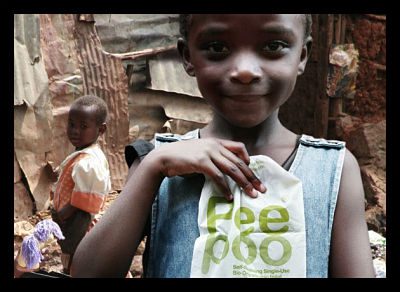
From Flying Toilets to Peepoo

Peepoo
Sadly, 40% of the world’s population lack access to basic latrines.

The lack of sanitation is a major world public health issue. Water contaminated by sewage can propagate lethal epidemic diseases such as cholera which develops in fecal secretions. Today, 2.6 billion people lack access to basic sanitation facilities.

Without toilets, people must resort to relieving themselves in plastic bags, which they throw as far away from their home as they can; a phenomenon known as “flying toilets.” In some areas, flying toilets have become a a public health concern.

In slums especially the scarcity of toilets has become particularly worrisome. Dozens of people share the same toilet, and the poor maintenance and virtually nonexistent hygiene of these places makes people more than reluctant to go. Landlords are also not willing to build more facilities, preferring instead to build more houses and rooms that they can rent to earn an income.

Women and children are the most vulnerable to the lack of hygiene. According to Peepoople, “one child dies every 15 seconds due to contaminated water from human excreta.” Just as bad, the lack of privacy makes women prey to rape and sexual harassment, especially at night when they have to look for sanitation facilities. When adolescent girls have their period, they have to stay home from school because they cannot take care of their hygiene.

Peepoople, an organization aimed at providing millions of people with sanitation facilities in the respect of their dignity, has implemented an innovative solution to curb one of the world’s most serious problems. It has created the PeePoo.

The PeePoo is a bag that “contains five grams of urea, which breaks down waste into ammonia and carbonate,” thereby transforming potentially harmful waste into harmless fertilizer. Biodegradable and designed for the world’s poorest, PeePoo bags only cost $0.03 each.

In the Nairobi slums where Peepoople operates, an incredible micro-economy has emerged after the introduction of the PeePoo bags. For instance, the bags can be used as garden fertilizer, thereby fostering local agriculture and plantation, but they can also be returned to a collection point for a reimbursement of $0.01 per bag.

Seizing the opportunity, some have even made a living off the reimbursement fee. For instance, Mama Lucy, mother of three, told Al Jazeera, “I didn’t have a regular job before the Peepoos were introduced, but I saw an opportunity when people did not want to drop off the bags themselves. Now I do two rounds a day to pick Peepoos from people’s houses. On a good week I earn about a thousand shillings ($11).” Since the introduction of the PeePoo, the number of sexual crimes has also decreased in the Silanga village, according to Mika Mitoko, project manager at Peepoople.

Involving no investment or infrastructure, the PeePoo has proved that easy and cheap solutions can save millions of lives. To learn more about Peepoople, visit their website at: https://www.peepoople.com

– Lauren Yeh

Sources: Peepoople, Al Jazeera

July 14, 2013
https://borgenproject.org/wp-content/uploads/borgen-project-logo.svg 0 0 Borgen Project https://borgenproject.org/wp-content/uploads/borgen-project-logo.svg Borgen Project2013-07-14 04:37:432024-06-04 02:43:56From Flying Toilets to Peepoo
Activism, Education, Food & Hunger, Food Security, Health, Sanitation, Water

Bruno Mars Sings for Poverty Relief

bruno mars sings for poverty relief
Bruno Mars isn’t just another handsome face singing catchy love songs. He — along with over 70 artists — is partnering with the Global Poverty Project to address poverty worldwide by using a fanbase to raise awareness and funds.

Global Citizen is a website managed by the Global Poverty Project that centralizes information about global poverty and opportunities to help. Its ultimate goal is to increase the number of citizens actively advocating for change. The site is comprised of actions related to education and advocacy campaigning, all of which address 13 key issues:

  • Food and Hunger
  • Primary Education
  • Gender Equality
  • Child Mortality
  • Maternal Health
  • Fighting Diseases
  • Water and Sanitation
  • Environmental Sustainability
  • Global Partnerships
  • Fighting Corruption
  • Effective Governance
  • Polio Eradication
  • Fair Trade

Participation in Global Citizen actions such as watching a video about extreme poverty, signing petitions, contacting representatives or volunteering time or money earn points for users, which can be redeemed for prizes.

14-time Grammy Award nominee Bruno Mars is one of over 70 artists who realize the importance of ending global poverty. As touring recording artists, they are exposed to areas of the world that suffer the effects of extreme poverty in outrageous percentages. Recognizing the power of their celebrity, they have stood up to support the movement. Mars joins a group of industry power-players like Jay-Z, Beyoncé, Bruce Springsteen, Pearl Jam, Kings of Leon, Kesha, Kanye West, John Mayer and more who have donated at least 2 tickets from each show scheduled in their current tour, resulting in over 20,000 tickets donated to Global Citizen. Once users reach enough points, they can enter a drawing for a chance to win concert tickets. Another option is simply redeeming a higher number of points for tickets, similar to the ‘Buy It Now’ feature on eBay.

Extreme poverty has been cut in half in the last 30 years, and the knowledge and resources necessary to end the crisis completely within a generation are available. It won’t happen overnight, but Global Citizen is breeding an army: an army with the power to end extreme poverty by making informed consumer decisions and advocating for change. Global Citizen and artists like Bruno Mars are helping people to see that every voice counts and every person is capable of changing lives around the world.

– Dana Johnson

Source: Global Citizen, New York Times
Photo: Smash Vault

July 10, 2013
https://borgenproject.org/wp-content/uploads/borgen-project-logo.svg 0 0 Borgen Project https://borgenproject.org/wp-content/uploads/borgen-project-logo.svg Borgen Project2013-07-10 07:00:312016-04-07 18:48:02Bruno Mars Sings for Poverty Relief
Sanitation

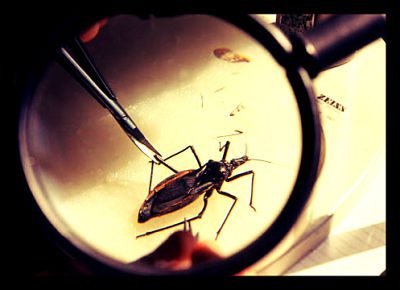
Neglected Parasitic Diseases

Chagas-Disease-parasite

The World Health Organization (WHO) wants to draw attention to diseases that have typically been neglected and underreported. Referring to treatment for schistosomiasis, Dr. Margaret Chan, Director-General of the World Health Organization, stated, “We can blanket this part of the world [Africa] with medicines that rid every schoolchild of worms and eggs, parasites that interfere with their learning, impair cognitive development, and compromise their nutritional status.” These are ten parasitic diseases WHO classifies as neglected.

1. Chagas Disease is transmitted through a triatomine bug’s sting, or by contact between the bug’s infected feces and open wounds or mucous membranes. In its chronic phase, parasites embed in tissue such as heart or digestive muscle. Symptoms include a purplish bruise, a fever lasting several weeks, headache, abdominal pain, cough, rash, diarrhea, chest pain, heart failure, and less commonly seizures or paralysis. There is no vaccine available, but insecticide treatments, bed nets, and good hygiene practices can prevent contraction.

2. Dracunculiasis, or “Guinea-worm disease” is caused by the ingestion of contaminated water. Over about a year, the parasite painfully migrates through tissues, eventually emerging from a painful blister formed on infected persons’ feet. Often relief is sought by immersing the body in cold pond water. Unfortunately, this causes the female worm to release thousands more larvae into the water. When a person drinks the contaminated water, the larvae migrate through their intestinal wall and the process begins again. There are no drugs available to prevent or heal the disease. Patients frequently remain sick for several months, although it is rarely fatal.

3. Echinococcosis develops in humans by ingestion of Echinococcus granulosus eggs, primarily through contact with infected dogs or by consuming contaminated food or water. If left untreated, Echinococcosis has a high fatality rate in humans.

 4. Foodborne Trematodiases are a group of parasitic infections caused by unsanitary food preparation or defecation of infected animals in fresh-water sources. The infections that make up Foodborne Trematodiases are Clonorchiasis, Fascioliasis, Opisthorchiasis and Paragonamiasis. Symptoms include fever, abdominal pain, chest pain, bacterial infections, nausea, skin rashes, and in some cases fatal forms of bile duct cancer.

 5. Human African Trypanosomiasis, or “Sleeping Sickness” is transmitted by the bite of a tsetse fly. The disease affects mostly poor populations living in rural areas of Africa. If left untreated, Sleeping Sickness is usually fatal.

6. Lymphatic filariasis, or elephantiasis, is a painful disease that causes disability and disfigurement. Infection usually occurs in childhood, while visible symptoms don’t appear until adulthood. Filarial infection can cause fluid retention, fever, and genital disease. Nearly all infected persons suffer lymphatic damage and nearly half suffer kidney damage.

7. Onchocerciasis, or “River Blindness” is transmitted through the bites of infected blackflies. Infection leads to blindness, skin rashes, lesions, intense itching, and skin discoloration. Insecticide treatment of blackfly breeding sites can prevent the spread of onchocerciasis, and there is a drug available to treat symptoms and reduce transmission potential.

8. Schistosomiasis is transmitted through contact with larvae infested water. It affects nearly 240 million people worldwide in areas without potable water or sanitation, causing chronic sickness. Anthelminthic drugs now offer some control of schistosomiasis in marginalized communities.

9. Soil-transmitted Helminth infections are transmitted by roundworm, whipworm, or hookworm eggs present in soil where sanitation is poor. It is estimated that over 880 million children need treatment for these parasitic infections which can cause diarrhea, abdominal pain, weakness, intestinal bleeding, loss of appetite, reduction in absorption of micronutrients, intestinal obstruction, rectal prolapsed, and diarrhea.

10. Cysticercosis is an intestinal infection of adult tapeworms that can develop in a number of tissues. Those located in the central nervous system are known to be the most frequent preventable cause of epilepsy in the developing world.

– Dana Johnson

Source: WHO, WHO Speeches
Photo: ABC News

July 6, 2013
https://borgenproject.org/wp-content/uploads/borgen-project-logo.svg 0 0 Borgen Project https://borgenproject.org/wp-content/uploads/borgen-project-logo.svg Borgen Project2013-07-06 05:17:232024-05-24 23:57:36Neglected Parasitic Diseases
Children, Development, Extreme Poverty, Health, Sanitation

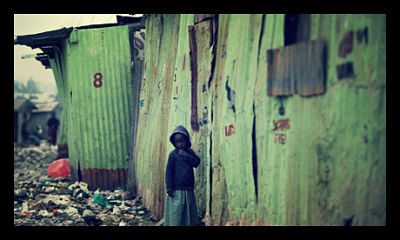
Slums, Sanitation and Misery

Slums, Sanitation and Misery

For the people living in the Korogocho slums in Nairobi, Kenya, life can be a constant struggle. The threat of disease and unclean drinking water looms in the minds of those who have no other options but to live in areas with broken sewage pipes and “flying toilets.” These unsanitary conditions put the people in Korogocho at risk for health problems and leave them vulnerable to exploitative water companies.

The typical day for someone living in the slums may involve the use of a flying toilet, a plastic bag used to dispose of human waste. While there are some pay-toilets, most people cannot afford the money to use one. As a result, these plastic bags can be found discarded in the streets of the slums among the broken sewer lines.

As the population in Nairobi grows, more slums are popping up. In Kenya, the number of people without access to toilets has risen to 20%. Access to piped water is even lower in urban areas, 38.4% (and 13.4% of the rural population). These numbers are likely to mimic the sanitation circumstances in Nairobi.

The health implications of unsanitary water systems are illnesses including malnutrition, diarrhea, cholera and typhoid fever. When water mixes with sewage, it creates a breeding ground for inimical viruses and germs. International health organizations and Kenya’s government are eager to improve sanitation in order to save lives. Currently, one in five African children dies from diarrhea before the age of five.

Simple ways to improve the sanitation system in Korogocho include mobile toilets, bucket removal, and dry composting toilets. However, even these solutions can result in human remains ending up in the Nairobi River. The Kenyan population is expected to increase by one million people every year, which will further exacerbate the struggling water and sanitation system. Until these problems are seriously addressed, Kenyans will continue to endure preventable illnesses.

– Mary Penn

Source: IRIN News
Photo: The Guardian

July 1, 2013
https://borgenproject.org/wp-content/uploads/borgen-project-logo.svg 0 0 Borgen Project https://borgenproject.org/wp-content/uploads/borgen-project-logo.svg Borgen Project2013-07-01 11:20:262020-07-12 20:50:34Slums, Sanitation and Misery
Page 28 of 29«‹26272829›

Get Smarter

  • Global Poverty 101
  • Global Poverty… The Good News
  • Global Poverty & U.S. Jobs
  • Global Poverty and National Security
  • Innovative Solutions to Poverty
  • Global Poverty & Aid FAQ’s
Search Search

Take Action

  • Call Congress
  • Email Congress
  • Donate
  • 30 Ways to Help
  • Volunteer Ops
  • Internships
  • Courses & Certificates
  • The Podcast
Borgen Project

“The Borgen Project is an incredible nonprofit organization that is addressing poverty and hunger and working towards ending them.”

-The Huffington Post

Inside The Borgen Project

  • Contact
  • About
  • Financials
  • President
  • Board of Directors
  • Board of Advisors

International Links

  • UK Email Parliament
  • UK Donate
  • Canada Email Parliament

Get Smarter

  • Global Poverty 101
  • Global Poverty… The Good News
  • Global Poverty & U.S. Jobs
  • Global Poverty and National Security
  • Innovative Solutions to Poverty
  • Global Poverty & Aid FAQ’s

Ways to Help

  • Call Congress
  • Email Congress
  • Donate
  • 30 Ways to Help
  • Volunteer Ops
  • Internships
  • Courses & Certificates
  • The Podcast
Scroll to top Scroll to top Scroll to top