• Link to X
  • Link to Facebook
  • Link to Instagram
  • Link to TikTok
  • Link to Youtube
  • About
    • About Us
      • President
      • Board of Directors
      • Board of Advisors
      • Financials
      • Our Methodology
      • Success Tracker
      • Contact
  • Act Now
    • 30 Ways to Help
      • Email Congress
      • Call Congress
      • Volunteer
      • Courses & Certificates
      • Be a Donor
    • Internships
      • In-Office Internships
      • Remote Internships
    • Legislation
      • Politics 101
  • The Blog
  • The Podcast
  • Magazine
  • Donate
  • Click to open the search input field Click to open the search input field Search
  • Menu Menu

Archive for category: Refugees

Global Poverty, Refugees, War and Violence

8 Facts About the Vietnam War and Vietnamese Refugees

10 Facts About the Vietnam War
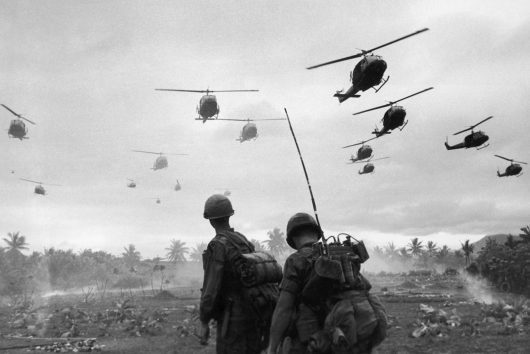
Over the course of 30 years, the Vietnam War not only contributed towards the intensity of the Cold War but also directly resulted in mass displacement and escalating poverty as Vietnamese refugees fled the region. The humanitarian emergency that the debilitating conflict created also impacted neighboring nations like Laos and Cambodia.

In an effort to contain Communism in then Indo-China, the U.S. began to progressively involve itself in the growing hostility between the North and the South. The U.S. aspired to salvage Ngo Din Diem’s regime in the South despite his unpopularity among the working class and the priests so that it could control the excesses of Ho Chi Minh’s communist guerilla group, the Viet Cong.

After the Gulf of Tonkin Resolution was passed, the U.S. became fully embroiled in the war. Record amounts were spent on military support to Vietnam, including chemical weaponry such as weedkillers, napalm and Agent Orange. The guerilla warfare tactics, coupled with public outrage in the U.S. after atrocities during the My-Lai massacre brought an end to the war after the Fall of Saigon.

The Vietnam War is reminiscent of yet another situation we see today with the refugee crisis, brought about by persecution and human rights violations.

8 Facts of Vietnamese Refugees and the Vietnam War

  1. A total of three million people from Laos, Cambodia and Vietnam fled over the span of two decades, out of which 800,000 Vietnamese fled by boat according to the UNHCR.
  2. Vietnamese refugees who fled were later called the ‘Boat people of Vietnam’. Not unlike the scene of the mass exodus in Europe, the defectors used ramshackle fishing boats not devised to be used in the open sea. Owing to the sheer numbers who were trying to flee, the boats were often overcrowded.
  3. The primary causes of death were drowning at sea as a result of being smuggled. The refugees were attacked by pirates and were trafficked and sold into slavery and prostitution.
  4. Two hundred thousand Cambodians and Vietnamese displaced by the war were allowed to enter the U.S. on a ‘parole’ status under the Indochina Migration and Refugee Assistance Act passed in 1975. An aggregate of 450 million dollars was spent on this initiative, with over a million refugees finding asylum in the United States.
  5. Despite a 1979 U.N. conference to regulate the number of refugees residing in refugee camps in Southeast Asia, the United Nations finally resolved to stretch the limits of regular migration to help Vietnamese refugees seek asylum successfully.
  6. Owing to the success that Vietnam has had in achieving the U.N. Sustainable Development Goals and achieving food security, the food poverty rate, fortunately, plummeted by two-thirds between the years 1993 and 2008. Vietnam is now also a large exporter of rice.
  7. By 2010, nearly 1.5 million overseas Vietnamese, now referred to as Viet Kieu, were resettled in the US. These individuals are beginning to lead businesses. The remittances they are sending back home are worth $13.2 billion, thus increasing Foreign Direct Investment (FDI). This development is a 900% increase from the year 2000 according to the World Bank.
  8. Vietnam’s growing technology sector is symbolic of its recovery. Education and living standards have drastically improved. Owing to the investment capacity of Vietnam, Silicon Valley is establishing 500 Startups in the country.

In an effort to halt the spread of communism, there was a tremendous cost to human life. Only time will reveal the full extent of U.S. and U.N. humanitarian assistance in aiding Vietnamese refugees.

– Shivani Ekkanath

Photo: Flickr

January 25, 2017
https://borgenproject.org/wp-content/uploads/borgen-project-logo.svg 0 0 Borgen Project https://borgenproject.org/wp-content/uploads/borgen-project-logo.svg Borgen Project2017-01-25 01:30:582024-12-13 17:56:318 Facts About the Vietnam War and Vietnamese Refugees
Global Poverty, Refugees, War and Violence

What’s Next for Aleppo Residents?

Aleppo Residents
As civil war rages on in Syria, residents of the country’s largest city have been forced to flee to surrounding areas. For former Aleppo residents, these evacuations present a new series of challenges and dangers.

Many of these evacuees have fled to the Syrian countryside, Lebanon, or the Turkish border town of Idlib. Lebanon hosts more than 1 million Syrian refugees, yet most evacuees from Aleppo have been transferred to Idlib, inundating the already war-weary area with traumatized and often severely injured evacuees.

Idlib, which is one of the few remaining rebel-held areas in the country, is likely to become the next target as the regime attempts to recapture the country. Rebel fighters from Aleppo are moving to Idlib along with civilians as the regime recaptures large swaths of the country.

For former Aleppo residents in Idlib, however, simply securing housing has been an immense challenge. Evacuees describe exorbitant rent prices and a cold reception from Idlib residents. For former Aleppo residents who lost most of their belongings in the siege and face unemployment, rent prices that can reach $187 a month are often far out of reach. Some evacuees describe conditions where several families are cramped into one house, and those who still cannot afford rent are forced to move to nearby border camps.

As Aleppo residents settle into Idlib and its surrounding camps, the extent of their trauma is becoming quickly evident. Surgeon Mounir Hakimi described children from Aleppo who face amputation or who have shrapnel lodged in their spines. Some have lost vision from the bombing and doctors in Idlib are seeing many patients with seriously infected wounds. In addition, many are suffering from hypothermia and malnutrition.

Even those who escaped Aleppo without serious injury face psychological trauma. In one case, a three-year-old boy was unable to speak due to the shock of the airstrikes. Idlib has seen serious bombing in the past few years, and as a result, its medical infrastructure is sadly reminiscent of Aleppo’s. Many aid workers who left with Aleppo residents intend to continue their work in Idlib. For groups like the Syrian Defence Force who rescued civilians in Aleppo, Idlib is simply a place to continue their work. One Defence Force member expressed the group’s commitment to the residents of Idlib, pointing out that the city had been bombed for the past five years and was unlikely to see a respite in the near future.

Many see Idlib as the next target for the regime now that Aleppo has been recaptured. Airstrikes have inundated Idlib in recent weeks, and dozens of deaths have been reported in the region. In addition, experts believe that as the regime recaptures more territory, the city will be forced to take in further waves of evacuees. This will further exacerbate the humanitarian crisis in Idlib, and for many former Aleppo residents, the town will provide a continuation of their suffering instead of a much-needed respite.

– Eva Kennedy

Photo: Flickr

January 24, 2017
https://borgenproject.org/wp-content/uploads/borgen-project-logo.svg 0 0 Borgen Project https://borgenproject.org/wp-content/uploads/borgen-project-logo.svg Borgen Project2017-01-24 01:30:162024-12-13 17:56:33What’s Next for Aleppo Residents?
Refugees

Ten Facts About Refugees in Slovakia

10 Facts About Refugees in Slovakia
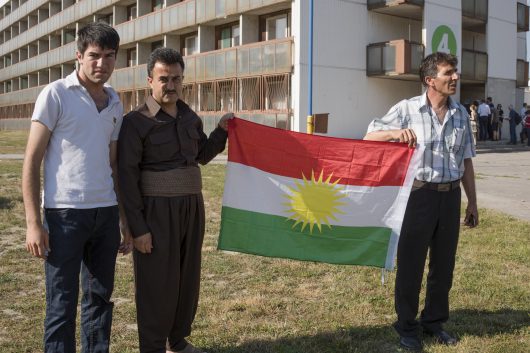
Over the past several months, the influx of migrants in Europe has notoriously prompted headlines about the manageability of refugees and illegal immigrants on the continent. To explore the details about one country in particular, here are 10 facts about refugees in Slovakia:

  1. As of 2015, the foreign population in Slovakia is about 1.56 percent of the total population, numbering approximately 84 thousand people. This is one of the lowest rates in the entire European Union.
  2. Rates of migration are dramatically rising since Slovakia’s admission into the EU in 2004. The total number of foreign-born residents has quadrupled and continues to increase by approximately 8,000 new arrivals each year.
  3. The highest percentage of new migrants originate from Ukraine and nearly half come from Slovakia’s bordering countries, also including Poland, Hungary, Austria and the Czech Republic. Outside the EU, the largest populations represented are from Iraq, Afghanistan, Serbia, Russia, Vietnam, China and Syria.
  4. The most commonly reported reason for applicants seeking to relocate to Slovakia is for work. As for arranged arrivals, they typically utilize refugee camps in Slovakia as a backup when neighboring camps, often in Austria, face added strain.
  5. Numerous politicians in the country sparked controversy in 2015 with public statements regarding how Slovakia would only accept Christian refugees: “We could take in 800 Muslims but we don’t have any mosques in Slovakia, so how can Muslims be integrated if they are not going to like it here?” Many leaders retain the political belief that Slovakia is happy to help as a transit country but do not intend to house refugees in Slovakia as a final destination.
  6. Slovakia’s political stance is also in disagreement with many of their EU partners. Last year, a Syrian refugee relocation referendum was passed and originally arranged for Slovakia to take on a mere 1,000 out of 40,000 new refugees. However, Slovakia was one of only four countries to vote against the agreement, eventually conceding to 200.
  7. Socially, Slovakian citizens also oppose new refugees. Frequent marches and demonstrations against the perceived ‘Islamization of Slovakia’ are known to occur. As another example, the townspeople of Gabčíkovo, home to a major camp in the country, voted with a 97 percent majority to disallow fresh entrants because they value the culturally homogenous history of the country.
  8. Refugees in Slovakia are aware of the backlash as well, and reportedly often arrive in the country dissatisfied. In this respect, the views of the refugees are consistent with that of the government – Slovakia is meant to be a transit country on the path to Western Europe or the United States.
  9. According to the United Nations High Commissioner for Refugees (UNHCR), formal legal regulations are also lacking regarding the status of many refugees. Slovakia does not have an established legal framework to define statelessness or people in flight, and there are also some difficulties with establishing dual citizenship. However, the UNHCR is also helping to overcome some of these barriers by sponsoring training programs and establishing assessment mechanisms.
  10. In addition to the camp in Gabčíkovo mentioned above, other major refugee camps are located in Rohovce and Humenné. Often such camps were originally intended to be temporary shelters during certain international crises but were later extended or reopened after prolonged instability. These areas are all near Slovakia’s borders with Hungary and Ukraine.

As a relatively poorer nation of Eastern Europe, Slovakia’s concerns for accommodating a large number of migrants socially and economically may prevail, but it is important to also ensure that refugees in Slovakia are welcomed to the highest possible degree. As the UNHCR rhetoric reiterates, Slovakia’s cooperation with resettlement arrangements is greatly needed for the most vulnerable citizens around the world.

– Zachary Machuga

Photo: Flickr

December 28, 2016
https://borgenproject.org/wp-content/uploads/borgen-project-logo.svg 0 0 Borgen Project https://borgenproject.org/wp-content/uploads/borgen-project-logo.svg Borgen Project2016-12-28 01:30:392024-12-13 17:56:26Ten Facts About Refugees in Slovakia
Refugees

Oxfam Launches New Project with Celebrity Voices: “I Hear You”

Oxfam Launches a New Project with Celebrity Voices: "I Hear You"
In 2015, more than 65 million people were displaced because of persecution, war and human rights violations. Nations around the world agreed to accept refugees, but the backlash has been swift amidst fears of terrorism. In light of this backlash, many organizations and individuals have tried to lend a voice to the refugee crisis.

One of the organizations on the forefront of global poverty is Oxfam. For over 70 years, Oxfam has been working to create awareness about global poverty. They focus on issues that contribute to poverty including discrimination and unequal access to resources. Oxfam provides clean water, food and aid to individuals suffering from poverty around the world. In response to the refugee crisis, Oxfam created a new project called “I Hear You“.

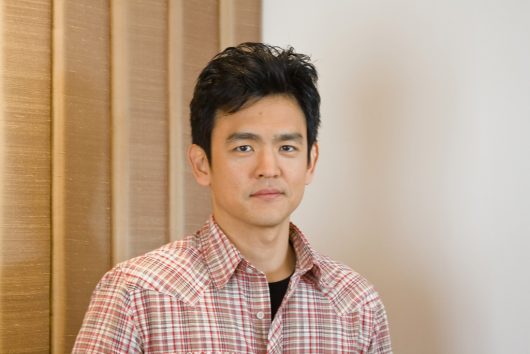
The “I Hear You” project aims to put a voice to the refugee crisis by recruiting celebrity voices to share personal refugee stories. Each celebrity reads a real-life story. The celebrities include Margot Robbie, John Cho, Gael García Bernal, Anna Camp, Minnie Driver and Al Madrigal.

By sharing the personal narratives, Oxfam hopes to create awareness and connect people to the stories. By going beyond the numbers and the statistics, Oxfam is trying to illustrate the humanity of the people impacted most by violence and persecution around the world. Social science often touts the concept of proximity; humans have a tendency to understand and bond with those that they are closest to in their lives. By sharing these personal stories, Oxfam has the ability to create a closer proximity to the refugees, and this could foster understanding.

The video series recently debuted on the Vanity Fair website; the videos are brief but powerful. John Cho tells the story of a teacher trying desperately to deliver lessons to his students even as they live in a refugee camp. Margot Robbie’s story is about a 17-year-old girl who dreams of bettering herself through education even as she has packed up everything she owns to flee a war zone. These celebrities are shining a light on the crisis, and each story is personal. Oxfam recognizes the possibility that activism can stem from those relatable stories.

After watching the videos, viewers can reach out to Oxfam on their website or by text to see what actions they can take for refugees living in poverty and displacement around the world. In addition to collecting donations for refugees, Oxfam also appeals to those hearing the stories to pledge compassion and kindness to refugees that are relocating.

– Jennifer Graham

Photo: Flickr

December 26, 2016
https://borgenproject.org/wp-content/uploads/borgen-project-logo.svg 0 0 Borgen Project https://borgenproject.org/wp-content/uploads/borgen-project-logo.svg Borgen Project2016-12-26 01:30:022024-12-13 17:56:22Oxfam Launches New Project with Celebrity Voices: “I Hear You”
Refugees

Where Are the Main Syrian Refugee Camps Located?

So Where Are the Main Syrian Refugee Camps Located?
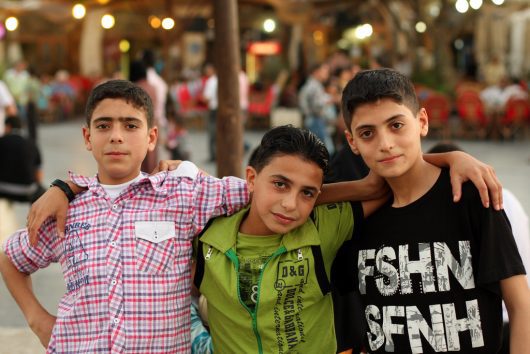
Since its outbreak in 2011, the Syrian civil war has created an estimated 11 million refugees. Many of these refugees have fled to neighboring countries, but the conflict has created a global refugee crisis. Contrary to popular belief, however, only an estimated one in 10 of these refugees live in camps. So where are Syrian Refugee Camps? Most are located in the surrounding countries of Turkey, Jordan, Iraq and Greece.

Turkey

Although Turkey houses more than 2.5 million Syrian refugees, their camps can only house 200,000 people. This has become a cause for concern as photos from these camps show extremely cramped and dangerous conditions. While life in these camps is often less than ideal, the UK has deemed Turkey to be a safe country for refugees.

Jordan

Jordan hosts more than 650,000 Syrian refugees. The largest Syrian refugee camp in the world is located in Jordan, and the conditions here are much better than camps found in other parts of the world. This camp called Zaatari is home to 3,000 refugee-owned businesses. These businesses provide entrepreneurial opportunities for refugees and contribute to Jordan’s economy, generating an estimated $13 million per month.

Iraq

Iraq is home to more than 200,000 Syrian refugees, and all of these refugees are in areas controlled by the Kurdish Regional Government. Camps here, such as the al-Hol camp have become home to both Syrian refugees and Iraqi citizens fleeing violence in places like Mosul, resulting in extremely crowded conditions. As the number of Syrian refugees shows no sign of slowing, access to basic necessities in these camps is becoming a serious concern.

Greece

Where are Syrian refugee camps in Europe? Many exist in Greece, where conditions are often dismal. Human rights groups have raised concerns about the conditions that Syrian refugees are facing in Greek camps as they wait for asylum or relocation. Many of these camps are overcrowded, and refugees have reported poor hygiene, a lack of medical care and dehydration. The situation for refugees living in Greek camps is especially dangerous with the impending onset of a cold winter.

In 2014, the U.N. refugee agency reported the highest total number of displaced people since World War II. Syria is one of the three countries with the most refugees, and the situation within the country shows no signs of improving. This refugee crisis is a humanitarian disaster and it is imperative that the global community respond by ensuring better living conditions for those seeking asylum and those living in Syrian refugee camps.

– Eva Kennedy

Photo: Flickr

December 23, 2016
https://borgenproject.org/wp-content/uploads/borgen-project-logo.svg 0 0 Borgen Project https://borgenproject.org/wp-content/uploads/borgen-project-logo.svg Borgen Project2016-12-23 01:30:592024-12-13 17:56:24Where Are the Main Syrian Refugee Camps Located?
Refugees, Technology

Drones for Refugees: Saving Lives in the Mediterranean

Drones for Refugees: Saving Lives in the Mediterranean
Since 2014, 10 people have died every day attempting to travel to Mediterranean countries by sea. The Drones for Refugees project wants to make the voyage safer.

The drones livestream areas heavily trafficked by refugees in the Mediterranean Sea and use infrared sensors to allow easy viewing at night. The drones run on solar batteries and use wireless internet connection, requiring little human involvement. Workers in ground stations monitor the footage on a computer or mobile device and collect information such as the number of people on a boat, the coordinates, whether the route is correct and whether there are enough life vests. In the case of an emergency, monitors quickly alert rescue crews. Newer drone prototypes carry an emergency aid package that can be released when needed. This quick response can save many lives.

The prototype was tested in Lesbos between July and August 2016. A more advanced version will debut in Sicily in the spring of 2017. Drones for Refugees is currently self-funded, but with help from investors and donors, the organization hopes to produce larger drones capable of traveling longer distances.

Project director Mehdi Salehi originally co-founded Good Drones, an innovation and design lab focused on using drones to solve social problems. Drones for Refugees is only one of the projects of the Good Drones initiative. Salehi was inspired by news footage of Syrian refugees traveling on worn-down boats in the middle of the Mediterranean Sea, as well as his own personal experiences.

In 2001, Salehi was an Afghani refugee. He and a friend traveled to Greece on a small boat. Once he arrived in Greece, Salehi was imprisoned for five months. Eventually, with the help of a Greek lawyer, he was able to receive political asylum. He went on to graduate from the University of Volos and moved to New York to attend Parson School of Design. He says about his experience, “I was very lucky. I got a lot of support from people that met me along the way, especially in Greece. They encouraged me and believed in me. Refugees and migrants, that’s what we need: an opportunity to thrive.”

For refugees, crossing the Mediterranean can be an exhausting and terrifying experience. Drones for Refugees wants to ensure that refugees are given a fighting chance to escape the violence and oppression in their home countries.

– Karla Umanzor

Photo: Flickr

December 23, 2016
https://borgenproject.org/wp-content/uploads/borgen-project-logo.svg 0 0 Borgen Project https://borgenproject.org/wp-content/uploads/borgen-project-logo.svg Borgen Project2016-12-23 01:30:182024-12-13 17:56:24Drones for Refugees: Saving Lives in the Mediterranean
Global Poverty, Refugees, War and Violence

Anderson Cooper and Kelly Ripa Honor “CNN Heroes”

Anderson Cooper and Kelly Ripa Honor "CNN Heroes"Last weekend, CNN continued its annual tradition of honoring ten brave and thankless role models throughout the world. Headlined by Anderson Cooper and Kelly Ripa, the “CNN Heroes” award gala took place at New York’s American Museum of Natural History. The two-hour live event featured clips detailing the work of each hero, and at the end, 2016’s Hero of the Year was revealed as chosen by the viewer audience.

From adventurous kayaker Brad Ludden’s First Descents to young father Sheldon Smith’s Dovetail Project, the organizations represented were truly diverse, with notables including those furthering progress in the developing world.

CNN Heroes kicked-off by celebrating Luma Mufleh and her organization, Fugees Family. Founded in 2004, Luma assists refugee children to the United States by offering free academic enrichment programs and coaching after-school soccer games. As a Jordanian refugee herself, she targets children displaced due to war, and tailors services to meet individual needs, whether overcoming language barriers, learning about American institutions or combating discrimination. To date, Fugees Family has assisted more than 850 kids from 28 countries.

Another highlight is Umra Omar’s Safari Doctors which began in 2014. Umra temporarily lived in the U.S. but returned to her home in Kenya to provide medical care to the remote Lamu archipelago near the Somali border. Faced with frequent threats and spillover attacks by Al-Shabaab terrorists, most professionals in health care and education fled the Lamu area. However, Umra looks past the danger and now delivers immunizations and other basic health services, arriving on her own by boat. She estimates that she has treated over 2,000 people so far and maintains that these dire communities would benefit most from the return of trained professionals.

Finally, the 2016 Hero of the Year? Jeison Aristizabal, a native of Cali, Colombia, began a project known as ASODISVALLE to assist disabled persons in one of the poorest areas of his home country. Jeison suffers from cerebral palsy and since 2000, has worked to triumph over prevailing stigmas for all. Part of his mission focuses on the identification of other disabled people in the region, but the more important part focuses on providing inclusive rehabilitation and educational services to integrate these citizens back into the community. He offers everything from job training to healthy meals, stimulating the opportunities and happiness of thousands in the area.

Hosts Cooper and Ripa were seen getting emotional more than once at the event, a testament to their support for such projects around the developing world. Cooper has been a part of the program since its inception 10 years ago, and Ripa joined just this year, though making appearances as a presenter during the last two ceremonies. Ripa is also a known supporter of UNICEF.

While the real stars of the event are undoubtedly the remarkable CNN Heroes honorees, it is likely that Cooper and Ripa will both continue to use their presence to draw attention to similar causes in upcoming years.

– Zachary Machuga

Photo: Flickr

December 21, 2016
https://borgenproject.org/wp-content/uploads/borgen-project-logo.svg 0 0 Borgen Project https://borgenproject.org/wp-content/uploads/borgen-project-logo.svg Borgen Project2016-12-21 01:30:042024-12-13 17:56:22Anderson Cooper and Kelly Ripa Honor “CNN Heroes”
Refugees, United Nations

Helping Refugees Worldwide: Three Simple Ways

Helping Refugees Worldwide
According to the U.N. High Commissioner for Refugees, humanity is facing its largest displacement crisis on record. Violence, persecution and regional instability have caused more than 65 million people to abandon their homes and seek refuge in other lands. These numbers are devastating, and they leave citizens of stable countries wondering what they can do as individuals in helping refugees worldwide.

The White House website states that the U.S. has been active alongside many countries offering sanctuary and assistance to refugees, providing shelter, medical care, and basic services “But the need remains great. Helping refugees isn’t just up to governments — every American can play a role, too.”

Here are three simple ways Americans can begin helping refugees worldwide:

  1. Make a donation.
    The U.N. Refugee Agency states that every donation it receives goes toward worldwide field operations. Currently, the organization is making an urgent appeal for donations that will go toward the crisis in Iraq. Fighting in Mosul and Northern Iraq has resulted in a humanitarian crisis. The website lists what each amount of money will accomplish. As little as $50 will provide five people with sleeping mats and keep them off the ground at night; $200 will provide emergency shelter for two whole families.The International Rescue Committee (IRC) is another organization that, for every dollar donated, spends 90 cents on programs and services that directly benefit refugees. This organization consistently receives high marks from charity watchdog organizations. When making a donation, research where the money will go. Decide what organization is doing an effective job in helping refugees; information about their finances should be available on their website.

    One might wonder how to support refugees on an ongoing basis. The IRC, for example, encourages monthly donations as a Rescue Partner. This steady support allows them to, “respond swiftly and effectively when conflict strikes, to rescue lives in the midst of chaos and to help fragile communities rebuild and move toward a more stable future.”

  2. Fundraise.
    One individual is only able to give so much financially. Another option to help refugees is to become a fundraising partner. By mobilizing others in the surrounding community, one person can have an even greater impact than would have been possible with a single wallet.The organization Help Refugees will launch its “Choose Love” campaign this month, a series of events designed to encourage empathy, promote awareness and expand the organization’s reach on the frontlines of this crisis. Help Refugees encourages people to raise money with t-shirts, bake sales, events and more.
  3. Keep asking questions.
    The displacement of 65 million people is devastating, but lives can be saved through the collaborative efforts of millions of individuals willing to help. By simply asking the question ‘What can I do to help refugees?’, you are the beginning of the solution.

    Continue searching for organizations fighting against silence in the face of tragedy. Have open conversations with people seeking to discover new ideas and viewpoints concerning how to help refugees.

Help Refugees says, “As a brutal winter approach, we need you now more than ever. This is still a crisis, but we are not powerless.”

– Rebecca Causey

Photo: Flickr

December 17, 2016
https://borgenproject.org/wp-content/uploads/borgen-project-logo.svg 0 0 Borgen Project https://borgenproject.org/wp-content/uploads/borgen-project-logo.svg Borgen Project2016-12-17 01:30:172024-12-13 17:56:21Helping Refugees Worldwide: Three Simple Ways
Refugees

Afghan Refugees in India: A Case Study on Entrepreneurship

Afghan Refugees in India
Over the last few decades, pockets of Delhi, India, have become microcosms of Kabul. Afghan refugees forced out of their homes by war and extremism have found themselves living in meager conditions in poorer parts of the city. Despite their less than satisfactory living situations, these refugees have brought their entrepreneurial spirit with them, finding ways to share their Afghan culture with Indians.

Perhaps the best example of this phenomenon is Ilham, a catering service set up by four Afghan women in 2015 with the help of Access, an NGO working in collaboration with UNHCR. The women create local Afghan delicacies such as Kabuli Pulao (rice with spices, vegetables and meat), Mutton do Piaza (mutton curry) and Firni (rice pudding). Since Afghanistan and India have always shared a particularly friendly relationship, these are dishes that have already been popularized in local Indian culture. However, by providing authentic versions, Ilham has managed to gain a large customer base in just over a year.

The success of this and other ventures set up by Afghan refugees in India, can be measured by the reactions of the women of Ilham when asked about their work. For example, Zameera sees not only the financial independence it has brought her, but also the emotional relief from the despair of losing her home and being separated from her family and country. For Zameera, Ilham is as much a business as it is therapy.

For the nearly 11,000 Afghan refugees in India registered with the UNHCR, as well as that much more living unregistered in the country, initiatives like Ilham have become a way of life. A culture of Afghan cuisine has developed in Delhi, where most of the refugees have settled.

The Green Leaf Restaurant, a popular eatery run by Afghan refugees is another success story. Green Leaf has been beneficial for both the owners as well as the surrounding community. Thus, these refugees contribute to the local economy by providing a niche service driven by high consumer demand.

Anecdotes from Afghan refugees in India offer a valuable insight into how the integration of refugees into local communities can be advantageous to both groups. Rather than detracting from Indian culture, Afghan people have added new aspects to it and strengthened an already strong political partnership. In a time when xenophobia is rampant and fear of job loss is high, it is important to remember that the mingling of cultures can create both enhanced identities as well as new markets for new jobs. The Afghan-Indian experience bears testament to the possibility of a harmonious integration and cultural exchange.

– Mallika Khanna

Photo: Flickr

December 16, 2016
https://borgenproject.org/wp-content/uploads/borgen-project-logo.svg 0 0 Borgen Project https://borgenproject.org/wp-content/uploads/borgen-project-logo.svg Borgen Project2016-12-16 01:30:482024-12-13 17:56:20Afghan Refugees in India: A Case Study on Entrepreneurship
Refugees

Where are the Palestinian Refugee Camps?

Where are the Palestinian Refugees Camps?
The 1948 Arab-Israeli conflict marked the beginning of a long journey for Palestinians. During the war, approximately 700,000 Palestinians fled their homes in what is now Israel and the Occupied Palestinian territories and became refugees. Following the 1948 war, the United Nations Relief and Works Agency for Palestinian Refugees (UNRWA) was established by the U.N. General Assembly to provide relief and works programs for Palestinian refugees.

The UNRWA defines Palestinian refugees as “persons whose normal place of residence was Palestine during the period 1 June 1946 to 15 May 1948, and who lost both home and means of livelihood as a result of the 1948 conflict.” The definition was later expanded to include all descendants of male Palestinian refugees, including adopted children. Consequently, 68 years after the 1948 war and subsequent conflicts and uprisings, the number of Palestinian refugees has ballooned from 700,000 to roughly 5 million.

Most of the refugees sought asylum in neighboring Arab countries, where temporary camps were established and have since become permanent settlements. Nearly one-third, or 1.6 million, of Palestinian refugees live in 58 camps in the Gaza Strip, the West Bank, Syria, Lebanon and Jordan. The remaining two-thirds primarily live in or near the cities of host countries and territories, including those internally displaced in Israel and the Occupied Palestinian territories.

Gaza Strip

The Gaza Strip is a tiny enclave on the eastern coast of the Mediterranean Sea bordering Israel and Egypt. The territory has a population of 1.7 million, of which 1.3 million are registered Palestinian refugees. Subject to a blockade on all sides, residents of Gaza have severely restricted freedom of movement, and Gaza is one of the most densely populated places on earth.

Continuous conflict between Hamas and Israel has also worsened the conditions within the Gaza Strip and has internally displaced thousands since the original 1948 conflict. As a result, 80% of the population is dependent on international assistance, and the eight refugee camps regularly face shortages of food, clean drinking water, medicine and opportunities to lift themselves out of the camps.

West Bank

The West Bank is an Israeli occupied territory located between Israel and Jordan with a population of 2.7 million. There are nearly 775,000 registered refugees living in the territory, mostly living in major towns and rural areas. However, around a quarter of the registered refugees live in 19 camps scattered throughout the territory. Although conditions are generally better than Gaza, refugees living in camps in the West Bank also face squalid living conditions and major freedom of movement restrictions.

Syria

Following the 1948 Arab-Israeli conflict, thousands of Palestinians fled to Syria where they were generally welcomed and treated well. They were granted the same duties and responsibilities as Syrian citizens, other than political rights and nationality. As a result, by 2003 there were over 400,000 Palestinian refugees in Syria living in nine camps and in Syrian cities.

Syria’s ongoing civil war has severely exacerbated the plight of Palestinian refugees in the country, leaving many in besieged or hard to reach areas. Before the conflict began in 2011, UNRWA estimated there were 526,000 registered Palestinian refugees in the country. Today, many of the camps have been deserted or destroyed, and the refugees that remain in Syria continually experience a deterioration of humanitarian conditions. For instance, the Yarmouk Camp, located just outside Damascus and home to roughly 160,000 Palestinian refugees prior to the war, recently experienced fierce clashes between rebel groups, ISIS and the Syrian Army. The fighting left nearly 18,000 refugees without food, water and medical supplies, and resulted in a severe Typhoid outbreak.

Lebanon

Situated on the Mediterranean Sea between Israel and Syria, Lebanon has a population of 6.2 million, of which 450,000 are registered Palestinian refugees. The country is also home to thousands of undocumented and unregistered Palestinians, with estimates ranging from 10,000 to 40,000. Overall, Palestinians are thought to make up 10% of the total Lebanese population.

Around half of all Palestinian refugees in Lebanon reside in 12 refugee camps. Although many of these camps have existed for decades, they routinely suffer from high rates of poverty, unemployment and other issues such as overcrowding and lack of sufficient infrastructure. Those living outside the registered Palestinian refugee camps suffer continued discrimination, are denied basic rights and are even barred from working in certain professions. Consequently, Lebanon has the highest percentage of Palestinian refugees living in abject poverty among all other countries and territories UNRWA operates in.

Jordan

Jordan shares a border with Iraq, Israel, Saudi Arabia, Syria and the West Bank, and has a population of 8.2 million. Jordan is home to the highest number of Palestinian refugees, with 2.1 million registered and thousands more that have fled Palestinian refugee camps in Syria. Palestinians account for approximately a quarter of the total Jordanian population.

Most, but not all, Palestinian refugees have been granted full Jordanian citizenship and have been well integrated into society for decades. However, nearly 370,000 are settled in ten camps throughout the country. An additional 10,000 that have crossed the border from Syria live in camps along the border that have increasingly dire conditions and residents are prohibited from leaving.

Originally forced to flee fighting in the 1948 Arab-Israeli conflict, Palestinian refugees have long endured turbulent and unstable conditions since leaving home. Many have fled war only to be met with more violence and conflict in places such as Gaza, Lebanon and Syria. Many are faced with severe human rights violations and are denied freedom of movement, leaving many to be born, live and die in the same place. In addition to these issues, the right of refugees to ultimately return to their homeland remains a major obstacle to the Israeli-Palestinian peace process.

For now, Palestinians remain part of the harrowing refugee crisis of the 21st century.

-Brendan Hennessey

Photo: Flickr

December 13, 2016
https://borgenproject.org/wp-content/uploads/borgen-project-logo.svg 0 0 Borgen Project https://borgenproject.org/wp-content/uploads/borgen-project-logo.svg Borgen Project2016-12-13 01:30:402024-12-13 17:54:50Where are the Palestinian Refugee Camps?
Page 47 of 53«‹4546474849›»

Get Smarter

  • Global Poverty 101
  • Global Poverty… The Good News
  • Global Poverty & U.S. Jobs
  • Global Poverty and National Security
  • Innovative Solutions to Poverty
  • Global Poverty & Aid FAQ’s
Search Search

Take Action

  • Call Congress
  • Email Congress
  • Donate
  • 30 Ways to Help
  • Volunteer Ops
  • Internships
  • Courses & Certificates
  • The Podcast
Borgen Project

“The Borgen Project is an incredible nonprofit organization that is addressing poverty and hunger and working towards ending them.”

-The Huffington Post

Inside The Borgen Project

  • Contact
  • About
  • Financials
  • President
  • Board of Directors
  • Board of Advisors

International Links

  • UK Email Parliament
  • UK Donate
  • Canada Email Parliament

Get Smarter

  • Global Poverty 101
  • Global Poverty… The Good News
  • Global Poverty & U.S. Jobs
  • Global Poverty and National Security
  • Innovative Solutions to Poverty
  • Global Poverty & Aid FAQ’s

Ways to Help

  • Call Congress
  • Email Congress
  • Donate
  • 30 Ways to Help
  • Volunteer Ops
  • Internships
  • Courses & Certificates
  • The Podcast
Scroll to top Scroll to top Scroll to top