Sustainable Agriculture in Peru for the Matsés People
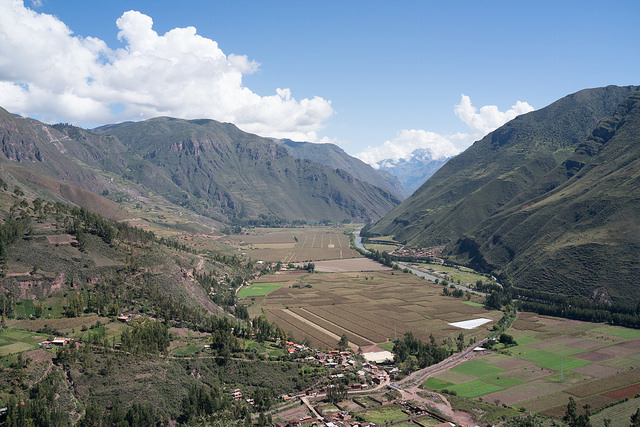 New agriculture techniques introduced to the Matsés people of Peru have hope to limit deforestation in the Amazon, preserve the Matsés culture and pave the way for sustainable agriculture in Peru.
Who are the Matsés? The Matsés are an indigenous group that occupies riverbank areas in the Amazon rainforest. There are only about 2,200 Matsés in these areas. According to Survival, a non-governmental organization committed to the rights of indigenous people, the Matsés live off the land by farming, hunting and fishing.
Farming is an important aspect of Matsés culture. The Permaculture Research Institute explains that slash and burn techniques are common agricultural practices that the Matsés use in order to farm. Although this practice is traditional for the Matsés, it does raise some ecological issues, as it is not a sustainable agricultural method.
The slash and burn technique, which is a method of clearing forests and then burning the vegetation, leads to disastrous environmental concerns. The Ecologic Development Fund explains that this method and deforestation contributes to climate change, habitat loss and ultimately nutrient-depleted soil.
This does not only affect the environment, but also the health of the Matsés people. The John A. Dutton E-Education Institute explains that soil that is low in nutrients will result in poor nutrient levels in crops, as these plants will only be supplied with the nutrients that are leftover from previous seasons. This ultimately means that the Matsés people are likely not getting adequate nutrition from the food they are producing.
Luckily, there is hope that these issues will improve as sustainable agriculture in Peru spreads.
William Park from the Permaculture Research Institute explains permaculture, which is a sustainable agriculture technique that was introduced to the Matsés, as “consciously designed landscapes which mimic the patterns and relationships found in nature, while yielding an abundance of food, fiber and energy (shelter, medicine) for the provision of local needs.”
The Permaculture Research Institute and the Acaté Amazon Conservation started a permaculture farm where David Fleck, the field coordinator, has focused on integrating sustainable farm practices into the lives of the Matsés. This method will not only yield more nutritious food but also reduce deforestation in the area.
Luckily, these methods have proved successful, as they do increase crop yields. The Permaculture Research Institute says this has helped the Matsés people to embrace these changes. They are confident that the Matsés will continue with these sustainability practices and that these methods will spread throughout the region to grow sustainable agriculture in Peru.
What does this mean for the future of the Matsés people and the Amazon? These new techniques show promise in providing adequate amounts of food that are fully nutritious. This should ensure that the Matsés live healthier lives. Furthermore, these practices enable the Matsés people to become better educated on the richness and importance of the Amazon. The Matsés Project is committed to educating the Matsés so they can preserve their culture and be able to better defend their land from companies trying to exploit their home.
– Mary McCarthy
Photo: Flickr
