• Link to X
  • Link to Facebook
  • Link to Instagram
  • Link to TikTok
  • Link to Youtube
  • About
    • About Us
      • President
      • Board of Directors
      • Board of Advisors
      • Financials
      • Our Methodology
      • Success Tracker
      • Contact
  • Act Now
    • 30 Ways to Help
      • Email Congress
      • Call Congress
      • Volunteer
      • Courses & Certificates
      • Be a Donor
    • Internships
      • In-Office Internships
      • Remote Internships
    • Legislation
      • Politics 101
  • The Blog
  • The Podcast
  • Magazine
  • Donate
  • Click to open the search input field Click to open the search input field Search
  • Menu Menu

Archive for category: Refugees

Global Poverty, Poverty, Refugees

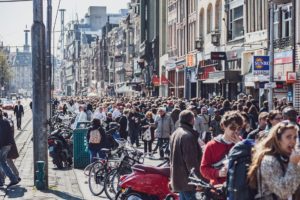
Refugee Poverty in the Netherlands


In 2018, the Netherlands’ government reported that 584,000 households, or 7.9% of the general population, were subsisting on an income at or below the poverty line. In other words, they were making less than 60% of the national median disposable income. This is relatively low; the Netherlands has the fifth-lowest rate of poverty amongst the nations in the European Union, and poverty rates have been on the decline over the past several years due to economic growth and lower unemployment rates. However, refugee poverty in the Netherlands remains a major concern.

The Netherlands’ Reputation

Refugees and immigrants have always been attracted to the country because of its historically high levels of tolerance. The Netherlands is also notorious for being a nation of prosperity, egalitarianism and humanitarian aid. For instance, in World War I, 900,000 Belgians sought refuge in the Netherlands, which was neutral, to escape fighting. During the Holocaust, tens of thousands of people fleeing the Nazis hid in the Netherlands until Axis powers occupied it. 

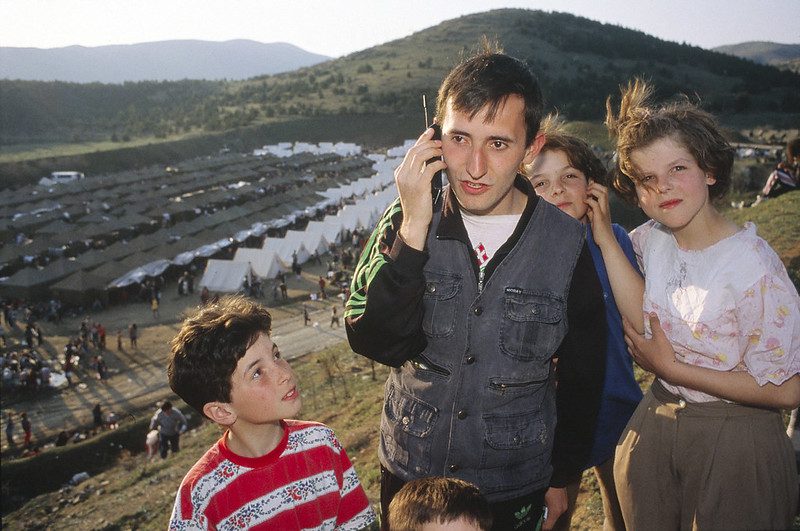
Fast forward to the 21st century, and once again, tens of thousands of people from all over the world are applying for asylum in the Netherlands each year. Although some are moving around within the European Union, many are escaping their war-torn countries of birth. In 1998, this was due to the Yugoslav wars, which kept the number of asylum seekers at high numbers until 2004. In 2015, the Syrian Civil War commenced the flow of a new wave of refugees that are still coming in high numbers today.

The Struggle for Refugee Poverty in the Netherlands

Although the country welcomes these refugees, they do not fare as well economically as their Dutch counterparts. Currently, 79% of Syrian refugees are making less than the low-income threshold, and 95% rely on income support as their main source of income. The nationality of refugees that are best off, Iranians, are still four times as likely to be living in poverty as their Dutch counterparts. In total, 53% of refugee households have a low income. 

A cycle has developed because sectors of the Dutch economy, such as agriculture and labor, depend on migrant workers. However, these jobs consistently do not pay well, and few efforts occured to increase their wages. Because refugees typically do not have schooling on par with those from the EU, they have limited job options, and they continue to struggle economically.

The One’s Providing Aid

The Dutch government has done a lot to help incoming refugees. To ensure that immigrants are adjusting well to a new country, immigrants must take a national integration exam within three years of arrival. There are additional levels of support for highly educated refugees resettling in the Netherlands. The Foundation for Refugee Students (UAF) allows for better planning of “educational guidance, language training and educational courses once refugees arrive in the Netherlands.” UAF provides housing for refugees in areas that are close to universities and higher education establishments, and it has recently created a mentor program that matches Dutch students with resettled refugees to provide them with support to settle into university life.

The Netherlands has been a place refugees immigrated to during many different conflicts, including the 2015 Syrian Civil War. However, an economic gap still remains between native-born Dutch citizens and refugees. In order to address this issue, the government and UAF have been working to make the transition into the country easier and positively impact refugee poverty in the Netherlands. 

– Sophie van Leeuwen
Photo: Pixabay

August 7, 2020
https://borgenproject.org/wp-content/uploads/borgen-project-logo.svg 0 0 Lynsey Alexander https://borgenproject.org/wp-content/uploads/borgen-project-logo.svg Lynsey Alexander2020-08-07 13:30:512022-03-23 15:32:25Refugee Poverty in the Netherlands
Foreign Aid, Global Poverty, Refugees

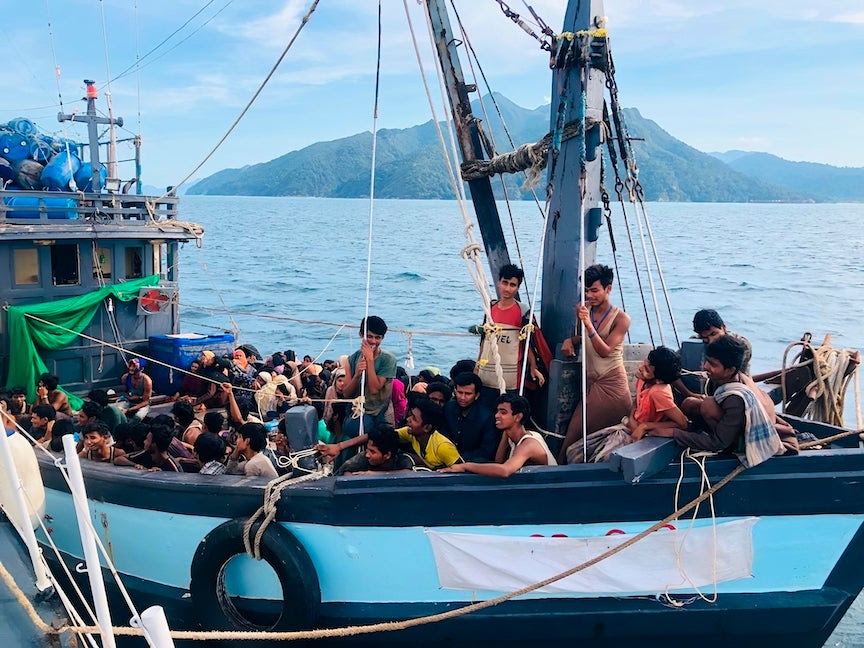
Humanitarian Aid for the Rohingya Refugee Crisis

Humanitarian Aid for the Rohingya Refugee CrisisThe Muslim Rohingya population in Myanmar, a Buddhist country, has been severely discriminated against throughout history. Discriminatory policies in Myanmar deny citizenship to the Rohingya people. Additionally, Rohingya individuals cannot obtain birth certificates, receive an education or be employed legally. In August of 2017, violent attacks and persecution against the Rohingya people forced hundreds of thousands of Rohingya to seek refuge in Bangladesh. Almost one million Rohingya refugees currently live in refugee camps in the Cox Bazar region of Bangladesh.
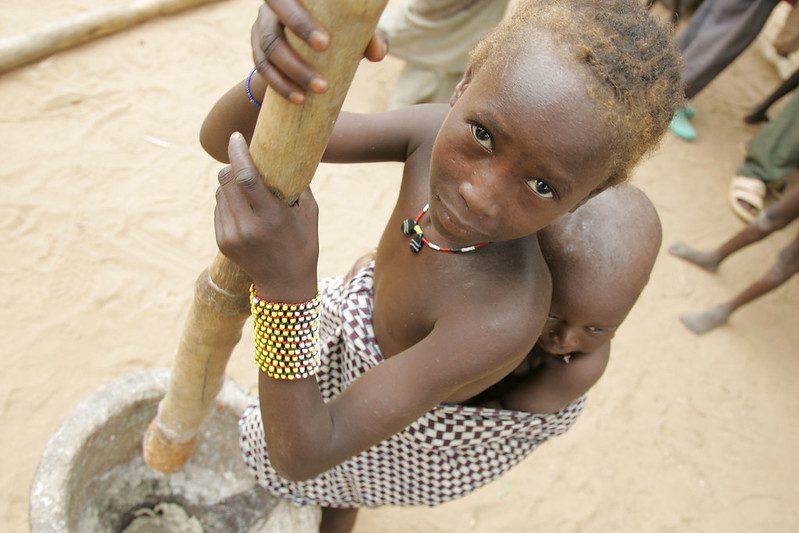
Many organizations and international agencies are providing aid and support to the Rohingya refugee crisis. In addition to improving access to basic needs such as food, water, and shelter, UNICEF and the UNHCR have recognized access to education as a top priority.

The UNHCR

The United Nations High Commissioner for Refugees (UNHCR) is supporting the refugee population with basic needs such as food, water, shelter, and health services, including mental health resources. One of the largest challenges that the refugee camps face is flooding from annual monsoons in the Cox Bazar region. The UNHCR was able to relocate over 24,000 Rohingya and provide more than 150,000 monsoon preparation kits in anticipation of the monsoon season. These efforts continued through 2019 with the additional construction of 50 miles of infrastructure including bridges and roads and the distribution of post-disaster kits.

The UNHCR also provides first aid training for refugees and has trained more than 1,200 individuals. They also lead sessions to raise awareness about emergency preparedness within communities and have reached more than 80,000 Rohingya through these programs. Providing the Rohingya with access to education is one of the main goals for the UNHCR. Many children were not receiving any formal education in Myanmar due to discriminatory policies. The UNHCR has reached 502,000 refugee children with some form of education by building 1,602 learning areas and bringing 1,251 teachers to the area.

UNICEF

In collaboration with the government of Bangladesh, UNICEF has recently launched a plan to increase access to education for Rohingya refugee children in the Cox Bazar region. The curriculum will be tested on 10,000 children in grades six through nine during the first half of 2020. From there, it will expand for all ages. Education is a key factor to help the integration of the Rohingya people into society in Myanmar. Refugees are already at a significant disadvantage as a result of discrimination and consequential displacement. They lack basic resources such as nutritious food, proper housing and medical services. Access to education can help Rohingya refugees to reintegrate into society instead of further exacerbating disparities. It can increase their chances of finding employment and decrease poverty rates.

UNICEF has also been running informal education programs that have reached 315,000 refugee children in 3,200 learning centers. Subjects studied include English and Burmese language, Math and life skills or science depending on the level. The majority of children are still at levels one and two which are comparable to pre-primary to second-grade level. UNICEF has programs in place for adolescent education as well which include vocational and life skills. Education can tackle the Rohingya refugee crisis by reducing the chances of children being exposed to trafficking, child marriage and abuse as well as empowering refugee children.

Southeast Asian Governments

Two boats carrying hundreds of Rohingya refugees set out in February 2020 but were stuck at sea for months after setting out to find refuge. Many countries have denied them entry, leaving the refugees stranded without sufficient supplies of food or water. Bangladesh has taken in over one million Rohingya refugees since the violence and persecution began in Myanmar. However, in April 2020 the Foreign Minister Abdul Momen stated that Bangladesh would not allow any more Rohingya into the country. Momen cited the COVID-19 pandemic, as well as the numerous refugees already in Bangladesh, as reasons for this decision.

Other Southeast Asian governments such as Malaysia and Thailand have also failed to assist the refugees. The Malaysian officials who initially found one of the boats attempted to bring it back to international waters but about 50 refugees were able to swim to shore and are currently detained in Malaysia. The UNHCR has requested access in order to support these refugees with humanitarian aid with no response from Malaysia.

Nearby governments should cooperate to provide assistance to Rohingya refugees in their own countries. They need to provide resources such as health services and basic needs, especially during a global pandemic. These governments should be cooperating with international agencies to address the Rohingya refugee crisis in Myanmar.

– Maia Cullen
Photo: Human Rights Watch

August 5, 2020
https://borgenproject.org/wp-content/uploads/borgen-project-logo.svg 0 0 Lynsey Alexander https://borgenproject.org/wp-content/uploads/borgen-project-logo.svg Lynsey Alexander2020-08-05 12:00:062024-05-29 23:18:23Humanitarian Aid for the Rohingya Refugee Crisis
Food Insecurity, Foreign Aid, Global Poverty, Refugees

Innovative Ways to End Hunger in Niger

Hunger in Niger
About 20% of people in Niger are food insecure due to a growing population, regional conflict and environmental challenges. Though that percentage is rising, international organizations and governments are finding innovative ways to end hunger in Niger.

Threats to Food Security in Niger

According to the World Bank, Niger’s population is increasing annually by 3.8%, well above the average for countries in Sub-Saharan Africa. Coupled with a large number of refugees from countries like Mali and Nigeria, an extremely high birth rate is driving Niger’s population growth and ultimately causing food resources to become scarce.

As a result of the conflicts on the borders of Mali and in the Lake Chad Basin, an influx of refugees has migrated to Niger. Further, these regional conflicts have caused widespread displacement among Nigerien citizens domestically, resulting in a major displacement crisis. According to the Norweigan Refugee Council, Niger’s displacement crisis is severe and worsening from the lack of international aid and media coverage. Because food resources are scarce, this displacement crisis is intensifying hunger in Niger.

In addition to the upsurge in Niger’s population, environmental challenges pose a threat to food security. Niger experiences an annual dry or “lean,” season where a lack of rainfall limits crop production and thus lowers the availability of food. A dry season is regular and Niger’s people expect it; however, in the past 20 years, rainfall and temperature have become increasingly irregular, causing more severe food shortages. Nigerians are concerned that desertification and rising global temperatures will only extend and intensify the dry season, disrupting the livelihoods of the majority of rural Nigerien households that rely predominantly on agriculture to survive.

Although food insecurity affects all types of Nigerien communities, it more heavily affects two demographic groups: women and children. Women and children in Niger are more likely to experience malnourishment, which leads to higher rates of anemia. According to the World Food Programme, estimates determined that 73% of Nigerien children under the age of 5 and 46% of Nigerien women are anemic.

The International Community’s Role in Ending Hunger in Niger

Countries like the United States are supporting programs like the World Food Programme, Mercy Corps and Doctors Without Borders to relieve both the immediate and long-term effects of food insecurity in Niger. Each organization takes unique approaches to end hunger in Niger.

The World Food Programme, for instance, focuses on land rehabilitation programs that provide food and financial aid to families who are trying to recover unproductive farmland. The hope is that healthy land will allow agriculture in Niger to be prolific in the future.

Mercy Corps works with mostly Nigerien citizens on projects that encourage people in Niger to diversify their livelihoods in order to ensure that families have several opportunities to earn income in the event that climatic shocks should continue to stunt the agricultural industry. It helped more than 130,000 people in Niger in 2018.

While the World Food Programme and Mercy Corps focus largely on developing a self-sufficient Nigerien economy, Doctors Without Borders works to alleviate the immediate consequences of hunger in Niger by treating acute malnutrition, especially in children. The organization provided 225 families with relief kits in Tillabéri.

While regional conflict, a rapidly growing population and unpredictable weather further food insecurity in Niger, the international community is seeking a multidimensional solution to stimulate the Nigerien economy, end hunger in Niger and help communities flourish.

– Courtney Bergsieker
Photo: Flickr

August 4, 2020
https://borgenproject.org/wp-content/uploads/borgen-project-logo.svg 0 0 Kim Thelwell https://borgenproject.org/wp-content/uploads/borgen-project-logo.svg Kim Thelwell2020-08-04 11:53:492024-05-29 23:18:44Innovative Ways to End Hunger in Niger
Global Poverty, Refugees, Refugees and Displaced Persons, Technology, United Nations

How a Website Has Helped Refugees During the Pandemic

signpostAs of last year, there were almost 80 million “forcibly displaced people worldwide.” This figure includes refugees, asylum-seekers and others. As refugee communities are in crucial need of proper medical aid to withstand the COVID-19 pandemic, global powers are devising plans to help them. During the early stages of worldwide lockdown, the United Nations High Commissioner for Refugees (UNHCR) proposed a $33 million pandemic-response plan for improving refugee settlements. Objectives include increasing health service availability, spreading reliable and medical-oriented information throughout refugee communities and implementing efficient surveillance systems. 

Although these efforts were a step in the right direction, they are not enough to assist every displaced refugee in the world. Groups like the United Nations (UN) and World Health Organization (WHO) are certainly championing refugees’ needs. However, it does not take a global superpower to make a positive impact on refugee communities; one website has helped refugees during the pandemic through access to information.

Impact of COVID-19 Pandemic on Refugees

COVID-19 has impacted refugees and other forcibly displaced people in three major ways:

  • Health: Constantly sanitizing, maintaining social distance and obtaining medical information are luxuries that many refugees do not have access to. As such, a refugee’s health is in constant jeopardy.
  • Income: Refugees working in informal jobs are likely to have been laid off due to the pandemic, and losing work means losing the only financial safety net for a refugee.
  • Protection: Hostile xenophobic and racist sentiments have been directed at asylum-seekers during the pandemic, which makes those seeking refuge in foreign countries targets for violence.

While these three obstacles are preventing many refugees from securing safety, they can be solved with one essential tool—information. Reliable information regarding health, income and protection can help many refugees.

Signpost as Virtual Back-up

Signpost is a non-governmental organization (NGO) and a virtual project that utilizes digital platforms to spread critical information throughout vulnerable communities. The organization has made a large impression since its founding in 2015. It has positively impacted almost two million people. Signpost has effectively helped and communicated with people across eight different countries, which demands fluency in several languages. Accurately conveying information regarding public health services and other needs to refugees using their native tongue has saved thousands of lives.

Everywhere, refugees are struggling to find trustworthy information about COVID-19. In response, Signpost has been reaching out and providing valuable, potentially life-saving, information to refugees. In particular, Signpost has supported the most vulnerable communities in countries like Greece, Italy, El Salvador and Honduras.

  • Signpost in Greece: Signpost has developed an app that has numerous services listed for refugee use such as medical services, transportation and housing. Also, the organization is scheduled to put out a website for current COVID-19 information throughout the country.
  • Signpost in Italy: The organization has given asylum-seekers information about essential services through Facebook, an established panel where users could ask questions and share key information regarding COVID-19. In Italy, Signpost focused specifically on informing refugees about Italy’s healthcare services and policies.
  • Signpost in El Salvador and Honduras: Signpost developed CuentaNos. It is a virtual platform that not only provides vulnerable people with information about housing or protective services, but also about COVID-19 and locations for medical assistance. Signpost also bundled its online resources efficiently to allow refugees accessibility through WhatsApp.

Everyone has been affected by the pandemic, but asylum-seekers and refugee communities are especially disadvantaged since they are displaced from their home country. Signpost, a website, has helped refugees by providing access to important information about dealing with COVID-19. Although Signpost is just one example, technology-based organizations are mobilizing to provide some type of digital support for refugees. Whether help comes via the Internet or in-person, any outstretched hand toward refugees anywhere is a glimmering sign of hope for a better future.

– Maxwell Karibian
Photo: Flickr

July 29, 2020
https://borgenproject.org/wp-content/uploads/borgen-project-logo.svg 0 0 Kim Thelwell https://borgenproject.org/wp-content/uploads/borgen-project-logo.svg Kim Thelwell2020-07-29 19:00:542024-05-29 23:18:24How a Website Has Helped Refugees During the Pandemic
Global Poverty, Homelessness, Refugees, Refugees and Displaced Persons

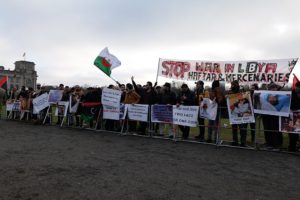
Homelessness in Libya: How War Leads to Displacement

Homelessness in Libya
Libya is home to historical Greek ruins, the Sahara desert and valuable oil reserves. However, it also currently suffers from a state of instability. The country has experienced division due to a civil war between Libya’s Government of National Accord (GNA) and Khalifa Haftar’s militias in the east. Militant groups who gained power amid the lack of government control, including al-Qaeda and Ansar al-Sharia, have exacerbated this conflict. This fractured leadership has left civilians suffering from a struggling economy and the continual violence plaguing the region. Libyans must flee their homes to avoid imminent danger, often with nowhere to go. As a result, homelessness in Libya is a growing problem that requires attention and resources.

The Growing Homelessness Problem

War often leaves people displaced or lacking basic necessities, and the Libyan war is no exception. The threat of shellings and uncontrolled violence has left around 120,000 people homeless in and around Tripoli, the nation’s capital. Many have no choice but to sleep on the streets, under trees or with whatever materials are available. Others find makeshift shelters such as public gardens, tents or converted buildings to offer slightly more protection. Old hotels, abandoned factories and schoolhouses become temporary homes for those who have nowhere else to turn.

With so many severely in need of shelter and resources, Libya turned to the Government of National Accord (GNA) for help. In response, the GNA dedicated about $85.7 million to help displaced civilians. However, homelessness in Libya persists and calls for further solutions.

The Plight of Refugees

As violence escalates, some Libyans search for better lives in different countries. Many have tried to escape to Europe, Niger or anywhere that offers more peace and stability. Unfortunately, due to Libya’s proximity to Europe, even refugees fleeing other countries must first travel through Libya. This pathway to Europe is so heavily trafficked that some estimate there are over “645,000 migrants, refugees and asylum seekers in Libya.” Only a percentage of people successfully make this journey, leaving many stranded and homeless.

Detention facilities under the GNA are holding refugees who are unable to leave the country. According to the U.N., detention centers have been holding about 3,200 people as of February, 2020. The centers pose new problems. They are overcrowded, unsanitary and lacking ventilation and lighting. They also severely lack the resources necessary to feed those experiencing detainment there. One GNA employee told The New Humanitarian that each day the center allots residents only “one piece of bread” and a “plain pasta dish for every six people.”

Organizations such as Refugees International urge the E.U. to put pressure on Libya to improve conditions. For example, it asks that the GNA discontinues the detention of refugees in closed facilities and instead employs the use of open facilities. When detention centers are open facilities, they are subject to international standards and must grant access to NGOs wanting to help.

As homelessness in Libya increases due to war, organizations are working to ensure that people seeking refuge no longer have to endure inhuman conditions in detention centers.

NGOs Answering the Call

In addition to Refugees International, NGOs such as the U.N. Refugee Agency (UNHCR) are working to address the current crisis in Libya. The UNHCR recognizes the needs of refugees and displaced people. In order to improve the lives of this demographic, the UNHCR provides a number of services:

  1. The UNHCR funds public services such as hospitals and schools. This improves the quality of life and creates an opportunity for growth in the community.
  2. It provides displaced people with shelter, money and resources to ensure that they receive some aid.
  3. The UNHCR fights to end detention centers, advocating instead for more humane alternatives like programs for child care and family tracing.
  4. It works to resettle and reunite families. The goal of resettling is to create a sustainable, safe and healthy life for families displaced due to war.

Looking Forward

For the first time in years, there is some hopeful news out of Libya. In June 2020, the GNA pushed Haftar out of the west and out of Tripoli. This may be an opportunity for international intervention and support in the form of increased security or economic aid. Libya may finally be able to imagine an end to its turmoil and look toward rebuilding. This should also grant hope for a solution to homelessness in Libya. Economic improvement and rebuilding could allow citizens to return to their homes and their lives so that they too can try to rebuild.

– Abigail Gray
Photo: Wikimedia Commons

July 28, 2020
https://borgenproject.org/wp-content/uploads/borgen-project-logo.svg 0 0 Kim Thelwell https://borgenproject.org/wp-content/uploads/borgen-project-logo.svg Kim Thelwell2020-07-28 14:23:352024-05-29 23:18:44Homelessness in Libya: How War Leads to Displacement
Global Poverty, Refugees

How Duolingo Helps Refugees

duolingo helps refugees“Language is what ties us all together in our cultures, in our own countries. Being able to communicate is a vital part of the human experience.” – Photojournalist Justin Merriman

Duolingo is a popular language-learning platform available on desktop and mobile phones serving to boost the language skills of people around the world. Known for its iconic green owl mascot, Duolingo offers free courses in 38 different languages. These include widely spoken languages like English and Spanish, as well as endangered languages such as Navajo and Hawaiian. It even offers courses in fictional languages like Klingon from Star Trek and High Valyrian from Game of Thrones.

While not specifically an original intent of the platform, Duolingo has grown in popularity among immigrants and refugees who seek to learn the language of their new homes. Recently, the company even made a documentary film about how Duolingo helps refugees.

The Importance of Communication

The United Nations High Commissioner for Refugees (UNHCR) estimates that there were 79.5 million forcibly displaced people worldwide at the end of 2019. Among the world’s displaced people, 20 million are refugees or asylum-seekers who have crossed borders into another country. Most refugees come from Syria, who have seen 6.6 million displaced people.

Language is extremely important to everyday life. In unfamiliar situations, language can act as a barrier to interactions and opportunities among those who can’t understand each other. For impoverished refugees, learning the local language is both vital and extremely challenging. The resources refugees need to learn a new language are often unavailable or not easily accessible.

Duolingo’s Role

In 2018, Duolingo’s creators noticed an intriguing pattern in their 300 million person user base. The most popular languages being learned in many countries were actually the native language of the area. In Miami, most Duolingo users were learning English and in Sweden, most users were learning Swedish. They found that most of these users were immigrants and refugees learning to speak the language of their new home.

Duolingo helps refugees by making language learning accessible and convenient. Available to anyone with access to an electronic device, the learning platform teaches basic conversational skills in a fun and easy way. It teaches reading, writing, listening and speaking through conversational situations where users simultaneously learn vocabulary and grammar. After receiving thousands of thank you letters from global users who benefitted from the app, Duolingo decided to create a documentary film following real refugee users as they learned new languages and navigated their new environments.

Something Like Home

“Something Like Home” highlights the stories of four refugees. Photojournalist Justin Merriman went to Turkey and Jordan to interview these refugees and create the film, which is available for free on Youtube or at duolingomovie.com. Merriman states that “It wasn’t really, in the beginning, about Syria and displaced refugees. It was about people using language to change their lives.”

One of the featured refugees, Noor, is a Syrian refugee who fled to Iraq, Dubai and finally to Turkey. Noor was the only refugee from the film able to attend its premiere at the Kelly-Strayhorn Theater in Pittsburgh, as her Iraqi citizenship allowed her to obtain a travel visa over the others who are Syrian citizens. She now works as a computer programmer and software engineer in Turkey, speaking five languages.

Another featured refugee, Ahmed, also fled Syria for Turkey where he now works as an engineer overseeing water and sanitation programs for internally displaced Syrians. Ahmed, formerly an engineer in Syria, was only able to find employment in Turkey after using Duolingo to learn the language and communicate his skills to employers. He is a prime example of how Duolingo helps refugees in these critical situations

Noor and Ahmed are just two examples of the global refugee experience—being violently torn from normal life and forced to start over somewhere completely unfamiliar. Duolingo helps refugees by freely offering an opportunity to make the transition into their new lives easier.

– Kathy Wei
Photo: Wikimedia

July 22, 2020
https://borgenproject.org/wp-content/uploads/borgen-project-logo.svg 0 0 Kim Thelwell https://borgenproject.org/wp-content/uploads/borgen-project-logo.svg Kim Thelwell2020-07-22 01:30:062020-07-22 04:10:09How Duolingo Helps Refugees
Foreign Aid, Global Poverty, Refugees

Analyzing the US Space Force Budget

U.S. Space Force Budget
The U.S. Space Force (USSF) emerged as the newest branch of the Armed Forces in December 2019. It lies within the Department of the Air Force, which means the Secretary of the Air Force is responsible for its overall operations. While the USSF is a pioneering endeavor meant to expand U.S. capabilities to protect Americans, the $15.4 billion proposed U.S. Space Force budget for the fiscal year 2021 is a sum that would prove transformative in fighting global poverty. The following are examples of what $15.4 billion could do in this fight, as well as a comparison to U.S. funding allocated to foreign aid in general.

The US Space Force Budget and Foreign Aid

  1. Starvation in Africa: According to Save the Children, a box of nutritious peanut paste, which could treat one child with severe acute malnutrition in Africa for 10 weeks, costs $40. Meanwhile, $100 could cover medication, transportation and all other costs that one associates with treating a single child with severe acute malnutrition. In addition, $210 could pay for a household to feed and protect livestock, ensuring stable food supply and potential income for that family. With the $15.4 billion that makes up the U.S. Space Force budget, the U.S. or world community could provide 385 million children 10 weeks worth of peanut paste. In fact, $15.4 billion is sufficient funding to help 154 million children with severe acute malnutrition or enable over 73 million households in Africa to have livestock. These are only a few examples of aid that organizations provide to a continent suffering from intense poverty, but they clearly illustrate the fact that these policies are feasible with more funding.
  2. Syrian Refugees: UNICEF requested $864.1 million and $852.5 million for the 2020 and 2021 portions, respectively, of its Regional Refugee and Resilience Plan 2020-2021. This funding would go toward humanitarian assistance for Syrian refugees and other vulnerable children in the region, including education access for refugees in Turkey, clean water supply for refugees in Lebanon and mental health support for refugees in Egypt. To complement the funding for Syrian refugees outside Syria, UNICEF requested $294.8 million to meet the needs of families and children in Syria in 2020. This intention of this funding was to provide things like vaccinations against polio, education support and improved water supply. The total for the two years of the Regional Refugee and Resilience Plan and the 2020 support for those inside Syria is just over $2 billion. The U.S. Space Force budget of $15.4 billion would be enough to increase the scale of these operations about sevenfold, illustrating the clear scope of what aid groups could do with that quantity of funding.
  3. Foreign Aid: Many Americans believe that foreign aid takes up as much as 25% of the U.S. federal budget. In fact, the U.S. spent about $39.2 billion in the fiscal year 2019 on foreign aid, making up less than 1% of the federal budget. For the fiscal year 2021, the U.S. is requesting about $29.1 billion for foreign aid. The $15.4 billion for the USSF would be just over half the amount requested for the entirety of U.S. foreign aid funding. The gap between public perception and the reality surrounding foreign aid is startling, which demonstrates why this comparison is especially important.

Contextualizing Funding

While the idea is not necessarily that spending on poverty eradication should come at the expense of the U.S. Space Force Budget, these examples simply show what this level of funding could do if the U.S. or global community directed a similar amount elsewhere. Military funding is important — the U.S. cannot expect to be a dominant power without it. However, people must see this funding in the context of overall aid to countries that are struggling with humanitarian crises.

Foreign aid not only helps millions of suffering people all over the world but also addresses the root causes of many violent issues. As such, increasing funding for poverty eradication would serve U.S. security well. The U.S. Space Force budget is just one case that shows how effective a larger amount of foreign aid spending could be. In the long term, this would not only increase U.S. security but international security as well, lowering the risk of violent conflict involving the U.S. in the future while alleviating the suffering so many find themselves enduring.

– Connor Bradbury
Photo: Flickr
June 25, 2020
https://borgenproject.org/wp-content/uploads/borgen-project-logo.svg 0 0 Jennifer Philipp https://borgenproject.org/wp-content/uploads/borgen-project-logo.svg Jennifer Philipp2020-06-25 07:15:042024-05-29 22:42:06Analyzing the US Space Force Budget
Global Poverty, Refugees

Refugees Making Face Masks to Fight COVID-19

refugees making masksAll over the world, artisan refugees are using their talents to make face masks. These refugees live in countries such as Mali, Germany, America, Malaysia and many more. They are running a race against time to fill the short supply of face masks in the wake of COVID-19. Refugees making face masks is one way they are giving back.

Social distancing enforcements have put a strain on refugee-owned tailoring businesses. People are unable to come into these businesses anymore as they have to stay at home. Finding a solution to this bind, refugees have turned their primary services to making masks. They are selling them to stay afloat while also helping a great cause.

Refugees Making Face Masks

At least 32,898 have come through Washington since 2003. In Seattle, the Refugee Artisan Initiative has the mission to “transform the lives of refugee and immigrant women by providing sustainable work in sewing and handcrafting products.” Usually, women in this organization, who span from countries such as Vietnam, China, Myanmar and Morocco, produce home products like potholders and fabric jewelry. The Refugee Artisan Initiative helps train refugees so they will have a way to earn a living. It also helps them assimilate by helping them find English classes.

When the crisis hit, the organization was bombarded with many messages about there being a shortage of face masks. In response to this, working refugees decided to make masks by using the multitude of fabrics they have. The Refugee Artisan Initiative then launched a GoFundMe page to support the refugees making face masks. The refugees were able to make more than 1,200 masks within five days.

Continued Efforts

In addition to face masks, the Refugee Artisan Initiative team is also making face shields. It started with a goal of creating 1,000 face shields, but after “Washington state started to pay people for finished face shields,” the goal increased to 10,000. So far, the organization has raised $39,525 towards its $45,000 goal. This money goes to supporting the refugees making the masks to keep the production going. Now, refugees around the world are making masks to help the cause and make whatever money they can to survive.

In refugee camps, social distancing is nonexistent because there are too many people in the camps and they are too close together to social distance. Refugees feel empowered to make face masks in these camps. One of these refugees is fashion designer Maombi Samil who lives in Kenya and is making face masks for the UNHCR (the U.N. Refugee Agency). He and his team were able to make 300 masks in one week. Some of these masks went to refugees who could afford them as well as staff members in need.

Refugees making face masks have helped communities tremendously. They will continue to use their talents to produce face masks as COVID-19 continues. They have been able to make a great difference in protecting people, especially those on the front-lines, against COVID-19.

– Emily Joy Oomen
Photo: Flickr

May 30, 2020
https://borgenproject.org/wp-content/uploads/borgen-project-logo.svg 0 0 Lynsey Alexander https://borgenproject.org/wp-content/uploads/borgen-project-logo.svg Lynsey Alexander2020-05-30 01:30:022024-05-29 23:15:56Refugees Making Face Masks to Fight COVID-19
Developing Countries, Global Poverty, Health, Poverty, Refugees

COVID-19 in Colombia: 3 At-Risk Groups

COVID-19 in Colombia
Officials have reported 16,295 cases of COVID-19 in Colombia and 592 deaths as of May 19, 2020. In an effort to contain the virus, the government has closed all international travel. It has also recently extended its nationwide stay-at-home order through May 25. Testing is available at the Colombian National Institute of Health facilities.

Most public locations remain closed. Individuals over the age of 70 will need to self-isolate until at least the end of May 2020. Municipal authorities allow one hour per day of exercise, at prescribed times, for individuals ages 18 to 60. Though the virus poses a nationwide public health threat, here are three particularly at-risk groups in Colombia.

COVID-19 in Colombia: 3 At-Risk Groups

  1. Indigenous Peoples: With historically limited access to food, shelter and health care, indigenous communities on the outskirts of cities and towns remain unprepared for the pandemic. A scarcity of clean water and hygiene products has left many without the means to maintain personal cleanliness and prevent infection. In addition, some of these semi-nomadic groups are now at risk of starvation. Due to quarantine restrictions, indigenous communities cannot move around to access their means of subsistence. They may be unable to grow their own food or survive by working temporary jobs. Organizations such as Amnesty International (AI) are working to raise awareness about this urgent issue and garner support from Colombian authorities. Along with the organization Human Rights Watch (HRW) and the Colombian Ministry of the Interior, AI petitioned the government to deliver food and supplies to at-risk indigenous groups. In response to these efforts, Colombian officials initiated a campaign to provide indigenous communities with food and supplies. The first round of deliveries went out in April 2020 but still left many without aid. AI and partner organizations will continue working with leaders of the campaign to reach more people in future deliveries.
  2. Refugees: Venezuelan refugees are another group at high risk due to the outbreak of COVID-19 in Colombia. The virus has compounded instability from low wages and rampant homelessness. Many have lost temporary jobs as economic concerns heighten nationwide. With fear and social unrest on the rise, refugees also face increased stigmatization. Some states, for example, are forcibly returning refugees in response to the virus. The U.N. Refugee Agency (UNHCR) and the International Migrant Organization (IOM) have instigated a call to action. Eduardo Stein, joint UNHCR-IOM Special Representative for refugees and migrants from Venezuela, explained in an April 2020 statement that “COVID-19 has brought many aspects of life to a standstill – but the humanitarian implications of this crisis have not ceased and our concerted action remains more necessary than ever.” U.N. representatives are seeking out innovative ways to protect Colombia’s migrant population and provide refugees with information, clean water and sanitation. Some organizations have also set up isolation and observation spaces for those who have tested positive. Others, including the World Health Organization (WHO), are distributing food and supplies to refugees and their host communities.
  3. Coffee Farmers: As COVID-19 continues to spread throughout South America and the world, Colombian coffee farmers are grappling with new economic uncertainties. Since extreme terrain limits the use of mechanized equipment, these farmers tend to rely on manual labor. In a typical year, some farms hire between 40% and 50% of their workforce from migrant populations. Now, however, travel restrictions have left many with a shortage of manpower. Large-scale farms are seeking out unemployed retail and hospitality workers from local areas, offering pay rates at a 10% to 20% increase. On smaller farms, family members can manage the crops. However, medium-sized operations, in desperate need of labor and unable to match the wages of larger competitors, are feeling a significant strain. Even the largest farms could struggle to meet their expected harvest in 2020. Public health officials have ordered strict distancing measures in the fields, which reduces picking capacity. Though disruptive in the short term, these efforts should help contain the spread of the virus and allow farmers to resume full operation as soon as possible.

COVID-19 in Colombia has undergone rapid growth, bringing economic and social challenges in its train. Now more than ever, it is incumbent upon world leaders to support vulnerable populations in Colombia and help the nation emerge from this world crisis.

– Katie Painter
Photo: Flickr

May 19, 2020
https://borgenproject.org/wp-content/uploads/borgen-project-logo.svg 0 0 Jennifer Philipp https://borgenproject.org/wp-content/uploads/borgen-project-logo.svg Jennifer Philipp2020-05-19 11:19:202020-05-19 11:19:20COVID-19 in Colombia: 3 At-Risk Groups
Global Poverty, Refugees, Refugees and Displaced Persons

5 Facts About the Refugee Crisis in Uganda

refugee crisis in Uganda
The refugee crisis in Uganda is due to its central location to several countries that have been in civil war in recent years. In fact, some have characterized Uganda as an underground railroad of differing proportions. Uganda has borders with South Sudan, which has been in a civil war since late December 2013, while Rwanda, which experienced one of the worst genocides in history in 1994, is still feeling the ripple effects among certain areas and individuals in the country. Meanwhile, violence has plagued the Democratic Republic of the Congo in certain eastern areas near Uganda’s border. Burundi and Somalia, though not bordering countries, are nearby and both have experienced civil wars and other conflicts in the recent millennium. Here are five facts about the refugee crisis in Uganda.

5 Facts About the Refugee Crisis in Uganda

  1. Uganda has over 1.423 million refugees, with the majority coming from South Sudan through its northern border. However, the refugees also enter through the country’s southern border, from the Democratic Republic of the Congo and Tanzania. The Tanzanian border area, known as Isingro, hosts the Nakivale refugee settlement which was one of the only settlements that did not have South Sudanese or Sudanese refugees. In fact, this settlement mostly consists of Congolese refugees.
  2. The refugees currently in Uganda come from eight prominent countries in Africa including South Sudan, the Democratic Republic of the Congo, Burundi, Somalia, Rwanda, Eritrea, Sudan and Ethiopia. Each of these countries has experienced a civil war in the past 30 years and most have suffered one in the past two decades. That being said, many of the individuals who experienced those trying times are still alive. When new violence occurs, many decide to leave earlier versus later because they remember the atrocities from just 20 to 30 years prior.
  3. The largest refugee group by origin is from South Sudan, accounting for roughly 62 percent of refugees and over 880,000 individuals in Uganda. South Sudan is the closest country and its most recent civil war halted in 2019.
  4. One of the largest settlements that South Sudanese refugees primarily use is Bidi Bidi in northern Uganda. It is roughly 234 square kilometers and people use the land for both residential and agricultural needs. To put it in context, 234 square kilometers is roughly the size of Birmingham in the United Kingdom.
  5. The United Nations Refugee Agency’s 2020 budget for Uganda is $333 million. This is about $50 million lower than its 2019 budget, even though the refugee crisis is once again ramping up after the steep decline in 2018. In fact, the total number of refugees per month has been steadily increasing by about 10,000 to 20,000 since October 2018.

While the influx of refugees to Uganda has been mostly due to conflicts in surrounding countries, it is also because of Ugandan generosity. In fact, the policies Uganda has instituted and the funds it has generated to support refugees indicate that Uganda does not believe they are a problem. Rather, it treats refugees as humans who have a want and need to cultivate, provide for their families and move around freely. Uganda also grants refugees government aid, similar to most of its citizens, through health care and educational opportunities.

While experts expect the refugee crisis in Uganda to continue, funding from The United Nations Refugee Agency as well as Uganda’s generosity should help the refugees substantially. Hopefully, the refugee numbers will start to reduce in the upcoming years.

– Cassiday Moriarity
Photo: Pixabay

April 23, 2020
https://borgenproject.org/wp-content/uploads/borgen-project-logo.svg 0 0 Lynsey Alexander https://borgenproject.org/wp-content/uploads/borgen-project-logo.svg Lynsey Alexander2020-04-23 12:12:422020-04-23 12:12:425 Facts About the Refugee Crisis in Uganda
Page 20 of 53«‹1819202122›»

Get Smarter

  • Global Poverty 101
  • Global Poverty… The Good News
  • Global Poverty & U.S. Jobs
  • Global Poverty and National Security
  • Innovative Solutions to Poverty
  • Global Poverty & Aid FAQ’s
Search Search

Take Action

  • Call Congress
  • Email Congress
  • Donate
  • 30 Ways to Help
  • Volunteer Ops
  • Internships
  • Courses & Certificates
  • The Podcast
Borgen Project

“The Borgen Project is an incredible nonprofit organization that is addressing poverty and hunger and working towards ending them.”

-The Huffington Post

Inside The Borgen Project

  • Contact
  • About
  • Financials
  • President
  • Board of Directors
  • Board of Advisors

International Links

  • UK Email Parliament
  • UK Donate
  • Canada Email Parliament

Get Smarter

  • Global Poverty 101
  • Global Poverty… The Good News
  • Global Poverty & U.S. Jobs
  • Global Poverty and National Security
  • Innovative Solutions to Poverty
  • Global Poverty & Aid FAQ’s

Ways to Help

  • Call Congress
  • Email Congress
  • Donate
  • 30 Ways to Help
  • Volunteer Ops
  • Internships
  • Courses & Certificates
  • The Podcast
Scroll to top Scroll to top Scroll to top