• Link to X
  • Link to Facebook
  • Link to Instagram
  • Link to TikTok
  • Link to Youtube
  • About
    • About Us
      • President
      • Board of Directors
      • Board of Advisors
      • Financials
      • Our Methodology
      • Success Tracker
      • Contact
  • Act Now
    • 30 Ways to Help
      • Email Congress
      • Call Congress
      • Volunteer
      • Courses & Certificates
      • Be a Donor
    • Internships
      • In-Office Internships
      • Remote Internships
    • Legislation
      • Politics 101
  • The Blog
  • The Podcast
  • Magazine
  • Donate
  • Click to open the search input field Click to open the search input field Search
  • Menu Menu

Archive for category: Refugees

Global Poverty, Hunger, Refugees

The Process of Reducing Hunger in Libya

Hunger in Libya
Torn by civil war and violent conflict since 2011, Libya is a centerfold for poverty and mass hunger. Due to its geographical location and long history of favorable migrant-worker policies, hundreds of thousands of migrants flock to Libya every year. However, coupled with the country’s instability and the burden of over 600,000 refugees, Libya is reaching a tipping point.

Moreover, when it comes to dwindling food supplies and collapsing regional markets, hunger in Libya is becoming a more pressing issue with each passing day. So far, international organizations such as the World Food Programme are teaming up with local and regional nonprofits to provide meal kits to internally displaced families. While these efforts are noble, more work is necessary to resolve hunger in Libya.

Overview

Since 2014, children in Libya have lacked access to clean water and nutritious food. In fact, “21% of children aged less than five are stunted [in growth and development].” The situation is dire, as both institutional and external reforms are needed for any change to occur.

One of the main challenges for citizens and refugees in Libya in search of food is high prices and stagnant job markets. In fact, one of the most significant challenges for Libyan migrants relates to finding a way to make a living, followed by high food costs.

Furthermore, key EU countries, such as Italy, are criminalizing humanitarian assistance and food aid to refugees. This makes it incredibly difficult for nonprofits and local organizations to take care of fleeing migrants. As a result, they frequently have to return to Libya, which in turn increases the scarcity of food in Libya.

According to the Center for Global Development, “France and Italy have forbidden citizens from giving food, water, and shelter to refugees and migrants. Hungary passed the “Stop Soros” law, criminalizing individuals and NGOs helping migrants claim asylum. Anti-smuggling laws are also being used to prosecute individuals who provide aid close to the borders.”

Overcoming the Challenges of Hunger in Libya

Despite challenges presented to them, nonprofits and international organizations are taking gradual and significant action to reduce hunger in Libya. For instance, one prevalent challenge is the ever-changing environmental landscape and sporadic resource availability. Due to dramatic fluctuations in global markets, food has become more scarce. Since the Middle East and North African region is one of the world’s largest food suppliers, rising temperatures and diminishing ability to sell food amplify hunger, especially in Libya. In fact, countries like Libya are also the most stressed for water, making matters worse.

Moreover, growing conflict in the region is straining already fragile food supplies in Libya. As Libya engages in a series of ethnic, political and military conflicts, millions have descended into hunger to the point where some are considering it one of the top 18 countries struggling with hunger.

Furthermore, warring governmental and political forces are amplifying corruption and halting aid. Since the government relies upon oil for 95% of its funding, tanks in the oil markets for the past two years have devastated the national reserve. Moreover, in a country where militias are a priority, mass Libyan hunger is often a backburner issue.

Reforms for the Future

Although hunger in Libya is a prevalent issue, if international organizations and governments work together, they can make the situation less bleak. For example, inter-regional cooperation between neighboring local governments and regional organizations can maximize food availability.

The opening of trade routes in the region has had positive effects in the past. Take, for instance, the African Continental Free Trade Agreement (AFCTA), which has so far provided a solid framework for increases in agricultural markets and boosting food supplies. Moreover, internationally sponsored research and development into sustainable food systems could provide fruitful prospects, such as:

  1. Increase evidence of the nutritional value and biocultural importance of these [sustainable] foods.
  2. Better link research to policy to ensure these foods are considered in national food and nutrition security strategies and actions.
  3. Improve consumer awareness of these alternative foods’ desirability so that people may more easily incorporate them into diets, food systems and markets. This approach already underwent testing in seven countries and has already shown several positive effects, reducing hunger and increasing food quality.

If international organizations, local governments and development aides spearheaded such policies, hunger in Libya could reduce if not resolve. Hunger in Libya is a serious problem, one that affects hundreds of thousands of innocent people. Nevertheless, if the world bands together to fight against poverty and hunger, Libya could see beyond tomorrow.

– Juliette Reyes
Photo: Flickr

October 12, 2020
https://borgenproject.org/wp-content/uploads/borgen-project-logo.svg 0 0 Kim Thelwell https://borgenproject.org/wp-content/uploads/borgen-project-logo.svg Kim Thelwell2020-10-12 13:35:382020-12-08 13:35:52The Process of Reducing Hunger in Libya
Foreign Aid, Foreign Relations, Global Poverty, Refugees

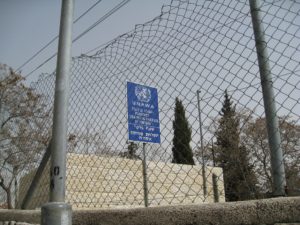
UNRWA Struggles after the US Pulls Funding

UNRWA
The United Nations Relief and Works Agency (UNRWA) was specifically created to help Palestinian refugees after the 1948 Israeli-Arab war. The Palestinian refugee problem has only grown since its formation, so the U.N. has allowed the agency to continue operating.

Palestinian refugees are unique. Every person who was a resident or a resident’s descendant of what is now Israel all have a legal designation as ‘refugees.’ UNRWA now serves four generations of Palestinian refugees, having grown from serving 750,000 to 5.6 million.

The United States Pulls Funding

The United States pulled its funding from UNRWA in 2018. President Trump cited the reason behind the defunding as the agency’s incompetency. The United States had previously been contributing about $355,000 million of UNWRA’s budget.

The United States’ decision affected refugees who rely on UNRWA’s aid for education, health care, protection and basic human needs like food security. In 2017, reports determined that 39% of Palestinian refugees lived in poverty, and very little effort has occurred to assimilate Palestinians into host communities.

Palestine, Israel and the international community, in general, see the United States’ choice as an effort to delegitimize UNRWA and the 5.6 billion Palestinian refugees it serves. Revoking these generations of Palestinians’ refugee status would take away their right to return to their homeland.

Aftermath of Funding Removal

In 2020, the U.N. extended UNRWA’s mandate to the year 2023. However, UNRWA is still struggling financially. Not only did it appeal to the international community to donate a minimum of $1.4 billion for the yearly budget, but it requested another $14 million for COVID-19 emergency aid.

The UNRWA reported that it can only sustain operations until May 2020 with the added health crisis that COVID-19 brought on. It has only raised one-third of its budget. UNRWA’s director stated that the UNRWA must run on a “month to month basis” enduring the biggest financial instability since its creation.

Pleas for Help

The United States made the suggestion to transition the UNRWA’s responsibilities into the hands of the Arab countries that host Palestinian refugees. However, these nations are struggling to fill their own funding gap. Arab countries are suffering from high poverty rates and an influx of refugees from the ongoing conflict in Syria.

UNRWA has also sought the help of NGOs, such as Islamic Relief USA, to fill the funding gap. This is a faith-based organization that works to raise funds and mobilize volunteers for a range of initiatives including UNRWA. It has been helping Palestinian refugees since 1994. Islamic Relief USA has served 1,077,000 people from 2017 to 2019.

The United States government might have cut off funding to UNRWA as a result of flaws within the agency. It might have hoped to delegitimize the Palestinian right of return. Either way, Palestine’s impoverished people need UNRWA’s support. If UNRWA is not successful in gaining new donors, they will lose their access to education, health care and other necessary securities that are human rights.

– Olivia Welsh
Photo: Flickr

September 27, 2020
https://borgenproject.org/wp-content/uploads/borgen-project-logo.svg 0 0 Kim Thelwell https://borgenproject.org/wp-content/uploads/borgen-project-logo.svg Kim Thelwell2020-09-27 14:50:172020-11-03 14:50:31UNRWA Struggles after the US Pulls Funding
Global Poverty, Refugees, Refugees and Displaced Persons, Technology

Online Platform Helping Refugees Find Answers

helping refugees find answers
In 2015, social entrepreneur Cornelia Röper saw a need for a platform that would help newly settled refugees with questions about employment opportunities, health, education and asylum. Röper’s experience working with a collaborative workshop for refugees in Germany made it clear to her that more work remained to help them. This was how the concept for Wefugees, an online platform helping refugees find answers to their questions, came into being.

Global Displacement Is High

According to the U.N. Refugee Agency, global displacement is higher than ever before. By December 2018, around 70.8 million people had been displaced from their homes. Violence, human rights violations and wars can all cause people to migrate. Though the number of refugees and migrants arriving in Europe has decreased since 2015, 141,472 people arrived in Europe in 2018 alone. The death rate for those trying to reach Europe on the Mediterranean has increased to more than 1,000 people in 2019. Almost 33% of worldwide refugees come from Syria. Another 33% of the global refugee population hails from Afghanistan, South Sudan, Myanmar and Somalia.

Children Seeking Asylum

Children and young people younger than age 18 make up 50% of the worldwide refugee population. Of these children, some 110,000 are separated from their families. In 2018, 27,600 children sought asylum in countries all over the world. As a result of this trend, 3.7 million children are currently not attending school, due to displacement.

Integrating Refugees into Society

The Wefugees platform addresses these issues by helping refugees in Röper’s native Germany become visible and successful at integrating into their new society. The interactive platform offers a safe place where displaced persons can ask specific questions, and volunteers can provide the answers.

Röper has been working full-time on these issues since February 2016. She was then joined by Wefugees co-founder Henriette Schmidt. Röper and Schmidt feel that refugees will be able to integrate into a new, unfamiliar society more effectively if they can solve their problems independently. By helping refugees find answers, Wefugees works to pass along information so that displaced persons can help themselves (with the aid of volunteers). The goal is for refugees to start their new lives on their own. Consequently, this online platform helping refugees relieves the pressure on conventional aid programs as well.

From Visas to Scholarships

The Wefugees platform addresses questions about problems such as obtaining asylum, traveling between countries, establishing residency in various countries and applying for citizenship. Also, this online platform is helping refugees with concerns about visa issues, relocation and the deportation process. Additionally, Wefugees helps refugees find answers to queries about power of attorney, international drivers’ licenses, housing markets, cultural activities and scholarships for students. The information exchange assists in the goal of helping refugees find answers to persistent problems. For instance — finding work, legal advice, healthcare, education and housing.

Changing the Future for Refugees

Word about Wefugees is growing. In 2018, Röper was included in Forbes’ list of “30 under 30 Europe: Social Entrepreneurs.” She has also received the Gates Foundation Changemaker Award. The online platform that Röper started is the world’s largest for refugee topics, with more than 8,000 users per month. More than 20,000 people have used the site, which continues the important work of helping refugees find the answers to improve their lives.

– Sarah Betuel
Photo: Flickr

September 22, 2020
https://borgenproject.org/wp-content/uploads/borgen-project-logo.svg 0 0 Kim Thelwell https://borgenproject.org/wp-content/uploads/borgen-project-logo.svg Kim Thelwell2020-09-22 13:41:312020-09-22 13:41:31Online Platform Helping Refugees Find Answers
Global Poverty, Migration, Refugees

The Importance of Telling Refugee Stories

refugee storiesOf the world’s population, 79.5 million people have been forcibly displaced from their homes. There are currently about 26 million refugees worldwide. Many of these individuals have been forced to flee their homes, experiencing extreme difficulty and hardship. At the peak of the 2015 European refugee crisis, headlines surrounding refugees’ stories of fleeing their home countries saturated the news. Combined with sobering photographs, these refugee stories provided the world with a glimpse into the realities of what thousands of individuals and families were experiencing and enduring. As the years have passed, this coverage has diminished, but thousands of refugees continue to flee their homes to find asylum elsewhere.
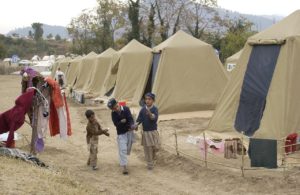
Refugee Stories in the News

One World Media, an organization supporting independent media coverage on circumstances in developing countries, advocates for continued media coverage of the European Refugee Crisis. To do so, it launched the Refugee Reporting Award. In partnership with the British Red Cross, the award encourages accurate and empathetic coverage of the state of the continuous refugee crisis.

The Executive Director of Communications and Advocacy at British Red Cross, Zoë Abrams, expounds on the importance of telling refugee stories. She explains that these stories are key to breaking down misconceptions and bias surrounding refugees and migrants. Abrams further states that “the relative trickle of stories nowadays means it is easy to wrongly assume that the situation for people on the move has dramatically improved.” This, however, is far from true, as issues regarding migration have increased across the globe.

How We Tell Refugee Stories

Although it is important to compile and share refugee stories, the manner in which individuals and their stories are portrayed should be carefully considered. The United Nations High Commissioner for Refugees (UNHCR) advises readers not to focus on refugees’ pasts, but to consider what individuals can accomplish despite what they have experienced.

The UNHCR shared the story of Shahm Maskoun, a Syrian refugee now living in France. He was finding great success in his life in Syria, but then war broke out and he was forced to flee, leaving everything behind. When Maskoun arrived in France, he had nothing and was very lonely. However, taking advantage of the support offered to refugees and migrants, he received some financial and health support. He eventually enrolled in a master’s program and then began giving back, assisting students in his classes and using his skills in internships. Reflecting on his own experiences, Maskoun says that he wants people to understand that refugees themselves aren’t the crisis, but the manner in which the media tells their stories can be problematic, insinuating they are defined by the hardships they have experienced.

The Importance of Refugee Stories

All types of refugee stories, including those highlighting the difficulties that individuals experienced while fleeing their homes and those describing the success found by refugees in other countries, have their place. A recent study shows that children need to hear refugee stories because it makes them more compassionate and empathetic, especially if refugee children are living in their communities and attending their schools.

Testing three groups of children, the results illustrated the connection between empathy and a willingness to help others. In this case, hearing the stories and experiences of the refugee children who would be joining their school class made children act accordingly with kindness and mindfulness toward their new classmates.

Compiling and telling refugee stories can be a useful tool in educating and informing the public about the state of the refugee crisis. As these stories foster empathy, it is likely that communities will remember refugees and seek to help provide them with relief and safety.

– Kalicia Bateman
Photo: Flickr

September 18, 2020
https://borgenproject.org/wp-content/uploads/borgen-project-logo.svg 0 0 Kim Thelwell https://borgenproject.org/wp-content/uploads/borgen-project-logo.svg Kim Thelwell2020-09-18 09:40:042024-05-29 23:23:14The Importance of Telling Refugee Stories
COVID-19, Developing Countries, Global Poverty, Refugees

The Impact of COVID-19 on Migration

COVID-19 on Migration
The novel coronavirus spread at dramatic rates since its discovery in Wuhan, China in late 2019. Some countries including China, Vietnam, New Zealand and Norway have successfully stopped the spread with an aggressive response; other countries, however, have been unwilling or unable to make similar progress. Worldwide confirmed cases currently top 20 million. While the virus is certainly transforming many aspects of life, the impact of COVID-19 on migration has become especially significant.

How COVID-19 Affects Refugees

About 80 million people have experienced forcible displacement from their home countries throughout the world. Additionally, 72 million of those asylum seekers are currently living in developing countries that lack the resources to aggressively fight a pandemic like COVID-19.

The International Rescue Committee estimates that up to 1 billion cases of COVID-19 could hit fragile countries housing the world’s refugees, such as Afghanistan, Syria and Yemen. Yemen has struggled with a major humanitarian crisis since its civil war escalated in 2015. Today an estimated 24 million people within the country are in need of assistance, with half of those individuals being children.

In most refugee camps, social distancing is impossible. One can find a prominent example of this difficulty in Cox’s Bazar, Bangladesh. This camp crams more than 850,000 Rohingya refugees into a very small, dense area. These refugees have severely limited access to health care. The lack of clean water for handwashing could prove disastrous when attempting to combat COVID-19. In addition, malnutrition and poor sanitation make refugee camps like Cox’s Bazar a potential hotbed for viral transmission. Medical depots at the camp only have 300 beds available and will be overrun if an outbreak emerges. These makeshift hospitals lack the lifesaving respirators needed for those in critical condition. In addition, medical workers must deal with COVID-19 on top of other preexisting health crises. Diseases like cholera, malaria and tuberculosis remain a constant issue.

The impact of COVID-19 on migration is evident in the record low numbers of refugee resettlement. For the time being, the United Nations has suspended relocation. People living in these unsuitable conditions are in dire need of help. Rather than taking in these refugees, most countries have chosen to lock down their borders without exception.

The Fate of Migrant Workers

Many industries in developed and undeveloped countries alike rely on a steady stream of foreign laborers. In the age of COVID-19, there is a premium on skilled workers in key industries like healthcare. As such, some countries have expedited the migration process for doctors, nurses and scientists.

Other job types have not experienced such demand. In countries like the United Arab Emirates, migrant workers are unemployed or have unpaid wages as a result of the pandemic. These men and women have no income to send back to their families and home villages, and many face a difficult decision: return home to their families where work is even rarer or scramble to find another job under their visa before being deported.

An Opportunity for Change

The long-term impact of COVID-19 on migration remains unclear. Asylum seekers in refugee camps will likely be the last on the priority list when vaccines become available, thus delaying their relocation even further. Until refugees obtain similar health protections to citizens, coronavirus will never fully resolve.

As lockdowns gradually end, the countries hit hardest by COVID-19 will face the immense task of rebuilding their economies. As part of this process, there will likely be a focus on hiring citizens over migrant workers. Governments may choose to distribute funds to domestic industries and put foreign aid on the back burner.

There is, however, a chance to reimagine human mobility. Portugal, Ireland and Qatar moved to ensure everyone has access to health care, regardless of their citizenship status. Several European Union countries have emptied their immigration detention centers to avoid outbreaks. Italy’s new amnesty law has granted 200,000 work permits to migrant workers.

Migrant workers are a major contributor to the global GDP, performing jobs across skill levels. Foreign labor is vital to successful economies, and a more fluid entry system would help expedite the road back. It is finally in the self-interest of governments worldwide to provide an easier path for these workers and mitigate the negative impacts of COVID-19 on migration.

– Matthew Beach
Photo: Pixabay

September 15, 2020
https://borgenproject.org/wp-content/uploads/borgen-project-logo.svg 0 0 Kim Thelwell https://borgenproject.org/wp-content/uploads/borgen-project-logo.svg Kim Thelwell2020-09-15 10:00:112020-09-15 06:13:22The Impact of COVID-19 on Migration
Global Poverty, Refugees

The 5 Refugee Crises of our Time

Refugee CrisesWars, persecution and horrific conditions caused by extreme poverty created 36 million refugees around the world. 24 million of these refugees come from just 5 countries: Syria, Venezuela, Afghanistan, South Sudan, and Myanmar. Here’s a look into the five largest refugee crises of our time.

Syria

Syria has 5.6 million refugees and is among the largest and most well-known refugee crises today. When the government cracked down on peaceful student protests, the Syrian Civil War started March 15, 2011 and has now killed 500,000 people.  Bombing infrastructure destroys living conditions resulting in 6 million people being displaced. With 70% of Syrians living in extreme poverty, nearly 11 million Syrians need humanitarian aid. Due to conflict, aid groups are struggling to access the areas that need assistance.

One-fourth of the world’s refugees are from Syria. Turkey and Germany host many Syrian refugees. The neighboring country of  Turkey hosts the most refugees in the world, totaling 3.6 million Syrian refugees. To handle the large influx of refugees in its country Turkey is working to improve refugee conditions. Germany hosts 1.1 million Syrian refugees. Germany recently obtained the EU presidency and plans on reforming the asylum rules so there will be a more equal number of refugees among EU states. The Syrian refugee crisis has lasted a decade and affects over 17 million people globally. If Turkey and Germany continue to work to adjust laws regarding asylum, more Syrian refugees will be able to find a safe haven in those countries.

Venezuela

Venezuelan refugees number 3.7 million. In 2014, oil prices fell and created an economic collapse. The current inflation rate of 15,000%  has pushed 14 million Venezuelans to live in extreme poverty on less than $1.90 a day. Shortages of food, water, and medicine constantly threaten the health of Venezuelans. Hyperinflation and lack of resources drive refugees from this crisis into bordering countries such as Columbia.

Columbia hosts the second most refugees in the world with 1.8 million Venezuelan refugees. The Columbian government is working to include Venezuelan refugees economically by providing Special Stay Permits that allow more than 100,000 refugees to earn a living working in the country.

Afghanistan

Forty years of conflict following the Soviet invasion in 1979 created 2.7 million refugees from Afghanistan. Political uncertainty and conflict have led to 2 million people being displaced in Afghanistan. Natural disasters and attacks on aid workers prevent those displaced from receiving much-needed support. Pakistan and Iran host most of these refugees.

With one out of every ten refugees being from Afghanistan, this crisis needs immediate attention. Pakistan hosts 1.4 million Afghan refugees and is working with the UN to provide more schooling opportunities. However, if conditions improve in Afghanistan, it is possible that 60,000 refugees could return to Afghanistan.

South Sudan

Around 2.2 million refugees are from South Sudan. South Sudan is the youngest nation in the world after becoming independent from Sudan in 2011. In 2013, a civil war broke out causing 383,000 deaths due to violence and hunger. Meanwhile, 4 million people became displaced from their homes. Food insecurity caused by famines and war has left 5.5 million people hungry.  Malnourishment greatly affects the development of children, who make up 63% of this refugee population. This is the largest refugee crisis in Africa, with most refugees fleeing to Ethiopia and Uganda.

Uganda hosts 1.7 million refugees and works to integrate them into society by providing them with land.
Currently, there is a mental health crisis among refugees. Suicides are on the rise, and COVID-19 puts an even bigger strain on the health of South Sudanese refugees. If Uganda gains more funding, it can improve the mental health of refugees by providing more support. Uganda’s progressive approach to refugees can help South Sudanese refugees start a new life.

Myanmar

The Rohingya Crisis has created 1.1 million refugees from Myanmar. Myanmar is a Buddhist country, but the Rohingya Muslims are a minority group. The Myanmar government refuses to recognize the Rohingya people as citizens, therefore they are a stateless people. In 2017 the Myanmar army burned up to 288 Rohingya villages and carried out mass killings.  To escape persecution, over 700,000 people have fled to Bangladesh and now stay in the largest refugee camp in the world: Cox’s Bazar. In 2020 the United Nations International Court of Justice has called for an end to the violence against the Rohingya and for the government to recognize the Rohingya as citizens.

Future of Refugees

Conflict and poverty are creating refugees in 2020. Most refugees originate from Syria, but Venezuela’s numbers are beginning to rise to the same level. Host countries need to continue to reform government laws to include refugees in their communities. Millions of people, both refugees and host countries, are globally affected by the current refugee crises.

— Hannah Nelson

Photo: Flickr

September 12, 2020
https://borgenproject.org/wp-content/uploads/borgen-project-logo.svg 0 0 Kim Thelwell https://borgenproject.org/wp-content/uploads/borgen-project-logo.svg Kim Thelwell2020-09-12 11:30:382024-05-29 23:23:06The 5 Refugee Crises of our Time
Global Poverty, Homelessness, Refugees

The Rising Problem of Homelessness in Cyprus

Homelessness in Cyprus
Homelessness in Cyprus is increasingly becoming a problem, or at least, many are just now recognizing it as a problem. Thousands of families are unable to afford the high rents and loan installments. Furthermore, asylum-seekers from a number of countries such as Syria, Cameroon, Somalia and Iraq are unable to find housing. However, the Ministry of Labor claimed in 2019 that “there isn’t a single person living on the street, not one homeless person exists.”

The leaders of Cyprus claim that the economy has spectacularly recovered from a 2012 to 2013 economic crisis in which the second-largest bank shut down and the largest, the Bank of Cyprus, had to seize deposits from savers in a bid. The government bailed out the economy, and Cyprus was able to repay the emergency liquidity assurance and regain the trust of its people. While it is true that Cyprus has made a remarkable recovery, the country cannot continue to ignore its housing problem.

Although the government has generally failed to recognize and take action against the problem of homelessness in Cyprus, here is some information regarding how Cypriots are coming together to make a difference.

Housing for All

Created in 2019, an alliance called Housing for All unites 20 social organizations together to fix the housing problem. It put forward demands and proposals to address the issue of homelessness across the European Union.

SXEDiA Shelter

A new center for the homeless opened on July 15, 2020, in Limassol called SXEDiA. The center, led by Nicos Nicolaides, teamed up with the Labor Ministry and provides shelter and support. The center’s goal is for homeless people to gain skills to re-enter the workforce. It also works to help the homeless strengthen support networks and find housing. Cyprus’ lack of data on the homeless population fuels the problem, so the group will also collect and monitor data. This is one of the first temporary accommodation centers in Cyprus.

UNHCR

The United Nations Refugee Agency (UNHCR) is advocating for Cyprus’ homeless, specifically the refugees. The Cyprus Refugee Law guarantees asylum-seekers immediate access to housing and social assistance after applying. However, the system currently fails to deliver on these promises. One problem is the time it takes to receive these applications, leaving many homeless and without money for long periods of time. The Kofinu Reception Center is no longer admitting single asylum-seekers, further exacerbating the problem.

However, the UNHCR claims the problem is avoidable. By allowing refugees to work as early as possible, they will become independent of state welfare and also contribute to the development of Cyprus’ economy. The UNHCR pushes for the government to review the current policy on asylum-seekers so that they can ensure a certain standard of living. They also push for assisting asylum-seekers outside of organized centers so they can more easily integrate into society.

Although homelessness in Cyprus does not seem to be a pressing problem due to the “very low rates,” it is much more of a problem than many realize. The limited statistical information hides the issue, but the number of those without housing is rising dramatically. Luckily, various organizations are taking action to ensure that the thousands in need of housing will receive it. Through direct action, Cyprus can solve its homelessness problem.

– Fiona Price
Photo: Flickr

September 2, 2020
https://borgenproject.org/wp-content/uploads/borgen-project-logo.svg 0 0 Kim Thelwell https://borgenproject.org/wp-content/uploads/borgen-project-logo.svg Kim Thelwell2020-09-02 01:30:582024-05-29 23:22:35The Rising Problem of Homelessness in Cyprus
Global Poverty, Homelessness, Refugees

Homelessness in Serbia: Targeting Refugees and Roma

homelessness in SerbiaAgainst a backdrop of poverty, unemployment, privatization and eviction, Serbia is facing a housing crisis. This widespread homelessness in Serbia disproportionately targets minority groups.

Poverty and Unemployment in Serbia

Homelessness in Serbia stems in part from the country’s poverty and unemployment rates. In 2013, a survey by The World Bank found that poverty threatened 24.5% of Serbia’s population. Recent economic recessions have highlighted joblessness as another major problem within the country, with the unemployment rate ranging from a high of 24% in 2012 to a recent low of around 12% in 2019. With many people out of a job and fighting to stay above the poverty line, homelessness looms as a real threat to Serbia’s people.

Serbia’s Housing History: Privatization and Eviction

The problem of homelessness in Serbia has been augmented by recent cuts in public housing. The privatization of housing in Serbia began with The Housing Law of 1992. The law disincentivizes the government from providing adequate public housing. According to the United Nations Economic Commission for Europe, there has since been a “virtual disintegration of state responsibility” for housing.

In 2016, another law worsened Serbia’s housing crisis. The Law on Housing and Building Maintenance, among other things, increased evictions. Evictions can catastrophically undermine human rights, especially when they threaten vulnerable communities. Before Serbia’s 2016 law was even enacted, Amnesty International called out its potential to “violate the rights of individuals and families in vulnerable communities at risk from forced eviction.”

This lack of public housing and frequent evictions have increased the threat of homelessness in Serbia. While the exact scope of the country’s situation is difficult to measure, the most recent census in 2011 estimates that around 20,000 people face homelessness in Serbia.

Vulnerable Communities: Refugees and the Roma People

When it comes to homelessness in Serbia, refugees are particularly vulnerable. Of Serbia’s refugee and internally displaced persons population, roughly 22% face poverty, placing these groups at a high risk of homelessness.

Additionally, Serbia lacks adequate space within refugee camps to shelter those coming into the country. Despite the large refugee population, the Serbian government provides sparse accommodations. In 2016, the Serbian government provided only 6,000 beds to asylum seekers, leaving many without shelter.

Another vulnerable group within Serbia is the Roma population. Low levels of education and high rates of poverty leave the Roma people struggling to afford private housing, while discrimination against them puts them at a disproportionate risk of eviction. Evictions of Roma people have become so targeted that the European Roma Rights Centre and Human Rights Watch sounded the alarm when, with little notice, 128 Roma people were evicted from their homes in Novi Beograd within one day.

Who Is Helping the Homeless?

There is good news. The Regional Housing Programme (RHP) is fighting homelessness in Serbia by providing housing for refugees. The organization has worked with over 7,000 housing units and, by 2019, had provided housing to 4,200 refugee families. On June 20, 2020, the organization celebrated World Refugee Day by moving 270 families into the RHP’s newly constructed apartment building in Belgrade. The organization’s work has gotten media attention in the form of a new film. “Here to Stay” describes RHP’s achievements and shares stories from the refugees who have found a home thanks to RHP’s help.

Another organization, Združena Akcija Krov nad Glavom (Joint Action Roof Over Your Head), is helping Serbia’s homeless population during the COVID-19 pandemic. Along with providing housing accommodations, the organization delivers essential supplies such as food, protective masks and sanitizer to the homeless.

Organizations like these provide hope in Serbia’s fight against homelessness. In the face of the Serbian government’s lack of effort to provide clean and safe public housing to its people, these organizations are making a huge difference for the many people affected by homelessness in Serbia.

– Jessica Blatt
Photo: Flickr

August 28, 2020
https://borgenproject.org/wp-content/uploads/borgen-project-logo.svg 0 0 Kim Thelwell https://borgenproject.org/wp-content/uploads/borgen-project-logo.svg Kim Thelwell2020-08-28 08:37:022020-08-28 08:37:02Homelessness in Serbia: Targeting Refugees and Roma
Global Poverty, Refugees

Colombian Agribusiness Helps Venezuelan Refugees

Colombian agribusiness
As of June 2019, approximately 4 million Venezuelan refugees had fled their home country in search of shelter from the “State-Sponsored Terror” of dictator Nicolás Maduro; by the end of 2020, this number could increase to as many as 8.2 million total Venezuelans seeking refuge. Already, around 1.7 million Venezuelan refugees have sought shelter in neighboring Colombia, creating an overwhelming demand for food and other supplies in regions closest to the Colombia-Venezuela border. In response to this emerging humanitarian crisis, a Colombian agribusiness has found an innovative solution that ensures Venezuelan refugees receive food and humane treatment while also helping struggling local economies. What exactly is this solution? The agribusiness of imperfect potatoes.

Agribusiness In Motion

The Colombian agribusiness company Acceso works to revitalize the economy of a nation whose rural poverty rate is 35%. Acceso’s success derives from its business model, which links rural farmers to urban marketplaces and provides a variety of resources to farmers–from startup cost aid to seed access–to ensure that they turn a profit.

Essentially, Acceso acts as a middleman between small Colombian farms and larger stores. Acceso buys crops in bulk from small Colombian farmers in order to resell them in commercial marketplaces. However, in doing so, Acceso often ends up purchasing products like “imperfect looking but edible potatoes.” Despite their imperfections, these potatoes hold the key to the success of Acceso’s entire operation.

Crops that are too small or have visual defects like scratches are still nutritious and viable; their defects, though merely visual, impair the ability of farms and Colombian agribusiness firms to sell them in commercial marketplaces. For the small farmer, growing imperfect crops elicits a loss of money. In normal farmer-market relationships, imperfect crops either have to be sold by small farmers in local markets for a lower price or they go to waste.

Because Acceso buys all of a farm’s crops regardless of their condition, they assure that farmers are adequately compensated for all of the crops they grow. An Acceso partnership can increase the revenue of an individual farm by as much as 50%. It maximizes the profit of small farms because Acceso pays more than normal consumers would for every piece of produce grown, enriching every sector of Colombia’s farming industry and helping stabilize the economy of rural Colombia.

Colombia’s agricultural GDP has increased by 1,502 billion Colombian pesos (about $400 million) since late 2019. An increase of this quantity illuminates how the growth of Colombian agribusiness keeps small farmers from falling into poverty, rewards them for their hard work and expands the Colombian economy.

Kitchens Without Food

In 2017, 8 out of 10 Venezuelans reported having a reduced caloric intake due to a lack of food at home, and around one-third of Venezuelans eat less than three meals each day. This explains why many Venezuelan refugees in Colombia–especially children–come across the border severely undernourished.

As they cross the border into Colombia, these refugees–some of whom have only eaten salted rice for an extended period of time–need nutrition urgently. This creates immense demand for food in border cities like Cúcuta, which have seen a massive influx of Venezuelan refugees. The Colombian government has partnered with NGO’s to establish relief kitchens on the border such as Nueva Ilusión in Cúcuta in order to meet the nutritional and humanitarian needs of Venezuelan refugees.

Unfortunately, these border kitchens still struggle to find adequate funding. International relief aid for the Venezuelan refugee crisis has only totaled $580 million, a number woefully short of the amount needed to ensure humane treatment for all refugees entering Colombia. To remedy this, the Colombian government has launched over $230 million in credit lines to invest in border cities with high numbers of refugees.

Albeit, even an amount that large might be insufficient to meet the needs of the incoming refugees. Many border kitchens providing nutritious meals to Venezuelan refugees lack the appropriate financial resources to provide enough of it.

Supply? Demand.

Each organization mentioned thus far faces an issue. Acceso has acquired imperfect crops that they cannot sell. Border kitchens lack funding and need nutritious foods to turn into meals for Venezuelan refugees.

This is where supply meets demand.

Recognizing the gravity of the malnutrition crisis among Venezuelan refugees in Colombia, Acceso partnered with border kitchens like Nueva Ilusión to give Venezuelan refugees the dignified treatment they deserve.

Instead of throwing away the imperfect crops that they cannot sell, Acceso now donates these crops to border kitchens. As of March 2020, the Colombian agribusiness contributed over 480 metric tons of fruits and vegetables to border kitchens, making 4.3 million nutritious meals.

On a daily basis, the products donated by Acceso are made into around 2,000 meals per day per kitchen, 600 of which are served to malnourished children fleeing from Venezuela. By donating food to meet the demand of border kitchens, Acceso has helped make progress towards alleviating the nutritional crisis that plagues Venezuelan refugees both young and old.

With their agribusiness, Acceso links the needs of two impoverished groups in Colombia and assures that their needs are met with reciprocal flourishing. In conjunction with both the farmers and kitchens, Acceso confers economic benefits to small Colombian farms while also ensuring that border kitchens have enough food supplies to provide refugees.

Acceso’s work linking the needs of small Colombian farmers and Venezuelan refugees has helped to fill the gap in relief created by a lack of funding for humanitarian aid efforts in this region. Its successes with rural farmers and malnourished Venezuelan refugees have shown how the most impactful relief can often be found in the most dignified mediums of exchange.

– Nolan McMahon
Photo: Flickr

August 27, 2020
https://borgenproject.org/wp-content/uploads/borgen-project-logo.svg 0 0 Kim Thelwell https://borgenproject.org/wp-content/uploads/borgen-project-logo.svg Kim Thelwell2020-08-27 10:55:292020-08-27 10:55:44Colombian Agribusiness Helps Venezuelan Refugees
Global Poverty, Refugees

Maternal Health in Refugee Camps in Burundi

Maternal Health in Refugee Camps
The African country of Burundi exists between the Democratic Republic of the Congo, Rwanda and Tanzania. Despite being slightly smaller than the U.S. state of Maryland, Burundi is home to over 10 million people. The poverty-stricken nation, independent since 1962, is currently one of the poorest countries in the world, and it relies predominantly on aid from outside donors to support its people and economy. Considering the ongoing humanitarian crisis in Burundi, maternal health in refugee camps in Burundi is a significant concern that requires attention.

The Humanitarian Crisis in Burundi

Burundi was recovering from a 10-year-long civil war when the nation descended into turmoil in 2015. The widely contended decision of President Pierre Nkurunziza to run for an unconstitutional third term in office sparked a period of intense political unrest and violence in Burundi. Occupied with dismantling resistance efforts, the government of Burundi failed to meet the basic humanitarian needs of many of its citizens. As of 2015, estimates determined that an alarming 67.3% of the population experiences undernourishment. Additionally, ongoing climate hazards continue to destroy life-sustaining farmlands and livelihoods in rural communities. Coinciding food insecurity and economic decline have also led to severe outbreaks of disease.

Burundian Refugee Camps

The instability afflicting Burundi has displaced nearly half a million people, forcing hundreds of thousands of Burundi’s citizens into refugee camps in Burundi and into neighboring countries. The quality of life in refugee camps is often poor due to overcrowding and limited resources.

Maternal Health in Refugee Camps

The influx of Burundi refugees fleeing to neighboring African countries strains pre-existing, inadequate public health infrastructures. The rise in the number of refugees seeking sanctuary in refugee camps accompanies the increased demand for health care workers and services and essential medical supplies.

The situation is particularly concerning for women as limited access to quality maternal health care in refugee camps results in alarmingly poor maternal health outcomes. Burundian women in refugee camps face high maternal mortality rates, a lack of birth preparedness and maternal services and poor treatment of obstetric complications.

Addressing the Situation

The Burundi refugee situation stands as one of the most underfunded humanitarian crises in the world. The U.N. Refugee Agency, UNICEF and other humanitarian organizations continue to fight for funding and donor support in efforts to ensure that refugees in struggling refugee camps throughout Burundi and its neighboring nations can meet their basic needs.

The U.N. Refugee Agency works specifically to improve maternal health in Burundi refugee camps. By ensuring that skilled birth attendants are available and supporting health workers with clinical training and necessary medical supplies, maternal mortality rates in refugee camps have decreased in recent years. The U.N. Refugee Agency also works to promote other central aspects of maternal health care for Burundian refugees by increasing access to care before, during and after pregnancy. Additionally, it works on granting testing and treatment of cervical cancer and fistula to women along with providing education about sexual and reproductive health and health services.

In addition to these efforts by the U.N. Refugee Agency, the United Nations Population Fund has improved maternal health in refugee camps by distributing emergency reproductive health kits, hygiene supplies and contraceptives. For Burundian refugee Chantal Uwamahoro, support from this international agency ensured the safe, healthy delivery of her baby in a fully operational maternity ward in the Mahama Refugee Camp. Uwamahoro did not expect to deliver her baby normally, as she had been walking for days to reach a camp, carrying her son on her back. However, the humanitarian efforts of the United Nations Population Fund ensured the health of both her and her baby.

Moving Forward

Though political tension and humanitarian crises endure in the nation of Burundi following the tumultuous 2020 presidential election and the ongoing COVID-19 pandemic, various agencies’ work to improve the quality of life in refugee camps is critical, as are efforts to better maternal health in refugee camps and bolster maternal health outcomes across the region.

– Alana Castle
Photo: Flickr

August 17, 2020
https://borgenproject.org/wp-content/uploads/borgen-project-logo.svg 0 0 Kim Thelwell https://borgenproject.org/wp-content/uploads/borgen-project-logo.svg Kim Thelwell2020-08-17 13:16:332024-06-07 05:08:06Maternal Health in Refugee Camps in Burundi
Page 19 of 53«‹1718192021›»

Get Smarter

  • Global Poverty 101
  • Global Poverty… The Good News
  • Global Poverty & U.S. Jobs
  • Global Poverty and National Security
  • Innovative Solutions to Poverty
  • Global Poverty & Aid FAQ’s
Search Search

Take Action

  • Call Congress
  • Email Congress
  • Donate
  • 30 Ways to Help
  • Volunteer Ops
  • Internships
  • Courses & Certificates
  • The Podcast
Borgen Project

“The Borgen Project is an incredible nonprofit organization that is addressing poverty and hunger and working towards ending them.”

-The Huffington Post

Inside The Borgen Project

  • Contact
  • About
  • Financials
  • President
  • Board of Directors
  • Board of Advisors

International Links

  • UK Email Parliament
  • UK Donate
  • Canada Email Parliament

Get Smarter

  • Global Poverty 101
  • Global Poverty… The Good News
  • Global Poverty & U.S. Jobs
  • Global Poverty and National Security
  • Innovative Solutions to Poverty
  • Global Poverty & Aid FAQ’s

Ways to Help

  • Call Congress
  • Email Congress
  • Donate
  • 30 Ways to Help
  • Volunteer Ops
  • Internships
  • Courses & Certificates
  • The Podcast
Scroll to top Scroll to top Scroll to top