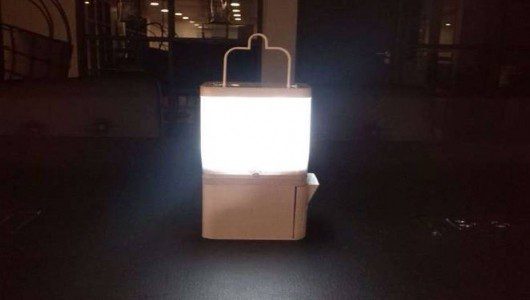
According to the World Bank, 1.1 billion people live without access to electricity. Many of them, including one out of every 50 households in the Philippines, rely on kerosene or battery-powered lamps for light. Kerosene lamps pose fire hazards, particularly in the Philippines, which the UN ranked the third most disaster-prone country in the world. Even further, for rural poor families, kerosene can be hard to come by, forcing people to walk many miles a day to purchase oil for their lamps.
This was an issue siblings Aisha and Raphael Mijeno knew they had to find a solution to. So they developed SALt, a lamp that provides a sustainable source of light and energy using saltwater and metal rods. With just one glass of water and two tablespoons of salt, the LED lamp, which is a Galvanic cell, can safely light a home for eight hours. Because it is composed entirely of a salt solution, it eliminates dangers and toxicity levels present in kerosene and battery-powered lamps.
The only maintenance the lamps require is changing the anode every six months. Because the Philippines is composed of over 7,000 islands and most residents live close to the sea, they can use ocean water rather than creating their own solution. In emergencies, the lamp can charge smart phones merely through the standard USB cable. This is an added safety measure that helps people get in touch with loved ones in an emergency or find access to food, water, safety supplies, or shelter.

Aisha Mijeno, an engineer at De La Salle University in Lipa and member of Greenpeace Philippines, says she will partner with NGOs to help distribute the lamps to poor families with no access to electricity. For poor families not represented by the NGOs, the lamps will be available for a price of $20. For general customers, the retail price will be slightly higher, and for each lamp sold an additional one will be given to a needy family.
The Mijenos have won numerous entrepreneurial awards for their invention, including the Kotra Award at the Startup Nations Summit 2014 and Ideaspace Foundation Award 2014. Both awards will help Aisha and Raphael fund and advertise their lamps. Their innovations will not only bring light to those who need it most, it will also empower them to better their conditions and gain more opportunities.
Says Aisha, “This isn’t just a product. It’s a social movement.”
— Jenny Wheeler
Sources: Huffington Post, Salt
Photo: Treehugger
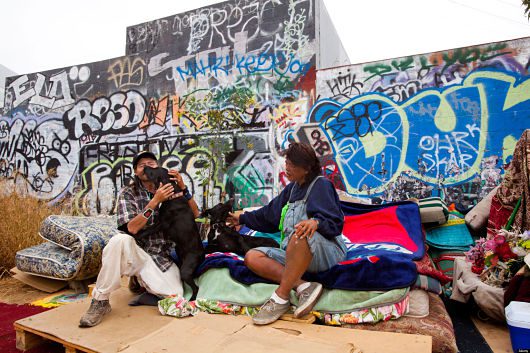 California has always been seen as the place to turn dreams into reality. It seems like Hollywood can take anyone and make them into a movie star. The state’s picturesque valleys, world-famous cities and year-round warm weather draw thousands of new residents every year. While these residents may come to the West Coast full of hope, living there long enough may turn all those dreams and hopes into nightmares.



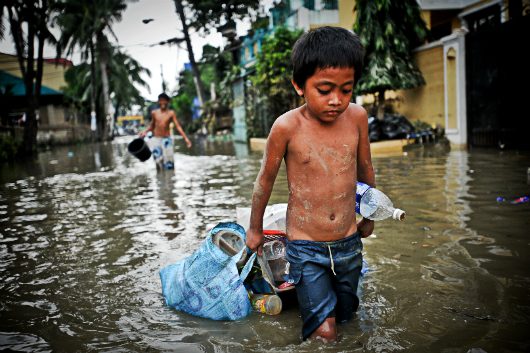 A new potential Anti-Poverty Model has emerged out of sustained economic reform in the Philippines. Over the past two years, local growth has significantly reduced poverty in the country. Looking ahead, continued reform measures could bring the number of poor Filipinos down to just 18-20 percent of the population by 2016.
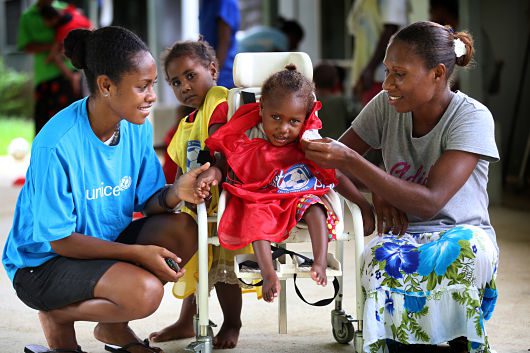 International advocacy organizations are at the heart of improving the lives of millions all over the world. But what exactly are they? How do they function? How do they differ from other “charity” organizations? How effective are they?