• Link to X
  • Link to Facebook
  • Link to Instagram
  • Link to TikTok
  • Link to Youtube
  • About
    • About Us
      • President
      • Board of Directors
      • Board of Advisors
      • Financials
      • Our Methodology
      • Success Tracker
      • Contact
  • Act Now
    • 30 Ways to Help
      • Email Congress
      • Call Congress
      • Volunteer
      • Courses & Certificates
      • Be a Donor
    • Internships
      • In-Office Internships
      • Remote Internships
    • Legislation
      • Politics 101
  • The Blog
  • The Podcast
  • Magazine
  • Donate
  • Click to open the search input field Click to open the search input field Search
  • Menu Menu

Archive for category: Poverty Reduction

Information and stories about poverty reduction.

Food Security, Global Poverty, Poverty Reduction

Benefitting from the Green Revolution in Africa


green_revolution_in_africa
A Green Revolution is the process of renovating agricultural practices, techniques and equipment that results in more prosperous and successful agricultural production. The first Green Revolution occurred in Mexico in the 1940s and the agricultural modifications used to spur the revolution spread worldwide in the following decades.

Green Revolutions are made possible through mechanized equipment and the use of irrigation and fertilization. Prior to many Green Revolutions countries such as Mexico and the United States were not producing enough crops to feed their citizens so they were forced to import products.

In the 1940s, the U.S. imported more than half of its wheat. However, after undergoing their Green Revolution they were able to produce a significantly greater supply and were not only able to stop importing wheat but also became wheat exporters. Cutting the cost of importing and generating a profit from exporting.

While Green Revolutions were sprouting up across the world, Africa became one area that was largely excluded from the benefits of revolutionizing agriculture. The lack of a Green Revolution in Africa can be directly tied to the overwhelming level of poverty throughout much of the African continent and especially in Sub-Saharan Africa.

Roughly 400 million people in Africa live in poverty and the majority of them live on farms. African farmers face poor soil, unreliable water supplies, restricted access to markets, insufficient access to finance and credit compounded by little government support.

Without a shift in the farming techniques and tools used throughout African countries, farmers will continue to struggle to grow enough crops to earn a living wage or feed their fellow countrymen.

Some countries are starting to show signs of Green Revolutions and there are many organizations, such as AGRA, that are working to assist in this process; but with so many people lacking food and an adequate income, an agricultural boost could be a major step towards decreasing the striking poverty levels throughout Africa.

AGRA is an organization that has developed and implemented several programs designed specifically to increase African agriculture. They currently work within 17 different African countries with programs to improve soil health, market access and policies and advocacy for farmers.

A Green Revolution in Africa could allow countries to gain economic stability, decrease food insecurity and empower farmers to not only feed their own countries but the world. Turning a country from an importer to an exporter can unlock potential and generate incredible economic progress.

– Brittney Dimond

Sources: AGRA, About, Huff Post,
Photo: thedailyeye

September 25, 2015
https://borgenproject.org/wp-content/uploads/borgen-project-logo.svg 0 0 Kim Thelwell https://borgenproject.org/wp-content/uploads/borgen-project-logo.svg Kim Thelwell2015-09-25 01:30:562020-06-29 18:06:20Benefitting from the Green Revolution in Africa
Global Poverty, Poverty Reduction, Sustainable Development Goals, United Nations

From Millennium Development Goals to Sustainable Goals

From Millennium Development Goals to Sustainable Development Goals
The final report of the Millennium Development Goals (MDGs) says it has been the most successful anti-poverty effort in history. But despite significant gains, there are many global poverty issues that still need to be addressed. These include sanitation, gender equality, maternal and children’s health, and access to family planning, among others.

After 15 years, the transition from MDGs to the Sustainable Development Goals (SDGs) begins. The new goals will be adopted this September at the United Nations Sustainable Development Summit, which will provide a guideline for policy and funding for the next 15 years. There are set to be 17 goals and 169 indicators to measure the progress of these goals.

Among the proposed goals are the following:

  • No poverty
  • Zero hunger
  • Good health and well being
  • Quality Education
  • Gender Equality
  • Clean Water and Sanitation
  • Affordable and Clean Energy
  • Decent Work and Economic Growth
  • Industry, Innovation and Infrastructure
  • Reduced Inequalities
  • Sustainable Cities and Communities
  • Responsible Consumption and Production
  • Climate Action
  • Life Below Water
  • Life on Land
  • Peace and Justice, Strong Institutions
  • Partnerships for the Goals

The goals were conceived through a collaboration of the UN Development Programme (UNDP) and the UN Development Group (UNDG), which undertook an unprecedented global conversation among a diverse group of stakeholders over the last three years. Stakeholders included women, young people, people with disabilities, the private sector and all levels of government.

For example, the UN’s online My World Survey, which asked participants to rank their six highest priority issues, gathered the ranked priorities for the future of 7.3 million people.

In addition, the UNDG collected the perspectives from over one million people on “the world we want,” eliciting 88 national consultations and input on 11 thematic dialogues.

“As member states consult on the shape and content of a successor framework to the Millennium Development Goals (MDGs) beyond 2015, it is hoped that the opportunity to listen to these voices will contribute to reaching consensus on what is needed to move towards a common sustainable future,” states the World We Want website.

Partnerships will be key to realizing the proposed goals. Some of the important players that will assist in partnerships and collaboration between different entities are the Department of State’s Office of Global Partnerships, which will work with public and private sectors. The U.S. Agency for International Development will work with corporations, foundations, NGOs and others in developing countries through the Global Development Alliance.

Looking ahead, the need to work together across stakeholder groups is paramount. “World leaders have an unprecedented opportunity this year to shift the world onto a path of inclusive, sustainable and resilient development,” said Helen Clark, UNDP Administrator. And the message from the global conversation was clear: People want to be involved in the process of accomplishing these goals and to hold governments and businesses accountable for their promises and commitments.

– Paula Acevedo

Sources: Millennium Development Goals Final Report, Devex, United Nations Development Programme
Photo: Flickr

September 18, 2015
https://borgenproject.org/wp-content/uploads/borgen-project-logo.svg 0 0 Borgen Project https://borgenproject.org/wp-content/uploads/borgen-project-logo.svg Borgen Project2015-09-18 02:55:262024-12-13 18:04:38From Millennium Development Goals to Sustainable Goals
Activism, Global Poverty, Poverty Reduction, United Nations

UN Report: Overall Global Poverty Has Dropped Dramatically

z1-thumbs up
The U.N.’s 2015 Millennium Development Goals Report, which was released earlier this month, has published findings that show a sharp improvement in overall global poverty.

The U.N.’s report highlights the progress that has been made since their Millennium Development Goals were first established in 2000. This plan, which set targets and timeframes for how to make an impact in global poverty by 2015, has ultimately been remarkably successful.

“What the goals did, by prioritizing and focusing, was actually put together major international donors, civil society partners on the ground, national governments focusing on the same sets of issues,” Mark Suzman, a U.N. official, told NPR. “And that allowed for a focusing of both policy change and resources and attention.”

The report highlights a number of significant changes that have been made since its inception over a decade ago. According to the report, the amount of people living in extreme poverty has dropped to less than half of what it was in 1990, from 1.9 billion to 836 million. The report also points out that overall primary school enrollment in developing regions has reached 91 percent.

“The report confirms that the global efforts to achieve the goals have saved millions of lives and improved conditions for millions more around the world,” said U.N. Secretary General Ban Ki-moon.

The report doesn’t shy away from the work that still needs to be done, however. The report’s findings also include the fact that around one billion people still defecate in the open and 28 percent of children in South Asia younger than five can be classified as “moderately or severely underweight.”

“These successes should be celebrated throughout our global community,” Ki-moon added. “At the same time, we are keenly aware of where we have come up short.”

– Alexander Jones

Sources: Aizenman, Economic Times, Sengupta

September 7, 2015
https://borgenproject.org/wp-content/uploads/borgen-project-logo.svg 0 0 Borgen Project https://borgenproject.org/wp-content/uploads/borgen-project-logo.svg Borgen Project2015-09-07 01:30:482020-06-30 18:45:11UN Report: Overall Global Poverty Has Dropped Dramatically
Global Poverty, Poverty Reduction

World Bank Finances Poverty Reduction Projects in Laos


poverty_reduction
On August 17, the World Bank signed an agreement with the Lao People’s Democratic Republic to finance three projects aimed at increasing the efficiency and reliability of electricity, facilitating quality health and nutrition for women and children and building necessary infrastructure, such as roads, health clinics, schools and drinking water systems.

The World Bank has approved a US$68 million loan, which will be divided among the projects. The Power Grid Improvement Project will receive the greatest sum, US$30 million, with the Health and Nutrition Development Project and Poverty Reduction Fund II Project endowed with US$26.4 million and US$11.6 million respectively.

Although Laos has successfully provided most citizens with electricity, there are still problems. After a distribution loss in 2014 of 24 percent, greater than the 13 percent national average, Laos’s Xaythany district of capital city Vientiane has become the target area for the Power Grid Improvement Project.

The experience of increasing electricity efficiency will provide a building block, serving as a jumping off point for further improvements across the country.

With the Health Governance and Nutrition Development Project, the Lao PDR government aims to bolster women and children’s healthcare by providing free services. If successful, the project will reduce the instances of stunted growth and wasting from lack of nutrition. In order to accomplish better childhood nourishment, the program will promote breastfeeding.

Also on the agenda is developing a communication strategy that will effectively promote healthy child and infant feeding practices. Along with nourishment, maternal mortality will be targeted by means of providing better access to family planning resources and antenatal care.

The project also hopes to increase the number of births facilitated by a skilled health worker.

Through the Poverty Reduction Fund II Project, the Lao PDR government will work to establish infrastructure that serves the country’s marginalized communities. Schools are of particular note, as UNICEF reports that of Laos’s poorest 20 percent, only 5.3 percent are able to attend early childhood education.

Construction of drinking water systems is also important. At present, nearly 40 percent of rural inhabitants don’t have access to improved drinking water sources.

These projects are expected to substantially contribute to Laos’s development, building upon the country’s past poverty reduction success.

– Emma-Claire LaSaine

Sources: World Bank, UNICEF

Photo: Flickr

September 5, 2015
https://borgenproject.org/wp-content/uploads/borgen-project-logo.svg 0 0 Borgen Project https://borgenproject.org/wp-content/uploads/borgen-project-logo.svg Borgen Project2015-09-05 11:26:092024-12-13 17:54:07World Bank Finances Poverty Reduction Projects in Laos
Development, Extreme Poverty, Food & Hunger, Global Poverty, Poverty Reduction

How the UN Fights Global Poverty

How the UN Fights Global Poverty2015 represents an important year for the United Nations to eradicate extreme poverty and hunger.
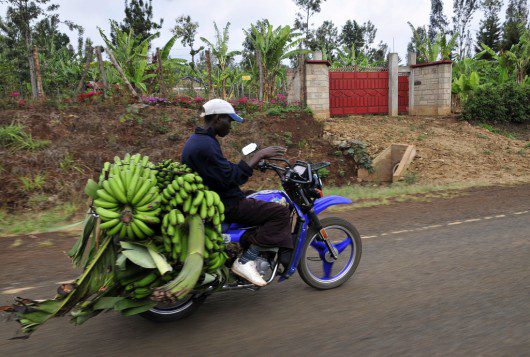
Among the goals that the United Nations has to eradicate poverty and hunger are: to reduce by half the amount of people that make less than $1 per day, accomplish employment and work for everyone including minorities such as women and to reduce by half the amount of people who are suffering from hunger.

The United Nations partners with different organizations and foundations in order to achieve these goals to eradicate poverty.

The Zero Hunger Challenge, the Scaling Up Nutrition (SUN) Movement and the UNDP-IKEA Foundation are three movements that the United Nations are partnering with.

1. Zero Hunger Challenge

U.N. Secretary-General Ban Ki-moon gives the invitation to every country to work for the future, a future in which every person has adequate nutrition and doesn’t lack food.

The Zero Hunger Challenge involves having no stunted children, 100 percent access to adequate food, sustainable food systems, 100 percent increase in smallholder productivity and zero food waste.

According to this challenge, the investment in agriculture, rural development and equality of opportunity helps to eradicate hunger.

This challenge promotes different strategies and cooperation in order to strive for results that combat hunger.

2. Scaling Up Nutrition (SUN) Movement

The principle of this movement is that everyone has the right to good nutrition and food. This movement is supported by donors, people from the government, the United Nations and various others.

This movement seeks to address malnutrition by activities such as implementing programs and collaborations.

The principles of engagement are to be transparent and honest about the impact that collective action has, bring solutions that can be proven and interventions to scale, have a commitment to support the rights and equity of all human beings, resolve conflicts if they arise, be responsible so stakeholders can feel collectively accountable to the commitments, establish priorities and be communicative toward what works and what doesn’t.

3. UNDP-IKEA Foundation

This is a foundation that is benefiting 50,000 women from India.

This foundation has helped 9,000 dairy producers to form a company through provided financial literacy training. Profits also double within a year through the participation of the members.

The United Nations also contributes with other organizations, such as the UNDP and Brazil’s Natura Cosméticos, which brings training to beauty advisors in areas that vary from direct sales to customer training.

It is clear that the United Nations uses different methods to obtain results in the different humanity issues that it focuses on.

While they address different issues such as climate change, terrorism, food production, human rights, health emergencies and many others, global poverty and the eradication of extreme poverty and hunger is under the Millennium Development Goals that the United Nations has, and partnering with different associations, movements, organizations and foundations has resulted in a way to reach for success in addressing these issues in the year of 2015.

– Diana Fernanda Leon

Sources: United Nations 1, United Nations 2, Scaling Up Nutrition
Photo: Flickr

September 3, 2015
https://borgenproject.org/wp-content/uploads/borgen-project-logo.svg 0 0 Borgen Project https://borgenproject.org/wp-content/uploads/borgen-project-logo.svg Borgen Project2015-09-03 05:09:282024-05-27 09:24:20How the UN Fights Global Poverty
Foreign Aid, Global Poverty, Poverty Reduction

Development Impact Bonds: Investing in Poverty Reduction

Development Impact Bonds for Investing in Poverty Reduction- BORGEN
A relatively new strategy in guiding private money toward poverty reduction are deemed Development Impact Bonds, or DIBs. DIBs differ from traditional financing for poverty reduction in a few key ways.

First, rather than an aid agency or philanthropist giving money for a certain goal, like increasing educational attainment for girls in a developing country, private investors provide the money with an expectation to make a profit. As with any investment, risks are an inherent part of the equation.

The way that the investors recoup their investment is the principle of outcome-based returns. If a certain project hits its goals, then the investors get their initial money plus whatever interest was agreed upon in the contract.

For example, a program that trains job seekers would not get money for the number of people trained but by the number of people that graduated from the program and held jobs for a certain amount of time. If successful, investors’ profit comes from a philanthropic organization, aid agency or the government that received the benefits of the program.

What this does — and the second way DIBs differ from traditional development program financing — is to take the risk off the hands of the constrained budgets of aid agencies. If, unfortunately, the program fails, then the aid agency or government responsible for repayment is off the hook and the investors are left empty handed. However, this risk sharing allows for more programs to have a chance.

Thirdly, the outcome-based principle allows allows for more flexibility in meeting program goals. Rather than be burdened with a predetermined process imposed by the donor, the program can be innovative and work within the context of the local environment.

This allows frees up space for local entrepreneurs. They know the area, the culture, and have a better idea of what will and will not work best. The flexibility in meeting targets not only incubates different and novel ideas, it incorporates locals and their knowledge better than traditional funding.

While these differences make DIBs attractive, the management and transaction costs may be prohibitively high. The novelty of the mechanism and uniqueness of each contract, together with the infant stage that this industry is in are what contributes to these costs. If successful, over time, a streamlined process and proven results will reduce the costs and increase the uptake.

DIBs have potential in the areas of global health, education, agriculture, water and sanitation, housing and the environment.

Investors interested in creating a positive social impact with their money now have a new option. Savvy investors may also view these investments as laying the groundwork for future business opportunities in the developing economy.

– John Wachter

Sources: Conscious Company Magazine, EcoEnterprises Fund, The Guardian 1, The Guardian 2, Instiglio, JP Morgan Chase
Photo: Flickr

August 31, 2015
https://borgenproject.org/wp-content/uploads/borgen-project-logo.svg 0 0 Borgen Project https://borgenproject.org/wp-content/uploads/borgen-project-logo.svg Borgen Project2015-08-31 01:30:182024-05-27 09:27:26Development Impact Bonds: Investing in Poverty Reduction
Global Poverty, Poverty Reduction

Filipino Siblings Help Unlock Electricity and Escape Poverty

Filipino Siblings Help Unlock Electricity & Escape from Poverty
According to the World Bank, 1.1 billion people live without access to electricity. Many of them, including one out of every 50 households in the Philippines, rely on kerosene or battery-powered lamps for light. Kerosene lamps pose fire hazards, particularly in the Philippines, which the UN ranked the third most disaster-prone country in the world. Even further, for rural poor families, kerosene can be hard to come by, forcing people to walk many miles a day to purchase oil for their lamps.

This was an issue siblings Aisha and Raphael Mijeno knew they had to find a solution to. So they developed SALt, a lamp that provides a sustainable source of light and energy using saltwater and metal rods. With just one glass of water and two tablespoons of salt, the LED lamp, which is a Galvanic cell, can safely light a home for eight hours. Because it is composed entirely of a salt solution, it eliminates dangers and toxicity levels present in kerosene and battery-powered lamps.

The only maintenance the lamps require is changing the anode every six months. Because the Philippines is composed of over 7,000 islands and most residents live close to the sea, they can use ocean water rather than creating their own solution. In emergencies, the lamp can charge smart phones merely through the standard USB cable. This is an added safety measure that helps people get in touch with loved ones in an emergency or find access to food, water, safety supplies, or shelter.

Aisha Mijeno, an engineer at De La Salle University in Lipa and member of Greenpeace Philippines, says she will partner with NGOs to help distribute the lamps to poor families with no access to electricity. For poor families not represented by the NGOs, the lamps will be available for a price of $20. For general customers, the retail price will be slightly higher, and for each lamp sold an additional one will be given to a needy family.

The Mijenos have won numerous entrepreneurial awards for their invention, including the Kotra Award at the Startup Nations Summit 2014 and Ideaspace Foundation Award 2014. Both awards will help Aisha and Raphael fund and advertise their lamps. Their innovations will not only bring light to those who need it most, it will also empower them to better their conditions and gain more opportunities.

Says Aisha, “This isn’t just a product. It’s a social movement.”

— Jenny Wheeler

Sources: Huffington Post, Salt
Photo: Treehugger

August 30, 2015
https://borgenproject.org/wp-content/uploads/borgen-project-logo.svg 0 0 Borgen Project https://borgenproject.org/wp-content/uploads/borgen-project-logo.svg Borgen Project2015-08-30 01:30:312020-07-01 11:51:11Filipino Siblings Help Unlock Electricity and Escape Poverty
Global Poverty, Poverty Reduction

Roughly One-Third of Californian Residents Live in Poverty

California Residents in PovertyCalifornia has always been seen as the place to turn dreams into reality. It seems like Hollywood can take anyone and make them into a movie star. The state’s picturesque valleys, world-famous cities and year-round warm weather draw thousands of new residents every year. While these residents may come to the West Coast full of hope, living there long enough may turn all those dreams and hopes into nightmares.

An article published by the Sacramento Bee reported that about one-third of all Californian residents live at or below the U.S. poverty line. An immediate answer to this staggering statistic is the high cost of living one experiences as a Californian resident. A study by the United Ways of California “identified housing costs as the major factor in poverty, with struggling families spending over half of their incomes for shelter, with rents of two-bedroom housing units ranging from $584 a month in Modoc County to $1,905 in Marin, San Francisco and San Mateo counties.” In the simplest of terms, California isn’t cheap.

The percentage of Californians in poverty is composed of various demographics. For example, a little over 50% of all Latino families and 40% of African-American families reside under the poverty line, compared to 20% of all white families. Poverty levels spike within urban areas, with inner-city Los Angeles accounting for an astonishing 80% of all Californian residents in poverty.

At times, Californians are crippled with unrealistic housing costs. An article by AlJazeera America explored the alarming costs of owning property in California. An excerpt from the article reads, “In some California counties, the ‘real cost of living’ can exceed the federal poverty level by 300 percent. In San Diego County, for example, the household budget for two adults with one infant and one school-age child is $57,759 or 248 percent above the federal poverty line.” People in California spend more than half of their income just trying to pay their rent.

Times are vastly different in California now than they ever have been. Gone is the image of the original “Golden State.” The West Coast now offers a cruel glimpse into global poverty right here in our United States.

– Diego Catala

Sources: Sacbee, Al Jazeera
Photo: The Huffington Post

July 28, 2015
https://borgenproject.org/wp-content/uploads/borgen-project-logo.svg 0 0 Borgen Project https://borgenproject.org/wp-content/uploads/borgen-project-logo.svg Borgen Project2015-07-28 09:43:212024-12-13 17:52:03Roughly One-Third of Californian Residents Live in Poverty
Global Poverty, Poverty Reduction, Technology

China’s Modern Tactics to Address Domestic Poverty

internal_poverty

China, as the world’s most populous country with the second largest economy, faces a hushed issue on an epic scale. Nearly 70 million Chinese citizens live in severe poverty, most of them in the country’s expansive rural areas. Recently, President Xi Jinping has stressed the importance of poverty reduction within China as a means for economic and social growth.

China seeks to eradicate domestic poverty by 2020. Between 1978 and 2014, the country successfully lifted 730 million impoverished citizens above the poverty line. However, there is still much work to be done—a sentiment that is at the heart of President Jinping’s domestic policy. He called for “high precision” in governmental policy.

The government is implementing time-tested tactics to address the issue, such as subsidies and work programs, but President Jinping’s policy also calls for the use of information age strategies and tools. In 2014, an internal database was complied of all Chinese citizens who are considered impoverished. The data complied included income levels, employment status and location. The government then hired top data analysts to determine, in the most empirical way possible, the causes of poverty in certain areas and the best respective solutions.

Big data has long been used by technology firms, but this marks its first major wide-scale usage in terms of humanitarian causes. The data collected will lead to the swift and accurate remedies that President Jinping seeks. China’s experiment in using numbers and analysis in addition to money and support may prove to be revolutionary and help the country reach its goal before 2020.

– Joe Kitaj

Sources: Global Times 1, Global Times 2, The Economist
Photo: Al Jazeera America

July 20, 2015
https://borgenproject.org/wp-content/uploads/borgen-project-logo.svg 0 0 Borgen Project https://borgenproject.org/wp-content/uploads/borgen-project-logo.svg Borgen Project2015-07-20 11:49:022024-06-04 01:08:12China’s Modern Tactics to Address Domestic Poverty
Children, Global Poverty, Poverty Reduction

Child Poverty in Wales Remains Highest in the UK

child_poverty_in_Wales

Child poverty in Wales is currently one of the largest issues facing the United Kingdom.

Under the U.K. government’s Child Poverty Act, which was recently scrapped due to poverty levels across the U.K. remaining high, a child is defined as living in poverty when they are “living in a household with an income below 60 percent of the UK average of £453 a week.”

Based on these guidelines, over 2.3 million children across the U.K. are currently living in poverty, or about one in six. With one-third of children living in poverty, Wales currently has the highest child poverty rate in the U.K. outside of the city of London.

In response to these recent figures, Work and Pensions Secretary Iain Duncan Smith stated that poverty issues in Wales are “deep rooted,” while a severe lack of public transportation has left communities without access to better jobs.

Wales’ Children’s Commissioner, Professor Sandy Holland, has been an open advocate for reform of the Welsh government’s child poverty programs. Speaking to ITV.com, she lamented that child poverty statistics in Wales are “unacceptably high.”

“The different life chances for children, whether you’re living in the poorest fifth of society or the richest fifth, they’re really stark and we’ve done nothing in the last eight years to reduce that inequality,” Holland said.

Despite a rise in employment across the U.K. since 2010, poverty in Wales has remained unaffected. Speaking to the BBC, Dr. Sarah Lloyd-Jones, director of Cardiff’s education charity People and Work Unity, says that policy reform is the first big step Wales needs to take to start improving its statistics.

“We have an approach that says we’ll look at basic skills and structures to help people survive in poverty but we need to be more ambitious,” she said. “We need to be saying, ‘Why aren’t we getting engineers out of this community, why aren’t we getting doctors or chemists?’”

– Alexander Jones

Sources: BBC 1, BBC 2, ITV
Photo: BBC

July 12, 2015
https://borgenproject.org/wp-content/uploads/borgen-project-logo.svg 0 0 Borgen Project https://borgenproject.org/wp-content/uploads/borgen-project-logo.svg Borgen Project2015-07-12 09:12:582024-12-13 17:51:48Child Poverty in Wales Remains Highest in the UK
Page 50 of 63«‹4849505152›»

Get Smarter

  • Global Poverty 101
  • Global Poverty… The Good News
  • Global Poverty & U.S. Jobs
  • Global Poverty and National Security
  • Innovative Solutions to Poverty
  • Global Poverty & Aid FAQ’s
Search Search

Take Action

  • Call Congress
  • Email Congress
  • Donate
  • 30 Ways to Help
  • Volunteer Ops
  • Internships
  • Courses & Certificates
  • The Podcast
Borgen Project

“The Borgen Project is an incredible nonprofit organization that is addressing poverty and hunger and working towards ending them.”

-The Huffington Post

Inside The Borgen Project

  • Contact
  • About
  • Financials
  • President
  • Board of Directors
  • Board of Advisors

International Links

  • UK Email Parliament
  • UK Donate
  • Canada Email Parliament

Get Smarter

  • Global Poverty 101
  • Global Poverty… The Good News
  • Global Poverty & U.S. Jobs
  • Global Poverty and National Security
  • Innovative Solutions to Poverty
  • Global Poverty & Aid FAQ’s

Ways to Help

  • Call Congress
  • Email Congress
  • Donate
  • 30 Ways to Help
  • Volunteer Ops
  • Internships
  • Courses & Certificates
  • The Podcast
Scroll to top Scroll to top Scroll to top