• Link to X
  • Link to Facebook
  • Link to Instagram
  • Link to TikTok
  • Link to Youtube
  • About
    • About Us
      • President
      • Board of Directors
      • Board of Advisors
      • Financials
      • Our Methodology
      • Success Tracker
      • Contact
  • Act Now
    • 30 Ways to Help
      • Email Congress
      • Call Congress
      • Volunteer
      • Courses & Certificates
      • Be a Donor
    • Internships
      • In-Office Internships
      • Remote Internships
    • Legislation
      • Politics 101
  • The Blog
  • The Podcast
  • Magazine
  • Donate
  • Click to open the search input field Click to open the search input field Search
  • Menu Menu

Archive for category: Poverty Reduction

Information and stories about poverty reduction.

Developing Countries, Global Poverty, Poverty, Poverty Reduction

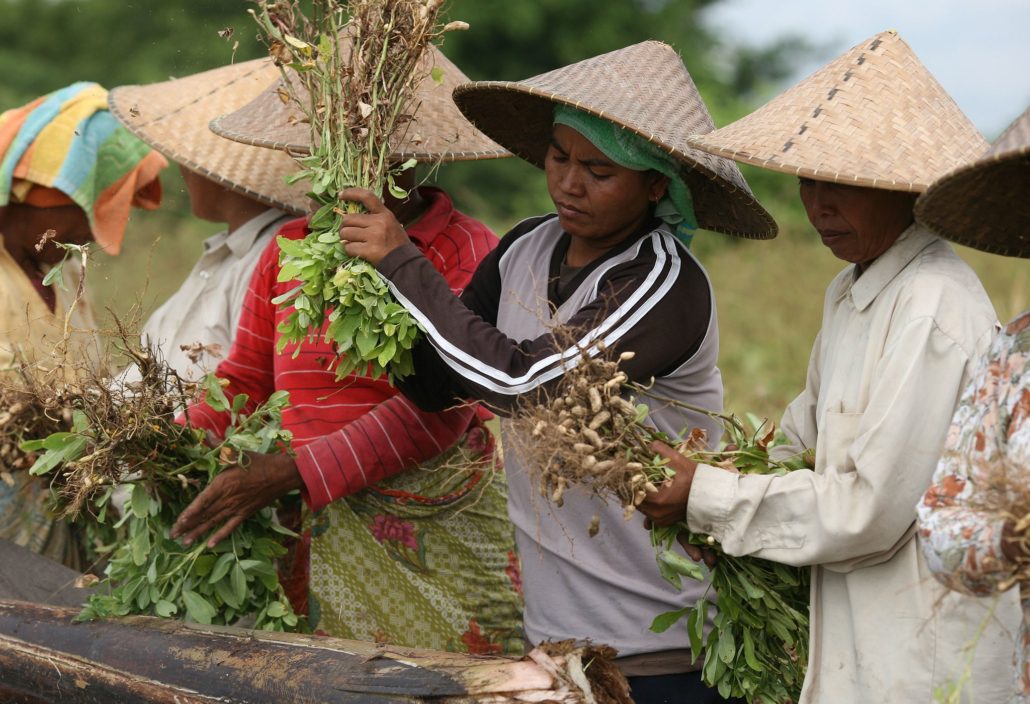
6 Facts About Poverty in Indonesia

Poverty in Indonesia
Since the devastating impact of the 1997 Asian Financial Crisis (AFC), Indonesia has shown profound economic growth. Since 1998, it has boasted a greater than 5% compound annual GDP growth rate, ahead of the global average of below 3%. Indonesia now ranks as the 16th largest economy in the world, up from 36th in 1998. Concomitant with this economic improvement has been a noticeable reduction in poverty in the country. Most recently, poverty in the country is below 5% of the population versus 67% 30 years ago. By comparison, approximately 10% of the global population lives below the international poverty line. Yet despite this promising data, poverty in Indonesia remains a major issue. Here are six facts about poverty in Indonesia.

6 Facts About Poverty in Indonesia

  1. The rate of poverty reduction is slowing, but poverty is low. Indonesia’s efforts to grow its economy showed great results in the years immediately following the AFC. Rapid industrialization, increased global integration and a focus on domestic infrastructure all helped in this regard. This resulted in relatively dramatic improvements in poverty. After an eight-year period of decline, however, the rate of reduction has slowed to 9% in recent years. Despite a slowing in the rate of reduction, the percentage of the Indonesian population living in poverty is at the lowest level since 1984 (4.6%).
  2. CARE, an international humanitarian agency, has been working to assist Indonesia’s poor particularly during emergencies. Indonesia is prone to natural disasters like earthquakes and floods, so CARE has worked to provide Indonesians with food, shelter, water and medical supplies. After the 2004 Indian Ocean tsunami, CARE aided 350,000 Indonesians and helped them rebuild their communities. Non-governmental organizations like CARE are key to assisting the government in protecting Indonesia’s poor after frequent disasters and emergencies.
  3. Income disparity is growing. Indonesia’s economic growth has flowed disproportionately to the wealthy. The country’s Gini coefficient, a measure of a country’s income disparity, has increased from 28.5 in 2000 to 38.1 in 2017 (lower is better). Oxfam reported that in 2014, the richest 1% of Indonesians owned 50% of the nation’s wealth. Not surprisingly, Indonesia’s rural inhabitants are worse off than their urban counterparts, with about 1.5 times more incidences of poverty on an absolute basis. One can also see this in the geographic distribution of poverty. Eastern Indonesia, the more rural part of the country, fares worse. President Joko Widodo has noted that improving income inequality is one of his top priorities. He has taken some steps to decrease income disparity, including providing direct cash transfers through its Program Keluarga Harapan, creating more social assistance programs, investing in infrastructure and creating health and education protections.
  4. The near-poor are a significant group in Indonesia. While Indonesia’s reduction in poverty is impressive when including those who are near-poor, the results are not as positive. Many in Indonesia live precariously close to the poverty line and are at risk of falling back into poverty. The Asian Development Bank highlights that over half of the poor in Indonesia were not poor the year before. Furthermore, a quarter of Indonesians will suffer from poverty at least once every three years. Even though only 5% of Indonesians live below the poverty line today, as many as 25% live just above it.
  5. Indonesia must watch inflation. Since 2016, inflation in Indonesia has been below 4%. The government and the Bank of Indonesia established the range of 3% to 4%. However, with so many living at or close to poverty, changes in prices can have deleterious impacts, disproportionately so on the poor. Statistics Indonesia notes that food represents a 43% weight in Indonesia’s CPI basket, putting a degree of focus on food prices, especially given their historical volatility. The Indonesian government has focused in this area, recognizing that stable rice prices are essential for steady economic prosperity. Nevertheless, food prices remain exposed to exogenous shocks.
  6. COVID-19 is having a huge impact. The Indonesian government did not impose restrictions relating to the COVID-19 pandemic until April 10, 2020, almost six weeks after the identification of the first case in West Java. Unfortunately, the economic fallout from COVID-19 will have material effects on Indonesia’s poor and near-poor, underlining the fragility of the last 30 years of Indonesia’s efforts. In mid-April 2020, Indonesia’s finance minister predicted that Q2 GDP growth could fall to about 1%, after the weakest rate of growth in nearly 20 years in Q1. COVID-19 cases surged rapidly after President Widodo hesitated to implement a nationwide lockdown. In response, he declared a national health emergency and worked to increase the number of test kits, personal protective equipment and ventilators available in the country. Additionally, he passed a stimulus package worth $8 billion to stimulate the economy, with $324 million going towards helping low-income households.

These six facts about poverty in Indonesia have shown that Indonesia’s government has put much effort into improving the conditions for its poor. Against a backdrop of economic growth, President Widodo increased spending on social assistance, health, education and infrastructure. Additionally, CARE’s continual aid has substantially reduced poverty in Indonesia since the AFC.  However, with so many near the poverty line, those results are fragile. With the unprecedented impact of COVID-19, much of that work could become obsolete.

– Harry Yeung
Photo: Flickr

May 21, 2020
https://borgenproject.org/wp-content/uploads/borgen-project-logo.svg 0 0 Jennifer Philipp https://borgenproject.org/wp-content/uploads/borgen-project-logo.svg Jennifer Philipp2020-05-21 09:45:202024-05-29 23:17:296 Facts About Poverty in Indonesia
Children, Global Poverty, Health, Poverty Reduction

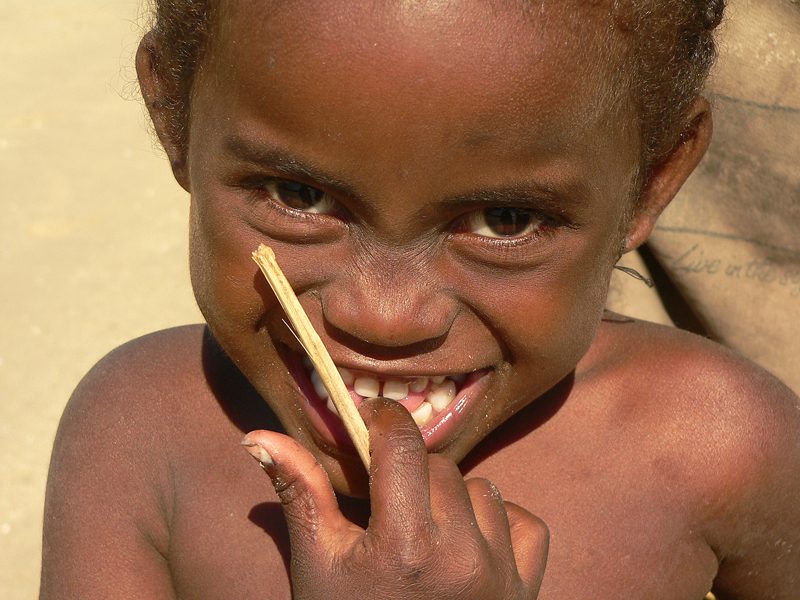
10 Facts About Poverty in Madagascar

poverty in Madagascar

Madagascar is the fourth-largest island in the world and boasts an array of natural resources. Despite this, poverty in Madagascar ranks among the highest in the world. Due to an upturn in the economy, things may be looking up. However, much work is necessary before conditions truly improve. Here are 10 facts about poverty in Madagascar.

  1. The majority of people in Madagascar live in extreme poverty. Currently, 80.7% of the population lives on less than $2.15 per day. This means that more than three-fourths of the 30.3 million inhabitants live beneath the international poverty line, as defined by the World Bank.
  2. Poverty in Madagascar hits children the hardest. In fact, more than 80% of those aged less than 18 in Madagascar live in extreme poverty. Additionally, the United Nations Children’s Fund (UNICEF) declares that chronic malnutrition affects almost half of children less than 5 years old, with stunted growth being a major concern.
  3. Extreme poverty pushes children in Madagascar into child labor. Approximately 43% of children in Madagascar, about half of the population younger than 15, participate in labor of some kind. Many of these children work instead of attending school.
  4. The island nation’s unique and isolated geography is also a contributing factor to poverty. Environmental challenges have been particularly detrimental to the country’s rural poor, who largely subsist on farming and fishing. Water levels continue to rise and Madagascar’s location makes it very susceptible to cyclones. These factors lead to drought and food insecurity in the already vulnerable nation.
  5. Though 60.4% of Madagascar’s residents live in rural areas, the country is not currently able to sustain itself. Madagascar has to import 15% of essentials like rice and milk. Furthermore, Slash-and-burn farming techniques and over-farming have led to deforestation on a large scale. As a result, only 10% of Madagascar’s original rainforest is still intact.
  6. Madagascar’s poor infrastructure also negatively affects its economy. Of the more than 30,000 miles of roads in the country, only about 19% are paved. Many of these roads become impossible to pass during the nation’s rainy season. Furthermore, railroads are not in much better shape; there are two unconnected lines in poor condition.
  7. Despite the woes above, Madagascar has seen rapid economic growth in the past few years. The year 2018 saw a growth of 5.1%, bringing with it a 2% increase in per capita income. Sectors such as exports, transportation and finance drive this economic growth. However, poverty continues to decrease at a slow rate: only about 3% since 2012. This slow rate most likely results from the majority of the population working in agriculture.
  8. Water scarcity and sanitation are significant problems in Madagascar. Only about half of the population has access to clean water. In places with limited access to water, women and girls often bear the brunt of the work of collecting it. This time-consuming and physically difficult work hinders their ability to attend school and earn income. In Southern Madagascar, 90% of houses lack basic sanitation needs. Open defecation is common, leading to the prevalence of waterborne diseases such as diarrhea.
  9. WaterAid is an organization that seeks to give everyone across the globe access to clean water, toilets and proper hygiene, including those in Madagascar. The organization launched its water, sanitation and hygiene (WASH) plan in Madagascar and coordinated with local authorities to improve conditions across the nation. Similarly, the National Action Plan, launched in 2017, hopes to reduce growth stunting in children less than 5 by nearly 10%. It also aims to increase access to drinking water and proper sanitation to 65% and 30% of households, respectively.
  10. SEED Madagascar is a nongovernmental organization (NGO) that works specifically in the Anosy region of Southeast Madagascar. The organization creates projects related to education, community health, environmental conservation and sustainable livelihoods. In one such project, a 20,000-liter rainwater harvesting system placed on the roof of a primary school in Ambandrika provided clean water for 144 schoolchildren and 750 members of the wider community. Additional benefits of SEED’s work include allowing more time to create marketable goods as well as more time to care for children.

Looking Ahead

Poverty in Madagascar is widespread and the situation will not improve if it is ignored. Economic growth and organizations like SEED Madagascar and WaterAid are taking important steps. However, the issue must continue to be addressed.

– Joshua Roberts
Photo: Flickr

Updated: June 11, 2024

May 21, 2020
https://borgenproject.org/wp-content/uploads/borgen-project-logo.svg 0 0 Kim Thelwell https://borgenproject.org/wp-content/uploads/borgen-project-logo.svg Kim Thelwell2020-05-21 06:30:382024-06-11 01:52:5510 Facts About Poverty in Madagascar
Global Poverty, Poverty Reduction

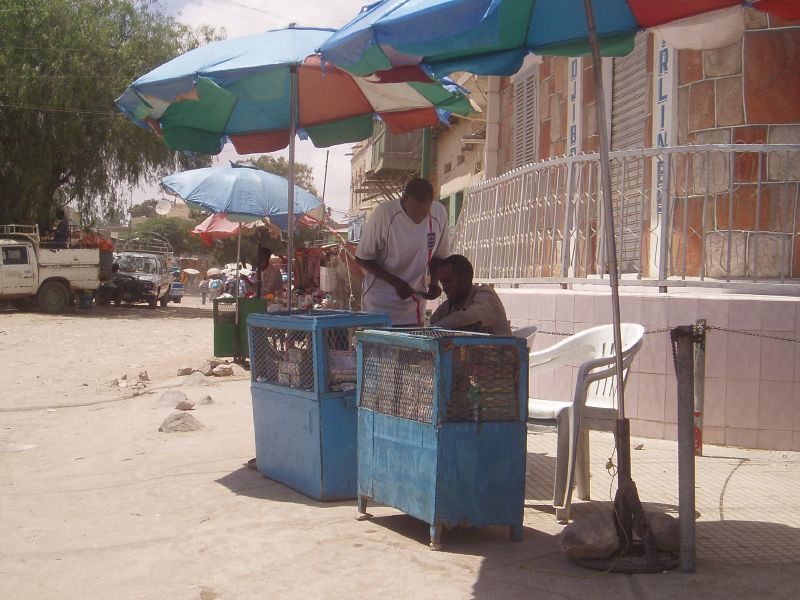
7 Facts About Poverty in Bangladesh

poverty in Bangladesh
About one in four Bangladeshis live in poverty, making poverty in Bangladesh an ongoing fight for the nation. However, there has been significant economic growth and improved education and infrastructure. With international development assistance, poverty in Bangladesh is on a downward trajectory, especially in rural areas. These seven facts about poverty in Bangladesh show the country’s improvements.

 7 Facts About Poverty in Bangladesh

  1. International Assistance. The International Development Association (IDA) has been a large part of Bangladesh’s success in education, health and infrastructure. Funded by member countries, IDA coordinates donor assistance. Additionally, IDA also works to provide development assistance to countries around the world. Bangladesh is one of the largest recipients of IDA funding. In fact, its program totals $11.3 billion. Also, multilateral organizations, like the Asian Development Bank and the United Nations, have worked with the IDA to lower poverty in Bangladesh.
  2. Economic Growth. Bangladesh has made strides in alleviating poverty through sustained economic growth in recent years. Impressively, steady growth in its gross domestic product (GDP) allowed Bangladesh to reach lower-middle-income status in 2015. Bangladesh remains one of the fastest-growing economies among developing nations. Its GDP in 2018 was $274.02 billion, a 9.73% increase from 2017. With these steady increases, the GDP should grow another 8% in 2020.
  3. Education. Bangladesh has seen an increase in education enrollment. In addition, more girls are going to school. The enrollment rate at the primary school level increased from 80% in 2000 to above 90% in 2015, and from 45% to 62% at the secondary school level. Bangladesh has also achieved gender equality in education enrollment. It sent almost 6.4 million girls to secondary school in 2015. This makes the nation a frontrunner among developing countries to achieve gender parity in education.
  4. Health. Bangladesh has also made important progress in its health indicators over the past few decades. This includes improvements in maternal and child health. There was a 40% reduction in maternal mortality, from 322 deaths per 100,000 live births in 2000 to 194 deaths in 2010.  Credit goes to the United States Agency for International Development’s (USAID’s) work with local groups.  The USAID work provides high-quality reproductive services and brings integrated health care to Bangladeshis as well.
  5. Agricultural Growth. The agriculture sector is essential to Bangladesh, and its growth has been among the highest in the world for the past 25 years. Through IDA, more than a million households have modernized food practices and 500,000 households have increased grain reserve. Natural disasters are a primary threat to Bangladesh’s success in agricultural production. IDA is also financing almost $1.5 billion in aid to Bangladesh’s resistance against natural disasters. This leads to further increases in agricultural production and promotes food security.
  6. Sustainable Development Goals. According to the United Nations Development Programme, Bangladesh is making strides in attaining the 17 Sustainable Development Goals (SDGs) to end poverty and improve its quality of life. For example, Bangladesh is well on its way towards reaching the access of 100% of households to electricity by 2025, which is SDG 7. Bangladesh has also seen improvements in sanitation and access to clean water, which the SDGs also include. In 2019, 87% of the population had access to clean water and 61% had access to sanitation.
  7. Rural Infrastructure: Efforts to alleviate poverty in Bangladesh have occurred in rural areas, and IDA has provided support to build roads and increase access to water in these areas. According to the World Bank, 1.1 million people in rural areas now have access to clean water, and support measures have led to the paving of 800 kilometers of new roads in these areas. This infrastructure allows for easier transportation to school and the creation of jobs for men and women, improving the quality of life in several rural areas.

These seven facts about poverty in Bangladesh show that efforts to alleviate poverty in the country have been remarkably successful in the past few decades. Still, much work remains essential in order to alleviate poverty in urban areas and bring about continued growth in Bangladesh’s economy, infrastructure and access to food security. However, with continued international assistance and Bangladesh’s commitment to reducing poverty, there is hope that Bangladesh will continue to be a global model for poverty reduction.

– Anita Durairaj
Photo: Wikimedia

May 20, 2020
https://borgenproject.org/wp-content/uploads/borgen-project-logo.svg 0 0 Kim Thelwell https://borgenproject.org/wp-content/uploads/borgen-project-logo.svg Kim Thelwell2020-05-20 07:30:072024-05-29 23:00:087 Facts About Poverty in Bangladesh
Global Poverty, Life Expectancy, Poverty, Poverty Reduction

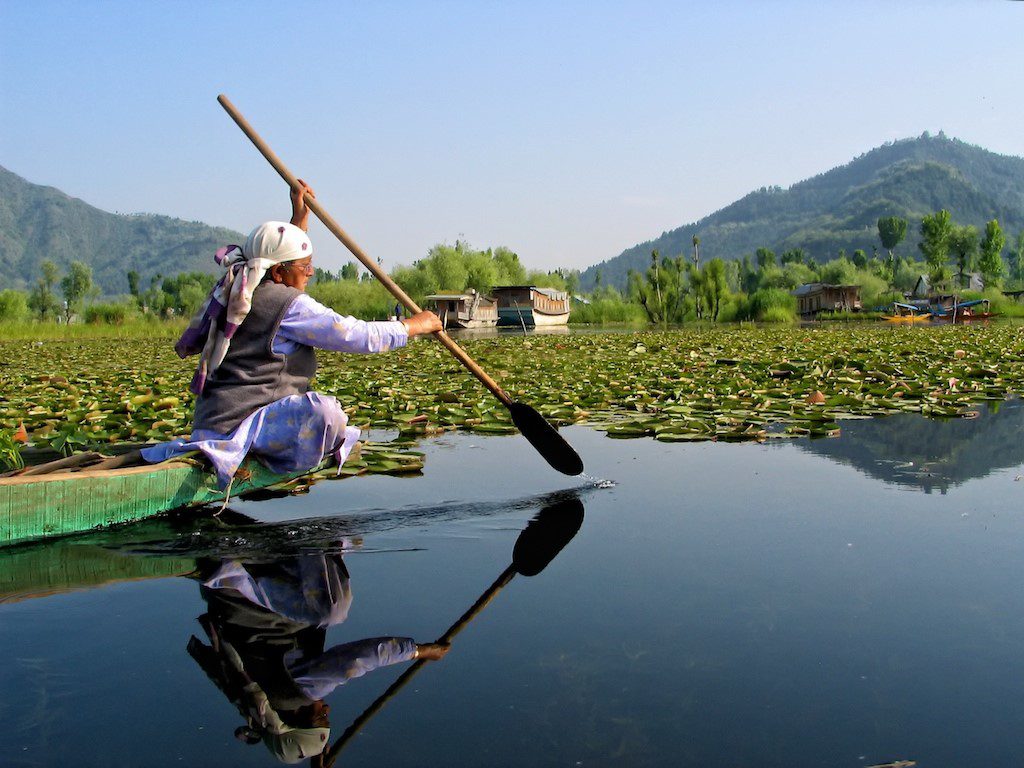
Examining Poverty in the Maldives

Poverty in the Maldives
People might know the Maldives for its clean blue waters, luxurious resorts and the millions of tourists who visit the archipelago but may not know that the small island nation continues to tussle for its economy and against poverty. Poverty in the Maldives dates back to the early 1980s when it became part of a list of the 20 poorest countries in the world. The 2004 tsunami further weakened the economy of the island nation, which consists of 1,192 tropical islands. A global financial crisis emerged in 2008, putting the country in a vulnerable position.

Current Scenario

Statistics from the World Bank state that the GDP in the Maldives rose to $5.3 billion in 2018 from a mere $42.46 million in 1980. Wealth inequality does not persist in the Maldives and poverty rates vary across geographic locations. The GDP growth slowed down from 8% in 2018 to 6.8% in 2019. Poverty in the Maldives is no longer a crisis, but the risks remain high.

Sustainable Development Goals (SDGs)

The country has had some success in achieving a few of its Sustainable Development Goals (SDGs). The tourism industry, fisheries and other sources have played a significant role in strengthening the economy and employment rate. Half of the economy of the island nation comes from tourism and another 12% comes from the fisheries across the islands.

There might be people with very low incomes but there are no urban beggars or slum dwellers, even with an increase in the rural-urban migration rates. Recently, literacy rates in the Maldives have reached around 100%. There are no major causes of diseases and infections in the Maldives. The starvation rate is zero as well.

Unemployment

In 2018, the unemployment rate was 5.9%, with youth unemployment making up 15.5%. More than half of the working strata of people are employees in the tourism sector or fisheries, which often makes them fall sick. About 8.2% of the total population falls below the national poverty line.

Life Span

The life spans of citizens have increased considerably thanks to the rapid and drastic expansion in the economy and infrastructure. According to the World Bank, the Maldives’ life expectancy in 2018 reached 77.2 years. Meanwhile, life expectancy was only 69.2 years in the year 2000. The increase in life expectancy has been considerable. However, there is a certain limitation to that as well since the island nation has limited infrastructure and resources.

Although the GDP increases every year, this pattern in economic growth is quite irregular. New establishments in the tourism industry and infrastructure should bring the GDP to 5.5% in 2020.

There is no denying that the country has made drastic improvements to help the situation of poverty in the Maldives. However, the situation continues to be fragile and vulnerable. If the Maldives continues to grow its tourism industry and infrastructure, it should be able to continue to reduce poverty in the future.

– Astha Mamtani
Photo: Flickr

April 26, 2020
https://borgenproject.org/wp-content/uploads/borgen-project-logo.svg 0 0 Jennifer Philipp https://borgenproject.org/wp-content/uploads/borgen-project-logo.svg Jennifer Philipp2020-04-26 07:30:352022-03-22 11:46:29Examining Poverty in the Maldives
Global Poverty, Poverty Reduction

Travel Advisories’ Influence on Poverty in Egypt 

Poverty in EgyptNearly one-third of Egyptians fall below the poverty line, with the unemployment rate trending higher than in extremely impoverished countries such as Ghana, Lebanon and Zimbabwe. In 2011, lasting poverty rates and poor living conditions caused Egyptian retaliation against the government. Political instability has complicated Egypt’s foreign partnerships since that time, subsequently affecting all areas of the economy; as a result, foreign investment in the country’s resources has had notable fluctuations. The inconsistency in Egypt’s economy leaves few employment opportunities, especially among younger generations, inevitably affecting rates of poverty in Egypt.

Travel in Egypt

Typically, travelers visiting Egypt receive encouragement to exercise increased caution, per the U.S. Global Health Advisory. The country ranks two out of four on the U.S. Department of State’s safety scale; this rating indicates that the U.S. Department of State has approved travel there although tourists should recognize the possible risks. This system is not solely unique to the United States – many countries have similar regulations. However, due to the global impact of COVID-19, regular travel ratings are momentarily on hold.

Factors responsible for Egypt’s pre-pandemic, level-two status include levels of terrorism and lingering tensions with the U.S. Embassy. This score is an improvement from a travel rating of four in 2011. Egypt received this high rating during a violent national rebellion that broke out against police brutality, the poor economy and religious divides. When a country has a level-four rating, the U.S. Department of State tells Americans not to travel there.

Tourism’s Impact on Egypt’s Economy

In February 2019, research expert Amna Puri-Mirza provided a statistical analysis that demonstrated that a decline in tourism impacted the Egyptian economy. From 2010 to 2011, national profits from the tourist industry dropped 32% in reaction to the Egyptian rebellion. In 2015, news of a Russian airline crash that was traveling to Cairo decreased tourism from 14.7 million to 5.4 million people in 2016.

The connection between tourism and poverty in Egypt correlates with the market value of different services and goods that the country produces; profits from tourism hold a large percentage of the country’s overall income. In 2018, tourism supported 2.5 million jobs, indicating heavy reliance on the industry. When situations adversely impact tourism around the globe, this substantially impacts the economy, and in turn, poverty in Egypt.

Efforts to Reduce Poverty in Egypt

Working to ease economic stress, the Egyptian government succeeded in obtaining a loan from the International Monetary Fund (IMF) in 2016. While there might be uncertainties about the future of the loan, it is certainly aiding the nation in the return of tourists. Research on Egypt’s travel and tourism shows promising signs of continued recovery, according to the World Travel & Tourism Council. In 2019, Egypt’s tourism level improved by 16.5 percent from the previous year, which is higher than the global average. Such an incredible growth rate is a promising sign for the rates of poverty in Egypt.

Foreign Relations with the US

Despite past tensions, the partnership between the U.S. and Egypt has greatly improved. The established relationship could substantially impact the state of poverty in Egypt. The Trump Administration announced a priority of aid for Egypt; specifically, it intends to provide economic reforms and military funds to combat radical terrorism in Egypt. “Our relationship has never been stronger. And we’re working with Egypt on many different fronts,” said President Trump. Upon continuing a solid relationship with the U.S., the Egyptian government could utilize the support in developing a sustainable economy post-loan.

Other Initiatives

Egyptian President El-Sisiis and his officials are also working on economic reform needed to reduce poverty in Egypt. Like many nations, the sudden 2020 Coronavirus outbreak presents additional obstacles to accomplish this goal. Experts expect that Egypt’s tourism industry will lose more than 40,000 workers to unemployment as a result.

Now, more families will be at risk of falling into poverty, causing a heightened risk of exposure to COVID-19. On March 20, 2020, The World Bank Group donated $7.9 million to fund Egypt’s emergency response. The nonprofit is working with Egypt to create financial, technological and health strategies to protect citizens. Ideally, the country should be able to avoid the anticipated increase in poverty in Egypt through this aid. Assisting the Egyptian economy has become an international effort. Not only does The World Bank intend for the aid to provide the government with resources, but it also intends to disperse it among Egypt’s citizens, especially those experiencing poverty in Egypt.

Tourism is a key source of income for the country but has recently halted. Additionally, tense international relations and a poor global image have further damaged the already struggling economy. Fortunately, new global partnerships with Egypt have aided in encouraging tourism in Egypt. While the 2020 pandemic puts this travel on hold, the response of increasing aid will support the economy and prevent further poverty in Egypt. If aid continues, Egypt will receive a great opportunity to sustain its economy and people.

– GraceElise Van Valkenburg
Photo: Pixabay

April 23, 2020
https://borgenproject.org/wp-content/uploads/borgen-project-logo.svg 0 0 Jennifer Philipp https://borgenproject.org/wp-content/uploads/borgen-project-logo.svg Jennifer Philipp2020-04-23 07:30:092024-05-29 23:15:51Travel Advisories’ Influence on Poverty in Egypt 
Global Poverty, Poverty, Poverty Reduction

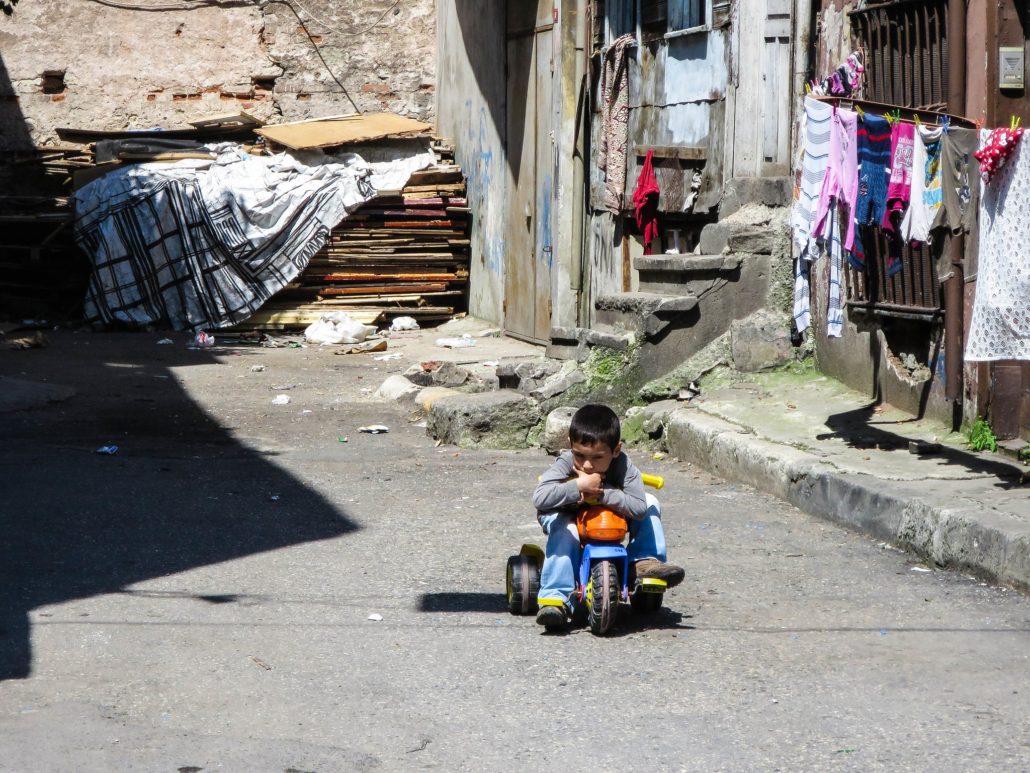
The Status of Poverty in Turkey

Poverty in Turkey
With an increased Human Development Index (HDI) of 0.806 from 0.655 in the last decade, Turkey’s overall development has significantly increased, namely with a hike in life expectancy and education. While the execution of specific long-term policies (Development Programme for Women and Conditional Education Assistance) constantly addresses issues such as gender inequality and education, the refugee crisis and the disruption that COVID-19 has caused remain more pressing matters. Nevertheless, as all of these existing and new issues pile up, the initiative to alleviate poverty in Turkey has currently slowed down.

The Long-term Causes of Poverty in Turkey

  • Education: The proportion of poor people with limited or no education at all is significant. In fact, a study from 2007 indicated that 26.9% were illiterate, 22.6% had basic reading and writing skills and 42.4% were primary school graduates. These facts might suggest that a lack of education contributes to poverty due to the inability to work in higher-paying jobs. In order to encourage education, Turkey circulated free textbooks and transportation. Additionally, the FAITH project, which the Turkish government implemented, made education compulsory for all citizens for the initial 12 years. Along with the increase in the number of universities from 93 to 107 by 2013, the total gross enrollment increased to 81.6%. While the Turkish education system is still not able to compete with the European Union’s standards, it is definitely becoming more efficient.
  • Household Make-up: The mean household size tends to increase in poorer households, as nearly six out of 10 households have more than four members. Meanwhile, 45.6% of the poorest women in Turkey are housewives. As the number of people in households increases, the burden often falls on men to fulfill the basic needs of the entire family.
  • External Immigration and Refugees: Around 4.1 million immigrants from Iran, Iraq, Bosnia and Syria have strained Turkey’s resources. Legal immigrants receive access to education, health care and social security under Turkish legislation, namely the Law on Foreigners and International Protection and Temporary Protection Regulation. Furthermore, the demand for housing has driven up its price, pushing more and more people into poverty. Turkey has pledged nearly $35 billion to manage the flow of immigrants, which is inadequate because of the number of illegal immigrants also occupying Turkish territory. The rise in population, due to how drastic it is, has left more people confined to the poverty trap prevalent in the nation.

Turkey’s Measures to Reduce Poverty

The severity of poverty in Turkey has instigated the introduction and implementation of various policies such as the following:

  • The Country Partnership Framework (CPF): CPF is an agreement between Turkey and the World Bank with hopes of achieving growth, inclusion and sustainability under the 11th National Development Program. The General Assembly of Parliament of Turkey has implemented this as part of the 10th Development Plan.
  • The World Bank Group (WBG): The World Bank is partnering with the Facility for Refugees in Turkey (FRiT) to help reduce economic disruption due to the influx of refugees in Turkey by implementing programs with regard to education, employment and social support. For example, FriT, along with UNHCR, has pledged €23.929.195 to allow access to protection and services for refugees and asylum seekers in Turkey.

Trust Funds in Addition to FRiT

  • The Clean Technology Fund (CTF): CTF  has granted $390 million to support wind power and encourage the private sector to invest in renewable and efficient energy.
  • EU Instrument for Pre-Accession Assistance (IPA): IPA funds are providing €3533 million to Turkey. The most important goal of IPA is to improve public administration and financial governance.
  • Global Environmental Facility (GEF): GEF funds are financing $387,138,238 to focus on environmental issues and the maintainance of biodiversity.

How COVID-19 Could Affect Turkey’s Ability to Address Poverty

The unexpected spread of COVID-19 has recently strained the world economy, including Turkey’s ability to implement and administer the necessary schemes to alleviate poverty. In fact, the bilateral trade between China and Turkey is as low as 1.1%. Coupled with the loss of tax collection from affected industries (including textiles and garments) and restricted travel abroad, this has led to an increase in national debt and left the private sector enduring heavy losses. Therefore, the government’s ability to address poverty has diminished.

– Mridula Divakar
Photo: Flickr

April 22, 2020
https://borgenproject.org/wp-content/uploads/borgen-project-logo.svg 0 0 Borgen Project https://borgenproject.org/wp-content/uploads/borgen-project-logo.svg Borgen Project2020-04-22 06:30:232024-05-28 00:15:45The Status of Poverty in Turkey
Global Poverty, Hunger, Poverty, Poverty Reduction

Ending Poverty in Bangladesh

Poverty in Bangladesh
Between 2000 and 2016, Bangladesh lifted 8 million people out of poverty. According to a World Bank report, the rate of poverty in Bangladesh went from 44.2% to 13.8% between 1991 and 2017. Improvements include increased life expectancy and nutrition, easier access to electricity, safer water and sanitation and broad-based expansion in education that is accessible to more than 164 million people. The road to ending poverty in Bangladesh is a challenging one, but the country and several organizations are making efforts to accomplish this.

History of Poverty in Bangladesh

About 61% of the country is rural while 39% of the population is urban. The urban regions experienced their turnaround from poverty at a slower pace than the rural regions with the help of industrial services, which resulted in solving the problems quicker and better for those living in the urban regions. Despite the 1:4 ratio of people still suffering from poverty, the progress has been remarkable. In fact, Bangladesh’s rural areas experienced a 90% decrease in poverty.

With the improvements that the country has made toward ending poverty in Bangladesh, the nation’s finance minister Mustafa Kamal has announced that the nation should expect to be poverty-free by 2030. With plans to improve more vulnerable, urban areas, the Special Economic Zones (SEZ) have been key contributors in investing to rebuild the nation by creating 10 million jobs over the next decade. SEZs are areas in a country that is subject to economic regulations that differ from other regions in the same country. For instance, since the urban regions have a slower rebuilding process than the rural, that means that they may be more favorable towards the urban region which has not caught up to the rural region in terms of progress, despite the improvement regarding poverty. With job creation on its agenda, Bangladesh could earn $100 billion in remittance from now until the deadline to wipe out poverty, which equals $1 trillion.

Pizza Hut and KFC

To make matters better, corporate food chains Pizza Hut and Kentucky Fried Chicken have formed a partnership to launch a campaign called the World Hunger Relief, which supports the United Nations World Food Programme (WFP). Founded in 2009, the WFP not only raises funds to provide vitamin and mineral fortified biscuits among other snacks to children in small rural areas, but it also promotes the importance of basic education to help others rise from poverty in the long run.

Yum Incorporated owns Pizza Hut and KFC and has been using its network to raise awareness in the hopes of making a difference on top of the improvements that Bangladesh has made independently. Its success rate has included reaching more than 4 million children and calling for customers of the respective food chains to make a contribution. This campaign will be a key asset to ending poverty in Bangladesh by the start of the next decade and preventing it from returning.

The Investment Component for Vulnerable Group Development (ICVGD) Program

The WFP has also partnered with the Bangladeshi government to help women break away from their gender roles through livelihood training and food assistance programs. The Investment Component for Vulnerable Group Development (ICVGD) program’s participants come from all 64 districts of the country, which tend to be remote areas where natural disasters are likely to occur. The implementation of this program received positive feedback after improving food security, income and diet variation in those districts.

The organization is now bringing focus to financial management, life skills and personal hygiene. There is a training period where the women will receive a grant of $180, as well as fortified rice as their rations. The ICVGD is part of the Vulnerable Group Development program that the Ministry of Women and Children Affairs runs, which boasts the largest safety net to aid poor women and children across the country.

– Tom Cintula
Photo: Flickr

April 16, 2020
https://borgenproject.org/wp-content/uploads/borgen-project-logo.svg 0 0 Lynsey Alexander https://borgenproject.org/wp-content/uploads/borgen-project-logo.svg Lynsey Alexander2020-04-16 07:13:122022-04-13 07:48:13Ending Poverty in Bangladesh
Global Poverty, Poverty, Poverty Reduction

The Overlooked Issue of Poverty in Australia

Poverty In Australia
When looking at poverty around the world, people often overlook the developed nations. These countries are much better off than many others, but that does not mean that their impoverished people are any less poor. Many consider Australia to be one of the leading developed nations, but one in eight Australians and one in six Australian children live in poverty. Here is some information about the issue of poverty in Australia.

How to Measure Poverty

The definition of poverty is different worldwide. One component that the world generally agrees upon, however, is that it is utterly unacceptable for people to live in extreme poverty. In addition, there is the understanding that every human should be born with fundamental rights such as housing, food, clothes and health care.

In Australia, the Australian Council of Social Service (ACOSS) and the University of New South Wales (UNSW) set a more Australia-specific way to measure poverty. It does this by comparing what people make to the median income. As a result, Australia considers people who fall below the median impoverished. However, the organization Compassion has reported more specific information for measuring poverty. For example, it stated that the poverty line for single adults is $433 per week before housing costs. Meanwhile, the poverty line for a couple with two children is $909 before housing costs.

The Numbers

Approximately 3 million Australians are suffering from poverty. Additionally, every one in eight people or 13% of the country suffers from poverty. Of the 3 million people, 739,000 are children living below poverty.

Who Hurts the Most?

While there is the blanket term “impoverished,” some suffer more than others. For example, those who hurt the most are often unemployed. This includes people over the age of 65, people from non-English speaking backgrounds and single parents. Among those above, poverty in Australia routinely consists of those who fall lower in the chain of importance. Hence, people like minorities and foreigners are much more susceptible to falling into poverty. According to Compassion, 30% of single, elderly women live in poverty. This means that poverty impacts single, elderly women at a disproportionate rate.

According to the Child Fund, children who come from low-income backgrounds are likely to have lower test scores than children above the poverty line. From an early age, children living below the poverty line are already at a disadvantage, but the problems do not often stop in grade school. Low test scores frequently result in low self-esteem and a lack of self-worth, both of which potentially lead to ongoing mental health issues. Among impoverished people, the rates of finishing high school are significantly lower than their counterparts. In addition, the rates of going to college are much lower than even the odds of finishing high school. These low rates of higher education lead to lower-paying jobs, thus creating a cycle of poverty.

Disproportionate Health Issues

Those who fall below the poverty line often experience increased rates of health issues. Millions of impoverished people are more susceptible to health issues because their lack of money sometimes prevents a hygienic lifestyle. After falling ill or experiencing infection, impoverished people are often last on the priority list of Australia’s universal health care system. Obesity is a big issue among impoverished people similar to other developed nations around the world. Furthermore, fast food restaurants can often be much cheaper than healthier options in grocery stores.

Cheaply priced menus are commonplace in the modern world and they pose a drastic threat because people below the poverty line must make a tough decision. As such, they can either spend more money on healthier items and get less or spend less money on unhealthy food and get more. Consequently, this decision might be why the issue of poverty in Australia typically leads to increased rates of obesity among impoverished people.

Solutions

Fortunately, some are recognizing that poverty in Australia is an issue that requires solving. For example, Save the Children is an organization working towards eradicating poverty. The charity’s fight consists of improving access to education for underprivileged children. When the charity receives donations, 73% of the funds go towards programs benefitting children and 10% go towards fundraising. Additionally, 9% goes to administration and 8% goes to commercial activity.

Care is another nonprofit organization that is similarly fighting the issue of poverty in Australia. The organization’s efforts consist of programs that empower poverty-ridden women, subsequently improving access to education for impoverished children and promoting healthier lives among underprivileged families. Care assisted 2.7 million people throughout 25 countries as of 2019. For every dollar it fundraised and received as donations, 90 cents went to humanitarian programs.

While poverty in Australia remains an issue, there are some organizations attempting to correct the problem. Hopefully, the continued support of organizations like Save the Children and Care will make impoverishment a thing of the past in the country.

– Cleveland Lewis
Photo: Flickr

April 14, 2020
https://borgenproject.org/wp-content/uploads/borgen-project-logo.svg 0 0 Lynsey Alexander https://borgenproject.org/wp-content/uploads/borgen-project-logo.svg Lynsey Alexander2020-04-14 12:25:142024-05-29 23:15:48The Overlooked Issue of Poverty in Australia
Global Poverty, Poverty, Poverty Reduction

Reducing Disaster Risk in Pakistan

Disaster Risk in Pakistan
Locust swarms ravaged Pakistan in early 2020, overwhelming the agricultural industry. Like many less developed countries, agriculture composes a large portion of Pakistan’s economy. Agriculture alone creates 24.4 percent of GDP and 42.3 percent of the total labor force. Pakistan’s exports also rely on agro-based industries, such as cotton textile processing. As the fourth largest cotton producer in the world, cotton related products in Pakistan provided $11.7 billion of $24.7 billion in total exports last year. Improving preparedness and reducing disaster risk in Pakistan is crucial for national poverty eradication.infrastructure.

Disaster Risk Reduction in Less Developed Countries

Less developed countries (LDCs) are particularly vulnerable to disasters. One study suggested that the efforts aimed at reducing poverty and mitigating disaster risks are interconnected. Removing the loss from natural disasters would remove 26 million people from living in extreme poverty (defined as those who live on $1.9 per day). Poor people and poorer countries are highly vulnerable during natural disasters as they cannot regain societal norms back as effectively as more affluent nations.

Another report from the U.N. OHRLLS summarizes the measures of disaster risk reduction in LCDs and deduces that aims should minimize vulnerabilities and strengthen resilience in LDCs. The initial step taken by most LDCs to reduce the devastating impact of natural disasters is integrating the institutional infrastructure.assessment.

Disaster Risk Reduction in Pakistan

Before the recent locust swarms, natural disasters, including floods, earthquakes, landslides, drought and monsoons have already been an issue in Pakistan’s development. Monsoon season in 2018 alone caused 134 deaths and 1,663 houses to be damaged. Earthquakes in 2005 caused over 80,000 deaths in Pakistan. This staggering number was largely attributed to the low capabilities of emergency services after the earthquakes.

In 2007, Pakistan established the national disaster emergency system. The National Disaster Management Authority (NDMA) was placed in charge of general operations for disaster response.

Five years after the foundation, NDMA’s investment in disaster assessment reached $1.4 billion. That large amount of funds generates plenty of room for reducing disaster risk in Pakistan. Specifically, it allows the development of a monitoring and forecast system across the nation, which collects and consolidates data for disaster assessment.

International Efforts

International organizations developed projects for reducing disaster risk in Pakistan based on the Sendai Framework of Disaster Risk Reduction. This framework sets four priorities to embrace an improved disaster response: a better understanding of disaster risks, wider governance in risk management, improved ability in ex-post disaster recovery and greater investment in resilience development.

Based on these principles and priorities, the projects for disaster risk reduction in Pakistan cover varied issues. The World Bank offered $4 million to establish early forecast systems, ensuring Pakistan would have access to crucial disaster assessment information. Further international aid (£1.5 million) was offered from the U.K. to promote local safety and resilience culture through education and innovation. The U.N. provided the largest investment of $46 million to ensure disaster preparedness and other measures are the priority in policy implementation at every level.

Moving Forward

These efforts by the Pakistani government and other international organizations have improved the nation’s ability to prepare for and respond to natural disasters. This work has reduced the significant impact disasters generally have on the impoverished. Moving forward, it is essential that disaster risk reduction projects continue to grow, as new methods and technologies become available.

– Dingnan Zhang
Photo: Flickr

April 3, 2020
https://borgenproject.org/wp-content/uploads/borgen-project-logo.svg 0 0 Lynsey Alexander https://borgenproject.org/wp-content/uploads/borgen-project-logo.svg Lynsey Alexander2020-04-03 10:00:562024-05-29 23:15:24Reducing Disaster Risk in Pakistan
Poverty Reduction

Bolivia’s Poverty Reduction and Economic Growth

Bolivia's Poverty Reduction
Bolivia is a South American country that continues to reduce its high poverty rate. Poverty lowered substantially from 66 percent in 2000 to 35 percent in 2018. The government of Bolivia took direct action to develop its economy, reduce its poverty and income inequality and increase foreign investment. The Latin American country still has a high poverty rate, yet its progress in the past 20 years shows promise that Bolivia’s poverty reduction and economic development will continue.

Government’s Direct Involvement in Poverty Reduction

The Bolivian government approved the National Economic and Social Development Plan 2016-2020 to bring about change in its country. Former President Evo Morales fought for income equality and higher wages as Bolivia’s president, and the country is still fighting for his goals. The country intends to help its people live a prosperous life without worrying about the effects of poverty, such as hunger and an inability to afford health care. The main objectives of the plan include eliminating extreme poverty, granting basic services to the entire population and diversifying its economy. The plan set forth a continuation of Bolivia’s poverty reduction progress since 2000 while also lowering income inequality.

Poverty almost reduced by half from 2000 to 2018, which economic growth partly drove after Bolivia transitioned into a democratic society during the 1990s. Income inequality lowered as the Gini coefficient demonstrated. If the Gini coefficient is zero, then income inequality is zero. This income inequality indicator showed a reduction from .62 in 2000 to .49 in 2014. For reference, the U.S. Gini coefficient in 2017 was .39. The 2016-2020 plan sought to continue its efforts in reducing income inequality. Although the Gini coefficient lowered, income inequality still remains an issue in Bolivia.

Poverty Reduction Through Economic Growth

Economic growth is another factor that helped with Bolivia’s poverty reduction efforts. Bolivia’s GDP growth hovered around 4 percent since the early 2000s. From 2000 to 2012, Bolivia increased its exports that consisted mainly of minerals and hydrocarbons. Although hydrocarbons grew controversial in Bolivia, hydrocarbons and minerals accounted for 81 percent of all exports in 2014. In 2000, its exports accounted for only 18 percent of GDP, yet exports grew to 47 percent in 2012. Bolivia’s decision to focus on exports helped grow its economy, add jobs and reduce income inequality. In time, Bolivia may transition to cleaner sources of energy for its future.

Economic growth led to wage increases for many Bolivians, which expressed the idea of poverty reduction through economic growth. Bolivia’s GDP grew by a massive 80 percent from 2000 to 2014, and there were various positive side effects of this growth. Salaries increased after the government took direct involvement in income inequality. The real minimum wage increased by 122 percent in the years 2000-2015. The average labor income also increased by 36 percent during 2000-2013.

The International Monetary Fund (IMF) came to the conclusion that labor income was the number one factor that led to reductions in poverty and income inequality from 2007 to 2013. Nonlabor income such as remittances, rents and transfers contributed a small amount to these reductions. Nonlabor income was an important aid for the elderly though.

Bolivia’s Progress in Income Inequality and Economic Development

Bolivia is an excellent model for what is possible through a government’s direct involvement in poverty reduction. Economic growth helped fuel Bolivia’s objectives in reducing poverty and bringing income equality to its people. Although poverty remains high, Bolivia’s progress in the past 20 years shows promise that poverty will continue to lower. Income inequality remains an issue, and as shown from the IMF’s research, wage increases are key to Bolivia’s poverty reduction.

– Lucas Schmidt
Photo: Flickr

March 25, 2020
https://borgenproject.org/wp-content/uploads/borgen-project-logo.svg 0 0 Lynsey Alexander https://borgenproject.org/wp-content/uploads/borgen-project-logo.svg Lynsey Alexander2020-03-25 06:30:282020-03-25 13:24:57Bolivia’s Poverty Reduction and Economic Growth
Page 28 of 63«‹2627282930›»

Get Smarter

  • Global Poverty 101
  • Global Poverty… The Good News
  • Global Poverty & U.S. Jobs
  • Global Poverty and National Security
  • Innovative Solutions to Poverty
  • Global Poverty & Aid FAQ’s
Search Search

Take Action

  • Call Congress
  • Email Congress
  • Donate
  • 30 Ways to Help
  • Volunteer Ops
  • Internships
  • Courses & Certificates
  • The Podcast
Borgen Project

“The Borgen Project is an incredible nonprofit organization that is addressing poverty and hunger and working towards ending them.”

-The Huffington Post

Inside The Borgen Project

  • Contact
  • About
  • Financials
  • President
  • Board of Directors
  • Board of Advisors

International Links

  • UK Email Parliament
  • UK Donate
  • Canada Email Parliament

Get Smarter

  • Global Poverty 101
  • Global Poverty… The Good News
  • Global Poverty & U.S. Jobs
  • Global Poverty and National Security
  • Innovative Solutions to Poverty
  • Global Poverty & Aid FAQ’s

Ways to Help

  • Call Congress
  • Email Congress
  • Donate
  • 30 Ways to Help
  • Volunteer Ops
  • Internships
  • Courses & Certificates
  • The Podcast
Scroll to top Scroll to top Scroll to top