• Link to X
  • Link to Facebook
  • Link to Instagram
  • Link to TikTok
  • Link to Youtube
  • About
    • About Us
      • President
      • Board of Directors
      • Board of Advisors
      • Financials
      • Our Methodology
      • Success Tracker
      • Contact
  • Act Now
    • 30 Ways to Help
      • Email Congress
      • Call Congress
      • Volunteer
      • Courses & Certificates
      • Be a Donor
    • Internships
      • In-Office Internships
      • Remote Internships
    • Legislation
      • Politics 101
  • The Blog
  • The Podcast
  • Magazine
  • Donate
  • Click to open the search input field Click to open the search input field Search
  • Menu Menu

Archive for category: Poverty Reduction

Information and stories about poverty reduction.

Global Poverty, Poverty Reduction

The Nobel Prize and Anti-Poverty Efforts

The Nobel Prize and Anti-Poverty Efforts
The Nobel Prize is an international award that many people recognize and shares its name with Alfred Nobel, innovator and inventor of dynamite, among other things. Somewhat ironically, the Peace Prize given in his name holds the most prestige of nearly any accolade an individual can receive in his or her lifetime, but only constitutes one of the fields in which the committee can award a Nobel Prize. The others, physics, chemistry, medicine, literature and economic sciences, celebrate specific advancements or landmarks in their respective disciplines. The Nobel Prize and anti-poverty efforts have more in common than one might think. The Nobel Memorial Prize in Economic Sciences emerged in 1968, making it the newest of the prizes, but nonetheless important. The 2019 edition went to a trio of Boston, Massachusetts-based economists, two from the Massachusetts Institute of Technology and one from Harvard University, two highly acclaimed and respected academic institutions with cutting edge research capabilities in multiple fields. Abhijit Banerjee, Esther Duflo and Michael Kremer deservingly received the Nobel Memorial Prize in Economic Sciences for their experimental approach in alleviating global poverty, closely tying the 2019 Nobel Prize and anti-poverty efforts. 

Groundbreaking Statistics

Banerjee, Duflo and Kremer form past and present leadership of the Abdul Latif Jameel Poverty Action Lab (J-PAL), a global research center with the goal of reducing poverty by advocating policy formation on the basis of scientific evidence. Beginning in 2003, J-PAL works with governments and non-government organizations to identify and carry out interventions where its data analysis deems them most effective. Using randomized control trials (RCTs) similar to ones used in medical fields as the core of its evaluation, its methods have become widely accepted by the global economic policy community. Over the course of the last 20 years, J-PAL linked 986 randomized evaluations across its affiliates in 83 countries to understand if interventions work or not and allow the numerous social sector organizations who use them to adjust policies and practices accordingly. These interventions focus on a wide variety of issues, such as education deficiency and child health. Its studies can have a profound impact, as over five million Indian children received tutoring as a result of one of the studies, the foundation of its Nobel Prize and anti-poverty efforts.

Economic Masterminds

The Royal Swedish Academy of Sciences attributes its efforts as integral to the evolution of development economics into a flourishing field. The academy, which annually awards each prize, notably made Duflo the youngest economic laureate in its history and only the second woman to receive the prize, making 2020’s Nobel Prize and anti-poverty efforts that much more significant. Just as a landmark, the committee deemed J-PAL’s focus on real-world solutions with economic applications extraordinary, whereas previous awards in the field of Economic Sciences boasted theoretical achievements. Rather than focusing on improving the developing world as a whole through economic theory or answers to macroeconomic questions, J-PAL addresses need at a localized level and introduces practical solutions to tangible problems. Beyond the tutoring in India example, J-PAL tested how eradicating parasitic worms affected school attendance among children, the placement of additional teachers in a classroom or monitoring teachers’ attendance with cameras, how access to bank or microfinance loans can improve living standards and even how voting behavior varies depending on specific appeals made by candidates in an election campaign.

J-PAL vs the World

However, despite objective advancements based on RCTs, people should not view them as unmitigated successes, argues Sanjay Reddy of Foreign Policy Magazine. He notes that these Randomized Control Trials promised to assess whether people benefitted from a change in circumstances simply because they had the motivation or better positioning to fare better from it. In reality, he says, one cannot tell whether these projects or initiatives worked because people took advantage of them or because they just work, though the link between these recipients of the 2019 Nobel Prize and anti-poverty efforts is undeniable.

Reddy’s analysis may seem like splitting hairs, especially against the background of the broader perspective J-PAL’s studies bring. Karla Hoff of the Brookings Institute praises the Nobel Prize and anti-poverty efforts that J-PAL has undertaken for a fundamental shift in the culture of development economics and economic as a whole. In addition to directly helping people most in need, the nonprofit challenged deep assumptions about individuals and the decisions they make, questioning the essence of economic development. It altered many things about the field, including the ways, places and kinds of people economists work with.

– Alex Myers
Photo: Flickr
February 24, 2020
https://borgenproject.org/wp-content/uploads/borgen-project-logo.svg 0 0 Jennifer Philipp https://borgenproject.org/wp-content/uploads/borgen-project-logo.svg Jennifer Philipp2020-02-24 06:30:292020-02-24 11:45:37The Nobel Prize and Anti-Poverty Efforts
Global Poverty, Poverty Reduction

The Poverty Reduction Strategy of Tanzania

Poverty Reduction Strategy of Tanzania
Recently, the World Bank released its list of nations that most successfully reduced domestic poverty from 2000-2015. The top five countries reduced poverty between 3.2 percent and 2.6 percent between 2000 and 2015, with Tanzania reducing the highest percentage. The top fifteen countries lifted 802.1 million individuals out of poverty. This article outlines the successful poverty reduction strategy of Tanzania and international support that caused the most drastic reductions in poverty around the world.

History of Tanzanian Poverty

Historically, Tanzania has been one of the most impoverished countries in the world. In 2000, 86 percent of Tanzanians were impoverished, but this number dropped to 28 percent in 2018.

Tanzania reduced poverty by 3.2 percent in 11 years, making it the country that reduced poverty the most in the last 15 years. The poverty reduction strategy of Tanzania is due to three elements: reducing income poverty, increasing access to basic necessities and improving government infrastructure.

Economic Growth

The first strategy focuses on sustainable economic growth, which includes decreasing inflation and focusing on growing parts of the economy that have the largest poor population. The employment and empowerment programs utilized in these strategies focus on agriculture, manufacturing, mining and tourism in addition to macroeconomic growth in exports and imports. Between 2000 and 2015, Tanzania’s export volume grew from 120 to 272, making it the world’s 130th largest exporter. This successfully increased Tanzania’s GDP from $13.3 billion to $47.3 billion.

Tanzania’s unemployment rate dropped from 12.9 percent in 2001 to 10.3 percent in 2014, because of the liquid capital that injected into Tanzania’s economy, a focus on job creation and an industrial transition that opened new jobs. The economic focus of the Tanzanian government lifted thousands of individuals out of poverty and made it the seventh-largest economy in Africa.

The Impoverished Individual

The second strategy focuses on the personal needs of those in poverty. Poverty reduction efforts seek to increase the quality of life and ensure that those in poverty have access to social welfare. Efforts concentrated on education, clean water, sanitation and health services. Because of these efforts, Tanzania increased the number of individuals who had access to clean water by 9 percent between 1990 and 2009. In the same period of time, Tanzania’s health care became more accessible. As a result, child mortality rates dropped from 162 to 108, infant mortality rates dropped from 99 to 68 and the rate of malaria contraction dropped from 40.9 percent to 40.1 percent.

Another poverty reduction strategy focused on education. Tanzania made education more accessible by increasing funding for education, bettering its transportation mechanisms (including roads) and emphasizing vocational education and education for girls. This focus on education increased school enrollment from 68.8 percent in 2000 to 84.6 percent in 2015.

Tanzania’s Commitment to its People

The third strategy is one of the governmental commitments to the impoverished Tanzanian people. This included ensuring the enforcement of the law, the accountability of the government for its people and the prioritizing of stability in order to avoid poverty. The IMF reported that Tanzania has become more accountable to its people, less corrupt and has increased citizen participation in governance, thus ensuring an effective political framework.

International Participation in Tanzania’s Poverty Reduction Strategies

The international community was critical to Tanzania’s successful poverty reduction. The United States, Tanzania’s largest source of aid, began giving Tanzania foreign aid in 2006. In that year, the U.S. gave $151.29 million. This number increased every year, with the U.S. giving Tanzania $633.5 million in aid in 2015. This aid has consistently gone towards the very areas in which Tanzania has seen the most improvement: humanitarian aid, governance, education, economic development and health.

While Tanzania still has a long way to go until it completely eliminates poverty, it has made significant progress since the beginning of the millennium. The poverty reduction strategies of Tanzania, including economic growth, investment in individuals and infrastructure and governance development, have been successful to a great extent. International aid has consistently been a contributing factor to Tanzania’s ability to reduce poverty and has successfully targeted the areas in which Tanzania required the most improvement.

–  Denise Sprimont
Photo: Flickr

February 18, 2020
https://borgenproject.org/wp-content/uploads/borgen-project-logo.svg 0 0 Lynsey Alexander https://borgenproject.org/wp-content/uploads/borgen-project-logo.svg Lynsey Alexander2020-02-18 07:30:412024-05-29 23:14:46The Poverty Reduction Strategy of Tanzania
Global Poverty, Poverty, Poverty Reduction

4 Professional Athletes Who Grew Up Impoverished

Professional Athletes Who Grew Up Impoverished
The world’s population of human beings is vast and immensely complex. Across the planet, thousands of different languages, religions and traditions contribute to the everyday lives of its people. However, nearly all civilizations have one thing in common: sports. Since the development of the most ancient civilizations, humans have created numerous ways to come together and pass the time with recreation. It continues to be a major aspect of society today, so much so that athletes such as Argentinian soccer player Lionel Messi receive as much as $127 million per year. It is no secret that professionals like Messi are some of the highest-paid individuals in the world, but many of them had extremely difficult upbringings. Here are four professional athletes who grew up impoverished and used their past as motivation for the improvement of their future.

4 Professional Athletes Who Grew Up Impoverished

  1. Pelé: Pelé, one of the greatest soccer players of all time, has helped his Brazilian team win three World Cups throughout his career. He was born in Três Corações, Brazil, in 1940. He lived in extreme poverty during his childhood and developed most of his early soccer skills by playing with a makeshift bundle of rags that hardly resembled a soccer ball. Pelé’s story is a prime example of how a common cultural element such as recreation has the power to propel someone into an entirely new way of life. In 2018, Pelé launched a self-named foundation “to help children of the world better their lives as people in [his] childhood helped [him] to better [his].” The Pelé Foundation has since partnered with Pencils of Promise and Charity: Water to fulfill its mission of helping the world’s impoverished youth.
  2. Bibiano Fernandes: Bibiano Fernandes, also known as “The Flash” for his ability to finish fights so early, is one of the most successful fighters in both Brazilian Jiu-Jitsu and mixed martial arts (MMA). He was born in Manaus, a city located near the Amazon rainforest. After his mother died and his father abandoned the family, 8-year-old Fernandes took to the jungle as a means of survival. He lived off of the land for approximately two years before returning to the city. Once he went back to Manaus, he worked as a window washer. During this seemingly hopeless point in his life, he met a group of men who practiced Brazilian Jiu-Jitsu. They accepted him into their training group and he grew into a champion. For a child who took to the forest to avoid starvation, the grappling sport was a lifeline, an opportunity for Fernandes to quite literally fight his way out of poverty. Today, he aims to reach retirement and continue to provide for his wife and children. He prides himself on having worked hard for his accomplishments and encourages his fans to pursue their goals regardless of how impossible they may seem.
  3. Yasiel Puig: Yasiel Puig has played for three major American baseball teams: the Los Angeles Dodgers, the Cincinnati Reds and now the Cleveland Indians. His nickname is “The Wild Horse” because of his unpredictable, exciting way of playing. Born into poor conditions in Cuba, Puig developed an interest in baseball at a very early age. His desire to escape his hometown and play for Mexico resulted in a journey that would change his life forever. At the age of 21, Puig snuck out of Cuba on a cigarette boat. What should have been a relatively smooth journey became complicated by the fact that the smugglers did not receive the pay they were to receive for transporting the baseball player. Restless and angry, they held him captive, occasionally threatening to cut off an arm or a finger so that he would never play baseball again. Several long, difficult weeks passed before Puig finally reached his destination. A staged kidnapping ambushed his captors and soon landed Puig at his audition to play for Mexico City. Puig proves that no matter how treacherous life’s ventures may be, the child inside remains alive and strong enough to push one forward towards their wildest dreams.
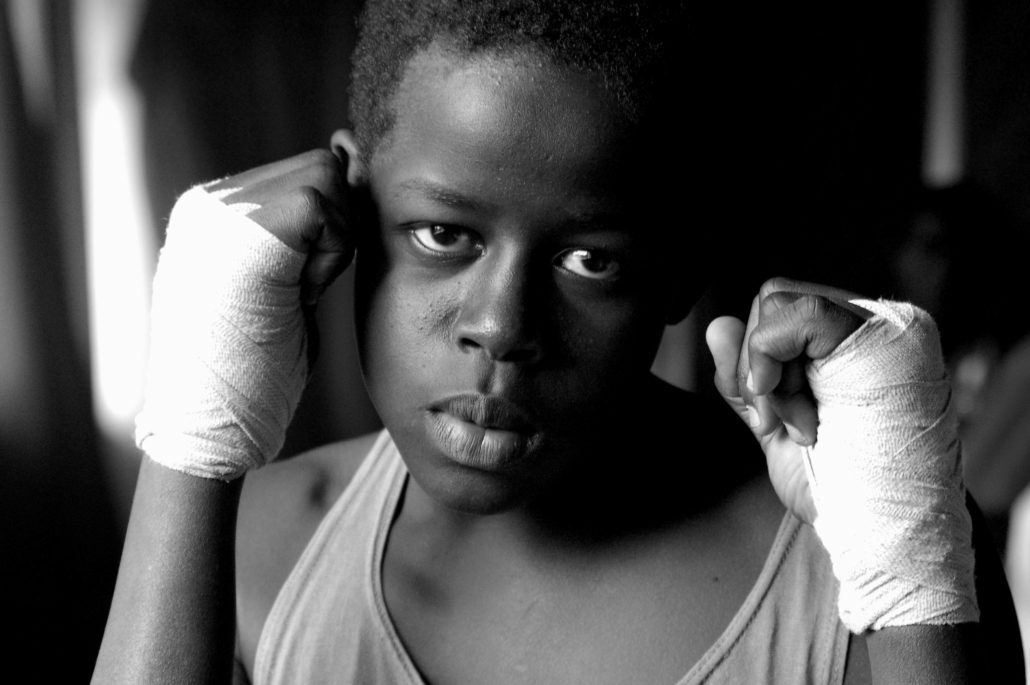
  4. Kassim Ouma: Kassim Ouma has one of the most unique stories among these professional athletes who grew up impoverished. He was born in Uganda and lived in extreme poverty until the age of 6 when his life abruptly flipped upside down. It was at this age that the National Resistance Army kidnapped Ouma, a militant force revolting against the Ugandan government. The resistance forced him to fight as a child soldier until the war ceased roughly three years later. Once he returned home, he began working to build a better future for him and his family. He took up boxing and trained his way to the Ugandan national boxing team, and later decided to stay in the U.S. after visiting for a tournament. Ouma serves as an example to all that even the darkest beginnings can lead to light at the end of the tunnel. He now uses his influence to advocate for change in Africa and runs a charity organization called Natabonic, which helps to fund education for his friends and family in his home village of Maga Maga.

These professional athletes who grew up impoverished serve as reminders that with hope and compassion, one can fight (and win) even the most impossible battles. Of course, not every starving child on the planet is going to become a world-renowned athlete and sports will not lead all participants out of poverty.  However sports can be a path to a better life and these stories emphasize that recreation brings people together, and where people come together, anything is possible.

– Harley Goebel
Photo: Flickr

February 2, 2020
https://borgenproject.org/wp-content/uploads/borgen-project-logo.svg 0 0 Jennifer Philipp https://borgenproject.org/wp-content/uploads/borgen-project-logo.svg Jennifer Philipp2020-02-02 07:30:432020-02-03 15:00:084 Professional Athletes Who Grew Up Impoverished
Global Poverty, NGOs, Poverty, Poverty Reduction

What is Poverty?

What is Poverty?
There are two types of poverty that affect millions of people worldwide: relative poverty and extreme poverty. Relative poverty refers to the levels of social poverty of a community, while extreme poverty defines the standard of living throughout the world. There is a global deficiency line set at $1.90 per day. The limitations of the poor determine the ability to pay for medical care, food, clothing and the essentials of daily life. The Sustainable Development Goals (SDG) have established goals and targets to help the poor have equal rights to economic resources, basic services, microfinance and land ownership. By teaching the poor about finance and resilience, there could be potential to build the community and slowly grow the economy of poor countries like Southeast Asia and Africa.

It is very important for a low economic class to obtain financial knowledge because although people are living in harsh conditions, learning ways to escape poverty will ultimately allow people to be able to support their families. Parents would be able to afford basic necessities for children and the materials needed to send each child to school and obtain an education.

Women’s Hygiene

Another issue that plagues the poor is the lack of hygienic products. Many women struggle from a lack of proper care for their menstrual needs. In the United States, there are millions of women who go without having adequate menstrual products. Is someone who is simply running low on funds in poverty? Or does poverty mean not having the means of providing for oneself at all? The difference is that while in one scenario the individual has a recurring income and may fall under relative poverty, the latter is when the individual does not have an income and is accustomed to finding other ways to take care of daily needs. There are organizations, such as Freedom4Girls, #HappyPeriod and Pads4Girls, that focus on providing areas, like Sub-Saharan Africa and Asia, with pads, tampons and any other form of hygienic products so that women can have sterile and clean forms of personal care.

Education to Reduce Poverty

High levels of poverty in communities affect developing countries the most. Many people, organizations and companies work together to eliminate radical conditions. Charities, like the Build Africa Organization, understand that returning education to children suffering from economic limitations could eradicate poverty because they would receive the basic knowledge necessary to succeed. The organization focuses on providing children and teens with core knowledge and works in countries in rural Africa to teach students the basics they require to lead a healthy life.

Agriculture and Poverty

An appropriate way to help those in need is to educate people on how to grow their own food through agriculture as well as promoting local farmers. As a result, farmers may be able to improve their financial standing by selling crops to supermarkets and local restaurants. Organizations, like the International Fund for Agriculture Development (IAFD), finance agricultural development projects worldwide. Some of the projects that the IAFD put into place include reducing vulnerability to climate change, food and nutrition security and making family farmers the forefront of the world’s agriculture transformation.

If older teens and adults could learn about farming as a trade, they might be able to grow crops for food as well as gain a form of income. Local farming would promote healthier lifestyles as well as feeding those who are malnourished. The fact that people would be eating healthier could help eliminate diseases and even deaths that starvation causes. The World Food Programme provides food for men, women and children during emergency situations in over 80 different countries.

Shelter

Furthermore, there are people in underdeveloped countries and developed communities that fail to meet the primary needs of their families, making it difficult to have a stable home. Fortunately, there are organizations like The Salvation Army that help people provide for those who do not have a place to live, food to eat or clothing to wear. The Salvation Army provides those in need with resources and avenues to get back on the right path to a successful life. Aside from shelter, The Salvation Army also provides counseling services, educational support and vocational services. Parents with young children also are able to use the shelter’s address to apply for jobs and to send children to school.

Although those in poverty may experience limited food, shelter or access to materials for hygiene, there are several organizations attempting to help. With the continued work of IAFD, The Salvation Army and The World Food Programme, hopefully, people will continue to rise out of poverty.

– Paola Quezada
Photo: Flickr


February 1, 2020
https://borgenproject.org/wp-content/uploads/borgen-project-logo.svg 0 0 Jennifer Philipp https://borgenproject.org/wp-content/uploads/borgen-project-logo.svg Jennifer Philipp2020-02-01 01:30:542024-05-29 23:14:35What is Poverty?
Children, Developing Countries, Education, Global Poverty, Health, Poverty Eradication, Poverty Reduction

How Former President Morales Transformed Bolivia 

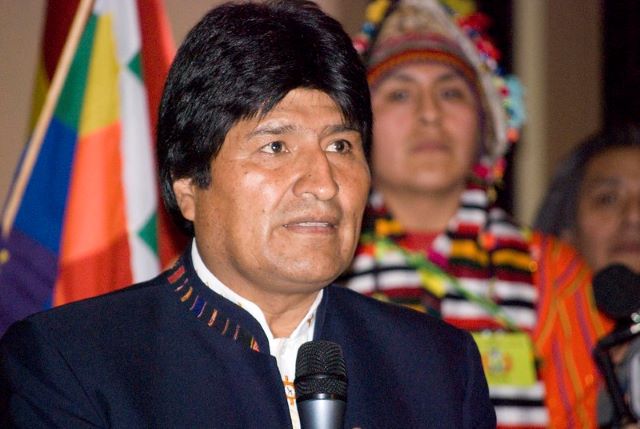
Morales Transformed Bolivia The year 2006 marked the beginning of a new era for Bolivia. For decades before, Bolivia had been run by presidents that continuously marginalized the indigenous population and favored wealthy foreign corporations, making Bolivia one of the poorest countries in South America. By 2002, the percentage of Bolivians that were living in extreme poverty spiked to 38% and remained stagnant until 2006. When Evo Morales became president, through programs and initiatives, Morales transformed Bolivia in several ways.

The Reign of Evo Morales in Bolivia

Evo Morales’ election sparked what his government referred to as the “Process of Change”, a presidency that would bring the spotlight to the marginalized workers and away from Bolivia’s elites that have ruled the country for years. The campaign specifically focused on restoring the rights of the indigenous population. And after just one year of the election, Bolivia began to see huge improvements. Since 2006, the Bolivian economy has grown, on average, 5% yearly compared to the 2.8% before. Most notable, Morales was able to cut the extreme poverty rate in half, bringing it down to 17%. He also obliterated the illiteracy rate to zero. So, how was Morales able to push real progress?

Bolivia’s Natural Resources

Morales set a path that focused on putting government investments in social spending. He began this project by regaining national sovereignty over Bolivia’s natural resources: Lithium. For years prior, foreign corporations had been profiting from Bolivia’s natural resources, raking in 85% of the profits generated by its natural gas production. After being sworn into office, Morales was able to regain nearly 80-90% of its shares. Now, the state is in full control of the sales and distribution of its raw resources. Since 2006, Bolivia has amassed $31.5 billion, which Morales allocated toward schools, hospitals and infrastructure, building about 4,500 educational facilities.

Anti-Poverty Initiatives in Bolivia

When it came to combating poverty, Morales had made many positive changes to improve Bolivia’s crisis during his 14 years in office and worked to raise the standard of living for the most desperate people in the country. Under Morales’ rule, the monthly minimum wage rose from 440 Bolivars to nearly 2,000, and unemployment rates dropped to under 4% from their original height of 8.5% back in 2005. There was also a sharp decline in those living in extreme poverty, shifting from 38% to just 16.8%. Overall, poverty dropped to 38.6% from the original 60.6% in 2005. Further, Morales worked to build nearly 127,000 new homes for financially insecure Bolivians without housing.

Focusing on Children and Education

Morales transformed Bolivia further by putting forth specific programs that would benefit and prevent poverty in vulnerable groups: children, mothers and the elderly. To combat low school attendance and restrict child labor, Morales put forth the Juancito Pinto program, which aimed at reaching nearly two million children. This program awards children $28 for every year of schooling they complete, encouraging them to remain engaged in their education. Before Morales taking office, the country had an illiteracy rate of 13%. However, through the use of the Juancito Pinto and the YES I CAN program, 850 thousand children became educated and Bolivia became illiteracy free in 2008.

Addressing Maternal and Infant Health

For Bolivian mothers, Morales put forth the Juana Azurduy program to end maternal and infant mortality and to reduce food shortages for children. Under the program, Bolivian mothers would receive up to $266 to go toward food, care and shelter while they raise their families, an effort that UNICEF has praised. When the program began in 2009, child malnourishment was at nearly 27% and has declined to just 16%. Child mortality has also decreased by nearly half. This program also helped to encourage women to visit medical facilities while they are pregnant and for a period after they give birth by offering cash grants to those who follow the program.

Focusing on the Elderly and Disabled

For senior citizens, Morales introduced the Renta De La Dignidad program, which focused on Bolivian citizens over the age of 60 who were not previously receiving any social assistance. This bill also gave $36 a month to disabled Bolivians as well as pregnant women and assisted them in finding jobs in the government and private sectors. The goal of this bill was ultimately to grow the income of those who were less capable of finding work and it has resulted in many Bolivian citizens who were victims of poverty increasing their yearly income to nearly $342.

The Future of Bolivia

It is evident that Morales transformed Bolivia in several positive ways. While Morales’ successful 14 years have come to end, Bolivia has rebirthed Morales’ principles with the recent election of Luis Arce.  Similar to Morales, Arce promises to bring justice to groups that continue to be marginalized.

– Maya Falach
Photo: Flickr

February 1, 2020
https://borgenproject.org/wp-content/uploads/borgen-project-logo.svg 0 0 Jennifer Philipp https://borgenproject.org/wp-content/uploads/borgen-project-logo.svg Jennifer Philipp2020-02-01 01:30:492021-02-01 03:29:43How Former President Morales Transformed Bolivia 
Global Poverty, Poverty Reduction

5 African Movies Addressing Poverty 

African Movies Addressing Poverty Under the deep turmoil of an economic crisis surrounded by political unrest and social change, Africa has a rich culture in film. Directors in African countries such as Nigeria, Kenya and South Africa are using the art of film-making to address real issues of poverty in the country. This further showcases the ability of movies to serve as a vehicle for social change. This article will highlight five African movies addressing poverty.
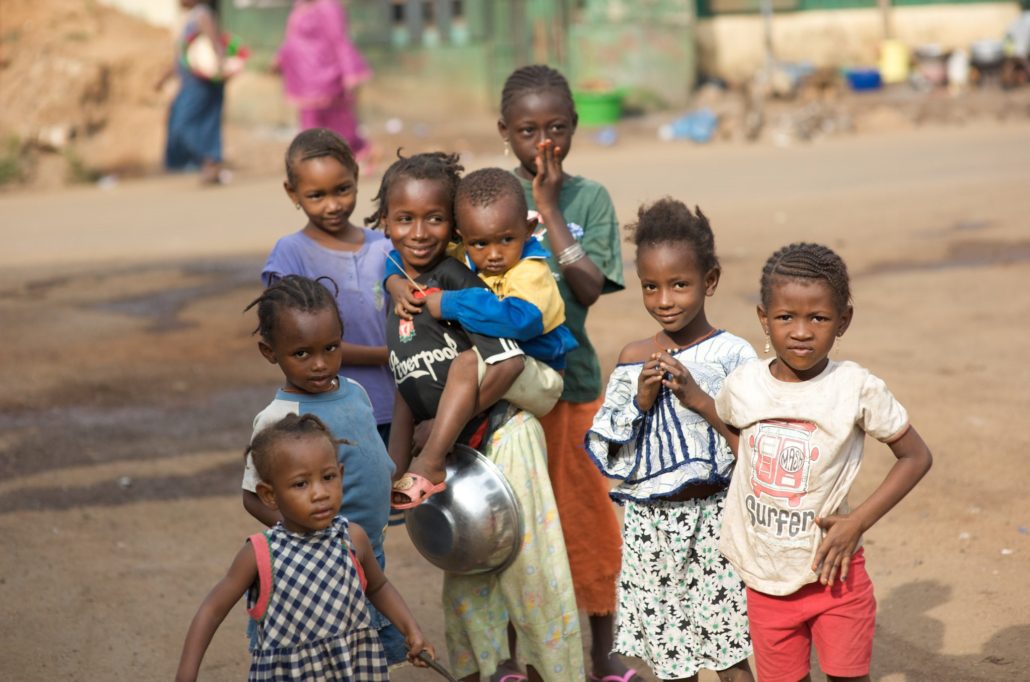
Considered the poorest continent on Earth, one in three people in Africa lives below the poverty line. In particular, children and women share the greatest burden of poverty. In the midst of the dire situation in Africa, the movie industry is attempting to shed light on the poverty crisis. Actors, actresses and directors alike are using film to touch the hearts of the viewers. Through these cinematic opportunities, they hope people will take action.

5 African Movies Addressing Poverty

  1. Knuckle City. Written and directed by Jahmil XT Qubeka, this oscar-nominated movie follows the story of Dude Nyakama. Nyakama is a struggling boxer who uses the sport to keep himself out of poverty. The movie challenges the cultural norms of masculinity and punishes misogynists for their actions. At its core, Knuckle City is a call to action. The film shows viewers the detrimental consequences of a poverty-stricken, corrupt misogynist and violent society.
  2. Hyenas. This film takes place in a Senegalese village where the elders of the community must sell their possessions to save themselves as poverty rises. However, a surprise visit from a former resident has the villagers hopeful that the visitor will donate. Alas, upon learning that the woman has other plans, the residents realize the price they must pay. The movie looks at the desperate actions people in need will take and the way human folly can lead those in poverty down the wrong path.
  3. The First Grader. Based on a true story, this movie emphasizes the importance of education. An 84-year-old Kenyan villager and veteran fights for his right to go to school after being denied the right as a child due to a lack of money. The movie is a triumphant testimony to the force of education. Further, it shows just how important it is for education to be affordable for all social classes.
  4. Neria. As Zimbabwe’s highest-grossing film, this movie analyzes the issues faced by a rural woman left in poverty. When Jesesi Mungoshi loses her husband, her farm and her livelihood, she is forced to find a way to survive in a time where women are considered inferior. Her journey is empowering. Ultimately, her defiance of cultural norms leads her on a path to independence.
  5. Stealing Africa. Companies have extracted more than $29 billion worth of copper from Zambia in the last 10 years. However, the country remains one of the poorest in the world. Stealing Africa exposes foreign corporations for the culprits they are. In the documentary, an investigation finds that all the money lost due to “dodgy tax practices” could amount to 10 times the international aid that Zambia currently receives. Essentially, if foreign corporations were to follow tax regulations, Zambia’s development would significantly improve.

The film industry in Africa is taking a creative twist on the war against extreme poverty. The writers and directors involved are creating stories that capture one’s attention and characters that steal your heart. These African movies addressing poverty are prompting viewers to take action.

– Shvetali Thatte
Photo: Pixabay

January 16, 2020
https://borgenproject.org/wp-content/uploads/borgen-project-logo.svg 0 0 Kim Thelwell https://borgenproject.org/wp-content/uploads/borgen-project-logo.svg Kim Thelwell2020-01-16 01:30:552024-05-29 23:14:245 African Movies Addressing Poverty 
Global Poverty, Poverty, Poverty Reduction

Teaching Indonesia’s Impoverished Population to Fish 

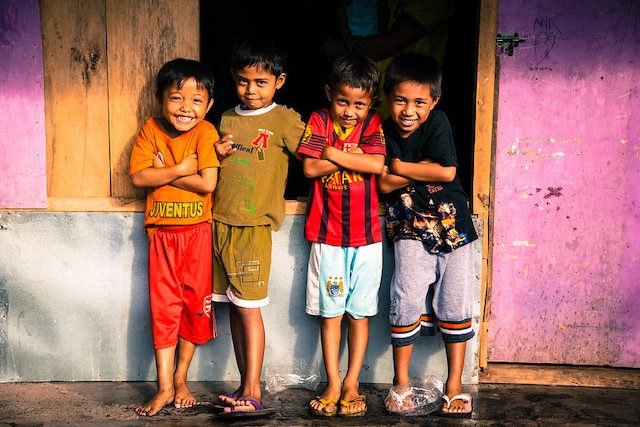
Teaching Indonesia’s Impoverished Population to Fish “Give a man a fish and you feed him for a day. Teach a man to fish and you feed him for a lifetime.” – Ancient Proverb. The Indonesian government is taking the above saying to heart. It is doing its best to teach the poor population how to provide for themselves rather than merely providing aid. The government has grouped poverty reduction programs in Indonesia into three clusters: Social assistance, community empowerment and microenterprise empowerment. Simply put, cluster one is similar to giving Indonesia’s impoverished population fish while cluster two is giving the population a fishing rod and teaching them to fish. Finally, cluster three is facilitating fishing by providing a boat.

The Three Clusters

  • Social Assistance – This cluster of poverty-reduction programs in Indonesia is focused on providing direct assistance to poor households. In the past, the government had taken measures to implement “a single ‘combo’ card-based cashless payment system” in order to promote financial inclusion. It also reallocated fuel subsidies to directly assist poor and vulnerable families. Furthermore, the non-cash food assistance program has transformed the delivery of nutrition-sensitive food assistance. This is the first step to reducing Indonesia’s impoverished population.
  • Community Empowerment – With a more macro focus when compared to social assistance, this cluster gives poor communities the social funds they need to improve basic social and economic services. The programs included in community empowerment fall under PNPM. PNPM is an umbrella policy that attempts to self-help community capacity by creating jobs and achieving a better standard of community welfare. Examples of PNPM programs include social activities, such as the activity of posyandu (a community-based vehicle to improve child development) and BKM, which provides free medical service. It also includes economic activities such as women entrepreneurs weaving traditional clothes and micro-credits for women entrepreneur groups. The PNPM programs have seen great success in recent years with the community participation level reaching 39 percent and per capita consumption increasing 9.1 percent.
  • Microenterprise Empowerment – This third cluster looks at providing access to credits for microenterprises without having them be “hindered by the requirement to provide collaterals.” Most of these enterprises are independent and “highly labor-intensive,” employing “low levels of skills and technology.” According to the SMERU Research Institute, microenterprises provide income and employment for significant portions of workers in rural and urban areas. Microenterprises comprise more than 50 percent of the nation’s GDP. Each unit microenterprise can absorb 1-5 workers. In addition to the independent enterprises, “the government provides a subsidized guarantee scheme at 70 percent in which the government pays the premium” to find unbankable businesses that lack collateral.

The above programs have already achieved a great measure of success. They have reduced poverty by half from 24.3 percent in 1999 to 10.4 percent in 2013. However, there is room for further improvements. In 2014, “only one-fifth of the poorest 10 percent in Indonesia” had received all the benefits to which they were entitled.

Future Reformation

Possibilities for reformation in cluster one include a two-way updating system to the connection between the target database and the program-based beneficiary lists. This would help major social assistance programs reach the right people. Since needs change during certain times, having additional monitoring and evaluation to fill in the gaps in program design will improve the planning of the programs. Moreover, redesigning the Credit for People Initiatives by providing an incentive for smallholders for productive assets accumulation would leverage the poor with adequate access to the program and increase the impact of clusters two and three as well.

To add to the effectiveness of programs that are reducing Indonesia’s impoverished communities, the government has also established a national team, chaired by the Vice President. It is the Vice President’s hope that with the specific changes being looked at in each of the clusters, Indonesia will eventually bring the vast majority of those in poverty to a more sustainable economic situation.

– Shvetali Thatte
Photo: Flickr

January 15, 2020
https://borgenproject.org/wp-content/uploads/borgen-project-logo.svg 0 0 Kim Thelwell https://borgenproject.org/wp-content/uploads/borgen-project-logo.svg Kim Thelwell2020-01-15 01:30:072024-05-29 23:14:25Teaching Indonesia’s Impoverished Population to Fish 
Children, Global Poverty, Poverty, Poverty Reduction

All As One is Fighting Child Poverty in Sierra Leone

All As One is Fighting Child Poverty
All As One is an orphanage fighting child poverty in Freetown, Sierra Leone. Sierra Leone is one of the poorest countries in the world – 56.8% of the population was living below the poverty line as of 2018. The 340,000 orphaned children feel the disparities of this country in particular. They have a one in five chance of dying before they reach the age of 5 and a 57% chance of never learning to read.

Recently, The Borgen Project had the opportunity to speak to the Executive Director of All As One, Deanna Wallace. During the interview, Wallace noted that All As One has been working in Sierra Leone over the past 20 years and that the orphanage has impacted “the lives of over 35,000 children and young adults, helping to bring change to a generation of children.”

How All As One Fights Child Poverty

Four main factors cause poverty in Sierra Leone including corruption within the government, insufficient infrastructure, lack of education and inadequate civil rights. Children often die at birth due to low-quality health care or starvation. The problem of child poverty worsened after the 2014 Ebola outbreak, which left thousands more children orphaned and impoverished.

All As One is fighting child poverty in Sierra Leone by taking care of its most vulnerable children and young adults. The orphanage provides them with a home, education, medical care and other amenities as needed. While All As One does not offer adoption services, the amenities it does provide help these children establish a healthier lifestyle.

Wallace stated that “All As One helps fight poverty on the ground level, mainly through education, so that their children can find jobs and support themselves as adults.” The organization also gives micro-loans to entrepreneurial young women with dreams of starting a business. In addition, All As One provides nourishing meals to 100 children every day, with hopes that these children escape the grips of poverty.

The organization currently has about 45 children in care and about 55 daily patrons from the surrounding community, who visit for schooling and food.

Life At the Center

Life for a child at All As One involves going to school, doing homework, completing small chores, having playtime in the afternoons, attending church on Sundays and occasionally going on outings. Reflecting upon these offerings, Wallace said that “the children we care for have it better than so many [children in Sierra Leone] like those who are forced into the workforce as a child.” A staggering 51.3% of children in Sierra Leone are subject to child labor.

Recent Strides in Fighting Global Poverty

Recently, five All As One students received the opportunity to take a university entrance exam. Although the test typically has a 95% failure rate, all five AAO students passed the exam and were able to continue on to attend university. Victories such as this encourage All As One to continue its fight against poverty in Sierra Leone.

– Emily Joy Oomen
Photo: Flickr

December 31, 2019
https://borgenproject.org/wp-content/uploads/borgen-project-logo.svg 0 0 Kim Thelwell https://borgenproject.org/wp-content/uploads/borgen-project-logo.svg Kim Thelwell2019-12-31 01:30:522022-03-31 11:14:42All As One is Fighting Child Poverty in Sierra Leone
Global Poverty, Poverty, Poverty Reduction

Music and Poverty Around the World

Music and Poverty
Globally, each culture has a connection to music. Numerous Latin American cultures developed music such as salsa and tango,  energizing types of music with trumpets and bongos. Meanwhile, the Middle East produces songs written in Arabic. This style ranges anywhere from traditional Arabic music filled with violins and percussion instruments to Arabic pop including catchy lyrics set to engaging instrumental tunes. Although different cultures produce different types of music, people often view music as a link between cultures and nations. People often do not put music and poverty together, but the study of music is often beneficial and may allow some the chance to escape the poverty line.

The Link Between Music and Poverty

A study at Northwestern University has proven that music lessons can help alleviate the psychological damages that poverty brings. This study observed how learning to read sheet music affected teenager’s brains, aged 14 and 15. By teaching the children how to read musical scales, Kraus, the leader of the study, believes that the world can decrease the bridge between literacy and low socioeconomic status.

Ways Music Can Lift People Out of Poverty

Studying and playing music has proven to affect more than just literacy skills. Studies have observed that individuals who learn how to play music experience increased self-esteem, they believe that they can achieve things that they never thought possible. Also, by learning and studying new skills, individuals develop a new sense of discipline that they might have been lacking, which, in turn, encourages individuals to try new things, like attending college or developing a career.

Organizations Putting Music to Good Use

  1. Global HeartStrings: Started by Rachel Barton Pine, Global HeartStrings’ goal is to help foster classical musicians in developing countries. To achieve this, Pine provides children in impoverished countries with sheet music, basic supplies and even instruments.

  2. Children International: Based out of Kansas City, Missouri, this organization has developed a program called Music for Development in the Dominican Republic and Colombia. Started in the Dominican Republic in 2014 and Colombia in 2015, the program aims to teach children and teenagers life skills through music. By teaching children music, the organization says that they are giving individuals a road out of poverty, self-confidence and the ability to reject negative influences.

  3. System of Youth and Children’s Orchestras of Venezuela: Started in 2002, this organization focuses on individuals aged 3 through 29, and teaches them how to play and perform with musical instruments. Ran by Nehyda Alas, the organization has benefited around 350,000 individuals who live below the country’s poverty line. In Venezuela, around 70 percent of the country’s 30 million citizens live in extreme poverty. Alas, the organization promotes a healthier and more fulfilled life by providing children with new skills and the discipline to learn them. The United Nations Development Programme supports this program and the program aims to end the country’s extreme poverty and hunger crisis.

  4. El Sistema: Founded in Venezuela in 1975 by José Antonio Abreu, people have credited this music-education program with helping individuals rise above the poverty line. It is a cultural, educational and social program that helps empower children and teenagers through music. The organization has opened music learning centers in areas that are easily accessible to children living in poverty. At these centers, children work on learning how to play instruments or learning and performing choral music. Abreu believes that by teaching children music, they not only learn how to read and play music, but they also develop positive self-esteem, mutual respect and cooperating skills. They can then apply these skills to their daily lives. He is a believer in the link between music and poverty and strives to help his students achieve their best.

Musicians Who Came from Poverty

  1. Pedrito Martinez, Edgar Pantoja-Aleman, Jhair Sala and Sebastian Natal — Cuban Jazz Group: People know this Cuban jazz group for its unique blending of Yoruba folkloric music, contemporary beats, piano, bongos and traditional Cuban music. Cuba is one of the poorest countries in the Western hemisphere, and Martinez and Pantoja-Aleman are the only two members of the four-member band that grew up in impoverished areas of the country. Sala is from Peru and grew up in New York City, while Natal is from Uruguay. All four members of the group grew up struggling to make ends meet and they credit music as being both their escape and their success.

  2. Eddie Adams — American Cellist: Adams and his family, his mother and five siblings, lived in a Virginia homeless shelter when he signed up for band class in 10th grade. Although cello was not his first choice of an instrument, Adams grew to enjoy playing and would watch YouTube videos at school to improve his skills. He did not own his own cello, nor could he afford to take formal music lessons. However, after his audition, Adams received a full-tuition scholarship to George Mason University in Virginia where he became the lead cellist.

  3. Rachel Barton Pine — American Violinist: Growing up, Pine lived in a single-income household and, in her own words, her family was always “one missed payment from losing the roof over our heads.” Pine’s family could not afford a house with central heating or cooling. As a result, in order to stay warm in the winter, they used a space heater that they rotated every 10 minutes to keep their house warm. Pine worked her way above the poverty line by playing various shows as often as she could. She started playing as young as 5 years old, and as of today, she travels around the world performing her music and people have regarded her as “one of the most accomplished violinists in the world.”

Music and poverty intertwine more than many have originally thought. Music can greatly benefit individuals living below the poverty line as it provides a sense of culture, a form of education and a means of creative expression. Impoverished individuals who study music greatly benefit from increased literacy skills, along with increased self-esteem and a willingness to learn and develop new skills.

– Destinee Smethers
Photo: Flickr

December 28, 2019
https://borgenproject.org/wp-content/uploads/borgen-project-logo.svg 0 0 Jennifer Philipp https://borgenproject.org/wp-content/uploads/borgen-project-logo.svg Jennifer Philipp2019-12-28 01:30:192024-05-29 23:13:57Music and Poverty Around the World
Global Poverty, Poverty, Poverty Reduction

8 Facts About Education in the United Arab Emirates

Facts About Education in the United Arab Emirates

The United Arab Emirates started focusing on building a modern, mass-scale education system after its independence from Britain in 1971. In the past 50 years, the country revolutionized its education system aligning itself both with a modern and Western approach. Below are eight facts about education in the United Arab Emirates.

8 Facts About Education in the United Arab Emirates

  1. The UAE achieved universal education which was part of its ‘Education for All’ initiative, thus focusing on a new challenge for its UAE Vision 2021, that is, quality education. Its primary goal is to create a ‘first-rate education system,’ intended to enable students in the UAE to rank among the best in the world in the fields of mathematics, reading and science. To achieve this, the government proposes a transformation of the education system and intends to use Smart systems and devices as a basis for new teaching methods. In doing so, the UAE aligns its own national agenda to the United Nations’ 2030 Sustainable Development Goals, aiming to achieve quality education as its Target 4.
  2. The UAE now focuses on ways to develop the economy outside the hydrocarbons sector and sees education as the key to do so. The core mission of the Ministry of Education’s Strategic Plan 2017-2021 is to develop an education system adapted to generate a high-skilled and knowledge-based competitive economy. The founding father of the UAE, Sheikh Zayed Bin Sultan Al Nahyan, stated that the “greatest use that can be made of wealth is to invest it in creating generations of educated and trained people… [T]he prosperity and success of the people are measured by the standard of their education”.
  3. Literacy is a powerful tool against poverty, and the literacy rate in the UAE has increased from 54 percent among adult men and 31 percent among adult women in 1975 to almost 95 percent for both genders in 2019. Besides this considerable improvement, the government is now working on increasing the inclusivity of the education system to migrant workers too, in order to further close the wealth gap in the UAE.
  4. The education system in the UAE comprises both private and public education. Public education, from primary school through university, is free for all Emirati citizens and is entirely funded by the government. The primary language of instruction is Arabic and English is often taught as a secondary language. Public school enrollment is also accessible to non-UAE citizens, provided they pay a tuition fee, however, only 26 percent of the total enrolled students in the UAE are enrolled in public schools.
  5. Approximately 74 percent of students are enrolled in private schools, representing a huge part of the education system. This is mostly due to the transient nature of the expatriate population that opts for international schools. There is an increasing demand for private-sector education in the UAE, and according to the Boston Consulting Group, there is an expected growth in the education market from $4.4 billion in 2017 to over $7 billion by 2023.
  6. The UAE aims to improve considerably its tertiary education system in order to retain a higher number of Emirati citizens in enrolling in tertiary degrees, as well as attract students from abroad. The UAE has an extremely high outbound student mobility ratio, as 7.1 percent of UAE nationals enrolled in tertiary degrees abroad in 2016. Moreover, its inbound mobility ratio is one of the highest in the world, attaining 48.6 percent in 2016.
  7. The UAE emphasizes the importance of inclusiveness and quality education for all and has signed the Convention on the Rights of Persons with Disabilities and Optional Protocol in 2006. The government strongly supports people with disabilities/special needs and has included federal laws to protect the rights of people with special, guaranteeing equal education opportunities. In addition, the UAE aims to increase the inclusiveness of special needs children in mainstream educational environments, through various initiatives and as a part of its 2020 agenda.
  8. In 2019, the UAE allocated a $2.79 billion budget to Education, representing 17 percent of its total federal budget. A part of it will go towards the establishment of an Education Support Fund to incentivize partnerships and involvement with the private sector, in order to achieve its upcoming goals and priorities.


These eight facts about education in the United Arab Emirates illustrate the achievements and progress made in the country’s education system and highlights the ambitious aims and goals the UAE has for the future.

– Andrea Duleux
Photo: Flickr

December 26, 2019
https://borgenproject.org/wp-content/uploads/borgen-project-logo.svg 0 0 Kim Thelwell https://borgenproject.org/wp-content/uploads/borgen-project-logo.svg Kim Thelwell2019-12-26 12:53:032024-06-07 05:08:028 Facts About Education in the United Arab Emirates
Page 30 of 63«‹2829303132›»

Get Smarter

  • Global Poverty 101
  • Global Poverty… The Good News
  • Global Poverty & U.S. Jobs
  • Global Poverty and National Security
  • Innovative Solutions to Poverty
  • Global Poverty & Aid FAQ’s
Search Search

Take Action

  • Call Congress
  • Email Congress
  • Donate
  • 30 Ways to Help
  • Volunteer Ops
  • Internships
  • Courses & Certificates
  • The Podcast
Borgen Project

“The Borgen Project is an incredible nonprofit organization that is addressing poverty and hunger and working towards ending them.”

-The Huffington Post

Inside The Borgen Project

  • Contact
  • About
  • Financials
  • President
  • Board of Directors
  • Board of Advisors

International Links

  • UK Email Parliament
  • UK Donate
  • Canada Email Parliament

Get Smarter

  • Global Poverty 101
  • Global Poverty… The Good News
  • Global Poverty & U.S. Jobs
  • Global Poverty and National Security
  • Innovative Solutions to Poverty
  • Global Poverty & Aid FAQ’s

Ways to Help

  • Call Congress
  • Email Congress
  • Donate
  • 30 Ways to Help
  • Volunteer Ops
  • Internships
  • Courses & Certificates
  • The Podcast
Scroll to top Scroll to top Scroll to top