Innovations in Poverty Eradication in Ethiopia
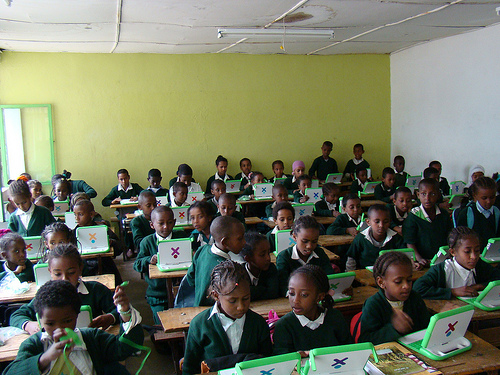 Ethiopia, officially known as the Federal Democratic Republic of Ethiopia, is located in East Africa. It has historically struggled to keep a majority of its population out of extreme poverty. In 1995, 71.1% of Ethiopia’s population lived on less than $1.90 a day. However, thanks to innovations in poverty eradication in Ethiopia, this figure has decreased to 30.8% as of 2015. The top innovations in poverty eradication in Ethiopia include economic development plans and the expansion of social services. Foreign aid from allied nations, like the U.S., has helped make these innovations in poverty eradication in Ethiopia possible.
Economic Development Plans
The main mechanism for successfully reducing poverty in Ethiopia is its chain of innovative economic development plans. Beginning with the Plan for Accelerated and Sustained Development to End Poverty (PASDEP) in 2005, Ethiopia has implemented a series of these plans. Each last five years in order to adapt to the new market. In 2010, the First Growth and Transformation Plan (GTP I) replaced the PASDEP. The Second Growth and Transformation Plan (GTP II) succeeded this plan in 2015.
The GTP II remains in place but is nearing the end of its five-year installment. The plan doubled down on the previous strategies’ prioritization of human resource and infrastructure development. As such, it has sustained economic growth in Ethiopia. This was most evident in Ethiopia’s huge spending increase in the education sector. Roughly one quarter of the nation’s total expenditures go toward education and training. Importantly, this far surpasses the allocated budget in every other nation in the region. Access to “universal primary education” also rose exponentially—an important milestone for the country. In addition, the plan called for large investments in roads, railways, power and agriculture.
The plan also focused on industrial development, strengthening the manufacturing industry to increase economic growth. Analyst for the Development Initiatives, Peace Nganwa, writes that “interventions that increase economic growth also contribute directly to poverty reduction.” Since the GTP II’s implementation, Ethiopia’s GDP has grown substantially. The total GDP grew from $64.6 billion in 2015 to $96.1 billion as of 2019, a whopping 48.8% increase.
Expansion of Social Services
Ethiopia’s focus on improved social services has dramatically increased the welfare of its citizens. Besides education, health, transportation, energy infrastructure and water and sanitation have expanded greatly. Health coverage in particular has been a priority for Ethiopia in the past few years. Substantial increases to healthcare funding brought Ethiopia’s access to health coverage to 98% in 2018. This was an important mark to hit, especially before the coronavirus pandemic reached the country.
Furthermore, water scarcity has historically been problematic for Ethiopia. The nation accounts for 7.5% of the global water crisis, affecting more than 62 million citizens. However, Ethiopia’s focus on the issue has helped reduce it significantly. This work has brought the country’s access to potable water to 66%. All of these social service expansions contributed to increasing the overall life expectancy of Ethiopians. Specifically, it now rests at 64.6 years.
International Assistance
Foreign development assistance made these innovations in poverty eradication in Ethiopia possible. In 2010, for instance, the $3.5 billion Ethiopia received in total foreign donations covered more than half of its spending. The largest contributor to this was the United States, giving $875 million.
As the nation plans another five years of poverty eradication measures, it faces one of the hardest challenges the world has come by: COVID-19. Ethiopia has proven that it can strategize to eradicate poverty within its borders. However, it needs assistance from foreign nations to make it truly achievable, now more than ever in the face of a pandemic.
– Asa Scott
Photo: Wikimedia
