• Link to X
  • Link to Facebook
  • Link to Instagram
  • Link to TikTok
  • Link to Youtube
  • About
    • About Us
      • President
      • Board of Directors
      • Board of Advisors
      • Financials
      • Our Methodology
      • Success Tracker
      • Contact
  • Act Now
    • 30 Ways to Help
      • Email Congress
      • Call Congress
      • Volunteer
      • Courses & Certificates
      • Be a Donor
    • Internships
      • In-Office Internships
      • Remote Internships
    • Legislation
      • Politics 101
  • The Blog
  • The Podcast
  • Magazine
  • Donate
  • Click to open the search input field Click to open the search input field Search
  • Menu Menu

Archive for category: Nonprofit Organizations and NGOs

Information and stories about nonprofit organizations and NGOs

Advocacy, Global Poverty, Nonprofit Organizations and NGOs

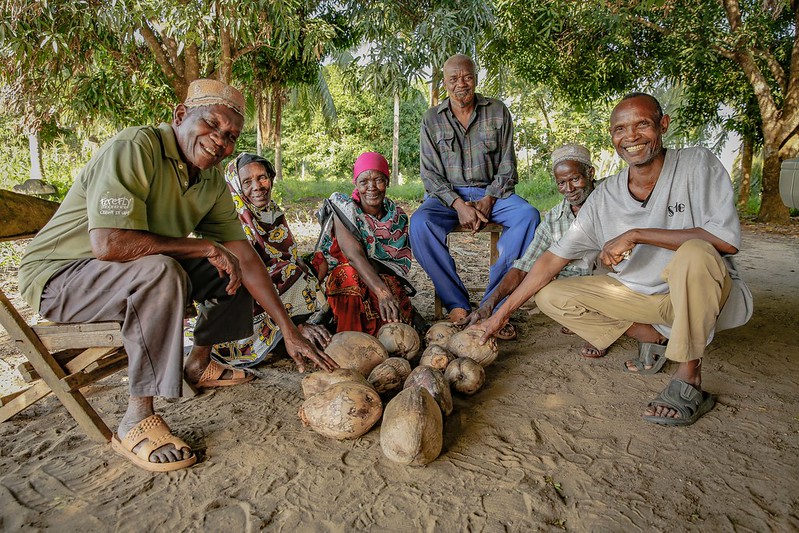
How APY-Solidarity in Action Is Reducing Poverty in El Salvador

APY-Solidarity in ActionSince 2010, APY-Solidarity in Action has actively worked to reduce poverty in El Salvador by addressing gender-based violence, supporting rural development and strengthening local governments and organizations. The Foundation for Cooperation APY-Solidarity in Action, a Spanish nonprofit organization, tackles the consequences of capitalism and poverty using feminist and ecological approaches. Established in 1992, the organization collaborates with various international governments, human rights organizations and local social groups. It focuses on educating and advocating for improved gender relations, disability rights, food security and rural development in multiple countries, including Colombia, Mozambique, Morocco, Peru, Ecuador, the Dominican Republic, El Salvador and Palestine.

According to its 2022 expense report, APY-Solidarity in Action allocated nearly 23% of its funds to El Salvador, the largest share received by any country it operates in. The organization’s dedication to El Salvador extends beyond financial distribution as it continues to develop projects seeking to minimize the country’s 27% poverty rate. Here are some ways the organization is working to reduce poverty in El Salvador:

Gender Equality

As an organization that defines itself as feminist, APY-Solidarity in Action has developed seven different projects addressing gender-based violence, child pregnancy and disabled women’s rights in El Salvador. By collaborating with various Salvadoran women’s groups, such as the Feminist Collective for Local Development and the Morazán Women’s Citizen Network, APY-Solidarity in Action has helped more than 200,000 vulnerable women, the majority of whom are disabled. In addition, the organization has invested more than €1.5 million toward addressing violence against women and providing nonsexist education to Salvadoran local governments and social workers in all 14 departments of El Salvador.

Rural Development

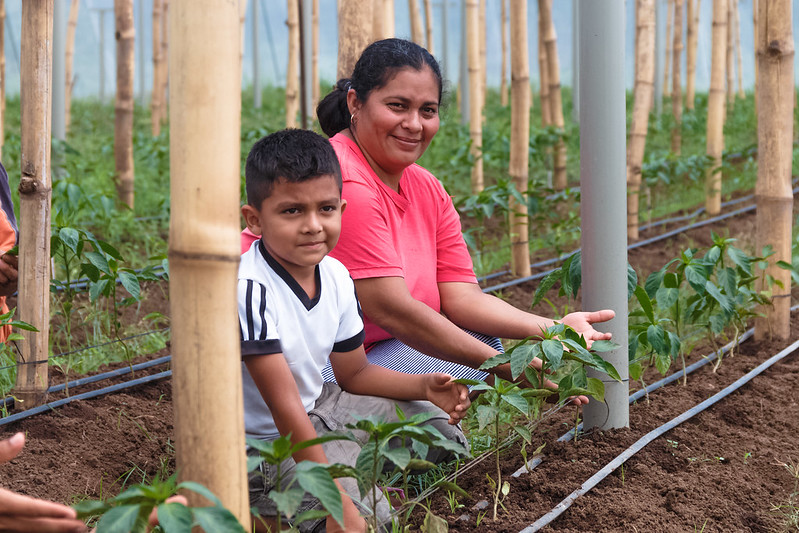
Alongside its work in gender equality, APY-Solidarity in Action also strives to strengthen food security, water, basic sanitation and agricultural production in six departments of El Salvador. Through its rural development projects that install wooden kitchens, provide organic fertilizers and emphasize food sovereignty, the organization has helped more than 4,600 women, 3,900 men and 210 families living in extreme poverty, emphasizing vulnerable populations including people with disabilities. Since 2011, APY-Solidarity in Action has allocated nearly €2 million toward developing the rural areas of El Salvador.

Strengthening Local Governments and Organizations

Another way APY-Solidarity in Action is working to reduce poverty in El Salvador is by supporting local governments and organizations. In 2010, the organization partnered with San Salvador’s Coordinator for Reconstruction and Development to educate and train Salvadoran youth in STD prevention, garment construction, screen printing and carpentry. In addition, they donated €332,472 to the construction of a recreational center meant to facilitate sports and social interactions for 1,000 young Salvadorans.

Looking Ahead

APY-Solidarity in Action continues to drive impactful change in El Salvador, focusing on crucial areas such as gender equality, rural development and community empowerment. Its targeted initiatives have reached thousands, emphasizing support for the most vulnerable groups. The organization plans to expand its efforts to reduce poverty and improve living conditions, highlighting the importance of sustained and comprehensive support in fostering a more equitable future for Salvadorans.

– Naima Rasheed

Naima is based in New York, NY, USA and focuses on Good News and Global Health for The Borgen Project.

Photo: Flickr
June 26, 2024
https://borgenproject.org/wp-content/uploads/borgen-project-logo.svg 0 0 Precious Sheidu https://borgenproject.org/wp-content/uploads/borgen-project-logo.svg Precious Sheidu2024-06-26 07:30:242024-06-25 04:37:22How APY-Solidarity in Action Is Reducing Poverty in El Salvador
Food Insecurity, Global Poverty, Nonprofit Organizations and NGOs, War and Violence

The Effectiveness of Welfare Programs in Afghanistan

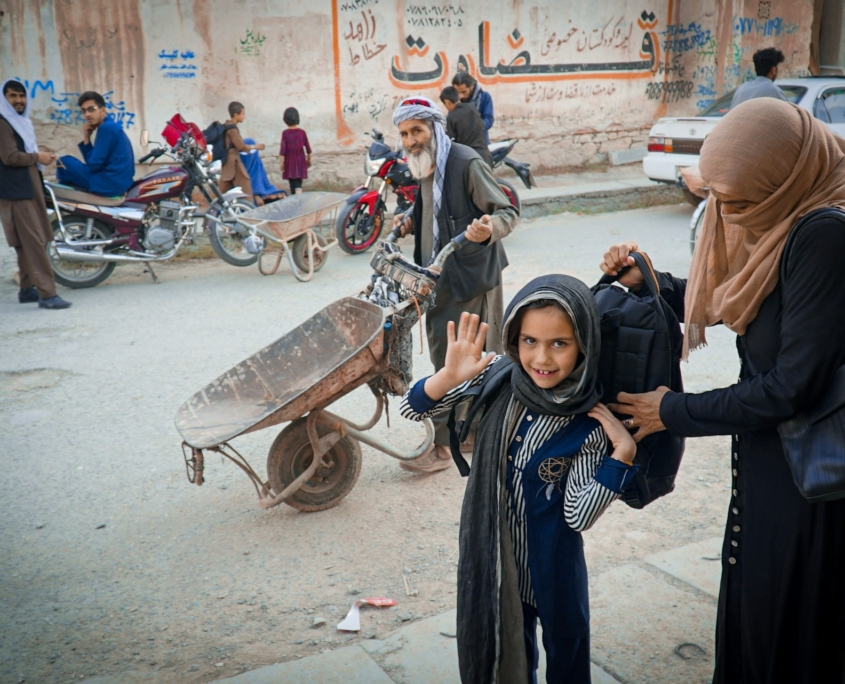
Welfare Programs in AfghanistanAfghanistan has faced long-term, simultaneous crises for decades. Its recent drop from number one on the 2023 Watchlist does not signal improvement. Rather, the severity of the situation in East Africa has simply surpassed that of Afghanistan. Beyond monitoring data, the primary focus of welfare programs in Afghanistan is to meet the humanitarian needs of each citizen in areas aligned with the program’s mission. In Afghanistan, 3,001 nongovernmental organizations (NGOs)—including 2,753 local and 248 international—with 3,544 associations, actively work to bridge gaps in funding, human resources and technical expertise.
Poverty and Food Insecurity in Afghanistan

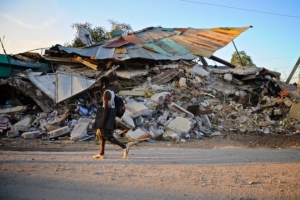
The Taliban takeover in 2021 increased displacement throughout Afghanistan displacing 3.2 million people from their homes. Most local and international NGOs stopped during that time but still held legal entity status. Samira Sayed Rahman, Afghanistan director of advocacy from the International Rescue Committee (IRC) stated, “Increasing hunger, natural disasters, unemployment, a banking and liquidity crisis, rights-violating restrictions on women and girls and the lack of a functioning economy mean Afghans are facing a multitude of simultaneous crises.”

More than 17 million Afghans face the daily threat of food insecurity.  According to the World Food Program (WFP), Afghanistan is one of the largest global humanitarian crises to exist at the moment.  With a population of 40.8 million people, 28.8 million of Afghanistan’s population needs assistance to alleviate suffering and maintain human dignity.

Causes of Poverty and Food Insecurity

Afghanistan faces multiple challenges contributing to 40% of its population facing food insecurity. These include a crumbling economy, recent floods, isolation, frequent earthquakes, recurring droughts, the impact of COVID-19, soaring food prices, the spread of illness, a water crisis and limited employment opportunities. Currently, international aid organizations subsidize more than 75% of Afghanistan’s public spending. Moreover, Afghanistan’s central bank funds remain frozen because the Islamic Emirate of Afghanistan (IEA) has not agreed to the conditions proposed by the Alliance for Human Rights in Afghanistan.

During the Taliban takeover in 2021, the Taliban effectively infiltrated most U.N.-managed programs. In response, several human rights organizations convened in March 2022 and established the Alliance for Human Rights in Afghanistan. This alliance now helps these organizations monitor the dire human rights situation in Afghanistan.

Welfare Organizations in Afghanistan

The people of Afghanistan need long-term sustainable solutions. Due to Afghanistan’s long-term economic crisis, it is difficult to assess the long-term impact each organization has had. However, here are a few key organizations with active welfare programs in Afghanistan:

  • The Cooperative for Assistance and Relief Everywhere (CARE). CARE has been providing humanitarian support in Afghanistan for more than 35 years. CARE International’s mission is to restore dignity and security, save lives, defeat poverty and achieve social justice. It is one of the leading humanitarian international NGOs in Afghanistan fighting poverty and providing life-saving assistance to vulnerable Afghans. CARE allocates 90% of its expenses to program services. In Afghanistan, CARE has developed impactful programs for vulnerable women and girls who need access to essential services. In addition, it supports multiple areas through these welfare programs, including humanitarian action, resilience, education and health equity and rights.
  • The International Rescue Committee (IRC). The IRC has provided support in Afghanistan for about 36 years. It has 5,002 staff members in Afghanistan and 99% are Afghans. Its mission is to help people whose lives and livelihoods are shattered by conflict and disaster to survive, recover and gain control over their future.
  • Food for Peace (FFP). The United States Agency for International Development’s (USAID) office of FFP supports the United Nations (U.N.) World Food Program (WFP) has provided support in Afghanistan for more than 60 years to reach vulnerable communities affected by the humanitarian crises. The WFP is committed to staying the course in Afghanistan as long as it is possible to deliver assistance to the Afghan people while ensuring the safety of its staff. Support from WFP and FFP includes regionally sourced in-kind food aid and cash transfers for food to vulnerable and drought-affected Afghans. Considering the catastrophic situation in Afghanistan, the WFP urgently needs $670 million between Jan. to June 2024 to be able to provide lifesaving support to vulnerable people in Afghanistan.                                           

Looking Ahead

Organizations and welfare programs in Afghanistan, including the Organization of Human Welfare (OHW), continue to serve states by stabilizing livelihoods and promoting resilience. Its effectiveness and impact depend on economic growth and change. Moreover, by providing education and training, multiple welfare organizations aim to shift the focus of the Afghan people from crisis to growth, reduce poverty and decrease their dependency on international aid in the future.

– Pamela Fenton

Pamela is based in Wall, New Jersey, USA and focuses on Global Health and World News for The Borgen Project.

Photo: Unsplash

June 26, 2024
https://borgenproject.org/wp-content/uploads/borgen-project-logo.svg 0 0 Precious Sheidu https://borgenproject.org/wp-content/uploads/borgen-project-logo.svg Precious Sheidu2024-06-26 01:30:272024-06-25 04:08:12The Effectiveness of Welfare Programs in Afghanistan
Aid, Global Poverty, Nonprofit Organizations and NGOs

Mercy for Haiti

Mercy for HaitiHaiti is the second-largest island in the Caribbean, situated southeast of Cuba. Despite its beauty, Haiti is not only the poorest country in the Americas but one of the poorest countries in the world. In fact, in 2012, the official poverty estimates showed that more than 6 million people in Haiti lived below the poverty line. Additionally, more than 2 million were in extreme poverty.

In 2022, the population was reported to be 11.58 million people. This suggests that more than half of the Haitian population lives in poverty. Statistics also show that about one in five kids die before the age of 6 and that more than 400,000 children are orphans because of the country’s circumstances. However, the people of Haiti are being led to change with the help of a nonprofit organization.

The Mighty Fall

Instability can be blamed for Haiti’s fall from the top. Haiti constantly finds itself in a battle with instability caused by weather, political, social and developmental instability. Examples of this can be seen in its misplaced use of disaster aid and in its lack of access to work services. These actions have caused the country to rely on external revenue and farming. However, with the loss of value in its currency, not even this is enough to keep the nation afloat.

Political and social instability is another thing that Haiti has seen time and time again. Examples are the assassination of the nation’s president in July of 2021 and the population continuing to face tragedy with the inability to support themselves and family. Haiti is also home to gangs that prevent its people from leading their lives. These gangs have ruined many homes and families.

And so, between its unfavorable weather conditions from being placed on a fault line, facing debt with currency deflation and a lack of suitable income and gang violence, Haiti has found itself stuck between a rock and a hard place.

Mercy for Haiti

Despite the odds against it, Haiti has been shown grace by a nonprofit organization called Mercy International. Mercy International was founded by Dr. John Leigner, who felt “led” to aid the people of Haiti after he visited the country in 1974. With more than 100 visits and more than 50 years of work, Leigner and Mercy International are making great impacts.

Mercy International aims to rebuild the community with a helping hand from the gospel. This aim is followed through projects for medical facilities, housing and much more. The movement of this trajectory is nothing short of great for Haiti, considering the mass amounts of poverty, homelessness and orphans in the country.

Mercy’s Impacts in Haiti

Mercy International has established at least three villages in Haiti. This has enabled many residents to move from tent cities into permanent homes. In response to the devastating earthquakes in 2010 and 2020, as well as the 2016 hurricane, Mercy International has been deeply committed to addressing the urgent needs of the Haitian people.

Following these catastrophes, Mercy International built its first village in 2010, providing housing for around 700 people. Despite the subsequent storms, Mercy International persisted, establishing two more villages in southern Haiti. These villages offer more than just housing; they support residents with churches, educational programs and food initiatives.

The initiative’s educational programs in these villages have been particularly successful, resulting in many college graduates. This has been made possible through the dedication of volunteers, sponsorship and donations.

A Good Change

The work of Mercy International is crucial in a country like Haiti, where approximately 1,300 tent cities house an estimated 1.5 million people. Additionally, less than 60% of children attend primary school and 80% do not attend secondary school. The villages, education and supportive community provided by Mercy International are incredibly needed and impactful for the people.

Thanks to Mercy International, Haiti now has three new villages. This is in addition to education, housing, health care and food to support its citizens. As Mercy International continues to lead change in Haiti, more lives will be touched and more change will be seen.

– Yeliz Turkdil

Yeliz is based in Norman, OK, USA and focuses on Good News for The Borgen Project.

Photo: Fickr

June 26, 2024
https://borgenproject.org/wp-content/uploads/borgen-project-logo.svg 0 0 Lynsey 2 https://borgenproject.org/wp-content/uploads/borgen-project-logo.svg Lynsey 22024-06-26 01:30:092024-06-25 03:58:14Mercy for Haiti
Development, Global Poverty, Nonprofit Organizations and NGOs

5 Shark Tank Alumni Fighting Poverty

5 Shark Tank Alumni Fighting PovertyShark Tank and its international versions have become a global phenomenon. Hundreds of hopeful entrepreneurs pitch their ideas to a panel of savvy investors. Among these entrepreneurs, some have dedicated their businesses to combating global poverty. Here are a few notable businesses where the worlds of Shark Tank alumni and poverty alleviation have powerfully converged:
5 Shark Tank Alumni Fighting Poverty

  1. Yellow Leaf. Yellow Leaf impressed the Sharks with its mission to strengthen Thailand’s economy. Joe Demin discovered the hammocks during a vacation in Thailand and decided to introduce them to the United States (U.S.) market. The company hires local artisans from the Mlabri tribe, also known as the “people of the yellow leaves,” to craft each hammock. The popularity of these hammocks has even led to its feature on Virgin cruise ships. An estimated 90% of the wages paid contribute to the health, nutrition and education of a Mlabri family.
  2. X-Torch. The X-Torch is a powerful flashlight and solar-powered phone charger. Although it did not secure a deal on the show, the product has succeeded in both profit and philanthropy. Communities without power or those affected by natural disasters often receive X-Torches. Several nonprofits, including Compassion International and Bethany Christian Services, distribute X-Torch products. Compassion International provides them to children in Haiti and Bethany Christian Services gives them to Venezuelan refugees. Together, Bethany Christian Services and X-Torch have supplied more than 1,000 flashlights to refugees on the Colombian border. 
  3. LuminAID. This inflatable solar lantern, designed to be safer than kerosene or candles, sells as a consumer product but originally targeted countries without stable access to electricity. After securing a deal with Mark Cuban, LuminAID expanded its product line to include a variety of solar lanterns, a speaker and other survival products. LuminAID also partnered with the nonprofit Shelterbox to distribute kits containing essential supplies, including LuminAID lanterns, in disaster zones. For instance, in 2016, LuminAID distributed 2,000 lights to earthquake victims in Nepal. Additionally, the company has partnerships with Doctors Without Borders and organizations under the United Nations (U.N.).
  4. Grace and Lace. The company donates a portion of its proceeds to build orphanages in India. After securing a deal with Barbara Corcoran, the venture expanded rapidly. To date, Grace and Lace have constructed 12 orphanages and a school in India, as well as a shelter in Nepal for women and children who are victims of trafficking. Initially selling only socks, the company has grown into a full women’s apparel brand, offering dresses, blouses, bags and more.
  5. TaDAH Foods. TaDAH Foods surprised the Sharks by announcing that it donates 25% of its profits to multiple charities dedicated to social change, notably the Meant 2 Live Foundation, which aims to lift children out of extreme poverty. It specializes in healthy falafel street wraps in various flavors. With more than $10 million in lifetime sales, the brand has thrived with the help of Shark Tank’s guest shark Daniel Lubetsky. Through its donations to Meant 2 Live, it sponsors more than 200 Zambian children.

Looking Ahead

Shark Tank and its international counterparts have showcased entrepreneurs dedicated to fighting global poverty through innovative solutions. Businesses such as Yellow Leaf, X-Torch, LuminAID, Grace and Lace and TaDAH Foods demonstrate how entrepreneurial ventures can potentially make significant social impacts by supporting vulnerable communities and addressing critical needs. These companies have provided sustainable livelihoods, essential resources and humanitarian aid, highlighting the transformative potential of socially conscious business practices. As more entrepreneurs follow suit, the intersection of business and social good promises to foster greater economic and social change worldwide.

– Meredith Wyrick

Meredith is based in Magnolia, TX, USA and focuses on Good News and Global Health for The Borgen Project.

Photo: Flickr

June 25, 2024
https://borgenproject.org/wp-content/uploads/borgen-project-logo.svg 0 0 Precious Sheidu https://borgenproject.org/wp-content/uploads/borgen-project-logo.svg Precious Sheidu2024-06-25 07:30:432024-06-24 14:03:425 Shark Tank Alumni Fighting Poverty
Global Poverty, Innovations, Nonprofit Organizations and NGOs

Agastya International Foundation: Sparking Curiosity via Science

Agastya International FoundationImagine a world where a single mobile science lab can ignite curiosity in millions of underprivileged children. A lab that will transform their futures and bridge the educational gap across rural India. Welcome to the revolution led by Agastya International Foundation. This story unfolds the remarkable journey of an organization determined to redefine education through hands-on science learning.

A New Era of Learning

In the late ’90s, Ramji Raghavan returned to India with a vision to revolutionize education. Inspired by conversations with experts about the lack of hands-on learning in the Indian education system, he co-founded Agastya International Foundation in 1999. The mission was clear: to enhance government school curricula through innovative, hands-on methods. To make education accessible to all children regardless of their economic or social backgrounds. Agastya’s team, composed of dedicated teachers, scientists and volunteers, promotes inquiry and curiosity, aiming to transform lives through education.

Agastya’s approach to education is unique and impactful. The foundation uses inexpensive, everyday materials to create science experiments and models, enabling children to replicate them at home. This hands-on method not only demystifies science but also empowers children to think critically and creatively. Older students with a passion for science often become mentors, guiding younger children during large science fairs and ensuring that curiosity is met with answers.

Transforming Education: Impact and Vision

Since its inception, Agastya has positively influenced more than 300,000 teachers and 20 million students across more than 22 states in India. The foundation’s vision is to foster a nation of creators, tinkerers, solution-seekers and leaders who are humane and connected. With programs like teacher training, mobile science labs and science centers, Agastya addresses critical educational gaps through scalable, hands-on experiential learning.

The foundation’s flagship initiative, the Mobile Science Lab, features more than 80 low-cost experiments. It brings interactive science education to schools and makes learning enjoyable.

Agastya’s core programs are designed to spark curiosity through science, art and mathematics. These programs support both teachers and remedial students, all integrated within the Kuppam campus’s ecology classroom. Agastya fosters innovation to solve theoretical and practical problems, focusing on creating economical teaching methods and training teachers. Its diverse offerings include lab-on-a-bike, lab-in-a-box, lab-on-a-tab, media labs and a gifted children’s program. Additionally, night schools and extensive teacher training programs have further extended its reach and impact.

Scaling New Heights

Interest from the Indian Government and private donors has helped Agastya scale rapidly, reaching two million children annually. The foundation’s 170-acre campus in South India transformed from an arid wasteland into an ecological marvel and serves as a world-class center for learning, hosting more than 600 students daily. This campus supports Agastya’s innovative teaching methods, making it a beacon of hope and progress.

Conclusion

Agastya International Foundation stands as a testament to the power of innovative education. By transforming how scientific knowledge is acquired, Agastya is not just educating children but igniting a lifelong passion for learning and discovery. Through its programs, millions of underprivileged children have been given the tools to dream big and achieve remarkable academic and personal successes. As Agastya continues to expand its reach, the foundation’s vision of an enlightened, curious and innovative India moves closer to reality.

– Sandeep Kaur

Sandeep is based in Manchester, UK and focuses on Good News for The Borgen Project.

Photo: Flickr

June 24, 2024
https://borgenproject.org/wp-content/uploads/borgen-project-logo.svg 0 0 Lynsey 2 https://borgenproject.org/wp-content/uploads/borgen-project-logo.svg Lynsey 22024-06-24 07:30:402024-06-23 13:37:27Agastya International Foundation: Sparking Curiosity via Science
Aid, Global Poverty, Nonprofit Organizations and NGOs

How Innovations for Poverty Action Is Helping Fight Poverty

Innovations for Poverty ActionInnovations for Poverty Action (IPA) was founded in 2002 and works to find tested and proven solutions to fight poverty. The organization has offices and projects in 20 countries and four continents. Through research and evidence, the IPA has implemented programs in many of these countries to help poverty-stricken areas.

Innovations for Poverty Action in Colombia

IPA first came to Colombia in 2010 and has since completed much research regarding poverty in the country. It has worked in various capacities, including education and migration. One of IPA’s major projects in Colombia, ConsultIPA, came from researching the effects of different programs and their impact on areas facing poverty.

ConsultIPA is an initiative that aims to help small, local nonprofit organizations develop programs. This branch of IPA works out of Colombia and provides support for these nonprofits in their commitment to the right monitoring, evaluation and learning (MEL) system. So far, ConsultIPA has helped multiple nonprofits start their foundations and implement working strategies. Two of the bigger nonprofits that IPA has helped are Fundación Iguaraya and Planeta Rural. Both of these organizations have impacted their local communities and led to bigger initiatives and practices.

Fundación Iguaraya focuses on sustainability in Colombia and promoting a greater quality of life for its residents. Its initial mission regarded local communities and their involvement in conservation efforts to achieve greater biodiversity. Over time, the mission has evolved into learning more about the local communities and how to best amplify their voices as it relates to the cultural heritage of the people. The initiative has also provided jobs, specifically as tour guides for people traveling to these local spots.

Planeta Rural has also developed into a very important organization in Colombia. The nonprofit works with young people in the rural countryside to provide help for those in need. Planeta Rural has established programs to help the more impoverished areas grow food and explore newer technologies in support of these areas.

IPA in Ethiopia

IPA has also started developing more programs in Ethiopia. Although the group does not have a base in the country, it has partnered with local groups to provide training and support for the Ethiopian people. One of its major programs has been helping the “ultra-poor” through a graduation process. The IPA took a sample group of 925 households and divided them in half: one group would receive the program’s benefits and one would not.

After the households were picked, the project was based on five components: an asset, a training program, a support program, a savings program and home visits. Each component provided the households with much-needed support and had long-lasting impacts on these homes. The impacts of this study have been overwhelming for these families. Exit surveys have shown that the families reported economic impacts, including better saving methods. Families also said that they had enough food daily after the program. Another benefit of this program has been an increase in revenue as more families have been able to find jobs and profit from the new livestock provided during the IPA program.

Looking Forward

IPA continues to provide increasing support for areas affected by poverty and will continue pursuing new evidence and results in the fight against poverty.

– Dorothy Howard

Dorothy is based in Greensboro, NC, USA. and focuses on Good News and Technology for The Borgen Project.

Photo: Pexels

June 24, 2024
https://borgenproject.org/wp-content/uploads/borgen-project-logo.svg 0 0 Lynsey 2 https://borgenproject.org/wp-content/uploads/borgen-project-logo.svg Lynsey 22024-06-24 03:00:382024-06-23 13:24:38How Innovations for Poverty Action Is Helping Fight Poverty
Entrepreneurship and Business, Global Poverty, Nonprofit Organizations and NGOs

Acumen: Alleviating Poverty in Developing Nations

AcumenAcumen is a nonprofit global venture fund that uses entrepreneurial approaches to solve poverty. Founded in 2001 by Jacqueline Novogratz, Acumen invests in early-stage companies that provide critical goods and services to low-income communities in various sectors, including health care, education, energy, agriculture and housing.

Green Growth

Acumen reimagines India’s green job revolution. As workers in the waste supply chain struggle to make ends meet due to health and safety issues, Acumen drives innovation in waste collection through coordination, recuperation and reusing. The nonprofit aims to improve salaries and working conditions while moving forward.

By playing upon available technology, Acumen protects waste workers in India by creating access to credit and improving traceability through its investing for impact approach. Recycling waste to create greener products increases worker salaries while improving health and safety in the value chain.

Education Facility in East Africa

Acumen’s innovative approach to making a difference in the education sector is impactful. It funds and supports early-stage social enterprises that provide affordable, high-quality education to underserved communities. Since 2012, it has supported 12 companies, impacting 17 million lives.

By investing in impact, Acumen backs ventures that leverage technology to enhance learning, including companies that develop digital learning platforms and educational software that can reach students in remote areas. By focusing on teacher training and capacity building, the organization improves the skills and knowledge of educators as these initiatives help enhance the overall quality of education.

Agriculture

By supporting companies that help farmers in developing countries access markets more efficiently, Acumen ensures that farmers can sell their produce at fair prices. This includes enterprises that connect farmers directly to buyers, reducing the reliance on intermediaries. The organization supports ventures that develop and distribute agricultural technologies such as improved seeds, irrigation systems and farming equipment, which increases crop yields and farming efficiency.

Through its support of initiatives offering training and capacity building for farmers, including education on farming practices, sustainable agriculture techniques and business skills, Acumen helps farmers sell products and grow in the market. By reducing post-harvest losses and increasing profits, Acumen ensures farmers get their products to market in good condition through its investing for impact approach. Acumen has supported 52 agriculture companies, impacting more than 43 million lives.

Energy

Acumen also invests in renewable energy solutions that distribute technologies such as solar power systems, biogas plants and wind energy solutions, which help to bring clean energy to communities that lack access to reliable power. The charity works with enterprises that provide training and capacity building in renewable energy technologies, help create local jobs, build technical skills and ensure the sustainability of energy projects.

Since 2007, Acumen has deployed more than $89 million for clean energy and supported more than 40 off-grid energy companies, ultimately impacting more than 306 million people globally. This demonstrates Acumen’s commitment to ending energy poverty, especially in developing countries.

Conclusion

Acumen’s innovative approach to investing for impact has demonstrated significant success in alleviating poverty in developing countries. Its strategic funding and support of social enterprises allow it to empower disadvantaged communities and help catalyze sustainable development effectively. Its commitment to patient capital, rigorous impact measurement and leadership development underscores a holistic strategy that goes beyond mere financial investment to create lasting social change.

– Rika Mokal

Rika is based in London, UK and focuses on Good News and Technology for The Borgen Project.

Photo: Flickr

June 20, 2024
https://borgenproject.org/wp-content/uploads/borgen-project-logo.svg 0 0 Lynsey 2 https://borgenproject.org/wp-content/uploads/borgen-project-logo.svg Lynsey 22024-06-20 07:30:162024-06-19 13:12:10Acumen: Alleviating Poverty in Developing Nations
Global Poverty, Nonprofit Organizations and NGOs, UNICEF

Yemen’s Water Crisis

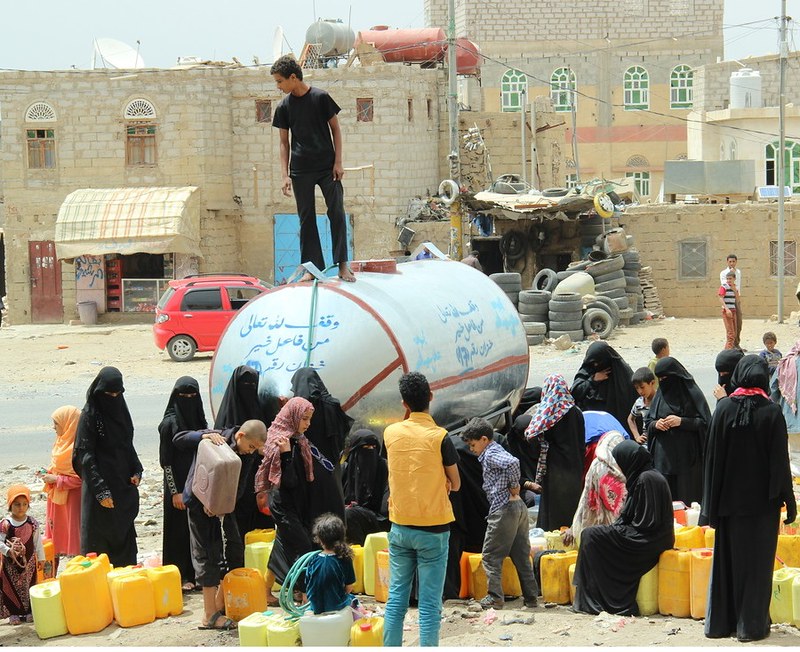
Yemen's Water CrisisYemen, strategically located on the Southern Arab peninsula, has a rich history shaped by thousands of years of societal and dynastic changes, resulting in a diverse society. However, modern warfare and harsh weather conditions have contributed to significant water insecurity. In 2023, Human Rights Watch reported that 15.3 million Yemenis face water crisis, while other estimates suggest the number could be as high as 20 million. This makes Yemen one of the most water-scarce countries in the world.
Causes of the Water Crisis

The American Education Global Majority Journal identifies five primary causes for Yemen’s water crisis: high population growth, misguided agricultural policies, water consumption for qat cultivation, lack of law enforcement in water regulation and high vulnerability to climate change. Additionally, the ongoing conflict since 2014 has severely disrupted water and agricultural systems, particularly in peri-urban and internally displaced persons (IDP) areas. It impedes the construction of responsive infrastructure and diverts internal funding away from water projects. Understanding these dynamics is essential for addressing Yemeni security challenges.

Impact of the Water Crisis

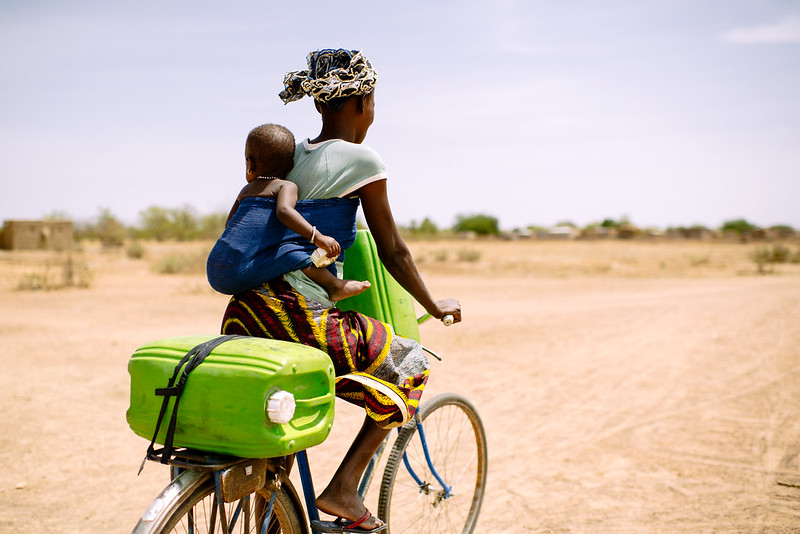
The destruction of water and sanitation systems during wartime in Yemen has facilitated the spread of water-borne diseases. For instance, a cholera outbreak in 2016 spread across 19 governorates, affecting 53,000 people and it is estimated that half a million children suffer from diarrhea at any given time. Additionally, UNICEF predicts that 2 million boys and girls in Yemen are denied an education due to the scarcity of wells and flowing water networks. The need to travel miles for water often falls on children, pulling them away from their education. In the Dhamar governorate, for example, the water network has suffered significantly due to limited financial resources and the ongoing crisis, forcing many students to leave school to help fetch water from remote areas to support their families.

Currently, 257,000 hectares of Yemen’s agricultural land reveal signs of distress. Water scarcity not only reduces agricultural production but also exacerbates food and nutrition security issues, leading to widespread health problems. This is compounded by ongoing conflict that has disrupted agrifood systems throughout the country.

Local Efforts to Alleviate Yemen’s Water Crisis

Saba Relief, one of many local charity organizations in Yemen, provides water wells, family water tanks and public water tanks funded by public donations. This support enables families to access water without traveling long distances, freeing up time for other opportunities, such as schooling for children.

International Aid and Technological Innovations

International charities like Muslim Aid USA are leveraging scientific advancements such as solar water disinfection. Unlike conventional well pumps that use grid electricity, a solar-powered pump operates on free energy from the sun. Solar water wells use this solar energy to purify biologically contaminated water, significantly reducing disease risk and bringing stability to communities in drought-prone areas affected by wartime migration.

Another benefit of international involvement is the sharing of techniques and methods to tackle the water crisis in Yemen. For example, the Ministry of Foreign Affairs of the Netherlands has successfully implemented water-saving measures in agricultural practices, reducing usage by 19% from 72.6 cubic meters per hectare a year (approximately the volume of a one-car garage) to 58.56 cubic meters (about twice the volume of a large U-Haul truck) per hectare per year. The project began by importing modern irrigation equipment into the Sana basin. A second ongoing project builds on this success and aims to enhance water use efficiency further.

Strengthening Local Governance and Infrastructure

In 2023, the United Nations (U.N.) initiated the ‘Strengthening Inclusive Local Governance and Peacebuilding in Yemen’ project, which successfully rehabilitated the main water networks in Maghrib Ans and Al-Jadad. Samira Al-Qanoun, member of the Consultation Committee in Dhamar Governorate, praised the project, noting, “The rehabilitation of the network allows us access to clean and safe water, enhances our community safety and improves the overall living conditions of families.” Currently serving 420 households, the newly rehabilitated water network is set to expand service to more than 800 households, setting the stage for future community projects supported by international aid.

Toward a Sustainable Solution

As stated by Ahmed Ali Al-Dourani “We cannot achieve peace without providing access to clean and safe water to every community member.” Efforts to combat Yemen’s water crisis reveal promise through local initiatives and crucial international support. By continuing to embrace technological innovations and strengthening governance, Yemen could further enhance water access for its citizens.

– Kathryn Dodd

Kathryn is based in the UK and focuses on Global Health for The Borgen Project.

Photo: Flickr

June 19, 2024
https://borgenproject.org/wp-content/uploads/borgen-project-logo.svg 0 0 Precious Sheidu https://borgenproject.org/wp-content/uploads/borgen-project-logo.svg Precious Sheidu2024-06-19 01:30:592024-06-18 14:09:02Yemen’s Water Crisis
Global Poverty, Nonprofit Organizations and NGOs, Women's Empowerment

Bicycle Relief Offers Opportunities for Women

Bicycle ReliefWorld Bicycle Relief is a nonprofit working to provide people with a form of transportation. Six locations are the main focus of their mobilized community programs: Cordoba, Colombia; Siaya, Kenya; Kasungu, Malawi; Mumbwa, Zambia; Chiredzi, Zimbabwe; and Hwange, Zimbabwe.

The Way Society Moves

Transportation powers the way society moves, getting people from one place to another in a reasonable amount of time. It is this flexibility that not only provides freedom and convenience in daily life but also boosts development and economic growth. For many people living in rural areas, imited access to vehicles and high costs make it difficult to progress. World Bicycle Relief aims to bridge these barriers by targeting specific areas of this region offering a chance for women to expand their economic opportunities and provide them with a basic means of transportation.

World Bicycle Relief has distributed almost 786,000 bikes since 2005. Its “Buffalo Bike” is the nonprofit’s model, customized to withstand daily use such as handling rough terrain, long distances, and pulling cargo. The bike’s build is stronger than typical road bicycles that are more lightweight. It features steel tubing, heavy-duty spokes and rims, puncture-resistant tires, a rear rack capable of holding 100kg and a durable seat for comfort. After the distribution, locals within these rural areas get mechanics training, using basic tools and locally available spare parts, keeping riders on the move and continuing the program’s progress. There are now more than 3,000 mechanics available.

Gender Gaps and Poverty

Gender gaps put women and girls at a disadvantage early on in their lives trapping them into continuous poverty, limiting their productivity and potential. In sub-Saharan Africa, 37% of women were married or in a union before the age of 18 and girls are more likely to drop out of school than boys. More than half (56%) of urban women and girls live in slum conditions, where they lack access to clean water or suitable housing conditions. Approximately 980 million women do not have access to financial services walking long distances to work and school. Work inequalities also limit opportunities, as many women earn income by selling goods and produce.

Within the household women often take on the domestic role spending more on transport costs because they make more trips to and from their local markets to provide for their families. There are additional challenges for expecting mothers and mothers with young children as they face difficulties accessing health facilities in larger cities where they can receive medical services and child care resulting in missing or postponing appointments The maternal mortality ratio (MMR) in the region is 556 deaths per 100,000 births making it the highest at two thirds of all maternal deaths each year, according to the U.N. Women. Despite mobility being the most beneficial for women, men are the primary owners and operators of transportation. However, most of the trips they make outside their communities are for personal reasons.

Empowering Communities

At least 70% of bike recipients with World Bicycle Relief are women and girls, empowering them to focus on their education and growth opportunities and prioritize their well-being. The next big goal is to deliver 1 million bikes. In a world that is fast-moving, everyone should have a chance to move along with it.

– Tanita Love

Tanita is based in Chicago, IL, USA and focuses on Technology and Solutions for The Borgen Project.

Photo: Flickr

June 15, 2024
https://borgenproject.org/wp-content/uploads/borgen-project-logo.svg 0 0 Jennifer Philipp https://borgenproject.org/wp-content/uploads/borgen-project-logo.svg Jennifer Philipp2024-06-15 01:30:302024-06-14 04:48:13Bicycle Relief Offers Opportunities for Women
Developing Countries, Global Poverty, Nonprofit Organizations and NGOs, Poverty Eradication, Poverty Reduction

5 Poverty Fighting Nongovernmental Organizations Based in India

Nongovernmental Organizations Based in IndiaIndia is currently the fifth-largest economy globally, with a peak gross domestic product (GDP) of 8.4%. Despite this remarkable economic advancement, approximately 3.4 million civilians in India are still living in extreme poverty. Poverty in both rural and urban India has left millions of families without adequate drinking water and has led to persistent food insecurity. The deteriorating socioeconomic opportunities for families living below the poverty line have hindered their ability to achieve a decent standard of living. However, nongovernmental organizations (NGOs) based in India have shown dedication to alleviating the distress of impoverished families through empowerment programs and social support. These five grassroots organizations work to transform the lives of hundreds of communities burdened with socioeconomic disadvantages.

End Poverty

End Poverty (EP) is a civil society organization established in India in 2009. Its main goal is to mobilize rural communities to improve their socioeconomic well-being. Given that India’s rural population accounts for nearly 65% of the total population, EP is dedicated to enhancing rural infrastructures through various social interventions.

For instance, EP has endorsed the Holistic Rural Development Project (HRDP) alongside the HDFC bank to revitalize village area opportunities through educational services and agricultural skills training, such as multi-cropping techniques. The HRDP initiative has reached nearly 17 states across India and has triumphantly assisted more than 1,100.

Aarohan

Since its founding in 2005, Aarohan has been fulfilling its mission of supporting child-focused rights and protection. Through intensive research and surveys, the NGO has prioritized healthy development for impoverished children. The organization compartmentalizes multiple sustainable development goals (SDGs) while enforcing food security, health care access and efficient education in its projects.

In particular, Aaarohan’s “Education Program Approach” promoted academic stability for impoverished children in concurrence with nutritional consistency. It has also endorsed vocational training, such as computer skills and financial literacy. This ensures that all individuals who aspire to, can pursue further employment opportunities. This organization has positively influenced more than 7,000 children and has demonstrated a holistic approach to poverty relief through the integration of SDGs in its work.

Dilasa

This agricultural NGO was established in 1994 and is acknowledged for collaborating with 25 other NGOs based in India, working to alleviate poverty. Dilasa has taken on hands-on projects such as building and distributing temporary shelters, housing sheds and educational resources. These projects have touched the lives of more than 2,334 families across the villages of the Marathwada and Vidarbha regions.

Dilasa is also instrumental in its agency for farmer welfare. This organization has successfully set up a farmer support center in Mumbai that has aided women farmers. It has promoted agricultural techniques such as protective irrigation to store rainwater. By doing so, farmers can acquire a stable income that will maintain an adequate standard of living.

Vimochana

Vimochana is a women’s focused NGO based in India. This organization was established in 1979 and has dedicated its mission to establishing security for women who come from distressing environments for vulnerable women. Vimochana has supported women who have experienced societal injustices such as poverty, domestic violence and sexual exploitation. Through the force of advocacy, Vimochana has empowered more than 30,000 women.

Rainbow Homes Program

Formed in 2002 by the Rainbow Foundation India, the Rainbow Homes Program’s agenda is to protect the homeless children in urban India. With more than 18 million vulnerable children working on the streets of India, the nonprofit primarily focuses on caring for children who have been abandoned or forced to live on the streets in the country’s metropolitan cities.

The Rainbow Homes Program remains focused on creating community centers and children’s homes alongside the help of the public sector. This program has extended to approximately 5,601 children and adolescents across India.

These nongovernmental organizations based in India have demonstrated the resilience and effort needed to fight poverty and associated social injustices in the country.

– Abigail Lobo

Abigail is based in Mississauga, Ontario, Canada and focuses on Good News and Global Health for The Borgen Project.

Photo: Unsplash

June 13, 2024
https://borgenproject.org/wp-content/uploads/borgen-project-logo.svg 0 0 Lynsey 2 https://borgenproject.org/wp-content/uploads/borgen-project-logo.svg Lynsey 22024-06-13 01:30:322024-06-12 09:07:595 Poverty Fighting Nongovernmental Organizations Based in India
Page 20 of 60«‹1819202122›»

Get Smarter

  • Global Poverty 101
  • Global Poverty… The Good News
  • Global Poverty & U.S. Jobs
  • Global Poverty and National Security
  • Innovative Solutions to Poverty
  • Global Poverty & Aid FAQ’s
Search Search

Take Action

  • Call Congress
  • Email Congress
  • Donate
  • 30 Ways to Help
  • Volunteer Ops
  • Internships
  • Courses & Certificates
  • The Podcast
Borgen Project

“The Borgen Project is an incredible nonprofit organization that is addressing poverty and hunger and working towards ending them.”

-The Huffington Post

Inside The Borgen Project

  • Contact
  • About
  • Financials
  • President
  • Board of Directors
  • Board of Advisors

International Links

  • UK Email Parliament
  • UK Donate
  • Canada Email Parliament

Get Smarter

  • Global Poverty 101
  • Global Poverty… The Good News
  • Global Poverty & U.S. Jobs
  • Global Poverty and National Security
  • Innovative Solutions to Poverty
  • Global Poverty & Aid FAQ’s

Ways to Help

  • Call Congress
  • Email Congress
  • Donate
  • 30 Ways to Help
  • Volunteer Ops
  • Internships
  • Courses & Certificates
  • The Podcast
Scroll to top Scroll to top Scroll to top