• Link to X
  • Link to Facebook
  • Link to Instagram
  • Link to TikTok
  • Link to Youtube
  • About
    • About Us
      • President
      • Board of Directors
      • Board of Advisors
      • Financials
      • Our Methodology
      • Success Tracker
      • Contact
  • Act Now
    • 30 Ways to Help
      • Email Congress
      • Call Congress
      • Volunteer
      • Courses & Certificates
      • Be a Donor
    • Internships
      • In-Office Internships
      • Remote Internships
    • Legislation
      • Politics 101
  • The Blog
  • The Podcast
  • Magazine
  • Donate
  • Click to open the search input field Click to open the search input field Search
  • Menu Menu

Archive for category: Nonprofit Organizations and NGOs

Information and stories about nonprofit organizations and NGOs

Aid, Global Poverty, Nonprofit Organizations and NGOs

Good Neighbors Tackles Global Poverty

Good Neighbors Tackles Global Poverty Good Neighbors, a global nonprofit organization established in South Korea in 1991, works to enhance the lives of marginalized and vulnerable children. It operates in more than 200 communities across 50 countries, including North Korea, Taiwan, Australia, Ghana and Chile.

Good Neighbors Korea

Good Neighbors actively supports the well-being of young adults. The organization provides 31,550 girls with feminine products, educational materials about the menstrual cycle and personal development. Additionally, it offers mentoring and therapy sessions to teach young adults how to express their emotions healthily. Between 2017 and 2023, Good Neighbors helped a total of 77,774 girls, supplying them with essential food and appliances.

In Busan, Good Neighbors has partnered with the City of Busan and other nonprofit organizations to offer a “self-reliance kit”. These kits assist young adults as they transition out of orphanage programs. These kits include bedding, cooking sets, heaters and more to facilitate a smoother move to independence. The project also provides career mentoring, driver’s license assistance and financial aid for post-secondary education. Overall, Good Neighbors has significantly improved the nutrition, education, housing and self-reliance of young adults.

Gugah Nurani Indonesia

In 2023, Gugah Nurani Indonesia (Good Neighbors Indonesia) and the Manggarai Barat Community Development Project (CDP) collaborated with the Golo Pua Village Government to enhance agricultural productivity and product availability through horticultural farming. The project implemented a drip irrigation system to increase water efficiency and boost chili production. This advancement has led to higher-quality crops, enabling farmers to earn more income. Additionally, it has provided consumers with greater access to agricultural products. Overall, this initiative fosters environmental sustainability and improves the socio-economic well-being of the village community.

From March 20 to 22, 2024, Gugah Nurani Indonesia and the Manggarai Barat Community Development Project (CDP) hosted a training session on seed breeding and pest management for Farmer Groups and Women Farmer Groups in Golo Pua Village. This training aimed to enhance seed quality and educate participants about effective pest management, improving productivity and environmental sustainability. With Gugah Nurani Indonesia’s support, the village is poised to withstand pest attacks and advance toward more productive and sustainable agriculture.

Philippines

Typhoon Rolly in 2020 severely limited water supplies from natural resources and disrupted water supply chains, primarily because residents relied on untreated water from deep wells and hand pumps. The challenging terrain requires residents to climb mountains and cross rivers just to fetch a gallon of water and adverse conditions further restrict access to these sources.

Good Neighbors International Philippines launched the “Securing Access to Flourish Empowerment for Water” (SAFE) Project. This initiative led to the construction of a water tank and reservoir, ensuring water delivery to every household and public school in the area. Additionally, the Barangay Water and Sanitation Association (BAWASA) was established, involving health care workers and community leaders from nine villages. As a result, the SAFE Project has benefited a total of 4,475 community members, significantly improving their daily lives, safety, health and overall well-being by securing access to one of life’s most important necessities: clean water.

Good Neighbors México

Xocoapa is struggling with poverty, economic adversity and a lack of health services, challenges that intensified following Hurricane Otis. In 2024, Good Neighbors Mexico responded by delivering food pantries stocked with basic foods, personal hygiene products and cleaning supplies to families in the community of Xocoapa, located in the municipality of Tlaocoapa, Guerrero. By supporting rural communities, Good Neighbors plays a crucial role in combating poverty and enhancing quality of life through sustainable development in the region.

Bangladesh

Since 2018, Good Neighbors Bangladesh has been implementing the ‘Building Resilience to Achieve Zero Hunger (BRAZH)’ project, funded by the U.N. World Food Program, in the Kurigra district. The project focuses on three main activities: Forecast Actions, Seasonal Livelihood Programming and Climate Risk Insurance. It has enhanced the capabilities of Seasonal Livelihood Programming beneficiaries by providing Entrepreneurship Development Training and practical training in various Income Generation Activities at the field level. A key goal of the training is to boost women’s participation in income-generating activities, fostering self-dependence and economic stability. So far, 2,852 people have participated, with increasing numbers receiving training. Through these ongoing efforts, Good Neighbors aims to reduce hunger and promote lasting self-reliance.

Looking Ahead

Good Neighbors’ initiatives across various countries demonstrate a commitment to improving the lives of vulnerable communities. From enhancing agricultural productivity in Indonesia to securing clean water access in the Philippines and addressing food insecurity in Mexico and Bangladesh, the organization continues to make significant strides. These ongoing efforts highlight the importance of sustainable development and empowerment in fostering resilience and self-reliance among affected populations.

– Sein Kim

Sein is based in Bellevue, WA, USA and focuses on Good News and Technology for The Borgen Project.

Photo: Flickr
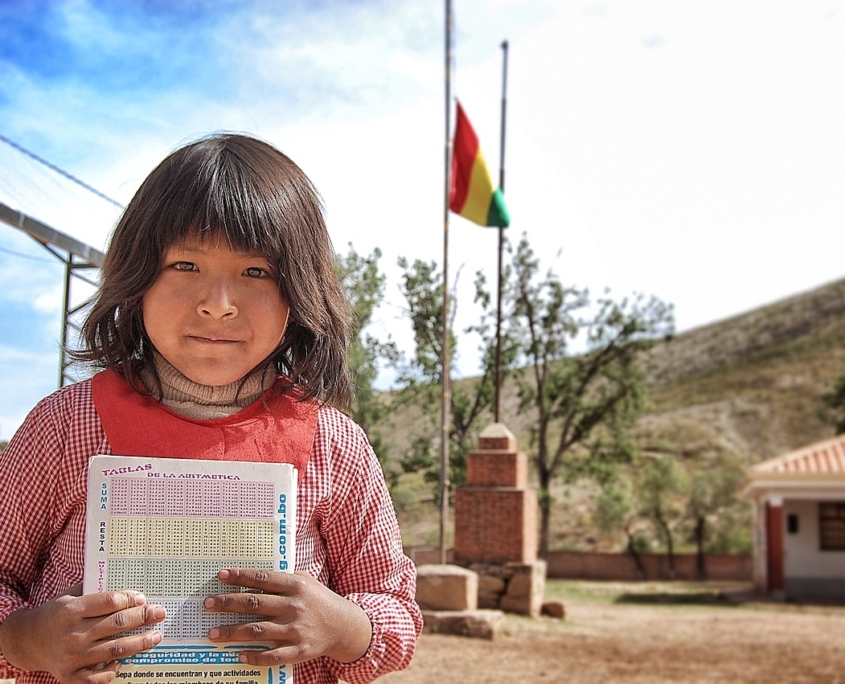
July 14, 2024
https://borgenproject.org/wp-content/uploads/borgen-project-logo.svg 0 0 Precious Sheidu https://borgenproject.org/wp-content/uploads/borgen-project-logo.svg Precious Sheidu2024-07-14 07:30:362024-07-14 00:45:58Good Neighbors Tackles Global Poverty
Aid, Global Poverty, Nonprofit Organizations and NGOs

Salar de Uyuni: CODESPA’s Efforts to Alleviate Poverty

Empowering Salar de Uyuni: CODESPA's Efforts to Alleviate Poverty Salar de Uyuni in Bolivia, the world’s largest salt desert, features stunning landscapes but also faces significant poverty within its indigenous communities. The area struggles economically due to limited access to education, health care and sustainable employment opportunities. In response, the nonprofit organization CODESPA has launched initiatives to improve local livelihoods. CODESPA’s efforts include fostering entrepreneurship, providing vocational training and supporting small businesses to drive sustainable economic growth. Through these ongoing initiatives, CODESPA seeks to empower the community, reduce poverty and enhance the quality of life for the people of Salar de Uyuni.

Economic Struggles in Salar de Uyuni:

The people of Salar de Uyuni, due to their rural environment, have limited access to education. Most children complete primary school, but boys often receive priority for secondary education. Girls who cannot attend school typically stay home to help with work and chores. Additionally, a lack of sex education contributes to teen pregnancy, which exacerbates the high illiteracy rates among women—up to 6% higher than the national average of 13%. In poor families, children attend public schools where educational quality is low. Educators in rural areas are twice as likely to lack proper training compared to their urban counterparts. Furthermore, rural areas offer fewer educational opportunities than urban areas. Without adequate education, securing well-paying jobs becomes significantly harder, leading many to resort to manual labor, such as working in salt farms.

Health Care Challenges and Its Effects

In addition to limited educational opportunities, the people of Salar de Uyuni face significant health challenges, including unsafe drinking water. The rivers and lakes on which these communities rely are often contaminated and they lack the means to purify the nonpotable water. Drinking unsafe water can lead to many illnesses, including diarrhea, which is a leading cause of death among children under the age of 5 in Bolivia.

Malnutrition is another leading cause of death among children under the age of 5 in Bolivia. In poor rural areas like Salar de Uyuni, where the majority of the population lives, children are more likely to suffer from malnutrition. A poor child from a rural town is eight times more likely to be malnourished than a child from a wealthier urban family. Poverty is the primary driver of malnutrition in these areas.

CODESPA’s Initiatives and Impact

The NGO CODESPA is committed to transforming the future for residents of Salar de Uyuni, focusing particularly on one of the most disadvantaged groups: the indigenous Quechan women. By leveraging tourism as a viable economic market, CODESPA assists these women in starting small tourism-related businesses, including accommodations, services, products and experiences. The organization provides training in business operations and management and supports sales efforts. CODESPA also utilizes its connections with tour operators, government ministries and other stakeholders to forge lasting partnerships. Its efforts have reached 102 Indigenous Quechan women and have created more than 230 new jobs in the area, empowering women to become leaders in their businesses and communities.

CODESPA’s initiatives in Salar de Uyuni demonstrate the potential of targeted efforts to alleviate poverty in developing areas. By addressing challenges such as lack of education, unsafe living conditions and limited employment opportunities, CODESPA is driving significant and lasting change. The organization focuses on supporting indigenous Quechan women by helping them start tourism-based businesses, which not only offers immediate economic benefits but also promotes a self-sustaining economic model.

Looking Ahead

CODESPA’s initiatives in Salar de Uyuni are transforming the region by addressing its economic challenges and improving access to education, health care and sustainable employment. By empowering indigenous Quechan women through tourism-based businesses, the organization is fostering economic growth and enhancing the quality of life. These ongoing efforts are creating a more promising future for the people of Salar de Uyuni, breaking the cycle of poverty and ensuring lasting change.

– Rachel Venable

Rachel is based in Berkeley, CA, USA and focuses on Good News and Global Health for The Borgen Project.

Photo: Pixabay

July 12, 2024
https://borgenproject.org/wp-content/uploads/borgen-project-logo.svg 0 0 Precious Sheidu https://borgenproject.org/wp-content/uploads/borgen-project-logo.svg Precious Sheidu2024-07-12 01:30:302024-07-11 01:53:44Salar de Uyuni: CODESPA’s Efforts to Alleviate Poverty
Developing Countries, Development, Global Poverty, NGOs, Nonprofit Organizations and NGOs

Nongovernmental Organizations Operating in Kiribati

Nongovernmental Organizations Operating in KiribatiThe United Nations (U.N.) currently lists Kiribati as a Least Developed Country (LDC). The U.N. defines an LDC as one that requires significant international aid to assist its development. This designation is based on three main criteria: an average income below $1,080, a low score on the Human Asset Index, an index designed to assess multiple factors in a country’s education and health outcomes and a high score on the Economic and Environmental Vulnerability Index. Additionally, the designation must be accepted by the country.

Kiribati has made significant strides in its goal of graduating from this distinction and meeting the economic threshold. However, concerns exist regarding its ability to survive independently without the support of the U.N. Situations like this are when the efforts of NGOs become crucial. With volunteer efforts working within Kiribati on a daily basis to provide its citizens with critical, potentially life-saving information, Kiribati can, in turn, place a greater emphasis on not only meeting its goal of graduation but on progressing the country’s development in order to continue the positive strides it has already made.

Nongovernmental Organizations Operating in Kiribati

The impact of nongovernmental organizations (NGOs) can be felt worldwide. In developing countries like Kiribati, homegrown efforts often arise to make drastic strides in the fight for good. Here are seven nongovernmental organizations operating in Kiribati.

KANGO

The Kiribati Association of NGOs (KANGO) helps to enact the Kiribati Vision 20 plan, a 20-year development program for the betterment of the islands. One way it does this is via one of the many workshops it holds on the island. In these workshops, participants are first educated about the Kiribati Vision 20 plan. The plan is a blueprint for the country’s long-term development goals and the U.N.’s sustainable development goals (SDGs) for Kiribati.

After the lecture, participants participated in activities, including weaving, sewing and making local handicrafts. Though it may seem pedestrian on the surface, learning to craft in this manner helps the community achieve Kiribati’s SDGs by allowing even the unemployed to contribute to the economy.

ICAAD

The International Center for Advocates Against Discrimination (ICAAD) is an advocacy group working within Kiribati to support marginalized communities on the islands. These include the indigenous peoples of Rabi island, the Banaban people. A primary goal of the ICAAD is to ensure that the voices of the native population are heard. Methods it uses to achieve this goal include artivism projects and interviews with members of the population. Highlighting and elevating the stories of these groups serves to pass on their memories and traditions to future generations, a value that can’t be calculated on a chart.

KFHA

The Kiribati Family Health Association (KFHA) works to provide crucial information and resources regarding family planning and sexual health. In addition to this, it advocates for social justice programs for marginalized groups across Kiribati. By hosting programs relating to reproductive health, critical information can be delivered to those in need of it. The most marginalized communities can receive the tools needed to thrive in times of crisis.

KTU

The Kiribati Teachers Union advocates on behalf of teachers across the islands. Providing a voice for a sector of society that is all too often overlooked, the KTU serves as an organization that can organize, negotiate and advocate on behalf of teachers across the islands. In addition, there are also separate wings of the union, including one dedicated to improving conditions for women teachers and one dedicated to those younger than 35.

Teitoiningaina

Teitoiningaina is a group dedicated to providing women on the island with crucial knowledge and resources regarding subsistence methods. Due to scarce water availability, many in Kiribati rely on water tanks for daily subsistence. In these workshops hosted by Teitoiningaina, composting techniques are among the methods taught to produce greater yields of crops. Attendees are given the ability and knowledge to better provide for their families.

KiriCAN

The Kiribati Climate Action Network (KiriCAN) is an NGO dedicated to raising awareness of the nation’s unique climate struggles. Given the Island’s location, climate and weather concerns are often crucial to its development. Mitigating the potential issues faced by its remoteness is key to the Island’s prosperity. Kirican has a long history of cleanup efforts and educational programs and its efforts to advocate for the planet are well appreciated.

Lifebox Foundation

The Lifebox Foundation, an NGO dedicated to distributing lifesaving medical equipment across the world, has a branch focused on Oceania that operates in Kiribati. Its initial goal was to distribute Pulse Oximeters to underserved communities. Though it has since expanded from this initial goal during the COVID-19 pandemic, the Lifebox Foundation demonstrated that this was still a crucial point of its operation.

Pulse oximeters are critical to COVID-19 relief efforts, as a potentially life-threatening symptom of the disease is Hypoxia or an absence of oxygen in the blood. The best tool to detect this lack of oxygen is a pulse oximeter. During the relief efforts, the Lifebox Foundation distributed more than 100 pulse oximeters to medical centers across Oceania, including Kiribati. The help of the Lifebox Foundation was key in such a critical time for Kiribati. Without it, many patients would have been left without this crucial piece of lifesaving kit.

Final Remark

These are just a few ways NGOs can impact the local Kiribati community by directly targeting key issues in the island nation. By addressing these issues on a community level, Kiribati can see its broader goals met in due time. Suppose the finish line is graduating from the LCD status. In that case, nongovernmental organizations operating in Kiribati will be the fuel needed to propel the country to its development goals.

– Malik Vega

Malik is based in Florida, USA and focuses on Good News for The Borgen Project.

Photo: Wikimedia Commons

July 10, 2024
https://borgenproject.org/wp-content/uploads/borgen-project-logo.svg 0 0 Lynsey 2 https://borgenproject.org/wp-content/uploads/borgen-project-logo.svg Lynsey 22024-07-10 03:00:242024-12-13 18:03:13Nongovernmental Organizations Operating in Kiribati
Food Insecurity, Global Poverty, Nonprofit Organizations and NGOs

3 Nonprofits Addressing Food Insecurity in Singapore

3 Nonprofits Addressing Food Insecurity in SingaporeLocated off the southern tip of Malaysia, Singapore, one of Asia’s wealthiest nations, boasts a thriving economy and impressive infrastructure. Despite this, the perception that all of its 5 million citizens live above the poverty line is misleading. In reality, numerous Singaporeans struggle to meet basic needs, with many earning insufficient incomes to secure stable food supplies. Consequently, food insecurity remains a significant concern within the country. As of 2023, more than 10.4% of Singaporean households have experienced food insecurity. Elderly residents, single-parent households and others with limited financial resources are particularly vulnerable to food insecurity.

3 Nonprofits Fighting Food Insecurity

With one in 10 households facing food insecurity, several nonprofits are stepping up to address this pressing issue.

  1. Willing Hearts. Founded in 2003, Willing Hearts began by distributing food to homeless individuals in Singapore. Now, the organization mobilizes volunteers who dedicate four hours per session to prepare meals, including tasks like cutting vegetables, washing dishes and packaging food boxes for distribution daily. In addition to kitchen work, Willing Hearts recruits volunteer drivers to deliver these meals across various neighborhoods. This nonprofit is committed to reducing food insecurity, making it easier for anyone interested to sign up and contribute to their cause.
  2. Food from the Heart. Founded in 2003, the nonprofit Food from the Heart focuses on food distribution in Singapore. In 2021, it positively impacted 59,500 individuals by redistributing surplus bread from restaurants and food vendors. This initiative, known as “bread runs,” has provided more than 14,000 people in need with fresh bread. Additionally, the organization supports children from low-income families by distributing “goodie bags” containing food items. These bags have reached children in more than 40 schools, with more than 16,000 bags distributed. Food from the Heart’s efforts significantly alleviate food insecurity among both adults and children in Singapore.
  3. The Food Bank Singapore. Founded in 2012, The Food Bank Singapore aims to eradicate food insecurity across the nation. This nonprofit gathers surplus food from restaurants, grocery stores, farms and various other sources, distributing these resources to more than 300 soup kitchens and other organizations focused on combating food insecurity. By repurposing surplus food, the organization not only addresses hunger but also reduces food waste significantly. The Food Bank Singapore welcomes food donations and offers volunteer opportunities for individuals to help sort and organize food items in their warehouse.

Looking Ahead

Tackling food insecurity in Singapore continues to be a pressing issue despite the country’s overall affluence. Organizations like Willing Hearts, Food from the Heart and The Food Bank Singapore are vital in mitigating this problem by providing meals and redistributing surplus food to those in need. Their efforts support vulnerable groups, such as the elderly and single-parent families, underscoring the importance of community-driven initiatives to ensure everyone has access to sufficient and nutritious food.

– Poppy Duggal

Poppy is based in Singapore, and focuses on Good News for The Borgen Project.

Photo: Flickr

July 9, 2024
https://borgenproject.org/wp-content/uploads/borgen-project-logo.svg 0 0 Precious Sheidu https://borgenproject.org/wp-content/uploads/borgen-project-logo.svg Precious Sheidu2024-07-09 07:30:232024-07-09 03:47:343 Nonprofits Addressing Food Insecurity in Singapore
Developing Countries, Global Poverty, Nonprofit Organizations and NGOs

How FUNDAP Is Improving Women’s Education in Guatemala

Women’s Education in GuatemalaAs a strongly patriarchal society, Guatemala has made progress toward gender equality in the past years. This is partially due to work done by the Foundation for the Integral Development of Socioeconomic Programs (FUNDAP). This nonprofit organization uses six different programs (education, health, microcredit, handicraft, agricultural and environmental) to educate women. FUNDAP is elevating and empowering women to cultivate growth in various impoverished regions of Guatemala.

What Is FUNDAP?

FUNDAP is a nonprofit organization established in 1981 that focuses on improving the lives of people (specifically women) in rural areas of the Republic of Guatemala. It is dedicated to moving forward with respect for people’s dignity and culture, avoiding the patriarchy to empower local women.

How Does FUNDAP Work toward Empowering Women?

FUNDAP operates by first monitoring at-risk and poverty-stricken areas and then evaluating the best ways to assist the residents. Following the evaluation, it implements various changes, which often involve creating job opportunities, offering financial support to local women and developing tools for sustainable environmental use.

After these changes are enacted, FUNDAP will focus specifically on individual women, limiting its view from the wider community to the impoverished woman. It will help the women learn important habits (like hygiene, nutrition, literary and financial literacy), develop their sense of self (through self-confidence) and then educate those women until they are qualified workers in a specialized field.

Like many patriarchal societies, Guatemala holds a deep cultural belief in specific gender roles and biases. These cause great difficulties for women trying to achieve financial stability or even financial independence, as many locals do not support women’s businesses. This is not to say that women entrepreneurs do not exist in Guatemala. In fact, they make up the majority of lower-level businesses. The problem lies in the fact that they lack access to the necessary tools and are being denied opportunities to enhance their businesses and progress to the next level.

FUNDAP assists women in advancing to the next level by providing them with the education that has been denied to them due to their gender. The organization also works with them to cultivate self-confidence and affirm gender equality. By teaching women how to save, invest in equipment smartly and handle their finances, the organization allows local women to feel confident and secure in their businesses.

FUNDAP Improves Women’s Education in Guatemala

FUNDAP offers six programs that Guatemalan women can join. The programs focus on providing specialized training to make women highly qualified in areas such as education, healthcare, microcredit, handicrafts, agriculture and the environment. These programs are designed to educate and empower women to excel in specific fields of their interest.

Impacts

While many international programs and nonprofits have focused on education, FUNDAP provides diverse opportunities for women’s education in Guatemala. According to the World Bank, in 1980, only 17% of Guatemalan women were enrolled in secondary education. However, by 2022, that number had risen to 47%. These programs are effective and although they take time, they often achieve their goals.

In 2023 alone, FUNDAP helped more than 181,000 people with its programs, with more than 83% of those beneficiaries being women. FUNDAP is an organization with a wide reach throughout Guatemala. It identified a problem and took active steps to address it by providing education and empowerment to women.

– Paige Tamasi

Paige is based in Los Gatos, CA, USA and focuses on Global Health and Politics for The Borgen Project.

Photo: Unsplash

July 7, 2024
https://borgenproject.org/wp-content/uploads/borgen-project-logo.svg 0 0 Lynsey 2 https://borgenproject.org/wp-content/uploads/borgen-project-logo.svg Lynsey 22024-07-07 01:30:162024-07-06 23:55:19How FUNDAP Is Improving Women’s Education in Guatemala
Development, Global Poverty, Nonprofit Organizations and NGOs

Poverty and Social Safety in Madagascar

Social Safety in MadagascarMadagascar, one of the world’s top five largest islands, is home to more than 28 million people and is renowned for its stunning landscapes and unique wildlife. Despite these natural riches, poverty is pervasive, with more than 90% of its population living on less than $3.10 daily. Such extreme poverty translates to widespread malnutrition, particularly among children, with more than 40% suffering from chronic malnutrition. The Safety Nets and Resilience Project aims to address these critical issues through initiatives like cash transfers and entrepreneurial training, striving to enhance the quality of life for Madagascar’s citizens.

The World Food Bank has committed more than $250 million to enhance social safety nets in Madagascar. This funding supports the Safety Nets and Resilience Project, designed to shield impoverished families from unforeseen hardships by providing a financial buffer. The project includes cash transfers and entrepreneurial training aimed at fostering self-sufficiency, with the ultimate goal of reducing or eliminating dependency on external aid.

Goals of the Safety Nets and Resilience Project

The Safety Nets and Resilience Project collaborates with Madagascar’s government to create robust social safety nets in Madagascar for vulnerable and impoverished populations. These mechanisms are designed to help the community and government swiftly recover from environmental, economic and other external disruptions. For instance, if a flood strikes a region of Madagascar, the established safety nets aim to quickly restore people’s financial stability, ensure rapid infrastructure repair and maintain accessible food supplies.

Operational Framework of the Project

The Safety Nets and Resilience Project, inspired by successful interventions in other countries, aims to significantly reduce poverty by implementing effective safety nets. These safety nets not only decrease poverty but also enhance financial stability and improve education and nutrition outcomes for affected populations. The project includes four main components, each designed to address specific aspects of humanitarian assistance:

  1. Safety Nets and Resilience. The initial phase of the Safety Nets and Resilience Project focuses on establishing robust safety nets and resilience strategies. This component aims to enable quick and stable recovery for impoverished households following crises. It includes cash transfers and a crisis support system designed to enhance emergency response capabilities and bolster Madagascar’s economic resilience to shocks.
  2. Administration of the Project. The project focuses on enhancing the administration and management of the program. This effort aims to ensure that the project operates efficiently and remains sustainable throughout its duration.
  3. Governmental Support. This aims to enhance the administrative capabilities of Madagascar’s Ministry of Population, Social Protection and Promotion of Women.
  4. Shock and Emergency Response. The final section of the project prioritizes improving Madagascar’s response to crises. It aims to refine the processes for quick fund reallocation and distribution to emergency relief programs. This will ensure the nation promptly and efficiently recovers from disasters that affect its economic or social fabric.

Looking Ahead

Madagascar continues to battle extreme poverty and high rates of malnutrition. With initiatives like the Safety Nets and Resilience Project playing a crucial role in addressing these ongoing issues. This project, backed by significant funding from the World Food Bank, focuses on providing financial support and entrepreneurial training to enhance self-sufficiency among the most vulnerable populations. Strengthening social safety nets and improving crisis response could be essential for fostering economic stability. With this will come an improvement in the quality of life for many Malagasy citizens.

– Paige Tamasi

Paige is based in Los Gatos, CA, USA and focuses on Global Health and Politics for The Borgen Project.

Photo: Unsplash

July 6, 2024
https://borgenproject.org/wp-content/uploads/borgen-project-logo.svg 0 0 Precious Sheidu https://borgenproject.org/wp-content/uploads/borgen-project-logo.svg Precious Sheidu2024-07-06 01:30:162024-07-04 04:46:42Poverty and Social Safety in Madagascar
Education, Global Poverty, Nonprofit Organizations and NGOs, Youth Unemployment

Enhancing Youth Employment in Botswana

Youth Employment in BotswanaOver the last decade, Botswana has seen modest economic growth. From 2003 to 2010, the poverty rate dropped from 17.7% to 15.4%. However, compared to nations with similar population densities, Botswana’s poverty rate remains notably high. The 2015 drought exacerbated poverty management challenges, especially affecting vulnerable populations. Rural areas, in particular, struggled due to limited employment opportunities and the drought’s impact, pushing more citizens below the poverty line.

Employment Challenges in Rural Villages

In Botswana’s rural villages, employment options are limited, particularly due to scarce internet access. Most jobs are in farming and agriculture. In smaller villages, limited educational resources often result in low literacy levels, which poses another significant barrier to securing employment.

Botswana Social Protection Program

High poverty rates in rural areas significantly impact Botswana’s overall poverty level. From 2010 to 2016, Botswana saw a significant decrease in the percentage of children under 18 experiencing poverty-related conditions, reduced from 63% to 49%. The decline reflects improvements in nutrition, housing, access to clean water and education. Children in rural areas, however, remain highly vulnerable to poverty. Botswana stands out in Africa for prioritizing public spending on education, notably through the National Development Plan 11. This plan focuses on enhancing social protection for children and raising awareness about the importance of adequate housing to prevent destitution and improve living conditions.

In Botswana, educational disparities become more pronounced as children age, with fewer progressing to secondary education. This limited educational attainment restricts youth employment in Botswana, confining many to low-wage labor jobs. Specifically, those who do not complete the Junior Certificate Examinations find little support in transitioning to the workforce, contributing to high unemployment rates among the youth.

Government Initiatives in Botswana

In 2023, Botswana’s unemployment rate reached approximately 26%, with youth unemployment also on the rise. President Mokgweetsi Masisi, in his second term, is actively targeting this issue by engaging with the country’s youth. The government has rolled out several initiatives, including the Chema-Chema Fund, aimed at supporting both existing and aspiring entrepreneurs. This fund is designed to foster financial inclusion and boost employment by providing necessary resources to young business owners and entrepreneurs.

Youth Development Fund

Like the Chema-Chema Fund, Botswana’s Youth Development Fund (YDF) is another socioeconomic initiative designed to boost startups and expand businesses. Launched in 2010, the YDF encourages young people to contribute actively to the economy. Its primary goal is to foster active involvement and representation of youth in Botswana’s socioeconomic progress, aiming specifically to create sustainable employment opportunities for them.

Supporting Youth through NGOs

The Jacobs Foundation, operating in Botswana, actively engages the youth through its Youth Impact outreach group, which is based in Gaborone. This initiative, led by young people, focuses on enhancing health and education programs for their peers. So far, it has supported more than 100,000 individuals. A notable program, Zones, involves 90-minute classes conducted in government schools aimed at promoting health awareness among children and young adults. These classes have significantly improved knowledge about HIV and reduced risk-related behavior by 50%.

Potential and Youth Employment in Botswana

According to the World Bank’s Human Capital Index, a child born in Botswana today will be 41% as productive when they grow up, if they can enjoy a complete education and proper health. Botswana’s efforts to reduce poverty and unemployment continue to focus on enhancing opportunities for its youth and addressing ongoing challenges in rural areas. Government programs like the Chema-Chema Fund and the Youth Development Fund aim to foster entrepreneurship and create sustainable jobs. Additionally, NGO initiatives aimed at improving health and education among young people could play a crucial role. Continued commitment to these ongoing strategies could be essential for achieving long-term economic growth and social development in Botswana.

– Brogan Dickson

Brogan is based in Edinburgh, Scotland and focuses on Good News and Global Health for The Borgen Project.

Photo: Flickr

July 4, 2024
https://borgenproject.org/wp-content/uploads/borgen-project-logo.svg 0 0 Precious Sheidu https://borgenproject.org/wp-content/uploads/borgen-project-logo.svg Precious Sheidu2024-07-04 07:30:122024-07-03 06:07:19Enhancing Youth Employment in Botswana
Global Poverty, Nonprofit Organizations and NGOs, Youth Empowerment

The Dream Factory Foundation: Lifting Up the Youth of Africa

The Dream Factory Foundation: Lifting Up the Youth of Africa Since its inception in 2008, the Dream Factory Foundation has actively supported children from low-income and rural areas across Africa, aiming to bridge economic disparities. The foundation focuses on empowering these youths through educational and self-improvement programs to foster sustainable futures. Founded by Lusanda Magwape, the organization operates on the principle that young people can achieve their dreams with appropriate knowledge, leadership and access to significant opportunities. Its initiatives, which emphasize digital and vocational skills training, have garnered recognition for their impact, notably from the South African Women Entrepreneurs Climate Change Awards (SiAWECCA). These programs equip African youth with the professional and life skills necessary to lead purpose-driven lives as proactive community members.
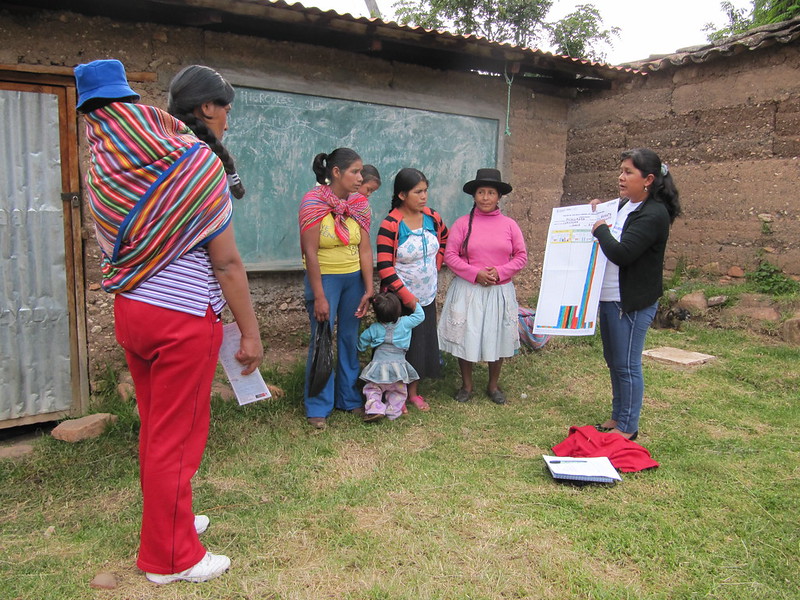
The Dream Factory Foundation

The Dream Factory Foundation focuses on skills training for children and women in underserved communities through various impactful programs. A key initiative is the Be The Dream program, which equips students in schools with self-development tools to help them achieve their personal goals. This program has gained recognition as an approved after-school activity by the Western Cape Department of Education in South Africa and currently benefits more than 150 learners weekly. It operates across several countries, including Cameroon, Namibia, South Africa, Zimbabwe and Botswana, expanding its reach and impact on young lives.

The Emergent Academy

The Emergent Academy, another key program by the Dream Factory Foundation, offers a six-month training course aimed at equipping young women with professional and vocational skills across several sectors. Participants can learn everything from computer skills, including coding and online safety, to agricultural techniques. Additionally, the program facilitates opportunities for internships to help solidify the practical application of their new skills. Active in Zambia, South Africa, Malawi, Zimbabwe and Botswana, the Emergent Academy has broadened its impact significantly.

During the COVID-19 pandemic, the organization also supported more than 100 schools by providing Google G-switch software to enhance teachers’ capabilities in online instruction. In addition, the foundation assists with country-specific initiatives like 50-50 Farmers Africa in Botswana and various digital skills training programs that develop technical and professional tools for its participants.

Impact

The Dream Factory Foundation significantly impacted nearly 2,000 students in 2023 through its educational initiatives such as the Be The Dream program. Moreover, the foundation supported 44 youth-led businesses and helped numerous young individuals secure employment or further educational opportunities. Expanding its reach, the organization now operates in seven African countries, collaborating with partners like the Jacaranda Hub and Pillar of Hope Africa to advance its mission. The Dream Factory Foundation is committed to continuing its efforts to empower disadvantaged communities across Africa.

Looking Ahead

The Dream Factory Foundation continues to expand its impact across Africa, providing essential skills training and educational opportunities to youth and women in underserved communities. By equipping approximately 2,000 students and supporting youth-led businesses annually, the foundation can potentially foster sustainable futures. As it grows its presence in multiple countries, the foundation remains dedicated to empowering disadvantaged populations and bridging economic disparities.

– Hannah Hipolito

Hannah is based in Tampa, FL, ISA and focuses on Good News for The Borgen Project.

Photo: Unsplash

July 4, 2024
https://borgenproject.org/wp-content/uploads/borgen-project-logo.svg 0 0 Precious Sheidu https://borgenproject.org/wp-content/uploads/borgen-project-logo.svg Precious Sheidu2024-07-04 03:00:462024-12-13 18:03:12The Dream Factory Foundation: Lifting Up the Youth of Africa
Aid, Global Poverty, Nonprofit Organizations and NGOs

5 Nonprofits Fighting Poverty in South America

5 Nonprofits Fighting Poverty in South America More than a quarter of Latin America’s population faces low income and a scarcity of food and resources, highlighting the critical role of numerous nonprofits dedicated to combating poverty across the continent. In South America, poverty disproportionately affects women, Indigenous peoples and rural communities, prompting many organizations to specifically target vulnerable groups experiencing poverty in the region. Here are five nonprofits fighting poverty in South America:

RedEAmérica

This foundation creates partnerships between powerful businesses and organizations in Latin America to promote the exchange of ideas and resources to promote sustainable living and the development of local communities. RedEAmérica is based in 11 countries in the Caribbean and Latin America and has secured more than 40 partnerships across the regions. Its primary focus is collaborative knowledge to solve problems in climate change, education and gender issues. 

South American Initiative

The South American Initiative is a U.S.-based organization founded by Steven Malca. It provides food and medical aid to vulnerable groups in South America like children, babies, mothers and senior citizens. Malnutrition is the first cause of illness and death for infants, hence why its work is so important. Through its work, the South American Initiative has distributed almost 250,000 meals to those in need. In addition, the organization has many programs based in Venezuela specifically. It targets orphans, refugees and hospitals. For instance, the SAI Medical Clinic for Children helps youth avoid lifelong health conditions by ensuring they receive proper nutrition and medical aid.

Fundación Corazón Raíz

This Mexican organization primarily focuses on foundational education programs for children and youth. Its work is based on six pillars: solidarity, justice, confidence, respect, coherence and transparency. La Casa de la Mujer Indígena (translated to “The House of the Indigenous Woman”), one of its successful programs, empowers women in Indigenous communities to pursue educational opportunities and economic security. Another one of the Fundación Corazón Raíz’s initiatives is the Gayela Children Foundation, which provides housing, food, medical attention and access to education to children without families.

Nuestros Pequeños Hermanos

Nuestros Pequeños Hermanos is a nonprofit that helps children in poverty and disadvantaged circumstances in Central and South America, as well as the Caribbean. The organization has several other initiatives focused on health care and security. For instance, the Dental Care for Our Children program helps establish good dental hygiene by educating participants on the importance of a healthy dental routine.

Another initiative is the NPH Peru One Family Program. It helps children without parental care or those at risk of losing theirs, through family awareness programs that help kids become aware of their options. The program also facilitates family reintegration with follow-up support. Overall, Nuestros Pequeños Hermanos has been highly successful in providing aid to children, as seen in its past yearly reports. For instance, in 2022, more than 3,300 children from low-income households were sent to school.

Ayuda en Acción

Ayuda en Acción is a nonprofit that provides intervention throughout infancy and adolescence to disadvantaged youth through educational and economic programs. With more than 600 beneficiaries and programs in 20 countries, the organization hopes to create greater food security and peaceful conflict resolution in communities across South America.

Since its founding, Ayuda en Acción has provided more than 30,000 youth with access to education. Many of its initiatives are region-specific. For example, in Bolivia, the nonprofit helps Indigenous youth lead development in their communities to improve production and create new employment opportunities. In El Salvador, another program fortifies protection for children experiencing gender-based violence and supplies emotional and psychological care to those impacted by the COVID-19 pandemic.

Looking Ahead

Nonprofits across South America are tackling poverty by focusing on the needs of vulnerable populations, including women, Indigenous communities and rural residents. Organizations such as RedEAmérica, the South American Initiative, Fundación Corazón Raíz, Nuestros Pequeños Hermanos and Ayuda en Acción provide crucial support through education, health care and food security initiatives. Their ongoing efforts can potentially enhance the quality of life and promote sustainable development throughout the region.

– Hannah Hipolito

Hannah is based in Tampa, FL, USA and focuses on Good News for The Borgen Project.

Photo: Flickr

July 4, 2024
https://borgenproject.org/wp-content/uploads/borgen-project-logo.svg 0 0 Precious Sheidu https://borgenproject.org/wp-content/uploads/borgen-project-logo.svg Precious Sheidu2024-07-04 01:30:162024-07-04 01:53:515 Nonprofits Fighting Poverty in South America
Global Poverty, Health, Nonprofit Organizations and NGOs

The Fight Against HIV and AIDS in Burundi

HIV and AIDS in BurundiBurundi faces a significant health challenge, being one of the countries most impacted by HIV and AIDS. Currently, about 2.9% of the population is HIV positive, a crisis intensified by high poverty levels and population density. HIV disproportionately affects different groups within the country. Women and marginalized communities experience higher infection rates, with prevalence rates of 1.2% among women compared to 0.6% among men. Despite these daunting statistics, ongoing efforts provide a hopeful perspective on tackling this health crisis.

Baho Mbeho

The International Centre for AIDS Care and Treatment Programs (ICAP), affiliated with Columbia University’s Mailman School of Public Health, has been active in Burundi’s fight against HIV and AIDS. In 2023, ICAP launched “Baho Mbeho,” which means “you live, I live” in Kirundi, a native language of Burundi. This program is part of a broader international effort to curb HIV transmission, focusing significantly on urban centers, including Bujumbura, Burundi’s former capital.

The Baho Mbeho plan is set to enhance 161 health facilities over 5 years, employing a human-centric strategy. This initiative engages community organizations to assist health workers, expanding access to essential treatments. With a focus on prevention, the program aims to identify and manage new HIV cases early, a method proven effective in curbing the disease’s spread. It targets testing 141,000 people for HIV, providing a crucial service poised to prevent numerous infections and save many lives. Additionally, the program commits to delivering antiretroviral therapy to pregnant women, significantly reducing the risk of mother-to-child transmission of HIV.

Other International Aid

The campaign to control HIV and AIDS has garnered significant attention from African nations. Members of Parliament from Bahrain, Zimbabwe, Tanzania, Uganda and Chad have proposed strategies to enhance disease transmission prevention. Their recommendations include implementing gender-sensitive policies, expanding outreach to marginalized communities and improving care systems for children orphaned by AIDS. Burundian President Pierre Nkurunziza has actively coordinated the nation’s response, integrating the advice to better address how the disease impacts children.

Organizations such as Expertise France and ANSS have engaged in initiatives to support young people in combating HIV. These ongoing efforts include providing resources for early disease detection through screening and prevention programs. Additionally, they focus on education to challenge and reduce harmful stigmas associated with HIV, aiming to dismantle pervasive stereotypes not only in Burundi but globally.

The National Association for the Support of HIV-Positive People (ANSS) plays a pivotal role in combating HIV and AIDS in Burundi. The organization enhances screening services in Bujumbura and provides support by accompanying individuals to screening and treatment appointments.

A Hopeful Future

Despite significant challenges, Burundi is making promising strides in its fight against HIV and AIDS. This nation, one of the poorest and the second-most densely populated in Africa, deals with severe public health issues, worsened by prolonged civil conflict. However, through focused efforts by both the local government and international partners, Burundi is on track to become the first French-speaking African country to effectively control the spread of HIV. This achievement is highlighted by rising treatment rates and expanded educational campaigns, suggesting that the battle against HIV and AIDS in Burundi might indeed be winnable.

– Molly Ralph

Molly is based in Dorset, UK and focuses on Good News and Global Health for The Borgen Project.

Photo: Flickr

July 1, 2024
https://borgenproject.org/wp-content/uploads/borgen-project-logo.svg 0 0 Precious Sheidu https://borgenproject.org/wp-content/uploads/borgen-project-logo.svg Precious Sheidu2024-07-01 07:30:552024-07-01 09:13:49The Fight Against HIV and AIDS in Burundi
Page 19 of 60«‹1718192021›»

Get Smarter

  • Global Poverty 101
  • Global Poverty… The Good News
  • Global Poverty & U.S. Jobs
  • Global Poverty and National Security
  • Innovative Solutions to Poverty
  • Global Poverty & Aid FAQ’s
Search Search

Take Action

  • Call Congress
  • Email Congress
  • Donate
  • 30 Ways to Help
  • Volunteer Ops
  • Internships
  • Courses & Certificates
  • The Podcast
Borgen Project

“The Borgen Project is an incredible nonprofit organization that is addressing poverty and hunger and working towards ending them.”

-The Huffington Post

Inside The Borgen Project

  • Contact
  • About
  • Financials
  • President
  • Board of Directors
  • Board of Advisors

International Links

  • UK Email Parliament
  • UK Donate
  • Canada Email Parliament

Get Smarter

  • Global Poverty 101
  • Global Poverty… The Good News
  • Global Poverty & U.S. Jobs
  • Global Poverty and National Security
  • Innovative Solutions to Poverty
  • Global Poverty & Aid FAQ’s

Ways to Help

  • Call Congress
  • Email Congress
  • Donate
  • 30 Ways to Help
  • Volunteer Ops
  • Internships
  • Courses & Certificates
  • The Podcast
Scroll to top Scroll to top Scroll to top