• Link to X
  • Link to Facebook
  • Link to Instagram
  • Link to TikTok
  • Link to Youtube
  • About
    • About Us
      • President
      • Board of Directors
      • Board of Advisors
      • Financials
      • Our Methodology
      • Success Tracker
      • Contact
  • Act Now
    • 30 Ways to Help
      • Email Congress
      • Call Congress
      • Volunteer
      • Courses & Certificates
      • Be a Donor
    • Internships
      • In-Office Internships
      • Remote Internships
    • Legislation
      • Politics 101
  • The Blog
  • The Podcast
  • Magazine
  • Donate
  • Click to open the search input field Click to open the search input field Search
  • Menu Menu

Archive for category: Nonprofit Organizations and NGOs

Information and stories about nonprofit organizations and NGOs

Africa, Global Poverty, Nonprofit Organizations and NGOs

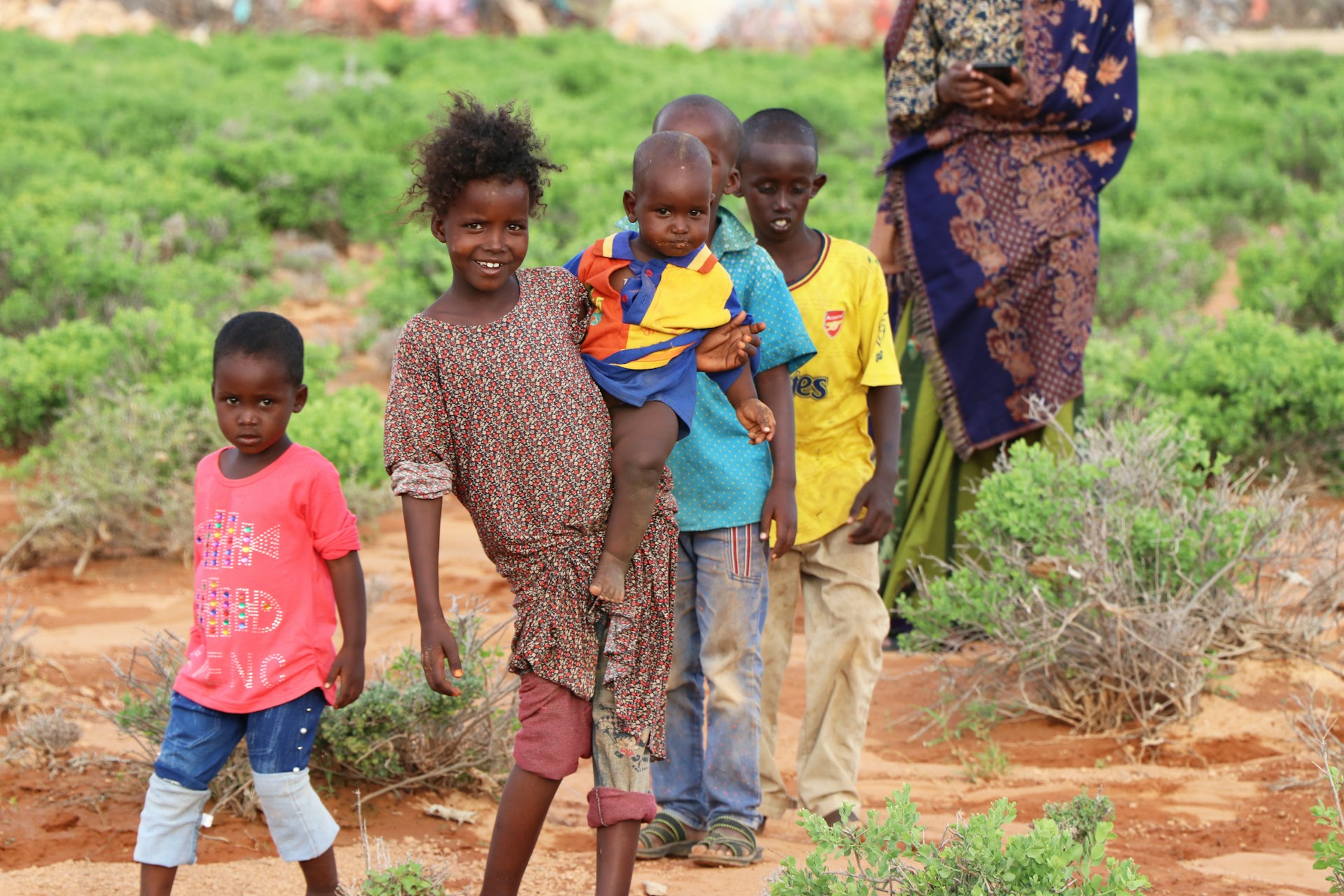
Human Appeal Is Helping Alleviate Poverty in Somalia

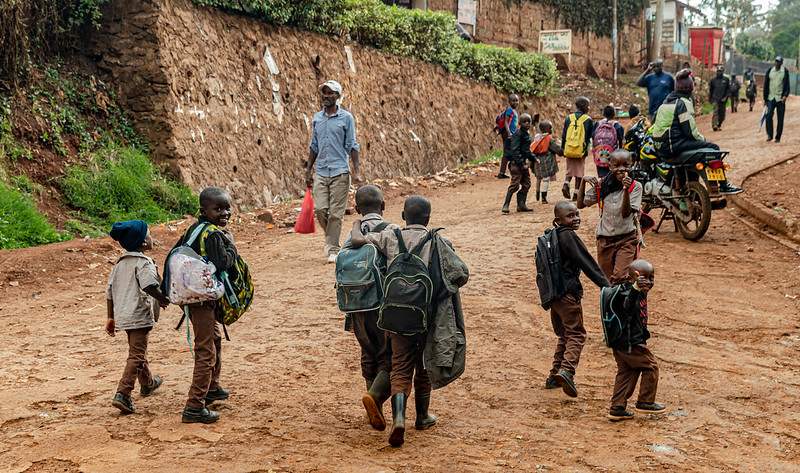
Human AppealSomalia is enduring civil war and one of its worst droughts in 40 years, following a fifth consecutive failed rainy season. Most of Somalia’s livelihoods depend on agriculture and the current drought has devastated crops and agricultural activities. As a result, up to 1.8 million children are facing malnutrition. Additionally, approximately 40% of the population, around 6.6 million people, are experiencing acute food insecurity, meaning they urgently need sufficient food. Despite Somalia’s extreme difficulties, there is hope in the fight against poverty.

Human Appeal is a global nonprofit organization that has been combating poverty for more than 30 years. The organization is dedicated to improving the lives of people around the world who are living in poverty. The organization’s slogan, “Whoever saves one life- it is as if he had saved mankind entirely,” summarizes its mission to alleviate poverty worldwide.

Human Appeal’s Work in Somalia

Human Appeal has been active in Somalia since 2016 and is dedicated to supporting vulnerable groups and individuals nationwide. The nonprofit is improving lives in Somalia by fighting against poverty, social injustice and natural disasters. Its work in Somalia entails providing relief and establishing self-sufficient programs that aim to invest in places experiencing higher poverty rates so that these people can find sustainable solutions and independently improve their lives.

Human Appeal is helping alleviate poverty in Somalia through various initiatives, including:

  • Distributing food parcels containing rice, flour, sugar, oil and milk powder, which can sustain families for up to a month.
  • Providing one month’s clean water to communities affected by the drought.
  • Collaborating with UNICEF to supply high-calorie treatment for malnutrition.
  • Offering shelter and nonfood items to displaced families arriving at camps in Mogadishu.

Human Appeal also addresses poverty in Somalia through sustainable efforts that aim to build a lasting future rather than merely provide temporary relief. The projects are managed by local staff, with local doctors and nurses operating hospitals. This approach focuses on reducing poverty and creating a better future for the people of Somalia.

Human Appeal has also been able to reach some of the most remote regions of Somalia, which are often the most in need of aid and struggling with extreme poverty. During these vulnerable times, the Human Appeal team provides critical assistance, saving lives and improving the quality of life for many citizens.

In 2023 alone, Human Appeal reached 287,142 people in Somalia, providing food support for more than 170,000 and health care for 98,000. The organization also provided access to clean water and improved sanitation for more than 11,000 people in the country.

Final Remark

Although much good work by Human Appeal and other aid organizations has already taken place in Somalia, the need for aid is increasing. Due to widespread drought and civil war, the demand for assistance within the country has doubled. Addressing coverage gaps and unmet needs of the affected population remains critical.

– Lachlan Wellington

Lachlan is based in Fareham, UK and focuses on Technology and Global Health for The Borgen Project.

Photo: Unsplash

July 26, 2024
https://borgenproject.org/wp-content/uploads/borgen-project-logo.svg 0 0 Lynsey 2 https://borgenproject.org/wp-content/uploads/borgen-project-logo.svg Lynsey 22024-07-26 07:30:072024-07-26 05:06:35Human Appeal Is Helping Alleviate Poverty in Somalia
Aid, Global Poverty, Nonprofit Organizations and NGOs

3 Nonprofits in Timor-Leste

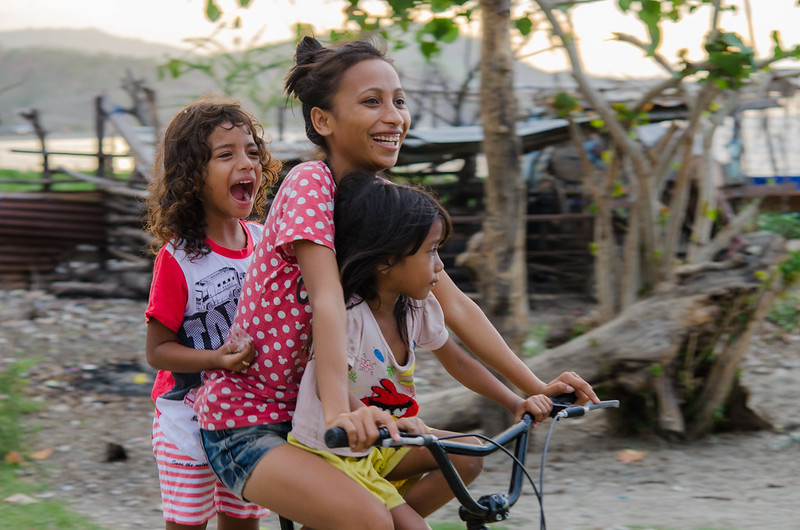
Nonprofits in Timor-LesteTimor-Leste, also known as East Timor, is a country in Asia. Located on the eastern half of the island of Timor, it is one of the lowest-income nations in the world, with a gross domestic product (GDP) per capita of $2,389.30. Due to the nation’s low income, it must contend with many problems that poverty brings. However, multiple nonprofits work to help Timor-Leste with the burdens of poverty.

Oxfam

Oxfam is a nonprofit global organization that works to fight poverty and injustice. Its mission is to provide worldwide equality and give everyone a fair chance at life. Oxfam Australia has been working with Timor-Leste for more than 40 years to help those living in rural areas escape poverty.

There is a significant inequality between those living in rural and urban areas and Oxfam Australia is working to address this issue. One of its ongoing initiatives is the “HAKBIIT Project,” which aims to combat gender inequality in Timor-Leste, particularly in rural areas. The HAKBIIT Project supports women in gaining equal opportunities for education and employment.

Ba Futuru

Ba Futuru is a nonprofit organization based in Timor-Leste that was founded in 2004. The organization’s mission is to reduce violence in Timor-Leste, making it a country that is safer for everyone, especially women and children. It has provided successful training to more than 40,000 people. It has also conducted behavior change programs, which have impacted more than 100,000 Timorese. Currently, Ba Futuru is working to provide improved early childhood education.

Early childhood education in Timor-Leste is rare, with only about 10% of children receiving it. Ba Futuru’s Early Childhood Development Initiative aims to change this by establishing preschools for children ages 2-6, including creating facilities and training educators. These schools will focus on health, safety, language, literacy, science, mathematics, technology and sustainability. The long-term goal of this program is to create a strong foundation for the future of children in Timor-Leste.

CARE

CARE is a 78-year-old nonprofit organization that works to provide humanitarian aid, fight poverty and bring equality. The organization has been involved in Timor-Leste since 1994 and its focus with Timor-Leste has been on long-term changes. As Timor-Leste is susceptible to natural disasters, a big focus of CARE is to aid in reducing the impact of disasters. This is done by supporting improved infrastructure in rural areas and helping with employment for those affected.

It also works to reduce violence and improve education and health. In addition to these long-term goals, CARE has aided in the past with humanitarian crises. In 1999 and 2006, there were violent outbreaks in Timor-Leste. CARE responded with emergency aid to people caught up in the fighting.

Conclusion

Timor-Leste, a nation that gained independence in 2002 after being a Portuguese colony, is still recovering and grappling with numerous challenges, such as poverty, gender inequality and lack of education. Despite these issues, the country is gradually progressing and improving over time.

Organizations such as Oxfam, Ba Futuru and CARE are among the many nonprofits working tirelessly in Timor-Leste. These groups are committed to the betterment of the country and will persist until their goals are achieved. While these goals will take time to realize, it is clear that nonprofits in Timor-Leste have already made significant strides and will continue to play a crucial role in improving the nation.

– Tyra Brantly

Tyra is based in Los Angeles, CA, USA and focuses on Good News for The Borgen Project.

Photo: Flickr

July 25, 2024
https://borgenproject.org/wp-content/uploads/borgen-project-logo.svg 0 0 Lynsey 2 https://borgenproject.org/wp-content/uploads/borgen-project-logo.svg Lynsey 22024-07-25 03:00:362024-07-25 03:00:193 Nonprofits in Timor-Leste
Global Poverty, Innovations, Nonprofit Organizations and NGOs

Youth Innovation Hubs: Fostering Entrepreneurship in Uganda

Youth Innovation Hubs: Fostering Entrepreneurship in Uganda In Uganda, where more than 78% of the population are youths, unemployment presents a significant challenge. The government has initiated proactive measures by establishing youth innovation hubs that are showing promising results. These hubs serve as incubators for the next generation of entrepreneurs, fostering innovation and equipping young people with the tools necessary to elevate themselves and their communities out of poverty. In addition to government efforts, various nongovernmental organizations and private sector partners aim to support these innovation hubs, offering additional resources and expertise to enhance their effectiveness.

Agriculture and the Rise of Innovation Hubs

According to the UNDP, estimates indicate that Uganda’s agriculture sector contributes 37% of the country’s Gross Domestic Product (GDP), employs 72% of Uganda’s workforce and contributes 80% to the export base. Obstacles such as poor agronomic practices, limited stock of quality agro-inputs and limited access to timely and quality market information continue to undermine the sector’s potential to create jobs and entrepreneurship ventures.

Youth innovation hubs in Uganda are collaborative spaces where young people access resources, mentorship and training in technology and business. These innovation hubs aim to empower youth with entrepreneurial skills, enabling them to create their own employment opportunities instead of relying on traditional job markets. A notable example, the Outbox Hub in Kampala, offers co-working spaces, funding opportunities and training programs for young entrepreneurs. For instance, Outbox recently launched a three-day hackathon to help local Ugandan entrepreneurs develop skills using new technologies.

Government Initiatives

The Ugandan government, recognizing the potential of innovation hubs, has launched several initiatives to support their growth. Youth Innovation Hubs, first introduced in 2016 and renewed in 2024, have organized 2,825 events and 751 business meetings, equipping 6,531 individuals with digital skills, capacity building and mentorship. Additionally, the Youth Livelihood Programme (YLP), launched in 2014, targets youth unemployment by providing funding to young entrepreneurs across the country to establish various youth-led enterprises.

Impact on Poverty Reduction

The correlation between youth unemployment and poverty is stark. Around 9.3 million youth in Uganda are disconnected from the workforce. Innovation hubs address this by equipping youth with skills to start and sustain their businesses, which in turn generates employment and stimulates local economies. For instance, the Agripreneurship Alliance has programs that train youth in modern farming techniques and agribusiness management, which are helping to revolutionize Uganda’s agricultural sector. Innovations such as mobile apps for market information and sustainable farming practices have enabled young farmers to increase productivity and incomes. 

Looking Ahead

Youth innovation hubs in Uganda are proving effective in tackling unemployment by equipping young people with entrepreneurial skills and resources. These innovation hubs foster self-employment opportunities and stimulate local economies, as evidenced by initiatives like the Outbox Hub and the Youth Livelihood Programme. The focus on modern farming techniques and agribusiness management is particularly impactful, helping to revolutionize Uganda’s agricultural sector and increase productivity and incomes among young farmers. As these innovation hubs continue to expand, they can potentially reduce poverty and drive sustainable economic growth in Uganda.

– Jennifer Lee

Jennifer is based in Toronto, ON, Canada and focuses on Technology and Solutions for The Borgen Project.

Photo: Flickr

July 24, 2024
https://borgenproject.org/wp-content/uploads/borgen-project-logo.svg 0 0 Precious Sheidu https://borgenproject.org/wp-content/uploads/borgen-project-logo.svg Precious Sheidu2024-07-24 07:30:042024-07-24 06:25:36Youth Innovation Hubs: Fostering Entrepreneurship in Uganda
Charity, Global Poverty, Nonprofit Organizations and NGOs

5 Charities Operating in Croatia

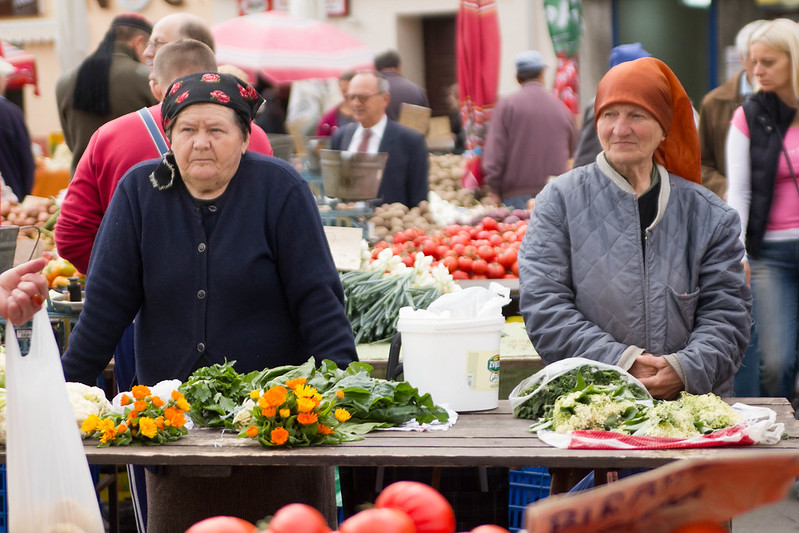
Charities in CroatiaCroatia, located in southeast Europe, has a population of roughly 3.8 million. As of 2024, every fifth person is at risk of poverty. In 2023, “the poverty risk rate stood at 19.3%,” with seniors and single parents most at risk. The poverty risk rate for women is 38.8% and 29.3% for men. For households with children, the poverty risk rate is 24.4% for single parents and 20.5% for a two-adult household. Those who experience poverty in Croatia struggle to meet their financial obligations.

In 2021, the poverty risk rate for a single-person household was 3,000 Kuna per month ($435) and 6,300 Kuna per month ($913) for a two-adult, two-child household. This is why the charities operating in Croatia are important to the Croatians experiencing or at risk of poverty. Charities operating in Croatia provide safety for those experiencing domestic violence, shelter for those who are homeless and humanitarian aid after war or disaster are essential to those who otherwise cannot afford to seek the services they need.

DOMINE

Established in 2002, the nonprofit organization DOMINE focuses on promoting women’s rights and the development of society. DOMINE focuses on economic and political empowerment of women, prevention of gender-based violence, health care for women and more. In Split-Dalmatia, a county of Croatia in which DOMINE was established, it developed and published the first feminist library. Two of the ongoing projects by DOMINE are “COVID-19: helping women victims of violence” and “Safe housing for women victims of violence.”

Caritas Croatia

In response to the Croatian Homeland War of the early 1990s, Caritas Croatia was founded in 1992, providing victims clothing, shelter, food and medicine. Caritas Croatia continues its work today to end poverty and provide humanitarian aid. Caritas does advocacy work in poverty reduction as well as providing disaster response both domestically and internationally. It works globally and collaborates with Caritas Europa and Caritas Internationalis.

In 2002, Caritas Croatia sent money and volunteers to help with disaster response to a flood in the Czech Republic and assisted the U.S. in 2005 after Hurricane Katrina. Domestically, Caritas Croatia works with the diocesan offices to strengthen family counselling centres and advocates for those who have disrupted education due to social stigma, from having diseases such as HIV.

Krug Ijubavi (Circle of Love)

Established in Croatia in 2017, Circle of Love provides children with education, shelter, health care and more, in Croatia and globally. It advocates for children’s rights and safety in family homes and organizations. Circle of Love in Croatia started with the goal of providing 40 children with education, surpassing the goal by more than 600 children. It also provides support and training to families who have children with disabilities to help them, the children, live the most fulfilling life they can. It also has taken the endeavors of building schools and constructing a safe house for abused children.

SOS Children’s Villages

SOS Children’s Villages has been operating in Croatia since 1992. The organization supports children who are without parental care or at risk of losing parental care. In Croatia, a fifth of all children (those under 18 years), are at risk of poverty. There are 3,500 children in SOS care, with some as young as three entering the institution’s care. SOS helps with giving early childhood education and by providing the care they need to help them transition into adulthood successfully.

Depaul Croatia

Depaul Croatia focuses on taking care of those experiencing homelessness, where in Croatia there are roughly 2,000 people who are currently homeless. The organization provides food, hygiene provisions and health care services alongside implementing programs such as rehabilitation for alcohol users. They have also implemented a program that helps increase the employability of those who are homeless. Depaul participates in outreach work, reaching the homeless through the streets, hospitals and prisons.

One of the services Depaul provides is the Haven House: a day center for the homeless as well as other marginalized groups, offering holistic help. More than 70 people use the Haven House’s daily services.

These charities operating in Croatia, along with many others, improve the quality of life for those who need the services they can provide.

– Rachel Padden

Rachel is based in Baltimore, MD, USA and focuses on Good News for The Borgen Project.

Photo: Flickr

July 24, 2024
https://borgenproject.org/wp-content/uploads/borgen-project-logo.svg 0 0 Jennifer Philipp https://borgenproject.org/wp-content/uploads/borgen-project-logo.svg Jennifer Philipp2024-07-24 03:00:002024-07-24 02:09:365 Charities Operating in Croatia
Education, Global Poverty, Nonprofit Organizations and NGOs

Sahar: The Organization Unlocking Education in Afghanistan

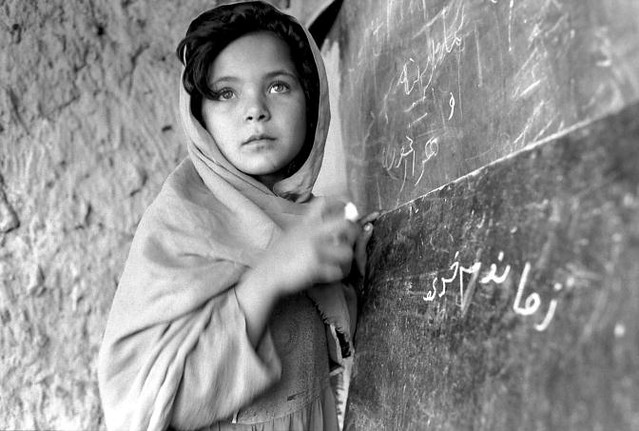
Education in AfghanistanEducation is crucial for unlocking opportunities and instilling hope. It can transform lives, empower individuals and uplift entire communities. However, not everyone has the chance to experience life-changing schooling. In Afghanistan, the situation is particularly dire: 80% of girls are out of school and less than one-third have ever entered primary education. This is not by choice. Due to the Taliban’s oppressive policies, which ban formal education for girls above the sixth grade, girls are barred from formal educational facilities. Despite these restrictions, many brave individuals and organizations are working tirelessly, often at great personal risk, to provide education to Afghan girls.

Education’s Impact

Education can bring social and economic development, reduce poverty and promote gender equality. In Afghanistan, educated girls are better equipped to contribute to their communities and the country’s development. However, the benefits of education are not limited to those who receive it directly. Educated women are more likely to ensure their children are educated, creating a positive cycle.

Sahar

Sahar, a nonprofit organization, has been at the forefront of the fight to educate Afghan girls. Since its creation in 2001, Sahar has helped educate 250,000 girls through 2024. The nonprofit provides grassroots schools and underground education, with people risking their lives to teach and learn. In 2001, Sahar aimed to build connections between the United States (U.S.) and Afghanistan, gradually expanding its mission. In this war-torn country, Sahar has built and supplied 39 schools, striving to serve those denied educational opportunities. Through education, Sahar opens pathways for girls to aim for a better life, targeting the 1.1 million girls lacking access to formal education.

Founded by Julia Bolz, an international humanitarian lawyer, Sahar has achieved remarkable success through partnerships. Information about said partners is limited, as partners in Afghanistan are actively breaking oppressive laws by protecting the human right to education. However, outside of Afghanistan, Sahar collaborates with several global partners. Sahar partners with the Afghan Ministry of Education, which helps maintain schools once they have been constructed. Additionally, foundations and philanthropists like Janet Wright Ketcham support the initiative, helping to construct two schools in Afghanistan. Institutes like the University of Washington and Coe Elementary School in Seattle have also supported Sahar’s goals through architectural assistance and fundraising efforts.

The Bright Future of Education in Afghanistan

The struggle for educational access in Afghanistan is ongoing. The Taliban’s restrictive policies, combined with cultural barriers, create significant challenges. However, the resilience and determination of Afghan girls and the organizations supporting them offer hope. Sahar’s work demonstrates the power of grassroots efforts and underground education in overcoming obstacles. By continuing to support Sahar and similar organizations, we can open up education and brighter futures for young girls. The fight for educational access in Afghanistan is far from over. 

– Abby Collins

Abby is based in Massachusetts, USA and focuses on Good News and Technology for The Borgen Project.

Photo: Flickr

July 21, 2024
https://borgenproject.org/wp-content/uploads/borgen-project-logo.svg 0 0 Lynsey 2 https://borgenproject.org/wp-content/uploads/borgen-project-logo.svg Lynsey 22024-07-21 07:30:442024-07-21 01:38:43Sahar: The Organization Unlocking Education in Afghanistan
Developing Countries, Global Poverty, Nonprofit Organizations and NGOs

Initiatives in Benin Combating Poverty

Initiatives in BeninBenin, a small West African nation bordering Togo, Burkina Faso, Niger and Nigeria, has seen improvements in quality of life but still ranks low on the Human Development Index (HDI), particularly in life expectancy at birth and average years of schooling. In response, recent initiatives in Benin aim to enhance these metrics. Companies like the Hunger Project and GoMedical have launched projects designed to support economic relief and community improvement, reducing poverty in Benin.

The Hunger Project

Since its establishment in Benin in 1997, the Hunger Project has assisted more than 300,000 people in rural areas. In 2023, the organization launched new initiatives aimed at expanding its support to central and northern parts of the country, with programs set to continue until 2027. These initiatives focus on enhancing food and nutritional security in these regions. Additionally, the Hunger Project is dedicated to empowering younger generations and women, who are among the more vulnerable populations in these areas.

The Hunger Project in Benin has partnered with the Hunger Project in Australia to support the community of Bouanri. This initiative aims to enhance the community’s sustainability and strengthen various aspects of life, including food security, health, nutrition, as well as access to clean water, hygiene and sanitation.

GoMedical

Open SI has developed a new app, GoMedical, to enhance health care access in Benin. Since its 2017 launch, GoMedical has significantly expanded the country’s digital health care network. The app provides lists of doctors and enables users to schedule appointments, offering easy access to various features and facilitating communication with health care professionals. Despite nearly half of Benin’s population living below the poverty line, which complicates funding for emergency visits and general doctor access, many Beninese people utilize mobile money accounts to pay for appointments via GoMedical.

GoMedical benefits both patients and health care professionals in Benin. Patients easily access their medical history, manage appointments and handle cancellations or rescheduling directly through the app. Professionals can quickly retrieve patient information and manage mobile files with just a few taps on their devices. Since launching this initiative, GoMedical has seen a 60% increase in customer base, a 150% rise in usage and a 40% growth in the number of doctors adopting the system. These figures are expected to continue rising as the country increasingly embraces this technology.

Looking Ahead

Efforts to reduce poverty in Benin and improve life expectancy and education levels show promise through initiatives by The Hunger Project and GoMedical. The Hunger Project’s programs aim to enhance food security and empower women and youth, particularly in central and northern regions. GoMedical’s digital health care app is revolutionizing access to medical services, benefiting both patients and health care providers. These initiatives collectively contribute to advancing Benin’s human development metrics and improving the quality of life for its citizens.

– Dorothy Howard

Dorothy is based in Greensboro, NC, USA and focuses on Good News and Technology for The Borgen Project.

Photo: Flickr

July 20, 2024
https://borgenproject.org/wp-content/uploads/borgen-project-logo.svg 0 0 Precious Sheidu https://borgenproject.org/wp-content/uploads/borgen-project-logo.svg Precious Sheidu2024-07-20 03:00:172024-07-19 03:37:01Initiatives in Benin Combating Poverty
Global Poverty, Hunger, Nonprofit Organizations and NGOs

Food Crisis in Kenya: Challenges and Responses

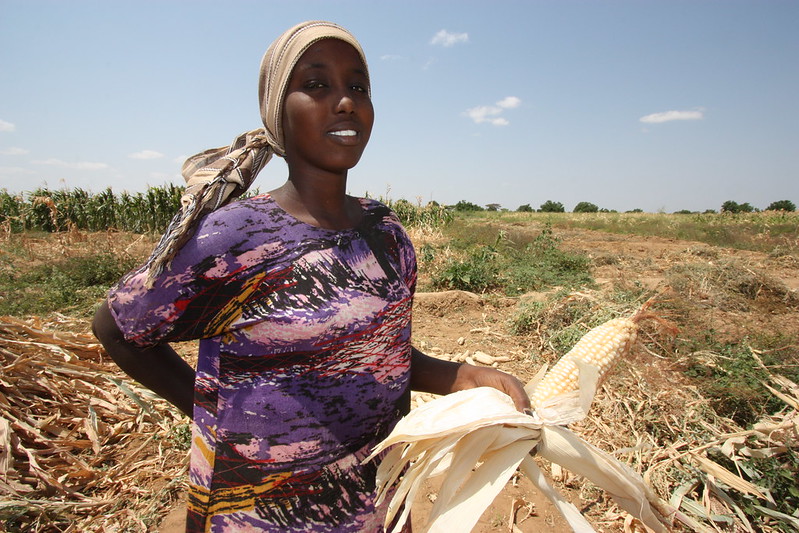
Food Crisis in Kenya: Challenges and Responses The food crisis in Kenya presents a sustained challenge, impacting not only the lower class but also the entire socioeconomic spectrum of the nation. Drought and failed harvests have exacerbated food insecurity, leaving millions without reliable access to food. Various organizations and nonprofits are responding to the crisis by distributing food and water, supporting farmers in adapting to the changing climate and assisting residents displaced by flooding.

Urban Impact: Food Insecurity in Nairobi

Low-income communities in Nairobi, where 60% of the city’s four million residents live in urban slums, are severely impacted by the nation’s food crisis. The scarcity of available food has driven up prices, exacerbating the difficulty of affording quality food. Migrant households suffer disproportionately, with 65% spending more than a third of their income on food.

Drought Effects in Northern Kenya

The northernmost region of the country, particularly the arid and semi-arid lands (ASAL), faces the most severe impacts of drought, experiencing high food insecurity and diminished food production due to decreased rainfall. These areas typically receive little to no rain, exacerbating the situation. In Kenya’s rural regions, malnutrition is a growing problem, with more than two million people highly food insecure. As of 2021, the Integrated Food Security Phase Classification (IPC) identified more than one million people in crisis and more than 300,000 in extreme conditions.

World Food Programme Initiatives

The World Food Programme (WFP) in Kenya provides food and cash aid, impacting more than half a million beneficiaries through various projects. The WFP has introduced H2Grow, a project that promotes hydroponics to innovate agricultural production among struggling farmers. Additionally, the Cash for Schools project has expanded the impact of school meal programs. By securing more stable markets, the WFP ensures children receive adequate nutrition and supports local farmers effectively.

Action Against Hunger’s Response

Action Against Hunger is addressing the rising malnutrition cases exacerbated by the food crisis in Kenya, particularly around Nairobi and in regions like Isiolo and Marsabit. These areas are experiencing heightened malnutrition due to a prolonged drought affecting food quality and distribution. In 2023, Action Against Hunger supported nearly one million people through programs that treat malnutrition, enhance water access and educate farmers on the adaptations for the changing climate.

Looking Forward

The food crisis in Kenya poses a dire threat to a vast number of people, risking starvation, malnutrition and poverty across the nation. With high food prices and low agricultural output, food insecurity is escalating in impoverished areas and even among middle-class residents of urban centers like Nairobi. In response, Kenya has garnered support from numerous international organizations such as the World Food Programme, Action Against Hunger and Food Banking Kenya. These groups strive to provide the nation with adequate and reliable food sources. Despite increased rainfall in 2023, the crisis still severely affects more than 1.5 million people. Without sustained aid, the conditions in Kenya are likely to deteriorate further.

– Immanuel Wiggins

Immanuel is based in Jackson, MS, USA and focuses on Global Health for The Borgen Project.

Photo: Flickr

July 18, 2024
https://borgenproject.org/wp-content/uploads/borgen-project-logo.svg 0 0 Precious Sheidu https://borgenproject.org/wp-content/uploads/borgen-project-logo.svg Precious Sheidu2024-07-18 01:30:192024-07-17 05:12:41Food Crisis in Kenya: Challenges and Responses
Global Poverty, Nonprofit Organizations and NGOs, War and Violence

The Humanitarian Crisis and Women in Haiti

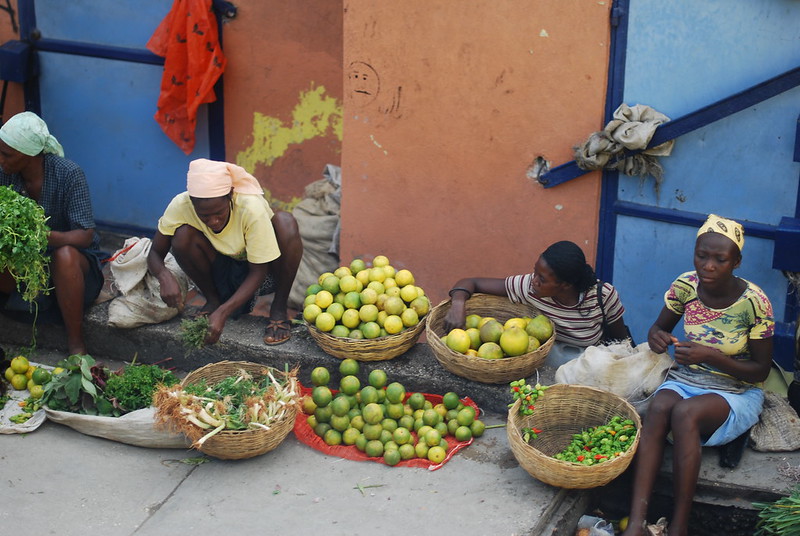
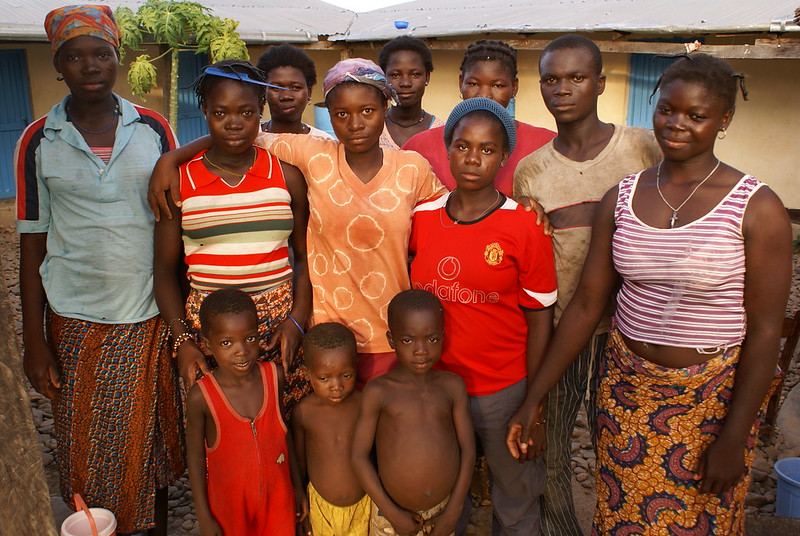
Women in HaitiThe ongoing humanitarian crisis in Haiti has forcibly displaced an estimated 300,000 people, with women and young girls being the most vulnerable groups. These women not only struggle with the loss of their homes but also face the violent threats posed by criminal gang members. As tensions escalate in the country’s capital, access to health services, food and clean water has become increasingly scarce. International aid representatives are urging the Haitian government to act against the violence and to prioritize women’s voices and experiences in their political agenda.

Women at the Forefront of the Crisis in Haiti

Following the assassination of President Jovenel Moise in July 2021, Haiti fell into a state of political instability. The country’s capital, Port-au-Prince, became a center for gang violence. Since then, violence has victimized a total of 5,400 individuals and authorities have reported an additional 3,000 murder cases. Women, among the most vulnerable residents, are experiencing an unprecedented increase in gender-based violence. Many women face risks of sexual exploitation and sexual slavery.

In a study conducted in 2023 by the women’s organization, MARIJAN, 63% of the 299 women and girls from marginalized neighborhoods in Port-au-Prince responded that they were forced to relocate due to the ongoing violence. Additionally, one in five of these women disclosed that they had been victims of rape and 17% reported experiencing some form of physical violence. Natalie Eleanor Virginia, General Coordinator for MARIJAN, IRC partner organizer in Port-au-Prince, observes: “Women and girls are faced with an inhuman social reality. In marginalized neighborhoods, they are exposed to physical and psychological violence; beatings, intimidation, gang rape and murder are some of the methods gangs use to establish their domination and force women and girls into total submission”. 

Virginia clarifies that those who have managed to escape their neighborhoods and have sought refuge in one of the many camps around Port-au-Prince are not exempt from the dangers. On the contrary, physical and verbal violence and sexual exploitation remain prevalent in the camps. Instances of female kidnappings have also been on the rise. In 2023, nearly 1,000 women were reported missing– which is almost equal to the number of victims in 2022 and practically three times more than in 2021. The number of women at risk of being kidnapped will only continue to rise as many roads they travel are under the control of various gangs.

Gang Violence and Medical Access in Haiti

Over the last three years, the increasing number of gang-related attacks on hospitals in Port-au-Prince has severely limited people’s access to health care services. Less than half of the capital’s health facilities are still operational and they risk running out of supplies. In March of this year, the United Nations (U.N.) warned that about 3,000 pregnant residents of Port-au-Prince might soon lose access to essential health services. Among these women, an estimated 450 could face life-threatening complications.

The U.N. also noted that an additional 521 victims of sexual violence would be unable to access medical services. Even before the crisis, Haiti struggled to provide adequate health services for its female residents. Each year, more than 1,500 Haitian women die from childbirth or pregnancy-related complications. Additionally, only 3% of rape victims receive the necessary treatment within 72 hours of the incident.

Lending a Voice and Hand to the Silenced

In early May 2024, the U.N. held a press conference to highlight recent developments in Haiti concerning its female residents. The panel of experts expressed concerns about the insufficient aid provided to Haitian women. Additionally, it criticized the Haitian government for undermining state institutions designed to serve the most vulnerable populations. The experts also revealed that the government’s failure to effectively address corruption has made it complicit in gang violence and activities. A panelist emphasized the gravity of the situation, stating, “No one should be forced to choose between their safety and their ability to provide for themselves and their families, attend school, access health care and basic services, including sexual and reproductive care.”

The UNFPA has also spoken out for the cause, demanding additional funding. Since the crisis began, the organization has supported three hospitals in Port-au-Prince that provide maternal health services. Additionally, the UNFPA has supplied 13 health centers in the country’s capital and neighboring regions with necessary items, including rape kits.

The U.N. Women has contributed its share of aid by partnering with Rapha International. Together, they have provided emergency aid to female survivors of sexual violence, including counseling, medical assistance, economic support and refuge. The two organizations have also developed an online platform that allows victims of sexual violence to seek medical and psychosocial assistance anonymously. Since its launch, more than 2,000 women have used the system. Additionally, it has enabled approximately 230 women to access hygiene kits or food supplies.

Taking Matters into Her Own Hands

Despite the grim political state in Haiti, the women continue to demonstrate strength and resilience. Many have united and now identify themselves as “peace mediators.” This newfound hope stems from the creation of the project “Fanm Djamn Pou Lape.” The project focuses on empowering women and encourages their participation in peacebuilding efforts.

Since its inception in 2022, 97 women from various metropolitan areas around Port-au-Prince have committed to resolving conflicts within their communities. The project has successfully developed safe havens and brought together victims of gang-related violence. It aims to build and strengthen communities by focusing on collective memories. Matienge, a young woman and member of the project, explains, “By encouraging collective remembrance of past experiences, we have fostered a shared understanding of events, promoting reconciliation and building both individual and community strength.”

Looking Ahead

The humanitarian crisis in Haiti continues to severely impact women and girls. It exacerbates their vulnerability to violence and limits access to essential services. The U.N. and various organizations are calling for urgent action and increased aid to support these affected populations. Initiatives like “Fanm Djamn Pou Lape” demonstrate the resilience and determination of Haitian women. They play a crucial role in peacebuilding and community strengthening amid ongoing challenges.

– Yasmine Nowroozi

Yasmine is based in Laval, Quebec, Canada and focuses on Global Health and Politics for The Borgen Project.

Photo: Flickr
July 17, 2024
https://borgenproject.org/wp-content/uploads/borgen-project-logo.svg 0 0 Precious Sheidu https://borgenproject.org/wp-content/uploads/borgen-project-logo.svg Precious Sheidu2024-07-17 03:00:422024-07-16 01:18:24The Humanitarian Crisis and Women in Haiti
Education, Global Poverty, Nonprofit Organizations and NGOs

Khilo aur Barho: Education Initiative in Pakistan

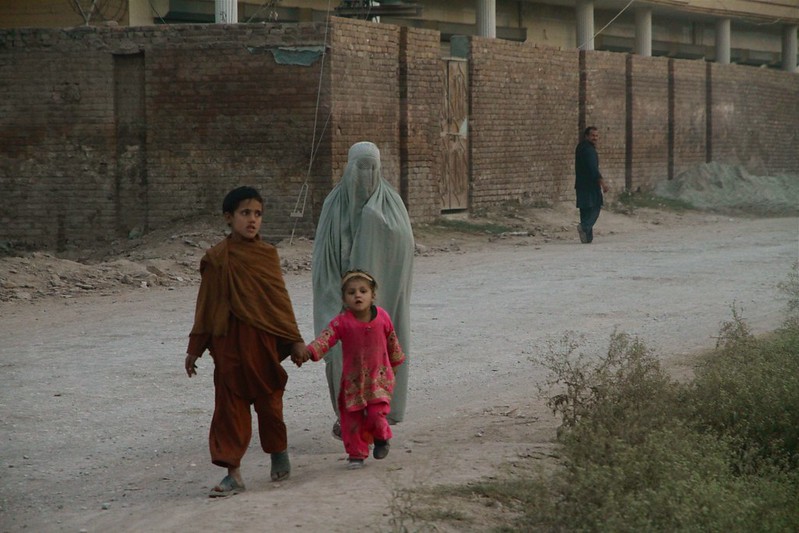
Khilo aur Barho: Education Initiative in Pakistan The Khilo aur Barho initiative, translating to “Grow and Flourish,” aims to transform education for girls and out-of-school children in Pakistan. The British High Commission (BHC) launched this program as part of the Girls and Out of School Children: Action for Learning (GOAL) initiative. The initiative addresses educational access and quality in the provinces of Khyber Pakhtunkhwa (KP) and Punjab. Targeting children aged 5 to 16, this five-year program, which began in January 2023, strives to expand educational opportunities by enhancing the quality of teaching and learning outcomes. With a budget of up to £20 million, Khilo aur Barho aims to enroll at least 100,000 children in school. Additionally, the aim is to ensure that an additional 150,000 girls can read by the age of 10.
British Foreign Aid Allocation

In the 2023/24 fiscal year, the Foreign, Commonwealth and Development Office (FCDO) allocated £41.54 million in official development aid (ODA) to Pakistan. Furthermore, current plans are to increase this amount to £133 million in 2024/25. The aid strategically focuses on education, support for women and girls, humanitarian efforts and climate change initiatives. Programs like GOAL have already had a positive impact on millions of children.

Educational Challenges in Pakistan

Despite some progress in recent years, Pakistan’s education system still faces significant challenges. Both government and private schools struggle to provide quality education. A nongovernmental organization focused on women’s rights in Punjab attributes the state’s historic neglect of education to insufficient resource allocation and lack of budget prioritization. This situation highlights widespread governance failures that compromise educational standards and perpetuate public distrust in the system. Reports indicate problems such as absentee teachers, bribery for teaching positions and inadequate government oversight in private schools, all of which further exacerbate the educational crisis.

The COVID-19 pandemic has exacerbated educational challenges, resulting in 26.2 million children out of school by 2024. Girls face disproportionate effects, with only 64% in Punjab and 54% in KP ever attending school. Systemic deficiencies and socio-cultural barriers compound these ongoing challenges, as families in impoverished areas often prioritize boys’ education due to financial constraints and traditional gender roles. High education costs, including fees and related expenses, frequently push girls into labor or early marriage.

Strategies for Educational Reform

Khilo aur Barho’s approach to improve educational outcomes:

  1. Foundational Learning. The program employs accelerated and alternative learning programs (ALPs) providing access to education for marginalized, over-age and out-of-school children, enabling them to enrol in mainstream schools or gain educational certification.
  2. Reading and Maths Skills. Direct interventions aim to enhance literacy and numeracy among children, with monitoring and evaluation mechanisms in place to measure progress.
  3. School Safety and Inclusivity. Efforts to promote school safety and inclusivity involve sensitizing school administrations, parent-teacher councils, teachers and students to safeguarding principles and addressing issues such as violence, bullying and corporal punishment. Training initiatives for school stakeholders aim to foster a culture f safety and tolerance, utilizing positive storytelling, media interventions and inclusive pedagogy to cultivate empathy and build tolerance across communities.
  4. Community and Parental Engagement. Engaging communities and parents is crucial for boosting enrolment and retention rates. This includes addressing home and environmental factors that impact learning, such as lead poisoning. By involving communities in educational initiatives, Khilo aur Barho ensures that children are supported academically, emotionally and socially. This approach aims for the program’s sustainability beyond its initial funding period.
  5. Support for Marginalised Groups. The program targets marginalized children, including those with disabilities, religious minorities and girls. They provide specialized support to ensure their inclusion in the education system.

Looking Ahead

The Khilo aur Barho initiative is making strides toward addressing educational disparities in Pakistan. With the goal of enrolling 100,000 children in school and ensuring that 150,000 girls can read by age 10, this program focuses on improving access to education in Khyber Pakhtunkhwa and Punjab. By targeting marginalized groups and enhancing teaching quality, the initiative aims to create lasting change in the educational landscape of Pakistan.

– Georgia O’Keeffe

Georgia is based in Wiltshire, UK and focuses on Technology and Politics for The Borgen Project.

Photo: Flickr

July 17, 2024
https://borgenproject.org/wp-content/uploads/borgen-project-logo.svg 0 0 Precious Sheidu https://borgenproject.org/wp-content/uploads/borgen-project-logo.svg Precious Sheidu2024-07-17 03:00:002024-07-16 01:26:49Khilo aur Barho: Education Initiative in Pakistan
Aid, Global Poverty, Nonprofit Organizations and NGOs

4 Organizations Helping the People of Togo

People of TogoTogo, a small coastal country in West Africa with lush greenery, is home to approximately 8.5 million people. Despite being one of the world’s poorest countries, with 42.4% of the population living below the international poverty line in 2023, global organizations are helping Togo break the cycle of poverty. As a result of aid from charities, recent good harvests, financial stability slowly returning since the COVID-19 pandemic and increased industrial activity, experts expect poverty rates to gradually decrease in 2024 and 2025. The following organizations are actively assisting the people of Togo out of poverty:

4 Organizations Helping the People of Togo

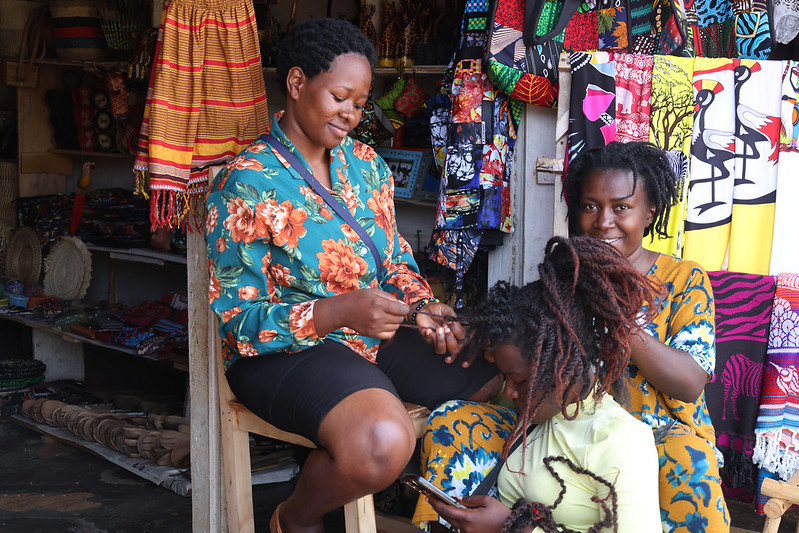
  1. CARE. An international organization that combats poverty and injustice. CARE focuses on empowering women and girls by providing access to education and economic opportunities. Since 1986, CARE has been active in Togo, supporting women’s agriculture through training and access to savings and loans. The organization has also improved access to essential health services for women and children under 5. Additionally, CARE has facilitated educational opportunities for girls, protecting them from hazardous and exploitative child labor. Its programs have enabled Togolese communities to access water infrastructure, engage in agro-forestry and explore other livelihood options.
  2. Caritas Togo. Also known as OCDI, it is the international charitable arm of the Catholic Church in Togo. The organization has been active in the country since 1987. According to its official website, the charity primarily focuses on improving health care, education, rural development, village water supplies and promoting women’s roles. In 2014, Caritas, along with various other church groups, provided aid to children who became orphans due to the Ebola pandemic in Togo and other West African countries.
  3. SOS Children’s Villages. A nonprofit organization operating in 136 countries, it provides care, education and health services to children who have lost or are at risk of losing parental care. Through this charity’s involvement, support reaches 1,460 adults and children in the community and 33,730 medical services have been delivered, establishing medical facilities to address a range of diseases. Additionally, 6,800 children receive education at the organization’s kindergartens and schools and 380 children grow up under the care of SOS Children’s Villages.
  4. AAM Nation Care. An international organization that assists those in poverty by helping them grow and earn better salaries. It offers financial support to underprivileged families, free online courses to teach poor students how to make money online, food and improved access to health care services. Additionally, the organization has delivered relief services in Togo, including food, shelter, health care and other basic necessities.

Looking Ahead

Togo is making strides toward reducing poverty with the aid of international organizations and positive economic developments. CARE, Caritas Togo, SOS Children’s Villages and AAM Nation Care are key contributors, offering vital resources and support to those in need. As these ongoing efforts persist, Togo is on a path toward a more stable and prosperous future for its citizens.

– Kimran Gill

Kimran is based in Leicester, UK and focuses on Celebs and World News for The Borgen Project.

Photo: Flickr

July 17, 2024
https://borgenproject.org/wp-content/uploads/borgen-project-logo.svg 0 0 Precious Sheidu https://borgenproject.org/wp-content/uploads/borgen-project-logo.svg Precious Sheidu2024-07-17 01:30:412024-07-16 01:14:064 Organizations Helping the People of Togo
Page 18 of 60«‹1617181920›»

Get Smarter

  • Global Poverty 101
  • Global Poverty… The Good News
  • Global Poverty & U.S. Jobs
  • Global Poverty and National Security
  • Innovative Solutions to Poverty
  • Global Poverty & Aid FAQ’s
Search Search

Take Action

  • Call Congress
  • Email Congress
  • Donate
  • 30 Ways to Help
  • Volunteer Ops
  • Internships
  • Courses & Certificates
  • The Podcast
Borgen Project

“The Borgen Project is an incredible nonprofit organization that is addressing poverty and hunger and working towards ending them.”

-The Huffington Post

Inside The Borgen Project

  • Contact
  • About
  • Financials
  • President
  • Board of Directors
  • Board of Advisors

International Links

  • UK Email Parliament
  • UK Donate
  • Canada Email Parliament

Get Smarter

  • Global Poverty 101
  • Global Poverty… The Good News
  • Global Poverty & U.S. Jobs
  • Global Poverty and National Security
  • Innovative Solutions to Poverty
  • Global Poverty & Aid FAQ’s

Ways to Help

  • Call Congress
  • Email Congress
  • Donate
  • 30 Ways to Help
  • Volunteer Ops
  • Internships
  • Courses & Certificates
  • The Podcast
Scroll to top Scroll to top Scroll to top