• Link to X
  • Link to Facebook
  • Link to Instagram
  • Link to TikTok
  • Link to Youtube
  • About
    • About Us
      • President
      • Board of Directors
      • Board of Advisors
      • Financials
      • Our Methodology
      • Success Tracker
      • Contact
  • Act Now
    • 30 Ways to Help
      • Email Congress
      • Call Congress
      • Volunteer
      • Courses & Certificates
      • Be a Donor
    • Internships
      • In-Office Internships
      • Remote Internships
    • Legislation
      • Politics 101
  • The Blog
  • The Podcast
  • Magazine
  • Donate
  • Click to open the search input field Click to open the search input field Search
  • Menu Menu

Archive for category: Nonprofit Organizations and NGOs

Information and stories about nonprofit organizations and NGOs

Africa, Global Poverty, Nonprofit Organizations and NGOs

Empowering Youth Leadership in Africa

Empowering Youth Leadership in Africa The global youth population, ages 15 to 24, currently stands at approximately 1.2 billion, with the majority residing in developing countries. Africa boasts the world’s youngest population, with 60% of its citizens under the age of 25, and a median age of about 19 years, compared to the U.S. median age of 39 years. This demographic provides African countries with unique opportunities and challenges in harnessing the potential of their youthful population, especially in empowering youth leadership.

Challenges in Low-Income African Countries

The median age of Africa’s leaders is approximately 63 years old. This age disparity underrepresents Africa’s youth population. According to Brookings, 80 million young Africans live in extreme poverty and face concerns of insufficient economic opportunities and deteriorating education systems, especially in rural areas. There are also high levels of gender inequality for young women in Sub-Saharan Africa. Young women handle the majority of household tasks such as childcare, cooking, securing water and more. This results in lower employment rates than their male counterparts. This often prevents them from obtaining an education or securing paid employment. According to the International Labor Organization (ILO), the inability of young people to secure employment, get an education or receive training, can result in present and future limitations. 

Youth Leadership

By providing opportunities for youth to actively participate in decision-making processes, it can help them feel included in their governments. The United Nations (U.N.) Under-Secretary-General, Rosemary DiCarlo, stresses that there must be more support and investments in youth as “Investing in youth is investing in peace.” She also stressed the importance of acknowleding young people’s voices and perspectives in leadership positions.

Authorities could prioritize and promote education by actively eliminating barriers, especially for women. Harmful social norms and stereotypes, such as the expectation for women to remain at home and exclusively fulfill caregiving roles, as well as the perception that women are only suited for specific professions (nurses and teachers) restrict their potential. A lack of education and training can also limit job options. 

Three Initiatives Empowering Youth Leadership

  1. Empowerment and Livelihood for Adolescents (ELA) program initiated by the Bangladesh Rural Advancement Committee (BRAC). This program operates in Liberia, Sierra Leone, Tanzania, South Sudan and Uganda. It integrates social empowerment, economic empowerment, community engagement and education. The goal is to assist young people, particularly girls and young women. These individuals often face poverty, exploitation and limited job prospects. The program helps them reach their full potential. BRAC’s youth programs help build self-confidence, critical thinking, leadership, decision-making skills and social skills. It explores gender dynamics and learns to navigate issues that may affect their health, well-being and future. Furthermore, it learns about relationships, sexual and reproductive health, gender-based violence, early marriage, human and legal rights and more. The ELA program facilitates sports and reading activities to build a support network. This foundation helps prepare young people to evolve into strong, resilient and flexible adults.
  2. UNICEF Youth Advocates in west and central Africa. UNICEF Youth Advocates are located worldwide and vocalize their goals of advocating and inspiring young people to help change society for the better. It informs world leaders about the problems that children face and helps others speak up for their rights. These advocates often choose a specific issue to advocate for. An example of a youth advocate is Djedje Aurélia Esther, a 16-year-old child rights advocate who represents the country Côte d’Ivoire. She is the main facilitator for the Human Rights Education and Citizenship club at her school. Additionally, she has created a board game focused on Life Skills for Peace. Aurélia is currently vice-coordinator of the national platform of children’s organizations in Côte d’Ivoire helping protect children’s rights.
  3. Young Global Leaders Community in Africa. Facilitated by the World Economic Forum and the Aliko Dangote Foundation. This platform helps support Africans and issues to be heard on a global scale and represented in decision-making processes. This youth leadership program chooses speakers to voice their perspectives on issues. It helps young people from developing countries have their needs heard and valued on a global scale and helps promote international conversations. Kamissa Camara, a Young Global Leader, is a Professor of Practice in International Diplomacy at the University of Michigan. As a former Foreign Minister of Mali and a current Aliko Dangote Fellow, she discusses her governmental experiences, crisis management and political challenges. Kamissa speaks about her experiences as a government official in Mali, crisis management and politics. In addition, she represents those who share her experiences and welcomes innovative solutions that can bring positive change to people’s home countries.

Looking Forward

The empowerment of Africa’s youth through education, leadership and advocacy initiatives holds promise for transformative change. These programs not only cultivate young leaders but also ensure their voices play a vital role in shaping the future. With sustained support and expanded opportunities, there is hope that Africa’s young population can drive progress and innovation across the continent.

– Gabrielle Schwartz

Gabrielle is based in Tallahassee, FL, USA and focuses on Politics and World News for The Borgen Project.

Photo: Flickr

May 8, 2024
https://borgenproject.org/wp-content/uploads/borgen-project-logo.svg 0 0 Precious Sheidu https://borgenproject.org/wp-content/uploads/borgen-project-logo.svg Precious Sheidu2024-05-08 07:30:072024-05-08 00:18:12Empowering Youth Leadership in Africa
Agriculture, Nonprofit Organizations and NGOs

FairTrade International Fighting Poverty Through Ethical Trade

FairTrade InternationalThe trade of goods, such as coffee and bananas, is a significant source of income for smallholder farmers in South and Central America facing poverty. An estimated 500 million smallholder farming families worldwide produce about a third of the world’s food, yet many of these farmers live on less than $2 per day, making them among the world’s poorest. Consequently, FairTrade certification on purchased and traded goods plays a crucial role in the fight against poverty.

Poverty and FairTrade’s Goal

In countries like Colombia and Ecuador, where many smallholder farmers reside, a significant portion of the population ranges from unemployed to upper-middle income, with various levels of poverty. Recognizing this, FairTrade International has set a goal to eradicate poverty by 2030. It emphasizes that poverty extends beyond lack of money, inadequate access to health care, discrimination and inability to provide for children. To achieve this goal, the organization creates a safety net for certified farmers, ensuring they receive a living wage and protection from market volatility. Additionally, it provides extra funds for farmers to invest back into their communities, helping elevate everyone collectively.

FairTrade International Certification

FairTrade International maintains a meticulous certification process to ensure that funds reach those most in need. Primarily executed through FLOCERT, certifications adhere to quality norms, assurance codes and include on-site audits. Follow-up audits serve to maintain transparency and prevent distrust. The certification process can take up to three years, striking a balance between rigorous scrutiny and promoting development and health. Once achieved, a FairTrade International certification is among the most reliable available.

Coffee and Bananas

The FairTrade Standard ensures that products grown and traded by smallholder farmers are not only of good quality but that the farmers are fairly compensated. This “Standard” addresses both product quality and the standard of living. Coffee and bananas are among the most common goods from FairTrade-certified smallholder farmers. Despite a price dip in 2019, coffee sales have surged, and consumers report that they would pay an extra $1.36 per pound for FairTrade coffee. This premium allows more funds to support smallholder farmers.

High demand for quality coffee has spurred the development of community infrastructure in impoverished rural areas, including roads, bridges, clean water lines, schools and health care centers. Similarly, demand for bananas remains strong, with consumers willing to pay more for FairTrade certification. Even with recent market struggles for bananas, significant funds have continued to be distributed. Smallholder farmers of both coffee and bananas have noted that FairTrade International plays a crucial role in their income and their fight against poverty.

Looking Ahead

The continued growth of FairTrade certification holds the promise of better livelihoods and stronger communities for smallholder farmers in South and Central America. Through sustainable practices and fair compensation, these farmers are poised to break the cycle of poverty and improve their quality of life.

– Isaac Songster

Isaac is based in Wheaton, IL, USA and focuses on Business and New Markets for The Borgen Project.

Photo: Flickr

May 1, 2024
https://borgenproject.org/wp-content/uploads/borgen-project-logo.svg 0 0 Precious Sheidu https://borgenproject.org/wp-content/uploads/borgen-project-logo.svg Precious Sheidu2024-05-01 01:30:002024-05-01 01:24:23FairTrade International Fighting Poverty Through Ethical Trade
Developing Countries, Global Poverty, Nonprofit Organizations and NGOs

Urban Poverty in Nigeria: Addressing the Plight of the Poor

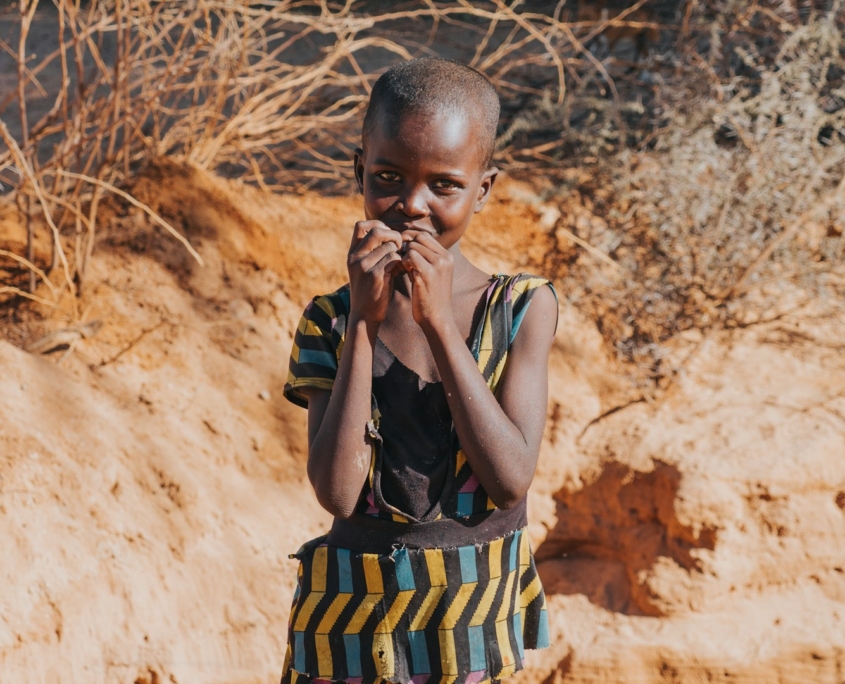
Urban Poverty in Nigeria: Approaches to Address the Plight of the PoorThe Federal Republic of Nigeria, located in West Africa between the Sahel and the Gulf of Guinea, is a multi-ethnic and culturally diverse federation with 36 autonomous states and the Federal Capital Territory. Despite the government’s goal to eliminate urban and rural poverty in Nigeria by 2030, rapid urbanization presents significant challenges. While urban centers often drive socio-economic development, many large cities in the country lack the necessary infrastructure and social services, exacerbating poverty among those who migrate to these areas.
Drivers of Urbanization and Its Impact

Several interrelated dynamics are driving large-scale and extensive urbanization in Nigeria. Unlike many Sub-Saharan African countries, Nigeria has undergone urbanization since pre-colonial times. This early urbanization, combined with erratic colonial development focused on mining and petrochemical projects, has created complex urban subsystems. These systems continue to hinder economic development and worsen poverty.

Demographic Pressures and Migration

Currently, the World Bank estimates that 53% of Nigeria’s 213 million people reside in urban areas, a figure expected to rise to 70% by 2050. Declining mortality rates and persistently high fertility rates are the primary drivers of this rapid urbanization, supplemented by rural-urban migration contributing to urban growth. Nigeria’s increasing population places demographic pressure on rural natural resources, prompting many to move to cities in search of higher incomes and new economic opportunities.

Environmental Challenges and Conflict-Driven Migration

Human-induced deforestation and climate change are significantly affecting agricultural productivity in rural areas, which has traditionally been the main economic activity for low-income and peasant farmers. Additionally, conflict and insurgency from recognized terrorist organizations such as Boko Haram and the Islamic State’s West African Province, particularly in northeast Nigeria, are forcing residents to relocate to urban areas, thereby contributing to urban population growth.

Urban Growth and Its Challenges

While most analysts focus on Lagos, Nigeria’s most populous city with an estimated 18 to 20 million residents, other cities like Ibadan, Kano and Abuja are also experiencing rapid population growth. Urbanization can stimulate local economic growth but also strain social services and infrastructure, particularly impacting the poor. The country’s reliance on oil and gas revenues makes its economy vulnerable to global price fluctuations and corruption, which hampers its ability to develop other revenue streams, enhance governance and invest in robust urban infrastructure and public services for the poor.

Poor urban planning policies, along with other factors, have led to increasing rates of urban poverty in Nigeria. The national multidimensional poverty rate stands at about 63%, with roughly 42% of urban residents living in poverty. These individuals face disproportionate challenges such as social exclusion, gender inequality, underemployment and limited access to education, housing and health services. They often live in urban slums, making them vulnerable to diseases, crime, environmental hazards and insecurities related to food, water and energy.

Government Initiatives and Collaborations

To address urban poverty in Nigeria, the national government has implemented numerous projects in conjunction with local grassroots organizations and international development institutions. While many previous projects failed to produce their intended results, recent initiatives appear more promising. 

In 2016, the Government of Nigeria implemented the National Social Safety Net Project (NSIP), which was complimented by a civil society-led implementation effort that is now known as the Enhancing Social Protection Policies in Nigeria Project (ESPPIN).

The NSIP was created to help low-income and vulnerable individuals in Nigeria gain access to financial transfers and basic services through an expanded social safety net in urban areas. This initiative led to the creation of a National Social Registry and has supported more than 3.2 million beneficiaries across the country, 49% of whom are women. Additionally, in partnership with the World Bank and various civil society organizations, the Government of Nigeria launched the Community and Social Development Project to provide impoverished and internally displaced people with improved infrastructure and basic services such as health care, food, water and housing in urban settings.

The Role of NGOs in Alleviating Urban Poverty

Nongovernmental organizations (NGOs) and civil-society networks also serve as crucial agents of change in cities throughout Nigeria because they often operate relatively independently of bureaucratic constraints, enabling them to respond to the multifaceted needs of impoverished urban communities.

Global organizations such as Cities Alliance, the Justice and Empowerment Initiative and Slum Dwellers International have contributed to mitigating urban poverty in Nigeria. They have achieved this by profiling urban slums, preventing evictions, fostering partnerships for knowledge sharing and providing essential services like clean water, food, housing and health care. Similarly, local entities like the Ambience of Hope Exceptional Foundation and the AMAC Council play key roles in alleviating urban poverty. They use their local insights and establish inclusive networks to effectively meet the changing needs of the urban poor.

Looking Ahead

Nigeria’s multifaceted approach to urban poverty alleviation—incorporating government action, NGO support and international collaboration—promises significant progress. The ongoing initiatives lay a strong foundation for sustainable urban development and enhanced quality of life for its urban poor.

– Campbell Clarke

Campbell is based in New York City, NY, USA and focuses on Technology and Solutions for The Borgen Project.

Photo: Unsplash

April 28, 2024
https://borgenproject.org/wp-content/uploads/borgen-project-logo.svg 0 0 Precious Sheidu https://borgenproject.org/wp-content/uploads/borgen-project-logo.svg Precious Sheidu2024-04-28 01:30:472024-06-11 00:12:46Urban Poverty in Nigeria: Addressing the Plight of the Poor
Charity, Global Poverty, Nonprofit Organizations and NGOs

Meg and Rose: A Small Business in South Africa Alleviating Poverty

Meg and Rose: A Small Business in South Africa Alleviating PovertyAccording to ASPEN Network of Development Entrepreneurs (ANDE), small businesses are essential for the growth of the national economy in South Africa. The country’s high unemployment rates stand at 32.1% in 2024. However, ANDE suggests that a small business in South Africa can create jobs, bolster the economy and empower local communities. 

According to Trade and Industry Policy Strategies (TIPS), about 30% of employed people in South Africa work for a small business. These enterprises have become a significant source of income for many people from marginalized backgrounds. In post-Apartheid South Africa, small businesses face disadvantages compared to larger companies due to the lingering effects of Apartheid policies. Despite these challenges, many Black female South African entrepreneurs, a key demographic in small businesses, have spurred economic growth in South Africa.

Meg and Rose: A Family Enterprise

Meg and Rose, a family-run, female and Black-owned small business in South Africa, is creating positive change in its Cape Town community. Founded by three generations of women—grandmother Rosemary Solomons, mother and company president Meagan Van der Merwe and daughter Zoe Van der Merwe—the business began after a significant life change. When Meagan lost her job following Uber Eats’ acquisition of OrderTalk, a Cape Town-based tech company where she worked, she turned to crocheting, drawing and painting for joy and fulfillment.

Using her artistic skills along with her mother’s sewing expertise and her daughter’s social media management abilities, the trio started selling handmade crochet dolls, home decor and accessories on their Instagram page. Some of their unique products include a customizable hand-painted tote bag priced at 200 South African rands—approximately $10.65 or £8.51—and a crocheted “Melody the Mellow Bunny” doll for R700.

Community Engagement and Customer Relations

Each product from Meg and Rose requires hours of meticulous work, and the company creates every item with love. The Entrepreneurship and Empowerment in South Africa Program, through Boitshoko ke Phenyo Consulting, found that about 95% of the business’s orders come from women in the Cape Town area. As Cape Town residents themselves, Rosemary, Meagan and Zoe have developed and maintained strong relationships with their customers, who are often fellow community members. For instance, they stay in touch with customers, offering congratulations on new babies and checking to ensure that their products are both loved and well-used.

Nonprofit Work

Rosemary, Meagan and Zoe directly alleviate poverty in Cape Town through their nonprofit. They established Mike’s Helping Hands in honor of Rosemary’s late husband, Mike, who was known for his generosity and service to the community. This organization, funded entirely by donations and profits from Meg and Rose, initially aimed to distribute meal kits to those unable to afford food. Mike’s Helping Hands has since broadened its efforts, driven by its mission: “In kindness lies strength, leave no one behind.”

The business’s nonprofit initiative, Dream Day, also supports young impoverished South African women during significant events like prom and graduation by providing dresses at no cost and offering makeup and hair services for only R20. Recently, the organization collected used toys and clothing to distribute to children who lack these essentials. Rosemary, Meagan and Zoe have strengthened their community ties in the collective fight against poverty by encouraging their friends and neighbors to participate.

Inspiring Future Generations

Meg and Rose supports its Cape Town neighbors with hard work, respect and love through its business and ongoing initiatives. Moreover, with its influence as a small business in South Africa, Meg and Rose aim to continue promoting Black female entrepreneurship in the country.

– Estelle Lee

Estelle is based in Seattle, WA, USA and focuses on Business and New Markets for The Borgen Project.

Photo: Unsplash

April 23, 2024
https://borgenproject.org/wp-content/uploads/borgen-project-logo.svg 0 0 Precious Sheidu https://borgenproject.org/wp-content/uploads/borgen-project-logo.svg Precious Sheidu2024-04-23 07:30:442024-04-22 10:33:35Meg and Rose: A Small Business in South Africa Alleviating Poverty
Agriculture, Global Poverty, Nonprofit Organizations and NGOs

Amazon Rainforest Reforestation

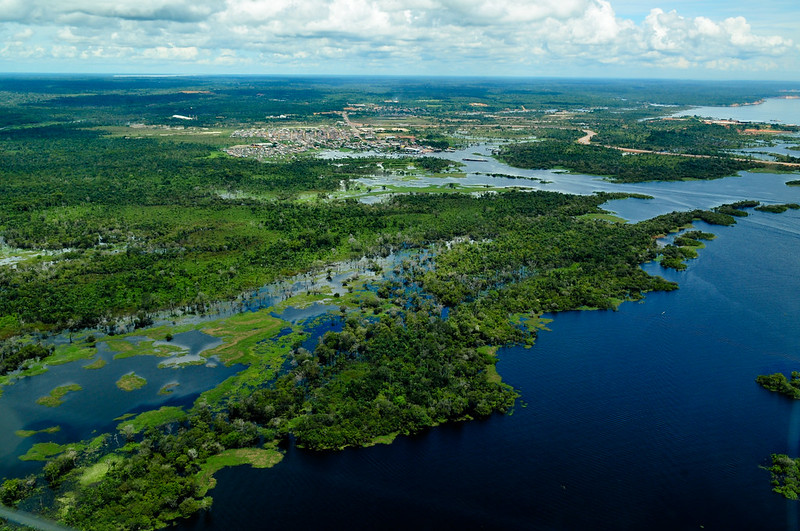
Amazon Rainforest ReforestationDeforestation has significant environmental, social and economic impacts, so Amazon rainforest reforestation is important for many organizations. The Eden Projects works with local communities living in extreme poverty to revive and supervise land, providing employment opportunities and fair wages. Thus, it fosters economic opportunity and serves as a means for these communities to alleviate themselves from poverty.

What Is Deforestation?

Deforestation is “the decrease in forest areas across the world that are lost for other uses such as agricultural croplands, urbanization or mining activities.” Often, when land ownership systems are fragile in developing countries like Brazil, large corporations acquire the land and repurpose it for other activities – thus disrupting the lives of the local communities.

Forests sustain local communities and Indigenous people, providing them with food, medicine, shelter, building resources and even holding significant cultural importance. Due to deforestation, around 20% of the Amazon rainforest is razed, propelling many of these locals further into poverty, as they are losing their sustainable resources.

Causes and Effects of Deforestation

Agriculture is the main cause of deforestation, accounting for around 80%. Subsistence agriculture, where the food produced is mostly consumed by the farming family and not sold, contributes to 33% of this agricultural-driven deforestation. About 40% is from commercial agriculture, like soya plantations and livestock farming in Brazil. Infrastructure, such as roads, railways, dam-building, mining and logging, are other causes of deforestation.

Poverty is another cause of deforestation, as many local communities and Indigenous people are dependent on forests. When they are faced with a lack of income and poverty, they resort to clearing the forest for its resources or agriculture. While poverty can be a cause of deforestation, it is also an effect.

Locals whose survival hinges on forests, using them for hunting, gathering resources and for their own agriculture, end up having to choose between leaving or staying. Either way, they face repercussions. If they decide to go, they face the challenge of starting a new life and avoiding conflict by relinquishing their land. If they choose to stay, they can work for the corporations that subject them to deplorable working conditions and unfair wages.

Deforestation also causes soil erosion, which can increase the likelihood of floods and landslides. Soil erosion also reduces soil fertility, impacting food production and causing food insecurity as it is unsuitable for agricultural use.

Eden Projects

Eden Projects is a nonprofit organization that works with local communities and focuses on restoring landscapes in developing countries like Brazil, Kenya and the Philippines. The organization defines land restoration as “a holistic, standards-based approach to restoration and conservation that generates environmental, socioeconomic and biodiversity benefits for the well-being of communities and the planet.”

The Eden Projects has initiated a land restoration project to reforest the Amazon rainforest, Cerrado and coastal mangrove estuaries. The project was started in 2021 and involves collaborating with local communities and leaders to bring the rainforest back to life. The Eden Projects believes in building strong relationships with the local leaders and communities, as they share similar goals of creating a sustainable environment.

How Eden Is Helping

Planting trees helps to restore the 62 million hectares of lost forest in Brazil. Around 30,000 hectares of trees have been reforested by Eden in Brazil, with Amazon rainforest reforestation focusing on mangrove estuaries. Mangrove estuaries play a crucial role in serving as habitats for animals, stabilizing coastlines and diminishing erosion.

With 9.3 million Brazilians living in extreme poverty as of 2018, Eden is helping by creating economic opportunity with its reforestation aid. Eden’s Amazon rainforest reforestation creates employment opportunities for local communities and establishes livelihood opportunities for those facing extreme poverty.

The project hires locals to work on project sites and in nurseries at a fair wage. It also involves them in the maintenance and protection of recently planted areas to engage them in the care of the forests. Eden also allocates a percentage of species planted for sustainable community use, benefitting the locals who relied on the land before deforestation occurred.

Some socioeconomic benefits of the employment opportunities Eden provides include parents who cannot provide food for their families, being able to provide healthy meals, paying school fees and allowing their children to achieve an education. Further economic opportunities arise as microenterprises emerge in the communities.

Final Remark

The vicious cycle of deforestation and poverty perpetuates a harmful loop of environmental and socioeconomic challenges. Amazon rainforest reforestation initiatives represent a crucial step toward addressing the challenges of deforestation. These initiatives aim to address the factors that drive deforestation while also providing employment opportunities for local communities, alleviating them from the extreme poverty they face. These initiatives involve planting new trees, restoring and preserving biodiversity and fostering sustainable livelihoods.

– Isabella Green

Isabella is based in Aylesbury, UK and focuses on Good News for The Borgen Project.

Photo: Flickr

April 17, 2024
https://borgenproject.org/wp-content/uploads/borgen-project-logo.svg 0 0 Lynsey 2 https://borgenproject.org/wp-content/uploads/borgen-project-logo.svg Lynsey 22024-04-17 07:30:192024-06-10 02:29:15Amazon Rainforest Reforestation
Developing Countries, Disability, disability and poverty, Global Poverty, Nonprofit Organizations and NGOs

Bolivians Without Disabilities: Helping Poor Amputees in Bolivia

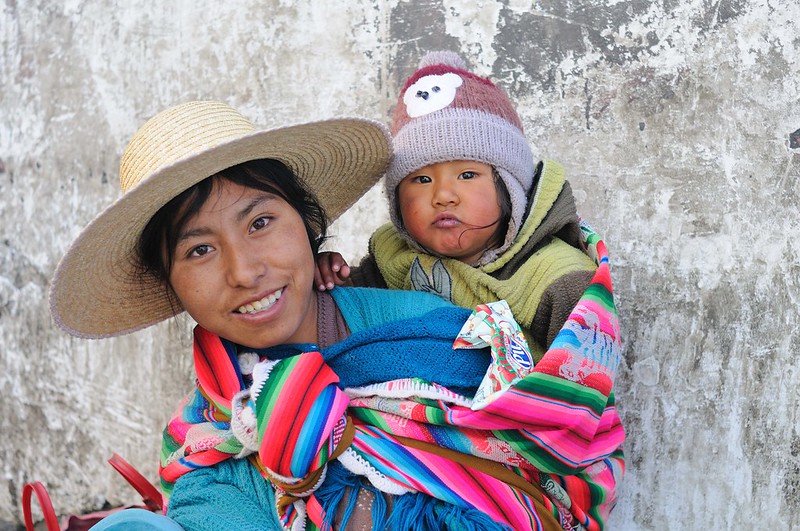
Bolivians Without DisabilitiesBolivia has seen a reduction in poverty. However, current statistics suggest that 11% of people live in extreme poverty and 36.3% live in moderate poverty. This may be due to the fact that Bolivia suffers from 160 major weather conditions, which result in food shortages and lower amounts of drinkable water. Yet, conditions are worse for people with disabilities in Bolivia. The Borgen Project spoke with Matthew Pepe, the founder and president of Bolivians Without Disabilities, about the life of amputees in Bolivia and explained the help the organization provides to these people.

The Bolivians Without Disabilities

“Our main focus is to work with nonprofit Bolivian prosthetic organizations that provide prostheses to low-income Bolivian amputees,” says Pepe. The Bolivians Without Disabilities accomplish this by collaborating with Bolivian companies that physically construct artificial limbs and provide these to amputees.

Bolivians Without Disabilities gives monetary support and teaching resources to associations that help people with disabilities in Bolivia. This greatly enhances those with disabilities in a physical and mental sense by:

  • Having the opportunities to help their relatives and their local communities.
  • Improving their self-confidence and job prospects.

Why Are They Important

Pepe describes the life of an amputee in Bolivia, stating, “Living with a disability in Bolivia is not easy, especially if you are poor. Streets and sidewalks are often crowded and very narrow with lots of dips and broken concrete, making walking, even with two good legs, very difficult.” If this is not bad enough, experiencing an amputation can cause despair and unhappiness due to the sense of loss of autonomy and self-perception.

Furthermore, when asked if the Bolivian government was doing enough to help amputees, Pepe answered, “Definitely not, but I am not sure that I can fault them very much since the issue is largely financial.” Indeed, Bolivia is one of the poorest countries in the world. Additionally, the Bolivian government has failed to pass adequate legislation that identifies discrimination based on disability.

Disability is a critical problem since people who have gone through an amputation suffer terrible financial issues and poverty as they encounter more hurdles to health care. This is unsurprising since Pepe explains that “Social stigma is also a serious concern. Disabled people suffer serious discrimination.” In comparison with the general population, amputees are more likely to experience inadequate access to health care.

Furthermore, people with an amputation are more likely to be unemployed. As stated by Our World in Data, in 2022 in Bolivia, the unemployment rate is 5.16% among amputees, in comparison with 3.81% among the general population. Pepe explained this by saying, “It is also very difficult to get a job if you are disabled. Many jobs are very physical and you need all your hands, feet and abilities to work at most jobs.”

The Impact on Poverty

According to Pepe, “The government also does very little to provide prosthetic limbs.” Pepe continues, “I think that I fairly believe that the little prosthetic clinic that I created provides far more prosthetic limbs than the practically non-existent government attempts to provide limbs.” With the Bolivians Without Disabilities intervening and providing low-income amputees a prosthetic limb, this will create a positive change and will improve their well-being while decreasing their chances of falling into the poverty cycle. This is because they will be encouraged to participate in education and employment activities.

The Bolivians Without Disabilities has shared many personal stories. Here are two examples:

  1. Pabio is a Bolivian man and while he was working, he accidentally inserted his left arm into a mechanical machine. As a result, his arm was amputated because it was severely crushed. After the incident, Pabio was unable to work and he felt depressed. After Bolivians Without Disabilities provided the financial means to construct an artificial arm and hand for Pabio, his job prospects improved.
  2. A woman named Mariana had a job accident while working at a sawmill. One day, she accidentally cut off her hand since there were no safety precautions. After this incident, Mariana was miserable and dependent on others on a day-to-day basis. After receiving an artificial arm from Bolivians Without Disabilities, Mariana’s self-confidence improved. She hoped to study petrochemistry and find a job.

Looking Ahead

The interview with Pepe provided a snapshot of the life of an amputee in Bolivia. Stigma and discrimination are felt more by disabled people and they find it harder to live in Bolivia due to the little help provided by the government. The work done by Bolivians Without Disabilities is vital to help people with disabilities so they can avoid the poverty cycle by improving their job prospects and self-confidence.

– James McAlinden

James is based in Rosehearty, Scotland and focuses on Good News for The Borgen Project.

Photo: Wikimedia Commons

April 16, 2024
https://borgenproject.org/wp-content/uploads/borgen-project-logo.svg 0 0 Lynsey 2 https://borgenproject.org/wp-content/uploads/borgen-project-logo.svg Lynsey 22024-04-16 07:30:302024-04-16 02:43:53Bolivians Without Disabilities: Helping Poor Amputees in Bolivia
Developing Countries, Global Poverty, Nonprofit Organizations and NGOs

Practical Action Addresses Youth Unemployment in Kenya

Practical Action Addresses Youth Unemployment in KenyaPractical Action, a development charity, works alongside communities to develop sustainable solutions to tackle youth poverty. It revolutionizes agricultural solutions, job opportunities and water management through teaching, training and supporting communities. Its volunteers work across Bangladesh, Kenya, Peru, Nepal, Sri Lanka, Sudan and Zimbabwe. The organization is tackling youth unemployment in Kenya through its ongoing project, Resilient Agriculture that Works for Young People (RAY). Launched in November 2022, the project aims to meet its key goals by October 2027.

RAY: A Beacon of Hope for Kenyan Youth

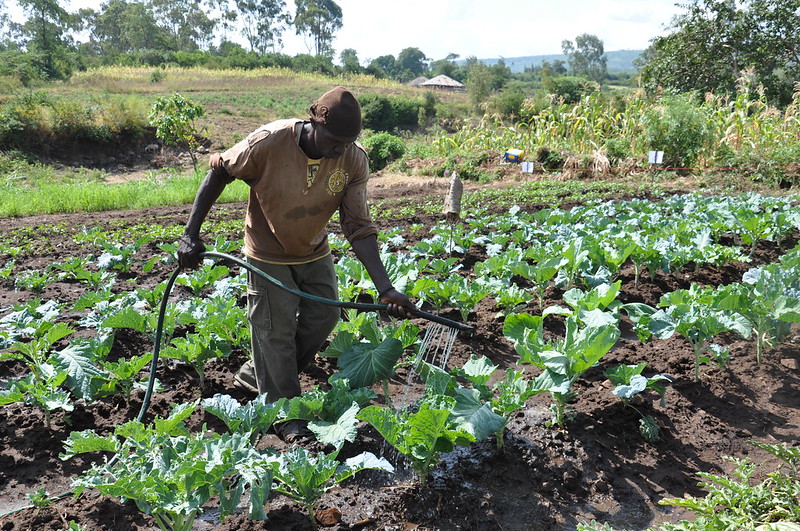
Centered in West Kenya, the RAY project seeks to provide young individuals with training in regenerative agriculture and business management, empowering them to pursue job opportunities. It aims to reduce the high rate of youth unemployment in Kenya. While the expansion of agricultural opportunities has great potential for creating dignified jobs and income, young people in the country face significant challenges due to limited access to land and the skills necessary for succeeding in agribusiness.

Practical Action reports that four out of 10 young Kenyans are unemployed. Of this, women comprise six out of every 10 unemployed youth. To fight this, Practical Action’s RAY project has partnered with the Mastercard Foundation to offer unemployed Kenyan youth employment opportunities. In addition, this partnership provides access to critical resources such as finance, land and markets, aiming to enhance job prospects and reduce poverty.

Collaborative Efforts

In its earlier project in Kenya, Transforming Rural Economies and Youth Livelihoods (TREYL) from 2019 to 2022, Practical Action helped 6,000 young people, 46% of whom were women, to enter agribusiness. Its main goal is to transform agriculture in Western Kenya into an appealing and sustainable source of employment for the youth. Practical Action seeks to offer unemployed Kenyan youth a new perspective on rural economics. It tackling the obstacles they encounter in accessing job opportunities. Beyond equipping young people with essential skills to boost their employment prospects, Practical Action is working to forge strong partnerships with county governments.

The ongoing collaborations aim to enhance opportunities and connections between employed youth and their suppliers. Furthermore, Practical Action’s partner, the Mastercard Foundation, offers vital networking opportunities for young people in Africa, to overcome socio-economic challenges. Since its launch in 2012, the Mastercard Foundation Scholars Program has helped more than 45,000 young Africans gain access to education.

Reducing Poverty Through Agribusiness

Practical Action employs several key strategies to achieve its goal. The strategies are as follows:

  • Providing Mentorship to young entrepreneurs. A central aspect of the project is providing youth with transferable skills and knowledge. This is achieved through peer-to-peer learning to enhance their understanding of the agricultural business.
  • Planet-Friendly Methods. Practical Action’s eco-friendly methods give Kenyan youth a forward-thinking understanding of environmentally friendly practices that enhance productivity. This new knowledge not only helps in restoring degraded land but also shapes the youth into valuable, conscientious employees.
  • Youth Savings and Loans Associations (YSLA). The project aims to teach youth the importance of personal finance as a means to reduce youth unemployment in Kenya. It believes providing young people with access to affordable capital equips them with the essential knowledge to break the cycle of poverty.
  • Gender Transformative Actions. A major initiative of the project is changing gender attitudes to empower female youth. It enables them to seize opportunities in agribusiness and achieve employment equality.

Focused and Positive Future

Practical Action’s 2023 Annual Report states that by 2025, the charity aims to positively impact 20 million people by reducing poverty through various employability projects. In Kenya, the project involves current farmers as mentors. These mentors work to guide young people toward finding career paths in the agricultural sector. The objective is for trained youths to become the next generation of mentors, contributing to the reduction of youth unemployment in Kenya.

– Kasia Flisiuk

Kasia is based in London, UK and focuses on Good News for The Borgen Project.

Photo: Flickr

April 15, 2024
https://borgenproject.org/wp-content/uploads/borgen-project-logo.svg 0 0 Precious Sheidu https://borgenproject.org/wp-content/uploads/borgen-project-logo.svg Precious Sheidu2024-04-15 01:30:192024-04-15 01:16:14Practical Action Addresses Youth Unemployment in Kenya
Developing Countries, Global Poverty, Nonprofit Organizations and NGOs

Nonprofits Address Elderly Poverty in Georgia

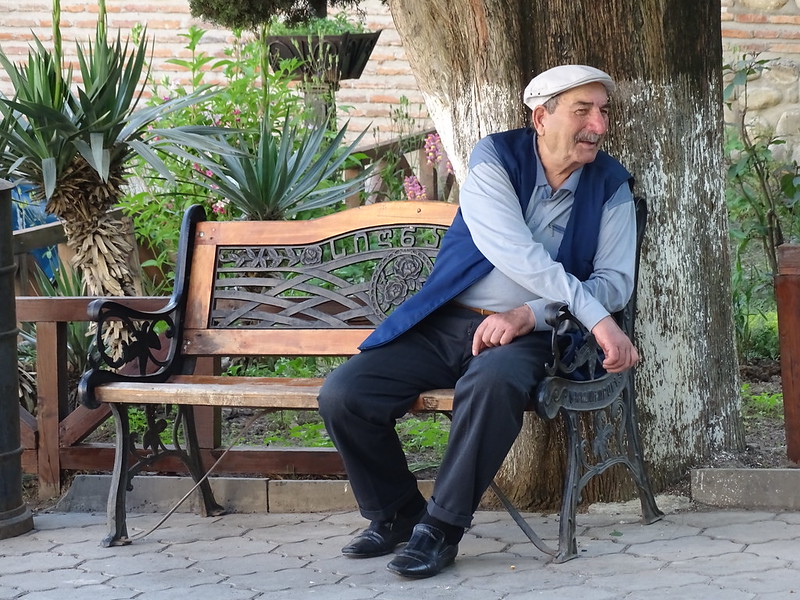
Elderly Poverty in GeorgiaGeorgia, a country known for its unique architecture and mountainous landscape, has advanced significantly in poverty reduction and health care accessibility over the last decade. As life expectancy increases exponentially, there is an increased need for resources and programs to accommodate the aging population better.

Elderly Poverty in Georgia and Medical Accessibility

Social programs, such as government-provided subsidies and universal health care, have created optimistic results in the last quarter century. However, poverty is still a large burden for many Georgians. Though life expectancy has risen, the quality of life for the aging population has not improved satisfactorily.

The government offers retired Georgians a pension, but this rarely covers all of their expenses. In recent efforts, Georgia has invested in a universal health coverage plan. Despite this, the policy is not widely accessible and the cost of co-payments is still too high for many working-class households: “The high cost of outpatient medicines is the biggest barrier to accessing care for the lowest income households.”

Poverty is least prevalent in the elderly population (14.4%) compared to children (25.5%) and the working-age population (19.5%). However, as a vulnerable population, older people suffer disproportionately from a lack of medical accessibility and unemployment, especially in rural areas. Challenges in health care accessibility include low pension, job scarcity and an inability to commute.

Proposed Solutions

A large issue in modern-day Georgia is that people do not see elderly workers as valuable. This view is due to the idea that age causes physical deterioration and a lack of skill. In addition, there is a belief in Georgia that the youth should have uninhibited access to the job market and that the older generations should not be impeded. However, this has created a rise in the poverty of older adults in Georgia. Older Georgians are not expected to partake in the workforce. However, because health care and other social services are not widely accessible to them, especially in rural areas, many still require an income.

Many older Georgians also require more health care than the average citizen due to their age, which increases medical expenses. Despite this, employers are hesitant to hire older Georgians due to age-related discrimination. The United Nations (U.N.) suggests that the Georgian government establish programs that aid older workers through education and training. It also notes that the government could create more jobs suitable for older workers, as well as provide tax-related incentives to employers hiring older workers.

In addition, the U.N. stresses that government-provided pensions are not sufficient means to live off of and that citizens be encouraged to accumulate private savings earlier in life. As discrimination against the elderly population is prevalent in the workforce, the U.N. notes that the Georgian government could implement stricter measures to forbid workplace and hiring discrimination. The U.N. necessitates a shift in this negative view of older generations: “Awareness-raising should target employers, helping them to understand the benefits of an age-balanced workforce, encouraging them to employ and retain older workers and to provide age-friendly workplaces.”

Beacons of Positive Change

A key way that Georgia has improved health and wellness accessibility for elders is by establishing free senior care centers. Though these are largely independent, nonprofit organizations, they have tremendously impacted communities. They provide resources to meet the needs of aging citizens and combat elderly poverty in Georgia.

One such provider is Catharsis: The House of Charity. A pioneer in its field, it was established in 1990 as the economy took a hit. Unfortunately, this affected various social services and worsened poverty rates. It focuses primarily on senior care and offers free medical assistance, food, clothing and other enrichment resources. The organization advocates elderly independence and expression by cultivating a “warm, family-like setting.” It has multiple branches operating in several regions of Georgia and has helped more than 1500 individuals since its establishment.

Another essential elderly care provider is American Friends of Georgia, working out of Tbilisi. It is a nonprofit organization that provides free care to vulnerable populations. This includes the sick, the disabled, children and the elderly. It is also focused on furthering education and aims to diversify accessibility through technology donations, higher-education scholarships and a basketball academy. For older patients, the initiative has created a hospice program and in-home care. It has tended to more than 800 elderly patients since 2003. It also focuses on empowering elderly Georgians in their careers through skill-building and job training.

The Future

Though there are barriers to job and social service accessibility in Georgia, steps are being taken to care for the growing elderly population and to ensure their wellness. Though organizations specializing in these efforts are largely privatized, normalizing programs that aid in elderly welfare will instigate the growth of such resources. Finally, there are several plausible solutions, as suggested by the U.N., to help alleviate financial disparities among Georgians, thus alleviating elderly poverty in Georgia.

– Anna Williams
Photo: Flickr

April 9, 2024
https://borgenproject.org/wp-content/uploads/borgen-project-logo.svg 0 0 Jennifer Philipp https://borgenproject.org/wp-content/uploads/borgen-project-logo.svg Jennifer Philipp2024-04-09 01:30:452024-06-11 00:12:44Nonprofits Address Elderly Poverty in Georgia
Development, Global Poverty, Nonprofit Organizations and NGOs, Technology

Digital Innovation Empowering Rural Entrepreneurs

Empowering Rural EntrepreneursIn the face of rapid digital advancement, innovative solutions are emerging as powerful tools for alleviating poverty worldwide. The development sector is increasingly utilizing digital innovation to support rural entrepreneurs, thereby forging a path toward sustainable poverty reduction through technology. This article examines the transformative impact of online commerce and direct cash transfers by organizations like GiveDirectly and GiveWell on empowering rural entrepreneurs and sparking economic development in underserved areas.

The Power of Direct Cash Transfer

As technological advancements gain popularity in urban settings, rural communities are not left behind, due to aid from organizations like GiveDirectly. This organization equips people in rural areas with phones, enabling contributors to send funds directly to those in greatest need. GiveWell and GiveDirectly have demonstrated the success and sustainability of grants over loans in reducing poverty, through tracking and analyzing cash transfers. These grants, with few or no strings attached, have not only shown a proven track record of success but also represent the most ethical giving method, granting recipients complete control over their paths out of poverty.

Microloans vs. Unconditional Wealth Transfer

Assuming impoverished people cannot manage their finances overlooks the structural and systemic nature of poverty. This perspective has fueled the popularity of microloans as a poverty reduction strategy. When donating to an organization, contributions often cover staff salaries, outreach costs and more, stretching funds to support not only the target populations but also the organization’s sustainability. Meanwhile, loans risk entrenching people in a cycle of poverty, with the burden of repayment potentially falling on their children if the parents fail to pay off the debt.

For this reason, GiveWell has invested in the analysis of GiveDirectly, a study that compares microloans to unconditional cash transfers. According to GiveWell, “It requires far more overhead to run a microlending operation than to run a cash transfer operation.” Additionally, many microloan agencies operate as for-profit businesses rather than humanitarian nonprofits like GiveDirectly. This distinction often means there’s less incentive for them to avoid indebting the people they aim to assist

The Case for Direct Cash Transfers

Organizations have rigorously studied cash transfers, finding strong evidence they reduce monetary poverty. A 2016 report from the Department for International Development highlights cash transfers as among the most thoroughly researched development interventions. However, only 2% of major government funding goes toward direct cash transfers.

Global Market Access for Rural Artisans

Technological innovation, particularly online marketplaces, is advancing global development by opening access to the global market. People in low-income, rural areas often create sought-after artisanal products, but traditionally they could sell them only to tourists at local prices. For-profit and nonprofit companies are emerging to offer entrepreneurs technology access and digital business strategies. These initiatives empower rural women’s groups to develop websites or use existing platforms to sell their products at fair prices, reflecting the hours of labor invested in their creation. Digital platforms connect rural producers directly with consumers and markets, eliminating intermediaries and ensuring fair prices for their products. The ongoing trends show that collaborating through websites fosters community-led development.

The Future of Technology in Development

Digital innovation and solutions, such as direct cash transfers and global market access, are reshaping the landscape of poverty alleviation, empowering rural entrepreneurs to take charge of their economic futures. These advancements promise a sustainable pathway out of poverty, leveraging technology to bridge gaps and foster inclusive growth.

– Kiera Gorman

Kiera is based in Santa Cruz, CA, USA and focuses on Technology and Solutions for The Borgen Project.

Photo: Flickr

April 6, 2024
https://borgenproject.org/wp-content/uploads/borgen-project-logo.svg 0 0 Precious Sheidu https://borgenproject.org/wp-content/uploads/borgen-project-logo.svg Precious Sheidu2024-04-06 01:30:562024-04-05 02:31:57Digital Innovation Empowering Rural Entrepreneurs
Global Health, Global Poverty, Nonprofit Organizations and NGOs

Maternal Health in Bangladesh

Maternal Health in BangladeshMaternal health in Bangladesh faces significant challenges. According to Every Mother Counts, it is estimated that there are 245 maternal deaths per every 100,000 live births. Annually, approximately 7,660 Bangladeshi women die from preventable pregnancy and childbirth-related causes.

Causes of Maternal Mortality in Bangladesh

Maternal mortality ranks as the third leading cause of death for women aged 15 to 49 in Bangladesh, where most of these deaths are preventable through high-quality prenatal care and skilled attendance during labor and delivery. Poor health care facilities and limited access to them indirectly contribute to maternal mortality in the country. The two primary direct causes are obstetric hemorrhage, accounting for nearly one-third of maternal deaths and eclampsia, responsible for 23% of maternal deaths.

The State of Maternal Health Care in Bangladesh

Home births dominate in Bangladesh, with 71% occurring at home, yet only 4% receive attention from trained birth attendants. The country’s health worker coverage is at a mere 17% of the global threshold, highlighting a critical shortage of skilled birth attendants, especially in rural areas. For instance, in Cox’s Bazar, a rural area with one of Bangladesh’s highest maternal mortality rates, 90% of women give birth at home without trained attendants or emergency care access due to the region’s health care facility scarcity.

Further analysis of maternal health in Bangladesh reveals that 38% of maternal deaths occur on the day of delivery and 6% occur one day after. Additionally, 19% of these deaths happen at home, another 19% occur while en route to health care facilities, 49% occur in public health care facilities and 13% in private ones. Notably, about 80% of women who give birth in public facilities also die in these settings, underscoring the challenges within Bangladesh’s public health care system.

Efforts of CARE International and Other NGOs

CARE International, an NGO, has launched various programs to enhance maternal health in Bangladesh, including the Joint Action for Nutrition Outcome (JANO). This program educates mothers and pregnant women about health issues, nutrition and precautions during and after pregnancy, reshaping their understanding of the importance of accessing professional health care services.

In addition, the SHOUHARDO III program, another initiative by CARE, has made significant strides in enhancing maternal health in Bangladesh. In 2021, it trained female private community skilled birth attendants to assist pregnant and lactating women in the remote Char and Haor areas of northern Bangladesh. These trained professionals offer safe delivery services, antenatal and postnatal checkups, counseling, and referrals.

Other international organizations are also playing a key role in enhancing maternal health in Bangladesh. Among them, the United Nations Population Fund (UNFPA), through its ‘Solving Referral Challenges for Urban Poor to Access Emergency Obstetric and  Newborn Care’ project, collaborates with 40 maternity centers in Dhaka. The initiative leverages the ‘Ma Jaan’ app, connecting pregnant women in emergencies to the nearest participating hospital. This effort not only aims to bolster maternal health in Bangladesh but also leverages technology to propel the health care sector forward.

Looking Ahead

Efforts by CARE International and other NGOs are paving the way for improved maternal health in Bangladesh, showcasing the potential for significant advancements through education, training and technology. With continued focus and support, these initiatives promise a brighter future for Bangladeshi mothers, reducing preventable maternal deaths and ensuring safer childbirth experiences across the country.

– Olusegun Odejobi

Olusegun is based in Norwich, UK and focuses on Global Health for The Borgen Project.

Photo: Flickr

April 5, 2024
https://borgenproject.org/wp-content/uploads/borgen-project-logo.svg 0 0 Precious Sheidu https://borgenproject.org/wp-content/uploads/borgen-project-logo.svg Precious Sheidu2024-04-05 01:30:532024-04-03 14:33:45Maternal Health in Bangladesh
Page 22 of 60«‹2021222324›»

Get Smarter

  • Global Poverty 101
  • Global Poverty… The Good News
  • Global Poverty & U.S. Jobs
  • Global Poverty and National Security
  • Innovative Solutions to Poverty
  • Global Poverty & Aid FAQ’s
Search Search

Take Action

  • Call Congress
  • Email Congress
  • Donate
  • 30 Ways to Help
  • Volunteer Ops
  • Internships
  • Courses & Certificates
  • The Podcast
Borgen Project

“The Borgen Project is an incredible nonprofit organization that is addressing poverty and hunger and working towards ending them.”

-The Huffington Post

Inside The Borgen Project

  • Contact
  • About
  • Financials
  • President
  • Board of Directors
  • Board of Advisors

International Links

  • UK Email Parliament
  • UK Donate
  • Canada Email Parliament

Get Smarter

  • Global Poverty 101
  • Global Poverty… The Good News
  • Global Poverty & U.S. Jobs
  • Global Poverty and National Security
  • Innovative Solutions to Poverty
  • Global Poverty & Aid FAQ’s

Ways to Help

  • Call Congress
  • Email Congress
  • Donate
  • 30 Ways to Help
  • Volunteer Ops
  • Internships
  • Courses & Certificates
  • The Podcast
Scroll to top Scroll to top Scroll to top