• Link to X
  • Link to Facebook
  • Link to Instagram
  • Link to TikTok
  • Link to Youtube
  • About
    • About Us
      • President
      • Board of Directors
      • Board of Advisors
      • Financials
      • Our Methodology
      • Success Tracker
      • Contact
  • Act Now
    • 30 Ways to Help
      • Email Congress
      • Call Congress
      • Volunteer
      • Courses & Certificates
      • Be a Donor
    • Internships
      • In-Office Internships
      • Remote Internships
    • Legislation
      • Politics 101
  • The Blog
  • The Podcast
  • Magazine
  • Donate
  • Click to open the search input field Click to open the search input field Search
  • Menu Menu

Archive for category: Nonprofit Organizations and NGOs

Information and stories about nonprofit organizations and NGOs

Advocacy, Global Poverty, Nonprofit Organizations and NGOs

Project PEARLS: Alleviating Poverty in the Philippines

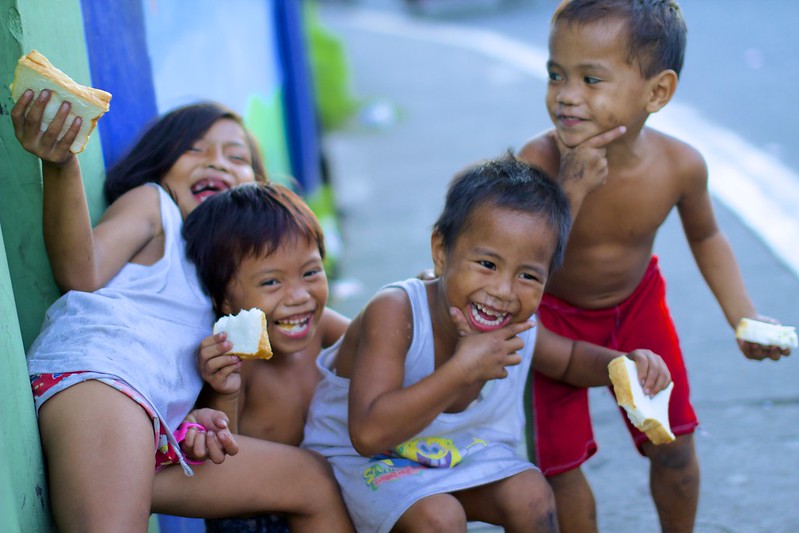
Project PEARLS: Alleviating Poverty in the PhilippinesIn 2010, Melissa Villa co-founded Project PEARLS in the Ulingan community of Tondo, Manila, a place known for its charcoal production where residents lived in dire conditions without essential services or education. Project PEARLS began its journey to alleviate the hardships faced by these families, who were later relocated to Bulacan in 2013 by the National Housing Authority. This initiative highlights the stark realities of extreme poverty in the poorest areas of the Philippines and the organization’s commitment to making a substantial difference.

Inequality and Economic Challenges

Despite a slight decrease in poverty incidence as reported by the Philippine Statistics Authority, with a fall to 22.4% in 2023 from 23.7% in 2021, significant challenges remain. Approximately 25.2 million Filipinos still struggle to meet basic needs, highlighting the persistent inequality within the country. Wealthy regions prosper while impoverished communities lag, often exacerbated by insufficient government initiatives to redistribute wealth effectively. With looming threats of climate disturbance and rising inflation rates, the poorest are increasingly vulnerable, making the role of NGOs like Project PEARLS crucial as they provide essential support and services.

Expanding Impact and Future Goals

In a revealing interview with The Borgen Project, Melissa Villa, co-founder of Project PEARLS, detailed the organization’s inception and ongoing efforts to combat extreme poverty in the Philippines. From its beginnings in Tondo, Project PEARLS has expanded its reach to include multiple regions such as Bulacan, Cavite and Mindanao. The organization now implements programs aligned with the first four United Nations (U.N.) Sustainable Development Goals, covering education, health care, nutrition and skills development. These initiatives aim to lift children and families out of poverty and offer them a chance at a better future. Melissa Villa’s continued leadership and dedication are pivotal as Project PEARLS strives to extend its lifeline to more regions and address the complex facets of poverty in the Philippines.

Addressing Poverty in the Philippines

Villa shared alarming statistics highlighting the scope of poverty in the nation: “In the first semester of 2023, the poverty incidence among the population was estimated at 22.4% or approximately 25.24 million Filipinos,” indicating the dire economic conditions many face. She further explained that these figures represent individuals whose income fails to meet basic life necessities, emphasizing the critical need for targeted poverty alleviation initiatives.

Project PEARLS’ Community Impact

Through its comprehensive approach, Project PEARLS has made significant strides in alleviating poverty. Villa noted, “Project PEARLS serves 3000 meals weekly and supports over 750 scholars from preschool to college.” The organization’s G.R.O.W. program, according to Villa, empowers women by teaching skills such as macramé and shirt printing, enhancing their income opportunities. These ongoing initiatives not only address immediate needs but also aim to foster long-term community resilience.

“This year, we plan to reopen our health clinic in the slum community of Tondo and build a small preschool classroom,” Villa shared, outlining the organization’s goals to expand its educational support. It also aims to reach indigenous and marginalized communities, extending its impact beyond the immediate regions they currently serve.

Looking Ahead

Villa reflected on the organization’s role and future, stating, “Project PEARLS is more than just a feeding program; it is a global movement of individuals from diverse backgrounds uniting to fight poverty in the Philippines.” Her words underscore the transformative impact of its work, which continues to offer hope and practical solutions to those in dire need. As it moves forward, Project PEARLS remains committed to enriching lives and empowering communities, navigating through challenges toward a more prosperous future for all it serves.

– Lauren Alkhalil

Lauren is based in London, UK and focuses on Good News for The Borgen Project.

Photo: Flickr
June 11, 2024
https://borgenproject.org/wp-content/uploads/borgen-project-logo.svg 0 0 Precious Sheidu https://borgenproject.org/wp-content/uploads/borgen-project-logo.svg Precious Sheidu2024-06-11 07:30:482024-06-10 11:04:38Project PEARLS: Alleviating Poverty in the Philippines
Development, Global Poverty, Nonprofit Organizations and NGOs

Efforts to Improve Housing in Djibouti

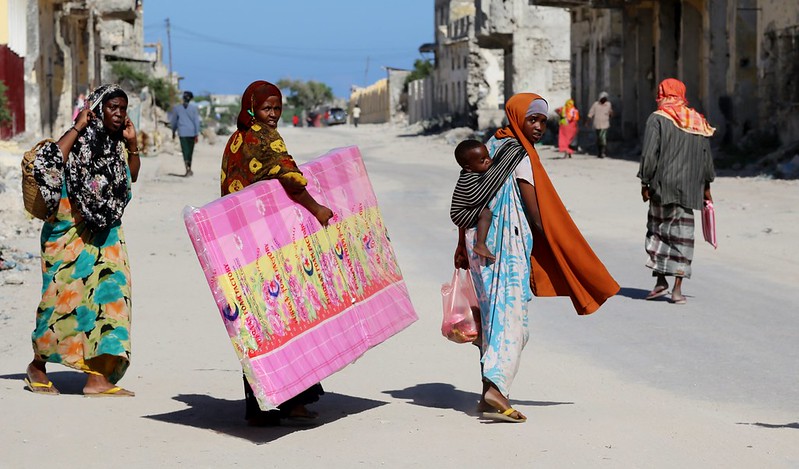
The Efforts to Improve Housing in DjiboutiDjibouti, a small nation in the Horn of Africa bordered by Somalia and Ethiopia, is uniquely situated at the junction of the Red Sea, East Africa and the Gulf of Aden. Its strategic location not only makes it a geological marvel with natural hot water reservoirs but also presents significant challenges in urban development and housing. With a population exceeding one million, the nation faces the critical task of improving living conditions for its residents, particularly in addressing the ongoing housing crisis. In response, the Djiboutian government initiated Vision 2035 in 2015, aiming to enhance the quality of life across the nation. However, as of 2024, with the deadline looming in just 11 years, the government is still grappling with how to effectively support its citizens through adequate housing in Djibouti.

The Persistent Challenge of Poverty

Despite Djibouti’s small population compared to its neighboring countries, gathering detailed data on the extent of poverty is challenging due to limited participation in national censuses. However, some recorded statistics have shown that more than 35% of the population of Djibouti lives in poverty, with at least 21% of the population living below the poverty line as of 2022. Poverty’s impact is most severe in rural areas, where it affects the majority of residents. Although only 15% of Djibouti’s population resides in urban areas, these citizens represent more than half of the country’s extremely poor.

Housing Crisis in Djibouti

Djibouti-Ville, the capital and largest city of Djibouti is home to more than 60% of the population. Numerous slums within the city provide shelter to Djiboutian nationals as well as refugees and asylum seekers, highlighting a nationwide shortage of affordable housing.

Balbala, a slum in Djibouti, accommodates a large portion of the country’s homeless population, many of whom lack access to adequate food and water. The Djiboutian government is addressing these harsh conditions with the Zero Slums Program, which aims to evaluate and resolve homelessness and poor living conditions in slums. Concurrently, the government’s Slum Upgrading Project seeks to enhance living conditions in various settlements nationwide, helping residents move from slums to affordable housing and preventing the necessity of slum living.

Economic Outlook and Community Support

In recent years, Djibouti has seen economic improvements. Despite these gains, homelessness and poor living conditions persist as major concerns for both the government and its citizens. Notably, Djibouti demonstrates significant compassion by supporting refugees and asylum seekers from Ethiopia, Somalia and Yemen. Despite its small geographical size, Djibouti’s generosity is immense. However, the country still faces a shortfall of up to 20,000 houses needed to adequately support its citizens.

On average, Djibouti needs to construct 3,000 new houses each year to meet its housing demand. However, both private and public sectors have limited capacity, managing to establish only enough houses to leave between 15 to 20% of Djiboutian citizens without suitable housing or experiencing homelessness.

Addressing Homelessness Through Aid

Several nongovernmental organizations, including Eevah, are actively supporting Djibouti’s citizens experiencing homelessness by providing humanitarian aid and resources to address the housing crisis. Eevah, known for using profits from jewelry sales to aid children worldwide, campaigns specifically for Djibouti to ensure that children in the country can access clean water, sustainable food and proper housing.

Promoting Sustainable Livelihoods with Penha

Since its establishment in 1994, the organization Penha has been supporting Djiboutian nationals, refugees and asylum seekers alongside government initiatives. Penha aims to alleviate poverty in the Horn of Africa by subsidizing communities to enhance livestock and nonlivestock-based livelihoods. This support is particularly beneficial in Djibouti, where such livelihoods are common in urban areas. Penha collaborates closely with local communities to ensure they play an active role in their development. The organization operates across Djibouti, Eritrea, Kenya, Somalia and South Sudan.

Al-Abrar Foundation

The Al-Abrar Foundation, based in London, also engages with communities in Djibouti, alongside its outreach programs in Ethiopia, Somalia and Tanzania. This foundation delivers educational programs, events and workshops to foster positivity and socioeconomic growth in Djiboutian areas affected by extreme poverty. It focuses on youth projects and strives to provide food resources and suitable shelter for those without sustainable incomes.

Cultural Richness

Djibouti, a small nation, is home to many people who need suitable housing, guaranteed food resources and a supply of clean water. Beyond its poverty statistics, Djibouti boasts attractions like snorkeling with whales and sharks and swimming opportunities. The country also features stunning preserved architecture and a captivating landscape, offering much more than meets the eye.

The wildlife of Djibouti thrives in natural habitats and integrates seamlessly into urban areas, exemplifying the harmony between humans and animals. Despite the pressing housing crisis, the country boasts a rich cultural tapestry. Djibouti serves as a cultural crossroads where Djiboutian, Somali and Ethiopian traditions converge and celebrate a diverse coexistence.

Looking Ahead

Djibouti is poised to harness its unique geographical and cultural assets to further tackle the challenges of poverty and housing. Continued partnerships with NGOs and proactive government programs are key to achieving sustainable improvements in living conditions. With concerted efforts, Djibouti aims to transform its economic landscape and ensure a better quality of life for all its residents.

– Brogan Dickson

Brogan is based in Edinburgh, Scotland and focuses on Good News and Global Health for The Borgen Project.

Photo: Flickr

June 10, 2024
https://borgenproject.org/wp-content/uploads/borgen-project-logo.svg 0 0 Precious Sheidu https://borgenproject.org/wp-content/uploads/borgen-project-logo.svg Precious Sheidu2024-06-10 01:30:002024-06-09 09:30:27Efforts to Improve Housing in Djibouti
Global Poverty, Nonprofit Organizations and NGOs

The Slums of Kibera

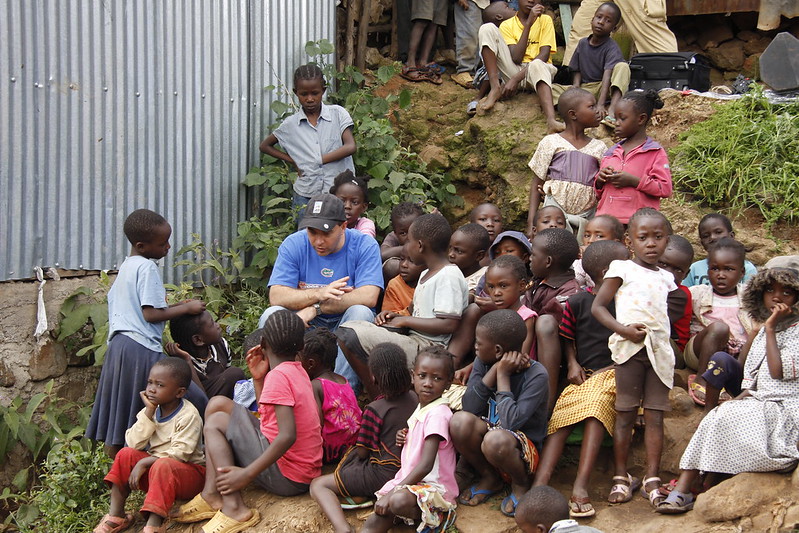
The Slums of KiberaKibera, located in Nairobi, Kenya, is one of the most prominent examples of the growing global housing crisis. This crisis is marked by a severe lack of infrastructure that impedes access to essential services like clean water and sanitation, perpetuating a cycle of poverty. According to Habitat for Humanity, at the moment, by the most conservative estimates, about 900 million people live in slums. Slums, by definition, are informal forms of settlement, leaving families to endure crucial living conditions to survive. Housing security is critical in mitigating poverty’s harsh effects, particularly in the sprawling slums of Kibera.
The Rise of Slums and the Impact

By 2030, projections suggest that one in four people worldwide will reside in slums, highlighting the extensive growth of such areas including Khayelitsha in Cape Town, South Africa and Dharavi in Mumbai, India. Kibera in Nairobi, Kenya, stands as the largest, housing 700,000 individuals according to Habitat for Humanity. The slum structures often lack adequate infrastructure, hindering equitable access to clean water, proper sanitation and hygiene. The resulting overcrowding and high-density conditions in these environments foster the rapid spread of airborne diseases caused by poor sanitation, severely impacting residents’ health.

The Kenyan government currently lacks a comprehensive plan to assist the slum dwellers in Kibera. Typically, the government sells this land to landlords, profiting at the expense of the residents. Historically, the government has failed to recognize these settlements officially and has even withheld funding for essential services. Consequently, charities and various nonprofit organizations bear the primary responsibility for addressing these ongoing issues.

Characteristics of Slums

Slums are settlements where housing fails to meet health, safety or building regulations. These areas feature homes that are unsafe and unhealthy, often lacking windows and constructed with dirt floors and materials unsuitable for sturdy walls or roofs. A critical issue within these slums is overcrowding, with families packed into cramped spaces. Residents in these areas endure life with limited access to essential services such as water, plumbing and electricity. Furthermore, issues with property rights persist, as slum dwellers typically have little to no control over the land they inhabit. 

Shining Hope for Communities

Shining Hope for Communities (SHOFCO) is a nonprofit organization based in Kibera that delivers transformative services to urban slum residents. These services include educational leadership, community advocacy and health and wellness. SHOFCO coordinates water, sanitation and hygiene education by uniting community health workers to spread safe wellness practices. The program ensures accessible and affordable sanitation and clean water. In 2016, SHOFCO introduced an aerial piping system that significantly increased clean water distribution in Kibera. This system now includes about 41 clean water kiosks that serve 37,541 users, providing them with an average of 200,000 liters of clean water daily.

Looking Ahead

Government infrastructure could play a critical role in addressing the housing crisis, especially in areas like the slums of Kibera. Supporting organizational ground-level efforts to provide more stable housing infrastructure is vital during government shortfalls. U.N. Habitat asserts that everyone has a fundamental human right to housing, ensuring access to a safe, secure, habitable and affordable home. This provision transcends mere shelter, enhancing economic and social opportunities for improved living conditions and a brighter future in regions such as Kibera.

– Dominic Samaniego

Dominic is based in Fullerton, CA, USA and focuses on Technology and Global Health for The Borgen Project.

Photo: Flickr

June 3, 2024
https://borgenproject.org/wp-content/uploads/borgen-project-logo.svg 0 0 Precious Sheidu https://borgenproject.org/wp-content/uploads/borgen-project-logo.svg Precious Sheidu2024-06-03 07:30:272024-06-01 13:44:12The Slums of Kibera
Global Poverty, Nonprofit Organizations and NGOs, Women's Empowerment

The Transformative Impact of Minga Peru in the Peruvian Amazon

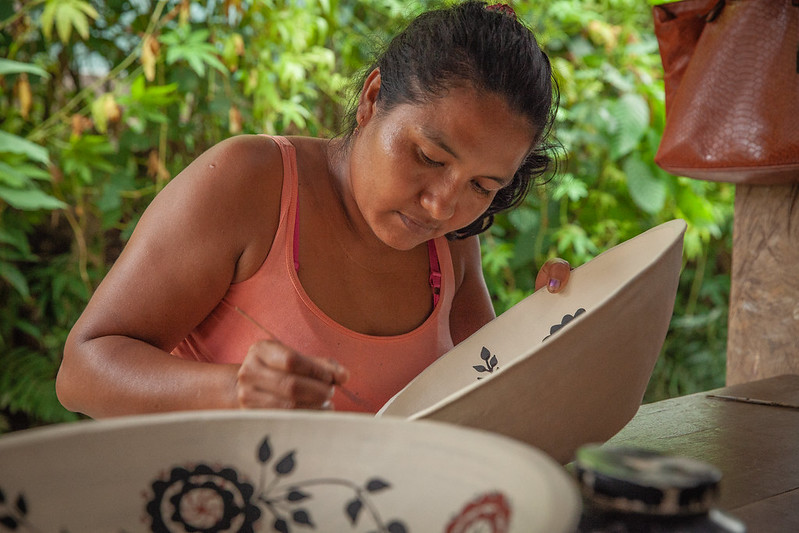
The Transformative Impact of Minga Peru in the Peruvian Amazon Minga Peru, a pioneering grassroots organization headquartered in Lima, is driving a remarkable transformation in the Peruvian Amazon. Founded in 1998 by Luis Gonzales and Eliana Elias, specialists in intercultural communication, the organization’s mission is deeply rooted in the Quechua concept of “minga” – a collective effort for the common good. This ethos guides its approach, which emphasizes empowering women as community leaders. Minga Peru focuses on the most marginalized communities in Latin America and the Caribbean (LAC), collaborating to foster social justice through gender equity, environmental stewardship and cultural identity preservation.

Challenges in Loreto

The Loreto region in the eastern Peruvian Amazon, home to a rich tapestry of indigenous cultures, confronts considerable challenges. High rates of poverty, disease and domestic abuse plague this largely inaccessible area. Women are disproportionately affected by these ongoing issues, suffering more significantly than their male counterparts.

Minga Peru’s Innovative Program

Minga Peru has launched innovative programs to tackle the challenges in the Loreto region. Among these, the “Bienvenida Salud” radio program stands out as a cornerstone initiative. Broadcasting since Minga Peru’s inception, it reaches more than 120,000 listeners per episode throughout the Amazon. The program addresses taboo topics such as domestic violence, HIV/AIDS, gender equality, human rights and biocultural preservation. It is highly interactive, engaging listeners through community feedback, questions via letters and direct interactions. To date, the program has received more than 40,000 confidential letters, underscoring its success in fostering community dialogue.

Empowering Women Leaders

Central to Minga Peru’s success is its focus on empowering women. By prioritizing women in its development model, the organization advances gender equality and social justice. Minga Peru trains women as “promotoras,” community leaders who spread crucial information and support their peers. These women receive comprehensive training in human rights, disease prevention, civic participation and environmental stewardship at Minga’s training center. After completing their training, promotoras return to their communities to educate and mobilize others, thereby amplifying the impact of their knowledge and empowerment.

Success Stories: Emira Montes Zuta

An inspiring example of Minga Peru’s impact is the journey of Emira Montes Zuta. Initially a listener of the Bienvenida Salud program, Emira became one of Minga Peru’s earliest promotoras. She now leads regionally, manages the radio, writes scripts and announces. Emira’s work reaches hundreds of thousands of listeners, promoting health, gender equality and social justice. Reflecting on her journey, Emira recalls, “The first time I participated in my village meeting, they introduced me as a community promotora… For everyone there it was very strange to see and hear a young woman talking about these topics in a village meeting… But eventually I was able to help the community on a voluntary basis.” Her story illustrates the transformative power of education and community support through Minga Peru.

Broader Impact and Recognition

Minga Peru plays a vital role in addressing critical health challenges in the region. The organization has educated 600 women on preventive measures and early detection of breast and cervical cancer, essential in areas with limited health care access where diseases often remain undiagnosed until advanced stages. Beyond individual impacts, Minga Peru has trained more than 1,200 promotoras. These leaders educate and mobilize networks across the Amazon, initiate community projects, secure local government funding and launch sustainable income initiatives like fisheries, agroforestry and handicrafts. Additionally, Minga Peru’s innovative solutions to human rights challenges in Latin America gained the organization finalist status in the Ashoka Changemaker competition.

Building a Sustainable Future

Minga Peru’s initiatives foster well-being, identity transformation and emotional recovery, thereby creating a supportive community environment. The Minga Tour, an educational tourism program, successfully promoted markets featuring locally-made artisanal products, boosting economic opportunities for the community. Through collaboration, education and empowerment, Minga Peru is not merely creating change but is building a future where every voice is heard and every community thrives. The organization is transforming the narrative for women in the Peruvian Amazon and paving the way for sustainable social justice.

– Malaikah Niyazi

Malaikah is based in Mumbai, India and focuses on Good News for The Borgen Project.

Photo: Flickr

June 1, 2024
https://borgenproject.org/wp-content/uploads/borgen-project-logo.svg 0 0 Precious Sheidu https://borgenproject.org/wp-content/uploads/borgen-project-logo.svg Precious Sheidu2024-06-01 01:30:242024-12-13 18:03:11The Transformative Impact of Minga Peru in the Peruvian Amazon
Child Marriage, Child Poverty, Children, Developing Countries, Global Poverty, Nonprofit Organizations and NGOs

Solutions in the Fight Against Child Marriage in Somalia

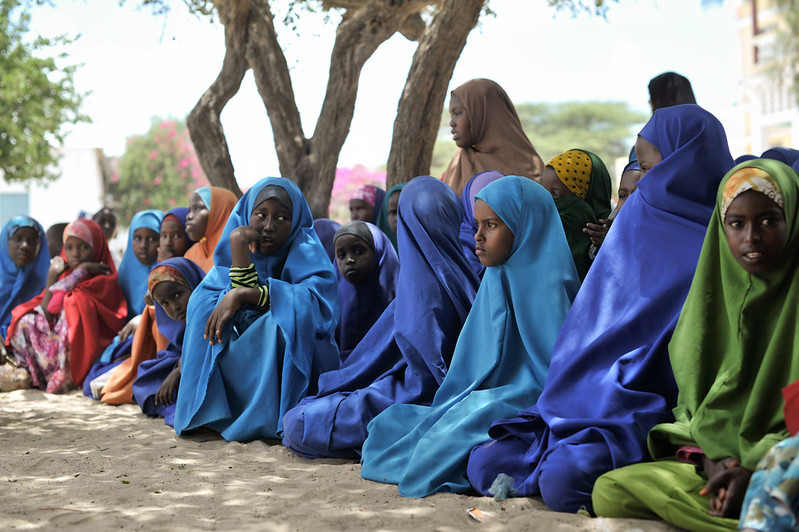
Child Marriage in SomaliaAbout 36% of girls in Somalia are married before the age of 18 and 17% are married before the age of 15. Child marriage is expected in a lot of underdeveloped countries and is often a direct product of poverty. Somalia’s government does not have a national strategy or action plan to help combat this issue.

Causes of Child Marriage

Girls Not Brides is a nongovernmental organization committed to action against child marriage by mobilizing communities and drafting solutions. According to the organization, high rates of child marriage can be attributed to many factors, including gender inequality. Somalian girls are often married young to protect family honor. The social norms in the country emphasize the protection of young girls before marriage.

These young women are married for increased protection measures, mitigating instances of sexual violence or abuse. However, gender inequality is only one small portion of a larger problem: poverty. Often, in times of crisis and disaster, families use child marriage as a solution to cope with severe economic hardship.

The European Civil Protection and Humanitarian Aid Operations, a commission that supports countries based on international humanitarian law, reports that at least 6.9 million individuals in Somalia need humanitarian aid this year alone. Nearly half of the population is in severe need. Child brides are one solution to cope with such hardship. Higher rates of child marriage are further exacerbated by food insecurity and droughts, among other significant issues that the county faces.

Government Action and Legislation

The Somali Ministry of Women and Family Affairs created legislation to protect children from marriage. One of these initiatives included the Child Rights Bill. The bill prohibits the marriage of young children and the abuse of children in any form.

Furthermore, the Ministry of Women and Human Rights Development has developed other laws currently in the drafting stage that aim to protect children and implement elements of the Convention on the Rights of the Child into Somalia’s national laws. Adopted in 1989, the Convention on the Rights of the Child is an expansive treaty on the social, political and cultural rights of children worldwide.

The Humanitarian Relief and Development Council

The Humanitarian Relief and Development Council is a nonprofit, woman-led organization in Somalia supporting women, children and other minority groups facing conflict, poverty, violence and injustice. The organization works directly on the ground to provide community-based mobilization campaigns to spread knowledge and awareness on the harmful effects of sexual gender-based violence and child marriage.

In addition, families also receive health insurance. The nonprofit prioritizes women and children, a vulnerable population, by mobilizing community members to raise their concerns to government officials.

Looking Ahead

According to the Sustainable Development Goals (SDGs), Somalia has committed to eradicating child marriage by 2030. According to Girls Not Brides, global progress varies by country. However, the practice continues to decline globally. The organization reports that around 68 million cases have been prevented in the last few years. Progress has been linked to socioeconomic status, meaning economic growth plays a key role in reducing rates of child marriage.

In conjunction with humanitarian aid organizations, government initiatives are one of the few solutions to stop this slowly but surely decreasing problem. Child marriage prevention in Somalia starts with ensuring the rights of children and supporting families in economic hardship.

– Dominic Samaniego

Dominic is based in Fullerton, CA, USA and focuses on Good News and Technology for The Borgen Project.

Photo: Flickr

May 27, 2024
https://borgenproject.org/wp-content/uploads/borgen-project-logo.svg 0 0 Lynsey 2 https://borgenproject.org/wp-content/uploads/borgen-project-logo.svg Lynsey 22024-05-27 01:30:512024-05-26 09:06:54Solutions in the Fight Against Child Marriage in Somalia
Aid, Global Poverty, Nonprofit Organizations and NGOs

The Work of The British Red Cross in Afghanistan

British Red Cross In AfghanistanConsidered one of the poorest countries in the world, Afghanistan is facing a rising humanitarian crisis characterized by ongoing conflict and violence, food insecurity exacerbated by El Niño, displacement of people and economic decline. Ultimately, poverty in Afghanistan is further exacerbated by the ongoing conflict and natural disasters, which leave many Afghans displaced. One major factor that has worsened poverty in Afghanistan has been the high prevalence of earthquakes, which has created instability, destruction and even death.
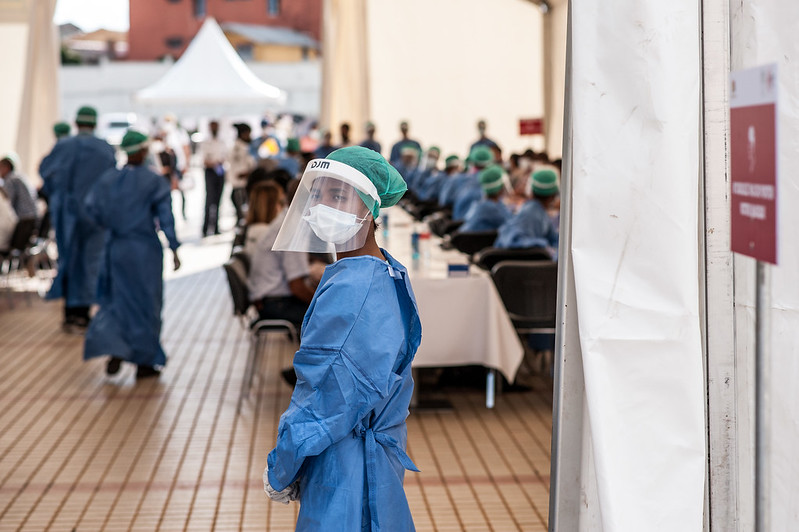
Ultimately, this has contributed to the collapse of Afghanistan’s health care systems at a time when Afghans need it the most. According to the United Nations Development Programme (UNDP), more than 34 million Afghans live in poverty. As a result of a rapid increase in the crisis in Afghanistan due to the security crisis, 23.7 million Afghans will require emergency assistance to survive in 2024.

For more than 30 years, the British Red Cross has been aiding Afghanistan through crises by responding to conflicts, natural disasters and individual emergencies. A part of a global volunteer network, the charity aids Afghans by helping them prepare for and withstand emergencies in their communities. Following is how the British Red Cross is aiding Afghanistan through times of crisis.

Support for Individuals Affected by Earthquakes

The humanitarian crisis in Afghanistan has become one of the world’s most severe. A country riddled with many burdens, one major hazard for the people of Afghanistan is earthquakes, which the government cannot compensate for due to a high prevalence of poverty. Statistics show that in 2016, more than 56% of Afghanistan’s population lived below the national poverty line; there is no doubt that the presence of frequent earthquakes has had a detrimental effect on the lives of many poverty-stricken Afghans.

In 2023, four large earthquakes measuring a magnitude of 6.3 each struck Afghanistan, claiming more than 2,000 lives, injuring 9,240 and seriously damaging and destroying 1,320 homes. In addition, hospitals have been overwhelmed, education has been interrupted due to school closures and vital resources have become scarce. Ultimately, this has resulted in the need for emergency humanitarian assistance for Afghans who have been injured and displaced.

In response, the British Red Cross is providing emergency resources for people affected by earthquakes. Providing Afghans with vital resources has enabled them to feel secure once again. The charity has provided 10,000 blankets, 4,000 tarpaulins, 6,000 jerrycans and food parcels for 2,000 households. In addition, local Afghan Red Crescent teams responded to the emergency immediately by helping with search and rescue, providing continuous aid to those seriously affected by earthquakes. Long-term support, especially for women and girls, is also provided.

Providing Medical Care

While health care in Afghanistan has always been scarce, recent statistics show that due to factors such as conflict as well as the devastating effects of earthquakes, there has been an alarming increase in the need for humanitarian aid in Afghanistan. Challenges in the health care system include a shortage of professionals, limited supplies and difficulty reaching remote and conflict-ridden areas.

As a direct result of underfunding in the health care system, eight million Afghans will lose access to life-saving health care, nearly 450,000 will lose access to life-saving trauma care and more than 1.6 million will have little to no access to mental health care and psychological support. This is detrimental as the recent effects of conflict have caused a spike in the need for health care.

In response, the British Red Cross has established 140 health teams in collaboration with other nonprofits, reaching nearly 330,000 people nationwide. These teams have provided health care services, such as routine immunizations, in areas other organizations cannot reach.

Looking Forward

Factors such as earthquakes and conflict and an underfunded health care system make it evident that Afghans still struggle to afford medicine and transportation to reach health services. The humanitarian crisis in Afghanistan necessitates continuous support from organizations to keep Afghans safe and healthy. With support from the British Red Cross, millions of Afghans have begun to rebuild their lives through the emergency aid provided by the organization. Despite these efforts, conflict and environmental disturbances remain severe issues for the people of Afghanistan.

– Emily Whatley

Emily is based in Truro, UK and focuses on Good News and Global Health for The Borgen Project.

Photo: Flickr

May 26, 2024
https://borgenproject.org/wp-content/uploads/borgen-project-logo.svg 0 0 Lynsey 2 https://borgenproject.org/wp-content/uploads/borgen-project-logo.svg Lynsey 22024-05-26 01:30:382024-05-25 10:31:19The Work of The British Red Cross in Afghanistan
Global Poverty, Health, Nonprofit Organizations and NGOs

5 Organizations Advancing Health Care in Madagascar

Health Care in MadagascarHealth care in Madagascar faces significant challenges due to a high poverty rate of more than 75%. The primary concerns are infectious diseases, malnutrition and the environment. Madagascar is currently in a malaria epidemic, particularly in rural coastal areas that experience flooding, which leads to an increase in the mosquito population.
Furthermore, approximately 1.31 million people in Madagascar face high levels of food insecurity and 40% of children face chronic malnutrition. This is often because of natural disasters such as droughts, hurricanes and floods, which negatively impact agriculture growth, increase food prices and loss of jobs, as 80% of the population’s primary source of income is agriculture. Despite these challenges, here are five organizations that are helping advance health care in Madagascar.

The Improved Nutritional Outcomes Project

This organization, established by the United Nations Children’s Fund (UNICEF), provides free health care to mothers and children in Ambositra, a rural area of Madagascar where the nearest health center is often two kilometers away or farther. It has hired 11,000 community health workers to provide care at community sites.

A community worker is a volunteer who promotes health in a village and monitors the health of pregnant, postpartum or breastfeeding mothers. They also track the health of children aged less than 5 by weighing, measuring and diagnosing malnutrition. Community workers also treat children diagnosed with malnutrition and mild diseases; however, in severe and more complicated cases, they transfer children to the nearest health center. The volunteers also promote nutrition education in the communities.

WHO Mobile Health Clinics

The World Health Organization (WHO) uses mobile clinics and epidemiologists to help provide free health care to remote areas. The mobile health clinics provide health services such as vaccinations, medications (for diarrheal diseases, malaria, cholera and more) and health kits. After the devastation of the 2022 hurricane season in Madagascar, the global charity built a storage warehouse for medication to help prevent a repeat of the disaster. It is helping strengthen the country’s preparedness in case of emergencies while simultaneously improving the primary health care structure of Madagascar.

PIVOT

PIVOT is a nongovernmental organization (NGO) that has partnered with Madagascar’s Ministry of Public Health to help improve the health care system in the Ifanadiana district. This charity aims to eventually scale up and provide universal health care to Madagascar and other countries. It works by collecting and analyzing data, identifying gaps in health care and implementing a science-based solution. It employs social workers, doctors, nurses, midwives and other health staff.

PIVOT started in the Ifanadiana district, home to more than 200,000 people and incredibly isolated by mountainous terrain. The nonprofit chose this location because of the more than doubled maternal and less than 5 mortality rates compared with the national estimate. The organization uses a data-driven strategy to create a resilient health care system that can address the community’s immediate needs while also building its long-term goal of gaining trust within a community that once viewed hospitals as where people went to die.

Since its start in 2014, it has brought universal health coverage to 95,000 people in seven communities. It continues to advocate for free universal health care, decent wages for health workers and science-focused solutions in Madagascar.

ACF or Action Against Hunger

This organization was started in 1979 as an international nongovernmental organization used to fight hunger. Currently, it is in Madagascar in response to the severe droughts and cyclones in the Southeast regions and the worsening nutritional and food situation in the Grand Sud. With the help of its partners, Action Contre la Faim (ACF) is implementing an emergency intervention and development strategy. This will include medical and malnutrition support, such as creating mobile health teams to address acute malnutrition, childhood illnesses, gender-based violence and psychosocial support.

The nonprofit will also rebuild the water supply and provide drinking water with tanker trucks. Next, it will provide 80,000 people with emergency food aid through cash transfers. Finally, agricultural recovery will be supported for next season’s harvest and a crisis exit strategy will be implemented to help anticipate crises like hurricanes and floods. At the same time, ACF is also doing multiple developmental programs to help support the health system, reducing chronic malnutrition in children aged less than 5 and enhancing food security in Madagascar. An example is the CONFLUENCES 2 Project, which supports the health system in the Atsimo-Andrefana region of Grand Sud.

CARE International

CARE International first arrived in Madagascar in 1992 to reduce poverty. One of its key programs focuses on the right to health. This program aims to enable 50 million people to exercise their right to health and dignity by 2030. It emphasizes building equitable and resilient health care systems that can resist and respond to shocks and crises.

CARE International takes an equity and rights-based approach to advancing health systems by collaborating with community groups, leaders and health authorities. It emphasizes supporting marginalized groups, increasing access to quality health care in Madagascar and being prepared to respond to public health emergencies.

CARE International also promotes vaccinations with its Fast and Fair Vaccine campaign. It has successfully vaccinated 126 million people while informing 263 million people about accurate vaccination information.

Conclusion

Madagascar’s health care system still faces significant challenges in achieving affordable and effective medical services, yet the efforts of these five organizations could one day enable health care in Madagascar to provide accessible and high-quality medical care to all its citizens.

– Gabrielle Schwartz

Gabrielle is based in Pembroke Pines, FL, USA and focuses on Global Health for The Borgen Project.

Photo: Flickr

May 23, 2024
https://borgenproject.org/wp-content/uploads/borgen-project-logo.svg 0 0 Lynsey 2 https://borgenproject.org/wp-content/uploads/borgen-project-logo.svg Lynsey 22024-05-23 07:30:032024-05-23 01:17:445 Organizations Advancing Health Care in Madagascar
Global Health, Global Poverty, Nonprofit Organizations and NGOs

How International Child Care is Transforming Lives in Haiti

International Child Care Transforms Lives in HaitiInternational Child Care, a nonprofit organization, is committed to enhancing the lives of children and families in Haiti’s vulnerable communities. Working collaboratively with local governments, organizations and communities, to provide a holistic approach to tackle issues like child health, education, nutrition and protection. International Child Care aims to break the cycle of poverty and create sustainable change in the long term, through its programs, grassroots efforts and advocacy work.

Since 1967, International Child Care has dedicated itself to transforming the lives of Haiti’s children and families through various programs centered on health and wellness. With one in 11 children dying before the age of 5 due to malnutrition and disease, the organization prioritizes health care and empowerment. Its programs aim to prevent illness, promote health and facilitate restoration.

Grace Children’s Hospital

Grace Children’s Hospital, operated by International Child Care, is Haiti’s premier medical facility, serving about 400 patients daily. It features both inpatient and outpatient clinics. The inpatient clinic, staffed entirely by Haitian professionals, provides essential care for children facing various health issues, including malnutrition, tuberculosis, HIV/AIDS and general health care needs, as well as maternal health services. Children typically stay for three months, during which they receive comprehensive medical care, nutritious meals and support from nurses’ aides. Some children, as they begin to recover, have the opportunity to attend school at the hospital, often receiving their first formal education.

The outpatient clinic at Grace Children’s Hospital delivers essential health care services to the local community, offering treatments and support for conditions such as tuberculosis in children and adults, HIV/AIDS, as well as providing eye exams, reproductive health care, nutrition advice and pediatric care. The hospital’s pharmacy ensures that patients receive the necessary medications. Additionally, the hospital operates the Urban Community Health program, which delivers health care services directly to residents of Port-au-Prince and its tent cities. Committed to the community’s health and well-being, the hospital guarantees care for all patients, regardless of their ability to pay.

Integrated Community Health

International Child Care operates Integrated Community Health programs that significantly impact vulnerable communities in Haiti by empowering residents to enhance their health and well-being. The organization partners with local communities to provide education and promote health and wellness, equipping them with the necessary knowledge and resources to fight disease and malnutrition. Through initiatives such as immunization and child health clinics, these programs extend aid to even the most remote areas. Emphasizing grassroots participation, the program aims to guide and lead communities toward improved health outcomes.

Education Programs

International Child Care actively combats poverty in Haiti by emphasizing education alongside health care. The organization operates a simulation laboratory (SimLab) and training center that offers hands-on experience to students, nurses and health care workers. These facilities equip them with the skills necessary to provide high-quality care to children and families in Haiti, allowing them to practice crucial skills in a controlled environment where mistakes carry no severe consequences. Funded by the United Methodist Women, the SimLab features CPR manikins for infants, children and adults, French-speaking automated external defibrillators (AEDs) for rapid response training in cardiac emergencies and specialized training provided by U.S. volunteers, including nurses and doctors. These educational programs ensure health care workers are well-prepared to meet the health care needs of Haitian communities.

Looking Forward

International Child Care continues to make strides in fostering sustainable health and education solutions for Haiti’s most vulnerable. By providing comprehensive care and education through initiatives like Grace Children’s Hospital and the Integrated Community Health programs, the organization plays a critical role in breaking the cycle of poverty. These ongoing efforts not only enhance immediate health outcomes but also build the foundation for long-term community resilience and empowerment.

– Isabella Green

Isabella is based in Aylesbury, UK and focuses on Good News for The Borgen Project.

Photo: Flickr

May 16, 2024
https://borgenproject.org/wp-content/uploads/borgen-project-logo.svg 0 0 Precious Sheidu https://borgenproject.org/wp-content/uploads/borgen-project-logo.svg Precious Sheidu2024-05-16 01:30:352024-05-15 22:34:03How International Child Care is Transforming Lives in Haiti
Children, Education, Global Poverty, Nonprofit Organizations and NGOs

Working to Educate Impoverished Children in Moldova

3 Initiatives Aim to Educate Impoverished Children in MoldovaMoldova, nestled between Romania and Ukraine in Eastern Europe, faces significant challenges with more than 30% of its population living below the poverty line. Impoverished children in Moldova are particularly vulnerable, suffering from limited access to essential services and viable economic opportunities. To combat these issues, several international efforts focus on enhancing educational opportunities for these children. Initiatives by the Global Partnership for Education, Education Out Loud and the Education Quality Improvement Project aim to transform the educational landscape, providing the resources and support needed to lift Moldova’s children out of poverty through improved access to quality education.
Child Poverty in Moldova

More than 25% of Moldova’s population lives below the poverty line, with nearly one-third of this group being children. These children face numerous challenges including vulnerability to health risks from poor sanitation and inconsistent medical treatment. Additionally, despite measures to protect children, child labor remains prevalent, exposing working children to unsafe conditions and exploitation. This issue is particularly acute among minorities, such as Romani children and refugees. Furthermore, young girls face significant risks of child marriage and trafficking, with nearly one in five marrying before the age of eighteen.

Poverty significantly impacts a child’s access to education in Moldova, as unmet basic needs make education a lower priority. Humanium reports that almost one in 10 Moldovan children do not attend school, a rate that has risen recently due to the dependency of school attendance on family economic stability. The organization also notes that schools often lack necessary supplies. Additionally, the infrastructure for education is deprioritized and teachers frequently lack adequate training and credentials to provide quality education. This cycle not only stems from poverty but also perpetuates it by denying impoverished children access to education.

3 Initiatives Promoting Education

  1. Global Partnership for Education (GPE). Several initiatives, including the Global Partnership for Education (GPE), are actively working to improve Moldova’s basic education deficit. GPE’s goals are to expand access to education, ensure its relevance and develop, support and motivate teachers to provide quality education. It recognizes that proper education is crucial for enhancing children’s quality of life and preparing them for a successful future. The primary challenge in Moldova is a lack of funds. GPE has allocated a $23.5 million grant to be used through innovative financing strategies, which involve smart resource distribution. This funding encourages greater teacher involvement, enhances access to electronics and modern educational tools, establishes a more effective evaluation and monitoring system and includes educational programs for parents as well as their children.
  2. Education Out Loud. Education Out Loud, employing a budget of nearly $3,000, is similarly enhancing Moldova’s education system. This initiative, led by the Alliance of Active NGOs in the field of Child and Family Social Protection (APSCF), aims to fortify a capable and ready civil society that contributes effectively to the creation of inclusive and gender-responsive policies. A significant portion of this fund emphasizes strengthening inclusivity. It also ensures equitable access to education for impoverished children in Moldova and embraces diversity. The project supports policy development, raises awareness, fosters mentorship programs and amplifies the voices of stakeholders. Specifically, it targets advocacy efforts for children with disabilities and other minority groups.
  3. The Education Quality Improvement Project (EQIP). The EQIP project, with a budget of approximately $60 million from multiple grants, collaborates with the World Bank Group to enhance education through digitalization, increasing its resilience. It focuses on marginalized youths, including refugees and displaced Ukrainian children, aiming to provide them with equal opportunities. This goal could be realized by enhancing teacher practices, implementing a learning recovery program for disadvantaged students, improving the learning environment in targeted schools and preschools and developing institutional capacity to design, implement and evaluate education reforms and refugee response interventions.

Looking Ahead

Moldova’s commitment to enhancing educational opportunities through these initiatives sets a hopeful trajectory for its future. By prioritizing inclusive and quality education, Moldova is building a foundation that promises to lift children out of poverty and equip them with the tools necessary for long-term success. These ongoing efforts, aimed at breaking the cycle of poverty, hold the potential to transform the lives of thousands of children, ensuring a brighter and more prosperous future for the nation.

– Anna Williams

Anna is based in Burlington, VT, USA and focuses on Good News and Global Health for The Borgen Project.

Photo: Flickr

May 15, 2024
https://borgenproject.org/wp-content/uploads/borgen-project-logo.svg 0 0 Precious Sheidu https://borgenproject.org/wp-content/uploads/borgen-project-logo.svg Precious Sheidu2024-05-15 01:30:512024-05-15 01:28:51Working to Educate Impoverished Children in Moldova
Aid, Child Poverty, Global Poverty, Nonprofit Organizations and NGOs

How ChildFund Supports Impoverished Korean Children

How ChildFund Supports Impoverished Korean ChildrenChildFund’s support for impoverished Korean children aims to address the broader socio-economic challenges faced by a country that has undergone dramatic transformations. South Korea, officially known as the Republic of Korea, is situated in East Asia with its capital in Seoul and a population of approximately 51.53 million. In the early 1960s, following the Japanese occupation and the Korean War, South Korea was one of the world’s poorest countries with a GDP per capita below $100. Since then, South Korea’s economy, once primarily dependent on agriculture, has experienced significant growth.

By 2022, South Korea’s GDP per capita soared to $32,423, substantially higher than the international average of $12,703. Although South Korea ranks as the 13th largest economy globally and is a member of the Organization for Economic Cooperation and Development (OECD), challenges such as child poverty persist. This highlights the importance of ChildFund’s efforts to support and uplift the lives of impoverished children, ensuring that economic advancements reach all segments of society, particularly the vulnerable youth.

Children’s Well-being and Poverty in South Korea

In its studies on child well-being, the OECD discovered that 7.1% of South Korean children are at risk of relative income poverty, which is below the OECD average of 13.4%. However, a national survey using the Child Deprivation Index revealed that about 10% of South Korean children lived in poverty in 2018. This statistic suggests that official poverty rates for Korean children, typically based solely on household income, may lack broader context and thus report a lower figure of about 5%.

ChildFund Korea’s Domestic Efforts

ChildFund, established in 1938, works globally to improve the living conditions of impoverished children. Its Korean branch has been active since 1948, focusing on preserving children’s rights through various projects centered on survival, protection, development and participation. In South Korea, ChildFund aids impoverished children by providing essential childcare, covering living expenses and offering medical support. The organization supports low-income families by providing daycare services for immigrant parents and covering essentials such as diapers and groceries. For protection rights, the organization operates Green Umbrella Shelters, which offer a safe space for children facing physical and emotional abuse, providing access to counseling and medical care.

ChildFund provides social welfare centers across South Korea that help communities’ adults and elders protect children. Addressing the right to development, the organization funds educational needs for impoverished Korean children, including textbooks, school uniforms, music lessons and sports coaching. ChildFund Korea also promotes children’s right to participate by involving them in research groups and roundtable discussions, amplifying their perspectives on children’s rights.

ChildFund’s International Outreach

The organization extends its efforts beyond South Korea, assisting children in developing countries, low-and-middle-income nations and impoverished Korean children residing in North Korea, or the Democratic People’s Republic of Korea, providing childcare, emergency relief and medical support. Besides direct aid, ChildFund Korea also advocates for children’s rights legislation, aiming to improve the lives of impoverished Korean children both within South Korea and globally.

Looking Ahead

ChildFund Korea’s commitment to nurturing the well-being of impoverished children is poised to generate substantial improvements in their lives and communities. By continuing to expand its educational and health care initiatives, the organization aims to empower the next generation of South Koreans. These ongoing efforts, coupled with the ongoing advocacy for children’s rights, are crucial for building a more equitable and prosperous society.

– Estelle Lee

Estelle is based in Seattle, WA, USA and focuses on Good News for The Borgen Project.

Photo: Flickr

May 13, 2024
https://borgenproject.org/wp-content/uploads/borgen-project-logo.svg 0 0 Precious Sheidu https://borgenproject.org/wp-content/uploads/borgen-project-logo.svg Precious Sheidu2024-05-13 01:30:302024-05-13 00:48:27How ChildFund Supports Impoverished Korean Children
Page 21 of 60«‹1920212223›»

Get Smarter

  • Global Poverty 101
  • Global Poverty… The Good News
  • Global Poverty & U.S. Jobs
  • Global Poverty and National Security
  • Innovative Solutions to Poverty
  • Global Poverty & Aid FAQ’s
Search Search

Take Action

  • Call Congress
  • Email Congress
  • Donate
  • 30 Ways to Help
  • Volunteer Ops
  • Internships
  • Courses & Certificates
  • The Podcast
Borgen Project

“The Borgen Project is an incredible nonprofit organization that is addressing poverty and hunger and working towards ending them.”

-The Huffington Post

Inside The Borgen Project

  • Contact
  • About
  • Financials
  • President
  • Board of Directors
  • Board of Advisors

International Links

  • UK Email Parliament
  • UK Donate
  • Canada Email Parliament

Get Smarter

  • Global Poverty 101
  • Global Poverty… The Good News
  • Global Poverty & U.S. Jobs
  • Global Poverty and National Security
  • Innovative Solutions to Poverty
  • Global Poverty & Aid FAQ’s

Ways to Help

  • Call Congress
  • Email Congress
  • Donate
  • 30 Ways to Help
  • Volunteer Ops
  • Internships
  • Courses & Certificates
  • The Podcast
Scroll to top Scroll to top Scroll to top