• Link to X
  • Link to Facebook
  • Link to Instagram
  • Link to TikTok
  • Link to Youtube
  • About
    • About Us
      • President
      • Board of Directors
      • Board of Advisors
      • Financials
      • Our Methodology
      • Success Tracker
      • Contact
  • Act Now
    • 30 Ways to Help
      • Email Congress
      • Call Congress
      • Volunteer
      • Courses & Certificates
      • Be a Donor
    • Internships
      • In-Office Internships
      • Remote Internships
    • Legislation
      • Politics 101
  • The Blog
  • The Podcast
  • Magazine
  • Donate
  • Click to open the search input field Click to open the search input field Search
  • Menu Menu

Archive for category: Human Rights

Information and stories about human rights.

Developing Countries, Global Poverty, Health, Human Rights

Life in US-Mexico Border Camps

border campsThe United States’ Migrant Protection Protocols (MPP) program, better known as “Remain in Mexico,” is a policy that requires those seeking asylum within the United States entering from the southern border to wait outside of the United States in Mexico while their cases are reviewed by immigration judges. Since its implementation in January 2016, this policy has led to the build-up of camps of asylum seekers around Mexico. These U.S.-Mexico border camps are ridden with crime, disease and other dangers.
Rampant Crime in US-Mexico Border Camps

The NGO, Human Rights First, has reported more than 1,314 cases of rape, kidnapping, murder, torture and other violent crimes against migrants forced to return to Mexico. Of those cases, 318 have been kidnappings or attempted kidnappings of children. Rampant police corruption in border cities means nothing is done to protect migrants. Crimes including extortion, assault and sexual harassment have all been reported against members of the Mexican police. These reports come from individual interviews held by Human Rights First in order to determine the scale of crime within migrant camps. Given that about 55,000 individuals have been returned to Mexico as part of the Migrant Protection Protocols program, the organization believes that those 1,314 cases are only the tip of the iceberg when it comes to violent crime in U.S.-Mexico border camps.

The Dangers of Mexican Regions

The United States Department of State periodically releases travel advisories on countries and regions throughout the world to warn citizens of dangers they may face when traveling there. This includes the Mexican state of Tamaulipas, Matamoros, a hotspot for gathering migrants awaiting entrance into the United States. Thousands of migrants, returned to Mexico by immigration officials to await their trials, live in tented border camps in a place that the United States considers dangerous. This has led to scrutiny by organizations such as the American Civil Liberties Union (ACLU) for endangering asylum seekers by sending them to places that the United States admits are dangerous.

Vulnerable Populations in Camps

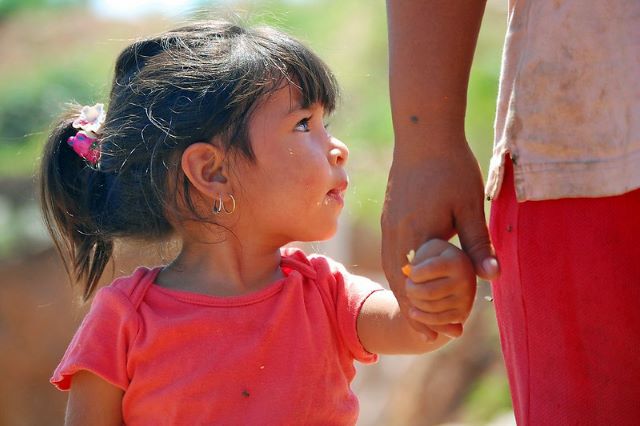
Despite the fact that vulnerable populations are supposed to be exempt from the “Remain in Mexico” program, many individuals that should not have been sent back have shown up in U.S.-Mexico Border camps. The period from the programs start through June 2019 saw 13 pregnant women and 4,780 children sent to await their trials in Mexico according to Human Rights Watch. Human Rights Watch also reports that people genuinely afraid of returning to Mexico, including kidnapping and assault victims, have been denied exemption from the Migrant Protection Protocols program and were sent back across the border anyway. Human Rights Watch, the ACLU, Human Rights First and others, have all found that people including the disabled, the young, the sick and members of the LGBTQ+ community, have all been sent back to Mexico despite qualifying for an exemption from the policy.

Unsanitary Conditions Spread Disease

The unsanitary conditions along the U.S.-Mexico border have led to diseases spreading among migrants. Reportedly, there is little clean water and migrants often bathe in the Rio Grande River, which is known for containing E. coli, other bacteria and human feces. Few cases of COVID-19 have been officially recorded. However, with border camps’ proximity to COVID-19 hotspots both in the U.S. and Mexico, there is likely an abundance of unknown cases.

NGOs Assist Migrants

Immigration to the United States has basically come to a complete standstill as the border between the two countries has remained closed throughout the course of the pandemic. Because of this, NGOs have gone into border camps in order to assist those in need. The UNHRC has set up hand-washing stations and isolation areas in some migrant camps. It has also provided cash relief to migrants who have lost jobs due to the pandemic. Other organizations like Global Response Management and  Doctors Without Borders have provided medical assistance by building medical centers, distributing PPE and providing medical treatment for those infected with COVID-19.

The United States Migrant Protection Protocols, or the “Remain in Mexico” policy, has without a doubt led to an increase in concerns for the health and safety of people along the U.S.-Mexico border. Now, with the COVID-19 pandemic bringing the already slow asylum process to a standstill, poverty and disease has spread throughout these camps. However, NGOs like the UNHRC have been stepping up and providing assistance to those most in need.

– Aidan Sun
Photo: Flickr

December 17, 2020
https://borgenproject.org/wp-content/uploads/borgen-project-logo.svg 0 0 Yuki https://borgenproject.org/wp-content/uploads/borgen-project-logo.svg Yuki2020-12-17 01:55:392024-05-30 07:53:22Life in US-Mexico Border Camps
Child Poverty, Global Poverty, Human Rights, Refugees, Refugees and Displaced Persons, Women and Children

How Militarism Drives Child Poverty in Eritrea

Child Poverty in Eritrea
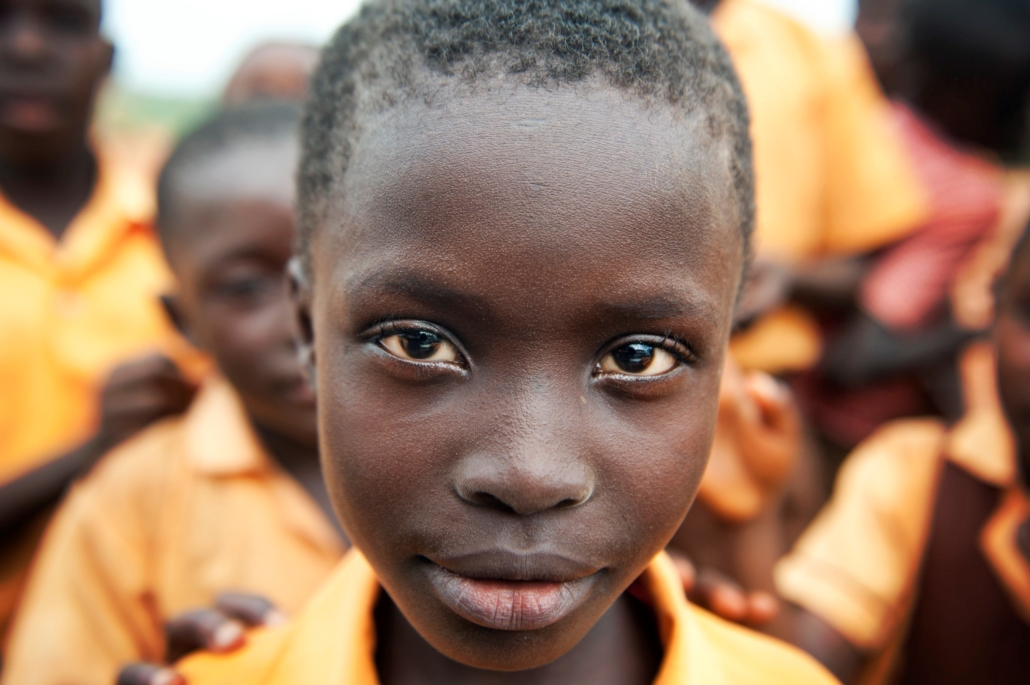
Militarism and instability are endemic to Eritrea. The degradation of civil society is a result of those two factors. Child poverty in Eritrea is rampant due to such foundations; however, the country is not without benefactors. UNICEF’s aid efforts are improving children’s health within Eritrea despite the current conditions.

A Brief History

Eritrea is one of the few countries that one can truly consider a fledgling state in the 21st century. After a decades-long secession war, the Eritrean government achieved full independence from Ethiopia in 1993. They solidified the totalitarian one-party dictatorship that has retained power since. A brief period of peace followed, during which promised democratic elections never materialized. Then, Eritrea’s unresolved border disputes with Ethiopia escalated into a war that lasted from 1998 to 2000. It killed tens of thousands and resulted in several minor border changes and only formally ended in 2018. In the wake of this war, the Eritrean government has sustained a track record of militarization, corruption and human rights violations that has continually degraded civil stability. As of 2004, around 50% of Eritreans live below the poverty line.

Eritrea’s Youth at a Glance

Housing around 6 million people, Eritrea’s youth make up a significant proportion of its population. Eritrea has the 35th highest total fertility rate globally, with a mean of 3.73 children born per woman. It also has the 42nd lowest life expectancy at birth at a mere 66.2 years, with significant variation between that of males (63.6 years) and females (68.8 years).

Forced Conscriptions of Children

Under the guise of national security against Ethiopia, Eritrea has maintained a system of universal, compulsory conscription since 2003. This policy requires all high school students to complete their final year of high school at Sawa, the country’s primary military training center. Many are 16 or 17 years of age when their conscription begins, which led the U.N. Commission of Inquiry to accuse Eritrea of mobilizing child soldiers.

The Human Rights Watch’s (HRW) report also blamed Eritrea’s conscription practices for a number of grievances. Its prolonged militarization has wide-reaching effects on the country. Many adults end up in service against their will for up to a decade, but it is particularly damaging to Eritrean youth. Students at Sawa face food shortages, forced labor and harsh punishment. Many female students have reportedly suffered sexual abuse. Besides fleeing, “Many girls and young women opt for early marriage and motherhood as a means of evading Sawa and conscription.”

Further, “The system of conscription has driven thousands of young Eritreans each year into exile,” HRW claimed. HRW estimated that around 507,300 Eritreans live elsewhere. Because of its conscription practices, Eritrea is both a top producer of refugees and unaccompanied refugee children in Europe, resulting in child poverty in Eritrea as well as other regions.

Education Access

HRW claims that Eritrea’s education system plays a central role in its high levels of militarization. It leads many students to drop out, intentionally fail classes or flee the country. This has severely undermined education access and inflated child poverty in Eritrea.

Eritrea currently has the lowest school life expectancy – “the total number of years of schooling (primary to tertiary) that a child can expect to receive” – of any country. Eritrea has reportedly made strides to raise enrollment over the last 20 years. However, 27.2% of school-aged children still do not receive schooling, and the country retains a literacy rate of only 76.6%. Illiteracy is much more prevalent among females than among males, with respective literacy rates of 68.9% and 84.4%. In general, girls and children in nomadic populations are the least likely to receive schooling.

Refugees and Asylum-Seekers

As mentioned earlier, more than half a million Eritreans have fled the country as refugees. Around one-third of them – about 170,000, according to the World Health Organization (WHO) – now live in Ethiopia. A majority reside in six different refugee camps. As of 2019, around 6,000 more cross the border each month. Reporting by the UNHCR shows that “children account for 44% of the total refugee population residing in the [Eritrean] Camps, of whom 27% arrive unaccompanied or separated from their families.” Far from being ameliorated by domestic education programs, child poverty in Eritrea is merely being outsourced to its neighbors.

Children’s Health as a Site for Progress

Adjacent to these issues, UNICEF’s programs have driven significant improvements in sanitation, malnutrition and medical access. Its Health and Nutrition programs, among other things, address malnutrition by administering supplements, preventing maternal transmission of HIV/AIDS during birth and administering vaccines. Teams in other departments improve sanitation and lobby against practices like child marriage and female genital mutilation.

In its 2015 Humanitarian Action for Children report on Eritrea, UNICEF wrote that Eritrea “has made spectacular progress on half the [Millennium Development Goals],” including “Goal 4 (child mortality), Goal 5 (maternal mortality), Goal 6 (HIV/AIDs, malaria and other diseases) and is on track to meet the target for access to safe drinking water (Goal 7).”

Figures illustrate this progress in child poverty in Eritrea. Since 1991, child immunization rates have jumped from 14% to 98%, safe water access rates are up at 60% from 7%, iodine deficiency has plummeted from 80% to 20% in children and the under-five mortality rate sits at 63 deaths per 1000 births, rather than at 148.

Child poverty in Eritrea is a far cry from reaching a resolution, but it is not a lost cause.

– Skye Jacobs
Photo: Flickr

December 3, 2020
https://borgenproject.org/wp-content/uploads/borgen-project-logo.svg 0 0 Lynsey Alexander https://borgenproject.org/wp-content/uploads/borgen-project-logo.svg Lynsey Alexander2020-12-03 01:30:332024-05-30 07:55:44How Militarism Drives Child Poverty in Eritrea
Global Poverty, Human Rights

Tanzanian Government Re-Elects President Magufuli

Tanzanian GovernmentOn October 23, 2020, Senator Mendez issued S. Res. 756, urging the Tanzanian Government to protect democracy in the wake of its upcoming election. The text outlines multiple infringements on the media since President John Magulifi was elected for the first time in 2015. Repressive laws such as the Media Services Act of 2016 and the Electronic and Postal Communications (Online Content) Regulations Act of 2020 have curbed expression in the country.
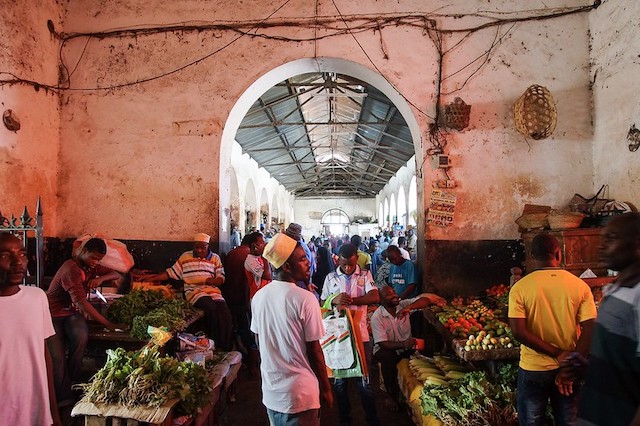
Such laws have translated into multiple arrests and penalizations for journalists and bloggers who publish information deemed “biased” by the Ministry of Information. Headlines were made last year when two independent journalists, Erick Kabendera and Joseph Gandye, were arrested after opening reports into corruption in the government.

Tanzanian Government’s Coronavirus Response

The repression of free speech has become even more alarming during the pandemic. “Access to information is an essential part of the fight against COVID-19, yet the Tanzanian government is choosing to censor journalists and media outlets who report on the disease,” said Deprose Muchena, Amnesty International’s Director for East and Southern Africa.

According to the World Health Organization, the Tanzanian Government has not reported a single case of Coronavirus since April. North Korea is the only other country that has not provided data. Back in June, the President spoke of the power of prayer in eliminating the virus at a Church Service. “Corona in our country has been removed by the powers of God,” said Magufuli. Since the beginning of the virus, the President has fired health officials who issued warnings, suggested against the use of masks. Furthermore, he has supported an unproven herbal drink from Madagascar as a cure. The International community was quick to criticize the Tanzanian Government for denying the spread of the virus.

In July, journalist Ruud Elmendorp reported from inside the city of Dar es Salaam, Tanzania. Elmendorp spoke with multiple locals who believed that there was no virus in Tanzania. He even visited graveyards, surprised to see there was no surge of activity for new gravesites. According to Elmendorp, the city was conducting business as usual. “The shops are open, there are street markets and there are men seated on the street having their conversations. There are the people with sewing machines, the street food kiosks, all connected by the hooting of passing cars and tuk-tuks,” Elmendorp reported.

Magufuli Re-Elected

A week after Senator Mendez issued S.Res. 756, President Magulifi was re-elected with a landslide vote of 84% in his favor. His opponent, Tundu Lissu, said his party’s agents were prevented from entering polling stations. The United States will now look at the question of election fraud. The Senate bill will task lawmakers with considering a review of the U.S. assistance to Tanzania “for the purposes of reprioritizing such assistance should neutral observers determine that the October 2020 polls do not meet internationally accepted standards for credible elections.” Among considerations, would be targeted sanctions and visa restrictions on actors involved in humans rights abuses.

The situation in Tanzania faces disputes over handling the virus, the role of the media and the vitality of electoral systems. The Tanzanian Government will be under further scrutiny if S.Res. 756 passes.

– Miska Salemann
Photo: Flickr

November 16, 2020
https://borgenproject.org/wp-content/uploads/borgen-project-logo.svg 0 0 Kim Thelwell https://borgenproject.org/wp-content/uploads/borgen-project-logo.svg Kim Thelwell2020-11-16 11:58:472021-01-25 12:00:40Tanzanian Government Re-Elects President Magufuli
Global Poverty, Human Rights, Women's Rights

Improving Women’s Rights in Afghanistan

Women's Rights in Afghanistan
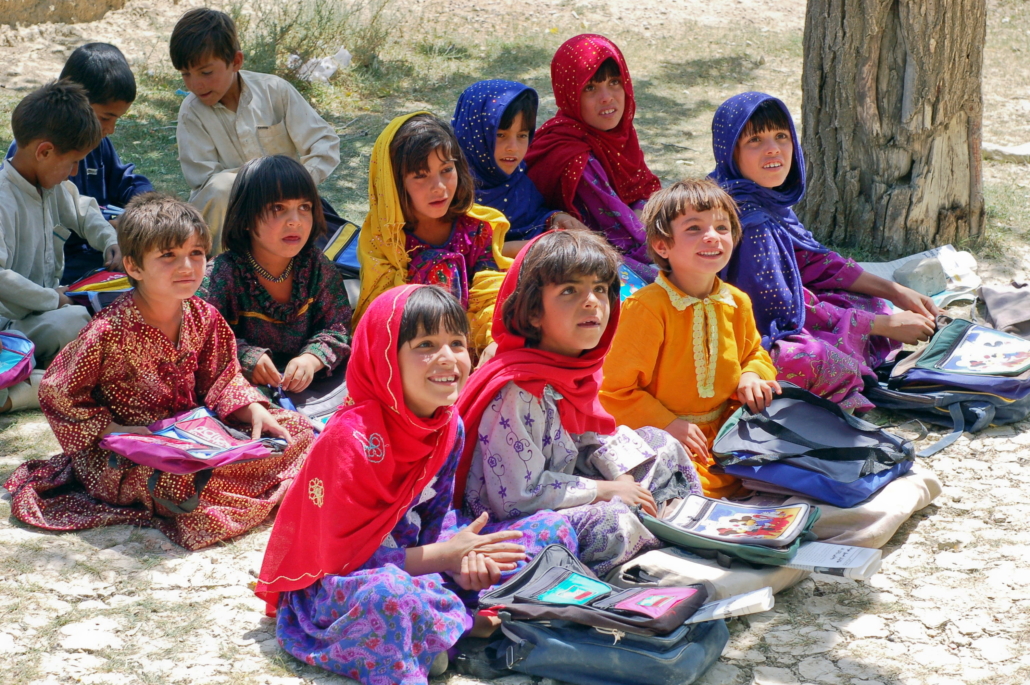
Wandering the streets of Kabul, Afghanistan in the 1960s, one passed lively, miniskirt-clad women alongside male friends as they strolled to their university classes. Heiresses to a new age of freedom, these women voted, laughed and lived freely, invigorated by the progressive spirit that pervaded every corner of the city. Beginning in the 1970s, however, conflict and poor governance gradually weakened women’s societal freedom. Then in 1996, the Taliban dismantled what semblance of equality remained. The United States’ post-9/11 occupation in Afghanistan ousted the Taliban and has helped to revive and work toward improving women’s rights in Afghanistan for nearly two decades. Yet in February 2020, the U.S. endorsed a deal with Afghanistan to withdraw from the country called The U.S.-Taliban Peace Deal. Although the agreement heralds a much-overdue peace between these long-warring countries, the departure of American troops may facilitate the return of Taliban rule and the subsequent eradication of women’s rights in Afghanistan.

The Taliban’s Unchecked Oppression of Women

The first half of the 20th century saw great progress toward gender equality in Afghanistan. The era’s feminist vigor enfranchised women and integrated them with men. When the 1960s constitution cemented women’s rights in the fabric of the nation, true gender equality seemed imminent.

Hardship soon befell Afghanistan. The country’s status as a Soviet proxy state in the 1970s, and later, the jihadist activity by Mujahideen groups, eroded women’s rights. Additionally, these conflicts contributed to the political fragility that ultimately enabled the Taliban to take power in 1996. In pursuit of establishing an Islamic state, the Taliban implemented a doctored, repressive interpretation of sharia law.

This Islamist code drastically encroached on women’s rights in Afghanistan and effectively confined them to the domestic sphere. Depriving them of the right to vote, to receive an education or to seek employment, the Taliban subordinated women. Even minor defiance to these restrictions met with violent floggings, abuse and even stonings. Such atrocities extended beyond legal sanctions; women were frequently subject to sexual assault. The Taliban’s message was clear: womanhood itself was punishable.

US Occupation and Female Empowerment

After al-Qaeda-engineered the 9/11 attacks, the U.S. deployed thousands of troops to Afghanistan to depose the Taliban. This maneuver catalyzed nearly two decades of bloodshed. Though it has been hotly contested, America’s involvement has boosted women’s rights in Afghanistan. During the U.S. occupation, women have regained considerable economic opportunity and social freedoms.

Post-Taliban legislative actions have codified gender parity. The new constitution recognizes women’s legal equality with men. Rape, violence and physical abuse, previously an unrelenting threat to Afghan women, are now indictable offenses.

Women are also profiting from widening economic and educational opportunities and changes in societal attitudes. After decades of flatlining, the female labor force participation rate has increased by 7% since 2010, with women foraying into education, medicine, law enforcement and even public office at record levels. Women’s recent vocational advances have contributed to shifting ideologies across the country. In February 2020, NBC News reported that most Afghans have discarded misogynistic views in support of improving women’s rights in Afghanistan. Such a cultural transformation seems to herald women’s long-term empowerment and civic engagement.

Repercussions of the US-Taliban Peace Deal

Tragically, the U.S.-Taliban peace deal, signed Feb. 29, has the potential to reverse these last two decades of progress. With robust backing from both sides, the document provides for the departure of American troops from Afghanistan. This deal promises an end to the United States’ longest war. For its part, the Taliban has agreed to reject terrorism in pursuit of negotiating peace with the Afghan government.

The deal aspires to pacify a country too long battered by conflict, but it contains a grave flaw: it makes no provisions for women’s rights in Afghanistan. Despite its previous claims that harmony would “not be possible” without securing equality for women, the U.S. deferred the determination of gender parity to intra-Afghan discussions.

The Taliban has committed to granting women the rights that Islam guarantees. However, it claims to have upheld this pledge during its brutally repressive rule from 1996 to 2001. Given that the Taliban’s understanding of women’s rights has proven alarmingly narrow, its recent promise is hardly a consolation. Moreover, according to the U.S.’s most recent report, the territory that the Afghan government commanded in 2019 had dwindled to a record low. Without foreign aid or military backing, many fear the Taliban will easily overthrow the weakening Afghan government following the withdrawal of American troops.

Progress

In the past 20 years, Afghan women have shattered thousands of glass ceilings as they have built successful careers and enjoyed their hard-won freedoms. As the terms of the peace deal are actualized. However, the potential return of Taliban rule threatens to obliterate these advances. In order to avert a revival of misogyny and secure women’s rights in Afghanistan, Women for Afghan Women’s (WAW) Peacebuilding Program is preparing women to participate in future intra-Afghan talks. Along with stimulating meaningful political discourse among citizens, the program has coached 3,065 women in advocacy and negotiation. Politically and socially empowered, these outspoken women are joining the everyday conversations and monumental peace talks that will dictate their and their country’s future, and work toward improving women’s rights in Afghanistan.

– Rosalind Coats
Photo: Pxfuel

November 10, 2020
https://borgenproject.org/wp-content/uploads/borgen-project-logo.svg 0 0 Kim Thelwell https://borgenproject.org/wp-content/uploads/borgen-project-logo.svg Kim Thelwell2020-11-10 07:30:512024-05-30 07:52:39Improving Women’s Rights in Afghanistan
Global Poverty, Human Rights

Poverty in Xinjiang, China

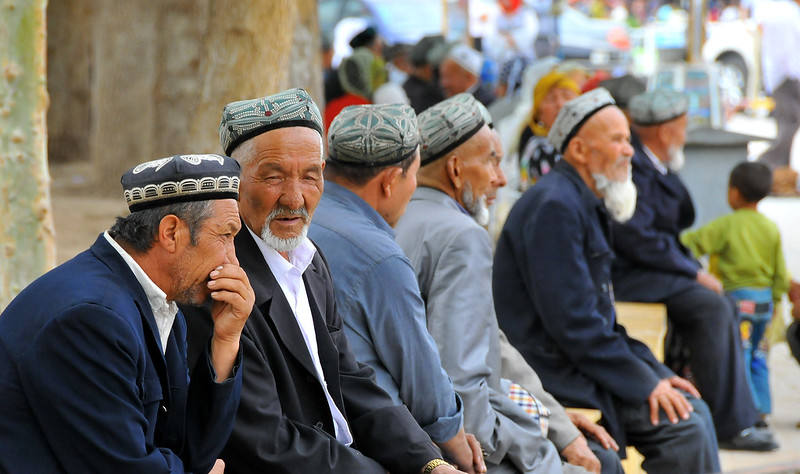
Poverty in XinjiangMore than 40 different ethnic groups live in China’s northwest region known as Xinjiang. The largest of these groups are the Han Chinese and Uyghur Muslims. The two groups do not speak the same language or share similar traditions, creating a wide cultural divide. Socioeconomic disparities and the Chinese government’s exploitation of the Uyghur further exacerbate the divide between the two groups. Poverty in Xinjiang, China has contributed to the oppression of Uyghurs and given the Chinese government a justification to detain and exploit millions.
Poverty in Xinjiang, China

The poverty in Xinjiang, China is the highest of the Chinese provinces at approximately 6%. However, certain regions within Xinjiang face more poverty than others. Yutian County, for example, has a poverty rate of around 25%. Even so, the region has made great strides in poverty alleviation in recent years, lifting 2.3 million out of poverty. Xinjiang’s resource-rich areas have caught the attention of Han Chinese, driving migration and economic growth. Additionally, the government has promoted various industries, employment transfers and citizen relocation. This has the result of further driving down poverty rates.

Unfortunately, many Uyghurs are excluded from the benefits of reduced poverty. Employment discrimination prevents Uyghurs from getting jobs in these growing markets. As a result, a disproportionate amount of Han Chinese receive better jobs. This furthers the economic disparity between the two groups. On top of this, the rising number of Han Chinese in the region has made the native Uyghurs feel distant from one another and worry their culture is disappearing.

Conflict

The unhappiness caused by exclusion and poverty in Xinjiang, China pushes many Uyghurs closer to Islam. They increasingly support Xinjiang’s independence from China to create East Turkestan. Some even commit acts of violence. Despite the fact that Chinese policy and Uyghur poverty cause much violence, many Han Chinese believe it results from Islamic extremism. This leads to widespread fear and distrust among the population, further driving exclusion.

The Chinese government agrees with the Han Chinese, claiming that Islamic extremists cause violence. It specifically argued that it must “reeducate” the Uyghur Muslims. Since 2014, China has been suppressing the Uyghurs’ culture, language and religion in the name of national security. All the while, it claims that Uyghurs have full freedom. Police stations and cameras now line the streets of Xinjiang. Some public areas are full of razor wire, and the police stop people on the street to see their ID. Furthermore, the government has taken passports from many Uyghurs, preventing them from leaving the region.

Crackdown

Since 2017, the government has reportedly detained approximately a million Uyghurs in reeducation camps. Detainees’ only crime is their Muslim identity. Hundreds of camps exist today, 39 of which tripled in size from 2017 to 2018. Construction funds for these camps have increased by nearly $3 billion in recent years.

Although China’s secrecy makes information on the exact conditions in the camps difficult to discern, previous detainees have spoken out. They speak of a prison-like environment, sexual assault and forced abortions or contraceptives, extreme surveillance, torture and more. Some say they witnessed people taking their own lives.

On top of this, many Uyghurs in these camps must work in factories across China, often against their will. The products they produce are so widespread that approximately 83 international companies use this forced labor in their supply chain. In fact, one in five cotton products around the world rely on this forced labor. These products are therefore the result of severe human rights violations.

Ongoing Efforts to Reduce Violence and Poverty in Xinjiang, China

Many U.S. companies benefit from this system, making it crucial that legislation prevent forced labor and condemn China’s actions. Most recently, the U.S. Senate passed the Uyghur Human Rights Policy Act of 2020 (S3744) in late June 2020. This act placed sanctions on many of the officials who complicit in the detainment and abuse of Uyghurs.

Additionally, representatives introduced the Uyghur Forced Labor Prevention Act in March of 2020, but it has not passed into law yet. Many Uyghurs are also stuck in U.S. immigration limbo, making it far more difficult for them to seek refuge. Both of these proposals are crucial in helping significantly reduce the demand for forced labor. Both also urge the Chinese government to stop committing human rights abuses against the Uyghurs.

NGOs Step in to Help

Many NGOs have been working to bring attention to this ongoing crisis and help the Uyghurs. Despite the difficulties present in aiding Uyghurs directly, a coalition of more than 250 organizations made the End Uyghur Forced Labor campaign. The coalition demands that companies eliminate any Uyghur forced labor in their production lines within a year. Companies that agree must sign a pledge, and the coalition will apply pressure to all companies that have not yet signed.

The coalition has also organized advocacy days, written petitions, and called on Congress for a ban on cotton from the Uyghur region. Although it’s difficult to determine the exact effects these campaigns have had, this additional pressure on companies will help end Uyghur forced labor. In turn, the group will reduce demand for Uyghur labor and prevent their exploitation.

Poverty in Xinjiang, China has reduced significantly and will likely continue to decrease in the upcoming years. But the Uyghurs do not benefit from this progress. Numerous countries have applied pressure on the Chinese government, and it is crucial that the U.S. does the same. Many NGOs have worked together to raise awareness and pressure governments and companies to eliminate Uyghur forced labor. In spite of the many challenges that the Uyghurs face, there is still hope for conditions to improve with the support of the global community.

– Elizabeth Lee
Photo: Flickr

October 23, 2020
https://borgenproject.org/wp-content/uploads/borgen-project-logo.svg 0 0 Kim Thelwell https://borgenproject.org/wp-content/uploads/borgen-project-logo.svg Kim Thelwell2020-10-23 13:36:312024-05-30 07:52:33Poverty in Xinjiang, China
Food & Hunger, Food Insecurity, Food Security, Global Poverty, Human Rights, United Nations

How the UN Eradicates Poverty and Promotes Human Rights

u.n. eradicates povertyThe United Nations (U.N.) is an international organization designed for countries to work together on human rights issues, maintain peace and resolve conflicts. Currently, the U.N. consists of representatives from 193 countries. In the general assembly, nations have a platform for diplomatic relations. One of major missions of the U.N. is the eradication of global poverty. The U.N. eradicates poverty comprehensively and works to address current poverty levels and their resulting crises. Additionally, it works to prevent the causes of poverty from spreading on a global level.

What Is Poverty?

The U.N. defines poverty as “more than the lack of income and productive resources to ensure sustainable livelihoods.” The organization asserts that poverty affects people in many ways, including “hunger and malnutrition, limited access to education and other basic services, social discrimination and exclusion, as well as the lack of participation in decision-making.” Poorer countries that suffer from a lack of basic resources face all of these problems.

Around the world, more than 730 million people live below the poverty line. Many of these people live in Southern Asia and sub-Saharan Africa. These poor countries also often suffer from internal violence that impacts their ability to address the needs and vulnerabilities of their citizens. As such, poverty and conflict have a reciprocal relationship, both contributing to the other.

The U.N. eradicates poverty through multiple commissions that address specific populations and the issues they face. For example, UNICEF, the U.N. children’s commission, works specifically to address children living in poverty globally. It does so by promoting education access and healthcare, as well mitigating the damaging effects of armed conflict. Through “fundraising, advocacy, and education,” this division of the U.N. eradicates poverty and helps children around the world.

Poverty and Human Rights

The U.N. outlines inalienable international human rights as the following: “the right to life and liberty, freedom from slavery and torture, freedom of opinion and expression, the right to work and education, and many more.” One of the many detrimental effects of global poverty is high death rates. Poverty may cause death through water and food insecurity, as well as a lack of healthcare and medical access. This is why poverty is truly a human rights issue.

For someone to have a guarantee to life and liberty, they cannot be living in abject poverty. Education and the “right to work” are also rights affected by living in poverty. Education is sparse in many of the world’s poorest countries, which often suffer from high unemployment rates. This contributes to household income and citizens’ inability to provide for themselves and their families. Thus, poverty is a complex and multifaceted issue that affects all aspects of people’s lives, from their health and well-being to their futures.

The International Poverty Line

According to the U.N., as of 2015, there were “more than 736 million people liv[ing] below the international poverty line.” The international poverty line (IPL) quantifies people’s standard of living. This helps researchers, aid workers and governments assess people’s situation. It also allows these actors to assess their success in mitigating harm and promoting development. Foreign Policy explains that “The IPL is explicitly designed to reflect a staggeringly low standard of living, well below any reasonable conception of a life with dignity.”

The U.N. eradicates poverty by examining not only measures like the IPL but also the effects of extreme poverty. The number of people below the poverty line is important, but the U.N. focuses on what this means for people living in such poverty. For example, the U.N. notes that “[a]round 10 percent of the world population is living in extreme poverty and struggling to fulfill the most basic needs like health, education.”

The Future of the U.N. and Poverty

The U.N. is likely to remain one of the leading forces in the eradication of poverty and the promotion of human rights. Its unique history, size and diverse commissions make it a powerful organization. In particular, the commissions that work with vulnerable populations will be essential to securing the safety and prosperity of those living in poverty. Importantly, the U.N. eradicates poverty with the support of its 193 member states, as it depends on their sponsorship and help in conflict resolution. Just as poverty has no borders, neither should the solutions we use to solve it.

– Kiahna Stephens
Photo: Flickr

October 15, 2020
https://borgenproject.org/wp-content/uploads/borgen-project-logo.svg 0 0 Kim Thelwell https://borgenproject.org/wp-content/uploads/borgen-project-logo.svg Kim Thelwell2020-10-15 12:42:562024-05-30 07:52:20How the UN Eradicates Poverty and Promotes Human Rights
Global Poverty, Human Rights, Refugees

NGOs on the Ground in Lebanon

ngos in lebanonBordered by Syria, Israel and the Mediterranean Sea, Lebanon is a Middle Eastern nation of almost 7 million citizens. Its history has only grown in complexity since it gained independence from France in 1944. Lebanese people have faced civil war, political and economic instability, border disputes and human rights violations into the present day. Thankfully, many NGOs in Lebanon work to address these issues. NGOs have supported the Lebanese people in suppressing terror, promoting gender equality, ending militarization, advocating for human rights and recovering from the Beirut explosion. Paramount to Lebanon’s security and future are not just improved government and policies, but also these NGOs on the ground.

Terrorism

In 2019 alone, four major terrorist groups posed an ongoing threat to Lebanon’s national security. Three acts of terrorism that year sparked an unprecedented governmental and legislative response. Lebanon is a member of the Global Coalition to Defeat ISIS and recently launched a national Preventing Violent Extremism Coordination Unit. However, the Lebanese people’s long-standing lack of trust in government remains. This is where NGOs in Lebanon come in.

Since 1985, The Washington Institute for Near East Policy, an American NGO, has promoted peace in Lebanon. The NGO identifies Lebanese entities actively promoting terror from within the government, such as Green Without Borders. The institute proposes counteracting these entities from abroad by publishing research and pushing policies for financial transparency. Its work is therefore vital to an effective government free from ties to terrorism.

Gender Inequality

Even though Lebanese women got the right to vote in 1952, gender inequities and violence remain among Lebanon’s most critical issues. In 2020, Lebanon ranked 145th among 153 countries in closing the gender gap. This ranking represents variables such as economic participation, educational attainment, health, survival and political empowerment. With women holding just 4.7% of parliamentary seats, NGOs in Lebanon are working to pave the way for female representation in government to empower marginalized citizens.

While global humanitarian groups have funded many gender equity campaigns in Lebanon, NGOs in Lebanon, like the feminist collective Nasawiya, spearhead much of the cultural change. Nasawiya advocates not just for the humane treatment and representation of women, but also for all genders and identities within Lebanon. With 11 projects underway, Nasawiya lobbies the Lebanese government and provides resources for women affected victimized by gender violence.

Militarized Justice Systems

Although Lebanon is officially a unitary multiparty republic with a parliamentary system of government, its justice systems are increasingly militarizing. Lebanon’s controversial pattern of suppressing peaceful civilian protests has garnered international attention as its use of military courts grows. In Lebanon, trials in military courts lack qualified judges, permit torture-induced confessions as evidence, issue inconsistent and lengthy sentences and fail to deliver due process. This affects more than just adults. Indeed, the Union for Protection of Juveniles in Lebanon identified 355 children tried before the military courts in 2016 alone.

As the line between the Lebanese justice system and the military blurs, prosecutors have even brought charges against human rights lawyers and activists who oppose them. NGOs like Helem, which advocates for LGBT rights, are working to hold courts accountable to their victims. The International Center for Not-For-Profit Law and other NGOs in Lebanon have launched further investigations into Lebanon’s militarized courts. By publicizing records and providing credible research, they promote justice in Lebanon.

Migrant and Refugee Rights

An estimated 1.5 million Syrian refugees and over 250,000 migrant workers from neighboring countries reside in Lebanon. Unfortunately, exclusionary immigration and refugee policies have created a human rights crisis. Migrant workers and refugees in Lebanon work in unregulated conditions, lack permanent residency and are victims of mass evictions. In 2017, 76% of refugee and migrant households lived below the poverty line. Additionally, 77% experienced food insecurity and 36% lacked an employed family member.

NGOs in Lebanon like International Alert advocate both for reforming the justice system and improving refugee and migrant rights. International Alert promotes policies targeted at improving legal conditions for these marginalized populations in Lebanon. Care, another NGO, also works on the ground to provide interim resources and housing for refugees and migrants in Lebanon.

The Beirut Explosion

When 3,030 tons of ammonium nitrate stored near a port in Beirut caught on fire and exploded in early August 2020, at least 200 people died, over 6,000 were injured and several hundred remain missing. The severe damage inflicted on some 70,000 homes left an estimated 300,000 Lebanese homeless. The Lebanese Red Cross met a large part of the urgent need for humanitarian assistance to the Lebanese people affected by the explosion. This NGO has provided free medical care to over 23,700 people  through 36 health centers and nine mobile medical units.

The Lebanese Red Cross is also providing shelter for 1,000 displaced families and is expanding to help a projected 10,000 families. Additionally, the organization provides families with food, water, masks, gloves and other supplies. Another facet of this NGO, the Red Cross Restoring Family Links program, reconnects separated families. It also provides mental health and counseling resources for victims.

NGOs in Lebanon Continue the Fight

While the Lebanese people continue to suffer from a legacy of conflict, instability, inequality and oppression, NGOs are working hard to help mitigate these critical issues. NGOs in Lebanon strive to improve human rights to help bring peace and prosperity to this Middle Eastern nation.

– Caledonia Strelow
Photo: Wikimedia Commons

October 15, 2020
https://borgenproject.org/wp-content/uploads/borgen-project-logo.svg 0 0 Kim Thelwell https://borgenproject.org/wp-content/uploads/borgen-project-logo.svg Kim Thelwell2020-10-15 11:22:152024-05-30 07:52:18NGOs on the Ground in Lebanon
Global Poverty, Human Rights, Water, Water Crisis

The Rise of International Water Politics

water politicsWater scarcity and unequal water access are two pressing problems facing the global community. The political response to this crisis has created the field of water politics. In order to address this crisis, the global community must consider water as a human right and prioritize implementing sustainable solutions for the future.

The Problem

Water is one of humans’ basic needs. However, every continent has regions experiencing the effects of water scarcity. With experts predicting that one in five people will live in areas with unsatisfactory resources to meet water needs by 2025, this is an urgent issue.

Although water is a renewable resource, restored by snowmelt and rainfall, human practices are depleting the world’s water supply. Diverting water for agriculture, households and industry has become so taxing that some of the largest rivers run dry before reaching the ocean. Human activity can also pollute water sources to such an extent that they cannot support aquatic life or be used as drinking water.

Water Scarcity and Conflict

Water Politics Limited, a geopolitical risk advisory and consulting firm, found that water scarcity could lead to conflict or political instability in many countries. Sources including the Euphrates, Tigris, Jordan, Nile, Danube and Okavango rivers as well as the Tibetan watershed and resources will become insufficient to support the surrounding areas. These sources currently provide water to dozens of countries across Europe, the Middle East, Asia and Africa.

Water scarcity will therefore affect communities across the globe. Importantly, it may spark conflict over remaining water resources, within a nation or even between nations. Anya Groner at The Atlantic points to evidence of past conflicts that have revolved around water. These include the riots in Cape Town, South Africa, in 2012, which responded to inequality in the distribution of water resources.

The Pacific Institute put together a timeline of water conflicts from the earliest records until 2019. Causes of these conflicts include territorial disputes, drought, inequities and municipal water cuts. The severity of conflict may range from protests and theft to more violent killings and bombings. This makes it clear that decreases in water access may lead to political or violent conflict if the world does not take action to ensure sustainable, equitable water access for all.

Water Politics: Managing the Resource

Countries facing water scarcity have the difficult task of allocating a limited resource. To ensure that everyone can access water, these countries must take many different steps. Cape Town, South Africa, is an apt case study. In 2018, a combination of a dry climate, a three-year drought, and high water usage all put the city within 90 days of running out of water. The severity of this crisis required the whole region to pull together to decrease their water usage.

To avoid turning off the taps, the government restricted residents to 50 liters of water a day. Violators faced large fines for overusing water. Further, the government banned wasteful activities like refilling swimming pools and washing cars. Residents also took to social media to share tips about saving water. Specifically, the “if it’s yellow, let it mellow” campaign emerged to encourage everyone to resist flushing when applicable.

Social media, however, was not just useful as a tool to disseminate information and motivate residents to conserve water. Perhaps more importantly, it also drew the global community’s attention to the state of the world’s water resources and the consequences of water scarcity. The Environmental Protection Agency has also used social media to inform the public about the value of safe drinking water. The agency aims to get users to create their own water conservation campaigns to implement into their communities.

Technology and Water Politics

However, awareness about this issue cannot solve it on its own. Innovators around the globe have engineered new ways to collect freshwater and provide clean water to communities worldwide. These solutions may be as simple as rain barrels used during monsoon season in Vietnam, or as complex as a nylon net hoisted into low clouds to collect condensation in island nations. Technologies like desalinization and iodine tablets have also helped transform water sources into safe drinking water.

Additionally, Water Politics Limited is conducting research on how to maximize water access through political action. It is investigating water transport and pipeline initiatives, exporting water, worldwide water rights and public participation in water conservation.

Moving Forward

As nations move forward with water politics initiatives, we must pay attention to regions most at risk of experiencing severe water scarcity. Places like sub-Saharan Africa with dry climates have already been plunged into prolonged droughts, facing political conflict as a result. Thankfully, public awareness campaigns, technological innovations and governmental cooperation can ensure that everyone has a right to safe drinking water.

– Ellie Williams
Photo: Flickr

October 7, 2020
https://borgenproject.org/wp-content/uploads/borgen-project-logo.svg 0 0 Kim Thelwell https://borgenproject.org/wp-content/uploads/borgen-project-logo.svg Kim Thelwell2020-10-07 07:30:062020-10-03 09:03:28The Rise of International Water Politics
Global Poverty, Health, Human Rights, Refugees and Displaced Persons

Protecting the Health and Human Rights of Refugees During COVID-19

Health and Human Rights of RefugeesOne of the most important factors in beating the coronavirus is ensuring that everybody has access to public health. According to The New Humanitarian, this has pushed numerous governments to double down on their efforts to protect the health and human rights of refugees, migrant workers and asylum seekers who may have not been able to afford access to these services pre-COVID.

In March as the worldwide outbreaks quadrupled and human rights organizations around the world urged governments the dangers the coronavirus would impose on refugees and asylum seekers. The World Health Organization, the UNHCR and several other organizations put out a joint press release that pressured governments to release migrants and undocumented individuals from immigration detention centers as well as include them in public health relief efforts. Here are three countries that have prioritized protecting the health and human rights of refugees during COVID-19. They show that these policies could be sustained even beyond the crisis.

Countries Protecting the Health and Human Rights of Refugees During COVID-19

  1. Italy: Italy has one of the highest infection rates with 238,159 confirmed cases and 34,514 deaths. Italy’s fields have also attracted migrant workers from Eastern Europe. On May 13, the Italian government passed an amnesty law allowing around 200,000 migrant workers and undocumented refugees to apply for healthcare and 6-month legal residency permits. The downside of this new step is that the bill only applies to agricultural workers, leaving out many of the workers in the informal sector who perform labor in construction or food services.
  2. Portugal: Migrants and asylum seekers in Portugal with applications that are still in process are now being granted early access to public services that include welfare, rental contracts, bank accounts and national health service. Claudia Veloso, the spokesperson for Portugal’s chapter of the Ministry of International Affairs, told Reuters that “people should not be deprived of their rights to health and public service just because their application has not been processed yet.”
  3. Brazil: Brazil has the highest rate of outbreaks second to the United States, and President Jair Bolsonaro has continuously dismissed the severity of the virus and failed to respond effectively to outbreaks. So, it has fallen to local community organizations, donors and local authorities to enforce these regulations and double down on the effort to get everybody treated. The Paraisópolis community group started running a quarantine center in partnership with health workers, NGOs and medical centers. The center has around 240 volunteers monitoring the health of at least 50 families at a time. It acquired sanitation supplies and personal protection equipment through crowdfunding. The group is providing food and medical aid to undocumented migrants.

Amnesty International stated that in order to fix the refugee crisis “the world urgently needs a new, global plan based on genuine international cooperation and a meaningful and fair sharing of responsibilities.” Policy experts are hopeful that these new policies will help governments to consider new possibilities for a more humane approach to helping displaced migrants and asylum seekers in the future. The health and human rights of refugees need to be protected.

– Isabel Corp
Photo: Flickr

October 6, 2020
https://borgenproject.org/wp-content/uploads/borgen-project-logo.svg 0 0 Kim Thelwell https://borgenproject.org/wp-content/uploads/borgen-project-logo.svg Kim Thelwell2020-10-06 21:23:342024-05-29 23:09:51Protecting the Health and Human Rights of Refugees During COVID-19
Global Poverty, Human Rights

New Law Violates Human Rights in Hong Kong 

Human Rights in Hong Kong
As a British crown colony for more than 150 years, Hong Kong served as the gateway between the East and the West. With its unique position, this singular city rose and secured itself as the top trade hub of the Asian region. This resulted in Hong Kong’s GDP skyrocketing, topping 180 times the GDP of 1961 in 1997. This economic prosperity marked the birth of the first Asian Tiger. Moreover, as a British crown colony, the people of Hong Kong enjoyed basic human rights, such as freedom of speech, freedom of assembly and freedom of the press – to name a few. However, the colony’s lease, which it signed in 1842, expired. In 1997, the British returned Hong Kong to China under the strict “One Country, Two Systems” agreement, which proclaimed that Hong Kong shall retain its rights until at least 2047.

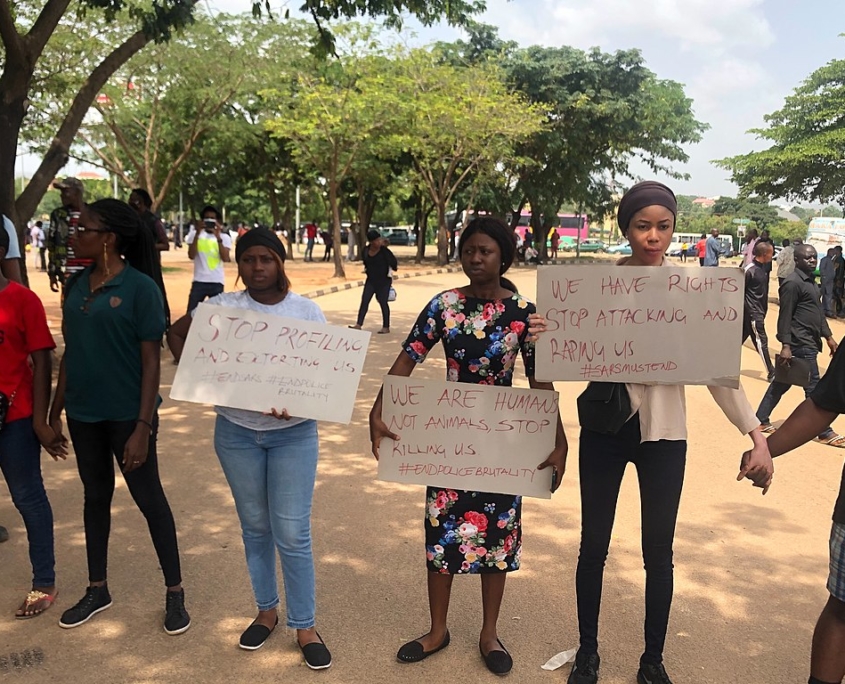
China’s recent legislation, the Hong Kong National Security Law, effectively ends the ‘“One Country, Two Systems” agreement that was codified in The Basic Law adopted in 1990. The Basic Law defined the relationship between China and the Hong Kong Special Administrative Region and included the protection of specific rights and freedoms of Hong Kong residents. Now, under the new National Security Law, these human rights in Hong Kong – along with Hong Kong’s political, social and economic autonomy – are all but dissolved.

What Led to the National Security Law?

In February 2019, the Hong Kong Security Bureau proposed amendments to the then-current extradition laws, allowing extraditions from Hong Kong to mainland China and other countries. This proposal resulted in immediate social outrage. Protests erupted in Hong Kong, with tens of thousands taking to the streets, demanding the revoking of the bill. For months the conflict continued to worsen – protestors rampantly vandalized public property and government police increasingly brutalized the citizens.

It was not until October 23, 2019, that the bill was officially withdrawn. By then, Hong Kong plunged into a recession. The people continued their protests, now a pro-democracy movement, and Beijing became increasingly agitated. In response to the upheaval and the pro-democracy movement, China’s legislature unanimously passed the Hong Kong National Security Law on June 30, 2020, effectively taking complete control over Hong Kong.

What is the new Hong Kong National Security Law?

The Law of the People’s Republic of China on Safeguarding National Security in the Hong Kong Special Administrative Region is an ambiguously worded 66-article legislation that covers a broad spectrum of political crimes, some of which are punishable by imprisonment for life. The legislation is for political crimes such as collusion, separatism, subversion and terrorism. However, these crimes have such broad definitions that they cover most criticism of the Communist party.

For instance, on Monday, August 9, 2020, claiming “collusion with a foreign country,” the Hong Kong police arrested pro-democracy media tycoon Jimmy Lai. This arrest dispelled all hope that the law was only for rioters. Continuing their attack against the democracy movement, more than 200 police officers stormed the Apple Daily, Mr. Lai’s publication. The police arrested four executives of the company and then also arrested Mr. Lai’s two sons, who did not have an association with the publication.

On August 10, 2020, the Hong Kong police made its second prominent apprehension under the National Security Law, arresting Agnes Chow for “inciting succession.” Politician Agnes Chow’s pro-democracy views also disqualified her candidacy for running for election. According to the National Security Law, Hong Kong can hold the trials of those arrested in secret, without a jury or bail, and it can also extradite them to mainland China (Articles 41, 42, 46, and 56).

International and Local Responses

The people of Hong Kong are suffering. After enduring months of police brutality and civil unrest, they are now facing an economic recession and a totalitarian takeover. The adversity standing before the citizens of Hong Kong is truly overwhelming.

Countries are trying to help in the wake of this unprecedented violation of human rights in Hong Kong. The United Kingdom has pledged a path to citizenship for almost 3 million Hong Kong citizens. Those who were born before 1997 are receiving recognition as having British national overseas status. As a result, they can either enter and stay in the U.K. for five years, granting them “settled-status,” which allows them to apply for citizenship.

Taiwan has been helping Hong Kong citizens for months by offering asylum to pro-democracy activists. Furthermore, on July 1, 2020, the day after the passing of the National Security Law, Taiwan opened the Taiwan-Hong Kong Office for Exchanges and Services in Taipei city, which will provide relocation and humanitarian aid to Hong Kong refugees.

The United States responded to Beijing by passing the Hong Kong Autonomy Act, which imposes sanctions on Chinese officials who are crushing democracy in Hong Kong. Senator Chris Van Hollen (D-Md.), one of the act’s cosponsors, stated: “This legislation sends a strong, bipartisan message that the United States stands with the people of Hong Kong. We urge the Government of China to abandon their ongoing efforts to repress freedoms in Hong Kong. There will be a price to pay if they continue down that path.”

On August 9, 2020, Australia, Canada, New Zealand, the United Kingdom and the United States issued a Joint Statement on the Erosion of Rights in Hong Kong. Countries around the world are condemning the Hong Kong National Security Law and are urging the Chinese Communist Party to reconsider.

In response to the foreign criticism, senior Chinese official Zhang Xiaoming replied: “It’s none of your business.” However, hopefully, with both local and foreign pressure, human rights in Hong Kong will improve over time.

– Jacob Pugmire
Photo: Flickr

September 8, 2020
https://borgenproject.org/wp-content/uploads/borgen-project-logo.svg 0 0 Jennifer Philipp https://borgenproject.org/wp-content/uploads/borgen-project-logo.svg Jennifer Philipp2020-09-08 08:28:482024-05-29 23:23:31New Law Violates Human Rights in Hong Kong 
Page 7 of 45«‹56789›»

Get Smarter

  • Global Poverty 101
  • Global Poverty… The Good News
  • Global Poverty & U.S. Jobs
  • Global Poverty and National Security
  • Innovative Solutions to Poverty
  • Global Poverty & Aid FAQ’s
Search Search

Take Action

  • Call Congress
  • Email Congress
  • Donate
  • 30 Ways to Help
  • Volunteer Ops
  • Internships
  • Courses & Certificates
  • The Podcast
Borgen Project

“The Borgen Project is an incredible nonprofit organization that is addressing poverty and hunger and working towards ending them.”

-The Huffington Post

Inside The Borgen Project

  • Contact
  • About
  • Financials
  • President
  • Board of Directors
  • Board of Advisors

International Links

  • UK Email Parliament
  • UK Donate
  • Canada Email Parliament

Get Smarter

  • Global Poverty 101
  • Global Poverty… The Good News
  • Global Poverty & U.S. Jobs
  • Global Poverty and National Security
  • Innovative Solutions to Poverty
  • Global Poverty & Aid FAQ’s

Ways to Help

  • Call Congress
  • Email Congress
  • Donate
  • 30 Ways to Help
  • Volunteer Ops
  • Internships
  • Courses & Certificates
  • The Podcast
Scroll to top Scroll to top Scroll to top