• Link to X
  • Link to Facebook
  • Link to Instagram
  • Link to TikTok
  • Link to Youtube
  • About
    • About Us
      • President
      • Board of Directors
      • Board of Advisors
      • Financials
      • Our Methodology
      • Success Tracker
      • Contact
  • Act Now
    • 30 Ways to Help
      • Email Congress
      • Call Congress
      • Volunteer
      • Courses & Certificates
      • Be a Donor
    • Internships
      • In-Office Internships
      • Remote Internships
    • Legislation
      • Politics 101
  • The Blog
  • The Podcast
  • Magazine
  • Donate
  • Click to open the search input field Click to open the search input field Search
  • Menu Menu

Archive for category: Human Rights

Information and stories about human rights.

Global Poverty, Human Rights, Refugees

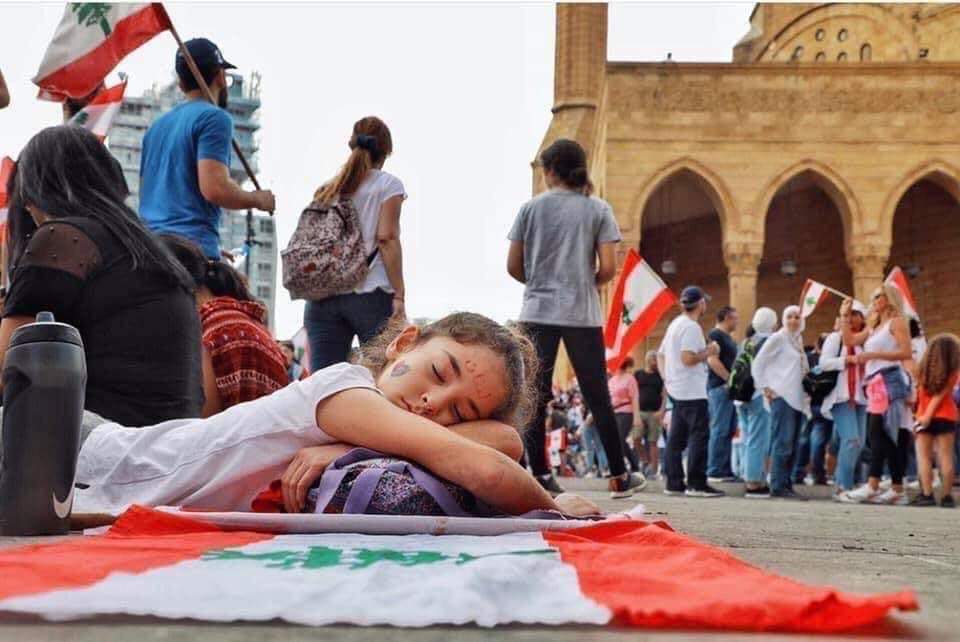
NGOs on the Ground in Lebanon

ngos in lebanonBordered by Syria, Israel and the Mediterranean Sea, Lebanon is a Middle Eastern nation of almost 7 million citizens. Its history has only grown in complexity since it gained independence from France in 1944. Lebanese people have faced civil war, political and economic instability, border disputes and human rights violations into the present day. Thankfully, many NGOs in Lebanon work to address these issues. NGOs have supported the Lebanese people in suppressing terror, promoting gender equality, ending militarization, advocating for human rights and recovering from the Beirut explosion. Paramount to Lebanon’s security and future are not just improved government and policies, but also these NGOs on the ground.

Terrorism

In 2019 alone, four major terrorist groups posed an ongoing threat to Lebanon’s national security. Three acts of terrorism that year sparked an unprecedented governmental and legislative response. Lebanon is a member of the Global Coalition to Defeat ISIS and recently launched a national Preventing Violent Extremism Coordination Unit. However, the Lebanese people’s long-standing lack of trust in government remains. This is where NGOs in Lebanon come in.

Since 1985, The Washington Institute for Near East Policy, an American NGO, has promoted peace in Lebanon. The NGO identifies Lebanese entities actively promoting terror from within the government, such as Green Without Borders. The institute proposes counteracting these entities from abroad by publishing research and pushing policies for financial transparency. Its work is therefore vital to an effective government free from ties to terrorism.

Gender Inequality

Even though Lebanese women got the right to vote in 1952, gender inequities and violence remain among Lebanon’s most critical issues. In 2020, Lebanon ranked 145th among 153 countries in closing the gender gap. This ranking represents variables such as economic participation, educational attainment, health, survival and political empowerment. With women holding just 4.7% of parliamentary seats, NGOs in Lebanon are working to pave the way for female representation in government to empower marginalized citizens.

While global humanitarian groups have funded many gender equity campaigns in Lebanon, NGOs in Lebanon, like the feminist collective Nasawiya, spearhead much of the cultural change. Nasawiya advocates not just for the humane treatment and representation of women, but also for all genders and identities within Lebanon. With 11 projects underway, Nasawiya lobbies the Lebanese government and provides resources for women affected victimized by gender violence.

Militarized Justice Systems

Although Lebanon is officially a unitary multiparty republic with a parliamentary system of government, its justice systems are increasingly militarizing. Lebanon’s controversial pattern of suppressing peaceful civilian protests has garnered international attention as its use of military courts grows. In Lebanon, trials in military courts lack qualified judges, permit torture-induced confessions as evidence, issue inconsistent and lengthy sentences and fail to deliver due process. This affects more than just adults. Indeed, the Union for Protection of Juveniles in Lebanon identified 355 children tried before the military courts in 2016 alone.

As the line between the Lebanese justice system and the military blurs, prosecutors have even brought charges against human rights lawyers and activists who oppose them. NGOs like Helem, which advocates for LGBT rights, are working to hold courts accountable to their victims. The International Center for Not-For-Profit Law and other NGOs in Lebanon have launched further investigations into Lebanon’s militarized courts. By publicizing records and providing credible research, they promote justice in Lebanon.

Migrant and Refugee Rights

An estimated 1.5 million Syrian refugees and over 250,000 migrant workers from neighboring countries reside in Lebanon. Unfortunately, exclusionary immigration and refugee policies have created a human rights crisis. Migrant workers and refugees in Lebanon work in unregulated conditions, lack permanent residency and are victims of mass evictions. In 2017, 76% of refugee and migrant households lived below the poverty line. Additionally, 77% experienced food insecurity and 36% lacked an employed family member.

NGOs in Lebanon like International Alert advocate both for reforming the justice system and improving refugee and migrant rights. International Alert promotes policies targeted at improving legal conditions for these marginalized populations in Lebanon. Care, another NGO, also works on the ground to provide interim resources and housing for refugees and migrants in Lebanon.

The Beirut Explosion

When 3,030 tons of ammonium nitrate stored near a port in Beirut caught on fire and exploded in early August 2020, at least 200 people died, over 6,000 were injured and several hundred remain missing. The severe damage inflicted on some 70,000 homes left an estimated 300,000 Lebanese homeless. The Lebanese Red Cross met a large part of the urgent need for humanitarian assistance to the Lebanese people affected by the explosion. This NGO has provided free medical care to over 23,700 people  through 36 health centers and nine mobile medical units.

The Lebanese Red Cross is also providing shelter for 1,000 displaced families and is expanding to help a projected 10,000 families. Additionally, the organization provides families with food, water, masks, gloves and other supplies. Another facet of this NGO, the Red Cross Restoring Family Links program, reconnects separated families. It also provides mental health and counseling resources for victims.

NGOs in Lebanon Continue the Fight

While the Lebanese people continue to suffer from a legacy of conflict, instability, inequality and oppression, NGOs are working hard to help mitigate these critical issues. NGOs in Lebanon strive to improve human rights to help bring peace and prosperity to this Middle Eastern nation.

– Caledonia Strelow
Photo: Wikimedia Commons
October 15, 2020
https://borgenproject.org/wp-content/uploads/borgen-project-logo.svg 0 0 Kim Thelwell https://borgenproject.org/wp-content/uploads/borgen-project-logo.svg Kim Thelwell2020-10-15 11:22:152024-05-30 07:52:18NGOs on the Ground in Lebanon
Global Poverty, Human Rights, Water, Water Crisis

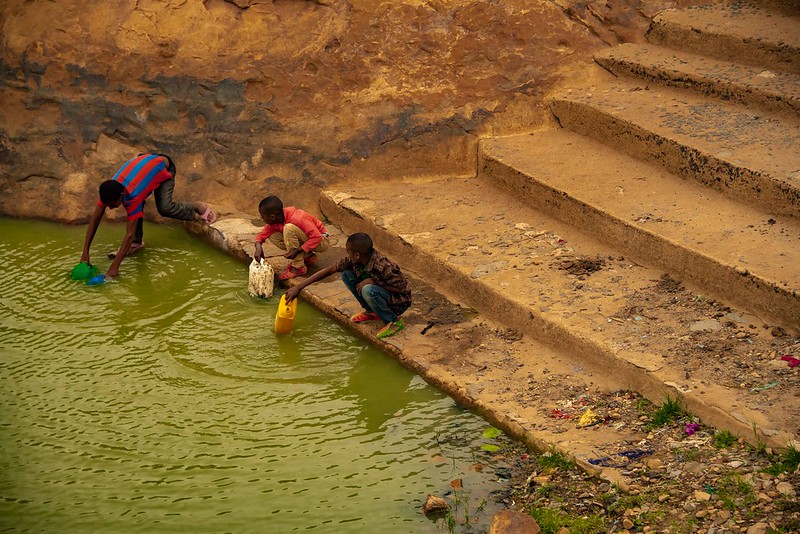
The Rise of International Water Politics

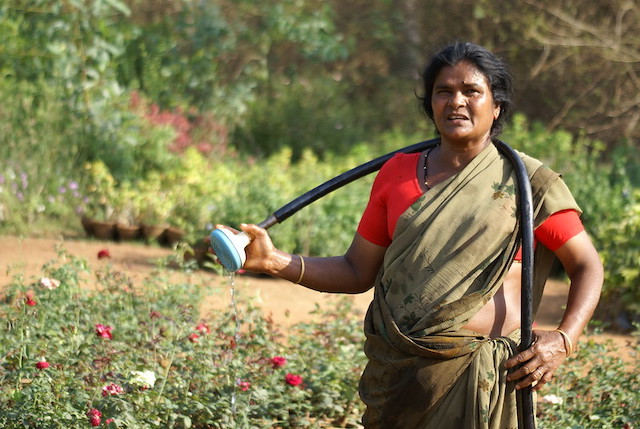
water politicsWater scarcity and unequal water access are two pressing problems facing the global community. The political response to this crisis has created the field of water politics. In order to address this crisis, the global community must consider water as a human right and prioritize implementing sustainable solutions for the future.
The Problem

Water is one of humans’ basic needs. However, every continent has regions experiencing the effects of water scarcity. With experts predicting that one in five people will live in areas with unsatisfactory resources to meet water needs by 2025, this is an urgent issue.

Although water is a renewable resource, restored by snowmelt and rainfall, human practices are depleting the world’s water supply. Diverting water for agriculture, households and industry has become so taxing that some of the largest rivers run dry before reaching the ocean. Human activity can also pollute water sources to such an extent that they cannot support aquatic life or be used as drinking water.

Water Scarcity and Conflict

Water Politics Limited, a geopolitical risk advisory and consulting firm, found that water scarcity could lead to conflict or political instability in many countries. Sources including the Euphrates, Tigris, Jordan, Nile, Danube and Okavango rivers as well as the Tibetan watershed and resources will become insufficient to support the surrounding areas. These sources currently provide water to dozens of countries across Europe, the Middle East, Asia and Africa.

Water scarcity will therefore affect communities across the globe. Importantly, it may spark conflict over remaining water resources, within a nation or even between nations. Anya Groner at The Atlantic points to evidence of past conflicts that have revolved around water. These include the riots in Cape Town, South Africa, in 2012, which responded to inequality in the distribution of water resources.

The Pacific Institute put together a timeline of water conflicts from the earliest records until 2019. Causes of these conflicts include territorial disputes, drought, inequities and municipal water cuts. The severity of conflict may range from protests and theft to more violent killings and bombings. This makes it clear that decreases in water access may lead to political or violent conflict if the world does not take action to ensure sustainable, equitable water access for all.

Water Politics: Managing the Resource

Countries facing water scarcity have the difficult task of allocating a limited resource. To ensure that everyone can access water, these countries must take many different steps. Cape Town, South Africa, is an apt case study. In 2018, a combination of a dry climate, a three-year drought, and high water usage all put the city within 90 days of running out of water. The severity of this crisis required the whole region to pull together to decrease their water usage.

To avoid turning off the taps, the government restricted residents to 50 liters of water a day. Violators faced large fines for overusing water. Further, the government banned wasteful activities like refilling swimming pools and washing cars. Residents also took to social media to share tips about saving water. Specifically, the “if it’s yellow, let it mellow” campaign emerged to encourage everyone to resist flushing when applicable.

Social media, however, was not just useful as a tool to disseminate information and motivate residents to conserve water. Perhaps more importantly, it also drew the global community’s attention to the state of the world’s water resources and the consequences of water scarcity. The Environmental Protection Agency has also used social media to inform the public about the value of safe drinking water. The agency aims to get users to create their own water conservation campaigns to implement into their communities.

Technology and Water Politics

However, awareness about this issue cannot solve it on its own. Innovators around the globe have engineered new ways to collect freshwater and provide clean water to communities worldwide. These solutions may be as simple as rain barrels used during monsoon season in Vietnam, or as complex as a nylon net hoisted into low clouds to collect condensation in island nations. Technologies like desalinization and iodine tablets have also helped transform water sources into safe drinking water.

Additionally, Water Politics Limited is conducting research on how to maximize water access through political action. It is investigating water transport and pipeline initiatives, exporting water, worldwide water rights and public participation in water conservation.

Moving Forward

As nations move forward with water politics initiatives, we must pay attention to regions most at risk of experiencing severe water scarcity. Places like sub-Saharan Africa with dry climates have already been plunged into prolonged droughts, facing political conflict as a result. Thankfully, public awareness campaigns, technological innovations and governmental cooperation can ensure that everyone has a right to safe drinking water.

– Ellie Williams
Photo: Flickr

October 7, 2020
https://borgenproject.org/wp-content/uploads/borgen-project-logo.svg 0 0 Kim Thelwell https://borgenproject.org/wp-content/uploads/borgen-project-logo.svg Kim Thelwell2020-10-07 07:30:062020-10-03 09:03:28The Rise of International Water Politics
Global Poverty, Health, Human Rights, Refugees and Displaced Persons

Protecting the Health and Human Rights of Refugees During COVID-19

Health and Human Rights of RefugeesOne of the most important factors in beating the coronavirus is ensuring that everybody has access to public health. According to The New Humanitarian, this has pushed numerous governments to double down on their efforts to protect the health and human rights of refugees, migrant workers and asylum seekers who may have not been able to afford access to these services pre-COVID.

In March as the worldwide outbreaks quadrupled and human rights organizations around the world urged governments the dangers the coronavirus would impose on refugees and asylum seekers. The World Health Organization, the UNHCR and several other organizations put out a joint press release that pressured governments to release migrants and undocumented individuals from immigration detention centers as well as include them in public health relief efforts. Here are three countries that have prioritized protecting the health and human rights of refugees during COVID-19. They show that these policies could be sustained even beyond the crisis.

Countries Protecting the Health and Human Rights of Refugees During COVID-19

  1. Italy: Italy has one of the highest infection rates with 238,159 confirmed cases and 34,514 deaths. Italy’s fields have also attracted migrant workers from Eastern Europe. On May 13, the Italian government passed an amnesty law allowing around 200,000 migrant workers and undocumented refugees to apply for healthcare and 6-month legal residency permits. The downside of this new step is that the bill only applies to agricultural workers, leaving out many of the workers in the informal sector who perform labor in construction or food services.
  2. Portugal: Migrants and asylum seekers in Portugal with applications that are still in process are now being granted early access to public services that include welfare, rental contracts, bank accounts and national health service. Claudia Veloso, the spokesperson for Portugal’s chapter of the Ministry of International Affairs, told Reuters that “people should not be deprived of their rights to health and public service just because their application has not been processed yet.”
  3. Brazil: Brazil has the highest rate of outbreaks second to the United States, and President Jair Bolsonaro has continuously dismissed the severity of the virus and failed to respond effectively to outbreaks. So, it has fallen to local community organizations, donors and local authorities to enforce these regulations and double down on the effort to get everybody treated. The Paraisópolis community group started running a quarantine center in partnership with health workers, NGOs and medical centers. The center has around 240 volunteers monitoring the health of at least 50 families at a time. It acquired sanitation supplies and personal protection equipment through crowdfunding. The group is providing food and medical aid to undocumented migrants.

Amnesty International stated that in order to fix the refugee crisis “the world urgently needs a new, global plan based on genuine international cooperation and a meaningful and fair sharing of responsibilities.” Policy experts are hopeful that these new policies will help governments to consider new possibilities for a more humane approach to helping displaced migrants and asylum seekers in the future. The health and human rights of refugees need to be protected.

– Isabel Corp
Photo: Flickr

October 6, 2020
https://borgenproject.org/wp-content/uploads/borgen-project-logo.svg 0 0 Kim Thelwell https://borgenproject.org/wp-content/uploads/borgen-project-logo.svg Kim Thelwell2020-10-06 21:23:342024-05-29 23:09:51Protecting the Health and Human Rights of Refugees During COVID-19
Global Poverty, Human Rights

New Law Violates Human Rights in Hong Kong 

Human Rights in Hong Kong
As a British crown colony for more than 150 years, Hong Kong served as the gateway between the East and the West. With its unique position, this singular city rose and secured itself as the top trade hub of the Asian region. This resulted in Hong Kong’s GDP skyrocketing, topping 180 times the GDP of 1961 in 1997. This economic prosperity marked the birth of the first Asian Tiger. Moreover, as a British crown colony, the people of Hong Kong enjoyed basic human rights, such as freedom of speech, freedom of assembly and freedom of the press – to name a few. However, the colony’s lease, which it signed in 1842, expired. In 1997, the British returned Hong Kong to China under the strict “One Country, Two Systems” agreement, which proclaimed that Hong Kong shall retain its rights until at least 2047.

China’s recent legislation, the Hong Kong National Security Law, effectively ends the ‘“One Country, Two Systems” agreement that was codified in The Basic Law adopted in 1990. The Basic Law defined the relationship between China and the Hong Kong Special Administrative Region and included the protection of specific rights and freedoms of Hong Kong residents. Now, under the new National Security Law, these human rights in Hong Kong – along with Hong Kong’s political, social and economic autonomy – are all but dissolved.

What Led to the National Security Law?

In February 2019, the Hong Kong Security Bureau proposed amendments to the then-current extradition laws, allowing extraditions from Hong Kong to mainland China and other countries. This proposal resulted in immediate social outrage. Protests erupted in Hong Kong, with tens of thousands taking to the streets, demanding the revoking of the bill. For months the conflict continued to worsen – protestors rampantly vandalized public property and government police increasingly brutalized the citizens.

It was not until October 23, 2019, that the bill was officially withdrawn. By then, Hong Kong plunged into a recession. The people continued their protests, now a pro-democracy movement, and Beijing became increasingly agitated. In response to the upheaval and the pro-democracy movement, China’s legislature unanimously passed the Hong Kong National Security Law on June 30, 2020, effectively taking complete control over Hong Kong.

What is the new Hong Kong National Security Law?

The Law of the People’s Republic of China on Safeguarding National Security in the Hong Kong Special Administrative Region is an ambiguously worded 66-article legislation that covers a broad spectrum of political crimes, some of which are punishable by imprisonment for life. The legislation is for political crimes such as collusion, separatism, subversion and terrorism. However, these crimes have such broad definitions that they cover most criticism of the Communist party.

For instance, on Monday, August 9, 2020, claiming “collusion with a foreign country,” the Hong Kong police arrested pro-democracy media tycoon Jimmy Lai. This arrest dispelled all hope that the law was only for rioters. Continuing their attack against the democracy movement, more than 200 police officers stormed the Apple Daily, Mr. Lai’s publication. The police arrested four executives of the company and then also arrested Mr. Lai’s two sons, who did not have an association with the publication.

On August 10, 2020, the Hong Kong police made its second prominent apprehension under the National Security Law, arresting Agnes Chow for “inciting succession.” Politician Agnes Chow’s pro-democracy views also disqualified her candidacy for running for election. According to the National Security Law, Hong Kong can hold the trials of those arrested in secret, without a jury or bail, and it can also extradite them to mainland China (Articles 41, 42, 46, and 56).

International and Local Responses

The people of Hong Kong are suffering. After enduring months of police brutality and civil unrest, they are now facing an economic recession and a totalitarian takeover. The adversity standing before the citizens of Hong Kong is truly overwhelming.

Countries are trying to help in the wake of this unprecedented violation of human rights in Hong Kong. The United Kingdom has pledged a path to citizenship for almost 3 million Hong Kong citizens. Those who were born before 1997 are receiving recognition as having British national overseas status. As a result, they can either enter and stay in the U.K. for five years, granting them “settled-status,” which allows them to apply for citizenship.

Taiwan has been helping Hong Kong citizens for months by offering asylum to pro-democracy activists. Furthermore, on July 1, 2020, the day after the passing of the National Security Law, Taiwan opened the Taiwan-Hong Kong Office for Exchanges and Services in Taipei city, which will provide relocation and humanitarian aid to Hong Kong refugees.

The United States responded to Beijing by passing the Hong Kong Autonomy Act, which imposes sanctions on Chinese officials who are crushing democracy in Hong Kong. Senator Chris Van Hollen (D-Md.), one of the act’s cosponsors, stated: “This legislation sends a strong, bipartisan message that the United States stands with the people of Hong Kong. We urge the Government of China to abandon their ongoing efforts to repress freedoms in Hong Kong. There will be a price to pay if they continue down that path.”

On August 9, 2020, Australia, Canada, New Zealand, the United Kingdom and the United States issued a Joint Statement on the Erosion of Rights in Hong Kong. Countries around the world are condemning the Hong Kong National Security Law and are urging the Chinese Communist Party to reconsider.

In response to the foreign criticism, senior Chinese official Zhang Xiaoming replied: “It’s none of your business.” However, hopefully, with both local and foreign pressure, human rights in Hong Kong will improve over time.

– Jacob Pugmire
Photo: Flickr

September 8, 2020
https://borgenproject.org/wp-content/uploads/borgen-project-logo.svg 0 0 Jennifer Philipp https://borgenproject.org/wp-content/uploads/borgen-project-logo.svg Jennifer Philipp2020-09-08 08:28:482024-05-29 23:23:31New Law Violates Human Rights in Hong Kong 
COVID-19, Global Poverty, Human Rights, USAID

International Law and Global Poverty During COVID-19

International Law and Global Poverty
To understand the relationship between international law and global poverty, it is important to first acknowledge which laws are relevant. Among others, these include the International Covenant on Civil and Political Rights, which provides the right to life; the International Covenant on Economic, Social and Cultural Rights, which provides the right to social protection, an adequate standard of living and access to food, health and education; and the Universal Declaration of Human Rights, which recognizes the right to an adequate standard of living and the right to an education.

Philip Alston, the former Special Rapporteur on extreme poverty and human rights, states that poverty is a political choice that countries make. There is a clear relationship between poverty and failure to fulfill basic human rights. Some indicators of poverty that are relevant to international rights laws and standards include primary school enrollment, nutritional indicators, life expectancy and disease.

Is a Rights-Based Approach Better?

The World Bank indexes poverty rates across countries using the International Poverty Line (IPL). A wide range of institutions use the IPL — including the U.N. — and is based on an absolute line that is well below the national poverty line of some countries. According to Alston, this leads to less than optimal progress and a false perspective of the state of global poverty.

Low-income individuals can rise above the IPL that the World Bank established yet continue to face barriers in accessing basic human rights, which suggests a need for an alternative approach to addressing poverty. David Woodward, a British economist, developed one such alternative, which he claims resolves the problems inherent to the World Bank’s measurement and the wider way in which poverty is addressed. His alternative, termed the Rights-Based Poverty Line (RBPL), recognizes the relationship between income, poverty, and economic and social rights, which are enshrined in international law.

A rights-based approach to poverty eradication garners support across a wide range of international organizations. The Office of the United Nations High Commissioner for Human Rights directly references poverty as the gravest impediment to the fulfillment of human rights globally. The Human Rights Watch and the United Nations Development Programme establishes that a rights-based approach can result in a higher degree of effectiveness due to the legal obligations for states to ensure those rights. The United Nations Economic, Social and Cultural organization maintains that poverty eradication will only occur when poverty receives acknowledgment as a violation of human rights.

Leveraging International Law to Eradicate Poverty

COVID-19 represents a serious challenge to the eradication of global poverty; however, it may also provide an opportunity for utilizing a rights-based approach. Estimates determine that the global population of people who will fall into poverty will increase by 8% as a result of the economic shocks that the pandemic brought on. Other figures estimate an additional 70 million people could fall into extreme poverty due to the impact of COVID-19.

COVID-19 has lifted the veil shrouding the vast social inequalities present in the world. The poorest margins of society that the pandemic most heavily impacted, in terms of both vulnerabilities to the virus and economic consequences. This is the result of socioeconomic inequalities and discrimination faced by those living in poverty. One example is a lack of adequate housing, which leads to a higher risk of contracting the virus because of either cramped living spaces or a lack of adequate water and sanitation.

Given the links between international law and poverty, a rights-based approach may be a suitable option for the global COVID-19 response. Most countries’ current COVID-19 responses fail to adequately protect the rights of those living in poverty. Discriminatory social protection policies are widespread, in direct violation of international rights standards. For instance, food assistance in Uganda is only reaching an estimated 17% of the population living in poverty, thanks to exclusionary policies mandating that assistance goes to specified urban areas. Meanwhile, a recently proposed emergency stimulus bill completely circumvents the 80% of Nigerian workers who are employed in the informal sector, providing support only for those in the formal sector.

The Human Rights Watch provides recommendations for overcoming these shortcomings through the implementation of a rights-based approach. At the government level, there is a need to ensure social protection, access to adequate living and health, among other rights. In terms of international assistance, there is a need to uphold human rights standards through the allocation of funds in favor of socioeconomic programs, minimum basic incomes, adequate housing protections and fiscal policies relating to poverty and inequality.

In Conclusion

Current U.S. policy regarding foreign assistance relating to the COVID-19 response does not detail a rights-based approach. However, USAID’s Feed the Future has adapted its programs to the pandemic, supporting the right to food and alleviating hunger. A number of international organizations and experts suggest that a rights-based approach will be the most effective means of integrating international law and global poverty to protect lives around the world, especially in the face of COVID-19.

– Leah Bordlee
Photo: Pixabay

September 3, 2020
https://borgenproject.org/wp-content/uploads/borgen-project-logo.svg 0 0 Kim Thelwell https://borgenproject.org/wp-content/uploads/borgen-project-logo.svg Kim Thelwell2020-09-03 13:31:302024-05-29 23:22:45International Law and Global Poverty During COVID-19
Global Poverty, Human Rights

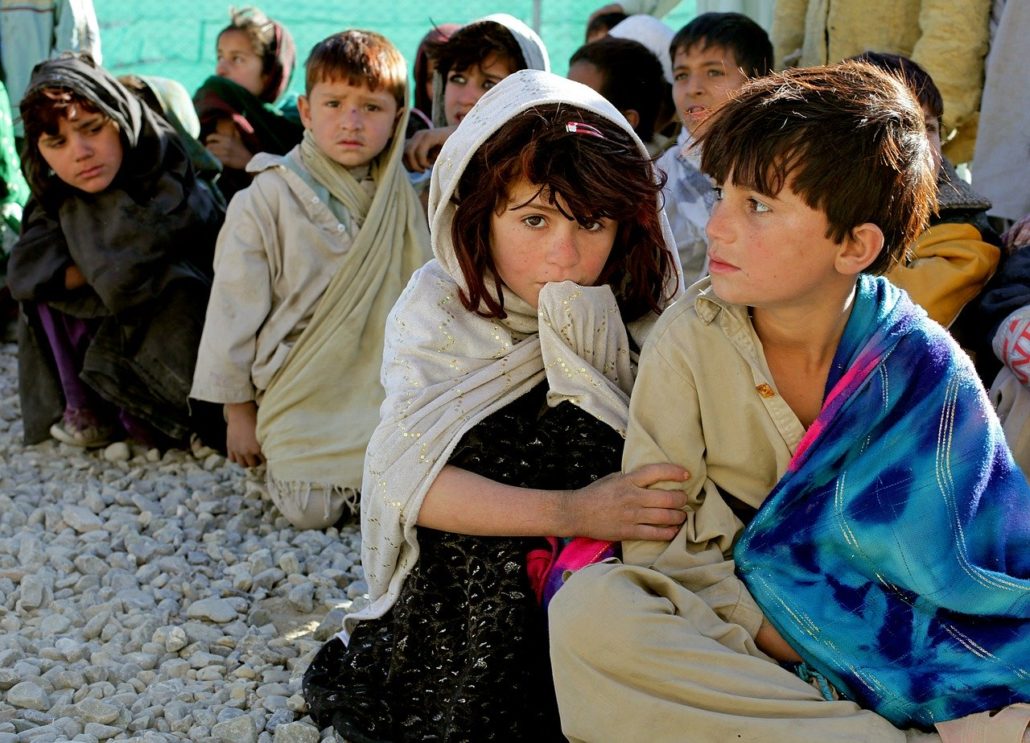
UNAMA Improving Human Rights in Afghanistan

Human Rights in Afghanistan
Human rights have long been a concern in the country of Afghanistan. The country suffers from extreme poverty that terrorist forces bringing destruction and violence intensify. As a result of these dire conditions, many Afghan citizens do not receive basic rights. While these conditions are extremely bleak, there are a few endeavors working on improving human rights in Afghanistan.

United Nations Assistance Mission in Afghanistan

In 2019, Afghanistan saw an excessive amount of violence. From the beginning of January through September, there were over 8,000 civilian casualties. The Taliban specifically targeted some of these attacks on women and health care providers.

One organization, The United Nations Assistance Mission in Afghanistan (UNAMA), has devoted itself to eliminating the harsh conditions of typical Afghan life. UNAMA is using its research, reporting, advocacy and engagement to tackle this endeavor.

Specifically, UNAMA aims to protect civilians from armed conflict, defend against the violation of child rights, eliminate violence against women, halt arbitrary detention and prevent torture during detention. So many civilians, women and children, in particular, experience great suffrage as a result of the violence in Afghanistan.

Despite the bleakness of 2019, UNAMA has made progress. Large-scale suicide attacks decreased by 79 percent in 2019 when compared to 2018. Torture in conflict-related detainees decreased by 7 percent as well. Maintaining the mission and engaging in strategic partnerships are key aspects to improving the living conditions of the public and at-risk Afghans. By continuing the impactful research, reporting, advocacy and strategic relationships, UNAMA is improving human rights in Afghanistan.

Human Rights Defenders

For a long while, human rights defenders have been victims of violence and intimidation within Afghanistan. Specifically, in 2019, escalated tensions surrounded human rights workers where there were specific activities of attacks and/or kidnapping. During that escalation in violence, the Taliban announced that there would be an attack on all media outlets responsible for criticizing Taliban fighters. These defenders are vital to aiding the protection of people’s human rights in Afghanistan. In turn, these defenders must also receive protection. 

Response to Rising Tensions

In January 2020, at an Amnesty International event, the authorities publicly committed to protecting the defenders of human rights in Afghanistan. Other organizations that support human rights throughout the nation attended the event. All of these groups designed a strategy outlining the actions they should take to protect human rights defenders.

This support launches initiatives that will investigate attacks, respond to incidents and/or threats of attacks, offer relief to human rights defenders and enable human rights defenders to continue work without the fear of retaliation. Helping these human rights defenders is vital to changing the situation of human rights in Afghanistan. If these defenders are unable to safely complete the work, then the human rights of Afghans will never improve.

Currently, human rights in Afghanistan are in need of remarkable improvements. Organizations are aiming to develop response mechanisms and preventative strategies toward improving human rights in Afghanistan. UNAMA is aiming to utilize research, reporting, advocacy, strategic partnerships and the protection of human rights defenders to help the Afghan population.

– Jacob E. Lee
Photo: Wikipedia

April 21, 2020
https://borgenproject.org/wp-content/uploads/borgen-project-logo.svg 0 0 Lynsey Alexander https://borgenproject.org/wp-content/uploads/borgen-project-logo.svg Lynsey Alexander2020-04-21 01:30:282020-04-16 09:14:34UNAMA Improving Human Rights in Afghanistan
Global Poverty, Human Rights, Human Trafficking

Top 5 Ted Talks About Human Trafficking

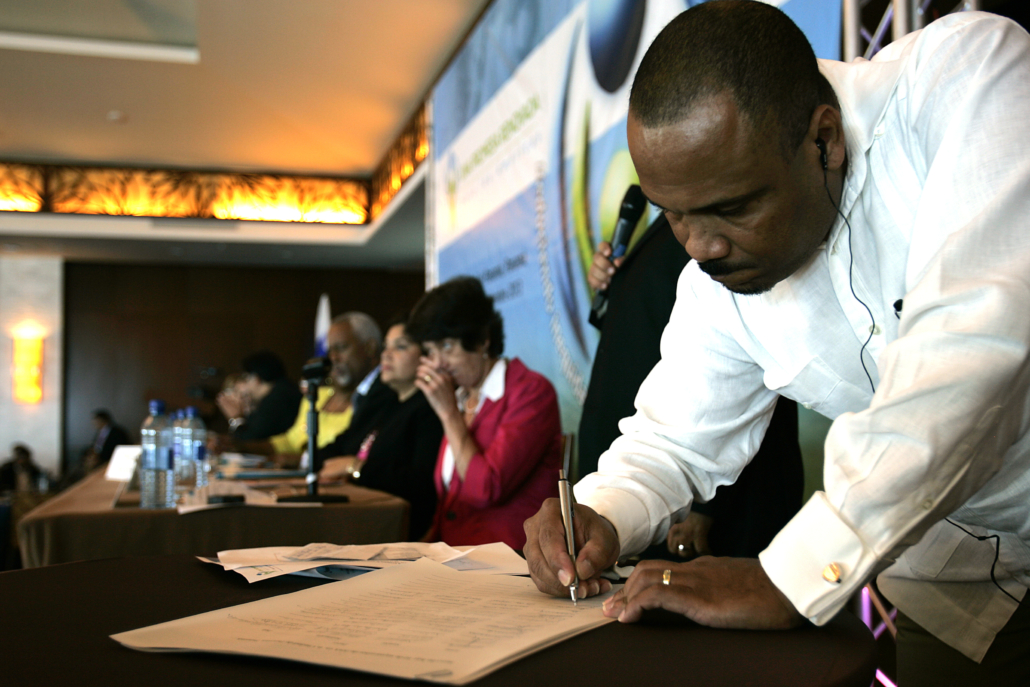
Five Ted Talks About Human TraffickingTED talks about human trafficking help to shine a spotlight on the issues from how to spot examples of trafficking to how to end it. These talks can be a powerful educational tool not only for individuals but also in settings like the classroom and the workplace. Here are five TED Talks about human trafficking.
5 TED Talks about Human Trafficking

  1. “Human Trafficking is All Around You. This is How it Works.” In this talk, Noy Thrupkaew discusses the behind-the-scenes world of human trafficking and its prevalence in ordinary places of business such as nail salons. She shows the human faces behind the exploited labor that feeds global consumerism and breaks down how human trafficking works all around the world.
  2. “Escaping the Pain of Human Trafficking.” Markie Dell is a human trafficking survivor who shares her experience as well as her road to recovery. Dell also talks about the unusual advice from a friend that helped her to heal and reclaim her life.
  3. “Three Ways Businesses Can Fight Sex Trafficking.” Attorney Nikki Clifton points out three ways businesses can fight sex trafficking. She reveals to the audience how sex trafficking happens in the open more than people think. It can occur online, in the middle of the workday or while using company equipment and resources. As she says, this puts companies in a powerful position to mobilize employees and educate them to stop sex trafficking. Hiring sex trafficking survivors and setting clear policies are just some of the ways she says businesses can stop sex trafficking.
  4. “The Fight Against Sex Slavery.” Sunitha Krishnan spends her time leading powerful discussions surrounding the multi-million dollar global sex slavery industry. A longtime ally of sex traffickers, she tells the stories of children of slaves and advocates for a more humane reform to helping survivors rebuild their lives.
  5. “I Was Human Trafficked for 10 Years. We Can Do More to Stop It.” Barbara Amaya courageously tells her story of being human trafficked when she was 12 years old. After running away from home to escape her abusive family, Amaya was “rescued” by a family that locked her into human trafficking for 10 years. Since escaping in 2012, she has raised awareness about the sexual exploitation of children and domestic sex trafficking. Amaya is an anti-trafficking advocate, speaker, trainer, author and survivor leader in the movement to end sex and human trafficking.

By taking just a few minutes to watch these TED talks about human trafficking, people can do something today to prevent human trafficking. Sharing their talks on social media is also a great way to continue the movement of ending human trafficking through education.

– Emily Joy Oomen
Photo: Wikimedia Commons
March 19, 2020
https://borgenproject.org/wp-content/uploads/borgen-project-logo.svg 0 0 Lynsey Alexander https://borgenproject.org/wp-content/uploads/borgen-project-logo.svg Lynsey Alexander2020-03-19 09:27:362024-12-13 18:02:04Top 5 Ted Talks About Human Trafficking
Global Poverty, Human Rights

Fighting for Human Rights in Central America

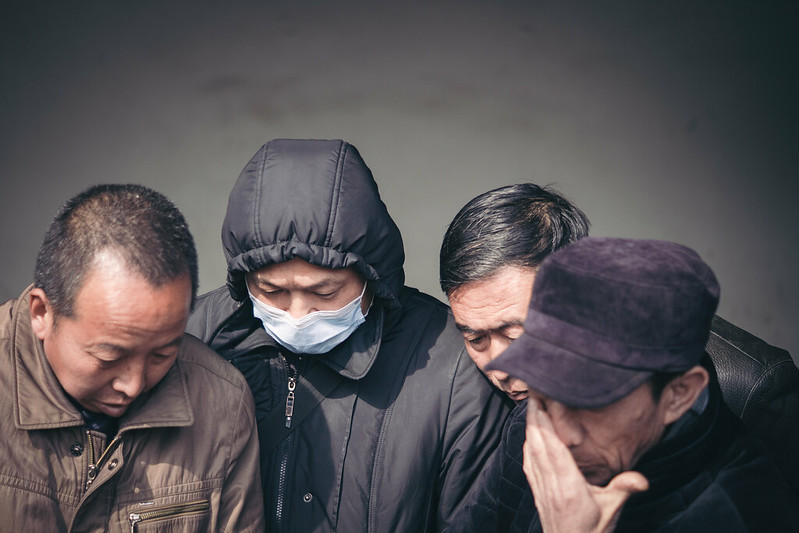
Human Rights in Central AmericaCentral America, which includes Belize, Costa Rica, El Salvador, Guatemala, Honduras, Nicaragua and Panama, has a history of human rights violations. The three northern countries (El Salvador, Guatemala and Honduras) are considered the most dangerous countries in the region for vulnerable communities. The United Nations defines human rights as rights thought to be inherent no matter any status. Violations of these rights include violence, discrimination and injustices.
Vulnerable Communities

Members and supporters of the LGBTQ community, women and children are the most prone to violence and discrimination in Central America. Violence against LGBTQ people is severe and spread far throughout the region. In northern Central America between 2014 to 2019, 243 LGBTQ people were murdered.

The northern region is also the most dangerous for women. This is because El Salvador has the highest rate of gender-motivated killing in the world. Guatemala follows closely behind at third-highest while Honduras is sixth. In 2017, 2,559 cases of gender-motivated murders were reported in Latin America and the Caribbean with Central American nations making up a majority of the countries with the highest risk for women. El Salvador, Honduras, Belize, Guatemala and Nicaragua are included within the top 10.

Another highly vulnerable group is children. Children suffer from gangs, sexual violence and poverty. Many are forced to flee from Central America to the United States in the hopes of living safer lives, but this journey is often dangerous due to the drug-trafficking gangs. In addition to violence, poverty is also a significant driving force for children and families fleeing Central America. More than two-thirds of children live in poverty throughout El Salvador, Guatemala, Honduras and Nicaragua. In El Salvador alone, 86.8 percent of children live under the poverty line. However, families who do make it to the U.S. border are detained and often separated.

Human Rights Defenders

There is constant work to expand existing organizations and encourage a public environment that allows human rights defenders, local civil society groups and individuals to carry out their vital work without fear of violence. The people on the ground doing research, providing aid and services and protesting injustice are the foundation of the cause.

OutRight Action International, founded in 1990, works to improve the lives and protect LGBTQ people in Central America. In Guatemala, OutRight hosted a security training for LGBTQ activists in 2016. They document abuse and work towards creating a more tolerant society.

Journalists and activists that carry out such work are often detained or arrested for speaking out against the violation of human rights. 87 human rights activists were murdered or died in detention in Central America in 2016. The Latin America Working Group (LAWG) recognizes the importance of activists in the fight for human rights and has launched many campaigns advocating for laws protecting human rights defenders. In many cases, the violence and crime against activists are ignored by law officials and in response, human rights organizations have implemented devices, such as contact buttons and emergency plans, to keep people from being punished for speaking out.

Furthermore, the Pan American Development Foundation, based in Washington D.C., is currently 4 years into a 5-year plan to strengthen human rights in Central America. The project began in 2016 and has provided help to at-risk communities and has established protection systems for civil society groups and human rights defenders.

Moving Forward

Human rights in Central America are challenged every day. These rights are often abused due to the ineffectiveness of government intervention efforts and gang-related violence. Central America has a long way to go in providing a safe and enriching society for its citizens, but with the continued efforts of activists and community groups, there is a possibility for improved safety and livelihoods.

– Taylor Pittman

Photo: Flickr

February 28, 2020
https://borgenproject.org/wp-content/uploads/borgen-project-logo.svg 0 0 Lynsey Alexander https://borgenproject.org/wp-content/uploads/borgen-project-logo.svg Lynsey Alexander2020-02-28 06:00:192024-05-29 23:14:55Fighting for Human Rights in Central America
Global Poverty, Human Rights

The Issue of Chinese Re-Education Camps

Chinese Re-education Camps
Currently, China is holding Uyghur Muslim prisoners in what it calls re-education camps. China is holding them captive in its re-education camps without trial, with the excuse that these centers are voluntary and a way to fight Islamic extremism. However, police forces hold power over these places, making it impossible for the Uyghur people to leave by choice. Despite the negatives these camps represent, people can do remarkable things to help from wherever they are. This article covers information about the discovery of the Chinese re-education camps and how nations and people are taking action.

The China Cables Leak

Currently, estimates state that China is holding somewhere between one and three million Uyghur Muslim prisoners in what it calls re-education camps. This number would equate to around 10 percent of the Uyghur Muslim population in China, which is about 10 million. The government is claiming that these centers are voluntary and a way to fight extremism. However, after the leak of the China Cables, China had a difficult time sustaining this narrative.

The China Cables refer to the leak of the operating manual for the Chinese re-education camps, which people formally knew as the Xinjian re-education camps. Prisoners only obtain weekly phone calls and a monthly video call with relatives. Other than that, any other contact can result in their suspension. The Chinese camps have high security and prisoners are under constant surveillance, which makes it nearly impossible for them to contact the outside without someone catching them.

One can mostly trace the documents back to 2017, and they explicitly reveal the government’s plans to use these facilities to forcibly teach manners and ideologies to the prisoners. Even though the government says the people can leave the camps and are there voluntarily, the China Cables state that the camps would only release the students after a year and only after achieving a minimum point score. Despite the evidence, Shohrat Zakir, chairman of the Xinjiang Uyghur Autonomous Region, said: “What we established are vocational training centers — they are not concentration camps as called by some people.”

The World’s Action

The world has been noticeably quiet about this issue. However, some U.S. representatives have provided comments and critiques about the camps. Mike Pompeo, the United States’ Secretary of State, has called the treatment of the Uyghurs “the stain of the century.” Deputy John Sullivan called it a “horrific campaign of repression.”

Even though it took some time, the U.S. government finally took concrete action. The administration blocked Chinese officials who carry out the repression from gaining visas to the U.S. The Commerce Department sanctioned Xinjiang’s Public Security Bureau, its subsidiaries and eight companies for their involvement in the persecution, detention and surveillance of the Chinese camps. China has used the camps as a testing ground for intrusive surveillance of the Uyghur.

Outside of the U.S., other nations are taking action. The United Kingdom has urged China to give U.N. observers access to detention camps. Belgium stated that it would continue raising the issue of human rights violations in these centers. Finally, 22 countries at the U.N. issued a joint statement directed to China to end the detentions and human rights violations of Muslims. The U.K., Canada and Australia are amongst the countries that signed.

Opensource Research

Any of these things would not be possible if it were not for the power of the people, beginning with the leak of the China Cables and opensource research. Opensource research is the type of research that includes sources available to everyone on the internet. German academic Adrian Zenz followed this type of research by using a Chinese search engine, Baidu, to discover documents that proved the existence of these camps.

Shawn Zhang is another significant contributor, who is a law student that used satellite imagery to investigate the location and size of the camps. Both of their research has supplied evidence and images to news outlets. It has also helped disprove the Chinese government’s denial of the camps. One should never underestimate the importance of the power of the people. Zhang says: “During my research, I have felt a lot of pressure from the Chinese government (…) [but] I think it is worth it because there are so many Uighur people held there. They just totally vanished, they disappear, like going into a black hole. They’ve lost contact with their families. At least my research can help international society to pressure the Chinese government so there can be a better chance of a peaceful solution.”

The Save Uighur Campaign

There has also been an increase in coverage of this issue, particularly in social media, through the hashtag #SaveUyghur. It is essential to keep talking about this, so more people become aware, and those in power feel pressured to exercise change. Finally, there are also nonprofits such as The Save Uighur Campaign, where people can donate and contact Congress. This NGO’s mission is to help the Uyghur Muslims suffering from the Chinese re-education camps. In its own words, “The project is a concerted effort to tie media exposure, public relations, and government action together into a single strategy aimed at the liberation of the Uighurs from the oppression they face at the hands of the Chinese government.” It is prompting people to protest and giving them the resources to do so as well.

A popular way of protesting, which Save Uighur also promotes, is Fast From China. China bans Muslims from fasting, which is part of their religion. As a way of protest and an act of solidarity, people stop eating Chinese products during the month of Ramadan. There is even a hashtag for this, #FastFromChina.

The Save Uighur NGO does something fundamental by encouraging people to contact Congress, as this is where one can see the most tangible progress when fighting for this issue. Congress is considering two bills that support Uighur Muslims. The Senate has already passed one, while the House of Representatives is yet to pass the other one. One can find the tools to support it and contact leaders on the Save Uighur website.

Atrocities are happening in China, but people are doing some things about them. People can start taking action and changing the circumstances by informing themselves and contacting their leaders. Some fantastic ideas are already in motion to fight against these Chinese re-education camps, both from the government and the people. From discovering the China Cables to a hashtag, everything counts in this battle. Despite the negatives these camps represent, people can do remarkable things to help from wherever they are.

– Johanna Leo
Photo: Flickr

January 12, 2020
https://borgenproject.org/wp-content/uploads/borgen-project-logo.svg 0 0 Kim Thelwell https://borgenproject.org/wp-content/uploads/borgen-project-logo.svg Kim Thelwell2020-01-12 07:30:542024-05-29 23:14:27The Issue of Chinese Re-Education Camps
Human Rights

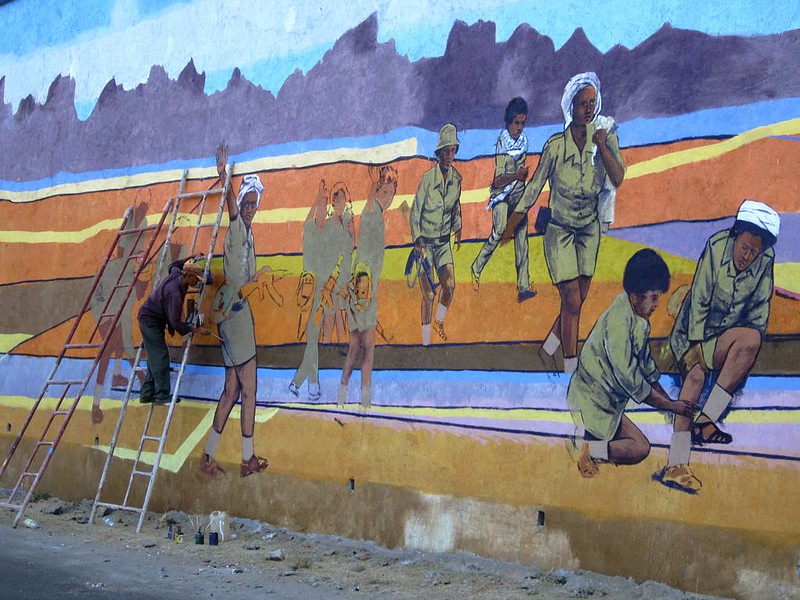
9 Facts about Human Rights in Eritrea

Facts about Human Rights in Eritrea

Eritrea is known by some as the “North Korea of Africa.” In 1993, after a 30-year long war of independence, Eritrea won its independence from Ethiopia. In the U.S. Department of State’s 2019 Trafficking in Persons Report, Eritrea received a tier-three rating, signifying that the Eritrean government has not engaged in any significant efforts to eliminate human trafficking in the country. Keep reading to learn the top nine facts about human rights in Eritrea.

9 Facts about Human Rights in Eritrea

  1. The Eritrean government is one of the last remaining dictatorships in the world. Since the country’s independence from Ethiopia in 1993, President Isaias Afewerki has served as the country’s leader. Forced labor, repression of free speech and restriction on the freedom of religion are common under the current regime.
  2. Human trafficking in Eritrea has its roots in the national service program. The program requires men ages 18 to 54 and women ages 18 to 47 to serve 18-months in the military and non-military service. However, there are records of people serving more than 10 years because they were threatened with detention, torture or harm to their families.
  3. Many Eritreans have fled their country to find better living conditions. In 2013, an estimated 2,000 to 3,000 people were fleeing Eritrea every month to escape the country’s human rights abuses. Overall, the U.N. refugee agency has expressed concern that more than 300,000 Eritreans have fled over the past decade.
  4. Security forces in Eritrea torture and beat civilians or suspected criminals. Among the people tortured and beaten are army deserters, draft evaders, people living near mining camps and people attempting to flee the country. For Eritreans who are trying to flee the country, the Eritrean government issued a shoot-to-kill policy.
  5. Children and young people are vulnerable to exploitation and human trafficking in Eritrea. All 12th-grade students are required to complete their final year of secondary education at the Sawa military and training academy. If the students refuse, they do not receive high school diplomas and are unable to attend universities or attain employment. Although the Eritrean law bans conscription of minors (younger than 18) into military service, many students sent to the academy are not of age.
  6. Many Eritrean refugees are facing repatriation. Repatriated refugees often face arrest and indefinite detention, which involves inhumane conditions and treatments. Eritrea’s inhumane treatment of its citizens is extensive, evidenced through Osman Ahmed Nur’s suicide in 2018. Ahmed Nur, who escaped to the U.K. after suffering torture, committed suicide in fear of repatriation after getting stopped and searched by the police.
  7. Many international organizations are coming together to give aid to Eritrea. In 2009, the EU, the U.S. and the African Union worked together to provide development aid for Eritrea. The EU provided 122 million euros in assistance to Eritrea despite “concerns that development projects in Eritrea are carried out by conscript or prison labor in violation of international law.”
  8. The Ethiopian soldiers and government give favorable support to the Eritrean refugees. This may surprise an outsider observer, given the history of conflicts between Eritrea and Ethiopia. In interviews conducted in 2017, Eritrean refugees stated they did not experience hostility from Ethiopian soldiers. While there are concerns about the living conditions in the refugee camps in Ethiopia, the U.N. Refugee Agency’s statistics highlight the refugees’ access to electricity and reuniting of over 1,600 children with their families in Ethiopia.
  9. Assistance is also provided to Eritreans living outside of the refugee camps. They receive help to formally register births, marriages and deaths which helps increase access to financial services such as bank accounts. Statistics show that 623 Eritreans living in urban centers benefit from the OCP. There are also 13,000 Eritrean refugees who benefit elsewhere in the country.

Above all, the Eritrean government’s treatment of its citizens paints a bleak picture. Repression of free speech, limiting the freedom of religion, the lack of due process and accounts of torture make up the grim narratives told by the Eritrean refugees. However, Eritrea’s recent peace agreement with Ethiopia is more hopeful. These nine facts about human rights in Eritrea tell us that, with the help of the international community and humanitarian assistance given by the Ethiopian government, a better future awaits the people of Eritrea.

– YongJin Yi
Photo: Flickr

December 26, 2019
https://borgenproject.org/wp-content/uploads/borgen-project-logo.svg 0 0 Kim Thelwell https://borgenproject.org/wp-content/uploads/borgen-project-logo.svg Kim Thelwell2019-12-26 06:21:492024-05-29 23:14:239 Facts about Human Rights in Eritrea
Page 8 of 46«‹678910›»

Get Smarter

  • Global Poverty 101
  • Global Poverty… The Good News
  • Global Poverty & U.S. Jobs
  • Global Poverty and National Security
  • Innovative Solutions to Poverty
  • Global Poverty & Aid FAQ’s
Search Search

Take Action

  • Call Congress
  • Email Congress
  • Donate
  • 30 Ways to Help
  • Volunteer Ops
  • Internships
  • Courses & Certificates
  • The Podcast
Borgen Project

“The Borgen Project is an incredible nonprofit organization that is addressing poverty and hunger and working towards ending them.”

-The Huffington Post

Inside The Borgen Project

  • Contact
  • About
  • Financials
  • President
  • Board of Directors
  • Board of Advisors

International Links

  • UK Email Parliament
  • UK Donate
  • Canada Email Parliament

Get Smarter

  • Global Poverty 101
  • Global Poverty… The Good News
  • Global Poverty & U.S. Jobs
  • Global Poverty and National Security
  • Innovative Solutions to Poverty
  • Global Poverty & Aid FAQ’s

Ways to Help

  • Call Congress
  • Email Congress
  • Donate
  • 30 Ways to Help
  • Volunteer Ops
  • Internships
  • Courses & Certificates
  • The Podcast
Scroll to top Scroll to top Scroll to top