 Las Damas de Blanco (The Ladies in White) is a peaceful civic movement of wives and female relatives advocating for the release of jailed political protestors in Cuba. The group has been active since 2003 and is internationally acclaimed for its dedication to human rights advocacy, having won the Sakharov Prize for Freedom of Thought in 2005. Currently, the movement is the subject of a resolution on the Senate calendar.
History of Las Damas de Blanco
Las Damas de Blanco formed in 2003 following an event known as the Black Spring. The Black Spring was a mass arrest of 75 journalists and political protestors in Cuba. Each of the arrested had either spoken out against the Castro regime or advocated for democracy in some way. The people arrested ranged from librarians to human rights activists who were all peaceful in the dissent and yet were arrested for threatening Cuban national security. In response to the arrests, the wives and sisters of the protestors decided to band together and form a countermovement. Every Sunday, the women gather and attend mass wearing white, and then, march silently through the streets. The white clothing symbolizes peace and the message is centered on family and freedom.
Overcoming Barriers
As a women-led movement, Las Damas de Blanco faces many challenges in its advocacy efforts. The movement is agitated by other citizens and particularly by Cuban authorities. The Cato Institute reports that the women “are routinely harassed, threatened, beaten and arrested” for the peaceful protest. Despite this, the movement has never weakened. The Ladies in White continue to march every Sunday and the members have brought global awareness to the issue. All 75 of the protestors arrested in the Black Spring were freed by 2011, in large part due to the efforts of the Ladies in White. The women-led movement still protests consistently and will not cease until all Cuban political prisoners are freed.
US Recognition
In March 2021, Sen. Mark Rubio introduced a resolution honoring Las Damas de Blanco and adding the Senate’s voice to the call for the release of all political prisoners in Cuba. The resolution acknowledges the efforts of the women-led movement and the Cuban regime’s consistent attacks on the movement. It particularly honors the legacy of the movement’s founder, Laura Ines Pollán Toledo, on human rights advocacy.
A more recent event highlighted in the resolution is the second arrest of Las Damas de Blanco member, Xiomara de las Mercedes Cruz Miranda, which took place in 2018 and resulted in Miranda developing a rare skin disease in prison. Miranda’s health deteriorated and she was hospitalized in Cuba for more than six months. In 2020, the U.S. government granted Miranda a humanitarian visa and transferred her to a hospital in Miami.
The resolution’s direct calls for the Cuban government to release all political prisoners and allow Las Damas de Blanco to attend mass in peace are vital actions of solidarity. If it is agreed to in the Senate, the resolution will further amplify the voices of Las Damas de Blanco and all peaceful Cuban dissidents hoping for liberty.
– Samantha Silveira
Photo: Flickr
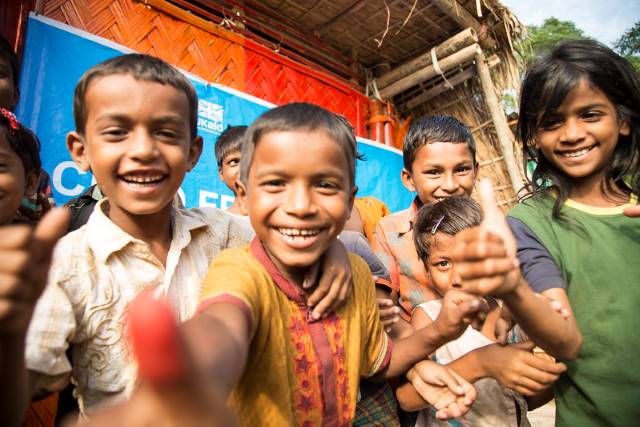 The Rohingya are an
 Human rights in Brazil are under attack by the country’s own presidential administration. Having campaigned on his famous “
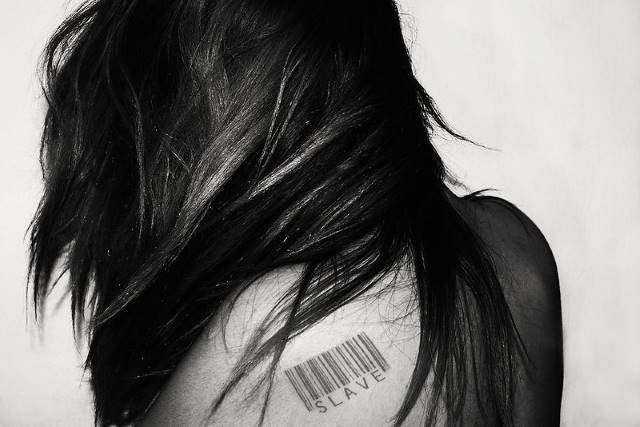 Human trafficking in the Netherlands is a serious issue and one that the Dutch government is attempting to alleviate. According to the
 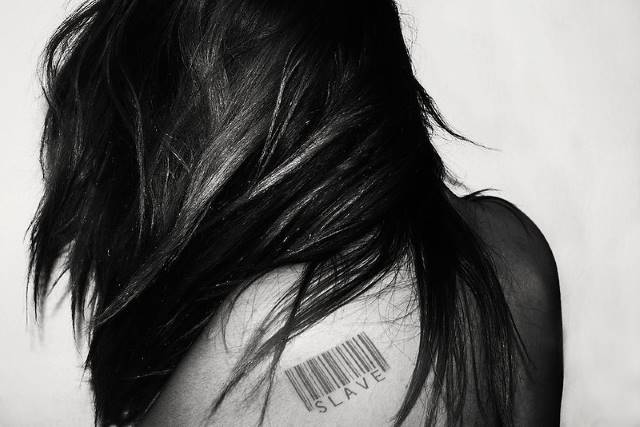 Human trafficking is a persistent problem all around the world, including in the Hong Kong Special Administrative Region located in the People’s Republic of China. The Justice Centre Hong Kong produced a study in 2016 on human trafficking in Hong Kong and it was found that
 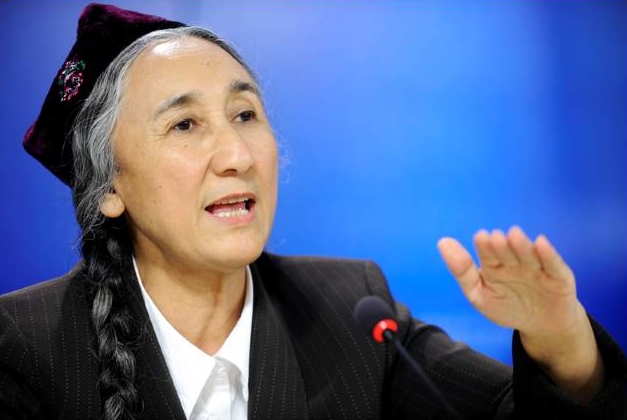 Forced labor stemming from human rights violations in the Xinjiang province of China has been linked to at least 83 major corporations. In a report released by the Australian Strategic Policy Institute (ASPI) in February 2020, companies such as Nike, Gap, H&M, Apple, BMW, Gap, Huawei, Samsung, Sony and Volkswagen all have connections to the use of forced Uyghur labor in China. The
  The United States
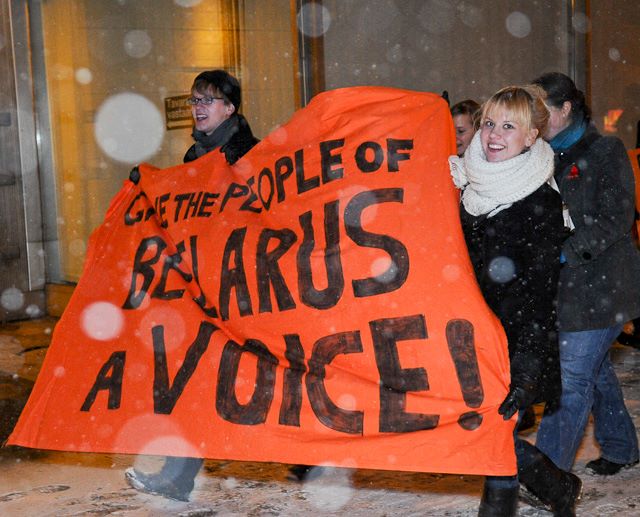 The country of Belarus is both physically and politically stuck between Russia and Western Europe, which have been at odds for the past several years. Currently, Belarus is in the wake of political protests and social unrest. Additionally, the country is reaching a tipping point and the people are demanding change. The first step is the introduction of a new democracy and human rights bill in the U.S. Congress.