5 NGOs Supporting Informal Workers in Developing Nations
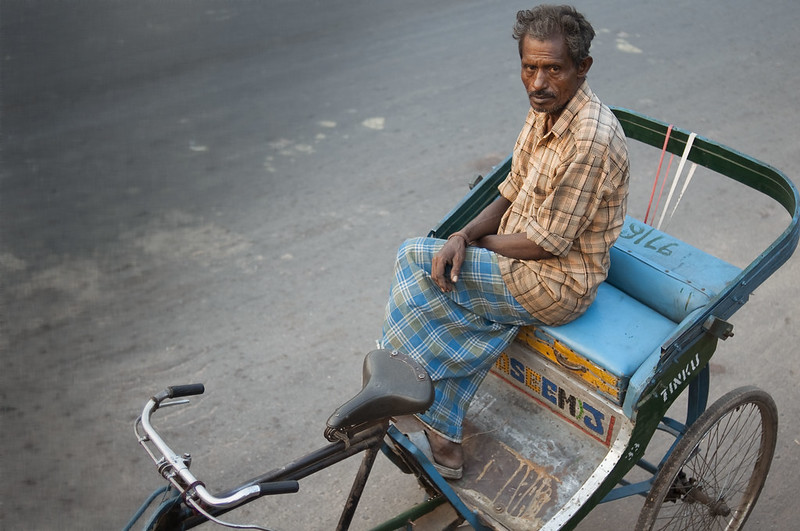 Approximately 61% of the world’s employed, or 2 billion people, earn their livelihoods in the informal sector. While the informal sector brings its own set of limitations such as a lack of health care benefits, the COVID-19 pandemic exacerbates the issues that daily wage workers face. Within the percentage of total global employment, there is a staggering distribution of informal employment.
Informal Workers in Developing Nations
The informal sector varies by country but is more common in developing nations. In Africa, 85.8% of employment is informal, 68.2% in Asia and the Pacific, 68.6% in the Arab States, 40% in the Americas and more than 25% in Europe and Central Asia. Altogether, 93% of informal employment falls in low-and-middle-income countries.
According to WIEGO, informal work means a diversified set of economic activities or jobs that are not related or protected by the state. It is most commonly associated with self-employment and small unregistered businesses but also includes daily wage workers. Informal workers face increased poverty and occupational risks that, combined with lack of access to any sort of welfare, push many into income inequality and greater poverty.
5 NGOs Working to Support Informal Workers
- WIEGO: Women in Informal Employment: Globalizing and Organizing (WIEGO) is an NGO founded in 1997 with a mission to increase the voice, visibility and validity of impoverished communities, especially women. Building and strengthening informal worker organizations, such as internal sector networks, remains a central objective of the program for years. WIEGO has also implemented a five-year plan that spans from April 2018 to March 2023 to improve informal workers’ visibility, global influence, national statistics and knowledge base.
- Asiye eTafuleni (South Africa): This NGO is focused on promoting and developing good practices around inclusive urban planning and design. AeT works alongside informal workers to learn more about their situation. The organization has four ambitions: Inclusive Design, Urban Advocacy, Urban Education and Urban Intelligence. Inclusive Design focuses on reconsidering and reshaping urban spatial planning and zoning, urban regulations, laws and policies and urban aesthetics to incorporate traditionally excluded voices, such as that of the working poor. AeT believes the working poor and informal workers should have a voice in these actions. Urban Advocacy works to influence political and social agendas to s crucial to impact change for informal workers and their organizations. AeT encourages and teaches informal workers to become advocates for themselves. Through Urban Education, AeT provides opportunities for students, the general public, tourists and environment professionals to learn about urban environments inclusive of informal workers. Lastly, Urban Intelligence allows AeT to widen and deepen urban intelligence so that local, national and international stakeholders can engage in more informed urban dialogue, planning and design processes.
- Avina Foundation: At the start, Avina focused on identifying, supporting, developing leadership and building relationships with social activists and entrepreneurs to strengthen their initiatives in favor of sustainable development. Following this, Avina began to bring together a critical mass of partners, over time helping them grow connections. Today, the program fulfills its mission by building and strengthening collaboration among different sectors to achieve the U.N. Sustainable Development Goals.
- StreetNet, International Alliance of Street Vendors: Located in Durban, South Africa, the organization’s primary goal is to promote the exchange of information and ideas on critical issues that street vendors, market vendors and hawkers face. Just like the programs abroad, StreetNet also works on practical organizing and advocacy strategies. StreetNet focuses on advocating for street vendors. Around the world, millions of people earn their livelihoods on the streets and in the vast markets. Street vendors sell a variety of products, from food to technology. However, while the street markets are convenient and affordable for consumers, street vendors are often at risk of poverty as their survival depends on the day’s wage. The program aims to improve the lives of street vendors and informal traders.
- Kagad Kach Patra Kashtakari Panchayat: This organization was established due to the immoral, cruel and unjust manner in which waste pickers are treated in India. The organization advocates for the fair treatment of waste pickers, itinerant waste buyers, waste collectors and other informal recyclers.
Looking Ahead
Informal workers are the silent majority and are the exhausted backbone of their respective countries. Since 61% of the world’s employed population falls into the informal sector, reducing the informal sector’s number of workers means alleviating global poverty. These five organizations are fighting for the fair treatment of informal workers and are providing vital resources for their survival. These organizations are also supporting workers’ transition from informal work to jobs protected by the state so workers will not fear transitioning their livelihoods. By improving the conditions of informal workers, the world, as a global community, can move one step closer to equality and global health care.
– Aaron Samperio
Photo: Flickr
