• Link to X
  • Link to Facebook
  • Link to Instagram
  • Link to TikTok
  • Link to Youtube
  • About
    • About Us
      • President
      • Board of Directors
      • Board of Advisors
      • Financials
      • Our Methodology
      • Success Tracker
      • Contact
  • Act Now
    • 30 Ways to Help
      • Email Congress
      • Call Congress
      • Volunteer
      • Courses & Certificates
      • Be a Donor
    • Internships
      • In-Office Internships
      • Remote Internships
    • Legislation
      • Politics 101
  • The Blog
  • The Podcast
  • Magazine
  • Donate
  • Click to open the search input field Click to open the search input field Search
  • Menu Menu

Archive for category: Human Rights

Information and stories about human rights.

Global Poverty, Human Rights

3 North Korean Defectors Who Became Human Rights Activists

north korea defectorsNorth Korea’s refugee outflow started in the 1990s when North Koreans began fleeing a devastating famine. From then until 2020, more than 33,000 North Koreans defected to South Korea with others dispersed throughout the world. Defectors continued to leave because of food shortages and grave human rights violations. However, since the outbreak of the COVID-19 pandemic, North Korea’s border security tightened considerably, making the possibility of escape incredibly difficult. But, some North Korean defectors who have made it to freedom are now dedicating their lives to raising awareness for the millions of people still locked within North Korea. Here are the stories of three North Korean defectors who became human rights activists.

Kim Seong-Min

Born in 1962, Kim Seong-Min served 10 years in the North Korean military before working as a propaganda writer for the totalitarian regime. In a harrowing journey, he fled to China in 1996 only to face capture, repatriation and an execution sentence. Miraculously, he managed to escape once again and arrived in South Korea in 1999.

Seong-Min became one of the first and most active North Korean defector-turned-human rights activists. Most notably, he founded Free North Korea Radio (FNKR) in 2004. FNKR broadcasts news into North Korea and counters the regime’s propaganda. Only North Korean defectors now living in South Korea produce and voice the station. The station’s programming includes defectors’ personal narratives as well as news related to North Korea and knowledge about the outside world.

While it is impossible to track FNKR’s exact audience numbers, research consistently ranks it as the most popular broadcast in North Korea. Many listeners also covertly spread the broadcast’s news to their neighbors by word of mouth, creating a significant “secondary audience.” Seong-Min’s numerous awards include the Taiwan Foundation for Democracy’s Asia Democracy and Human Rights Award and the Reporters Without Borders’ Media Award.

Ji Seong-ho

As a teenager in the 1990s, Ji Seong-ho helped his family during the famine by hopping on coal trains, taking pieces of coal and trading them for food. At one point, falling from a coal train onto the tracks, a train crushed his left hand and foot. Several sections of his limbs were amputated, leaving him dependent on crutches. At age 24 he escaped to China, nearly drowning in the Tumen River in his attempt. From there, he traveled on crutches thousands of miles to freedom through China, Laos and Thailand before finally reaching South Korea.

Ji Seong-ho founded Now Action & Unity for Human Rights (NAUH) in 2010. The organization reaches out to North Koreans to inform them of their rights and helps prepare both North and South Koreans for the peninsula’s future unification. As of July 2019, NAUH had rescued 450 North Koreans and brought them to South Korea. Once in South Korea, NAUH  provides education on democracy, human rights and leadership development. The organization runs a number of national and international campaigns geared toward raising awareness of North Korea’s human rights violations. It also broadcasts a radio program targeting North Korean youth. Ji Seong-ho received the 2017 Oxi Day Foundation Oxi Courage Award for the work he and NAUH continue.

Yeonmi Park

Yeonmi Park fled North Korea with her mother in 2007 when she was 13 years old, only to discover that her brokers were human traffickers. After several years of bondage in China, she and her mother walked across the freezing Gobi Desert to Mongolia. From there, she moved to South Korea, and eventually, the United States.

Park debuted as a human rights activist at the 2014 One Young World Summit in Dublin. She gave a widely popular speech detailing her experiences. After that, she published her memoir, became a sought-after speaker on North Korean human rights issues and conducted countless interviews.  Perhaps most impactful is her YouTube channel, which, as of January 2022, claims more than 81 million views and is the leading English-speaking channel hosted by a North Korean defector. She was also selected as one of the BBC 100 Women 2014, and in 2017, the Independent Institute awarded her the Alexis de Tocqueville Award for her contributions to liberty as the foundation of free, humane societies.

Fighting for Freedom

The lives and missions of these three North Korean defectors demonstrate their incredible tenacity and the many different ways that activists can bring awareness to human rights issues. Whether through radio broadcasts, education, direct rescue missions, speeches and even Youtube channels, human rights activists can reach millions and change the world for the better.

-Andria Pressel
Photo: Flickr
February 1, 2022
https://borgenproject.org/wp-content/uploads/borgen-project-logo.svg 0 0 Jennifer Philipp https://borgenproject.org/wp-content/uploads/borgen-project-logo.svg Jennifer Philipp2022-02-01 01:30:382024-12-13 18:02:393 North Korean Defectors Who Became Human Rights Activists
Global Poverty, Human Rights, Human Trafficking

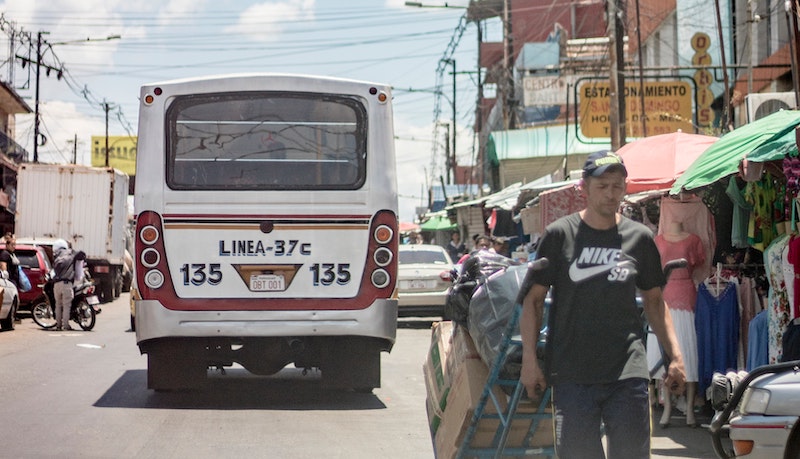
The Issue of Human Trafficking in Paraguay

Human Trafficking in Paraguay
In the last few decades, human trafficking has become rampant in many Latin American countries. Landlocked by Argentina, Bolivia and Brazil, Paraguay finds itself grappling with this issue, putting many of its citizens at risk of becoming victims of trafficking. For the year 2021, the U.S. State Department ranks Paraguay at Tier 2 in regard to the nation’s handling of human trafficking. This ranking means that Paraguay does not meet the minimum requirements for combating trafficking as outlined in the Trafficking Victims Protection Act of 2000 but “is making significant efforts to do so.”

Victims of Trafficking in Paraguay

According to the Trafficking in Persons Report (TIP) of 2021, men, women and children are all susceptible to human trafficking in Paraguay. However, the most prevalent and concerning act of human trafficking in Paraguay involves the exploitation of children under a practice called “criadazgo,” which entails the exploitive labor of children as domestic workers.

A child, usually from an impoverished family, provides domestic work to middle and high-class families in exchange for “varying compensation that includes room, board, money, a small stipend or access to educational opportunities.” Estimates indicate that about 47,000 Paraguayan children work under this practice, often girls. However, this practice is a form of exploitation “similar to slavery.” In fact, many victims of criadazgo experience physical abuse and sexual abuse. Although officially outlawed in Paraguay due to child rights violations, the practice continues.

Barriers to Combating Human Trafficking in Paraguay

Law enforcement officials are often complicit in human trafficking crimes. Allegations include accepting bribes to overlook acts of trafficking in “massage parlors and brothels” and “issuing passports for Paraguayan trafficking victims exploited abroad.” According to the TIP, Paraguay’s national law against human trafficking does not “align with international law.” Furthermore, the official anti-trafficking unit lacks the resources to operate effectively. Considering the significant number of trafficking victims in Paraguay,  the nation does not have adequate services and infrastructure in place to adequately serve victims.

The Good News

Paraguay developed the Ministry of Adolescents and Children (MINNA), which “maintains a unit dedicated to fighting child trafficking and a hotline to report cases of human trafficking and commercial sexual exploitation of children.” This unit also offers “social services” to child victims of trafficking.

MINNA created Program Abrazo (Embrace Program) in 2005 to aid children within exploitative child labor by supplying the children and their family members “with health and education services, food deliveries and cash transfers conditioned on children’s school attendance and withdrawal from work.” In 2020, MINNA collaborated with “local institutions” to “open new Embrace Program attention centers for street children and to strengthen services at existing centers.”

In 2017, Paraguay created a child trafficking awareness initiative to reduce “child commercial sexual exploitation” within the tourism industry. The initiative made use of flyers, banners and stickers “at hotels, airports and places of mass circulation” in Ciudad del Este, the second-largest city in Paraguay, as well as the Paraguay border area.

Looking Ahead

These efforts are placing the country on the right path for Tier 1 categorization as a fully compliant nation. It is important to raise awareness of human trafficking to help eliminate it. Human trafficking can put any one of the 7.6 million people residing in Paraguay at risk. Most importantly, the vulnerable population, such as children and impoverished people, face this risk at a higher proportion than anyone else. Through continued efforts to combat human trafficking in Paraguay, the government can safeguard the well-being of vulnerable Paraguayans.

– Kler Teran
Photo: Unsplash

January 30, 2022
https://borgenproject.org/wp-content/uploads/borgen-project-logo.svg 0 0 Kim Thelwell https://borgenproject.org/wp-content/uploads/borgen-project-logo.svg Kim Thelwell2022-01-30 01:30:222022-01-18 14:41:22The Issue of Human Trafficking in Paraguay
Child Poverty, Global Poverty, Human Rights, Human Trafficking

Reducing Human Trafficking in Mali

Human Trafficking in Mali
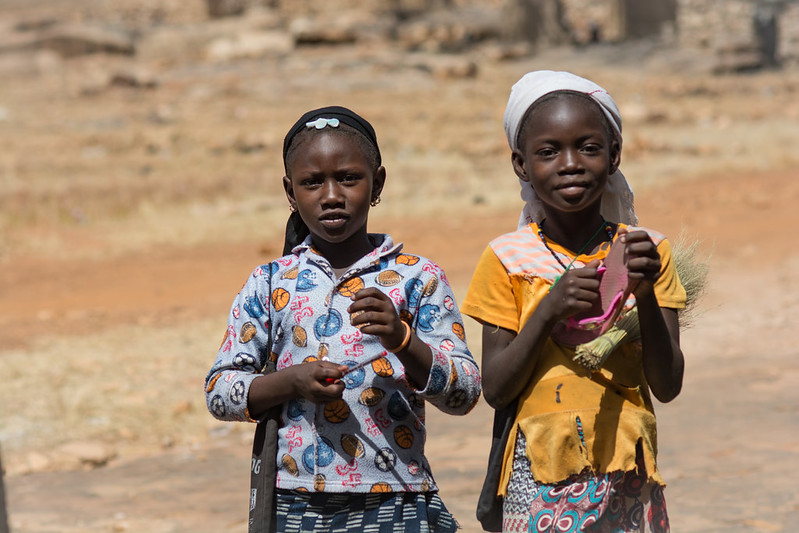
Mali is a country where human trafficking is widespread, according to the U.S. State Department. This suggests that the government of the western African country is failing to achieve the bare minimum for abolishing the practice. Instead, Mali has increased some of its prevention efforts — at least since 2017. Mali is not overlooking trafficking, according to many observers. In fact, the government is attempting to stop human trafficking in Mali.

The Situation in Mali

Despite its ranking, the Malian government is making strides to remedy its human trafficking conundrum. These initiatives include educating judges, prosecutors and law enforcement officers on human trafficking, as well as issuing a directive prohibiting minors from entering military installations.

Further actions aimed at combating human trafficking include government collaboration with international groups such as the Fodé and Yeguine Network for Action, and the Ministry of Women, Children and Families. In addition, the government has concentrated efforts amending an old anti-trafficking law as recently as 2019.

Mali’s justice minister has issued an order requiring judicial officials to give priority to cases brought under the original statute. Due to the absence of an integrated process to gather anti-trafficking statistics, law enforcement material previously was fragmentary and thereby challenging to access. The 2019 amendment sought to establish a unified strategy for data collection.

Mali is one of the poorest countries in the world, with more than 42% of its total population living below the poverty line, according to the World Bank. The coronavirus pandemic didn’t help, as a recession dropped Mali’s gross domestic product by nearly 2%. Additionally, nearly seven in 10 adults in Mali cannot read or write, indicating a scarcity of education.

The Correlation Between Malian Poverty and Human Trafficking

Mali has been beset by instability and violence since a 2012 military coup d’état and the capture of the northern territory. The country remains in a state of desperation due to its economic and social crises. The financial insecurity has made it simple — as many observers viewed — to fall victim to human trafficking practices.

Mali falls short of meeting the minimal benchmarks for the abolition of human trafficking. As a result, human traffickers can continue to exploit both internal and international victims. Many of these migrants are fleeing crisis zones in Mali, Nigeria and Senegal.

Mali is a supplier, route and destination country for international trafficking, according to the State Department. Lured to Mali with assurances of high-paying jobs, organizations, which include violent fundamentalists like Al-Qaeda “affiliates” abduct many of them. Job seekers also labor to “pay off” fictitious debts that the organizations that invited them to the country in the first place tell them they owe.

Why Mali?

Despite its poverty, Mali is rich in gold and oil. Yet, to benefit from those resources, Mali needs miners. This attracts refugees, women and children, who traffickers could ultimately coerce. Juvenile prostitution and child sex trafficking are common at mining sites. In fact, more than 12% of sex workers at these locations are as young as 15 and as old as 19, according to the U.N. Refugee Agency.

A disproportionate number of males work in certain mines, exposing them to the most heinous types of child labor, including physical, sexual and psychological abuse. “Children are being forced to fight by armed groups, trafficked, raped, sold, forced into sexual or domestic servitude or married off,” Gillian Triggs, the Refugee Agency’s assistant high commissioner for protection, told Reuters in December 2020.

Assistance to Mali

There are many human trafficking solutions, yet they are difficult to implement. Global attention and vigorous effort to alleviate Mali’s exploited and trafficked workers dilemma remain in initial phases. While the U.N., the State Department and a number of non-governmental organizations said they are aware of trafficking issues in Mali, the magnitude and precise volume of trafficking and coerced laborers continue to remain unclear.

To help with these issues, the Roman Catholic Church-affiliated Caritas Mali has assembled an international team to build an initiative alongside the International Catholic Migration Commission,  providing underprivileged individuals and children with alternative income and skill development opportunities.

Mali’s education system is deficient, and this new initiative may make fewer people desire to work in deplorable conditions. Many believe that human trafficking thrives on the instability that poverty creates. Thus, eliminating poverty could then, in turn, mitigate trafficking problems.

Many groups are attempting to assist those in poverty in Mali including Action Against Hunger. To date, it has helped more than 400,000 people gain access to nutrition and health programs, food security programs and sanitation programs. Another organization providing aid is the U.S. Agency for International Development’s Office of Food for Peace, which collaborates with the U.N. World Food Program to deliver financial assistance and meals to families that dislocation, violence, environmental catastrophes and other crises have impacted.

Save the Children is another organization helping nearly 1.5 million Malian children in 2020 by giving food and protection. The organization says it effectively raised 232,000 children out of poverty.

The work of Save the Children, Action Against Hunger and the U.S. Agency for International Development’s Office of Food for Peace are helping reduce the symptoms of poverty such as food insecurity and poor sanitation. These efforts should subsequently reduce people’s vulnerability and eliminate human trafficking in Mali.

– Tiffany Lewallyn
Photo: Flickr

November 29, 2021
https://borgenproject.org/wp-content/uploads/borgen-project-logo.svg 0 0 Jennifer Philipp https://borgenproject.org/wp-content/uploads/borgen-project-logo.svg Jennifer Philipp2021-11-29 07:30:292024-05-30 22:25:30Reducing Human Trafficking in Mali
Children, Global Poverty, Human Rights, Human Trafficking

Human Trafficking in Curaçao

Human Trafficking in CuracaoEfforts to address human trafficking are now more widespread, but the epidemic continues. Curaçao and other foreign governments are fighting to stop this crime — a consistent battle that requires consistent efforts to eradicate it. Human trafficking in Curaçao stands as a complex issue with no set solution but there is cause for optimism. Many organizations are directing their resources toward human trafficking task forces and prevention. Understanding human trafficking, its origin, prevention measures and progress are the first steps to becoming an advocate.
Human Trafficking: The Basics

More than 35% of the world’s population currently lives on less than $2.00 a day. There are “2.5 billion children, women and men are at risk of human trafficking.” Curaçao identified only three victims of trafficking in 2019 compared to 44 in 2018, indicating a backtrack in progress. The government of Curaçao can do more to identify and help victims of trafficking. Prosecution for traffickers is in place; however, without investigations to pinpoint perpetrators, few incidents reach prosecution.

Human trafficking is a form of modern-day slavery that uses force, coercion or fraud to exploit sex or labor from victims. The three most common types of human trafficking are sex trade, forced labor and domestic servitude. Any person is at risk of trafficking, yet women and children are disproportionately vulnerable to sex trafficking. In fact, “women and girls make up 80% of the people trafficked.”

How Trafficking Links to Poverty

Curaçao’s economy relies heavily on tourism, and therefore, faces fluctuations that explain the nation’s 25% poverty rate. This has become worse with the onset of COVID-19 and travel restrictions. This resulted in a 19.1% unemployment rate in 2020. Poverty is dangerous in itself and brings with it several threats to one’s safety and well-being.

Women and girls are the main targets of sex trafficking in Curaçao. According to the U.S. Department of State’s 2021 Trafficking in Persons Report, these female victims come from countries such as Venezuela, Curaçao and the Dominican Republic. “Bar owners recruit women and girls to work as waitresses or ‘trago girls,’ and subsequently, force them into commercial sex.” Individuals faced with poverty struggle to meet necessities, making them extremely vulnerable to human traffickers. Acknowledging poverty and its direct link to sex or labor trafficking vulnerability is the first step to dismantling it.

This Dutch Caribbean island, part of the Kingdom of the Netherlands, is on the Tier 2 Watchlist for human trafficking. This ranking shows that Curaçao is making efforts to alleviate human trafficking within its borders but is still not meeting the minimum standards of elimination. The primary reason for the country’s underperformance is a lack of funding since the implementation of its written plan would meet minimum standards. Curaçao’s government also lacks adequate protection, prosecution and prevention.

Trafficking affects locals and tourists in Curaçao. In 2019, displaced Venezuelans who were working illegally and overstaying their visas held a high risk of trafficking in Curaçao. The Kingdom of the Netherlands’ involvement is crucial for anti-trafficking efforts, which puts it in a position of leadership and funding. The Netherlands is responsible for foreign policy in Curaçao, Aruba and St. Maarten.

Combating Human Trafficking is a Global Effort

Countries should work together to fight human trafficking. Due to these crimes’ international occurrence, it is every country’s responsibility to do its part. Interpol, the global police organization, works exclusively to prevent international crime, making it a significant activist in the fight against trafficking.

Operation Libertad, coordinated by the Interpol Global Task Force on Human Trafficking, joined forces with 13 different countries, including Curaçao. It rescued nearly 350 victims of sexual and labor exploitation in 2018. Interpol exemplified how creating a platform is powerful. It has more than 500 participating police officers arresting traffickers. Efforts and projects like Operation Libertad are in progress around the world.

Other methods of improvement are underway, such as training and educational seminars. In 2021, the Dutch Caribbean Islands received training from the U.S. Department of Justice Human Trafficking Prosecution Unit, solidifying the communal cooperation to fight human trafficking. The Global Alliance Against Trafficking in Women (GAATW) pushes for legislation to combat trafficking with “more than 80 non-government organizations” and support from countries such as the Netherlands. Many more organizations exist and each plays an essential part in eliminating human trafficking in Curaçao.

Help End Human Trafficking in Curaçao

The U.S. Department of State gives 20 different ways one can help fight human trafficking. Human trafficking in Curaçao will improve with consistent efforts. Global efforts present a hopeful future for trafficking victims but stringent measures are the only ways to ensure such hope. Understanding human trafficking, its origin, prevention measures and progress are the first steps to becoming an advocate.

– Anna Montgomery
Photo: Flickr

November 28, 2021
https://borgenproject.org/wp-content/uploads/borgen-project-logo.svg 0 0 Jennifer Philipp https://borgenproject.org/wp-content/uploads/borgen-project-logo.svg Jennifer Philipp2021-11-28 01:30:272022-03-25 06:34:29Human Trafficking in Curaçao
Human Rights

The Effects of Cobalt Mining in the DRC

Cobalt Mining
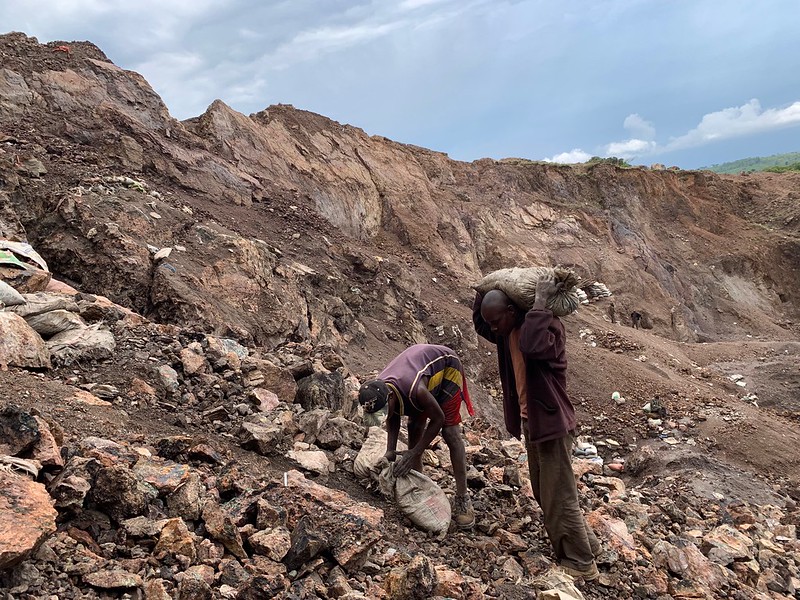
In recent years, the world has seen a growing demand for mined materials because of the growing popularity of crystals and semiprecious gems. Included in the demand for mined materials is cobalt, which is increasingly necessary due to its role in electric vehicle (EV) manufacturing. In fact, about “24% of the total cobalt demand” stems from EV production and the demand will continue to increase as more people continue to buy EVs. A prominent stakeholder in the crystal and mineral industry is the Democratic Republic of Congo (DRC), which produces “more than 70% of the world’s cobalt,” along with other semi-precious gems, crystals and gold. Of the cobalt mined, smaller mining operations, many without licenses, produce 15%-30%. The DRC government has failed to enforce proper accountability and ethics within cobalt mining in the DRC. This, combined with years of strict rule and war, has resulted in many people in the mining sector suffering human rights issues.

Human Rights Violations in DRC Mines

Cobalt mining in the DRC is rife with human rights abuses, such as the use of child labor. According to Amnesty International, an estimated 40,000 children are employed in artisanal mining in the DRC. A lack of proper safety precautions is also common practice and accidents frequently occur. Additionally, miners are usually subject to opportunist, abusive and exploitative mining firms, earning unlivable wages.

While it would be ideal for people within the mining industry to look toward alternative work, conditions in the DRC mean employment opportunities are scarce. Data from 2018 indicates that about 73% of the DRC lives in extreme poverty, surviving on less than $1.90 per day — an effect of previous wars and dictatorships. These factors have led to skyrocketing costs of living in the DRC and ravaged land, leaving people desperate to take up any opportunity they can find to survive. Since the nation sits on top of a large cobalt reserve that experts estimate holds more than 50% of the world’s cobalt supply, working in the mining industry in the DRC has more financial promise than other sectors, which imports dominate.

The lack of industry regulation allows exploitative practices to continue, but it also presents a public health crisis. Without the proper safety gear, miners of all ages experience continuing exposure to dust and particles that result in lung and skin diseases, like tuberculosis or dermatitis.

Solutions to Mining Injustices

In recent years, awareness around mining exploitation has been increasing, largely due to the fact that the industry is expanding along with technology. In 2020, several online activists brought attention to the human rights abuses within the artisanal mining industry by creating “the hashtag #NoCongoNoPhone to fight against the cobalt supply chain that fosters child labor and the exploitation of small-scale artisanal miners.”

Additionally, cobalt mining in the DRC is about to experience a regulation shift. Reuters reported in May 2021 that the DRC government is working with the Enterprise Generale du Cobalt (EGC) to establish control over the artisanal cobalt mining sector and obtain a monopoly over Congolese cobalt production. EGC is also partnering with PACT, an NGO in the global artisanal mining industry, to oversee and implement mining condition reforms in the DRC. Furthermore, EGC is working with a commodity and logistics giant, Trafigura, in order to provide “support on traceability down the supply chain.” The EGC will create “a price sharing formula” that splits mining profits between the private company, the miners and the government.

This model underwent testing at the Mutoshi copper mine and proved to be extremely helpful to local economies while also bringing about socio-economic benefits. In the trial, about 5,000 workers were part of a formal system, with PACT and Trafigura regulating the mining activities and pay. Miners reported reduced health expenditure due to better working conditions and “reduced workplace harassment for women,” among other positive impacts.

Looking Ahead

The mining industry in the DRC has suffered because of the lack of mechanisms put in place for accountability. While NGOs do important work on advocacy and mitigating the effects of broken systems, they have not been able to reach the roots of mining exploitation. However, the efforts of NGOs are now combining with those of the government and offer much hope in tackling human rights abuses within the mining industry.

– Hariana Sethi
Photo: Flickr

November 6, 2021
https://borgenproject.org/wp-content/uploads/borgen-project-logo.svg 0 0 Jennifer Philipp https://borgenproject.org/wp-content/uploads/borgen-project-logo.svg Jennifer Philipp2021-11-06 07:30:552024-06-04 01:18:02The Effects of Cobalt Mining in the DRC
Advocacy, Global Poverty, Human Rights

The Threatened Future of the Jarawa Tribe

Jarawa tribe
“Dance,” pressured the policeman to the tribal women who were naked from the waist up. “Dance for me,” he pestered, offering them food in exchange for coercing the semi-naked tribe members to put on a performance for his entertainment. This was a viral video from 2012 that brought mainstream attention to the Jarawa tribe. The video shows a tourist fantasy for those who encroach upon the land for a “human safari” experience. The Jarawa, a tribe that some once hunted down during colonial British rule, now runs the risk of extinction due to growing modern-day threats.

About the Jarawa Tribe

According to scholar George Weber, the Jarawa tribe are Pygmy Negrito people living in the Andaman and Nicobar Islands of India who are “a remnant population representing perhaps the earliest migration out of Africa of modern Homo Sapiens.” This Paleolithic tribe that still lives a Stone Age hunter-gatherer lifestyle has around 450 members in total. The tribe represents one of the four tribal communities (Great Andamanese, Onge and Sentinelese) living in the region who for the longest time refused contact with modern society. Unlike the Sentinelese tribe who refuse contact violently, the bow and arrow-wielding Jarawa tribe first established peaceful contact with the Indian government in 1997.

The Threats the Jarawa Tribe Faces

While making half-naked women dance is common, poachers similarly lure young tribal women with groceries, alcohol and meat to harm them physically and sexually exploit them. The government-approved “contact” resulted in alcohol and smoking addictions as well as the spread of diseases (the tribes lack the immunity of modern people) with COVID-19 now becoming one of their gravest threats. Additionally, a growing number of settlers is encroaching on tribal land. With one Jarawa for every 1,000 settlers, the wealthier settlers tend to deplete tribal land of resources.

But the most threatening thing to the Jarawa tribe today is “mainstreaming.” Mainstreaming refers to the policy of pushing a tribe to join the country’s dominant modern society. This most notably strips the tribe of its self-sufficiency and identity, leaving them struggling at the margins of society. The Borgen Project spoke with Yash Meghwal, the spokesperson of Tribal Army, a leading organization in India that has been fighting against tribal injustice. According to Meghwal, hunter-gatherer, tribal populations like the Jarawas are “not equipped to survive in a market-based economy.” Elaborating on this, he stated that “to move into the upper echelon of society, one must have proper education and then the adequate business or job opportunity” which governments have failed to provide to the tribes.

The Latest Threat: Human Safaris

Interactions with modern society increased after the construction of the Andaman Trunk Road. The road cuts through the Jarawa tribe’s reserve forests and brought in a large population of refugee settlers. Tour companies now allow “human safari” experiences along this road. This does not just exacerbate abuse, addictions and the spread of diseases from interaction with modern people. It also encourages the treatment of tribes as if they are zoo animals. This cultivates the dehumanization of tribal people. As Meghwal put it, “we are failing if our citizens are equated with wild animals.” Human safaris exist to profit from the poor, powerless tribal population. Thus, the tourism industry has emerged at the expense of their privacy, dignity, health and human rights.

When referring to the road, Meghwal said that “the state is only interested in making new roads as infrastructure. Modern society does not care about the ecological and environmental balance; their focus is more on the extraction from the tribal land.”

Larger Problem of Tribal Discrimination

Discrimination in the Andaman and Nicobar Islands is emblematic of a larger problem of tribal discrimination. Unfortunately, this level of discrimination is far bigger than the confines of the Islands. Meghwal claimed that this discrimination comes from conflating the tribal population with the Dalits. The Dalits are among the Indian lower caste. The Indian caste system is a hierarchal system that ascribes supremacy to one group and untouchability to the other. “Both Dalits and tribes suffer similar nature problems such as deprivation, discrimination and exclusion,” Meghwal claimed.

The Borgen Project also spoke with Jarken Gadi. He is a former sociology professor who is now a fellow for the Ministry of Social Justice and Empowerment. According to Gadi, this discrimination is a product of “the lack of awareness supplied by educational institutions and media houses.”

Tribal Army as a Solution

Hansraj Meena, one of the most prominent tribal activists in India, founded Tribal Army. This organization may hold the solution to the discrimination of the Jarawa tribe and other tribes across the country. Meghwal claimed that people should grant tribes rights in the case of land and forests. He also mentioned that “we should avoid [letting] too many outsiders into tribal territory.” Additionally, he stated that there is also a need for constitutional measures to protect tribes as they participate in the market economy. Tribal Army has also called for requirements of “reservation in the private sector and in business,” stating “it is the most necessary step for tribal welfare.”

Gadi’s solution to discrimination and threats is a call for awareness programs which the government initiated. These programs would teach the public about the different tribes and how they should treat them. The education system and media can influence thought, change negative attitudes and stop harmful actions toward the tribal community.

Organizations like Tribal Army constantly advocate for policy change. People are challenging the status quo of tribal discrimination. With advancements like these, positive change can come for the Jarawa tribe and for overall tribal welfare.

– Iris Anne Lobo
Photo: Flickr

September 24, 2021
https://borgenproject.org/wp-content/uploads/borgen-project-logo.svg 0 0 Lynsey Alexander https://borgenproject.org/wp-content/uploads/borgen-project-logo.svg Lynsey Alexander2021-09-24 01:30:292021-09-22 13:28:19The Threatened Future of the Jarawa Tribe
Global Poverty, Human Rights

Lewis Hamilton’s Fight for Bahrain Human Rights

Lewis Hamilton’s Fight for Bahrain Human RightsLewis Hamilton is a seven-time Formula One World Champion and is famous for his domination in the series. However, Hamilton has also made efforts to use his platform to make the world a better place to live in. He is a vocal advocate for social equality and racial justice, most recently joining the fight for Bahrain human rights. Formula One, a form of international auto racing for single-seater formula racing cars, holds a race in Bahrain every year, which draws in many fans worldwide. However, in Bahrain, there are several human rights violations that many may not be aware of.
Human Rights Abuses in Bahrain

A report from Amnesty International states that online critics of the government and protesters in Bahrain are submitted to unfair trials that suppress freedom of expression. Prison conditions are poor and detainees are subject to ill-treatment and torture. In addition, women face discrimination under Bahraini law. Moreover, immigrant workers are more vulnerable to contracting COVID-19 due to appalling living conditions. These issues influence Hamilton’s determination to fight for Bahrain human rights. Hamilton does not want to just race in Bahrain, he wants to raise awareness and combat human rights abuses in the countries Formula One visits.

Freedom of Speech

Some citizens of Bahrain are punished for speaking out against human rights violations. The Head of the Outlawed Bahrain Centre for Human Rights, Nabeel Rajab, served four years in prison for criticizing the government’s human rights record on Twitter. In addition, some of the country’s religious and political leaders are in prison for participating in opposition demonstrations. According to Amnesty International, 11 leaders have been in prison since 2011. One of the leaders, Shi’a cleric Sheikh Isa Qasim, had his citizenship revoked and was forced to exile in Iran. Moreover, the Bahrain government owns and manages local newspapers and broadcasters. There are no independent media outlets, which explains why freedom of speech is a Bahraini human rights issue.

Medical Negligence in Prisons

Medical negligence is common in Bahraini detention facilities. According to Americans for Democracy and Human Rights in Bahrain, political prisoners are denied medical treatment. Sayed Kadhem Abbas complained to Bahrain prison officials of headaches and vomiting for two years and went without treatment before succumbing to cancer in February 2020. Political prisoners Abbas Mallah and Husain Barakat were refused medical care for their illnesses before dying within two months of each other at the same Bahraini prison.

Women’s Rights

Several women face prison time for demanding equal rights. Ifex states that 330 Bahraini women remain in prison since 2011 for demanding their rights at demonstrations. Women in Bahrain are prevented from passing on their nationality to their children. Although the Bahrain Center for Human Rights (BCHR) is working with local and international institutions to enforce women’s rights, there has been little change in the legislation or laws.

The Ministry of Interior’s Ombudsman, the government’s National Institution for Human Rights (NIHR) and the Office of Public Prosecution’s Special Investigation Unit (SIU) have been unsuccessful in protecting human rights and punishing violations. The Americans for Democracy and Human Rights for Bahrain have called for the U.S. and U.K. to request Bahrain to allow an independent investigation into human rights abuses. The Bahrain government seems to have the last say on whether that happens.

Formula One and Human Rights Violations in Bahrain

In December 2020, Hamilton received a letter from an 11-year-old boy from Bahrain. The boy’s father was facing the death penalty and asked Hamilton for help. The letter led Hamilton to educate himself about human rights issues in Bahrain, meeting with law officials to implement change. Prior to the Formula One race in Abu Dhabi, United Arab Emirates, Hamilton met with the U.K. ambassador and officials in Bahrain. While details of the meeting are confidential, Hamilton expressed hopefulness in implementing change with regard to the country’s human rights issues.

Before the Bahrain Grand Prix, Hamilton stated that Formula One has a “consistent and massive problem” with human rights abuses in the places it visits. Executive Chairman of the Formula One Group Chase Carey adds, “we are very proud of our partnership here in Bahrain” and “Formula One is in fact working with partners to improve and advance the human rights issues.” The Bahraini government told CNN that “Bahrain has a zero-tolerance policy toward mistreatment of any kind.”

Fighting for Bahrain Human Rights

Hamilton expresses that joining the fight for Bahrain human rights is important for him. Hamilton does not want the series that he drives for to remain silent about these issues. Since Hamilton is an advocate for equality, he wants to use the platform to implement change in every country Formula One visits. If Hamilton learns of human rights abuses in that country, he will speak out about it. In the Formula One Series, when Hamilton speaks, most listen. Media outlets from all over the world report his views against inequality, not to mention, his 23.5 million Instagram followers.

An independent investigation into Bahrain’s human rights abuses could be the result of Hamilton speaking out. While there have been many unsuccessful investigations, Hamilton’s voice could be the start of a new beginning for oppressed Bahraini people.

– Dana Smith
Photo: Flickr

September 14, 2021
https://borgenproject.org/wp-content/uploads/borgen-project-logo.svg 0 0 Kim Thelwell https://borgenproject.org/wp-content/uploads/borgen-project-logo.svg Kim Thelwell2021-09-14 01:30:092024-06-07 05:08:15Lewis Hamilton’s Fight for Bahrain Human Rights
Human Rights, Human Trafficking

How Human Trafficking in Saudi Arabia Moved to the Online Black Market

Human trafficking in Saudi ArabiaThe nation of Saudi Arabia is working to address a modernized form of human trafficking — apps that allow for the quick purchase of a domestic worker. According to the United States Department of State, during the 2019 reporting period, Saudi Arabia investigated 79 human trafficking cases and prosecuted 42. While this represented a significant decrease from the previous year, it still demonstrates the large scope of forced labor operations and human trafficking in Saudi Arabia.

The Transaction of Human Trafficking

The digital world has changed the transaction process of many dealings. Unfortunately, this is also the case for human trafficking. Following the investigation of an undercover BBC News Arabic team, it is understood that modern slavery has moved to the online black market. Now, a buyer can purchase a domestic worker by downloading an app, such as Haraja or 4sale, and picking from a catalog of domestic laborers, ranging from maids to construction workers. Each person has a short description attached with comments on their character and work ethic. The apps also allow users to filter findings based on race. In one instance, a listing reads, “African worker, clean and smiley.”

Laborers are often bought for $2,000 to $3,000. When someone buys a laborer in the Middle East, a legal framework called the Kafala system places the worker under the control of their employer, who is responsible for their visa and legal status. The laborer cannot quit or leave the country without the permission of their buyer, and workers have no rights under the host country’s labor laws. The Kafala system is a program meant to monitor migrant workers in Gulf nations like Saudi Arabia and Kuwait. However, because employers can abuse and exploit their workers, the system inevitably creates a lucrative human trafficking market.

An employer can also sell their laborer for a profit. Whoever will pay the most will acquire the worker. Moreover, popular apps now power this negative cycle of buying and selling workers. Although this form of extortion is illegal in Saudi Arabia, the magnitude of immigrant workers and the corruption in law enforcement make it difficult to stop.

Who are the Laborers?

The laborers who end up in Saudi Arabia often come from surrounding developing nations like Ghana and Guinea. Unfortunately, Saudi Arabia is not the only nation facing this kind of online human trafficking. For example, people buy and sell laborers through apps in Kuwait in the same manner.

In 2019, the undercover BBC News Arabic team went to Kuwait to discover how easy it was to buy another person online through these human trafficking apps. The journalists posed as a married couple interested in buying a maid. They searched the websites and apps in hopes of talking to one of the laborers. Eventually, a seller offered them a 16-year-old maid. Having an underage worker is both illegal in Saudi Arabia and Kuwait and is also in violation of international human rights laws. The journalists took their information to the police. Within a few days, they found the girl a new home with an adopted family in Guinea. Unfortunately, many laborers cannot escape the cycle of human trafficking because of the Kafala system and continue to experience extreme abuse and dehumanization. 

Government Efforts

The nation of Saudi Arabia has been labeled a Tier 2 on the U.S. Department of State watch list for human trafficking in 2020. According to the U.S. government, “The Government of Saudi Arabia does not fully meet the minimum standards for eliminating trafficking but is making significant efforts to do so.”

In 2020, Saudi Arabia moved from a Tier 3 to a Tier 2. This is because of the implementation of the National Referral Mechanism (NRM). The plan is to help victims of extortion by establishing prevention measures and protective resources. This program hopes to stop or reduce the amount of slavery and human trafficking in Saudi Arabia.

The NRM works alongside the United Nations Office on Drugs and Crime (UNODC) and the International Organization of Migration (IOM) to end human trafficking. The NRM has many facets to reach this goal. It provides help phone lines, data collection and training to spot and stop human trafficking. The program uses the combined efforts of education and policy to reduce and eventually end human trafficking in Saudi Arabia. Although the issue is still prevalent, efforts to stop human trafficking in Saudi Arabia are moving in the right direction.

– Rachel Wolf
Photo: Flickr

July 12, 2021
https://borgenproject.org/wp-content/uploads/borgen-project-logo.svg 0 0 Jennifer Philipp https://borgenproject.org/wp-content/uploads/borgen-project-logo.svg Jennifer Philipp2021-07-12 07:30:552021-07-08 11:15:00How Human Trafficking in Saudi Arabia Moved to the Online Black Market
Global Poverty, Human Rights

Justice for Ecuadorians Impacted by the Oil Industry

the Oil IndustryIn the Ecuadorian Amazon, indigenous communities have fought a decades-long legal battle against the oil industry polluting their environment. In January 2021, a provincial Ecuadorian court overturned a previously held court ruling and ordered major oil companies to cease the use of gas flares. This environmentally degrading act has been practiced since the late 1960s when Chevron-Texaco began drilling prospects in the region. Within the affected areas of Sucumbios and Orellana, residents blame gas flares for the increasing cancer rates within their communities as well as other health complications that have led to the deaths of multiple community members, dating back to the beginning of the practice.
The Dangers of Gas Flaring

The burning of natural gas releases fine particulate matter into the airspace. Over time, exposure to these particulates leads to the onset of serious health problems. A group of Amazonian girls from an affected Ecuadorian community filed a lawsuit in an Ecuadorian court in February 2020. Their case claimed that members of their community live within a few hundred meters of gas flares and have documented more than 200 cancer cases associated with gas flaring in the area. Nearly three-quarters of the cases involved women.

The girls also claimed that the use of flares affected other environmental resources, aside from the air. The flares also contaminated the rainwater, which is the primary source of water for these communities, affecting drinking water, sanitation and the irrigation of crops. The legal action hoped to shut down 447 flares in the Ecuadorian Amazon. The lawsuit was unsuccessful at first, until January 2021, when a court ruled in favor of the girls and ordered an end to gas flaring in the Ecuadorian Amazon.

Oil Spill Contamination

However, other legal battles are still ongoing. In April 2021, hundreds of indigenous activists took to the streets on the anniversary of a devastating oil spill that unleashed nearly 16,000 barrels of crude oil when two pipeline ruptured in 2020. The oil polluted two essential rivers and affected the water security of nearly 30,000 people. Protesters demanded both recognition and action from their elected leaders. Litigants seeking reparations from the oil industry are still struggling against the bureaucratic framework of the nation’s court system.

The 2020 oil spill severely contaminated the Coca and Napo rivers, both in the Amazon region. Pipeline operators failed to decontaminate these rivers after abandoning an ineffective clean-up attempt. The tens of thousands of Amazonians who depend on these rivers come in frequent contact with the contaminated water, leading to various health consequences. The oil spill has without a doubt increased regional poverty and illness. Members of these communities claim that such flagrant contaminations of vital waterways violate their constitutional rights as indigenous people of Ecuador. While the court system weighs the legal authority of these claims, the pollutant’s negative social impact in the region cannot be denied.

The Road Ahead

The Ecuadorian court’s ruling to end the practice of gas flaring by the oil industry brings relief to communities whose voices have gone unheard for decades. The court distinctly acknowledged violations in terms of constitutionally enshrined rights to health, a safe environment and sustainable development, further recognizing the state’s obligation to take measures to avoid negative environmental consequences. The ruling is a major victory for the people of the Ecuadorian Amazon.

– Jack Thayer
Photo: Flickr

June 19, 2021
https://borgenproject.org/wp-content/uploads/borgen-project-logo.svg 0 0 Kim Thelwell https://borgenproject.org/wp-content/uploads/borgen-project-logo.svg Kim Thelwell2021-06-19 07:30:222021-06-18 00:42:10Justice for Ecuadorians Impacted by the Oil Industry
Human Rights

Everything to Know About Germany’s Supply Chain Law

Germany's Supply Chain Law
On March 3, 2021, the German cabinet proposed a supply chain law (Lieferkettengesetz) obliging companies active in Germany to ensure that their entire supply chain meets human rights standards. Under the National Action Plan (Nationaler Aktionsplan), Germany has promoted human rights among companies since 2016, but a study in 2020 found that only 22% of responding firms had undertaken the recommended measures. Under this plan, modeled on the United Nations Guiding Principles on Business and Human Rights, the German government agreed to consider imposing a mandatory due diligence law if fewer than half of German firms satisfied the human rights monitoring criteria.

Although the cabinet had planned to present a draft of the law in March 2020, Peter Altmeier, the Minister of Economic Affairs and Energy, held up the proceedings. On February 2021, the two ministers driving the law announced that they reached a consensus with Altmeier. Hubertus Heil, Minister for Development Co-Operation, and Gerd Müller, Minister for Labor and Social Affairs, both pushed for more impactful human rights protection, while Altmeier was adamant about safeguarding German economic competitiveness.

What Germany’s Supply Chain Law Imposes

Germany’s supply chain law requires firms active in Germany to perform various due diligence procedures in order to monitor, prevent and ameliorate potential human rights abuses in their supply chains. In its current form, the law would come into effect in 2023 and in its first year only apply to the 600 largest companies, all with more than 3,000 employees. After the first year, it would apply to a further 2,900 companies, all with more than 1,000 employees. By 2026, the government or a contracted body will carry out an evaluation of the law’s effectiveness and, if necessary, provide ideas for improvement.

For suppliers with whom they have a contractual relationship, companies have to set up a risk management system, conduct regular risk analyses and take action against known human rights breaches. They also have to establish a procedure through which to hear complaints. For example, people working in unsafe conditions can theoretically voice their situation through this channel. That being said, many of these people are often not aware of their right to do so, nor are many of them able to navigate the German legal system. To overcome this problem, Germany’s supply chain law grants civil society organizations the power to file lawsuits on behalf of these mistreated workers.

Remaining Problems of the Draft

For suppliers they do not have direct contact with, companies only have to perform risk analyses if they are aware of a potential human rights breach. If, for example, Amnesty International publishes information about human rights abuses in Congolese mines that supply electric car batteries for Volkswagen, then the law requires Volkswagen to conduct a risk analysis.

However, as this demonstrates, companies have less monitoring responsibility for more removed suppliers. Many non-governmental organizations argue that this provides too little protection for the mining industry. Moreover, many direct suppliers of the largest German companies are already located in Germany, potentially limiting the law’s impact abroad.

How Germany’s Supply Chain Law Monitors and Enforces Compliance

The German Federal Bureau for the Economy and Export Control (Bundesamt für Wirtschaft und Ausfuhrkontrolle) will monitor whether companies are complying with Germany’s supply chain law. Companies judged to fall short of what the law demands will face fines and sanctions. Fines will not exceed 8 million euros or 2% of annual revenue for companies with annual revenue of over 400 million euros. If a company receives a fine of more than 175,000 euros, it also cannot compete for public procurement contracts for three years.

Aside from these punitive measures, the law also requires companies to hire or designate an employee who is responsible for evaluating whether the company is abiding by the law or not. The company’s leadership, whatever form it may take, must regularly meet with this employee.

Next Steps

In April 2021, Germany’s supply chain law will enter into discussion in the Bundestag, Germany’s lower chamber of parliament. Non-governmental organizations are trying to galvanize public support in order to convince or pressure parliament into making the law more comprehensive and stringent. In addition to arguing that the restriction to direct suppliers makes the law too small in scope, they have criticized that companies face neither civil nor criminal liability.

Whether they will successfully strengthen Germany’s supply chain law is too early to say. However, the government aims to approve the law before Germany’s elections in September 2021. By then, the extent and potential impact of Germany’s supply chain law on global human rights will be clearer. For now, it is a promising and hopeful, yet somewhat restrained, step in the right direction.

– Alex Vanezis
Photo: Flickr

May 20, 2021
https://borgenproject.org/wp-content/uploads/borgen-project-logo.svg 0 0 Kim Thelwell https://borgenproject.org/wp-content/uploads/borgen-project-logo.svg Kim Thelwell2021-05-20 14:51:462021-05-27 14:51:58Everything to Know About Germany’s Supply Chain Law
Page 5 of 46«‹34567›»

Get Smarter

  • Global Poverty 101
  • Global Poverty… The Good News
  • Global Poverty & U.S. Jobs
  • Global Poverty and National Security
  • Innovative Solutions to Poverty
  • Global Poverty & Aid FAQ’s
Search Search

Take Action

  • Call Congress
  • Email Congress
  • Donate
  • 30 Ways to Help
  • Volunteer Ops
  • Internships
  • Courses & Certificates
  • The Podcast
Borgen Project

“The Borgen Project is an incredible nonprofit organization that is addressing poverty and hunger and working towards ending them.”

-The Huffington Post

Inside The Borgen Project

  • Contact
  • About
  • Financials
  • President
  • Board of Directors
  • Board of Advisors

International Links

  • UK Email Parliament
  • UK Donate
  • Canada Email Parliament

Get Smarter

  • Global Poverty 101
  • Global Poverty… The Good News
  • Global Poverty & U.S. Jobs
  • Global Poverty and National Security
  • Innovative Solutions to Poverty
  • Global Poverty & Aid FAQ’s

Ways to Help

  • Call Congress
  • Email Congress
  • Donate
  • 30 Ways to Help
  • Volunteer Ops
  • Internships
  • Courses & Certificates
  • The Podcast
Scroll to top Scroll to top Scroll to top