• Link to X
  • Link to Facebook
  • Link to Instagram
  • Link to TikTok
  • Link to Youtube
  • About
    • About Us
      • President
      • Board of Directors
      • Board of Advisors
      • Financials
      • Our Methodology
      • Success Tracker
      • Contact
  • Act Now
    • 30 Ways to Help
      • Email Congress
      • Call Congress
      • Volunteer
      • Courses & Certificates
      • Be a Donor
    • Internships
      • In-Office Internships
      • Remote Internships
    • Legislation
      • Politics 101
  • The Blog
  • The Podcast
  • Magazine
  • Donate
  • Click to open the search input field Click to open the search input field Search
  • Menu Menu

Archive for category: Human Rights

Information and stories about human rights.

Human Rights

10 Crucial Facts About Human Rights in Thailand

Facts About Human Rights in Thailand
Thailand, a country in Southeast Asia with a population of approximately 68.8 million, is undergoing a human rights crisis. In May 2014, a military coup d`état occurred, signaling additional political instability and human rights violations within the nation. Here are top 10 facts about human rights in Thailand.

10 Facts About Human Rights in Thailand

  1. According to the Human Rights Watch, “The military junta under Prime Minister Gen. Prayut Chan-ocha has banned political activity and public assembly, enforced media censorship, arbitrarily arrested dissidents, and detained citizens in military facilities.”
  2. One of the most recent violations among the top 10 facts about human rights in Thailand involves the treatment of fishing industry workers. In March 2018, the Human Rights Watch released a report titled “Hidden Chains Human Rights Abuses and Forced Labor in Thailand’s Fishing Industry” to raise awareness and promote change at the governmental level. Many fishing industry workers initially join freely but are later held in forced labor and abusive working conditions. The Human Rights Watch urged Thailand’s government to implement legislation against forced labor and provided recommendations for more comprehensive inspections of fishing ships.
  3. As early as 2004, the laws of war were repeatedly violated by insurgents in Thailand. Also known as international humanitarian law, the laws of war prohibit attacks on civilians.
  4. In July 2018, the Human Rights Watch reported insurgents’ use of landmines. Victims included ethnic Thai Buddhists and Malay Muslims along the southern border. In response to insurgent attacks, the Thai government also violated laws of war.
  5. In July 2016, 14 Burmese migrant workers filed a complaint regarding poor working conditions and forced labor at the Thammakaset chicken farm. Following their complaint, the workers faced defamation charges. However, the magistrates’ court acquitted the workers, finding that “the workers had filed their complaint in good faith in order to protect their rights, as guaranteed by the Thai constitution and international conventions.”
  6. As of 2017, approximately 105 people were charged and arrested for lese majeste, in other words, “insulting the monarchy.” Much of the dialogue occurs online, resulting in arrests, convictions and imprisonments. For example, in June 2017, a man was sentenced to prison for 35 years based on ten Facebook posts.
  7. The Thai government reinstated the death penalty after a brief nine halt. On June 18, 2018, a 26-year-old man was executed. According to Brad Adams, the Asia Director of the Human Rights Watch, “Thailand’s resumed use of the death penalty marks a major setback for human rights.”
  8. The Thai government denied claims of torturing Muslims detained in southern Thailand; however, TIME identified the Reconciliation Promotion Centre as the primary camp for the Thai government’s detention and interrogation.
  9. In 2006, an estimated several hundred villagers were forced to leave their lands following the announcement of the creation of a 19,100-acre sugar plantation in Cambodia. The sugar plantation was supported by Thai sugar giant Khon Kaen Sugar Ltd. (KSL) and this land grabbing signaled possible human rights violations. A complaint was issued and the National Human Rights Commission of Thailand (NHRCT) confirmed the human rights violation.
  10. Thai companies run coal mines in countries such as Myanmar. Natalie Bugalski, the Legal Director of Inclusive Development International, explained, “Coal mines are known to be among the highest-risk projects in terms of human rights, environmental and social impacts…the companies have completely failed in their duty to consult with local communities and carry out human rights due diligence.” THE NHRCT received a complaint regarding this violation.

Thai Progress in Human Rights

The Thai government agreed to ratify the Optional Protocol to the Convention against torture. This agreement was recorded by the Universal Period Review. The agreement is a step in the right direction.

Although the top 10 facts about human rights in Thailand are of great concern, future improvements can be seen through Thailand’s acknowledgment of recommendations by the Universal Period Review. In addition, Thailand’s poverty headcount ratio has since declined from 42.3 percent in 2000 to 10.5 percent in 2014, a fact geared towards a more optimistic future.

– Christine Leung

Photo: Flickr

August 9, 2018
https://borgenproject.org/wp-content/uploads/borgen-project-logo.svg 0 0 Borgen Project https://borgenproject.org/wp-content/uploads/borgen-project-logo.svg Borgen Project2018-08-09 01:30:332019-12-17 14:40:5210 Crucial Facts About Human Rights in Thailand
Human Rights

Top 10 Facts about Human Rights in Mexico

Facts About Human Rights in Mexico
Mexico has been in a state of violence for the past couple of years. Since former Mexican president Felipe Calderón initiated Mexico’s war on drugs, there have been considerable violations committed by soldiers and police. Many of these operations involved extrajudicial executions by the military. These 10 facts about human rights in Mexico will be informative about the degree of human rights violations people in Mexico have been experiencing in the past couple of years.

10 Facts About Human Rights in Mexico

  1. When the newly elected president Enrique Peña Nieto began his term, reports stated that, in an attempt to battle crime, law enforcement had begun violating human rights including the use of enforced disappearances, extrajudicial killings and torture. In addition, there had been an increase in homicides since the beginning of his presidential term in 2012, totaling in 42,583.
  2. Mexican security forces have been part of enforced disappearances since 2006. In fact, in August of 2016, the government of Mexico issued a report that stated more than 27 thousand missing people still have not been located since 2006. Police have been declining to investigate those guilty for the enforced disappearances, often leaving it up to the families of the people missing to conduct their own investigations.
  3. In 2016, The National Human Rights Commission (CNDH) stated that the federal police killed 22 out of 42 citizens at random in Tanhuato during a confrontation. The CNDH concluded that law enforcement shot thirteen people in the back, fatally injuring them, and burned a man alive.
  4. Since 2014, the Mexican government has failed to arrest the people responsible for the disappearance of 43 students in Guerrero state. Out of these 43 students, it was reported that only one person could be positively identified after being found dead.
  5. Between January and November 2016, over 88,741 non-documented migrants were detained with an additional 74,604 migrants deported. Out of the people who were deported, 94 percent of them were from Honduras, Guatemala, and El Salvador, which are countries known for having some of the highest homicide ratings in the world.
  6. It was reported that in 2016, 90 percent of crimes committed against journalists had not been prosecuted. Along with the crimes committed against journalists and human rights defenders in the past, they continue to be consistently threatened and attacked to this day.
  7. In 2009, Mexico received several recommendations from The United Nations regarding international human rights reformation. These subjects that needed to be addressed included torture, acts of aggression against civilians, the investigation of missing people and violence against women.
  8. Violence committed against women is continuous throughout Mexico. Data given in 2016 stated that 2,668 women were thought to be victims of homicide. In addition to that, more than 66.1 percent of girls ages 15 and above have experienced gender-based violence.
  9. In 2014, soldiers killed 22 people in the state of Tlatlya. Information regarding the crime itself continues to be unavailable. Cases like this fall under extrajudicial executions; these executions were never fully investigated. Furthermore, eight of the soldiers involved were absolved of these crimes.
  10. Arbitrary arrests have occurred throughout Mexico leading to additional human rights violations. Most of these arrests were conducted to extract money from detainees or to serve another purpose such as political gain.

These facts about human rights in Mexico serve to give a closer look at the variety of violations committed against its citizens. Besides the facts listed above. The government has made small strides in the prosecution process of holding accountable those responsible for the various crimes that violate human rights. In 2016, the U.S. Secretary of State confirmed that Mexico had made improvements in protecting human rights, earning its Mérida aid of nearly $155 million.

– Alyssa Hannam

Photo: Flickr

August 9, 2018
https://borgenproject.org/wp-content/uploads/borgen-project-logo.svg 0 0 Borgen Project https://borgenproject.org/wp-content/uploads/borgen-project-logo.svg Borgen Project2018-08-09 01:30:102024-05-29 22:52:45Top 10 Facts about Human Rights in Mexico
Human Rights

10 Facts About Justice and Human Rights in Palestine

Facts About Human Rights in Palestine
The history that created Israel, Gaza and the West Bank is not brief. The tensions can not be simply put as they require delicate unpacking and care. Until 1948, these three regions were all Palestine; following the Arab-Israeli War of 1947-1948, the land was divided between Jewish Israelis, whose ancestors began migrating to the area in the 1880s, and the Palestinian Arabs whose ancestors had lived in the region for hundreds of years. The dispute over ownership has since led to continued conflict.

Palestine/Israel Conflict

Jewish Israelis lay claim to the land based on a promise from God for a safe haven from widespread hostility to their faith. Palestinian Arabs, whose majority are Muslim but also include Christians and Druze, contest that they are the rightful inhabitants due to the length of their ancestors existence on the land.

Palestinians have been displaced to two regions, Gaza and the West Bank. Under the Oslo peace accords signed in 1993, Gaza was turned over to the newly created Palestinian Authority, to form one wing of an emerging Palestinian state, along with the West Bank and a potential land corridor between them. But two different parties rule these two regions — the militant Hamas controlled Gaza and Fatah ruled the West Bank.

These tensions run deep, and conflict persists. The Israeli government continues to enforce severe and discriminatory restrictions on Palestinian’s human rights, and Palestinian security forces continue to treat their own people with disrespect. Here are the top 10 facts about human rights in Palestine/Israel.

10 Facts About Human Rights in Palestine/Israel

  1. The Israeli government restricts the movement of people and goods into and out of the Gaza Strip. Israel continues to maintain a decade-long effective closure of Gaza, as does the region’s neighbor, Egypt. This imposed border imposes restrictions that limit the supply of water and medical care as well as educational and economic opportunities. These blockades restrict exports and cripple the economy leading to exacerbated and widespread poverty. Approximately 70 percent of Gaza’s 1.9 million people rely on humanitarian assistance.
  2. Israel’s parliament has given itself the ability to dispossess Palestinian’s of their land. In February of 2017, the Knesset, Israel’s parliament, passed the Regularization Law allowing Israel to take control of private Palestinian land on which they have profited from building settlements for Israeli settlers.
  3. Preferential treatment is given to Israeli settlers in the West Bank. In 2017, Israeli authorities destroyed homes and other property, and forcibly displaced hundreds of Palestinians while continuing to provide security, administrative services, housing, education and medical care for about 607,000 Israeli settlers residing in unlawful settlement housing built in the West Bank. The discriminatory practices also include the rejection of almost all building permit applications submitted by Palestinians.
  4. Feuds between Gaza’s two main governmental parties has led to periodic shutdowns of its only power plant. Disputes between Fatah and Hamas concerning responsibility for paying the plant’s fuel has led to frequent loss of electricity in Gaza. Power outages jeopardize water supply, interfere with sewage treatment and cripple hospital operations.
  5. Thousands of Palestinians have been imprisoned, on what Israeli authorities call “security grounds,” without charge or trial. The majority of these prisoners are overwhelmingly Palestinian. As of November 1, 2017, Israeli authorities incarcerated 6,154 inmates. In April and May later that same year, hundreds of Palestinian prisoners spent 40 days on a hunger strike seeking better conditions.
  6. The two leading Palestinian political groups — the Palestinian Authority and Hamas — have arrested and mistreated activists critical of their leaders, security forces and policies. The Independent Commission for Human Rights in Palestine received 205 complaints of torture and ill-treatment by Palestinian Authority security forces and 193 similar complaints against Hamas security forces.
  7. Torture perpetrated by the Palestinian police and security forces remain common. In September 2018, a 16-year old boy and another detainee died in unclear circumstances in a Hamas-controlled detention center. Instances of torture have been carried out with impunity in both the West Bank and Gaza.
  8. Security forces use excessive force to disperse protests. Palestinian security forces have used excessive force to violently suppress peaceful protests in the West Bank. On March 12, 2018, at least 13 men and eight women were injured. Seventeen people were hospitalized during a protest outside of the Ramallah District Court. Despite the Prime Minister’s commitment to upholding recommendations made by a Fact-Finding Commission to follow government regulations on the dispersal of protests, none of the officers responsible for the violence were brought to justice.
  9. Women and girls continue to face discrimination is both law and practice. The violation of women’s human rights in Palestine is most clearly seen in the inadequate protection of women and girls against sexual and other gender-based violence including “honor” killings. In 2017, at least 28 women and girls were reported to have been killed by male relatives in honor fashion. Article 308 of the Jordanian Penal Code allows those who commit rape or sexual assault to escape punishment by marrying their victim.
  10. Capital punishment has been used in Gaza. Six people were executed in 2017 after civil and military courts sentenced them to death for their “collaboration with Israel” and other offenses. In May, Hamas executed three men in a public square in Gaza city after a trial that lasted only one week (consisted of four brief sessions).

Supporting Humanity

Violence committed with impunity is a trait of no one creed but man; both Israelis and Palestinians violate the human rights of each other and themselves. These top 10 facts about human rights in Palestine/Israel and their total violation do little justice to what it is to live under the weight of so much hate.

“We are of one blood you and I.” This sentiment is as true between the people of Palestine and Israel as it is between those reading this and those suffering from the things discussed in this list. Showing indifference to hate allows it to flourish. Do not support representatives and policies that excuse indifference to crises such as what is happening in Palestine/Israel.

– Carolina Sherwood Bigelow
Photo: Flickr

August 1, 2018
https://borgenproject.org/wp-content/uploads/borgen-project-logo.svg 0 0 Borgen Project https://borgenproject.org/wp-content/uploads/borgen-project-logo.svg Borgen Project2018-08-01 01:30:402019-09-08 21:05:5610 Facts About Justice and Human Rights in Palestine
Global Poverty, Human Rights

Understanding Human Rights and Global Poverty

Human Rights and Global Poverty
Many of our articles at The Borgen Project examine human rights abuses around the world and how different organizations and people help to combat them. However, many people may not understand what human rights are, where our modern understanding came from and what rights everyone is granted under international law. Human rights and global poverty are at-odds concepts that must be understood.

Some of the most basic human rights are the right to life, work and a standard of living that promotes health and well-being and does not allow for global poverty. It wasn’t until 1948 and the creation of the Universal Declaration of Human Rights (UDHR) by the United Nations that specific rights were first defined, written into international law and accepted as universal to all human beings. Ending the injustice of global poverty is tightly tied to the support and upholding of universal human rights.

What Are Human Rights?

The United Nations (U.N.) defines human rights as rights inherent to all people regardless of race, nationality, sex, color, religion, language or any other status. The principle of universal human rights that are free from discrimination and that all humans deserve is the key to international human rights law. Under these laws, human rights are broken up into three generations — first, second and third.

First generation rights are characterized as civil and political rights and were mainly fought for in the 18th and 19th centuries. Individuals struggled to free themselves from oppressive governments, and so these rights protect citizens from abuses of his/her liberties by the state. These rights include free speech, the right to vote, the right to peaceful protest and assemblies and the right to participate in government.

Second generation rights developed as a response to the creation of the UDHR and a more industrialized world with greater income inequalities. These rights are classified as social, economic and cultural rights and instead of providing protection from governments, they delineate what governments are supposed to provide their citizens.

This group of rights is crucial to fighting global poverty. Examples of second generation rights are the right to adequate levels of food and sustenance, housing, favorable work conditions, education, health and cultural identity.

Third generation rights emerged with the increased globalization and a greater awareness of similar concerns worldwide. An awareness of extreme poverty around the world has contributed to rights such as the right to development, self-determination and a healthy environment. Additionally, minority rights have received greater attention and importance in this third generation of rights.

How Are Human Rights and Global Poverty Related?

With an understanding of the human rights under international law, it is even more apparent why fighting global poverty is such a worthy cause. Millions of people around the world are deprived of work, shelter and food despite their inherent right to these needs and legal recognition of these rights. Therefore, many governments, organizations and individuals have felt a moral (and legal) responsibility to end global poverty and provide basic rights for any and all humans suffering from poverty.

By valuing second generation rights, organizations like The Hunger Project are making an impact on global poverty. The Hunger Project is working for a world where everyone is able to lead a healthy life based on self-reliance and dignity. Their programs are women-centered and work to move communities from, “I can’t,” to “I can,” to “we can” and improve clean water, education, health and the environment. They currently work in twelve countries and more than 16,000 communities, and have helped over 17 million individuals.

International Advocacy

Some organizations fight for each generation of human rights and global poverty by providing food, shelter, water and more while also advocating for political solutions and civic engagement. One such organization is Oxfam. Oxfam fights the injustice of global poverty by saving lives with humanitarian aid, starting lasting programs to overcome poverty, campaigning for social justice and educating the public about human rights. Last year alone they helped 22.2 million people worldwide and gave 730,000 villagers access to savings and loans.

Under international human rights law, no human being should be living in poverty; all people deserve food, shelter and a healthy life. By supporting and fighting for human rights, people around the world are fighting to end global poverty.

– Alexandra Eppenauer
Photo: Pixabay

July 28, 2018
https://borgenproject.org/wp-content/uploads/borgen-project-logo.svg 0 0 Borgen Project https://borgenproject.org/wp-content/uploads/borgen-project-logo.svg Borgen Project2018-07-28 01:30:302024-05-29 22:52:33Understanding Human Rights and Global Poverty
Human Rights, War and Violence, Women's Rights

Nine Facts About Human Rights in Iraq

Human Rights in IraqIn the wake of the Iraq war and the ISIS occupation of much of Iraq’s territory, human rights in Iraq appear to have been placed on the backburner. Human rights violations are not only limited to ISIS’s inhumane treatment and extermination of Shia Muslim; they also include the Iraqi forces’ abhorrent treatment of possible ISIS members and surrounding communities.
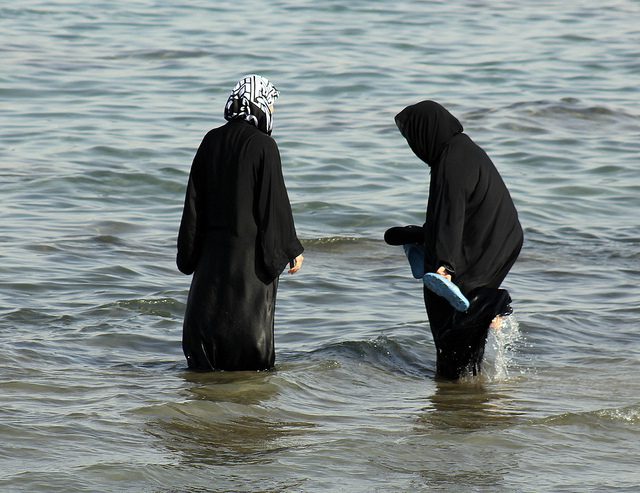
Nine Facts about Human Rights in Iraq

  1. Serious human rights violations have been prevalent in Iraq since 2014. The violations fall primarily into the categories of war crimes and crimes against humanity. Iraq has witnessed everything from terror attacks to sexual abuse, leaving millions of civilians without a home and forced to flee.
  2. ISIS is responsible for thousands of civilians deaths, punishing crimes deemed immoral and illegal under ISIS law. These atrocities and human rights violations include stoning people accused of crimes like adultery and stripping women and girls of human rights deemed basic in the United States. These attacks have been committed against civilians refusing to join the ranks of ISIS, putting them forth as an example to other resilient civilians.
  3. Human rights in Iraq have also been violated by government-led forces. Captured ISIS members, including those forced against their will, have been detained without any access to lawyers or aid. Kept in overcrowded prisons and denied communication with their families, access to the outside world and the ability to defend their actions, these prisoners are in a helpless situation.
  4. Iraq is one of the top three countries in the world for how many prisoners it executes. Hundreds of prisoners are kept on death row. At least 169 prisoners were executed in 2013; this figure has been on the rise ever since.
  5. Prisoners have reported that it is normal for confessions to be forced by the use of torture. This leaves room for wrongful convictions, as prisoners often give in to accusations simply to end the torture.
  6. With the aim of ending the reign of terror of ISIS, Iraqi forces have been given few limits on their methods used to fight against ISIS. Human rights violations by Iraqi forces are often masked under the label of fighting terror and helping the nation.
  7. Freedom of expression and association have been stripped by the Iraqi government, leaving little room for the growth of democracy. The Iraqi government used arms and violence to disperse peaceful protests in and around Baghdad during the recent provincial elections.
  8. Domestic violence is widely accepted in Iraq. The law deems sexual violence illegal; however, there is a large loophole. If the man accused of sexual assault marries the girl in question, it is no longer considered sexual assault. A 2012 study showed that 68 percent of women in Iraq have experienced some form of abuse from their husbands.
  9. Civilian casualties have been steadily decreasing since the overthrow of the ISIS regime. Compared to the peak of monthly deaths in October 2016, the number has significantly decreased. The figures dropped from 1,120 casualties in October 2016 to 76 in June 2018. This highlights the impact of the fight against ISIS in Iraq.

The country of Iraq has witnessed a myriad of internally and externally caused turmoil. However, since the takeback of Mosul and other ISIS-occupied territories, human rights may finally be respected and upheld by the Iraqi government. As the genocide committed by ISIS is recognized, it may pave the way for a safer life in Iraq where human rights are both respected and implemented.

– Trelawny Robinson
Photo: Flickr

July 28, 2018
https://borgenproject.org/wp-content/uploads/borgen-project-logo.svg 0 0 Borgen Project https://borgenproject.org/wp-content/uploads/borgen-project-logo.svg Borgen Project2018-07-28 01:30:052019-09-12 10:36:01Nine Facts About Human Rights in Iraq
Human Rights, Women's Rights

10 Shocking Facts About Human Rights in Saudi Arabia

Human Rights in Saudi Arabia
In Saudi Arabia, human rights are based off the Hanbali Islamic religious laws, which are under absolute rule of the Saudi royal family. Due to the strict regime of the Kingdom of Saudi Arabia, human rights in the nation have been ranked some of the worst in the world. However, due to a recent change of power, progress has been made in terms of human rights, especially for women. Here are 10 facts about human rights in Saudi Arabia.

Facts About Human Rights in Saudi Arabia

  1. On June 24, 2018, women gained the right to drive in Saudi Arabia. Crown Prince Mohammed Bin Salman lifted the ban due to his 2030 Vision to have women ascend ranks in the workforce. Women 18 and older are able to now apply for a driver’s license, and driving lessons are offered by instructors that can even be women who obtained their license abroad.
  2. Male guardianship is a huge issue in Saudi Arabia. Every women has to have a “male guardian” that can be a husband, brother, father or son. These male figures have the authority to make decisions on the women’s behalf and decide if she can apply for a passport, get married, travel or leave prison. However, on April 2017, King Salman removed this restriction and gave women access to any government service without a “guardian” (unless it interferes with existing regulations). 
  3. Dress code is a strict part of the Islamic law, and women have traditionally been restricted against wearing makeup or clothes that show off their beauty. Instead, they have to wear some kind of opaque cloak to cover their body which does not prevent them from being harassed on the daily by religious police for being too “revealing”or wearing too much makeup.  
  4. Torture and other cruel treatments of detainees in Saudi Arabia are common practices. In fact, many human right defenders and critics of the system have been sent to prison or unfair treatment for their protestations, such as when authorities passed the “Counter-Terrorism” law.
  5. Competing freely in sports has been a struggle for women in Saudi Arabia. In 2015, Saudi Arabia proposed hosting the Olympics but without any women. When Saudi Arabia sent women to the Olympics in London in 2012, two of the women were labeled as “prostitutes,” had to cover their hair and be accompanied by a guardian. However, in September 2017, the national stadium in Saudi Arabia welcomed female spectators, but they were assigned their own section in the typically male-only venue.
  6. Discrimination exists for Saudi Arabia’s Shi’a minority. This Islamic sect faces prejudice that limits their right to express their belief, work and access state services. In fact, many of the Shi’a activists are continuously arrested, imprisoned and even killed.
  7.  Freedom of expression, association and assembly is a problem in Saudi Arabia as well. Authorities still continue to harass writers, online commentators, activists or anyone who express their views against government policies.
  8. Women still have restrictions on interacting with men. Women are required to limit the amount of time they spend with men who are not related to them. There are even separate entrances and exits for women and men in a majority of buildings, offices, universities and more. A person can be criminally charged if caught breaking this rule.
  9. Male and female swimming pools, spas and gyms are all separate. However, the Crown Prince aims to make Saudi Arabia more appealing for tourists and investors and is thus planning to create a resort that allows gender-mixing bathing, bikinis and alcoholic beverages.
  10. The death penalty in Saudi Arabia is still a major problem. The courts in Saudi Arabia still impose the death penalty for a variety of crimes. Many defendants that were sentenced to death were seen to have unfair trials, and cases have even occured where authorities fail to inform the families of their relatives’ executions.

Creating Change, One Supporter At a Time

Human rights in Saudi Arabia appear to be improving due to the 2030 Vision; however, there is still a long way to go. Continuous support from protestors and other countries is crucial for creating change in Saudi Arabia.

– Negin Nia
Photo: Flickr

July 25, 2018
https://borgenproject.org/wp-content/uploads/borgen-project-logo.svg 0 0 Borgen Project https://borgenproject.org/wp-content/uploads/borgen-project-logo.svg Borgen Project2018-07-25 01:30:032019-09-12 10:45:5610 Shocking Facts About Human Rights in Saudi Arabia
Human Rights, Nonprofit Organizations and NGOs

Protecting Human Rights in Nicaragua

Human Rights in Nicaragua

In recent weeks, the previously peaceful country of Nicaragua has been rocked as social protests have been combated with violent repression. At the end of April, citizens of Nicaragua took to the streets after President Daniel Ortega proposed cutting pensions and social security. Since then, Ortega has abandoned these plans, but Nicaraguans are now protesting and calling for his resignation. The government has responded violently to these anti-government protests, and an estimated 200 people have been killed; although, many have reported that this is a low estimate.

Despite this blatant disregard for human rights, the government’s violent response to these protests has received limited news coverage. It is for this reason that the work of human rights activists and defenders highlighted below is more important than ever. The first two organizations defend human rights as researchers and activists, and the last two organizations are working to provide basic human rights such as shelter, food and clothing. Each organization is protecting human rights in Nicaragua in different but equally important ways.

Amnesty International

This well-known organization is similar to The Borgen Project due to its focus on advocacy, campaigning and action. Amnesty International fights human rights abuse around the globe and campaigns for a world where everyone has human rights. One of the ways they help countries like Nicaragua is through researching and reporting on human rights abuses.

Throughout the current conflicts in Nicaragua, Amnesty International has both reported on the issues and called on countries and governments around the world to do more. At the end of May, the organization released a report on Nicaragua that explains the repressive strategies being used on protesters, which was used as a reference by larger news sources reporting on the country. Throughout the month of June, the organization continued to release news stories on the violence in the country and called for international leaders and organizations to not turn their backs on the Nicaraguan people. The spotlight and voice they are providing for victims of violence have been one of the ways they have fought to protect human rights in Nicaragua.

Inter-American Commission on Human Rights (IACHR)

Started in 1959, the IACHR is an independent body in service of The Organization of American States whose goal is to improve human rights in the American hemisphere through promotion and protection. It also operates with The Inter-American Court of Human Rights, or “The Court,” under a charter that calls for the full respect of human rights.

This organization plans to set up a Rapid and Integrated Response Coordination Unit (SACROI in Spanish) in order to focus attention on human rights in Nicaragua. By the end of May, the Commission had sent groups to four locations in Nicaragua. The purpose of these trips was to observe the human rights situation after the violence that happened in April, to document these events and to create recommendations for the current state of the country. The groups visited State facilities, hospitals, detention centers and healthcare facilities and produced a lengthy report of their findings.

The findings show that police violence, unlawful detentions and limiting access to medical care have been used to keep people from demonstrating. According to this report, as of June 19, 212 people had been murdered and 1,337 people injured. The report argues that the government’s repressive reaction to demonstrations has created a serious human rights crisis. Their findings were presented to the OAS and have shown how important it is to protect the Nicaraguan people.

Nicaragua Nonprofit Network (NNN)

The NNN is different than other nonprofits in Nicaragua because it’s mission is to bring development together by providing a common platform for all nonprofits in the country. Volunteers and organizations are able to share resources, knowledge, accomplishments and experiences with others to improve efficiency and development. Basically, it is a way for the people working for basic human rights in Nicaragua to work together to share what has worked and what hasn’t in order to have a bigger impact on the country.

Their technologies and strategies are extensive making the organization more effective. They include comprehensive profiles of nonprofits, search tools, like maps and databases, allow one to search for nonprofits in certain areas and what they do, forums for members, news and reporting, custom Google Map tools, event calendars and staff/volunteer listings. Currently, the NNN is made up of 152 organizations spread across the country who are using this platform to work together with other nonprofits.

Other than networking nonprofits together, the NNN has had an active Twitter feed throughout the protests in Nicaragua. They share updates and news stories about these human rights abuses and have acted as social media activists.

CARE

CARE is a nonprofit that protects the basic human rights of people all around the world in areas such as gender equality, social justice and fighting poverty.

In 1990, CARE started clean water, preventative health, and sanitation programs and is working to establish sustainable agriculture in rural areas. Through these programs, CARE has touched over 300,000 lives in Central America and provided food security to many families. Other areas of focus in Nicaragua include ending child poverty, improving girls’ education, youth empowerment and maternal health.

Each of these organizations is protecting human rights in Nicaragua in equally important yet different ways. As the Nicaraguan government continues to abuse its people, these organizations are working for good and will continue supporting human rights.

– Alexandra Eppenauer
Photo: Flickr

July 24, 2018
https://borgenproject.org/wp-content/uploads/borgen-project-logo.svg 0 0 Borgen Project https://borgenproject.org/wp-content/uploads/borgen-project-logo.svg Borgen Project2018-07-24 01:30:572024-06-06 00:08:01Protecting Human Rights in Nicaragua
Global Poverty, Human Rights

Five Stories of Progress in Reuniting Immigrant Families

Reuniting Immigrant Families
In the spring, the Trump Administration — via the Department for Homeland Security — enacted a “zero-tolerance” policy for any immigrants who enter the United States without proper documentation. For the past few weeks, media and news coverage focused on the events occurring at the United States and Mexico border and unearthed photographs of inhumane conditions at detention centers.

Children were being separated from their parents. The developing story focused mainly on the violations of human rights occurring at the southern border and the separation of approximately 2,700 families. This lack of reunited families urged organizations and individuals to fight to change the system; since progress has been made in reuniting immigrant families.

Stories of Progress

  1. Diocesan Migrant and Refugee Services provides legal assistance to detained immigrants and minors and is based in El Paso, Texas. The organization uses a database to see if children have been, or currently are, in El Paso to start the process of reconnecting children with their families.
  2. Charlotte and Dave Willner started a fundraiser on Facebook after they saw the picture of a toddler crying as her mother was detained at the border. The couple’s goal was to raise $1,500 for the Refugee and Immigrant Center for Education and Legal Services (RAICES). The couple far exceeded their goal and raised $20 million from over 525,000 people. These funds will help provide legal representation for immigrant children and parents in Texas. RAICES also intends to hire more lawyers to assist with family reunification.
  3. RAICES is based in San Antonio, Texas. This organization works to provide affordable legal services to immigrant families. It is the largest immigration legal services provider in Texas. In 2017, RAICES staff closed 51,000 cases at no cost to the client, and for the current work to end family separation, they have developed a toolkit to organize events in advocates’ communities.
  4. The American Civil Liberties Union has diligently worked on reuniting children with their parents through the United States justice system. The group worked to create a hard deadline on a formerly uncertain process for when children might see their parents again. Now, children under five must see their parents within 14 days of their detention, and parents and children must be in contact via phone within 10 days.
  5. The Catholic Legal Immigration Network Inc. (CLINIC) cooperates with Catholic and community legal immigration programs to provide services. They started a project called Defending Vulnerable Populations, whose goal is to increase the number of fully accredited, qualified representatives and attorneys to represent immigrants.

Putting An End to Human Rights Violations

In addition to organizational work, the greater community has also come together to stop these human rights violations. Many groups at large focused on immigrant or legal rights have unified to provide free and low-cost services to immigrants detained at the border.

Fundraisers work to provide aid and services to immigrant communities crossing the border. As the powerful court case deemed the number of days when families must be reunited, the process and the good news of reuniting immigrant families at the southern border should significantly progress.

– Jenna Walmer
Photo: Flickr

July 10, 2018
https://borgenproject.org/wp-content/uploads/borgen-project-logo.svg 0 0 Borgen Project https://borgenproject.org/wp-content/uploads/borgen-project-logo.svg Borgen Project2018-07-10 01:30:462024-05-29 22:43:01Five Stories of Progress in Reuniting Immigrant Families
Global Poverty, Human Rights, Poverty Reduction

Poverty in the World: Top Things to Know

Poverty in the WorldAccording to Irina Bokova, Director-General of UNESCO,“Poverty is about money, but never just about money”. Read further to understand what poverty in the world looks like today. 

Understanding Poverty

  • Around the world, 3 billion people have $2 to live on per day. The World Bank defines those people as the ones who live below the poverty line.
  • Fighting poverty in the world means understanding human rights.
  • Unfair distribution of income affects poverty dramatically.
  • 29 million children live in poverty in North Africa and the Middle East. Without help, they can be trapped in a three-generation poverty cycle and develop future cognitive problems.
  • Nonprofit organizations have a key role in giving the needy a voice.

If poverty were addressed as a violation of human rights, the needy in the world would have a more fair fight for better living conditions. Understanding poverty takes a more comprehensive approach than just labeling the poor as those who are deprived of food or a roof over their heads.

Poverty in the World

According to the Universal Declaration of Human Rights that was adopted by the U.N. in 1948, the five families of human rights are:

  1. Civil
  2. Political
  3. Cultural
  4. Economic
  5. Social

The UNESCO report on Freedom from Poverty as a Human Right states that poverty infringes social rights because it deprives citizens of meeting their basic needs such as education, healthcare, housing and proper nutrition.

The fight to abolish poverty in the world does not solemnly belong to those who suffer it but also to citizens of all nations. The people who live in poor nations deserve the same living standards enjoyed by those in developed nations. Governments also have a crucial role in defending the rights of those who cannot fight for themselves.

“Were such justice to exist, there would no longer be a single human being dying of hunger or of diseases that are curable for some but not for others. Were such justice to exist, life would no longer be, for half of humanity, the dreadful sentence it has hitherto been,” reflects Nobel Laureate, Jose Saramago.

Unequal Wealth Distribution

Fighting poverty also means understanding the concept of inequality and its consequences for the global economy. Poverty is inherently connected to wealth distribution in nations.

The report on Freedom from Poverty as a Human Right also stated in 2010 that about 1.2 percent of the world income is distributed to a surprising number of 3 billion receivers, while an astonishing 1 percent of rich countries’ citizens receive 80 percent of the same income.

UNESCO World Social Science report listed one of the factors that influence the distribution of income: the concentration of wealth in the hands of business owners is unfairly higher compared to the laborers’ pay. Also, wages are not increased to meet the economic demands of inflation and the high cost of living in underdeveloped countries.

North Africa and the Middle East have an astounding 29 million children living in poverty as stated in a UNICEF analysis. They are deprived of basic human rights mentioned earlier, such as education, proper nutrition and healthcare. These children live in impoverished conditions with no potable water and lack of vaccination. They also support their families to earn the income that further keeps them from attending school.   

They could be trapped in a three-generation poverty cycle if leaders don’t give their families opportunities to increase their income.

Poverty and Poor Nutrition

Poor nutrition is another key factor that directly affects education in the Middle East and North Africa. Underdeveloped children have a higher risk of performing poorly in school just because they didn’t get the necessary nutrients that play a key role in brain development. 

Children in Algeria, Libya, Morocco, Iraq and Syria are extremely affected by the lack of nutrition and one in four of them will be physically and cognitively impacted by a poor diet.

There is also a relevant connection between the quality of a nation’s workforce and children’s nutrition. When children get a well-balanced diet, they develop stronger cognitive skills. These skills will help them assimilate the knowledge gained through education. The Middle East and North Africa countries need these future professionals to stabilize the economy.

How Nonprofit Organizations Alleviate Poverty

Global leaders have a responsibility to provide children with adequate living standards to meet the fundamental human rights.

United Nations Secretary-General Ban Ki-moon states, “We must break down the walls of poverty and exclusion that plague so many people in every region of the world. We must build inclusive societies that promote participation by all. We must ensure the voices of all those living in poverty are heard.”

Getting involved in the fight for poverty is within anyone’s reach. Nonprofit organizations can make influential connections between the needy and the people who can make a difference. Poverty can only be eradicated if the ones affected by it have a voice.  

Nonprofit organizations can educate people about how poverty affects poor nations. They work in liaison with agents of change such as UNESCO, providing them with a closer look at poverty-stricken communities. 

A nonprofit organization called Potters for Peace helps communities in Central America by giving them the tools to get easy access to filtered water and thereby reducing waterborne diseases. They train poor communities on how to make low-cost ceramic water filters that purify 1.5 to 2.5 liters per hour. It has also helped 37 factories in 25 countries around the world via filtering technique innovations.

Projects like this can only continue with the help of supporters from around the world. Reducing the effects of poverty in the world is everyone’s responsibility. The fight to stop the vicious cycle of poverty belongs to citizens of the globe.

– Nijessia Cerqueira
Photo: Flickr

July 9, 2018
https://borgenproject.org/wp-content/uploads/borgen-project-logo.svg 0 0 Borgen Project https://borgenproject.org/wp-content/uploads/borgen-project-logo.svg Borgen Project2018-07-09 01:30:412024-05-29 22:43:01Poverty in the World: Top Things to Know
Global Poverty, Human Rights

How the Media Misrepresents Azerbaijan

How the Media Misrepresents Azerbaijan
May 28 marked the 100th anniversary of the Azerbaijan Democratic Republic (ADR). With its independence in 1918, the country was poised for great progress, which included female suffrage and its democratic government.

The ADR was short-lived, however. In 1920 Azerbaijan became part of the Soviet Union and would not regain independence until the Soviet Union’s fall. Since its independence, Azerbaijan has faced an often difficult history, struggling with human rights and war with neighboring Armenia.

Human Rights

While Azerbaijan may not frequently be the focus of attention in the media, often the media misrepresents Azerbaijan by strictly focusing on its human rights record. In addition to discrimination of the Talysh and Armenian ethnic minorities, Azerbaijan has been known for suppressing the media and persecuting journalists and bloggers.

Yet, this depiction of Azerbaijan as a country with a poor track record for allowing free speech and media access is not unwarranted. With news outlets, including The Guardian as well as human rights advocacy groups, are barred from entering the country, the current Azerbaijani regime is made ripe for international criticism. The groups and people targeted—namely journalists and human rights activists—are the very people who report the country’s reputation.

Thus, beneath the excitement of the 100th anniversary, people, including Rep. Chris Smith, have been keen to remind the world of Azerbaijan’s tricky situation. In an article for The Hill, Smith called the Azerbaijani president, Ilham Aliyev, a “dictator” and argues that its citizens are not members of a free society. Smith specifically points to Aliyev’s lengthy tenure as president, from 2003 to 2025, and cited concerns with the lack of power in Azerbaijan’s other governmental institutions.

Poverty in a Wealthy Nation

Serving to reinforce the already abundant human rights issues and an overly powerful president, the country, while wealthy from its oil reserves, is mired by issues with corruption and poverty. Thus, Azerbaijan occupies the public’s consciousness in almost contradictory extremes – it’s a country of wealth, yet one with the majority of its population living in poverty.

The depiction of Azerbaijan as a hub of human rights violations, and as a place oscillating between extreme poverty and excess, does, perhaps, ignore the movement to the future. This is how the media misrepresents Azerbaijan—it focuses on Azerbaijan’s economic and political issues, without addressing the hope and shifting dynamics within the country.

The Future

The rhetoric of Azerbaijan surrounding the 100th anniversary is decidedly not pessimistic. Looking backward one century provides the chance to look forward as well as to move in the direction of that early progress that defined the country in 1918. A statement from the Azerbaijani Ministry of Foreign Affairs expresses an intent and desire to bring “into the reality the aspirations and ideals” of the ADR.

With trade between Azerbaijan and other European markets increasing over the last few years, the progressive aims expressed on the 100th anniversary may soon be on the horizon and may, one day, be a reality. And, with the European Union and the UN Development Programme’s (UNDP’s) continued support of education, through the EU’s “Modernising Vocational Education and Training (VET) Centres in Azerbaijan” plan, an emphasis is placed on transitioning Azerbaijan into a knowledge-based economy, thus pushing the country further into the future.

Of course one must not forget—surrounding the 100th anniversary of the ADR—writers, like the aforementioned Rep. Smith, have noted that expressing the optimism and excitement surrounding the country is, itself, how the media misrepresents Azerbaijan. A full view of the country, therefore, takes into account both the hope for the future as well as the current skepticism.

It might be the case that Azerbaijan actually isn’t misrepresented in the media, at least not now. The country does have human rights violations, its citizens do suffer from poverty and questions surrounding the efficacy of the government should be raised. Yet, with the shifting conditions in the country, this representation may be how the media misrepresents Azerbaijan in the future.

-William Wilcox
Photo: Flickr

July 9, 2018
https://borgenproject.org/wp-content/uploads/borgen-project-logo.svg 0 0 Kim Thelwell https://borgenproject.org/wp-content/uploads/borgen-project-logo.svg Kim Thelwell2018-07-09 01:30:112019-11-04 12:53:40How the Media Misrepresents Azerbaijan
Page 13 of 45«‹1112131415›»

Get Smarter

  • Global Poverty 101
  • Global Poverty… The Good News
  • Global Poverty & U.S. Jobs
  • Global Poverty and National Security
  • Innovative Solutions to Poverty
  • Global Poverty & Aid FAQ’s
Search Search

Take Action

  • Call Congress
  • Email Congress
  • Donate
  • 30 Ways to Help
  • Volunteer Ops
  • Internships
  • Courses & Certificates
  • The Podcast
Borgen Project

“The Borgen Project is an incredible nonprofit organization that is addressing poverty and hunger and working towards ending them.”

-The Huffington Post

Inside The Borgen Project

  • Contact
  • About
  • Financials
  • President
  • Board of Directors
  • Board of Advisors

International Links

  • UK Email Parliament
  • UK Donate
  • Canada Email Parliament

Get Smarter

  • Global Poverty 101
  • Global Poverty… The Good News
  • Global Poverty & U.S. Jobs
  • Global Poverty and National Security
  • Innovative Solutions to Poverty
  • Global Poverty & Aid FAQ’s

Ways to Help

  • Call Congress
  • Email Congress
  • Donate
  • 30 Ways to Help
  • Volunteer Ops
  • Internships
  • Courses & Certificates
  • The Podcast
Scroll to top Scroll to top Scroll to top