• Link to X
  • Link to Facebook
  • Link to Instagram
  • Link to TikTok
  • Link to Youtube
  • About
    • About Us
      • President
      • Board of Directors
      • Board of Advisors
      • Financials
      • Our Methodology
      • Success Tracker
      • Contact
  • Act Now
    • 30 Ways to Help
      • Email Congress
      • Call Congress
      • Volunteer
      • Courses & Certificates
      • Be a Donor
    • Internships
      • In-Office Internships
      • Remote Internships
    • Legislation
      • Politics 101
  • The Blog
  • The Podcast
  • Magazine
  • Donate
  • Click to open the search input field Click to open the search input field Search
  • Menu Menu

Archive for category: Human Rights

Information and stories about human rights.

Global Poverty, Human Rights, Refugees, Refugees and Displaced Persons

10 Famous People Who Are Actually Refugees

10 famous refugeesThe world has witnessed the severe effects of violence, poverty and injustice throughout the globe, and innocent people continue to suffer the consequences. The United States and several other countries have often offered refuge to those fleeing war and injustice. Below are 10 famous people who are actually refugees who made iconic contributions in various fields.

  1. Gloria Estefan
    Estefan is a singer, writer and actress who fled Cuba for the United States in the 1960s as a result of Castro’s communist revolution.
  2. Albert Einstein
    Einstein was a Nobel Prize-winning physicist who escaped Nazi Germany in 1938. Einstein took matters into his own hands, providing visa applications and vouching for other refugees also fleeing Nazi Germany.
  3. Madeleine Albright
    Albright fled Czechoslovakia with her family in 1938, settling in the U.K. before moving to the U.S. She became the first woman appointed to the position of U.S. Secretary of State in 1997.
  4. Alek Wek
    Wek was nine years old when she fled South Sudan for Britain with her family in the wake of a civil war. Wek was discovered by a modeling agent and rose to international fame.
  5. Elie Wiesel
    Writer, professor, political activist, Nobel laureate and Holocaust survivor, Wiesel wrote several books about the horrors of the Holocaust. Elie and his wife, Marion, started the Elie Wiesel Foundation in remembrance of the Holocaust and to combat intolerance and injustices.
  6. Freddie Mercury
    Singer, songwriter and producer, Freddie Mercury is best known as the frontman for the rock band Queen. Born in a British Protectorate of the Sultanate of Zanzibar, now Tanzania, Mercury and his family fled during the Zanzibar Revolution in 1964, settling in the U.K.
  7. Marlene Dietrich
    Dietrich was a German-born actress and singer whose career spanned decades. She applied for U.S. citizenship after being offered an acting contract by members of the Nazi Party. Dietrich was also known for her humanitarian efforts during WWII, housing exiles and advocating for their U.S. citizenship.
  8. Wyclef Jean
    Another of these 10 famous people who are actually refugees is Wyclef Jean, Haitian rapper, musician and actor. Jean immigrated to the U.S. as a child with his family during the Duvalier regime in Haiti.
  9. Andy Garcia
    Garcia and his family fled Cuba after the failed Bay of Pigs invasion when he was five years old. He is best known for his role in The Godfather Part III, receiving a Golden Globe for his portrayal of Vincent Santino Corleone. Garcia celebrates his roots and challenges Latino stereotypes in Hollywood.
  10. Theanvy Kuoch
    Kuoch was a slave of the Khmer Rouge between 1975 and 1979, before being found by the Red Cross. With her family, she relocated to the United Nations refugee camp and spent two years working as a nurse in various camps before moving to the U.S. In 1982, she founded Khmer Health Advocates with three American nurses to provide health services for survivors of the Cambodian genocide.

These 10 famous people who are actually refugees have paved the way for themselves and others. Refugees are simply people seeking out a better life in a new country; this is a humanitarian issue, and refugees need our help in rebuilding their lives.

– Jennifer Serrato

Photo: Pixabay

January 28, 2018
https://borgenproject.org/wp-content/uploads/borgen-project-logo.svg 0 0 Borgen Project https://borgenproject.org/wp-content/uploads/borgen-project-logo.svg Borgen Project2018-01-28 01:59:442024-06-05 02:12:1710 Famous People Who Are Actually Refugees
Global Poverty, Human Rights

Human Rights in North Korea Need Major Improvement

North Korea
Currently ruled by Kim Jong-Un and the Worker’s Party of Korea, North Korea is one of the most oppressive countries in the world. Its leaders and government are adamant about isolating the country to ensure loyalty to North Korea and its communist way of life. In order to do this, many human rights are stripped from individuals living there. Although it is difficult to understand everything about the country given the secrecy and protection that is enforced, there are certain things about human rights in North Korea that have been uncovered.


Top 10 Facts About Human Rights in North Korea.

  1. Unauthorized access to media is prohibited, such as non-state radio, newspapers or unapproved TV broadcasts. North Koreans face severe punishments if they are found accessing such material.
  2. A large majority of North Koreans are forced to participate in unpaid labor at some point in their lives. The government does this to maintain control of its people as well as sustain the economy. In 2014, a former teacher from North Korea escaped and told officials that his school forced students, aging from 10 to 16, to work every day to produce funds to uphold the school, make a profit and pay government officials.
  3. Citizens of North Korea are divided into three classes based on their loyalty to their “Dear Leader.” The highest class is “core,” followed by “wavering” and ending with “hostile.” The “core” is filled with the most dedicated citizens, whereas the “hostile” contains members of minority faiths, in addition to descendants of alleged enemies of the state. The majority of the wealth resides among the “core,” while the “hostile” group is often denied employment and is even subjected to starvation.
  4. Citizens of North Korea are often forced to spy on one another, including family members, and they must report any disloyalty they find. The government enforces this through what is called the Ministry of People’s Security. If someone is heard being at all critical toward the government, they will likely be reduced to a lower loyalty group rating, and could be tortured, imprisoned in a concentration camp or possibly even executed.
  5. Traveling is heavily restricted in North Korea. Citizens caught trying to flee or travel outside of the country may be given the death penalty.
  6. Except among the ruling class, malnutrition is almost universal because of the restrictions on the lower class. The average seven-year-old in North Korea is about eight inches shorter than the average seven-year-old in South Korea.
  7. North Korea has 10 active concentration camps that people can be placed into at any time for any crime deemed severe enough. It is believed that between 200,000 to 250,000 prisoners currently reside within them. The conditions in the camps are horrific and have an estimated annual casualty rate of 25 percent.
  8. The government of North Korea has no due process system, which means it can torture, imprison and execute prisoners whenever it believes it is necessary.
  9. Anyone who is participating in religious activities that are outside of the state’s permission will have similar consequences to those mentioned above, including imprisonment, torture or execution.
  10. The North Korean regime attempts to keep disabled citizens hidden from the majority of the population, and they are banned from the capital of North Korea, Pyongyang. Some disabled children are even killed after birth.

In consideration of these facts about human rights in North Korea, it is clear that rights of the citizens are extremely limited. However, although human rights in North Korea may be lacking, there has been some improvement. North Korea’s leadership has ongoing engagement with U.N. human rights treaty bodies. These include the Committee on the Rights of the Child and the Committee to Eliminate Discrimination Against Women.

Committees like these and other organizations are constantly working to spread awareness and improve human rights conditions within North Korea. Further progress is needed in order to dramatically change living conditions in the country, but it is fortunate that measures are already being taken to improve the rights of North Koreans.

– McCall Robison

Photo: Flickr

January 14, 2018
https://borgenproject.org/wp-content/uploads/borgen-project-logo.svg 0 0 Borgen Project https://borgenproject.org/wp-content/uploads/borgen-project-logo.svg Borgen Project2018-01-14 07:30:362019-12-26 17:14:12Human Rights in North Korea Need Major Improvement
Global Poverty, Human Rights

The Stages of Genocide and How to Prevent Them

Genocide is the deliberate killing of a large group of people, usually based on their ethnicity. Although most well-known genocides are in the past, they still occur today. Less-developed countries with high poverty rates are particularly prone to genocidal attacks launched by corrupt governments or terrorist groups. According to George Mason University professor Gregory H. Stanton, the stages of genocide are nonlinear, predictable and preventable. There are ten stages of genocide, and each stage can be stopped if preventive measures are taken.
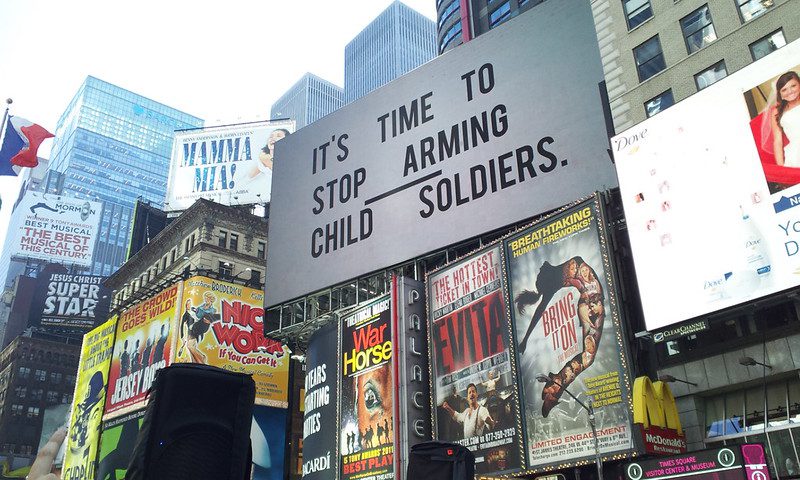
Ten Stages of Genocide

  1. Classification: Human beings tend to distinguish people into “us and them” at many levels. People can be categorized by their ethnicity, nationality, race or religion. Societies with mixed categories, such as Burundi and Rwanda, are at greater risk of genocide. This early stage can be prevented by establishing institutions that integrate identities and promote tolerance.
  1. Symbolization: Names and symbols are assigned to classified people. They are defined by specific terms, color or dress. Without dehumanization, symbolization does not necessarily result in genocide. Political institutions can ban group marking and hate symbols, but these bans must be supported by popular culture enforcement. Denying symbolization can also be powerful.
  1. Discrimination: A dominant group of people denies the rights of other groups. The powerless group may be deprived of citizenship, civil rights or voting rights. Combatting discrimination requires full political empowerment and citizenship rights for all groups of people. Discrimination on any basis can be outlawed, and individuals can retain the right to appeal if their rights are violated.
  1. Dehumanization: A group of people denies the humanity of another group. One group is regarded as less than human—or even alien—to the society. To prevent dehumanization, hate speech and hate crimes can be outlawed, leaders who incite genocide can have their movement restricted.
  1. Organization: Genocide requires organization and is typically orchestrated by the state. States often use militias, but organization may be informal or decentralized. This stage can be averted by outlawing membership in genocidal militias, banning genocidal leaders from international travel and imposing arms embargos on countries involved in genocide.
  1. Polarization: Extremists may further divide groups by forbidding intermarriage and social interaction. Hate groups may also broadcast polarizing propaganda. This can be curbed by protecting moderate leaders, assisting human rights groups and seizing extremist assets.
  1. Preparation: Plans are made for genocidal killing where leaders propose the a solution to the problem of the targeted group. Leaders disguise genocide as self-defense and may refer to it as “counter-terrorism,” “ethnic cleansing” or “purification.” This stage can be halted by imposing arms embargos and commissions to enforce them; this includes prosecution of incitement and conspiracy to commit genocide, both of which are crimes under Article Three of the Genocide Convention.
  1. Persecution: Targeted groups are identified and separated from the population. Victims may be segregated into ghettos or deported to concentration camps. They are deliberately deprived of resources such as food and water, and their human rights are systematically abused. Genocidal massacres commence. A Genocide Emergency may be declared at this stage, whereby armed international intervention and humanitarian assistance should be provided.
  1. Extermination: Mass extermination begins and quickly becomes “genocide.” At this advanced stage, only rapid and intense intervention can prevent genocide. Refugee escape corridors and safe areas can be established.
  1. Denial: Denial lasts throughout and follows genocide as perpetrators attempt to destroy any evidence that indicates a genocide occurred. Denial can be combatted through legal punishment of perpetrators and education in schools and the media.

Genocide Watch has three levels of Genocide Alerts: Genocide Watch is declared when early warning signs indicate potential persecution, Genocide Warning is called when massacres occur and genocide is imminent, and Genocide Emergency is declared when genocide is underway.

There are currently eight Genocide Emergencies declared to be occurring around the world. Understanding the stages of genocide can prevent further genocidal massacres.

– Carolyn Gibson

Photo: Flickr

January 5, 2018
https://borgenproject.org/wp-content/uploads/borgen-project-logo.svg 0 0 Borgen Project https://borgenproject.org/wp-content/uploads/borgen-project-logo.svg Borgen Project2018-01-05 07:30:112024-06-11 23:17:14The Stages of Genocide and How to Prevent Them
Child Soldiers, Children, Global Poverty, Human Rights, Human Trafficking

10 Shocking Facts About Child Soldiers

facts about child soldiersAlthough improvements have been made to end the use of child soldiers, it is believed that close to 300,000 child soldiers are still being recruited and forced into war across the world today. Child soldiers are children under the age of 18, some even as young as seven years of age, who are used for any purpose in a military or armed group. Child soldiers can act as cooks, messengers, informants, soldiers, suicide bombers or even sex slaves.

Why do people use child soldiers? Armed forces can manipulate children easily, they do not eat very much food, and they do not have to be paid. Soldiers take advantage of this and use children as pawns in their dangerous battles.

10 Child Soldier Facts

  1. Forty percent of the world’s armed forces use child soldiers.
  2. Though child soldiers are often associated with African conflicts, they have been used throughout history in armies all over the world.
  3. Children who are poor or have little access to education have a higher chance of being forcibly recruited.
  4. Some children choose to enter the military to escape poverty or because they believe they will be offered safety and security by doing so.
  5. Sometimes, as part of their recruitment, child soldiers are forced to kill family members or neighbors to desensitize them and make it so the children cannot go back to their homes and communities.
  6. Children are often used to man checkpoints when there is no active combat taking place. The soldiers will stand several meters back so if anyone starts to fire a weapon, the child soldiers will be the first ones to get hit.
  7. Girl soldiers are often used as “wives” and are sexually abused. Human Rights Watch has reported girl soldiers being impregnated by their commanders and having to fight with their child strapped to their backs.
  8. Child soldiers are known to be fighting in at least 14 countries, including Afghanistan, India, Iraq and Thailand.
  9. If child soldiers are released, they often lack basic survival skills because they were supplied food and shelter in battle. This makes it difficult for them to survive if and when they become free.
  10. When child soldiers are released, many are shunned and given little if any support to reintegrate into their communities. If there is a lack of rehabilitation support, children are frequently recruited back into the military.

These are only a few of the most disturbing facts about child soldiers. Children from all around the world are ripped from their youth and thrown into a merciless world of battle. In order to help these children return to a normal life, UNICEF has established rehabilitation centers in current and former conflict areas. The support these centers provide is crucial to healing former child soldiers and reintegrating them into their communities. This work combined with international pressure to end the practice can make these facts about child soldiers part of the past instead of the present.

– McCall Robison

Photo: Flickr

January 2, 2018
https://borgenproject.org/wp-content/uploads/borgen-project-logo.svg 0 0 Borgen Project https://borgenproject.org/wp-content/uploads/borgen-project-logo.svg Borgen Project2018-01-02 01:30:122024-05-27 09:25:1110 Shocking Facts About Child Soldiers
Children, Human Rights

Addressing the Issue of Children’s Human Rights in Saint Helena

Saint HelenaSaint Helena is a small tropical island in the southern Atlantic Ocean and remains one of the few countries that is part of the British Overseas Territories. Saint Helena has been a part of the British territories for many years, far from the mainland in its remote locale. Though the island is isolated, there is a question as to the current issue of human rights in Saint Helena. Recently, Saint Helena has been under scrutiny for possible child abuse on its shores.

In 2014, the Daily Mail published a series of three articles about the “culture of sexual abuse of children” in Saint Helena. Needless to say, these articles shocked the public. The articles detailed the brutality of the abuses. More importantly, the articles suggested that authorities needed to review the policing occurring on the island.

The articles criticized the authorities in great detail, particularly the Foreign Commonwealth Office, the local Government of Saint Helena and the Department for International Development. Other coincidental occurrences suggest that there is child abuse ongoing on the island as well, creating a grave concern for human rights in Saint Helena.

Claire Gannon and Martin Warsama are social workers from Britain who worked with Saint Helena residents. Gannon and Warsama reported the occurrence of rampant child abuse; later, both alleged they were threatened and forced to leave the island in retaliation for reporting such abuse.

After denying these accusations of abuse to the U.N., the Foreign Commonwealth Office (FCO) of Britain drafted a report in which it noted that child abuse was indeed a plague on the island. The report alleged that police officers assaulted a four-year old girl and mutilated a two-year old toddler. The FCO apologized for its “erroneous” original report. Gannon and Warsama were furious. In return, the social workers sued the FCO and the United Kingdom Department for International Development.

The FCO was faced with public outcry. As a result, it commissioned a report by a children’s charity, the Lucy Faithfull Foundation. The Foundation kept its report confidential. However, the contents were leaked to a website the social workers had created to help drum up support for their lawsuit. The report noted that there was a culture on the island of abusing teenage girls through “violent and brutal attacks.”

The two different reports generated by the FCO indicate that there is, at a minimum, some ongoing child abuse in a social pattern on the island. One of the reasons such abuse could potentially be taking place is because of the small population: there are just over 4,000 permanent residents of the island. It is well-established that abusers often become close to their victims.

The government of Saint Helena has been taking an active legislative and political interest in the welfare of children as a whole. Beginning in 2010, the Welfare of Children Regulations has been shaping the Safeguarding Children’s and Young People’s Board. To avoid undue political influence as much as possible, the Board is chaired independently, though it does report to the Governor of Saint Helena. Other members of the Board include those who work with children regularly: representatives from the different sectors of health, social services, education and nongovernmental organizations.

The Board is a sincere effort from the government to protect children’s interests; it meets every six weeks and when there is an urgent matter. The Board also strives to harmonize different elements of the government, so that various agencies can work for the betterment of children’s interests.

Saint Helena is a closed-off island. Besides being well-known for being Napoleon’s home during his last years, the island is generally not in the news. Still, different stories detailing possible child abuse yield concerns about the status of human rights in Saint Helena. The government’s efforts to restore these rights serve as an encouraging step forward in the fight to end child abuse.

– Smriti Krishnan

Photo: Flickr

December 5, 2017
https://borgenproject.org/wp-content/uploads/borgen-project-logo.svg 0 0 Borgen Project https://borgenproject.org/wp-content/uploads/borgen-project-logo.svg Borgen Project2017-12-05 07:30:462024-05-29 22:27:15Addressing the Issue of Children’s Human Rights in Saint Helena
Global Poverty, Human Rights

North Korean Human Rights Reauthorization Act of 2017

North Korean Human Rights Reauthorization Act
With rising tensions between the United States and North Korea, news coverage has been primarily focused on potential military action between the two countries. However, the United States has been making attempts at promoting human rights, democracy and freedom of information within the country. The latest attempt is the North Korean Human Rights Reauthorization Act.

North Korea is notorious for being one of the world’s most oppressed, fascist countries in the world today. Under the rule of Kim Jong-Un, basic freedoms have been restricted to the point where they are practically non-existent. Enslavement, torture, rape, forced abortions and imprisonment are among the severe human rights problems within the country. Perceived opponents of the North Korean government and North Korean refugees who are sent back to the country have no choice but to go to prison camps where they are met with starvation, abuse and forced labor.

Chongsong Women’s Prison Camp

At a women’s prison camp in Chongsong, North Korea, women are subjected to psychological, physical and sexual abuse. Human Rights Watch conducted interviews with eight women while they were imprisoned. The women told them that among the abusers were prison guards and police interrogators from both the People’s Security Agency and State Security Department of North Korea.

“My life was in his hands, so I did everything he wanted and told him everything he asked,” said one of the women interviewed by the Human Rights Watch. “How could I do anything else?” The woman in this interview had been raped several times by a People’s Security Agency agent while he was questioning her after she was sent back from China to North Korea in 2010.

Earlier this month, the United Nations condemned North Korea for the country’s “long-standing and ongoing systematic, widespread and gross violations of human rights.” Koro Bessho, Japan’s U.N. ambassador, called out North Korea’s capital city Pyongyang for its history of abuse and expressed that the country needs to properly address its longstanding issues with human rights violations. Leaders representing nations all around the world are taking it upon themselves to help those in North Korea affected by this issue.

North Korean Human Rights Reauthorization Act

H.R. 2061, also known as the North Korean Human Rights Reauthorization Act of 2017, was introduced to the House of Representatives in April of this year. Rep. Ileana Ros-Lehtinen of Florida’s 27th congressional district sponsors the bill, and it currently has 16 co-sponsors. H.R. 2061 seeks to provide $10 million each year during the years 2018-2022 to promote human rights and freedom of information in North Korea as well as provide humanitarian assistance to North Korean refugees.

Through the North Korean Human Rights Reauthorization Act, the President would have the authority to electronically share non-government controlled information inside North Korea, increasing its availability and presence. The President could also provide grants for the allocation of devices that would receive this information and create a grant program designed to develop and distribute methods; the grants could also go towards products that would allow North Koreans easier access to outside information.

H.R. 2061 would allow the Broadcasting Board of Governors to broadcast music, movies, TV and popular cultural references, and they would broadcast in Korean to North Korea about laws, rights and freedoms given through the North Korean Constitution.

In accordance with the North Korean Human Rights Reauthorization Act, the State Department would be tasked with providing updates on the status of U.S. broadcasting in North Korea, whether it has met the 12-hour-per-day goal for broadcasting, and a plan for overcoming difficulties in having communication with North Korean citizens. In addition, the State Department would provide reports on efforts made to reunite Korean American citizens with their relatives in North Korea.

H.R. 2061 has made some progress in Congress; the bill passed in the House of Representatives in September and is currently moving through the Senate. With such a trajectory, there’s hope for the bill yet.

– Blake Chambers

Photo: Flickr

November 28, 2017
https://borgenproject.org/wp-content/uploads/borgen-project-logo.svg 0 0 Borgen Project https://borgenproject.org/wp-content/uploads/borgen-project-logo.svg Borgen Project2017-11-28 01:30:552019-12-23 07:45:06North Korean Human Rights Reauthorization Act of 2017
Global Poverty, Human Rights

The Freedom Act of 2017 and Burma Human Rights

Burma Human Rights and Freedom Act of 2017The Burma Human Rights and Freedom Act of 2017, a bill focused on promoting democracy and human rights in Burma, was recently introduced in the United States Senate.

While Burma has taken steps towards becoming a full democracy, the country operates under a constitution in need of reform. Drafted in a convention boycotted by the National League for Democracy, Burma’s constitution fails to fully recognize the rights of ethnic minorities and guarantees the military’s nominees one-fourth of the seats in parliament. Due to the rule that more than three-fourths of parliament must agree in order to amend the constitution, this means that no changes can be made to the constitution without the support of the military.

The Rohingya

The military’s involvement in government is especially concerning for Burma’s large population of various ethnic groups, particularly the Rohingya, who they are engaged in a violent civil war with. In the past two months, over 600,000 Rohingya people have been displaced from their homes. In what is essentially an ethnic cleansing, the military is persecuting the Rohingya by burning down their homes, raping women and young girls and torturing and killing prisoners and civilians.

Many civilians have become refugees but most do not have access to basic care. Over 95 percent are drinking contaminated water and many are starving before they even cross the border. Refugee camps are growing quickly and so are the rates of malnutrition and disease, particularly in children.

The Bill’s Goal 

The goal of the Burma Human Rights and Freedom Act of 2017 is to end the suffering of the people of Burma and establish a democracy that will respect their human rights. If this act is passed, $104 million will be used to assist the victims of Burma’s military and to help those who are displaced to return home.

The act also states that the U.S. government will demand accountability for all who have committed crimes against humanity and lays out a plan for economic restoration as well as assures its intentions to place economic sanctions, visa bans and trade restrictions where necessary.

This act would greatly benefit the refugees who are currently starving and the aid groups who are stretched too thin to help. It would also prevent future genocide and help put an end to the ethnic cleansing and persecution of the Rohingya people.

– Jenae Atwell

Photo: Flickr

November 28, 2017
https://borgenproject.org/wp-content/uploads/borgen-project-logo.svg 0 0 Borgen Project https://borgenproject.org/wp-content/uploads/borgen-project-logo.svg Borgen Project2017-11-28 01:30:102019-12-23 07:46:35The Freedom Act of 2017 and Burma Human Rights
Advocacy, Children, Developing Countries, Global Poverty, Human Rights

Ending Child Marriage Could Reduce Global Poverty

Global Partnership for EducationIn many developing countries it is common practice to marry off girls before the age of 18. Consequently, when girls are married at such a young age, they do not receive an education. This practice can cost countries billions of dollars, according to the World Bank. However, recent studies show that ending child marriage could reduce global poverty.

Child marriage, which primarily affects girls, has many consequences. It causes overpopulation, poor health for said child and it tends to lead to violence. Conversely, ending child marriage would have lasting social advantages and economic benefits, such as an increase in the girls’ earnings.

“Child marriage not only puts a stop to girls’ hopes and dreams. It also hampers efforts to end poverty and achieve economic growth and equity,” said Quentin Wodon, lead author of the World Bank’s report on the economic cost of child marriage. “Ending this practice is not only the morally right thing to do but also the economically smart thing to do.”

Ending child marriage would save countries a lot of money — by 2030, countries could save $327 million in education budgets alone. In Africa, seeing an end to child marriage could save up to $5 billion as a result of lower malnutrition, according to the Global Partnership for Education. It could also reduce fertility rates by 10 percent, which would reduce overpopulation and global poverty by extension.

So, what’s the best way to end child marriage? Simply keeping girls in school.

Education is the best way to end child marriage because it allows girls to be more independent and strong-minded. The longer a girl is in school, the less likely it is that she will be married young. Unfortunately, there are societies that deem education a luxury and a “waste of resources.” Such societies are also threatened by the independence a female would gain by being educated.

Failure to educate girls has its own negative implications. In the same manner that ending child marriage can increase a girl’s earnings in the future, so too can having an education. In fact, some countries lose out on an estimated $92 billion of economic growth for failing to properly educate their girls.

Pooja (not her real name), a girl from Nepal, knew education would have given her a better life. “If I had studied I would have been working. But my parents held my marriage and I couldn’t do anything after marriage. I now have children to look after,” she said.

Everything is connected. Seeing girls educated could potentially end child marriage which would potentially reduce global poverty.

– Dezanii Lewis

Photo: Flickr

November 14, 2017
https://borgenproject.org/wp-content/uploads/borgen-project-logo.svg 0 0 Borgen Project https://borgenproject.org/wp-content/uploads/borgen-project-logo.svg Borgen Project2017-11-14 01:30:202024-05-27 23:59:47Ending Child Marriage Could Reduce Global Poverty
Global Poverty, Human Rights

Instagram Provides a View of Gaza Few Outsiders See

Instagram Provides a View of GazaIn June 2007, Israel began a strict land, sea and air blockade of Gaza. Nearly two million people live locked inside, the borders rigorously controlled. The movement of goods and humans are harshly restricted, and for as much as 72 percent of the population, food supplies are uncertain. 41 percent are unemployed. Hospitals must rely on generators to maintain life-saving equipment, and their stock of medicine dwindles dangerously. Drinking water is in danger of running out if the highly-taxed desalinization plants break down.

Through the camera lenses of two Palestinian women, Instagram provides a view of Gaza that few outsiders are allowed to see. Though forbidden to leave Gaza, Kholoud Nassar and Fatma Mosabah are Instagram celebrities by showing the world there is more to Gaza than the war. Each woman has over 100,000 Instagram followers. Through images captured by Nassar and Mosabah on their cell phones, Instagram provides a view of Gaza to those who live outside its restrictive borders. The people of Gaza, locked inside a land mass the approximate size of Philadelphia, recognize Nassar and Mosabah several times a day,

Israel guards Gaza’s borders to the east and north by Israel, Egypt to the south and the Mediterranean Sea to the west. Gazans must obtain permission to leave the area. Neither Nassar nor Mosabah has left Gaza in over 10 years. Also, Israel denies tourists permission to visit Gaza. The rest of the world can only imagine what life is like inside the heavily guarded strip. Since 2008, three wars have played out between Hamas and Israel. For most, the mention of Gaza conjures visions of devastation, poverty and suffering.

Although Gazans receive just a short period of electricity each day, social media sites are remarkably popular. Palestinian Social Media Club president Ali Bkheet calculates that approximately 50 percent of Gazans have Facebook accounts. The number utilizing Twitter and Instagram are significantly smaller.

According to Bkheet, the decade-long Israeli blockade makes Gazans particularly enthusiastic to use social media to express themselves and narrate the story of Gaza.

Rather than using text to educate outsiders about life in Gaza, Kholoud Nassar and Fatma Mosabah depict the people and the beauty of their homeland through pictures. Instagram’s focus on photos over text and political debates enables the two women to show a different side of Gaza that exists behind the Israeli-built steel mesh fence.

– Heather Hopkins

Photo: Google

November 9, 2017
https://borgenproject.org/wp-content/uploads/borgen-project-logo.svg 0 0 Borgen Project https://borgenproject.org/wp-content/uploads/borgen-project-logo.svg Borgen Project2017-11-09 07:30:102024-05-29 22:29:09Instagram Provides a View of Gaza Few Outsiders See
Global Poverty, Human Rights, Women and Female Empowerment, Women's Rights

New Law Promises Women’s Empowerment in Tunisia

Women's Empowerment in TunisiaA lawyer by training and a former militant against the colonialist movement, Béji Caïd Essebsi, current president of Tunisia, has earned himself another title for his resume: women’s rights activist.

Tunisia, birthplace of the Arab Spring, is often regarded as a model country for Middle Eastern countries trying to move toward democracy. In a predominantly Muslim country, President Essebsi has been the subject of much criticism due to his support for controversial legislation regarding women’s rights. However, the president maintains that under the country’s constitution, Tunisia is a civil state that emphasizes equality.

In July 2017, Tunisia’s parliament passed an unprecedented legislative package defending women’s rights. The law on violence against women, specifically rape and domestic violence, became a landmark step toward women’s empowerment in Tunisia, as well as all over the Middle East. Including key elements of the United Nations Handbook for Legislation on Violence against Women, the law defines violence as “any physical, moral, sexual or economic aggression against women based on discrimination between the two sexes and resulting in damage or physical, sexual, psychological or economic suffering to the woman, including threats of such aggression, pressure or deprivation of rights and freedoms, both in public and private life.”

Tunisia became the first to overturn the draconian law offering impunity to rapists if they marry their victim of the few countries that still enforced it. Shortly after, Jordan and Lebanon followed suit. In addition, the laws passed by the Tunisian parliament include criminal provisions for violence committed within a family, as well as public sexual harassment. The new law takes important steps to women’s empowerment in Tunisia by requiring equal pay and protection against child employment. The law also includes crucial preventative measures to prevent violence against women, and requires assistance be given to surviving victims of domestic violence.

President Essebsi did not stop there though. In September 2017, he shifted his focus toward administrative orders regarding marriage and inheritance. President Essebsi urged the government to rescind previous law forbidding Muslim women from marrying non-Muslim men. Additionally, he seeks to allow women to receive equal inheritance as women heirs are currently entitled to only half the inheritance of a man.

While President Essebsi’s emphasis on equality has the potential to empower women in Tunisia, passing a law is only the first step. Changing the way people think about women, not only in Tunisia and the Middle East but all over the world, still promises to be an uphill battle.

– Richa Bijlani

Photo: Flickr

November 9, 2017
https://borgenproject.org/wp-content/uploads/borgen-project-logo.svg 0 0 Borgen Project https://borgenproject.org/wp-content/uploads/borgen-project-logo.svg Borgen Project2017-11-09 01:30:532019-12-23 11:51:57New Law Promises Women’s Empowerment in Tunisia
Page 15 of 45«‹1314151617›»

Get Smarter

  • Global Poverty 101
  • Global Poverty… The Good News
  • Global Poverty & U.S. Jobs
  • Global Poverty and National Security
  • Innovative Solutions to Poverty
  • Global Poverty & Aid FAQ’s
Search Search

Take Action

  • Call Congress
  • Email Congress
  • Donate
  • 30 Ways to Help
  • Volunteer Ops
  • Internships
  • Courses & Certificates
  • The Podcast
Borgen Project

“The Borgen Project is an incredible nonprofit organization that is addressing poverty and hunger and working towards ending them.”

-The Huffington Post

Inside The Borgen Project

  • Contact
  • About
  • Financials
  • President
  • Board of Directors
  • Board of Advisors

International Links

  • UK Email Parliament
  • UK Donate
  • Canada Email Parliament

Get Smarter

  • Global Poverty 101
  • Global Poverty… The Good News
  • Global Poverty & U.S. Jobs
  • Global Poverty and National Security
  • Innovative Solutions to Poverty
  • Global Poverty & Aid FAQ’s

Ways to Help

  • Call Congress
  • Email Congress
  • Donate
  • 30 Ways to Help
  • Volunteer Ops
  • Internships
  • Courses & Certificates
  • The Podcast
Scroll to top Scroll to top Scroll to top