Inside the $1.2 Billion US–DRC Health Partnership
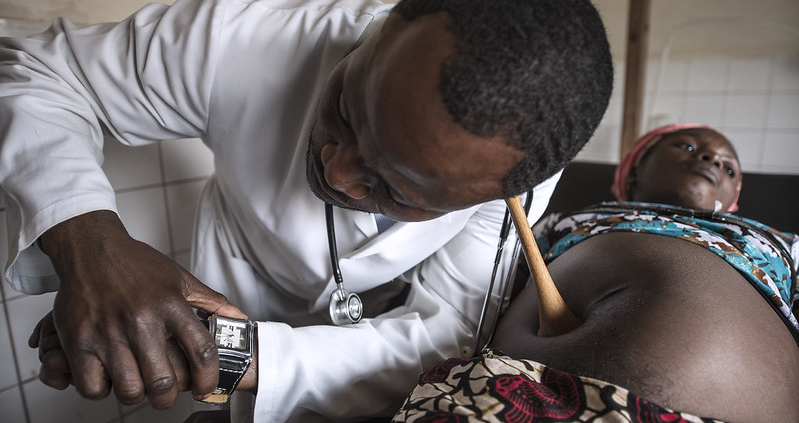 On Feb. 26, 2026, the United States (U.S.) and the Democratic Republic of the Congo (DRC) signed a $1.2 billion health cooperation Memorandum of Understanding (MoU). This is the latest bilateral agreement between the U.S. and more than a dozen African countries following significant aid cuts and the dismantling of the United States Agency for International Development (USAID). The deal aims to support the DRC in its efforts to fight HIV/AIDS, malaria, tuberculosis and other infectious diseases. However, while the DRC has embraced the agreement, a number of other African countries have declined similar deals after raising questions about what may be required of them in return.
What the Deal Could Mean for the DRC
The partnership spans from 2026 to 2031, with $900 million in targeted U.S. government assistance and $300 million in gradually increased domestic health expenditure from the DRC government.
The DRC’s volatile history means that despite progress in recent years, the national health system continues to face significant challenges. Disparate access to health care, a shortage of medical personnel and damage to health infrastructure caused by ongoing conflict are not issues that can be resolved through short-term emergency funding.
Substantial long-term investment aimed at expanding and stabilizing the DRC’s health system could therefore present an opportunity. Beyond supporting the fight against infectious diseases, the deal also aims to strengthen maternal and child health services, improve national epidemiological surveillance and enhance preparedness and response to health emergencies. If implemented effectively, it could represent progress in addressing recurring public health emergencies.
Concerns Surrounding the Agreements
Before Donald Trump came into office, USAID previously provided health grants to many of the African countries that have now entered bilateral agreements. These funding routes were closed under the Trump administration due to concerns that aid channeled through nongovernmental organizations (NGOs) resulted in high overhead costs. However, while the new deals involve substantial U.S. investment, they represent an average 40% decrease in the health funding these countries received from the U.S. over the previous five years.
Moreover, despite promoting the goal of encouraging countries to match donor funds and reduce dependence on aid, certain elements of the MoUs have been labeled “exploitative” by several African countries.
Zimbabwe’s government declined a similar deal with the U.S. over concerns about national data protection. In exchange for U.S. funding, the proposed agreement involved extensive U.S. access to Zimbabwean health data without any guarantee of access to medical innovation such as vaccines or treatments. As explained by government spokesperson Nick Mangwana, Zimbabwe would “provide the raw materials for scientific discovery without any assurance that the end products would be accessible” to its population in the event of a health crisis.
For similar reasons, Kenyan courts suspended implementation of a $2.5 billion health aid deal with the U.S. last December after complaints about the potential sharing of Kenyans’ personal medical records under the agreement.
For the U.S., these deals also offer a way to support American pharmaceutical companies in developing and producing vaccines. In addition, distributing aid through bilateral agreements allows the administration to bypass multilateral aid frameworks that traditionally distribute decision-making power across donors and recipient countries.
Reasons for the DRC’s Acceptance
Despite concerns raised by other governments, the Democratic Republic of the Congo may view the agreement through a different strategic lens. The country faces one of the highest infectious disease burdens in Africa, including persistent outbreaks of Ebola, measles and cholera alongside high rates of malaria and tuberculosis.
Combined with ongoing conflict in eastern provinces and decades of underinvestment in public health infrastructure, these pressures have left the national health system heavily dependent on external support.
For Kinshasa, the scale and stability of the U.S. commitment may outweigh potential concerns surrounding oversight provisions. The agreement promises sustained investment over a five-year period and requires increased domestic spending, potentially helping stabilize long-term health financing rather than relying on short-term emergency interventions. In addition, strengthening diplomatic ties with Washington may carry broader strategic benefits for a government navigating regional insecurity and economic constraints. In this context, the deal may represent not only a health partnership but also an effort to secure critical resources for a fragile health system.
Looking Ahead
The U.S.–DRC health partnership illustrates the evolving nature of global health diplomacy. For the DRC, the agreement offers an opportunity to strengthen disease surveillance, expand health care services and build resilience against future outbreaks. At the same time, the hesitation shown by other countries highlights the balance between securing vital funding and protecting national sovereignty over sensitive health data and research resources.
– Andrew Geddes
Andrew is based in Edinburgh, Scotland and focuses on Global Health for The Borgen Project.
Photo: Flickr
