Elderly Poverty in Lesotho
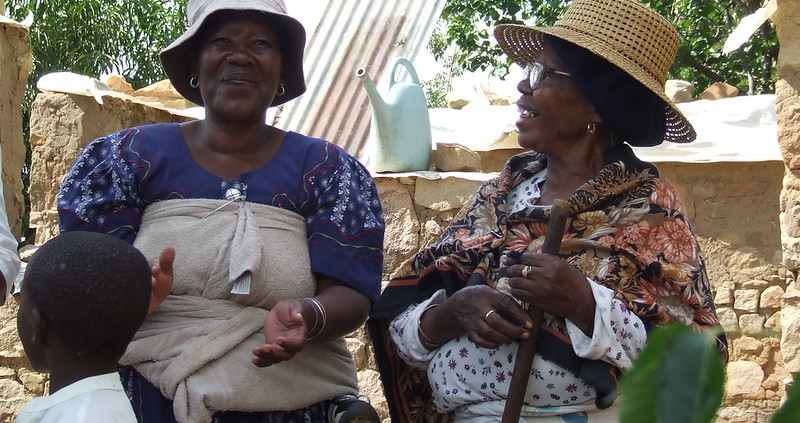 Lesotho, a small, landlocked country in southern Africa, continues to face high levels of poverty and unemployment. While much attention is often given to youth unemployment and child poverty, elderly poverty remains a serious but less visible challenge. Many older adults in Lesotho struggle to meet basic needs and rely heavily on limited social protection and family support to survive.
According to the World Bank, about 49% of Lesotho’s population lives below the national poverty line, with poverty rates significantly higher in rural areas where most older people reside. As people age, their ability to earn income through physical labor declines, yet access to formal pension systems remains limited. Many elderly individuals worked in informal employment or subsistence agriculture during their productive years, leaving them without stable retirement income.
The Impact of HIV/AIDS on Elderly Households
Lesotho’s high HIV/AIDS prevalence has further deepened elderly poverty. The country has one of the highest HIV prevalence rates globally, estimated at around 22% among adults, according to UNAIDS. As a result, many older adults have become primary caregivers for grandchildren after losing adult children to the disease. UNICEF reports that elderly caregivers often use their limited income to cover food, school fees and healthcare costs for dependents, increasing financial strain and vulnerability within already poor households.
Lesotho’s high HIV/AIDS prevalence has further deepened elderly poverty. The country has one of the highest HIV prevalence rates globally, estimated at around 22% among adults, according to UNAIDS. As a result, many older adults have become primary caregivers for grandchildren after losing adult children to the disease. UNICEF reports that elderly caregivers often use their limited income to cover food, school fees and healthcare costs for dependents, increasing financial strain and vulnerability within already poor households.
Government Support Through the Old Age Pension
To address elderly poverty, the government of Lesotho introduced a non-contributory Old Age Pension (OAP) in 2004, providing monthly cash transfers to citizens aged 70 years and above. The pension reaches more than 80% of eligible older persons, making it one of the most extensive social protection programs in the country. Research by HelpAge International shows that the pension supports more than 83,000 older people in Lesotho and has helped reduce extreme poverty, improve food security and increase access to basic healthcare among beneficiaries. However, the pension amount remains modest and is often insufficient to fully cover rising living costs, especially as food prices and medical expenses increase.
Healthcare Access and Ongoing Challenges
Healthcare access remains a major challenge for elderly people living in poverty in Lesotho. Many older adults suffer from chronic illnesses such as hypertension, diabetes and arthritis. While the country has expanded primary healthcare services, barriers such as transportation costs, long travel distances and limited access to specialized care persist, particularly in rural communities. The World Health Organization (WHO) notes that older adults in low-income countries face higher risks of untreated chronic conditions due to financial and structural barriers within healthcare systems.
The Role of NGOs in Supporting the Elderly
Non-governmental organizations also play a key role in supporting elderly people living in poverty in Lesotho. HelpAge International works with local partners to provide social protection support, healthcare outreach and advocacy for older people’s rights. In some communities, elderly beneficiaries report using pension income and NGO support to afford food, access healthcare services and care for dependents, helping to improve overall household stability. These programs help bridge gaps where government support alone is insufficient, particularly for elderly caregivers responsible for grandchildren.
Looking Ahead
Reducing elderly poverty in Lesotho requires sustained investment in social protection, healthcare services and community-based support systems. Strengthening the Old Age Pension, expanding age-friendly healthcare access and supporting families caring for older relatives can help reduce vulnerability.
As Lesotho continues its efforts toward poverty reduction, greater attention to the needs of its ageing population is essential. Ensuring that older adults can live with dignity, access basic services and remain socially included is a critical part of inclusive and sustainable development.
– Segun Oyekale
Segun is based in Lagos, Nigeria and focuses on Good News for The Borgen Project.
Photo: Flickr
