How Mobile Clinics Are Expanding Dental Care in Rural Bolivia
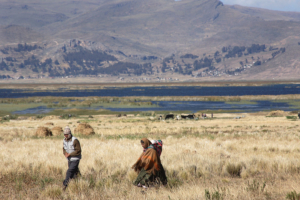 Limited access to dental care is an often overlooked public health challenge in rural Bolivia, particularly for low-income and geographically isolated communities. Untreated tooth decay and gum disease can lead to chronic pain and infection, making it harder for children to concentrate in school and for adults to work consistently. In a country where household budgets are often tight, delaying care can also lead to higher costs later, especially when treatable problems become emergencies. Mobile dental clinics are one approach to helping close these gaps by bringing preventive and basic restorative services directly to underserved communities.
Why Dental Care Is Difficult To Access in Rural Bolivia
Bolivia’s geography and settlement patterns create real barriers to routine care. Rural communities may be located far from clinics, with travel costs and time away from work making a dental visit impractical. Where dental services exist, they may be limited to urgent pain relief or extractions rather than preventive treatment or restorations.
At the national level, the WHO’s Oral Health Profile for Bolivia highlights the economic impact of oral disease. It estimates per-capita spending on dental care at approximately $4.20 and productivity losses from five untreated oral diseases at $152 million. This is an indicator of how oral health problems can translate into missed work and reduced earning capacity.
What Mobile Dental Clinics Do Differently
Mobile dental clinics reduce access barriers by bringing equipment and staff directly to remote areas, often in coordination with local schools and community authorities. Depending on the program, services may include examinations, cleanings, fluoride applications, sealants, basic restorations (fillings) and extractions, along with hygiene education. This approach is important because it shifts care upstream, preventing decay and addressing early-stage problems before they develop into infections that require more complex interventions.
Evidence From Mobile-Clinic Programs Operating in Rural Bolivia
One example of measurable outcomes comes from the Suyana Foundation. It operates mobile dental clinics in the Department of La Paz and tracks multi-year data on service delivery and oral health indicators in the communities it serves. In a program summary covering Bolivia, Suyana reports that between 2021 and 2023, its mobile dental clinics provided approximately 38,000 dental consultations.
Over the same period, the foundation recorded improvements in standard oral health indices. These included a 21% drop in the CPOD/DMFT index (from 6.7 in 2021 to 5.3 in 2023) and a 44% reduction in the simplified oral hygiene index (IHOS) (from 2.5 in 2021 to 1.4 in 2023). Suyana also reports child-focused results: the incidence of new caries among 10-year-old children fell by 38% from 2022 to 2023 in its Bolivian program.
Additionally, the number of students rehabilitated to “zero cavities” status increased from 296 in 2021 to 1,229 in 2023. These figures reflect the impact of a single organization rather than the entire country; however, they provide concrete evidence that mobile, prevention-oriented dental services can improve outcomes in areas with limited baseline access.
How Public Nonprofit Partnerships Expand Reach
Mobile-clinic models often depend on partnerships because logistics and sustainability are as important as clinical work. Public authorities can support coordination with schools, referral pathways into local health establishments and alignment with national standards. Nonprofits can add specialized staff, equipment, outreach capacity and external funding.
In Bolivia’s health ecosystem, organizations like Fundación ProSalud have a national presence, providing lower-cost health services through a network of clinics. These clinics help complement public provision and support broader access goals. Volunteer-based outreach models also operate in rural areas.
In Cochabamba and surrounding regions, the nonprofit Mano a Mano runs “jornadas”—weekend medical and dental trips where teams travel to remote communities to provide care. This shows how mobile or pop-up services can reach areas that permanent facilities do not consistently cover.
Why Dental Access Matters for Poverty Reduction
Dental care can look “secondary” compared to infectious disease or maternal health, but it has direct poverty links. Pain and infection can reduce school attendance and workplace productivity, while delayed treatment can force families into higher-cost emergency care. The WHO’s estimates of productivity losses from untreated oral diseases underline that oral health is not only a clinical issue but also an economic one, especially for households living close to the margin.
Mobile dental clinics address this problem by reducing the time and travel costs of seeking care and emphasizing prevention. When clinics provide sealants, fluoride and early restorations, they can reduce the likelihood that a child needs repeated extractions or that an adult loses workdays due to avoidable infection.
The Future of Dental Care in Rural Bolivia
Mobile clinics are not a substitute for long-term investment in permanent facilities and the oral-health workforce. But in rural Bolivia, they can function as a practical bridge, expanding coverage now while building community habits around preventive care. Evidence from programs such as Suyana’s mobile clinics suggests that sustained outreach can improve measurable oral-health outcomes, particularly for children.
As government standards, local coordination and nonprofit delivery capacity align, mobile dental services can continue reducing preventable pain, missed school days and productivity losses in underserved regions.
– Tom Basu
Tom is based in Buckinghamshire, UK and focuses on Good News and Global Health for The Borgen Project.
Photo: Flickr
