Positive Work To Address HIV/AIDS in Georgia
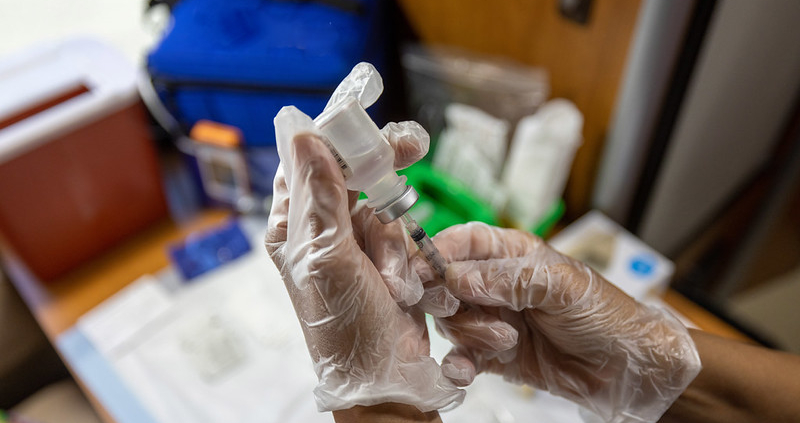 Georgia has historically reported low rates of HIV, and new infections are concentrated among the most at-risk groups, such as men who have sex with men (MSM) and those who inject drugs. In 2024, Georgia passed legislation that limits queer individuals’ access to essential health services and therefore threatens the progress made to raise awareness, testing, treating and preventing HIV/AIDS. This important work now falls to community organizations such as Equality Movement and Tanadgoma, who are supported by the United Nations Population Fund (UNFPA), and continue their life-saving work to treat and prevent HIV/AIDS in Georgia among vulnerable and impoverished groups.
7 Key Facts About HIV/AIDS in Georgia
- UNAIDS classifies Georgia as having a low-level HIV epidemic.
- As of 2023, approximately 9,100-10,500 people are living with HIV/AIDS in Georgia, which is about 0.3% of the general adult population.
- Among the MSM population, the prevalence of HIV is 21.5%, which suggests current methods do not reach the most at-risk groups.
- The number of new HIV infections has been decreasing gradually since 2019.
- Concerningly, around 36% of those living with HIV are not aware of their HIV-positive status; individuals can remain symptom-free for years.
- About 2,492 people have died as a result of HIV/AIDS in Georgia since 1989.
- Around 71% of those with HIV are receiving Antiretroviral Therapy (ART), which suppresses the virus and enables them to live long, healthy lives as well as reducing the risk of transmission
HIV/AIDS and Poverty in Georgia
HIV/AIDS and poverty are deeply and complexly intertwined. Those who deal with food insecurity, housing instability and/or are in poverty are significantly more vulnerable to getting an HIV infection. This is especially true if they rely on sex work to raise money for basic necessities, and where this power imbalance may not allow them to purchase and/or negotiate the use of condoms.
Similarly, those who live with HIV in their household are more at risk of falling into and remaining in poverty. Symptoms of HIV/AIDS can mean people are unable to work for long periods of time, or experience isolatio due to stigma, which can result in the loss of jobs, food security and housing, and in some places make them unable to pay for HIV/AIDS treatment and prevention healthcare.
This is a difficult cycle to break out of. Some treatments, such as ART drugs, must be taken every day with food, and therefore, a lack of adequate food resources and consistent medication places people further vulnerable to severe symptoms of HIV/AIDS. This means they are likely to be out of work for longer, making it even more difficult to raise funds for food and/or medication.
Although steadily declining, in 2024, 9.4% of the population of Georgia was below their national absolute poverty line. The proportion of the population living below the international poverty line at $3.00 a day, and therefore at a higher risk of contracting HIV/AIDS in Georgia was 4.2%.
Community Work
Organizations such as Tanadgoma and Equality Movement recognize this threat and have a commitment to their mission of reducing the number of new HIV/AIDS diagnoses as well as changing social attitudes to the infection.
Tanadgoma, a UNFPA partner, are working to increase the HIV testing service uptake by providing access to HIV information and services to young people to counter the issue of more than 50% of new HIV diagnoses occurring at a late stage. A key effort of this is to ensure that their environment is free of stigma and discrimination surrounding HIV/AIDS, and other contributing factors such as safe syringe procedures and sex work, despite the recent legislation. People such as Tamar Gakhokidze, a woman who is HIV positive after being infected during a dental procedure in jail, work with these organizations to break down misconceptions and stigma and hope to offer an example to others of someone living with HIV/AIDS in Georgia, but without fear or shame.
Equality Movement have developed a self-testing online platform to help popularize testing for HIV among at-risk groups such as MSM. These tests are free and individuals can complete them at home, allowing them to complete them anonymously with no need to visit community centers. They are also accessible to those in poverty. Also included in these self-test packages are condoms and lubricant that can help prevent the spread and new diagnoses of HIV/AIDS in Georgia; so far, Equality Movement have distributed more than 170,000 condoms and 45,000 lubricants through this project. As an organization, it has also provided Pre-Exposure Prophylaxis (PrEP), an effective daily pill to prevent contracting HIV, to more than 500 people for free.
Looking Ahead
In response to the continued work of organizations such as Tanadgoma and Equality Movement, the Georgian Anti-Corruption Bureau has been persecuting and pressuring civil society and non-governmental organizations to cease their activities. This has not swayed Equality Movement from its mission, and they state, “despite the unlawfully initiated monitoring, we continue our activities and legal efforts to stop the enforcement of repressive laws. We will use all available legal means to protect our rights and the rights of the citizens of Georgia.”
– Stephanie Gable
Stephanie is based in Wales, UK and focuses on Global Health for The Borgen Project.
Photo: Flickr
