Eliminating Trachoma in the Most Impoverished Communities
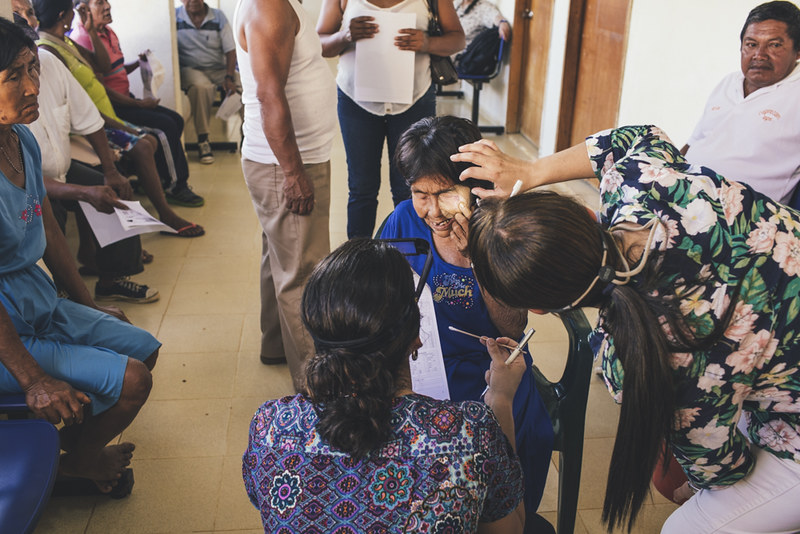 Trachoma is an infectious eye disease caused by the bacterium Chlamydia trachomatis. It is a chronic form of conjunctivitis and causes 1.4% of global blindness, yet governments can completely prevent it. Thirty countries across Africa, Asia, Central and South America, the Middle East and Australia have faced trachoma as a public health problem. It affects the most impoverished parts of the world.
Infection spreads easily due to poor hygiene, crowded housing and limited access to sanitation and water. Viral disease and poverty fuel this spread, making people vulnerable to preventable diseases such as trachoma.
Eliminating Trachoma in Libya
On February 18, 2026, the World Health Organization (WHO) celebrated Libya’s elimination of trachoma. Libya struggled with trachoma for more than a century, but hard work and commitment led to this recent success. The country’s victory over trachoma shows how supporting the fight against neglected tropical diseases can help millions over time.
Political unrest and displacement in Libya limited access to quality health care, yet the country still managed to eliminate trachoma. Displacement and such unrest drive poverty by increasing the demand for water, sanitation and hygiene services. This connection between disease and poverty makes eliminating trachoma even more significant.
The SAFE Initiative
Countries affected by trachoma adopted the Surgery, Antibiotics, Facial cleanliness and Environmental improvement (SAFE) strategy. Through this effort, Pfizer and the International Trachoma Initiative (ITI) have delivered more than one billion doses of Zithromax to countries in need. Experts now estimate that trachoma could be eliminated as a public health threat worldwide by 2030.
ITI, a U.S.-based nonprofit, currently operates in more than 14 countries across Southeast Asia and Africa. These interventions address the link between disease and poverty and have improved the lives of millions. Twenty-seven additional countries, including Papua New Guinea and Pakistan have also eliminated trachoma, underscoring the importance of tracking its prevalence and taking decisive action against infectious diseases.
Fewer than 100 million people now require treatment, a historic global low since the WHO began recording cases. This milestone reinforces the need to confront disease alongside poverty. It demonstrates how strong local leadership, backed by international coordination, can improve the well-being of the world’s poorest populations.
Final Remarks
The massive success of the trachoma eradication campaign demonstrates the positive impact international help can have on many other tropical diseases. Research into trachoma has taught researchers much about how to slow its spread. Making hygiene a game for young children helps them avoid touching their eyes and mouths, which, in turn, helps women, who often act as primary caregivers.
Additionally, communities can use the structures built for trachoma to fight other diseases. If people around the world work together to combat disease and poverty, everyone’s well-being will improve.
– Caitlin Cooper
Caitlin is based in Aberdeen, UK and focuses on Global Health and Politics for The Borgen Project.
Photo: Flickr
