• Link to X
  • Link to Facebook
  • Link to Instagram
  • Link to TikTok
  • Link to Youtube
  • About
    • About Us
      • President
      • Board of Directors
      • Board of Advisors
      • Financials
      • Our Methodology
      • Success Tracker
      • Contact
  • Act Now
    • 30 Ways to Help
      • Contact Your Leader
      • Volunteer
      • Courses & Certificates
      • Be a Donor
    • Internships
      • In-Office Internships
      • Remote Internships
    • Legislation
      • Politics 101
  • The Blog
  • The Podcast
  • Magazine
  • Donate
  • Click to open the search input field Click to open the search input field Search
  • Menu Menu

Archive for category: Global Poverty

Key articles and information on global poverty.

Disability, Global Poverty, Refugees

Organizations Supporting Refugees with Disabilities

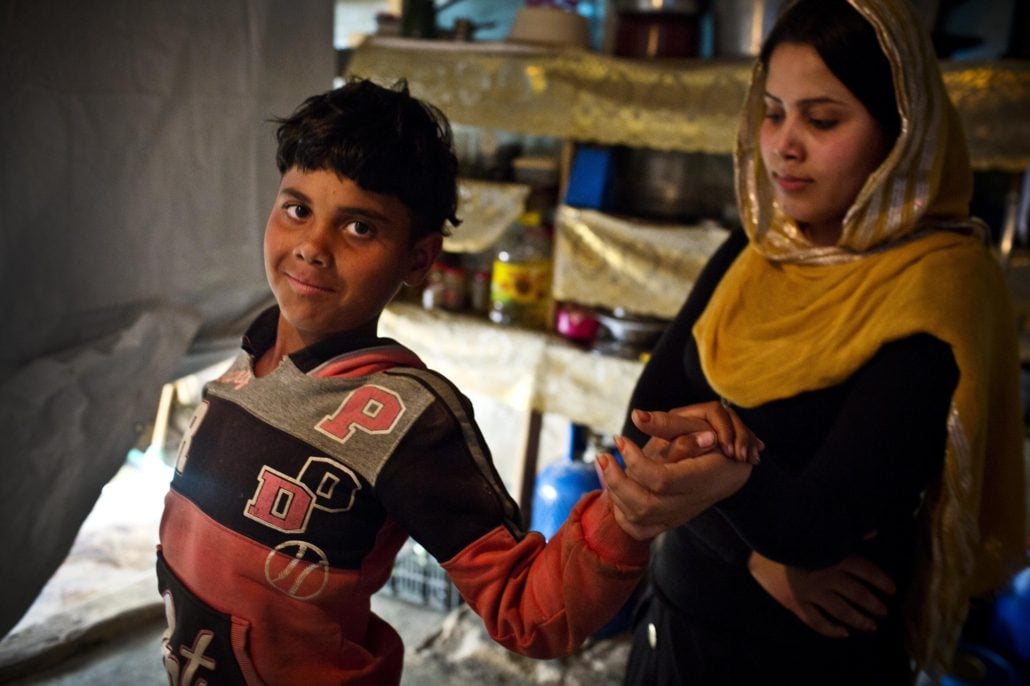
Refugees with DisabilitiesDisability results from the interaction of health conditions and personal and environmental factors, including inaccessible buildings, transportation barriers and limited social support. According to the World Health Organization, approximately 1.3 billion people, or 16% of the world’s population, experience significant disability. Conflict and forced displacement can compound these barriers, making it harder to reach safety, access humanitarian services and rebuild livelihoods. Here is more information about the challenges that refugees with disabilities face and the efforts in place to address them.

Challenges That Refugees With Disabilities Face

For displaced people with disabilities, reaching a safer location does not necessarily mean that essential services become accessible. Crowded settlements, uneven pathways, inaccessible toilets and shortages of assistive devices can make everyday activities difficult. Refugees may also encounter discrimination, gaps in disability data and barriers to registration and assistance. These obstacles can increase the risk that their needs go unrecognized.

The Inclusive Futures initiative, working with Humanity & Inclusion, has documented lessons from refugee settlements in Kenya on removing barriers to education and livelihoods. Its guidance emphasizes designing programs with people with disabilities rather than assuming that standard humanitarian services reach everyone equally.

Global Disability Fund

The Global Disability Fund (formerly the United Nations Partnership on the Rights of Persons with Disabilities) supports disability-inclusive development through joint programs, institutional capacity building and policy reform. Rather than operating individual refugee-camp clinics or distributing personal assistance directly, the fund works with governments, U.N. agencies, civil society and organizations of persons with disabilities to improve the systems that determine access to services.

According to its United Nations fund profile, the fund reports supporting 111 joint programs across 100 countries, training more than 116,000 representatives in disability inclusion, helping advance 118 laws and policies and contributing to 264 changes in services and data systems. These cumulative results span several sectors and countries and should not be interpreted as outcomes for refugees alone.

The UN Refugee Agency

The U.N. Refugee Agency, UNHCR, works with partners to identify barriers affecting displaced people with disabilities and support more inclusive humanitarian assistance. Accessible shelter, pathways, sanitation facilities, legal information, rehabilitation referrals and community participation can all help refugees live more safely and independently. Providing these services requires attention to the different needs of individuals rather than a single approach to disability inclusion.

When refugees with disabilities are included in assessments and decisions about shelter and camp facilities, providers can better identify practical barriers. These measures are especially important for children, older adults and people with limited mobility, who may otherwise struggle to reach schools, water points or health services.

Humanity & Inclusion: Making Education Accessible

Founded in 1982, Humanity & Inclusion (HI) supports people with disabilities and other vulnerable groups in crisis-affected communities. Its education and livelihoods work offers examples of how targeted adaptations can address barriers that refugees face.

In Kenya’s Kakuma refugee camp, 12-year-old Patrick, who has a physical disability, benefited from an accessible digital-learning initiative. According to HI’s account of his experience, Patrick had struggled to balance classroom work with his interest in football. Adapted digital materials, storytelling sessions and audio content helped him keep up with lessons and reduced some of the practical demands of carrying books to school.

“The ability to complete work from anywhere and learn at my own pace has reduced the pressure of having to carry books to and from home every morning,” Patrick told HI. The organization and its partners expanded e-learning for refugees and host communities in Kakuma and Kalobeyei, including resources adapted for students with different disabilities.

Humanity & Inclusion: Rebuilding a Livelihood

HI also helped Ahmad, a Syrian refugee living in Jordan, rebuild his livelihood after injuries made it impossible for him to continue working long hours in a clothing factory. Its published profile of Ahmad explains that he received rehabilitation services before being referred to livelihood support. Staff assessed his skills and aspirations, then helped him develop a plan to start a home-based sewing business.

Through training, coaching, mentoring and financial assistance, Ahmad obtained sewing equipment and learned budgeting, self-employment and digital marketing skills. HI reported that the business enabled him to purchase mobility aids and, after its first month, a second sewing machine so his wife could join the work. He later planned to share his tailoring knowledge with others in his community.

“Currently, I have an agreement with one of the local organisations to teach sewing/tailoring to women, and I am happy to support anyone who needs help in sewing,” Ahmad said in HI’s account. His experience shows how rehabilitation and livelihood support can complement each other without implying that every refugee with a disability has the same needs or opportunities.

Looking Forward

People with disabilities face substantial barriers before, during and after displacement, but inclusive humanitarian services can help reduce those obstacles. The Global Disability Fund’s systems-level work and the practical education and livelihood programs that UNHCR partners and Humanity & Inclusion supported highlight different forms of action: strengthening policies, making services accessible and supporting people’s own goals. Meaningful progress depends on reliable disability data, accessible facilities and including displaced people with disabilities in decisions that affect their lives.

– Elora C Gunn

Elora is based in Louisville, KY, USA and focuses on Good News for The Borgen Project.

Photo: Flickr
October 13, 2026
https://borgenproject.org/wp-content/uploads/borgen-project-logo.svg 0 0 Lynsey Alexander https://borgenproject.org/wp-content/uploads/borgen-project-logo.svg Lynsey Alexander2026-10-13 03:00:302026-10-10 12:46:54Organizations Supporting Refugees with Disabilities
Food Insecurity, Global Poverty, Humanitarian Aid

How Mutual Aid in Gaza is Helping Combat Famine

Mutual Aid in Gaza
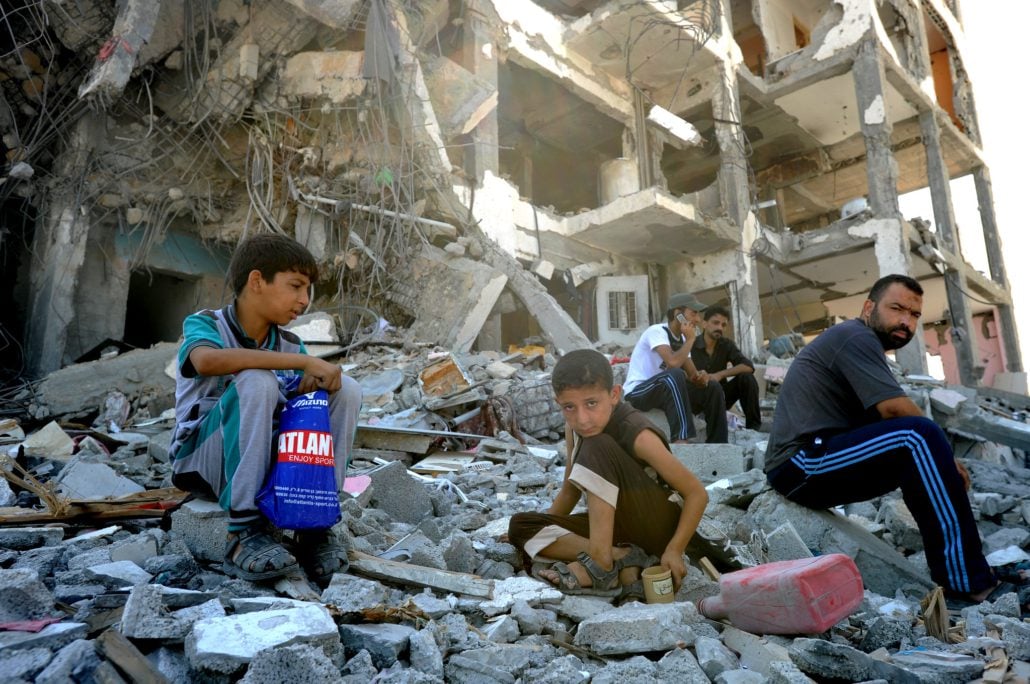
After three years of conflict, families in Gaza continue to face severe difficulties accessing food, clean water and other necessities. The Integrated Food Security Phase Classification (IPC) reported that more than 1.2 million people, or 59% of the population, faced crisis-level or worse acute food insecurity between mid-April and the end of June 2026. It projected that more than 1.4 million people could face those conditions between July and December 2026. Although increased assistance has improved conditions since late 2025, the gains remain fragile.

Alongside established humanitarian agencies, grassroots mutual aid groups are helping families meet immediate needs. Reviving Gaza and Zahrat Alhanun Mutual Aid are two examples of community-led efforts to provide food, water and other essentials.

What is Mutual Aid?

Mutual aid describes people organizing directly to meet shared needs, often through local relationships and volunteer networks. In emergencies, this can mean identifying households that lack essentials, raising money and arranging for supplies to reach those households. Mutual aid is not a substitute for large-scale humanitarian access, but it can complement broader relief efforts by drawing on community knowledge.

Reviving Gaza

Reviving Gaza is a grassroots initiative associated with Palestinian activist Ghassan Ghaben and volunteers working in Gaza. Its fundraising campaign describes efforts to deliver drinking water, hot meals and food parcels to displaced families, including those in camps not consistently reached by other aid providers.

The campaign explains how donations can support specific needs. It lists $5 as an illustrative cost for a hot meal and $300 for a truck carrying approximately 4,000 liters of water. Those amounts are fundraising examples, not independently audited delivery totals. Another fundraiser for the initiative describes an ambition to distribute hundreds of thousands of liters of clean drinking water.

The organization’s work has also been discussed outside its own fundraising pages. Ghaben spoke about Reviving Gaza during an October 2024 University of Florence event on the water crisis in Palestine. The project illustrates how volunteers with close ties to affected communities can help direct donations toward immediate needs.

Zahrat Alhanun Mutual Aid

Another initiative is Zahrat Alhanun Mutual Aid (ZAMA), a volunteer collective of Massachusetts Institute of Technology students and alumni working with students, teachers, medical professionals and community contacts in Gaza. The group says it has supported families and students since January 2025.

According to ZAMA, its partners in Gaza identify people needing assistance and arrange direct support. The group prioritizes babies, older adults, people with disabilities and those who are ill. The needs it lists include food, infant formula, diapers, blankets, clothing, tents, tarps and medical or educational supplies.

ZAMA says its volunteer team retains no portion of donations and works through a U.S.-registered fiscal sponsor. These are the organization’s own descriptions of its operating model; independently verified totals for the article’s previously reported Ramadan meal initiative were not available.

Grassroots Aid and the Wider Humanitarian Response

Both groups show how community-led fundraising can respond to urgent household needs. Their work takes place against a much larger humanitarian challenge. The British Red Cross reported in October 2026 that access restrictions, shortages and widespread unemployment continued to prevent many families from obtaining sufficient food, despite some improvement in aid deliveries.

Mutual aid can help individual households obtain food, water and shelter materials, but it cannot by itself resolve the scale of Gaza’s food insecurity. Sustained humanitarian access, functioning markets and long-term recovery remain essential. In the meantime, groups such as Reviving Gaza and ZAMA demonstrate the practical value of community connections and volunteer-led assistance.

– Lisa Jane Bryant

Lisa is based in Glasgow, Scotland and focuses on Good News and Global Health for The Borgen Project.

Photo: Flickr

October 13, 2026
https://borgenproject.org/wp-content/uploads/borgen-project-logo.svg 0 0 Lynsey Alexander https://borgenproject.org/wp-content/uploads/borgen-project-logo.svg Lynsey Alexander2026-10-13 01:30:082026-10-10 12:22:44How Mutual Aid in Gaza is Helping Combat Famine
Global Poverty, Politics, Poverty Reduction

Politics for Progress: Effective Political Strategies for Poverty Reduction

Aerial view of a person on a bench engaged in conversation.
Even when policymakers identify promising solutions, poverty can persist because public institutions do not always deliver services or distribute opportunities equitably. Research on governance and development suggests that accountable institutions, coordinated policies and sustained financial commitments can help make anti-poverty programs more effective. Political action matters not simply because leaders set goals, but because institutions determine how commitments translate into resources for communities. This article examines political strategies for poverty reduction through governance, accountability, cross-sector coordination and international cooperation.

Governance as a Poverty Reduction Tool

Effective governance can help governments direct resources toward marginalized communities and improve access to services. The United Nations Development Programme’s Human Development Report 2021–22 examines human development challenges and the role of policy and institutions. It does not, however, establish a simple rule that higher spending on health or education automatically produces better governance.

Rwanda provides an example of institutional reforms alongside expanded social protection and public services. The World Bank reports that national poverty fell from 58.9% in 2001 to 38.2% in 2017, while subsequent programs aimed to improve access to health, nutrition, education and safety nets. These outcomes involved multiple economic and policy factors rather than institutional reform alone.

Accountability Mechanisms and Service Delivery

Accountability mechanisms can help citizens assess whether governments deliver on public commitments. Audits can identify misuse of resources, while access to information and community feedback can give officials stronger incentives to address local needs. The World Bank’s World Development Report 2004 described how relationships between policymakers, service providers and citizens shape access to education and health care.

In Uganda, primary school enrollment rose from 3.6 million to 6.9 million between 1996 and 2001. The report connects the increase to a combination of political commitment, the abolition of school fees, economic conditions and public information—not to accountability measures alone.

A separate study of community-based monitoring in Ugandan primary health facilities, published in 2009, found that community meetings and feedback were associated with greater use of services, improved staff effort and better child health outcomes. This offers stronger direct evidence of a practical accountability mechanism.

Cross-Sector Coordination and Integrated Policy

Poverty has overlapping causes, including limited health care, poor education, inadequate housing and barriers to employment. Coordinating services across ministries and levels of government can help address these connected needs more effectively than isolated interventions.

The Organisation for Economic Co-operation and Development’s Linking Indigenous Communities with Regional Development recommends combining policies related to land, entrepreneurship, infrastructure, skills and governance with greater Indigenous participation in decision-making. Its work on Canada similarly calls for partnerships that give Indigenous communities a stronger role in designing development priorities. These are policy recommendations, not evidence that a particular Canadian reform has already increased employment or reduced reliance on federal programs.

Such coordination can be reinforced by international frameworks that establish shared goals and support the measurement of progress.

International Policy Frameworks and Global Commitments

International agreements can encourage governments to incorporate poverty reduction into national plans and budgets. The United Nations 2030 Agenda for Sustainable Development includes the goal of ending poverty and calls for nationally led implementation and monitoring. Its targets offer a common framework, although formal commitments alone do not guarantee results.

Ethiopia’s Productive Safety Net Programme illustrates the use of public policy to address chronic food insecurity. Established in 2005—well before the 2030 Agenda was adopted in 2015—the program provides eligible households with food or cash transfers, often linked to public works, to stabilize consumption and protect assets. It has continued under later development frameworks and with support from international partners.

International commitments may help align donors and governments around poverty reduction, but their effect depends on funding, implementation and accountability within each country.

Reform-Minded Executives and Institutional Change

Political executives influence how public resources are allocated, which groups participate in decision-making and whether reforms continue over time. Policies that expand access to public services or protect accountability can strengthen economic inclusion, although their impact depends on how they are implemented.

Botswana is often discussed as an example of long-term economic growth following independence, supported in part by its institutional arrangements and management of mineral revenues. However, growth alone is not proof that all citizens share equally in the benefits. Botswana still faces substantial inequality and poverty challenges. Its experience shows why institutional effectiveness must be evaluated alongside distributional outcomes, rather than described as an unqualified success.

Lawmakers, Advocates and Pathways to Progress

Lawmakers shape poverty-reduction policy through legislation, oversight and budget decisions. Advocates work outside government by organizing communities, presenting evidence and pressing officials to fulfill their commitments. Both roles can contribute to sustained reform.

The global debt-relief movement of the late 1990s offers an example of coordinated pressure and policy change. Launched by the World Bank and International Monetary Fund in 1996 and strengthened in 1999, the Heavily Indebted Poor Countries Initiative sought to reduce unsustainable debt burdens so eligible countries could direct more resources toward development priorities. Alongside the Multilateral Debt Relief Initiative, it has delivered more than $100 billion in debt relief to 37 participating countries. Debt relief can create fiscal space for health, education and other services, although the eventual poverty impact depends on how countries use those resources.

Looking Ahead

Governance and political action are important tools in reducing poverty, but neither is a substitute for effective implementation. The cases of Uganda, Rwanda and Ethiopia show how public services, social protection and accountability mechanisms can support development when policies are funded and monitored. International coordination, including debt relief, can strengthen these efforts.

Voters and advocates can support leaders who protect civic participation, invest in essential services and make public spending more transparent. For policymakers, the task is to translate commitments into measurable benefits for communities facing poverty. Progress depends on sustained cooperation among institutions, lawmakers, advocates and the people their policies are intended to serve.

– Charles Bakar

Charles is based in Montréal, Québec, Canada and focuses on Politics for The Borgen Project.

Photo: Unsplash

October 12, 2026
https://borgenproject.org/wp-content/uploads/borgen-project-logo.svg 0 0 Lynsey Alexander https://borgenproject.org/wp-content/uploads/borgen-project-logo.svg Lynsey Alexander2026-10-12 07:30:072026-10-10 11:56:27Politics for Progress: Effective Political Strategies for Poverty Reduction
Foreign Aid, Global Poverty, Humanitarian Aid

Organizations Combating France’s Foreign Aid Budget Cuts

France’s Foreign Aid Budget Cuts
Official development assistance (ODA) has helped finance international development for decades. Governments provide assistance, including grants and concessional loans, to support economic development and welfare in eligible countries. ODA is particularly important for countries with limited access to other sources of affordable finance, helping support services such as health care, education and clean water. The OECD monitors these flows and their impact on international development financing.

France’s Cuts to Foreign Aid

France remains one of the world’s largest ODA donors. According to OECD preliminary figures for 2025, France provided about $14.5 billion in development assistance, a 10.9% real-terms reduction from 2024. Aid from OECD Development Assistance Committee members and associates fell by 23.1% overall in 2025, the largest annual contraction recorded. France’s budget reductions have raised concerns among development organizations about the consequences for countries and communities relying on development funding.

In response, organizations in France and internationally have campaigned to protect aid, inform the public and press policymakers to maintain development commitments. Three organizations illustrate how civil society has responded. Here are the three organizations responding to France’s aid cuts.

Coordination SUD

Coordination SUD is France’s national coordinating body for international solidarity NGOs, bringing together nearly 200 organizations. It advocates for development funding, works with public institutions and runs awareness campaigns. In January 2025, the coalition criticized proposed aid cuts exceeding 2 billion euros in the draft national budget, warning that reductions could affect people living in poverty and communities facing humanitarian and climate crises.

Coordination SUD also contributed to the 2026 Civil 7 (C7) policy brief, which urged G7 governments to prioritize grants and highly concessional financing for least developed countries, improve international development cooperation and consider a binding U.N. convention on development cooperation. These proposals seek to make aid more accountable and responsive to the needs of people affected by poverty.

Global Citizen

Global Citizen has drawn attention to France’s foreign aid cuts and encouraged public engagement. Its reporting explains the potential consequences for global health and poverty reduction and outlines ways citizens can express their concerns to elected representatives. The organization has also highlighted debates over the use of revenue from solidarity taxes historically linked to development assistance.

ONE

ONE advocates for policies and investments aimed at reducing extreme poverty and supporting global health. Through grassroots organizing, research and campaigning, it encourages citizens to engage with policymakers and hold governments accountable for their international development commitments. According to ONE’s own impact reporting, its advocacy has helped secure $1 trillion in new investments for economic opportunity and healthier lives worldwide since 2004. This is an organization-wide total, not an amount raised for France’s foreign aid budget.

ONE’s French advocates have also engaged directly with political leaders. At the 2023 Summit for a New Global Financing Pact, three ONE youth ambassadors delivered a collection of 1,800 supporter messages urging President Emmanuel Macron to act for international solidarity. More recently, ONE campaigned against the removal of development-earmarked revenue from the financial transactions tax and the solidarity tax on airline tickets under France’s 2025 budget legislation. The group has called for these funds to be directed toward international development again.

Looking Ahead

The sharp reduction in international aid during 2025 poses challenges for development programs and the communities they serve. Yet Coordination SUD, Global Citizen and ONE demonstrate how advocacy can keep international development on the public agenda. By providing evidence, mobilizing supporters and engaging lawmakers, these organizations aim to protect resources for health, education and poverty reduction.

– Melody Hubbard

Melody is based in Knoxville, TN, USA and focuses on Global Health and Politics for The Borgen Project.

Photo: Unsplash

October 12, 2026
https://borgenproject.org/wp-content/uploads/borgen-project-logo.svg 0 0 Lynsey Alexander https://borgenproject.org/wp-content/uploads/borgen-project-logo.svg Lynsey Alexander2026-10-12 03:00:112026-10-10 11:31:44Organizations Combating France’s Foreign Aid Budget Cuts
Global Poverty, Health, HIV/AIDS

Expanding Access to Twice-Yearly HIV Prevention in Eswatini

HIV Prevention in Eswatini
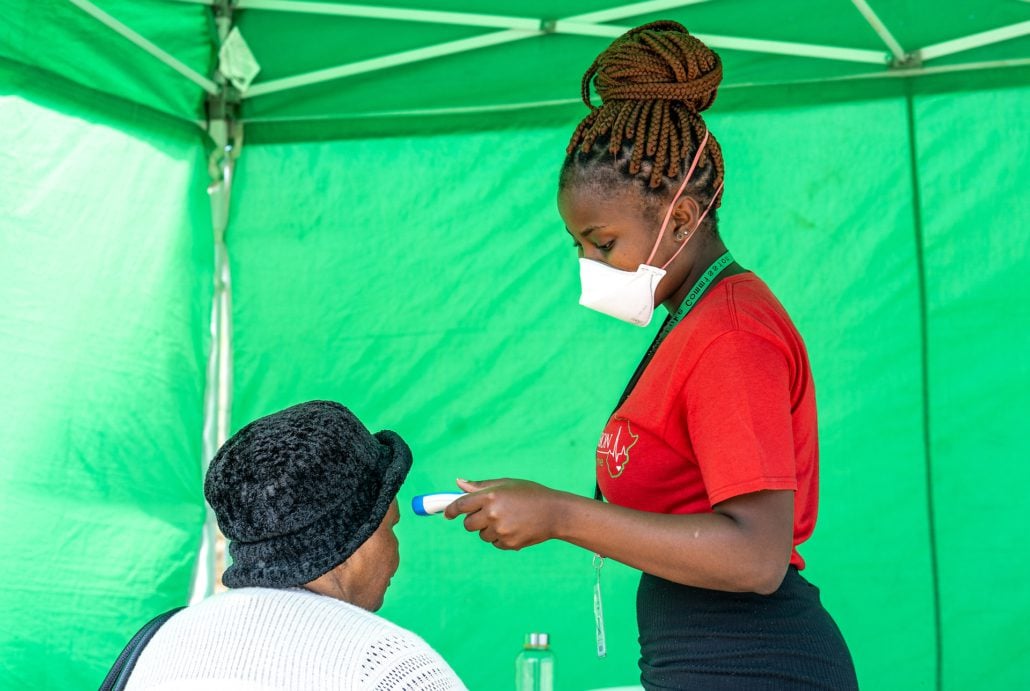
Eswatini is expanding access to lenacapavir, an injectable medication that provides six months of protection against HIV. In December 2025, Eswatini became one of the first African countries to offer the medication as an alternative to daily HIV-prevention pills. The World Bank estimates that 54% of the population lived below the lower-middle income poverty line of $4.20 per day in 2025, measured in 2021 purchasing-power-parity dollars. By reducing the number of doses people must remember, lenacapavir could strengthen HIV prevention in Eswatini and make protection more manageable for people facing financial, geographic or social barriers.

A Continuing Need for Prevention

Eswatini has made considerable progress against HIV. UNAIDS reported that annual new infections declined from approximately 21,000 in 2000 to 4,000 in 2023. Even so, UNAIDS Data 2022 estimated that 27.9% of adults ages 15 to 49 were living with HIV in 2021. The burden is also unequal. According to UNAIDS, HIV prevalence among young women and girls ages 15 to 24 was 70% higher than among young men in the same age group in 2023. These disparities demonstrate why expanding HIV prevention in Eswatini remains important, particularly for women and young people.

How Lenacapavir Works

Lenacapavir is a form of pre-exposure prophylaxis, commonly known as PrEP, that helps prevent HIV in people who do not have the virus but may be at risk of exposure. Clinical trials found the medication to be highly effective, leading the World Health Organization to recommend it for HIV prevention in July 2025. Unlike oral PrEP, which is generally taken every day, lenacapavir is administered by injection once every six months. This schedule may help people who have difficulty taking or privately storing daily medication because of transportation barriers, unstable living conditions or fear of HIV-related stigma.

Introducing Lenacapavir Across Eswatini

Eswatini began offering lenacapavir in December 2025 through five clinics located across all four regions of the country. The Ministry of Health, the Global Fund and other partners support the rollout. In fewer than four months, approximately 2,750 people received the injection. The government and its partners aim to expand access to 204 health facilities across the country by the end of 2027. This expansion could bring the medication closer to low-income residents who may face transportation costs or lose income when traveling long distances for health care.

Expanding Choice for Women and Young People

Lenacapavir may be particularly valuable for women and young people who face stigma or unequal power within their relationships. Some people may find it difficult to store daily PrEP pills privately, while others may be unable to negotiate condom use with a partner. Because the injection is administered only twice per year, it could provide a discreet option that does not require medication to be taken at home every day. Offering several prevention methods allows individuals to select the option that best fits their circumstances and may help more people remain protected over time.

Partnerships Supporting Access

Eswatini’s rollout is part of a broader partnership between national governments, the Global Fund, the U.S. government and the Children’s Investment Fund Foundation. In April 2026, the Global Fund and the United States expanded their commitment to long-acting HIV prevention, establishing a joint goal of providing lenacapavir to 3 million people by 2028. The Global Fund is also working with manufacturers to increase the supply of more affordable generic versions. These efforts could help prevent the cost of the medication from limiting access in Eswatini and other countries where communities with the greatest need often have the fewest health care resources.

Looking Ahead

Eswatini’s lenacapavir rollout is still in its early stages, and its long-term effect on new infections will depend on reliable funding, public awareness and continued access through local clinics. However, the strong early participation and planned expansion to more health facilities offer encouraging signs. By giving people a highly effective alternative to daily medication, the program could help reach individuals who have not previously used PrEP. Continued investment in HIV prevention in Eswatini may protect more people while helping the country move closer to ending HIV as a public health threat.

– Jessica Miller

Jessica is based in Toronto, Ohio Jefferson County, USA and focuses on Global Health for The Borgen Project.

Photo: Flickr
October 12, 2026
https://borgenproject.org/wp-content/uploads/borgen-project-logo.svg 0 0 Lynsey Alexander https://borgenproject.org/wp-content/uploads/borgen-project-logo.svg Lynsey Alexander2026-10-12 01:30:472026-10-08 13:57:51Expanding Access to Twice-Yearly HIV Prevention in Eswatini
Charity, Global Poverty, Health

5 NGOs Providing Cardiovascular Disease Care

Cardiovascular Disease Care
An estimated 75% of cardiovascular disease deaths occur in low- and middle-income countries. Insufficient and expensive health care and education prevent people from accessing care and early diagnosis, increasing their vulnerability. However, these five NGOs are working to address the gaps and improve cardiovascular disease care in the most affected areas.

World Heart Federation

The World Heart Federation is an international NGO working to raise awareness of the symptoms, treatment and prevention methods for cardiovascular diseases. The organization has trained more than 250 health care professionals and advocates, who work regionally to raise awareness.

World Heart Day on Sept. 29 is its flagship campaign and has reached 2 billion people. The website offers fact sheets and fliers that can be posted or printed to educate communities.

Alongside this, the federation runs regional initiatives like Colours to Save Hearts in Mozambique. The initiative used coloring to educate children about the symptoms and prevention methods for rheumatic heart disease. In the first year, it reached 60,000 children, 600 teachers and 50 health care professionals across 24 schools.

Chain of Hope

Chain of Hope helps children access cardiovascular disease care, working since 1996 to perform life-saving operations for those across Africa, the Caribbean, parts of the Middle East and Southeast Asia.

Through a referral program, Chain of Hope connects local physicians with partner hospitals to fly children out, receive treatment and recover with host families.

Alongside these operations, Chain of Hope supports local clinics by providing the training and equipment needed to provide cardiac care. In Jamaica, Chain of Hope has facilitated treatment for 400 children since 1996, and in Egypt it funded two operating theaters and 12 ICU beds to start the Aswan Heart Centre.

UMID

UMID is an Uzbekistan-based NGO working to improve the lives of diabetics in the country. Since diabetes doubles the risk of developing cardiovascular disease, UMID’s prevention work is vital to both diabetes and cardiovascular disease care.

Partnering with the Ministry of Health, UMID organizes conferences on the treatment and prevention of diabetes. On behalf of 948 members, UMID has ensured increased medical access and taught individuals to self-monitor in the family clinics of Tashkent.

Their most recent campaign, in partnership with the National Programme, is Combatting Heart Attack and Stroke. It focuses on early diagnosis and implementing cerebrovascular and cardiovascular disease care programs.

Indonesian Heart Association

Established in 1957, the Indonesian Heart Association is a research-based NGO working to develop doctors’ expertise and improve national cardiac care for patients. The association now accounts for more than 2,500 vascular specialists across the country.

Foundational to its research are 14 working groups, which explore different aspects of cardiovascular disease care to discuss at conferences with national and international experts. One can largely separate the groups into:

  1. Disease factors (hypertension)
  2. Technological treatment (echocardiography, electrophysiology, interventional cardiology)
  3. Demographic focus (pediatric and women’s cardiology)

In July 2026, an association scientific gathering brought together more than 2,500 local delegates and 17 international experts. Indonesian Heart Association and American Heart Association representatives also discussed future collaboration, including plans to scale the association’s Training Village and expand access to American Heart Association training programs.

Since there are currently only 2,500 cardiologists and 400 interventional specialists to treat Indonesia’s 280 million people, this training would be a significant step forward.

Salam Centre for Cardiac Surgery

Organized by Emergency, the Salam Centre for Cardiac Surgery in Sudan is one of only a few completely free cardiac surgery hospitals in Africa and the only one in Sudan. Since 2007, the center has been visited by 91,501 patients and performed 10,261 life-saving surgical interventions. Alongside the center, Emergency runs five other clinics, which have been visited by a combined 581,440 patients.

The Salam Centre primarily treats valvular complications caused by rheumatic heart disease, helping patients manage and treat this long-term condition. Unlike wealthier regions where rheumatic fever is effectively eradicated, Sudan’s poor health care facilities and restricted hygiene systems mean 1 in every 1,000 people is affected, particularly young people, who make up 56% of the center’s patients.

The ongoing conflict in Sudan has worsened health care access, increasing cardiac vulnerability. Since April 2023, there have been 217 attacks on health care facilities, leaving 37% of them non-functional as of April 2026. The World Health Organization reported that 21 million people lacked access to health services.

Despite this, the Salam Centre continues to operate, and Emergency has opened more of its satellite clinics to continue to support the vulnerable.

– Elizabeth Holden

Elizabeth is based in Kent, United Kingdom and focuses on Global Health for The Borgen Project.

Photo: Wikimedia Commons

October 11, 2026
https://borgenproject.org/wp-content/uploads/borgen-project-logo.svg 0 0 Lynsey Alexander https://borgenproject.org/wp-content/uploads/borgen-project-logo.svg Lynsey Alexander2026-10-11 07:30:002026-10-08 13:34:395 NGOs Providing Cardiovascular Disease Care
Charity, Food Security, Global Poverty

Organizations Helping Nigeria

Organizations Helping Nigeria
Nigeria is known for its beautiful plants and animals; however, it is currently better known for tackling severe poverty. In 2022, 41.8% of Nigerians reportedly lived below the $3-a-day international extreme-poverty line, and 28.91% used safely managed drinking water services. In 2018, 28% of primary-school-age children were out of school.

Poverty is a difficult problem for any country to solve. Many nonprofit organizations and government-funded foundations have stepped in to aid Nigeria while the country’s clean water is limited and the number of Nigerians living under the international extreme-poverty line remains high. These organizations address different parts of Nigeria’s poverty crisis. Here is some information about the organizations helping Nigeria address issues pertaining to poverty.

International Rescue Committee (IRC)

The International Rescue Committee is a humanitarian organization located in 40 countries, focusing on providing safety, education and power to countries that struggle to have it. Currently, the organization helps Nigeria by:

  • Providing support and aid to Nigerians who fled from the states of Borno, Adamawa and Yobe due to conflict
  • Distributing mosquito nets to homes to reduce malaria, which caused 84 deaths per 100,000 people in 2021
  • Establishing IRC offices in poverty-stricken states to work more closely with health facilities to make water and sanitation stations more accessible

World Food Programme (WFP)

The second initiative in this list of organizations helping Nigeria is the World Food Programme (WFP). The World Food Programme is a nonprofit organization that works to bring food to about 120 countries and territories, specifically those that are victims of weather extremes, wars and natural disasters. In August 2025, the WFP reopened 150 nutrition clinics after they were suspended due to funding shortages, providing Nigerians locally sourced nutritional meals called Tom Brown to fight the country’s malnutrition. Tom Brown is blended flour made with millet, sorghum, soybeans and groundnuts. Currently, the organization helps Nigeria by:

  • Strengthening nutritional social safety nets, ensuring people will have enough to eat in case of a sudden catastrophic event
  • Working with the Nigerian government on climate-smart agriculture and solar boreholes
  • Aiming to sustain at least 700,000 people with food and nutrition assistance each month, prioritizing children and pregnant or breastfeeding women and girls

Helpers Social Development Foundation (HSDF)

The Helpers Social Development Foundation is a nonprofit organization located in Enugu, Nigeria, focusing on eradicating one of the most crucial causes of poverty in Nigeria and other African countries: lack of education and childcare. In 2021, the foundation opened a nursery and free education school in Enugu. Currently, the organization helps Nigeria by:

  • Distributing school supplies to underprivileged children for free
  • Operating a free nursery and primary school for underprivileged children
  • Empowering youth and women through skills training

Concluding Thoughts

These organizations that are helping Nigeria address different parts of Nigeria’s poverty crisis through health, nutrition, water, sanitation and education support. No single organization can solve poverty alone, but their work shows how targeted programs can help vulnerable communities access essential services and opportunities.

– Ares Bryant

Ares is based in Portland, OR, United States and focuses on Good News for The Borgen Project.

Photo: Flickr
October 11, 2026
https://borgenproject.org/wp-content/uploads/borgen-project-logo.svg 0 0 Lynsey Alexander https://borgenproject.org/wp-content/uploads/borgen-project-logo.svg Lynsey Alexander2026-10-11 03:00:562026-10-08 13:09:46Organizations Helping Nigeria
Economy, Global Poverty, Innovations

Plastic Roads in Kenya Turn Waste Into Opportunity

Plastic Roads in Kenya
Nairobi faces an ongoing challenge in managing the waste produced by its growing population. According to UN-Habitat, the Kenyan capital generates approximately 3,085 metric tons of municipal solid waste each day. About 65% is collected, while only 15% is recovered, leaving much of the remainder to end up in open dumpsites. One Kenyan company is finding a productive use for some of that discarded material by turning plastic waste into paving blocks. Plastic roads in Kenya offer an example of how local innovation can address pollution while creating employment and providing alternative construction materials.

Turning Plastic Waste Into Pavement

Nairobi-based Gjenge Makers collects discarded plastic and processes it into construction materials. Founded by Kenyan materials engineer Nzambi Matee, the social enterprise combines processed plastic waste with sand before molding the mixture into paving blocks and tiles. The company produces several types of pavers, including heavy-duty blocks designed for roads and areas used by heavy machinery.

The approach gives difficult-to-reuse plastics another purpose. Gjenge primarily works with plastics such as high-density polyethylene, low-density polyethylene and polypropylene. According to the company, its pavers provide a strong alternative to conventional concrete paving materials.

The technology has already been used in several paving projects around Nairobi. According to Gjenge Makers, in 2022 the company completed an installation at Kenya’s Ministry of Transport on Jogoo Road that used approximately nine metric tons of recycled plastic to create 564 square meters of paved space. The company also reports that earlier installations at residential developments repurposed several metric tons of plastic.

Creating Jobs Through Recycling

The benefits extend beyond removing plastic from the waste stream. In 2024, Gjenge Makers received an Impact Award at the United Nations SDG Action Awards. The United Nations reported that the enterprise had recycled more than 200 metric tons of plastic and created more than 600 jobs for women and young people while promoting a culture of recycling in Kenya.

This employment component strengthens the connection between recycling and poverty reduction efforts. Waste collection and recycling can provide income opportunities while supplying businesses like Gjenge with the material needed for production. The company’s model turns discarded waste into a product that can be sold and used for infrastructure.

Plastic roads in Kenya therefore represent more than an environmental solution. By connecting waste collection, manufacturing and construction, the process demonstrates how a circular economy can create economic opportunities while reducing the amount of material sent to dumpsites.

Kenya’s Growing Circular Economy

Recent government action could further support recycling efforts. Kenya’s National Environment Management Authority introduced new Extended Producer Responsibility regulations in 2024. The regulations require producers to take responsibility for the post-consumer management of their products. Kenya also introduced regulations aimed specifically at improving the management and recycling of plastic packaging.

These policies complement businesses that find commercial uses for discarded materials. Kenya’s efforts are also part of a larger shift toward circular economies across Africa. In July 2025, the African Union and its partners launched the Continental Circular Economy Action Plan for Africa 2024-2034 in Nairobi. The plan seeks to promote resource efficiency, green growth and inclusive economic development across the continent.

What’s Ahead

Gjenge Makers cannot solve Nairobi’s waste challenges alone. The low share of municipal waste currently recovered shows the scale of the problem. However, the company’s work demonstrates how locally developed technology can turn part of that challenge into an economic resource.

By converting discarded plastic into durable paving materials, creating jobs and supporting a growing recycling economy, plastic roads in Kenya provide one example of how environmental innovation can also support livelihoods. Continued investment in recycling businesses and waste collection could help Kenya build cleaner communities while creating new opportunities for workers and entrepreneurs.

– Ben Jordan

Ben is based in Freiburg im Breisgau, Germany and focuses on Good News, and Technology and Solutions for The Borgen Project.

Photo: Wikimedia Commons

October 11, 2026
https://borgenproject.org/wp-content/uploads/borgen-project-logo.svg 0 0 Lynsey Alexander https://borgenproject.org/wp-content/uploads/borgen-project-logo.svg Lynsey Alexander2026-10-11 01:30:492026-10-08 12:42:55Plastic Roads in Kenya Turn Waste Into Opportunity
Children, Education, Global Poverty

Mobile Library in Syria: Bringing Books to Conflict-Affected Children

Mobile Library in Syria
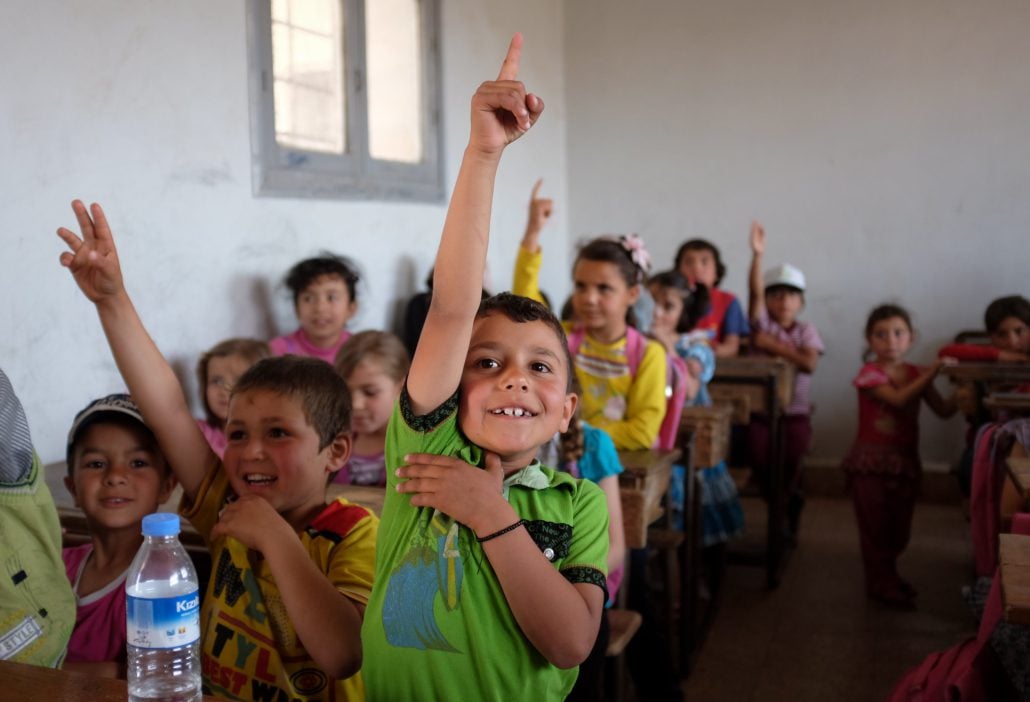
Life in Syria remains profoundly challenging after years of civil war and the fall of Bashar al-Assad’s government in 2024. This includes increased poverty rates and a devastated education system. However, one mobile library in Syria is helping children reconnect with books, art and cultural activities after years of disruption. Through books, art and performance, it offers an escape from the harsh nature of reality.

Refugee Crisis and Poverty

Despite the collapse of the Assad regime in 2024, Syria remains the world’s largest refugee crisis. In December 2025, the United Nations High Commissioner for Refugees (UNHCR) recorded 5.4 million refugees, with a further 5.5 million Syrians internally displaced as of April 2026. Syrians are still feeling the remnants of the civil war as 90% of people live below the poverty line, making humanitarian assistance essential.

Impact on Education

One aspect of Syria’s infrastructure that the war has severely impacted is the education system. The war resulted in the damage or complete destruction of more than 7,000 schools, leaving more than 2 million children out of school. As a result, the number of children who have never entered formal education is rising, limiting their future opportunities and sparking concern for their long-term development. Additionally, the psychological trauma of war and limited supplies pose significant challenges to children in Syria. However, mobile libraries in Syria ensure that children who have grown up with war have a connection to knowledge, enrichment and entertainment.

Mobile Cultural Bus Initiative

In 2025, Syria’s Ministry of Culture launched its initiative known as the Mobile Cultural Bus. The objective is to bring books, art and fun cultural activities to children and their families who do not have access to safe community spaces. This mobile library in Syria, run exclusively by volunteers, focuses efforts in refugee camps and rural areas, where access to books is severely limited. It consists of two buses, each equipped with approximately 1,200 books. This mobile library in Syria has visited the governorates of Qunetira, Deir Ez-Zor and Tartus, as well as the rural outskirts of Syria’s capital Damascus.

This initiative has received funding from publishing houses and libraries across the world, while organizations on the ground have ensured that the bus continues to support as many children as possible.

Connecting Children to Culture

Through reconnecting children to books, this mobile library in Syria also offers them the opportunity to learn about the country’s rich history and heritage. This is achieved through traditional crafts such as soap making and glass blowing. By expanding services beyond books, the Mobile Cultural Bus offers an escape from the devastating impacts of poverty and war through community and laughter, giving children a glimpse of what a childhood should entail.

More than 8,000 children have benefited from this important mobile library in Syria. The demand for this initiative is high, with volunteers facing more requests than they can answer to. In response, project officials have indicated that a long-term goal is to install a mobile library in all 14 of Syria’s governorates.

When safety, food and work are not guaranteed, cultural enrichment is a luxury that is often inaccessible. While Syria’s educational crisis is complex, this mobile library provides a joyful window to learning for children and their families rebuilding their lives after much pain and instability.

– Maya Tailor

Maya is based in London, UK and focuses on Global Health and Politics for The Borgen Project.

Photo: Flickr
October 10, 2026
https://borgenproject.org/wp-content/uploads/borgen-project-logo.svg 0 0 Lynsey Alexander https://borgenproject.org/wp-content/uploads/borgen-project-logo.svg Lynsey Alexander2026-10-10 07:30:252026-10-08 12:23:35Mobile Library in Syria: Bringing Books to Conflict-Affected Children
Global Poverty

How Mangrove Honey in Indonesia Can Support Sustainable Livelihoods

Mangrove Honey in Indonesia
In Indonesia, mangrove honey is emerging as a promising way for coastal communities to diversify incomes while helping protect the forests they depend on. For households whose livelihoods are vulnerable to changing environmental conditions, fishing pressures and limited economic opportunities, community-based honey production offers a nature-based alternative that connects income generation with ecosystem conservation. Small-scale fisheries are a major source of livelihoods in Indonesia, with around 1.3 million households benefiting from the sector, according to Indonesia’s 2024 Blue Food Assessment. However, many of these households face high levels of poverty and vulnerability linked to declining ecosystem health and changing weather patterns. Charcoal production as an alternative source of income has also been historically relied upon, but this creates further problems surrounding conservation and sustainable, long-term income generation.

The Vulnerability of Small-Scale Fishing

Fishing is deeply connected to Indonesia’s economy and food security. As the world’s largest archipelagic state, Indonesia relies heavily on its marine resources. According to the Food and Agriculture Organization of the United Nations (FAO), small-scale fisheries account for nearly 90% of all aquatic products captured in Indonesia. This figure refers to the amount of aquatic products that small-scale fisheries catch, rather than the number of fishers, fishing vessels or people employed in the sector.

However, dependence on fishing can leave communities particularly exposed to environmental and economic changes. Research into small-scale fisheries across Indonesia has identified ecosystem degradation and climate change as significant influences on livelihoods. Changes in weather patterns, declining ecosystem health and pressure on marine resources can make fishing less predictable, highlighting the importance of diversifying coastal livelihoods.

For communities living alongside mangrove forests, fishing is also not the only livelihood connected to these ecosystems. Mangroves provide a range of resources that can support local economies, including timber and non-timber forest products. In some communities, however, the harvesting of mangrove wood for charcoal has placed significant pressure on these forests.

Indonesia’s Mangrove Economy

Indonesia is home to approximately 3.4 million hectares of mangrove ecosystems, representing more than 20% of the world’s mangrove area. These forests provide critical habitat for fisheries, store significant amounts of carbon, protect coastlines from erosion and extreme weather and provide food and income for coastal communities.

Mangroves can therefore have economic value while remaining standing. One example is honey production.

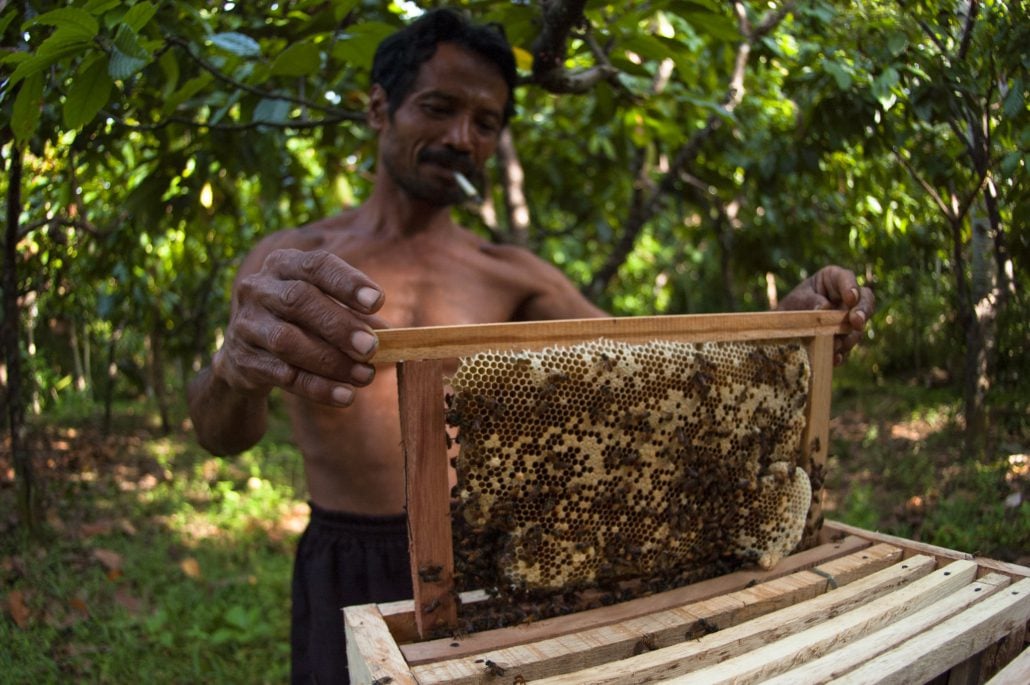
Mangrove ecosystems provide habitat and food sources for forest bees, including the species Apis dorsata, which produces forest honey collected by communities in parts of Indonesia. As a non-timber forest product, mangrove honey in Indonesia can generate economic value without requiring communities to cut down mangrove trees.

Moving Away From Mangrove Charcoal

Batu Ampar in West Kalimantan provides a useful example of the challenges facing mangrove-dependent communities. In 2017, the community received a Village Forest permit covering approximately 33,140 hectares of mangrove forest. Many residents traditionally depended on fishing, while charcoal production from mangrove wood also contributed to local livelihoods. However, the area is classified as protection forest, meaning only limited use is permitted and wood cannot legally be harvested from the protection forest. Yale’s Environmental Leadership and Training Initiative describes charcoal production in Batu Ampar as illegal and notes that it has contributed to significant mangrove deforestation and degradation.

The problem is that these two forms of economic activity can be closely connected to the health of the mangrove ecosystem. Fishing depends on healthy coastal environments, while charcoal production from mangrove wood contributes to the removal and degradation of the forest. This creates a difficult economic situation: communities depend on the forest for income, but some forms of resource extraction can damage the ecosystem that supports those livelihoods.

In 2023, Blue Forests and Yale’s Environmental Leadership and Training Initiative worked with the Batu Ampar community through a course focused on sustainable mangrove honey utilization. Rather than simply asking communities to stop using mangrove resources, the training explored how non-timber forest products such as honey could provide alternative livelihood opportunities while reducing economic dependence on charcoal production from mangroves.

Participants learned about bee habitats and life cycles, mapped honey locations, explored harvesting techniques and discussed harvest rotation and post-harvest processing. The approach connected environmental knowledge with practical skills that could help communities make greater economic use of the forest without removing its trees.

Honey as an Additional Source of Income

Mangrove honey in Indonesia does not need to replace fishing or become a community’s sole source of income. Its potential lies in diversification.

For households dependent on fishing, an additional income stream can provide greater flexibility when weather conditions, environmental pressures or seasonal changes make fishing less reliable. At the same time, honey production can create opportunities beyond harvesting itself, including processing, packaging, marketing and local entrepreneurship.

The environmental benefits are also significant. If honey becomes a viable source of income, communities have an economic reason to maintain the mangrove habitats that support bee populations. This creates a different relationship with the forest: rather than generating income through removing mangrove wood, communities can generate value from keeping a living ecosystem intact.

This does not mean honey production alone can solve poverty or prevent mangrove degradation. Market access, infrastructure, training, finance and effective environmental management are all important to whether nature-based livelihoods become economically sustainable.

Nevertheless, the Batu Ampar example demonstrates how livelihood diversification can address both economic and environmental pressures at the same time.

Building Long-Term Resilience

Mangrove honey in Indonesia illustrates how environmental protection and economic opportunity can be connected rather than treated as separate challenges.

Indonesia’s mangrove ecosystems already support coastal livelihoods through fisheries, food, coastal protection and other natural resources. The World Bank’s Mangroves for Coastal Resilience project similarly aims to improve livelihood opportunities for coastal communities alongside mangrove conservation and restoration.

For communities facing pressure on fishing and economic incentives to harvest mangrove wood for charcoal, developing sustainable non-timber products could provide another path. Honey offers one example of how a forest can generate economic value without being destroyed in the process.

For Indonesia’s coastal communities, the lesson extends beyond honey itself. Diversifying livelihoods around healthy ecosystems can help reduce dependence on vulnerable or environmentally damaging activities while creating new economic opportunities. As changing weather patterns and environmental degradation continue to affect coastal households, nature-based livelihoods such as mangrove honey could form part of broader strategies for building long-term economic resilience.

– Amber Bannon

Amber is based in High Wycombe and focuses on Good News for The Borgen Project.

Photo: Flickr
October 10, 2026
https://borgenproject.org/wp-content/uploads/borgen-project-logo.svg 0 0 Lynsey Alexander https://borgenproject.org/wp-content/uploads/borgen-project-logo.svg Lynsey Alexander2026-10-10 03:00:082026-10-08 12:12:39How Mangrove Honey in Indonesia Can Support Sustainable Livelihoods
Page 6 of 2214«‹45678›»

Get Smarter

  • Global Poverty 101
  • Global Poverty… The Good News
  • Global Poverty & U.S. Jobs
  • Global Poverty and National Security
  • Innovative Solutions to Poverty
  • Global Poverty & Aid FAQ’s
Search Search

Take Action

  • Contact Your Leader
  • Donate
  • 30 Ways to Help
  • Volunteer Ops
  • Internships
  • Courses & Certificates
  • The Podcast
Borgen Project

“The Borgen Project is an incredible nonprofit organization that is addressing poverty and hunger and working towards ending them.”

-The Huffington Post

Inside The Borgen Project

  • Contact
  • About
  • Financials
  • President
  • Board of Directors
  • Board of Advisors

Get Smarter

  • Global Poverty 101
  • Global Poverty… The Good News
  • Global Poverty & U.S. Jobs
  • Global Poverty and National Security
  • Innovative Solutions to Poverty
  • Global Poverty & Aid FAQ’s

Ways to Help

  • Contact Your Leader
  • Donate
  • 30 Ways to Help
  • Volunteer Ops
  • Internships
  • Courses & Certificates
  • The Podcast
Scroll to top Scroll to top Scroll to top