Why Investing in Refugee Self-Reliance Helps Host Communities
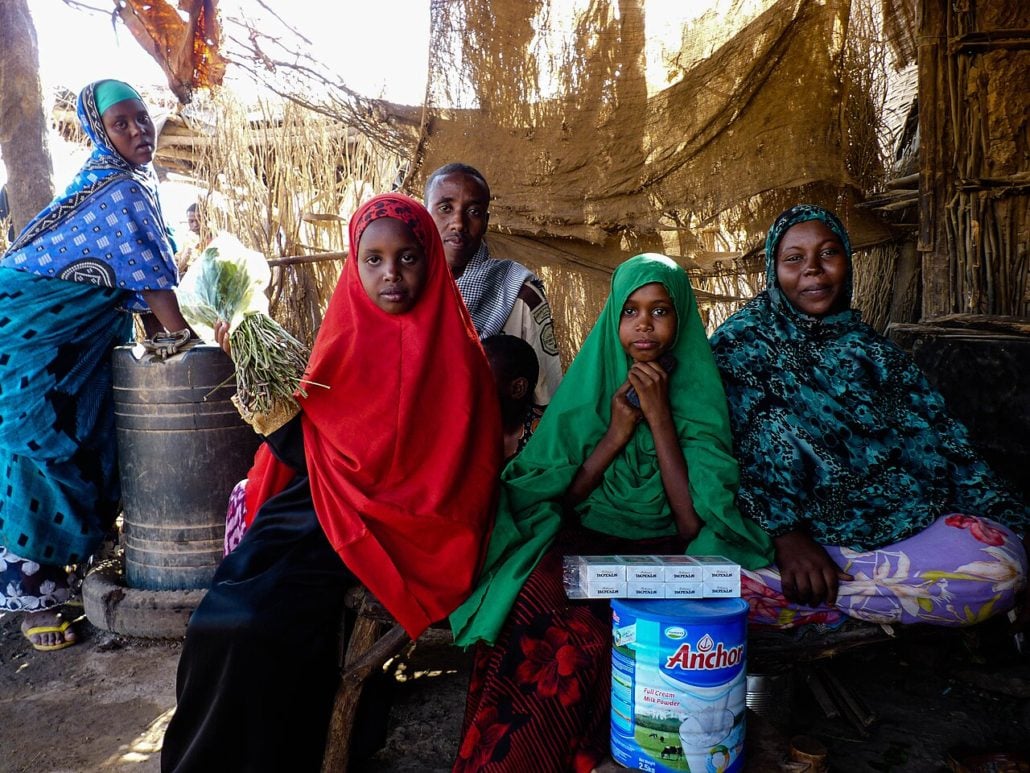
While much of the media landscape portrays refugees as a burden on hosts, many less-wealthy countries demonstrate that investing in refugee self-reliance can benefit both those seeking a new home and the host country itself. A study by the World Bank Group, published in 2022 and focusing on Ethiopia, observed that most refugee-hosting communities experience high levels of poverty and precarious livelihood conditions.
With humanitarian funding under pressure, institutions like the World Bank’s International Development Association and organizations like Inkomoko support refugee self-reliance.
The IDA and Global Policy
The International Development Association began in 1960 and aids in the development of countries in need of support. Every three years, contributing countries and the World Bank replenish the IDA’s resources. This enables them to contribute to the development and support of a long list of eligible countries.
IDA allocations consider countries’ needs and performance in implementing policies that promote sustainable development. The IDA supports a country’s projects focused on development, helping them become self-sufficient and sustainable. Here is where they provide an example for the benefit of refugee investment.
During IDA20, $2.4 billion was made available to help countries hosting refugees manage protracted crises. By December 2025, 21 countries had become eligible for assistance, including Bangladesh, Burkina Faso, Burundi, Cameroon, Chad, the Republic of Congo, Djibouti, the Democratic Republic of Congo, Ethiopia, Mauritania, Niger and Pakistan.
This aid focuses on enabling countries hosting large numbers of refugees to enact policies and plans that have been theoretical or difficult to implement without external support.
To be eligible, IDA countries must host at least 25,000 refugees (or 0.1% of the population), provide adequate protection for refugees and have a plan to support them.
In Ethiopia, IDA has supported the Economic Opportunities Program. This Ethiopian plan helps both refugees and hosts find and create jobs, not only helping refugees stand on their own feet but also channeling money and resources back into the country.
By July 31, 2025, the World Bank reported that 28,796 refugees had received access to economic opportunities under the program.
Local Support: Inkomoko
On a more local scale, Inkomoko supports refugees and displaced people in Rwanda, Kenya, South Sudan, Chad and Ethiopia. It invests in and provides support to entrepreneurs from these communities to enable stable growth from within.
Bedriya, a refugee entrepreneur in Tsore, Ethiopia, received business support and a startup loan through Inkomoko. According to the organization, she repaid the loan in six months after strengthening her cash-flow management, pricing and assessment of demand.
Sekina Hassen, who fled conflict in South Sudan in 2016, lives in the Bambasi refugee camp and, similarly, received business training and a loan to expand her bakery to supply the community. Not only does she feed locals, but her business supplies local cafes, retailers and other businesses, contributing to the wealth of the community.
Refugee Investment Can Reduce Assistance Costs
Research suggests that allowing refugees more freedom to work and take control of their financial situation within host countries benefits both their displaced community and their new home.
A report by the World Bank and UNHCR suggests that policy changes allowing refugees the chance to work and live as integrated community members can reduce the need for external international support. A 2024 UNHCR analysis of refugees in low- and middle-income countries reported that a modeled 25% increase in refugees’ incomes could halve the cost of complementary assistance to $11 billion annually. Part of the savings could be reinvested in refugee and host-community development.
The Human Level
On a more human level, the World Economic Forum highlights consumer support for businesses hiring refugees. In a January 2025 article, it reported survey findings that 40% of U.S. respondents were more likely to buy from companies hiring refugees; the figure was 51% across seven European countries and 74% in Mexico.
When researching host communities in Ethiopia, the authors of the 2022 World Bank working paper estimated that a 1% increase in refugee presence led to a 2.7% rise in diversification of livelihood activities as a secondary occupation and a 15.9% increase in the value of livestock product sales. Effects varied across regions and households; negative effects were concentrated in Gambella. This shows the potential benefits of refugee investment while recognizing that gains are not shared equally.
Aside from the potential financial benefit to both host countries and refugees themselves, investing in refugee self-reliance can help people build a life with greater agency.
– Calvin Politi
Calvin is based in Edinburgh and focuses on Good News, Politics for The Borgen Project.
Photo: Wikimedia Commons

