• Link to X
  • Link to Facebook
  • Link to Instagram
  • Link to TikTok
  • Link to Youtube
  • About
    • About Us
      • President
      • Board of Directors
      • Board of Advisors
      • Financials
      • Our Methodology
      • Success Tracker
      • Contact
  • Act Now
    • 30 Ways to Help
      • Contact Your Leader
      • Volunteer
      • Courses & Certificates
      • Be a Donor
    • Internships
      • In-Office Internships
      • Remote Internships
    • Legislation
      • Politics 101
  • The Blog
  • The Podcast
  • Magazine
  • Donate
  • Click to open the search input field Click to open the search input field Search
  • Menu Menu

Archive for category: Global Poverty

Key articles and information on global poverty.

Conflict, Global Poverty, Humanitarian Aid

Saudi Aid to Yemen: Supporting Recovery and Poverty Reduction

Saudi Aid to Yemen
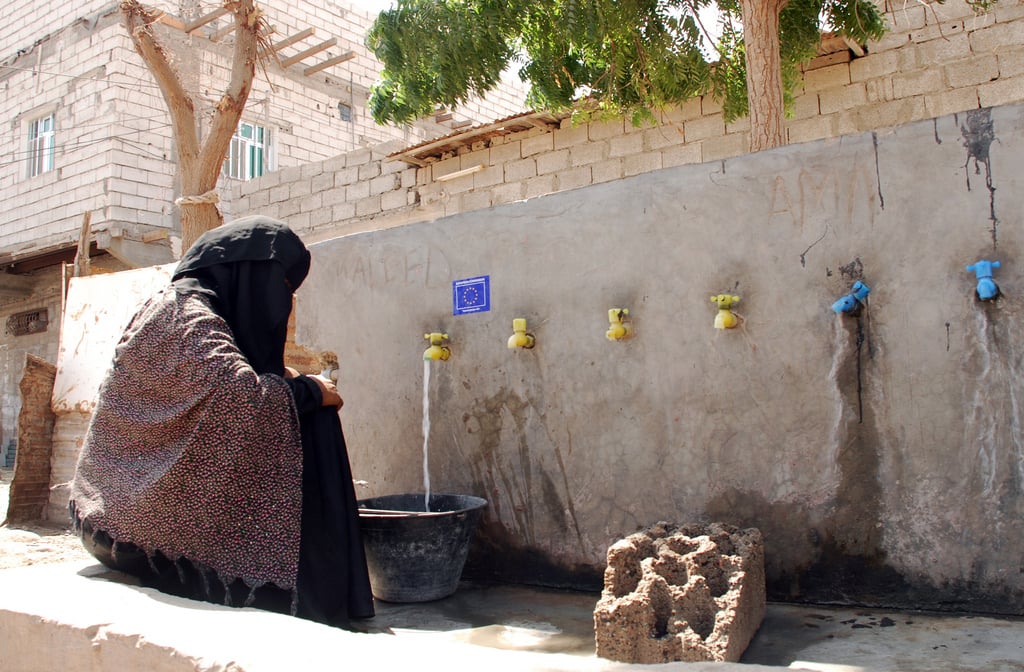
The fight to reduce poverty is an ongoing battle. Many helping hands from various backgrounds and countries have stepped up to contribute. One such helping hand is Saudi Arabia. The kingdom is known for its wealth due to oil production, but it has also become a major provider of humanitarian and development assistance. Yemen, its neighbor, has received substantial Saudi support.

Yemen

Saudi Arabia’s support for poverty reduction is particularly visible in Yemen. Yemen’s humanitarian crisis ranks among the most severe globally. The Houthis took control of the capital, Sana’a, in 2014, and a Saudi-led coalition intervened militarily in 2015. The conflict has caused deaths both through direct violence and indirectly through hunger, disease and the breakdown of services. A 2021 UNDP estimate put conflict-attributable deaths at 377,000, including 154,000 from direct combat and violence and 223,000 from indirect causes.

With economic and political unrest, the country has not recovered, and the Houthis continue to control large parts of Yemen. In 2026, more than 22 million people require humanitarian assistance, 18.3 million people are acutely food insecure, and more than 2.2 million children under five are acutely malnourished.

Kingdom of Giving

Saudi Arabia has provided humanitarian, development and economic support to Yemen for many years. Saudi sources report more than $12 billion in support between 2012 and 2025, while the Saudi Aid Platform records Yemen as one of the largest recipients of Saudi assistance.

Saudi Arabia has also contributed to UN humanitarian responses. In 2019, it provided $500 million toward the Yemen Humanitarian Response Plan.

Helping Hands

One organization involved in this work is the King Salman Humanitarian Aid and Relief Center, KSrelief. The organization provides food, medical supplies and other humanitarian assistance.

KSrelief has worked with the World Food Programme on food-security and livelihood programs in Yemen, including support for farming families, agricultural land, irrigation channels and greenhouses.

KSrelief’s own statistics show that it implemented 531 completed or ongoing projects in 2024 at a total cost of more than $622 million. Since its establishment, the center reports thousands of projects across more than 100 countries, with Yemen its largest beneficiary by project spending.

Another Saudi organization supporting Yemen is the Saudi Development and Reconstruction Program for Yemen (SDRPY). Established in 2018, its work includes rebuilding infrastructure, supporting economic stability and promoting long-term development. Its projects have included energy and road infrastructure.

SDRPY has also partnered with international organizations, including UN-Habitat, on projects involving housing and water infrastructure.

Since 2018, SDRPY has implemented hundreds of development projects across sectors including education, agriculture and fisheries. Its work includes training and support intended to strengthen livelihoods and local production.

In partnership with Yemen’s Social Fund for Development, SDRPY has also supported education projects, including plans involving more than 25 schools and training for hundreds of teachers.

Final Thoughts

Saudi aid cannot by itself resolve Yemen’s poverty or humanitarian crisis, which ultimately depends on greater political and economic stability. However, humanitarian assistance and longer-term development programs can help communities meet immediate needs while supporting infrastructure and livelihoods needed for recovery.

– Lara Lewis

Lara is based in Wakefield, RI, USA and focuses on Good News and Politics for The Borgen Project.

Photo: Flickr
October 10, 2026
https://borgenproject.org/wp-content/uploads/borgen-project-logo.svg 0 0 Lynsey Alexander https://borgenproject.org/wp-content/uploads/borgen-project-logo.svg Lynsey Alexander2026-10-10 01:30:442026-10-08 09:58:36Saudi Aid to Yemen: Supporting Recovery and Poverty Reduction
Disease, Global Poverty, Technology

Tracking Ebola in the DRC With Mobile Phone Data

Ebola in the DRC
On May 15, 2026, the Democratic Republic of the Congo (DRC) declared its 17th Ebola outbreak since 1976. Two days later, the World Health Organization (WHO) determined that the Bundibugyo virus outbreak constituted a Public Health Emergency of International Concern. There is no licensed vaccine or specific treatment for this strain.

The virus spread fast. It passed 1,000 confirmed cases within 40 days. The 2018 outbreak in the DRC took about 235 days to reach that mark. As of Sept. 23, the DRC had reported 7,890 confirmed cases and 3,799 deaths across seven provinces, a crude case fatality ratio of 48.1%. For comparison, WHO says past Bundibugyo outbreaks had fatality rates between 30% and 50%. Numbers like these push health workers to find new ways to track Ebola in the DRC before it spreads further.

A Response Under Strain

The response to Ebola in the DRC has struggled to keep up. One month in, Médecins Sans Frontières warned that gaps in testing, contact tracing and community outreach were letting the virus outrun the response. By the two-month mark, confirmed cases had tripled. In just five weeks, they went from around 650 to more than 2,000. Deaths rose even faster, from 130 to over 700 in the same period. Trish Newport of Médecins Sans Frontières said teams were still chasing the outbreak instead of staying ahead of it.

Tracking Movement by Phone

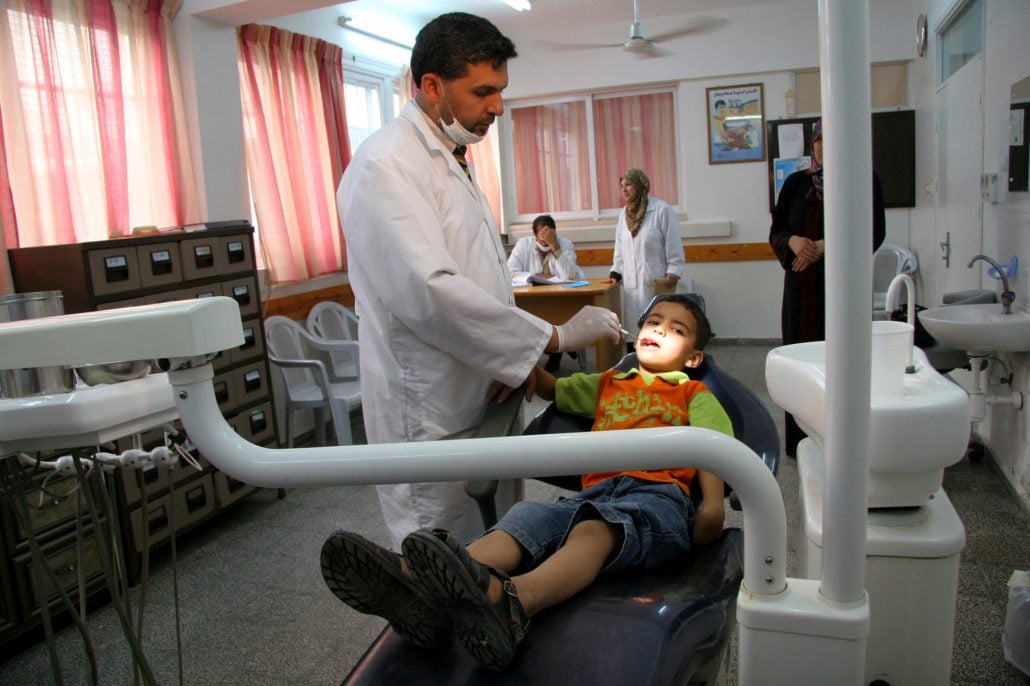
A Swedish nonprofit called Flowminder is trying something different. It works with Vodacom, the DRC’s largest operator, with more than 26 million active subscriptions and nearly 35% of the market. Flowminder studies phone records created when phones connect to cell towers. The data are aggregated and anonymized, so no individual caller is identified. By tracking movement between areas over time, researchers can see where people travel. Linus Bengtsson, founder of Flowminder, told Reuters that knowing how people move offers clues about how infected people might move.

Flowminder published its first report on May 28 and updated it on June 4. Using anonymized Vodacom data, it ranked the health zones receiving the most travelers from Bunia, Mongbwalu and Rwampara, the outbreak’s first hotspots. By June 1, eight of the top 10 recipient zones already had confirmed cases. By the end of June, all 10 did.

The tool does not predict where an infected person will turn up. It flags which areas face a higher risk of importing the virus, so teams know where to look first. Kisangani shows how this works. The major river port does not border the affected areas. Even so, Flowminder’s first report listed it as the top destination in Tshopo province for travelers from the hotspots. Dr. Olivier le Polain, who leads epidemiology and analytics for WHO’s response, told Reuters the data showed significant risk there by mid-June. He said operations were strengthened before the first cases were detected. Those cases were confirmed in early July.

A Heavy Price for Children

Children in affected areas face particular risks. UNICEF estimates nearly 3 million children in affected areas face rising danger. By late June, more than 130 children in Ituri province had already lost a parent to Ebola in the DRC. UNICEF is seeking $70.7 million for its six-month response. As of the appeal, $20 million of that remained unfunded.

A Model Worth Building On

The system has limits. It only captures subscribers on the participating network, so people using other providers stay invisible. So do people who cross into nearby countries. The data are also aggregated and anonymized, which protects privacy but limits detail. That is why mobility data complement epidemiological surveillance rather than replace it. Testing, contact tracing and community work still do the core job. Flowminder and U.N. officials are working to bring other operators on board, which would sharpen the picture.

If that expansion succeeds, the same tool now helping track Ebola in the DRC could become a model for other outbreaks. It would fit anywhere health systems are stretched thin but phones are common. The DRC has faced this virus 17 times since 1976. Mobility data can help responders identify areas at higher risk earlier, complementing testing, contact tracing and community-based surveillance.

– Juan Guillermo Rueda Castrillón

Juan is based in Barcelona, Catalunya, Spain and focuses on Technology and Solutions, and Global Health for The Borgen Project.

Photo: Flickr
October 9, 2026
https://borgenproject.org/wp-content/uploads/borgen-project-logo.svg 0 0 Lynsey Alexander https://borgenproject.org/wp-content/uploads/borgen-project-logo.svg Lynsey Alexander2026-10-09 07:30:362026-10-08 08:03:47Tracking Ebola in the DRC With Mobile Phone Data
Conflict, Global Poverty, Health

Gaza’s Health System: From Emergency Response to Recovery

Gaza's Health System
Since the outbreak of hostilities on Oct. 7, 2023, Gaza’s health system has faced what the United Nations Relief and Works Agency for Palestine Refugees in the Near East (UNWRA) describes as a “systemic collapse,” severely undermining its capacity to meet the population’s basic health needs. The conflict has damaged health facilities, degraded services, created shortages of medical supplies and fuel and severely constrained health care personnel’s delivery of care.

As of August 2026, 35 of the 57 hospitals and field hospitals, and 146 of the 233 primary health care facilities, were partially or fully operational, according to the World Health Organization’s HeRAMS assessment. Despite these extraordinary restrictions, the United Nations Relief and Works Agency for Palestine Refugees in the Near East has maintained primary health care services wherever possible by adapting its operational model, expanding mobile health teams, and establishing temporary health facilities.

Emergency Medical Teams Fill Critical Gaps

In Gaza, Emergency Medical Teams, international and national professional health teams coordinated through the World Health Organization (WHO) response, have helped provide surge capacity while local services remain severely constrained. Their role is not to replace Gaza’s health system but to help keep essential services functioning while local capacity remains severely constrained. Comprising more than just doctors and nurses, these teams are self-sufficient mobile units that also include logisticians, water and sanitation specialists, and administrative staff. In Gaza, Emergency Medical Teams are responding to high levels of injury and illness alongside the local health workforce. As of April 15, 2026, 23 Emergency Medical Team partners were supporting 36 active teams in Gaza, comprising 72 international and 310 national personnel. According to the World Health Organization, Emergency Medical Teams had provided 4,288,220 general medical consultations, 65,056 emergency surgeries and treatment to 272,483 critical trauma patients from January 2024 through March 2026.

Primary Health Care Keeps Essential Services Accessible

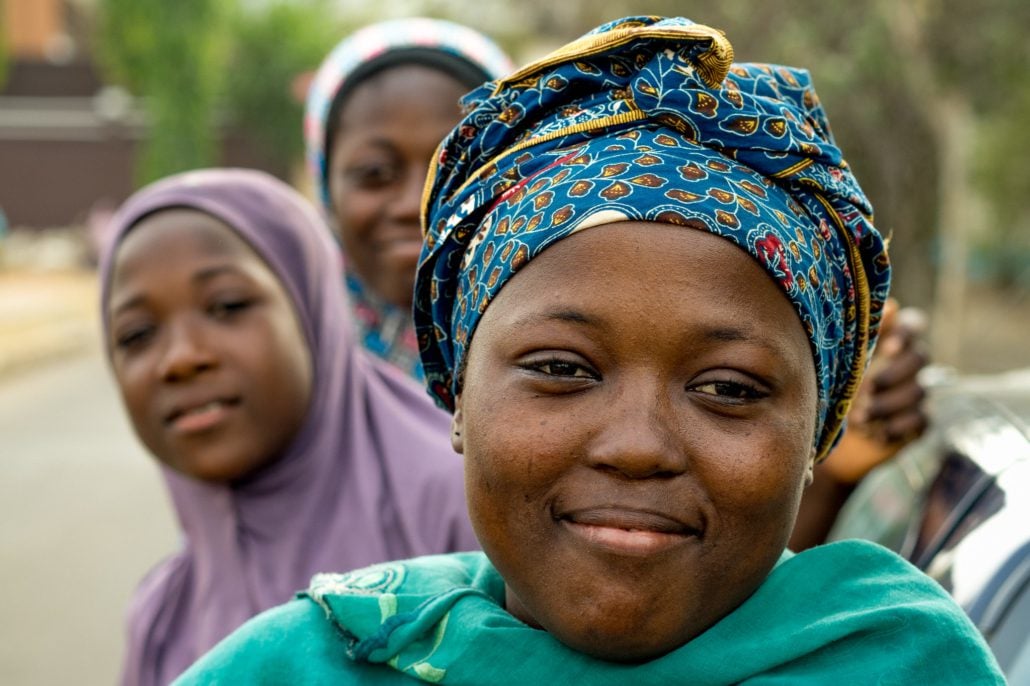
When the capacity of hospitals—which constitute only one part of the broader health system—is severely constrained, primary care centers, health posts, mobile teams and temporary facilities become key avenues for ensuring access to care. From June 8 to 14, 2026, the United Nations Relief and Works Agency for Palestine Refugees in the Near East reported 70 mobile medical teams working through 28 medical points alongside six health centers and four temporary health centers. During that week, the United Nations Relief and Works Agency for Palestine Refugees in the Near East health personnel provided 73,165 medical consultations, including maternal care, physiotherapy, laboratory services and vaccinations.

Rebuilding Gaza’s Health System Requires More Than Hospitals

Rebuilding Gaza’s health system will require more than just repairing damaged hospital buildings. The health system also relies on medical equipment, pharmaceutical supply chains, electricity and fuel, laboratories, ambulances, referral systems and trained health care personnel. Meanwhile, damage to water and sanitation infrastructure increases public health risks, while a lack of rehabilitation equipment and specialized services can lead to long-term disability. A 2026 qualitative study based on interviews with health care workers found that future reconstruction efforts should incorporate local expertise, workforce development, emergency preparedness and stronger coordination among health stakeholders.

From Emergency Care to Long-Term Recovery

One can already see he transition from emergency response to recovery in services such as rehabilitation. The Limb Reconstruction Center at the Nasser Medical Complex in Khan Younis originated on June 1, 2026, and provides orthoplastic surgery, physiotherapy and limb reconstruction services for patients with complex conflict-related injuries. The center has access to 16 World Health Organization-funded beds and dedicated operating theater sessions twice a week.

According to the Humanitarian Situation Report, such services demonstrate why the recovery process does not end when a patient leaves the emergency department; serious injuries may require surgery, rehabilitation and long-term medical support. These interventions should not be viewed merely as simple wound care. Long-term recovery also requires ongoing attention to chronic diseases, mental health, maternal and child health, rehabilitation and medical follow-up. Therefore, the goal is not simply to restore individual buildings, but to rebuild a health system capable of providing continuous and comprehensive care to the population.

Health Care as a Foundation for Recovery

In conclusion, Gaza’s health crisis cannot be addressed through emergency medical aid alone. Immediate intervention is essential, but long-term recovery requires re-establishing the systems that enable the day-to-day functioning of health care services. This requires the rehabilitation of facilities, the reconstruction of supply chains, support for health workers, the re-establishment of referral and ambulance networks, the expansion of primary health care services and investment in rehabilitation, mental health and public health infrastructure. Rebuilding health services for Gaza is also part of rebuilding daily life. Access to reliable health services can help people manage chronic conditions, recover from injuries and maintain maternal, child and mental health services. These conditions can contribute to people’s ability to return to education, work and community life.

– Ömer Valyozoğlu

Ömer is based in İstanbul, Türkiye and focuses on Global Health for The Borgen Project.

Photo: Flickr
October 9, 2026
https://borgenproject.org/wp-content/uploads/borgen-project-logo.svg 0 0 Lynsey Alexander https://borgenproject.org/wp-content/uploads/borgen-project-logo.svg Lynsey Alexander2026-10-09 03:00:242026-10-08 07:34:46Gaza’s Health System: From Emergency Response to Recovery
Disease, Global Poverty, Health

Ovarian Cancer Gaps in LMICs

Ovarian Cancer in LMICs
On May 8, 2026, people around the world marked World Ovarian Cancer Day, an annual campaign focused on raising awareness of ovarian cancer. Unfortunately, there are low rates of awareness of ovarian cancer in LMICs, otherwise known as low and middle income countries, making this campaign particularly important.

Ovarian Cancer Awareness

Ovarian cancer poses a significant threat as a gynecological cancer, with many cases diagnosed late due to vague symptoms such as bloating and difficulty eating. These symptoms are often mistaken for other conditions. The day unites health care professionals, advocacy groups, survivors and communities to promote education and fundraising.

#NoWomanLeftBehind Theme

The 2026 theme, #NoWomanLeftBehind, differed from previous years. According to the World Ovarian Cancer Coalition, fewer than 20% of women receive a stage I diagnosis, even in high-income countries like the United Kingdom and the United States. Outcomes and access to recommended treatment vary significantly between countries. This theme emphasizes equitable ovarian cancer outcomes, regardless of location or socioeconomic status.

Global Health Issue

Ovarian cancer remains a major global health issue. About seven in 10 women diagnosed with ovarian cancer die within five years, the highest death-to-diagnosis ratio among the four major women’s cancers. Global cases may rise by 53% by 2050. In lower-middle-income countries, cases are projected to rise by 82%, while cases in low-income countries are projected to rise by 151%.

World Ovarian Cancer Day

In response, leaders from ovarian cancer advocacy organizations worldwide established World Ovarian Cancer Day in 2013. The World Ovarian Cancer Coalition now leads the annual initiative, collaborating with more than 200 partner organizations, from grassroots patient advocacy groups to national health organizations, to promote earlier diagnosis and equitable access to care for women globally.

#ReachForTheScars Campaign

As part of the #NoWomanLeftBehind theme, the World Ovarian Cancer Coalition promoted the #ReachForTheScars campaign. This campaign highlighted the real experiences of women with ovarian cancer, generating 58 million impressions, reaching 164 countries and receiving more than 47,000 social engagements. Global partners, including the World Economic Forum, Union for International Cancer Control and Zentalis, also helped increase visibility. These figures demonstrate the campaign’s global reach and engagement.

The 2018 “Every Woman Study” Findings

In 2018, the World Ovarian Cancer Coalition conducted the Every Woman Study. The goal was to address the evidence gap and identify ways to improve survival and quality of life for women with ovarian cancer. With more than 1,531 women in 44 countries participating, it was the largest-ever global survey of women with ovarian cancer at the time.

The study showed more than two-thirds of respondents had never heard of ovarian cancer or knew little about it before diagnosis, and about nine in 10 respondents experienced multiple symptoms before receiving a diagnosis.

Additionally, access to genetic testing varied dramatically by country, with more than 80% of women who had two or more relatives with ovarian cancer not receiving genetic testing before their diagnosis.

The Every Woman Study – LMIC Edition

Following the 2018 results and the expected rise in ovarian cancer cases, the Every Woman Study: Low- and Middle-Income Edition launched in August 2021. It was a joint initiative between the World Ovarian Cancer Coalition and the International Gynecologic Cancer Society. The goal was to document the experiences of women with ovarian cancer in LMICs on a large scale.

Believing that the original 2018 study was not representative enough of lower-income countries, research was conducted on 2,446 participants across 22 LMICs, including regions such as South Africa, India and Jamaica. Participation occurred through interviews and surveys, with results examining factors like knowledge of ovarian cancer, route to diagnosis, treatment, financial impact and emotional support.

Finally completed in 2025, the study found that only about one in four women had heard of ovarian cancer and knew something about it before diagnosis. Additionally, around three in four women said that ovarian cancer affected their family’s finances, with 29.4% stating that their household income fell below what they needed to live on.

Access to genetic testing and advanced treatments like PARP inhibitors was also limited among participants. Furthermore, one in three women reported traveling more than two hours to reach their treatment center, illustrating yet another barrier to accessing treatment.

Next Steps

The Every Woman Study shows that closing ovarian cancer gaps requires more than awareness alone. Better access to diagnosis, treatment, genetic testing and support is essential, especially in LMICs. As World Ovarian Cancer Day continues to bring global attention to these disparities, its 2026 message, #NoWomanLeftBehind, serves as a reminder that every woman deserves a chance at better care, no matter where she lives.

– Diya Rajkumar

Diya is based in Redmond, Washington, USA and focuses on Good News and Global Health for The Borgen Project.

Photo: Flickr
October 9, 2026
https://borgenproject.org/wp-content/uploads/borgen-project-logo.svg 0 0 Lynsey Alexander https://borgenproject.org/wp-content/uploads/borgen-project-logo.svg Lynsey Alexander2026-10-09 01:30:312026-10-08 07:06:09Ovarian Cancer Gaps in LMICs
Global Poverty, Legislations and Policies, Women's Rights

Ghana’s Anti-Witchcraft Bill: A Second Chance to Become Law

Ghana's Anti-Witchcraft Bill
Six years ago, Akua Denteh, a 90-year-old woman from the town of Kafaba, was killed after being accused of witchcraft. A crowd beat her to death on July 23, 2020, after she was accused of using witchcraft to prevent rain from falling in the area. Footage of the attack spread across the country within hours. The killing drew public condemnation and renewed calls for Parliament to act.

Pattern of Accusations

The accusation that led to Denteh’s death did not materialize on its own. A priestess blamed her for a run of misfortune in Kafaba, including a poor rainy season. Researchers describe a consistent pattern: droughts, crop failures and unexplained illness create pressure to assign blame. That blame tends to fall hardest on vulnerable women who are older, poor, widowed, living with a disability or otherwise without someone to defend their claim to land and property. Once people make an accusation, it compounds that existing vulnerability, stripping a woman of her home and income on top of what she has already lost.

Exile as an Alternative

For the women who survive, exile is often the alternative to death. Across northern Ghana, hundreds of people accused of witchcraft live in settlements commonly known as witch camps, after being banished from their communities or fleeing because they feared further violence. More than 97% of residents of such camps report an extremely low quality of life.

Political Spotlight

Denteh’s death pushed an old, deeply rooted practice into the political spotlight, and Parliament responded. Three years later, in July 2023, members of Parliament passed the Criminal Offences (Amendment) Bill, commonly known as the Anti-Witchcraft Accusations Bill, which would make it a criminal offense to accuse, name or label another person as a witch. It would also outlaw witch-finding, the rituals through which priests, priestesses and other self-styled witch-finders identify supposed witches, and it proposed a route toward protection, justice and compensation for victims.

Presidential Assent

However, Parliament’s passage did not make it law. President Nana Akufo-Addo did not give the bill his assent. According to reports, his objection centered on a constitutional and procedural question: the bill had originated as a private member’s bill, and his administration argued that the government should have introduced legislation carrying financial implications for the state rather than individual MPs.

Continued Efforts

For the women in the camps, the distinction between Parliament passing a bill and Ghana having a law was not abstract. Without presidential assent, the proposed criminalization of witchcraft accusations did not take effect, while women already displaced by accusations remained in exile. The fight has now returned to Parliament. In July 2026, five MPs from the same group that sponsored the original bill reintroduced it, again as a private member’s bill. Government ministers have separately signaled interest in taking up the legislation, and Amnesty International Ghana has appealed to President John Mahama to certify it as urgent. Whether that support translates into the government formally sponsoring the bill, or into presidential assent this time, is still an open question. The procedural issue raised over the 2023 bill — its status as a private member’s bill with financial implications — has not yet been definitively resolved.

Building Pressure

Outside Parliament, pressure has been building too. Amnesty International Ghana, ActionAid Ghana, Songtaba, Oxfam and the Sanneh Institute have formed part of a coalition pushing for the bill’s passage. Campaigners have traveled to the camps, gathered testimony from women living there and taken their demands back to Accra. Their petition has attracted almost 19,000 signatures.

Future Challenges

This is no longer simply a story about whether MPs agree that witchcraft accusations are wrong; they have already voted on that once. It is a story about what it will take to convert that agreement into an assented law, and about what happens next if that finally happens. The first bill did not fail because Parliament rejected the women it was meant to protect; it stalled over a procedural dispute about how the bill was introduced. Whether that obstacle has genuinely been cleared this time, or will resurface, remains to be seen.

Even if Parliament passes the bill again and it receives assent, a harder question will still be waiting: what happens to the women already living in the camps? A law can make a new accusation a crime. Reintegrating women who have already been displaced, rebuilding a lost home, restoring lost land, repairing a relationship with a family that still believes an accusation, persuading a village that a woman it once feared is safe to welcome home is a separate, longer undertaking that legislation alone does not resolve. That is the implementation gap between passing a law and closing the camps.

And it is where Akua Denteh’s story, six years after her death, leads next: not back to the village square where she was killed, but into the corridors of Parliament, where Ghana’s lawmakers have another chance to decide what happens after her death.

– Alana Breslin

Alana is based in London, England and focuses on Global Health and Politics for The Borgen Project.

Photo: Flickr
October 8, 2026
https://borgenproject.org/wp-content/uploads/borgen-project-logo.svg 0 0 Lynsey Alexander https://borgenproject.org/wp-content/uploads/borgen-project-logo.svg Lynsey Alexander2026-10-08 07:30:202026-10-06 14:07:06Ghana’s Anti-Witchcraft Bill: A Second Chance to Become Law
Conflict, Global Poverty, Government

Updates on SDG 16 in Lebanon

Updates on SDG 16 in Lebanon
Since the escalation of hostilities on March 2, 2026, more than 1 million people have been displaced across Lebanon. As of March 27, more than 133,000 people are sheltering in more than 600 collective sites nationwide, according to UNDP. Here are some updates on SDG 16 in Lebanon.

SDG 16: Peace, Justice and Strong Institutions

SDG 16 is one of 17 Sustainable Development Goals that the United Nations developed to fulfill its 2030 Agenda. As Lebanon grapples with social, political and economic constraints, updates on SDG 16 arrive as the UN focuses collaboration efforts on developing and reforming the government’s public administration and civil service.

UN partners and teams have assisted in expanding institutional capacities for social stability, economic growth and conflict prevention. However, the efficiency of these programs has noticeably differed before and during conflict escalations in the South.

UN Programmatic Interventions

The UN has instituted 10 programmatic interventions responding to the threats to SDG 16 in Lebanon. Of these, Lebanon implemented two. In 2025, the United Nations Economic and Social Commission for Western Asia and the United Nations Development Programme supported a study that the Lebanese Office of the Minister of State for Administration Reform on “Reform Models and Practical Recommendations for Lebanon” conducted. Ending in June 2026, the study examined Lebanon’s fragmented governance context, including the formal and informal sectarian networks entrenched within the country’s political system. Its primary focuses included post-crises state building, digital transformation, performance management, transparency reforms and whole-of-government modernization.

UNDP’s Security and Justice project supports security and justice services for crisis-affected populations in Lebanon. The current project page lists it as ongoing through June 2027 and focuses on social stability, human rights and access to justice. UNDP reports that more than 260,000 people from 75 villages can benefit from police services aligned with community-policing standards. It also reports that four legal-aid helpdesks provided free legal services to more than 19,000 beneficiaries, 62% of whom are women, and that an inclusive justice forum was established to help stakeholders address challenges facing justice institutions.

Concerning the promotion of inclusivity and social justice, UNDP’s “Dealing With the Past: Memory for the Future” Phase II is an active reconciliation initiative running from 2022 to 2027. It aims to advocate for accountability on “dealing with the past,” coordinating the operation of regional, local, and national actors to understand and accept histories associated with the Lebanese context. Its objective is to prevent relapse into violence through education. As a result, 225 history teachers and 51 former fighters and youth have received training in mediation through education, bringing perspectives across sects to the public’s attention. The initiative succeeded in adding 50 documented stories to historical mappings of the Lebanese Civil War, an event largely shaping current Lebanese politics, and delivered six educational materials from this multifaceted approach.

Daybreak Over Mount Lebanon: Looking Forward

Despite ongoing conflict, the documented programs have expanded access to legal aid, strengthened local security services and supported reconciliation and education initiatives across Lebanon. However, continued conflict and displacement have disrupted several programs, creating challenges for the implementation and long-term sustainability of these efforts.

– Ghassan-Elias Zaitoun

Ghassan-Elias is based in Guelph, Ontario, Canada and focuses on Global Health and Politics for The Borgen Project.

Photo: Flickr
October 8, 2026
https://borgenproject.org/wp-content/uploads/borgen-project-logo.svg 0 0 Lynsey Alexander https://borgenproject.org/wp-content/uploads/borgen-project-logo.svg Lynsey Alexander2026-10-08 03:00:182026-10-06 13:48:30Updates on SDG 16 in Lebanon
Food Insecurity, Global Poverty, Natural Disaster

Helping Survivors of the Colombian Earthquake

Colombian Earthquake
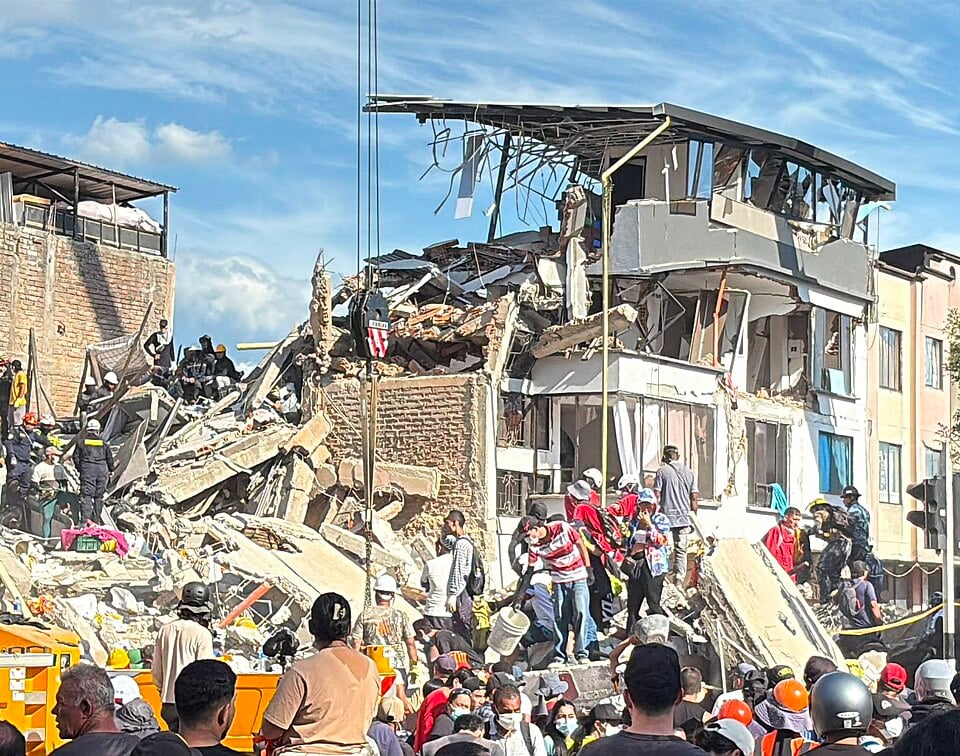
On August 10th, 2026, a large 7.4 magnitude earthquake hit the country of Colombia, causing the destruction of more than 10,500 homes on the western parts. The earthquake killed at least 281 people and injured thousands more with many others stuck under the rubble. First responders and authorities have worked tirelessly to search for and rescue any struggling survivors trapped under the rubble, their efforts focusing on the missing people especially because of the situation’s time sensitivity. Despite the dire situation due to the Colombian earthquake, NGOs and humanitarian organizations are actively helping vulnerable communities.

Situation Overview

The 7.4 Colombian earthquake struck shortly after 7:30 pm (GMT-5), shaking the whole country, including its neighbor Ecuador. During this, apartment blocks were toppled and both schools and homes were damaged as people rushed out into the streets to escape the collapsing debris. From recent reports, 281 people were killed (many of them in Cali, Colombia’s third most populated city), more than 3,900 injured – though both numbers are rising as more information is revealed – and about 379 people are estimated to be missing according to the data.

The earthquake has also worsened the people’s quality of life: food insecurity is higher with 31% of the population in Chocó and 29% in Valle del Cauca going hungry as a combination of the disaster and displacement. To compare, the country had 37% of households were suffering from food insecurity before the earthquake hit, making the pre-existing issues worse. Their access to medication and medical help has also been affected due to more than 84 hospitals being damaged in the wake of the earthquake, leaving medical staff scrambling to provide care for many of the injured victims. Shelter has been another point of concern due to the mass distraction of hundreds of houses.

NGOs Working in Colombia

There are several NGOs and other humanitarian organizations that are working in Colombia to aid vulnerable people. These include:

Food for the Poor

Food for the Poor is a nonprofit organization that aims to bring urgent relief to vulnerable families experiencing poverty. Since its founding in 1982, its services include providing food, clean water, health care and shelter for people in poverty. It provided 943 million meals to Colombians between 2019 and 2023 and distributed $3.2 million worth of aid during that same time frame.

The World Food Program (WFP)

Speaking of providing meals, WFP is one of the world’s largest humanitarian organizations that focuses on helping and providing food for people during emergencies, such as conflict, disasters and impacts from particularly bad weather. WFP has been working in Colombia as recently as from January 2026 to June 2026, providing food for at least 260,000 across the country and gave cash-based transfers to vulnerable communities experiencing conflict and climate shock. This included 75,000 children and reached 1.2 million schools. After the earthquake, it has focused its services on helping the survivors of the earthquake.

Looking Ahead

The Colombian earthquake has destroyed buildings, killed 281 people, and injured many others. However, numerous NGOs are ready to assist, and there are many ways to support the victims.

– Michalitsa Kontogianni

Michalitsa is based in Washington, DC and focuses on Good News and Global Health for The Borgen Project.

Photo: Wikimedia Commons

October 8, 2026
https://borgenproject.org/wp-content/uploads/borgen-project-logo.svg 0 0 Lynsey Alexander https://borgenproject.org/wp-content/uploads/borgen-project-logo.svg Lynsey Alexander2026-10-08 01:30:512026-10-06 13:07:48Helping Survivors of the Colombian Earthquake
Employment, Global Poverty, Tourism

How Dracula Land Romania Could Boost Tourism and Employment

Dracula Land Romania
A €1 billion theme park planned near Bucharest could create thousands of jobs and expand Romania’s tourism industry as the country continues to face high levels of people at risk of poverty or social exclusion. Here is more information about the Dracula Land project.

Dracula Land Project

Dragoș Dobrescu, founder of Dracula Land, describes the project as more than a real estate development, calling it a “project of national vision” and a potential landmark for Romania.

Dracula Land is a proposed entertainment and tourism complex planned near Bucharest. According to the project’s developers, construction is will begin in September 2026, with an opening targeted for 2027.

The planned development would cover a 160-hectare site and include a theme park spanning more than 780,000 square meters, with six themed areas and more than 40 attractions. The wider project also plans to include hotels, an aqua park, a luxury outlet, a 22,500-seat arena and a technology hub.

The project is undergoing development as a private investment exceeding €1 billion, according to project representatives.

Romania’s Progress Against Poverty and Social Exclusion

Romania has made progress in reducing the share of people at risk of poverty or social exclusion in recent years, but significant challenges remain.

In 2025, 27.4% of Romania’s population was at risk of poverty or social exclusion, compared with 20.9% across the European Union. Romania recorded the third-highest rate in the EU, behind Bulgaria and Greece.

The rate has declined from 32.0% in 2023 to 27.9% in 2024 and 27.4% in 2025. The indicator measures people affected by at least one of three conditions: monetary poverty, severe material and social deprivation or living in a household with very low work intensity.

Potential Employment and Tourism Activity

The proposed development could generate economic activity through tourism, hospitality, retail and entertainment.

According to Dracula Land’s developers, the project should create more than 5,000 direct and indirect jobs across tourism, technology and services. These estimates depend on the project being completed and operating as planned.

The wider development plans to include hotels, restaurants, retail, entertainment and event facilities, which could generate demand for workers across several sectors.

The developers also project around three million visitors annually during the first phase and an economic impact of approximately €5 billion over the following decade. These figures represent projected outcomes rather than established results.

Tourism could therefore become a channel through which the development contributes to Romania’s wider economy if the project achieves its visitor and investment projections.

Technology and Economic Opportunities

Technology is another major component of the proposed development.

According to project plans, Dracula Land’s business and technology hub is expected to provide space for more than 1,000 workstations for startups working in areas including gaming, artificial intelligence and digital industries. The project also proposes a digital version of the destination built using Unreal Engine 5.

These plans could broaden the types of employment associated with the development beyond traditional tourism roles such as hospitality and entertainment. However, the scale of these opportunities will depend on the project’s eventual implementation and operation.

Looking Ahead

Dracula Land remains a proposed private development, and its projected economic benefits have not yet been established. Construction is currently planned for September 2026, with an opening targeted for 2027, but these dates remain subject to the development process.

If completed and operated at the levels that its developers project, the project could generate employment and tourism activity across several sectors. However, there is currently no evidence that these projected jobs would directly benefit people experiencing poverty or reduce Romania’s rate of people at risk of poverty or social exclusion.

The development therefore represents a potential source of employment, tourism and investment, while its wider economic and social impact will depend on whether the project reaches its projected scale.

– Hana Abdulati

Hana is based in London, UK and focuses on Business and New Markets, Good News, Technology and Solutions for The Borgen Project.

Photo: Flickr
October 7, 2026
https://borgenproject.org/wp-content/uploads/borgen-project-logo.svg 0 0 Lynsey Alexander https://borgenproject.org/wp-content/uploads/borgen-project-logo.svg Lynsey Alexander2026-10-07 07:30:172026-10-05 13:33:27How Dracula Land Romania Could Boost Tourism and Employment
Employment, Global Poverty, Women and Female Empowerment

STHREE RIDE Program Creates Women’s Employment in India

Women's Employment in India
In Telangana, India, a new program is creating a path into the workforce for women through an industry where they have traditionally been underrepresented. The Telangana Police Women Safety Wing launched STHREE RIDE in June 2026 to connect women with employment as bike riders, auto-rickshaw drivers and cab drivers. The initiative is part of a broader push to expand women’s employment in India, a country that continues to face a significant gender gap in workforce participation.

The Link Between Work and Poverty

For people living with limited financial resources, access to reliable employment can be an important factor in maintaining economic stability. The type of employment matters as well. The World Bank reports that 78.2% of employed women in India were in vulnerable employment in 2025, compared with 69% of employed men. Vulnerable employment often involves fewer formal work arrangements and social protections. This leaves workers more exposed to economic shocks and poverty.

Women also participate in India’s workforce at a much lower rate than men. World Bank data based on International Labour Organization estimates shows that India’s female labor-force participation rate was 32.4% in 2025, compared with 77.6% for men. The gap reflects the broader challenge facing women’s employment in India and is part of the wider effort to expand women’s economic opportunities in the country.

The barriers behind this gap are not limited to one issue. The World Bank identifies access to skills, finance, housing and transportation among the factors that can affect women’s ability to participate fully in India’s economy. Addressing these barriers can help create conditions in which more women are able to enter and remain in the workforce.

STHREE RIDE Opens a Door

STHREE RIDE is one initiative addressing women’s employment in India by connecting women directly to jobs in the transportation sector. During its inaugural phase, 55 women were onboarded and connected with mobility service providers through both gig-worker and full-time employment models. The Telangana Police Women Safety Wing designed the program specifically to create livelihood opportunities for women in transportation, a field that has traditionally had fewer women participants.

The first group represents several types of transportation work, including bike riding, auto-rickshaw driving and cab driving. The initiative combines employment connections with livelihood support, giving participants a way to apply their skills directly to paid work rather than stopping at training alone.

That model is particularly relevant to poverty because training by itself does not guarantee an income. Connecting skills development with employment can create a more direct route from learning a skill to using it as a source of livelihood. For women who face barriers to entering the workforce, that connection can be an important part of improving access to economic opportunity.

Why Transportation Matters

Transportation is also connected to women’s ability to participate in the economy. The World Bank identifies safe and affordable transport as one of the structural factors that can influence women’s access to work in India. STHREE RIDE approaches transportation from another angle by creating jobs within the sector itself.

The program also places women in roles that can increase their visibility in public spaces and challenge traditional expectations surrounding transportation work. The Women Safety Wing describes STHREE RIDE as both a livelihood initiative and an effort to increase women’s participation in public spaces and the workforce.

From a Small Start to a Larger Model

STHREE RIDE is still in its early stages, so its long-term effect on poverty cannot yet be measured. There is not enough evidence to determine whether participants will experience lasting increases in income or whether the program will produce measurable reductions in poverty. At this point, its impact can be evaluated through the opportunities it has created rather than outcomes that have not yet been established.

The Women Safety Wing plans to expand the program based on the results of its initial phase. Its longer-term plans include reaching women in urban, semi-urban and rural areas and exploring opportunities with logistics and cargo service providers. If expanded, the program could bring its employment model to women facing different economic and geographic barriers.

Measuring the program’s future results will be important. Employment numbers alone will not show whether STHREE RIDE is helping women build more secure livelihoods. Changes in participants’ income, job stability and ability to remain in the workforce would provide a clearer picture of the initiative’s economic impact.

A Path Toward Economic Opportunity

Poverty reduction requires more than addressing immediate financial needs. Expanding access to education, skills and employment can help people participate more fully in the economy. In India, where women continue to participate in the workforce at a substantially lower rate than men, increasing access to employment is one part of addressing the economic barriers that contribute to vulnerability.

STHREE RIDE began with 55 women, but its broader significance lies in the model it is testing. By connecting women with training and transportation jobs, the initiative is creating an opportunity for women to enter a sector that has traditionally had limited female participation. As more women take the wheel, STHREE RIDE offers an early, hopeful signal for the future of women’s employment in India.

– Anvitha Nakka

Anvitha is based in Frederick, Maryland, USA and focuses on Good News and Politics for The Borgen Project.

Photo: Unsplash

October 7, 2026
https://borgenproject.org/wp-content/uploads/borgen-project-logo.svg 0 0 Lynsey Alexander https://borgenproject.org/wp-content/uploads/borgen-project-logo.svg Lynsey Alexander2026-10-07 03:00:462026-10-05 13:08:15STHREE RIDE Program Creates Women’s Employment in India
Gender Equality, Global Poverty, Women's Rights

Understanding the Fight Against FGM in Colombia

FGM in Colombia
Female genital mutilation (FGM) refers to procedures intended to cut, remove or alter female external genitalia, often associated with cultural practices and most common in parts of Africa, Asia and the Middle East. The practice has affected approximately 230 million women and girls globally and is an issue intertwined with global poverty: cross-national research that UNICEF has done demonstrates that FGM disproportionately affects women from the poorest quintiles. Of the 94 nations that have document cases, only 59 have acted to address FGM through targeted legislation.

Colombia’s Legislative Action

This year Colombia joined this number, becoming the first Latin American nation to legislate on FGM through the passage of Bill 440, “Niñas Sin Ablación” (Girls without FGM) into law. The bill represents a victory achieved through years of efforts from Colombia’s indigenous Embera Chami community to fight stigma around discussing FGM in Colombia and uplift Embera women.

The Embera people are one of the largest indigenous groups in Colombia, making up a population of more than 250,000. Many of the documented cases of FGM in Colombia occurred in some communities of the regional subgroup Embera Chami. Authorities reported 240 cases between 2020 and 2026; according to the UN and the National Institute of Health, 87% of those affected were indigenous girls, and 88% were under the age of five. Colombia is the first country in Latin America and the Caribbean to approve a comprehensive law to eradicate female genital mutilation.

Many Chami people live in isolated communities in mountainous territories or regions such as Risaralda. They have historically faced poverty and exclusion, experiencing threats from traffickers, criminal groups and armed conflict. About 80% of mass displacement cases between 2022 and 2024 occurred in indigenous or Afro-Colombian territories such as those inhabited by the Embera, leaving their communities even more vulnerable. Health services and education on sexual and reproductive health are also less accessible, leaving low-income Chami women in these regions at risk of infection and health issues related to FGM.

Community Efforts and Challenges

FGM in Colombia is widely underreported, and silence characterizes the issue even within practicing communities. The Colombian National Indigenous Organization’s (ONIC) estimates from 2012, an organization dedicated to representing Indigenous Colombian people’s political interests, suggest that two out of three Embera women may have been victims of FGM. In 2007, the deaths of two girls from FGM-related infections in Risaralda finally brought attention to the issue and sparked action from the Embera community.

Following this case, the Embera Wera project originated. This symbolized deep reflection on FGM in Colombia by indigenous communities in partnership with groups including the Indigenous Regional Council of Risaralda (CRIR), the UNFPA, the Colombian Institute of Family Welfare (ICBF), the broader project of “Integral strategy for the prevention and awareness of all forms of gender-based violence” (MDG-F), and local political leaders. Through this collaboration and inter-agency roundtable discussions, the project opened the discussion of the previously taboo topic.

The Results of the Project

The project empowered women to break the stigma around the topic and have their voices heard in previously male-dominated spaces such as CRIR. Solani Zapata knew nothing of the practice of FGM in her Embera community until she gave birth and had to fight to protect her daughter from it. Zapata went on to become an adviser for women’s issues as part of CRIR and visited communities to educate on the issue and promote conversation and reflection. A group of 11 women appointed to the body hosted the Departmental Summit of Embera Women, inviting more than 500 indigenous representatives to join the dialogue. The UNFPA also worked with hospitals to focus on education and early detection of FGM cases and promoted their reporting.

The Embera tribe acted in response: in 2012, leaders signed an agreement to ban the practice within communities, with a commitment to eradicate FGM in Colombia by 2030.

Legislation and Future Outlook

Time has passed since these community-led efforts broke the silence on FGM. However, the practice continued, with ambiguity around numbers and underreporting still suspected. In 2023, records showed an estimated 90 cases. The landmark Bill 440 goes further to address the issue. Supported by Plan International, the bill passed unanimously despite a politically divided congress, a testament to the bill’s significance. This granted the government 12 months to develop a national policy to eradicate FGM in Colombia.

The Embera women’s work to open the conversation has shaped the non-punitive approach of the legislation: The bill does not serve to criminalize or punish, but rather uphold and build on the communities’ work that has raised awareness over the years. It focuses on prevention and care, as well as working interculturally and closely with the Embera to reaffirm commitment to moving away from the practice.

Looking Forward

In the case of Colombia, it is difficult to measure progress on an issue that has for so long been clouded by ambiguous data. However, the work of the Embera people has brought about real legislative change based on cultural understanding and the continued uplifting of community voices. This collaborative effort brings hope and marks a step in the right direction for the eradication of FGM in Colombia.

– Hannah Rix

Hannah is based in London, United Kingdom and focuses on Global Health and Politics for The Borgen Project.

Photo: Wikimedia Commons

October 7, 2026
https://borgenproject.org/wp-content/uploads/borgen-project-logo.svg 0 0 Lynsey Alexander https://borgenproject.org/wp-content/uploads/borgen-project-logo.svg Lynsey Alexander2026-10-07 01:30:452026-10-05 12:54:36Understanding the Fight Against FGM in Colombia
Page 7 of 2214«‹56789›»

Get Smarter

  • Global Poverty 101
  • Global Poverty… The Good News
  • Global Poverty & U.S. Jobs
  • Global Poverty and National Security
  • Innovative Solutions to Poverty
  • Global Poverty & Aid FAQ’s
Search Search

Take Action

  • Contact Your Leader
  • Donate
  • 30 Ways to Help
  • Volunteer Ops
  • Internships
  • Courses & Certificates
  • The Podcast
Borgen Project

“The Borgen Project is an incredible nonprofit organization that is addressing poverty and hunger and working towards ending them.”

-The Huffington Post

Inside The Borgen Project

  • Contact
  • About
  • Financials
  • President
  • Board of Directors
  • Board of Advisors

Get Smarter

  • Global Poverty 101
  • Global Poverty… The Good News
  • Global Poverty & U.S. Jobs
  • Global Poverty and National Security
  • Innovative Solutions to Poverty
  • Global Poverty & Aid FAQ’s

Ways to Help

  • Contact Your Leader
  • Donate
  • 30 Ways to Help
  • Volunteer Ops
  • Internships
  • Courses & Certificates
  • The Podcast
Scroll to top Scroll to top Scroll to top