Middle Corridor Poverty Reduction: Can Trade Help Central Asia?
The Middle Corridor, a transport and trade route connecting China to European markets through Central Asia, the Caspian Sea, the South Caucasus and Türkiye, could create new economic opportunities across the region. By linking railways, ports and regional markets, the route could strengthen trade and diversify supply chains. A September 2026 World Bank report projects that strategic investments could more than triple trade volumes along the corridor and create 2 million additional jobs across nine countries by 2040. However, increased trade does not automatically reduce poverty. The question of middle corridor poverty reduction depends on whether improved connectivity translates into stable employment, higher incomes and opportunities for local communities.
What is the Middle Corridor?
Also known as the Trans-Caspian Transport Corridor, the Middle Corridor connects China and Europe through Kazakhstan, the Caspian Sea, Azerbaijan, Georgia and Türkiye. Unlike a single railway line, it combines rail and maritime transport, requiring coordination among countries and transport operators. A 2024 analysis by the Türkiye Araştırmaları Vakfı describes an expected transit time of 14 to 18 days between China and Europe. This is an estimate rather than a guaranteed journey time, as actual transit depends on border procedures, port capacity and coordination between transport services. A 2023 World Bank study found that targeted investments and policy improvements could triple freight volumes and halve travel times by 2030 across Kazakhstan, Azerbaijan and Georgia. A separate World Bank report published in September 2026 examined nine countries and projected further gains by 2040.
How Can the Middle Corridor Create Jobs and Reduce Poverty?
The Middle Corridor could support poverty reduction through employment, business growth and improved market access. Expanding railways, ports and logistics facilities requires construction workers, technicians, transport operators and maintenance staff. Increased freight traffic could also generate demand for warehouses, food suppliers, repair services and other small businesses. The World Bank’s 2026 report projects that investments could boost GDP by 3.3% and create 2 million additional jobs across nine countries by 2040. These are projections, not guaranteed outcomes. For middle corridor poverty reduction to become a reality, new jobs must offer reliable incomes and local businesses must be able to participate in expanding supply chains. Vocational training, access to finance and support for small enterprises could help more households benefit from regional trade.
Central Asia: Who Benefits From Greater Connectivity?
Kazakhstan is central to the Middle Corridor because it connects Central Asian markets to Caspian Sea shipping routes. Better transport infrastructure could help agricultural producers and smaller companies reach customers beyond their domestic markets. However, the benefits may not reach all communities equally. A 2016 World Bank study, Voices of Europe and Central Asia: New Insights on Shared Prosperity and Jobs, drew on interviews and focus groups in 43 communities across nine countries, including Kazakhstan, Kyrgyzstan and Tajikistan. Although this research is regional background rather than a current assessment of communities along the Middle Corridor, it highlights concerns about unequal opportunities and barriers to good jobs. Governments can address these risks by helping local suppliers compete for contracts and expanding access to training and business finance. Success should be measured not only by freight volumes but also by job quality, household incomes and small-business participation.
Türkiye’s Role in Connecting Central Asia to Europe
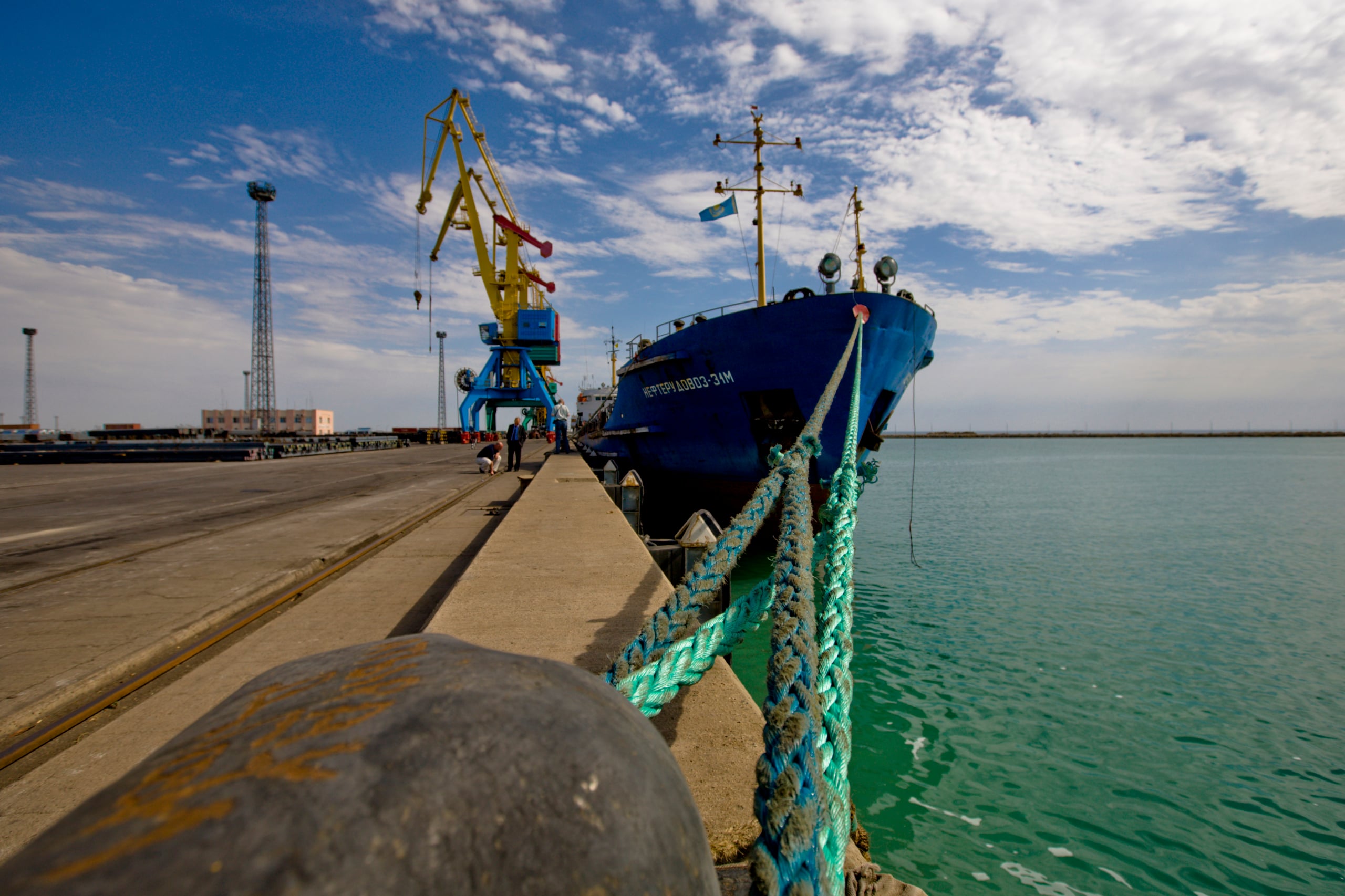
Türkiye provides an important link between the South Caucasus and European markets. The corridor’s performance therefore depends on effective cross-border transport and investment along the entire route. In Kazakhstan, the European Bank for Reconstruction and Development (EBRD) announced a loan of up to €35 million, approximately $41.4 million, alongside a potential European Union investment grant of up to €10 million, approximately $11.8 million, for upgrades at the Port of Aktau. These approximate dollar equivalents use the European Central Bank’s reference exchange rate on Sept. 18, 2025, of €1 to $1.1818. The project aims to expand container-handling capacity and reduce delays at a key Caspian transport hub. Such improvements could strengthen trade links with Türkiye and other markets, although their poverty-reduction impact will depend on whether local businesses and workers share in the benefits.
The Challenges: Why Infrastructure Alone is Not Enough
Despite its potential, the Middle Corridor faces challenges that could limit its contribution to poverty reduction. Different transport systems, customs requirements and border procedures can delay shipments and increase costs. The World Bank’s 2023 and 2026 studies emphasize coordinated policies, more efficient logistics and investment in railways, ports and digital systems. Infrastructure alone, however, cannot guarantee inclusive growth. If new economic activity primarily benefits large logistics companies or major urban centers, poorer communities may see limited improvements in their living standards. Governments could combine transport investment with vocational training, financing for small businesses, transparent procurement and environmental safeguards. These measures could help broaden access to new opportunities and ensure that development benefits extend beyond freight operators and major investors.
Turning Connectivity into Opportunity
The Middle Corridor could strengthen regional trade, attract investment and expand employment opportunities across Central Asia and the South Caucasus. However, middle corridor poverty reduction will depend on effective infrastructure, cross-border cooperation and policies that enable local communities to participate in economic growth. Governments should assess progress not only by the volume of goods transported but also by the quality of jobs created and the opportunities available to small businesses and lower-income households. Ultimately, the corridor’s success should be measured by whether it connects people to better livelihoods as effectively as it connects markets.
– Ömer Valyozoğlu
Ömer is based in İstanbul/Türkiye and focuses on Business and New Markets for The Borgen Project.
Photo: Wikimedia Commons

