• Link to X
  • Link to Facebook
  • Link to Instagram
  • Link to TikTok
  • Link to Youtube
  • About
    • About Us
      • President
      • Board of Directors
      • Board of Advisors
      • Financials
      • Our Methodology
      • Success Tracker
      • Contact
  • Act Now
    • 30 Ways to Help
      • Email Congress
      • Call Congress
      • Volunteer
      • Courses & Certificates
      • Be a Donor
    • Internships
      • In-Office Internships
      • Remote Internships
    • Legislation
      • Politics 101
  • The Blog
  • The Podcast
  • Magazine
  • Donate
  • Click to open the search input field Click to open the search input field Search
  • Menu Menu

Archive for category: Global Poverty

Key articles and information on global poverty.

Global Poverty, Legislations and Policies

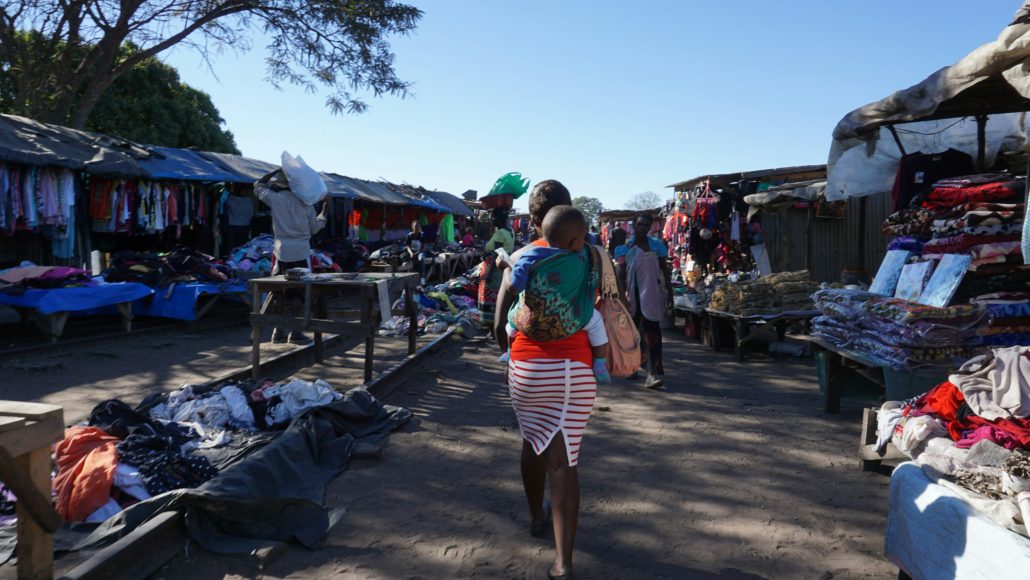
The Rule of Law in the Isle of Man: Fragility and Changes

Rule of Law in the Isle of ManIn the Isle of Man, the rule of law is often tested when vulnerable people need to rely on public institutions for their protection. A recent High Court of Justice of the Isle of Man judgment regarding allegations of abuse and systemic care failure at a care home shows that courts are still willing to listen to human right claims, because fairness and accountability are still important in the administration of justice. The following article will explore the fragility of the rule of law in the Isle of Man, the reforms meant to maintain it and why its preservation is crucial for the marginalized.

The Rule of Law Fragility

In the Isle of Man, like most nations, institutions carry the task of protecting vulnerable individuals’ rights. When those institutional mechanisms fail, those in positions of power rarely bear the weight. Those who are marginalized and have almost no voice do. Recent reforms show how the Isle of Man changed its priorities by understanding the fragility and the rule of law in the Isle of Man.

The Isle of Man is home to many people with living situations that expose them to unfair treatment. Migrants navigating complex immigration rules, low-income families dependent on social support and those caught in the criminal justice system all face risk. Although specific data for the Isle of Man are rare, Comparative studies have shown that, for these people, obtaining legal representation and fair treatment are recurring issues.

Poverty and Access to Justice

Poverty represents one of the most significant barriers to justice in the Isle of Man. Low-income individuals often cannot afford legal representation, leaving them unable to challenge unfair decisions. According to recent data, approximately 15% of the island’s population lives in relative poverty after household costs, making access to the justice system a serious concern.

The Isle of Man government has taken steps to address this gap through legal aid programs designed to ensure that financial hardship does not prevent individuals from exercising their legal rights. Legal aid plans to provide representation in courts for people who aren’t able to afford lawyers, using specific eligibility criteria to ensure no one is excluded from the justice system because of costs.

The Reform That Changed the Island

The Criminal Justice Reform Act of 2021 represents the most recent shift for the rule of law in the Isle of Man. The legislation gave the criminal justice board a mandate to overhaul the entire system, from policing to detention. The board removed outdated laws that were slowing and hindering the system. It also accelerated the handling of cases. The faster and optimized process gave marginalized individuals access to justice again, particularly benefiting those who could not afford months of legal disputes.

In immigration matters, Isle of Man courts have started to push back against unfair government decisions that fall short of human rights standards. In recent cases, courts found that some revoked visas failed to comply with European human rights principles, which forced the government to answer to a higher standard. For foreign nationals with limited resources and almost no political power, this oversight has been one of their only protections.

To ensure that reforms to the rule of law in the Isle of Man survive political pressure, judges receive appointments through a process free from political influence. Courts remain accessible to the public, allowing all who are interested to witness accountability and the judicial process directly. These are not merely features. They are purposefully designed to prevent authorities from abandoning reforms when they become inconvenient.

What Remains at Stake

Progress is real, but it is never permanent. Vulnerable people still face risks when legal reforms take too long, when court oversight weakens and when court access becomes too costly for those in poverty. The framework, while stronger than before, still needs constant revision to ensure proper functioning. In other words, the rule of law in the Isle of Man needs accountability for its reforms in order to prosper.

The High Court judgment shows that the rule of law in the Isle of Man is not only about formal proceedings but whether the courts are able to guarantee that vulnerable people are still heard when institutions of power fail them. By allowing the human right claim, the High Court proved that accountability, fairness and public scrutiny are central when serious and cumulative harm are made against public bodies. The rule of law in the Isle of Man is still fragile, but with each improvement, it becomes stronger, more efficient and better at protecting the population.

– Charles Bakar

Charles is based in Montréal, Québec, Canada and focuses on Politics for The Borgen Project.

Photo: Wikimedia Commons
June 3, 2026
https://borgenproject.org/wp-content/uploads/borgen-project-logo.svg 0 0 Jennifer Philipp https://borgenproject.org/wp-content/uploads/borgen-project-logo.svg Jennifer Philipp2026-06-03 03:00:132026-06-17 11:53:26The Rule of Law in the Isle of Man: Fragility and Changes
Business, Global Poverty, Women's Empowerment

Women’s Economic Empowerment in Hasbaya

Women’s Economic Empowerment in HasbayaAgainst the backdrop of Mount Hermon, the Hasbaya region of South Lebanon features ancient olive groves, terraced hillsides, and the winding Hasbani River.

Yet, beneath this scenic tranquility, rural communities face deep economic marginalization intensified by national financial instability and geographical isolation. In the lanes of Hasbaya’s historic souks, a new narrative is taking shape; not of crisis, but of enterprise.

Hounna Lil Tamkeen Project

Launched in late 2025 and scaling through 2026, the “Hounna Lil Tamkeen” project (Women for Empowerment) equips participants with the technical skills and business resources to establish their own guesthouses and craft enterprises.

The project is part of a broader movement; the United Development Program (UNDP) recently provided $1.5 million in assistance and technical support to women-led enterprises and cooperatives to restore local production and livelihoods across Lebanon.

The Leadership and Vision

Al Madad Foundation established the project as a core initiative under the vision of its founder, Lebanese-British artist and humanitarian Aya Haidar. Haidar’s work frequently explores themes of cultural heritage and the value of women’s domestic labor, actively shifting the focus from traditional aid toward a model of “creative empowerment.” The leadership’s philosophy for Hounna Lil Tamkeen pushes business ownership rather than one-time food parcels. It also professionalizes the production of mouneh (traditional preserves), ensuring that Lebanese heritage becomes a marketable asset in the modern economy. The project acts as a direct intervention against the rising poverty rates in rural Lebanon, where one out of every three citizens now lives below the poverty line. It provides a sustainable path toward women’s economic empowerment in Hasbaya in this traditionally conservative region.

How it Works: From Training to Table

Instead of requiring women to travel to urban hubs for work, the initiative brings the professional economy directly to their doorsteps through three distinct phases:

  • Phase 1: Professional Skill Acquisition: Participants receive intensive hospitality training from the foundation, mastering international service standards, rigorous food safety protocols, and foundational digital literacy. This specialized instruction enables them to list their traditional homes on global booking platforms, effectively turning underutilized domestic spaces into reliable revenue streams. This localized approach tackles the regional inequality affecting 44% of the population while prioritizing women’s economic empowerment in Hasbaya as a core engine for rural recovery.
  • Phase 2: The Culinary Tourism Pipeline: Women are trained to scale and professionalize their traditional production of mouneh (artisanal Lebanese preserves). By standardizing product quality, safety and packaging, the project helps these local entrepreneurs sell their goods directly to visiting tourists and high-end urban markets. This provides a vital, insulated source of income at a time when the tourism sector’s contribution to Lebanon’s economy fluctuates around 5.5%.
  • Phase 3: Digital Visibility and Infrastructure: The initiative provides the physical tools and marketing training necessary for women to establish an online presence. Creating a digital footprint is essential for bypassing Lebanon’s ongoing banking hurdles, offering a critical intervention in a country where female labor force participation stands at just 27.54%; significantly lower than the global average of 51.07%.

From Blueprint to Reality

The tangible reality of this economic shift is documented directly by the field updates of the “Hounna Lil Tamkeen” initiative on social media. Supported by the Mediterranean Women’s Fund and guided by expert trainer Omar Abou Ali, the project successfully executed its specialized “Treasures of Hermon: Feminine Tourism” training modules across rural South Lebanon. After conducting successful training blocks in the towns of Kfayr and Mimes, the foundational phase concluded with an intensive two-day workshop in the village of Khalwat. The field execution seamlessly bridged hospitality with the region’s culinary heritage, featuring a traditional rural lunch that served as a practical showcase for professionalized, homemade preserve production (mouneh). Moving forward, these real-world assessments are being translated directly into localized tourism brochures for each village, creating a permanent marketing infrastructure that connects rural women directly to the modern travel economy.

Looking Ahead

The success of these rural initiatives mirrors a broader national effort to revitalize Lebanon’s economy through women’s economic empowerment in Hasbaya. International partners have mobilized substantial support for micro, small and medium-sized enterprises (MSMEs), which comprise 90% of Lebanon’s economy and serve as the backbone of local livelihoods. Under the Women’s Economic Empowerment Project, a total of $1.106 million in grants has reached 96 SMEs, providing both financial capital and United Nations Industrial Development Organization’s (UNIDO) technical support to strengthen operations and expand market reach. Ultimately, the project aims to support more than 1,000 women-led businesses, ensuring that as Lebanon navigates its recovery, women remain at the heart of a more equitable and sustainable economic future.

– Celine Dib

Celine is based in London and focuses on Good News, Technology and Solutions for The Borgen Project.

Photo: Flickr

June 3, 2026
https://borgenproject.org/wp-content/uploads/borgen-project-logo.svg 0 0 Lynsey Alexander https://borgenproject.org/wp-content/uploads/borgen-project-logo.svg Lynsey Alexander2026-06-03 01:30:412026-06-02 12:59:23Women’s Economic Empowerment in Hasbaya
Agriculture, Global Poverty, Technology

How Hydroponic Farming in Grenada Can Increase Food Security

Hydroponic Farming in GrenadaAs a small island nation in the Caribbean, Grenada faces challenges with food security and production due to extreme weather events, climate challenges and soil degradation. Extended periods of drought, rising temperatures and Hurricane Beryl in 2024 have further exacerbated these struggles, causing Grenada to import about 70% of its consumed food. Additionally, the agricultural sector comprises 24% of the country’s workforce, meaning difficulties in production affect both food security and poverty simultaneously. Recently, the Food and Agriculture Organization (FAO) and Green Climate Fund began a readiness project to establish systems for hydroponic farming in Grenada. These systems will primarily benefit local farmers by providing them with an efficient and less weather-dependent cultivation method.

Need for Alternative Farming

Grenada’s traditional cultivation methods remain under constant stress. In 2024, Hurricane Beryl, a Category 4 storm at the time of landing, destroyed many buildings on the islands of Carriacou and Petite Martinique, including agricultural infrastructure. The yearly dry season from January to May often brings extended droughts, leading to water shortages and groundwater depletion. Increased global temperatures have created advantageous conditions for pests that endanger crops. The inconsistency of Grenada’s rainfall has caused soil degradation. All of these factors necessitate a new system, specifically addressing cultivation with limited soil, space and water.

Why Hydroponics?

Hydroponic farming in Grenada is a viable solution because it offers stability through covered structures, a reduction of soil-borne pests, efficiency of space and reduced water usage. Compared to traditional methods, hydroponic farming uses up to 90% less water. Additionally, farmers can grow crops inside or under cover, using steadily flowing nutrient-rich water rather than soil. Hydroponic systems are also relatively low maintenance and require less physical exertion, as there is no need to till the soil. These factors create a controlled system free of inconsistencies in rainfall and extreme temperatures. Hydroponic farming is also compatible with many fast-growing, edible crops such as lettuce, tomatoes, peppers, spinach and kale.

However, the system does have limitations. Upfront costs can be high, as effective systems require a greenhouse, hydroponic system, solar pump and access to electricity. Also, the process relies on a precise flow of water that must be balanced and adjusted over time, so farmers new to hydroponics will need training before managing their own systems. The FAO addressed these concerns by providing local farmers with all of the necessary equipment and training, as well as solar panels to reduce electricity costs. With a concerted effort from the Grenadian government, alongside outside aid, hydroponic farming in Grenada could become a widespread success, particularly for small family farms.

Looking Ahead

In March 2026, Reach Within, a local charity in Grenada, announced it had received funding from Irish Aid to build one hydroponic technology system for training Grenadian youth in food production. Fork Farms, a hydroponic technology company in the Caribbean, will provide the equipment. Fork Farms has also provided hydroponic technology to Barbados, Anguilla and the Cayman Islands through the Caribbean Climate-Smart Accelerator. Reach Within will give 30 children the opportunity to learn job and life skills centered around hydroponic farming in Grenada. As the FAO begins assisting local farmers in building their own systems, this project will provide valuable skills that could alter the future of Grenada’s food production.

– Josh Megson

Josh is based in Albemarle, NC, USA and focuses on Technology and Solutions for The Borgen Project.

Photo: Flickr

June 3, 2026
https://borgenproject.org/wp-content/uploads/borgen-project-logo.svg 0 0 Lynsey Alexander https://borgenproject.org/wp-content/uploads/borgen-project-logo.svg Lynsey Alexander2026-06-03 01:30:362026-06-02 13:01:18How Hydroponic Farming in Grenada Can Increase Food Security
Education, Global Poverty

Sister City Partnerships and Access to Education

Sister City Partnerships and Access to EducationOften associated with cultural exchange and diplomacy, Sister city partnerships can, however, also play a meaningful role in expanding access to education in underserved communities. By connecting local institutions across borders, these programs create opportunities for students who may otherwise have limited exposure to global learning experiences. 

The partnership between San Diego and Jalalabad offers a lens through which to examine how city-to-city collaboration can support educational access while also highlighting the broader impact and limitations of these initiatives. 

Sister City Partnerships and Access to Education

Sister city programs, often coordinated by organizations such as Sister Cities International, are designed to foster mutual understanding through cultural, economic and educational exchanges. In many cases, these partnerships include student programs, school collaborations and community-led initiatives that contribute to long-term development goals. Education, in particular, serves as a key pathway through which these relationships can address inequality and expand opportunity.

Bryan Fisher, the president of the Matsuyama-Sacramento Sister City Corporation, highlighted how these partnerships function at the community level. “We have great access to high schools in the SCUSD district,” Fisher told The Borgen Project in an interview. “At C.K. McClatchy High School, we have a large economically disadvantaged population. Through our sister-city relationship with CKM, we have students who do a homestay there during the spring and summer. We also sponsor a student trip to Japan every two years with Rosemont and CKM.”

Programs like these provide students with opportunities that extend beyond traditional classroom learning. Through homestays and exchange visits, participants gain firsthand exposure to different cultures and educational environments. The Sacramento-based program, for example, hosts students from Japan and organizes trips abroad for local students every two years, allowing participants to engage in immersive learning experiences.

Building Long-Term Impact Through Exchange

These types of exchanges can have lasting educational and social impacts. According to Fisher, one of the most important outcomes is the formation of long-term relationships. “When students host students from Japan and travel to Japan, it’s a great opportunity for them to make those long-term relationships and connections,” he explained. “Many of my students do and still maintain those relationships.”

The structure of these programs contributes to their effectiveness. Unlike short-term or virtual interactions, extended exchanges allow students to build deeper connections. “The proximity and the ability to get to know the students for two weeks go beyond the superficial encounters students would get online,” Fisher said. This level of engagement can enhance cultural understanding, improve communication skills and broaden educational aspirations—particularly for students from underserved backgrounds.

In regions affected by conflict and economic instability, access to education, especially for girls, can be limited. Sister city collaborations can help address these gaps by supporting local initiatives, providing resources and facilitating knowledge exchange between communities.

Challenges Facing Sister City Partnerships

While these programs offer meaningful benefits, they are not without challenges. One of the most significant barriers is funding. “The biggest struggle we have is long-term funding and engagement from our community,” Fisher noted. Like many volunteer-driven organizations, sister city programs often rely on sustained local support, which can fluctuate over time.

Demographic shifts also present challenges. As founding members of these organizations age, maintaining momentum can become more difficult. “Our organization has been around for 45 years and the community that founded it is aging out,” Fisher said. “Finding new and younger people is a struggle.”

Access and equity within the programs themselves can also be uneven. While some schools and families are well-positioned to participate in exchange programs, others face barriers related to cost and resources. “It’s often easier to find families interested in hosting at some schools like CKM that have a student population with some wealth and with room to host,” Fisher explained. “Going beyond these types of schools and families, our organization has trouble with funding more expensive experiences that we could offer to more disadvantaged groups.”

These limitations underscore the importance of sustained investment and inclusive program design. Without adequate funding and outreach, the benefits of sister city partnerships may not reach the students who could benefit most. Addressing these gaps is essential for ensuring that educational opportunities are distributed more equitably.

Final Remarks

Despite these challenges, sister city partnerships remain a valuable tool for expanding access to education and reducing global inequality. By fostering direct connections between communities, these programs create pathways for learning, cultural exchange and long-term collaboration. When supported by consistent funding and community engagement, they can help broaden opportunities for students in both partner cities.

While sister city programs alone cannot resolve systemic barriers to education, they offer a practical and community-driven approach to expanding access and fostering connections that extend far beyond the classroom.

– Jason Hill

Jason is based in Fullerton, CA, USA and focuses on Politics for The Borgen Project.

Photo: Flickr

June 2, 2026
https://borgenproject.org/wp-content/uploads/borgen-project-logo.svg 0 0 Lynsey 2 https://borgenproject.org/wp-content/uploads/borgen-project-logo.svg Lynsey 22026-06-02 07:30:152026-06-01 13:02:18Sister City Partnerships and Access to Education
Global Poverty, Technology

Tech Hubs and Youth Economic Empowerment in Iraq

Youth Economic Empowerment in IraqYouth in Iraq are no longer looking towards the oil fields for their future; they are looking toward the cloud. In a country where more than 90% of government revenue relies on the fluctuating oil market, a new generation is staging a digital alternative.

Background

The urgency for youth economic empowerment in Iraq is driven by demographics, with roughly 60% of the population under the age of 25. The private work sector finds itself limited in size and scope while trying to accommodate this influx of talent. While the public sector remains the traditional anchor of the economy, it has become a room with no remaining seats; today’s graduates are stepping into a workspace that is already at capacity.

As a result, Iraq records a higher percentage of 13.5% unemployment and lower labor force participation rates of 38% than the regional average. This highlights why digital hubs have become the primary engine for youth economic empowerment in Iraq. As of 2026, in an economy where petroleum still anchors over 90% of the national budget, these hubs are carving out a non-oil economy and growing steadily since last year.

Digital Leap

By providing high-speed internet infrastructure, resources often unavailable in private homes, these centers enable a “digital leap” for a generation entering the job market. Through courses in high-demand fields like AI data labeling and cybersecurity, the internet could connect young Iraqis to the global “gig economy.” This could allow graduates to bypass a stagnant local labor market and earn stable, international-level wages.

This decoupling is a critical lifeline, ensuring the financial future of Iraqi youth is no longer tied to global oil prices. Furthermore, these hubs could help narrow the gender gap; by 2024, targeted outreach has begun to raise the historically low female labor participation rate by offering remote work pathways that respect local cultural contexts.

Silicon Valley of Baghdad

The “Silicon Valley of Baghdad” narrative finds its blueprint in the south, within a specific Public Youth Center.

Souq Al-Shoyukh Community and Climate Hub (SSCH) is Iraq’s very first government-based community innovation center. With the efforts and partnership of UNDP-Iraq, the Ministry of Youth and Sports and the Nahr Al-Uloom Foundation, this shared space now harnesses local knowledge into real solutions and ventures.

While most tech hubs cluster in northern cities like Erbil or Mosul, the South has historically lacked opportunities for technical development. Indeed, the SSCH model addresses this gap by creating a government-supported infrastructure that bypasses the short lifespans of private, donor-dependent hubs. By providing reliable electricity and industrial-grade equipment, hubs like this act as a safe space for digital creation and a rescue from existing infrastructure gaps.

Looking Ahead

The expansion of these digital hubs signals a fundamental shift in Iraq’s social contract. By 2026, the success of centers like the SSCH proves that the future of youth economic empowerment lies in a high-tech synergy between public infrastructure and private initiative.

Rather than replacing traditional sectors, these hubs could act as a bridge, equipping a new generation to modernize Iraq’s economy from within.

By connecting local talent to the global digital frontier, Iraq is repositioning its most valuable resource: the intellectual capital of its youth.

– Celine Dib

Celine is based in London, UK and focuses on Good News and Technology for The Borgen Project.

Photo: Flickr

June 2, 2026
https://borgenproject.org/wp-content/uploads/borgen-project-logo.svg 0 0 Naida Jahic https://borgenproject.org/wp-content/uploads/borgen-project-logo.svg Naida Jahic2026-06-02 01:30:172026-06-03 06:50:33Tech Hubs and Youth Economic Empowerment in Iraq
Global Poverty, Water Quality

7 Things To Know About Water Quality in South Africa

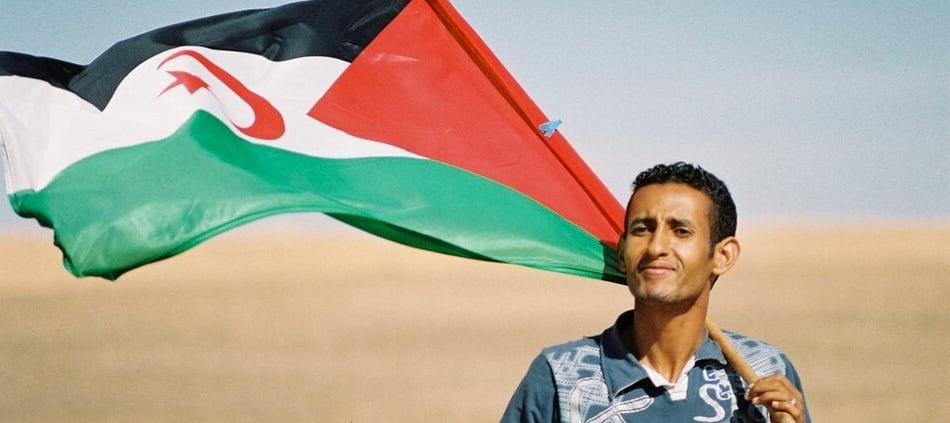
Water Quality in South AfricaSouth Africa is located at the southern tip of the world’s second-largest continent. Often called the “Rainbow Nation”, it is home to eleven official languages. Since the end of apartheid, the country has worked to dismantle institutionalized racial segregation. While political reform has brought meaningful progress, inequality and uneven development remain defining challenges.

One of the clearest measures of this inequality is water quality. A country’s water systems reflect far more than environmental conditions; they reveal the strength of public health systems, infrastructure and government capacity. In South Africa, fragile political stability and infrastructure gaps have placed strain on key water resources. Here are seven key things to know about water quality in South Africa.

 7 Things To Know About Water Quality in South Africa

  1. South Africa is one of the 30 most water-scarce countries in the world – About 77.1% of households had at least basic drinking water access in 2024, meaning approximately 23% fell short of that basic level. As such, strict regulation of the limited supply is crucial. The Department of Water and Sanitation’s legislative mandate ensures the country’s water resources are protected through regulating the delivery of effective water supply. One of the ways it does so is through prioritizing the integration of water resource planning and development; the department planned to oversee the completion of strategic projects, including the uMkhomazi bulk water supply scheme.
  2. Water infrastructure is aging and insufficient – Demand increasingly exceeds supply in many of South Africa’s provinces. This issue, coupled with aging pipes and poor maintenance, has reduced water reliability. Sanitation infrastructure, particularly wastewater treatment systems, is also unevenly developed across the country, with a stark disparity between major urban areas and many rural communities. Nevertheless, government initiatives such as the Giyani Water Project demonstrate ongoing efforts to address these inequalities. Phase 1 of the R4.8 billion project successfully reticulated 24 of the planned 55 villages, helping to restore basic water access in areas where infrastructure had previously been inadequate.
  3. Challenges with water access disproportionately affects rural communities  – Access remains deeply unequal. The 2018 “Day Zero” water crisis in Cape Town exposed these divides. While wealthier residents adjusted by limiting showers and reusing greywater, black township communities were already living with chronic water shortages long before the crisis made headlines.
  4. Access to clean and safe drinking water is a right for all South Africans – Section 27(1)(b) of the country’s 1996 constitution guarantees the right to all citizens access to sufficient water. It clearly states that “everyone has the right to have access to sufficient food and water.” Although this right should be satisfied for all communities, it remains unrealized for many across the country due to ongoing challenges in water quality, infrastructure and distribution. As a result, the Constitution serves not only as a legal guarantee, but also as an important standard that the government must continue to uphold and work towards achieving via the expansion of various water infrastructure projects.
  5. Rapid urbanization is intensifying pressure – The United Nations (UN) predicts that by 2050, three billion people globally will be living in informal settlements. The growth of urban villages in South Africa place additional strain on already stretched systems responsible for managing the quality and supply of water. This highlights the role of the international community in supporting sustainable water management. For example, the World Bank Sanitation, Water Supply and Hygiene in Urban Informal Settlements report stresses the need for baseline WASH data and settlement-upgrading strategies in informal urban areas.
  6. South Africa has already captured most available surface water – South Africa stores approximately 75% of its surface water in dams. Major dams in the Western Cape were built during the apartheid era to prioritize white-owned, commercial farmland; a structural legacy that remains.
  7. The South African government is identifying Strategic Water Source Areas – The government has mapped Strategic Water Source Areas (SWSAs): critical natural regions that supply a disproportionately large share of national water. Protecting these areas is central to long-term water security planning.

Looking Ahead

South Africa’s response to water scarcity mirrors the country’s wider development path. Progress has been real, but it is incomplete. The government has strengthened policy, improved regulation and invested in long-term planning. Yet, delivery remains uneven. Aging infrastructure, historic inequality and rapid urban growth continue to put strain on resources.

South Africa has the institutional capacity and economic potential to improve water security. How the country manages its water will shape not only public health and equality, but the direction of its advancing economy.

– Harriet Willars

Harriet is based in London, UK and focuses on Global Health for The Borgen Project.

Photo: Wikimedia Commons
June 1, 2026
https://borgenproject.org/wp-content/uploads/borgen-project-logo.svg 0 0 Jennifer Philipp https://borgenproject.org/wp-content/uploads/borgen-project-logo.svg Jennifer Philipp2026-06-01 07:30:142026-05-31 11:39:077 Things To Know About Water Quality in South Africa
Global Poverty, Housing Security

Innovations in Poverty Eradication in Singapore

Poverty Eradication in SingaporeWhile Singapore is considered one of the wealthiest nations in the world, high living costs cause financial pressure on lower-income families. Housing costs are one of the main reasons for financial strain, especially for families, who must also balance needs such as food, healthcare and education. Currently, innovations in poverty eradication in Singapore are being developed to support lower-income residents.

Poverty in Singapore

Singapore currently has a population of 6,036,860. Out of this number, around 3% of Singaporeans are in absolute poverty, or unable to meet a minimum standard of living requirement, and 25% experience relative poverty, meaning they may struggle to access the same opportunities and services as the average resident. Poverty in Singapore does not necessarily mean the lack of financial well-being, but rather a lack of access to opportunities such as proper housing, education and good health.

Singapore’s Public Housing System 

One of the major innovations in poverty eradication in Singapore is its public housing system through the Housing & Development Board (HDB). Singapore established the HDB in 1960 to address housing shortages and improve living conditions for residents. Over the decades, the program expanded into one of the world’s largest public housing systems, helping millions of Singaporeans access affordable housing, with close to 80% of Singaporeans living in public housing today.

Affordable housing plays an important role in reducing poverty by lifting financial pressure on low-income families. Singapore’s emphasis on providing affordable public housing supports long-term financial stability. Stable housing helps families access schools, public transportation and employment opportunities more easily, without the stress of unstable housing. Lower housing costs allow families to prioritize necessities such as food, healthcare and education, supporting economic security and reducing poverty.

Government Support for Low-Income Families

Recent developments in public housing policies have increased housing grants for both singles and families. These grants are financial assistance programs that help residents reduce the cost of purchasing homes. Through the HBD, the total grants for new flats for families have increased from S$80,000 to S$120,000. For low-income families, housing grants improve access to stable living. By focusing these grants on groups of need, such as families with young children, the elderly and widows, Singapore’s housing system aims to make housing more accessible for those who need it.

The Future of Affordable Housing in Singapore in 2026

Singapore continues to expand public housing. In February 2026, HDB launched more than 9,000 flats through new and resale housing programs, aiming to increase housing availability.

The program will also continue its mission of providing affordable housing for low-income families by expanding into new areas. In March, Minister for National Development, Mr. Chee Hong Tat, announced plans to develop public housing projects in areas such as Pearl’s Hill and Toa Payoh West, helping to improve access for Singaporeans. Expanding these projects will increase housing options for Singaporeans and ensure the inclusivity of all citizens. 

Singapore’s government also plans to improve the conditions of public flats. For example, newer rental flats include improved natural lighting and ventilation, while older rental blocks undergo regular maintenance and upgrades. Singapore also aims to support elderly residents by building more Community Care Apartments.

By focusing on vulnerable residents, Singapore’s housing system prioritizes long-term stability and overall quality of life. As one of the leading innovations for poverty eradication in Singapore, the HDB continues to help provide housing for low-income families in line with these future goals.

Conclusion

While housing affordability challenges persist, Singapore’s public housing system continues to support low-income families through housing grants, expansion projects, and an inclusive program. Through these investments, the country emphasizes how access to stable housing improves economic stability and aims to reduce poverty through one of its most successful innovations in poverty eradication in Singapore.

– Michelle Kurniali

Michelle is based in Dallas, TX, USA and focuses on Good News and Technology for The Borgen Project.

Photo: Pexels

June 1, 2026
https://borgenproject.org/wp-content/uploads/borgen-project-logo.svg 0 0 Jennifer Philipp https://borgenproject.org/wp-content/uploads/borgen-project-logo.svg Jennifer Philipp2026-06-01 03:00:142026-05-31 11:29:29Innovations in Poverty Eradication in Singapore
Gender Equality, Gender Wage Inequality, Global Poverty

Missing Figures: The Gender Wage Gap in Turkmenistan

Gender Wage Gap in TurkmenistanTurkmenistan remains one of the most cut off countries to the rest of the world and because of this, there is a lot of unexplored and undisclosed information towards the gender wage gap in Turkmenistan. However, one can use the data that is available to gauge a better understanding of what the current situation may be and what the next steps are.

About the Gender Wage Gap in Turkmenistan

According to the Government of Turkmenistan’s 2022 Census, both men and women share similar employment and economic status within the country. This census did not measure the gender wage gap in Turkmenistan. Considering that, many Turkmen questioned the validity of this official data, believing that the government altered figures to meet the outward image of the country they were portraying.

However, one can use some of the other known laws Turkmenistan has in place to paint an image of the view that Turkmenistan society holds of women. Human Rights Watch reports that the country holds tight control over its civilians’ rights including restrictions on women and girls. The country’s schooling promotes abstinence with a lack of sexual education, domestic violence is not illegal and there are reports of authorities enforcing informal dress codes for women in the capital, Ashgabat. Additionally, reports alleged that authorities would threaten women’s dismissals if they did not follow the dress codes.

The Women of Cotton Picking

Agriculture is an important aspect of Turkmenistan’s GDP, with cotton farms being a large part of that. The International Labor Organization (ILO) conducted an observation of this industry and found that more than 90% of the cotton pickers were women. The ILO’s observation also found that these workers were often underpaid and the majority of which did not have written contracts.

Additionally, the ILO also found an element of forced mobilization within the industry. Around 12% of public employees participated in cotton picking during harvest season despite their original positions being that of cleaners, teachers or nurses. Workers reported that they could face consequences for refusing to help with cotton picking hence why the ILO was concerned that this work was forced. This presents evidence of a female dominated industry facing unfair compensation and working conditions.

The Turkmenistan Government did formally agree to improve this after the publication of ILO’s report. It increased the number of labor inspections occurring which resulted in the discovery of 2,269 violations and repercussions for those businesses. While this increase was not sufficient in covering the country’s full labor force, it does show the country taking action after the intervention of external organizations.

Obstacles for Turkmen Gender Equality

Currently, two aspects are guarding the steps towards uncovering the gender wage gap in Turkmenistan. The first is whether or not people can trust the statistics that the government is presenting and the second is the fears Turkmens may experience towards speaking out.

It is considered an act of treason in Turkmenistan to oppose the current government, and many activists and independent journalists have faced imprisonment or disappearances for doing so. There are Trade Unions, but the state appoints the leaders and so members may not be comfortable speaking freely about right violations.

Solutions

Pressures from external sources have the potential to make a bigger difference. After the ILO report, the Turkmenistan government did make changes to its labor regulations and there are other organizations that have been in contact with Turkmens to find out their reality.

The Turkmen Helsinki Foundation works with Turkmens living in and outside of the country, conducting interviews of people’s real lives. It has claimed that the gender wage gap in Turkmenistan is closer to 23% based on testimonies of civilians.

The United Nations (UN) reported that Turkmenistan still has a lot of work to do in terms of its legal frameworks in ensuring the achievement of gender equality and the country did sign onto the UN Development Programmes’ Gender Equality Strategy 2022-2025 which allowed the UN to work directly with the Turkmenistan government to make gender equality a priority so that both men and women had the same opportunities. The Programme in Turkmenistan received a BRONZE level Gender Equality Seal for reaching important milestone to progress gender equality in the Turkmen workplace.

Looking Ahead

There are still lots of missing figures and the gender wage gap in Turkmenistan is yet to be released in official government statistics. However, due to external pressure from Turkmen based organizations, the UN and the ILO, Turkmenistan is making slow progress to not only uphold the equal rights of women in the country but also to make its violations and progress more visible to the outside world.

– Alice Dunn

Alice is based in Falkirk, UK and focuses on Politics for The Borgen Project.

Photo: Flickr

June 1, 2026
https://borgenproject.org/wp-content/uploads/borgen-project-logo.svg 0 0 Jennifer Philipp https://borgenproject.org/wp-content/uploads/borgen-project-logo.svg Jennifer Philipp2026-06-01 01:30:112026-05-31 11:26:15Missing Figures: The Gender Wage Gap in Turkmenistan
Global Poverty, Natural Disaster

2024 Landslide in PNG and The Next Natural Disaster

2024 Landslide in PNG Two years after the catastrophic 2024 landslide in Papua New Guinea’s (PNG) Enga Province, the Highlands remain one of the most vulnerable regions in the world to weather‑driven disasters. As the 2026 rainy season brings another round of intense downpours, humanitarian agencies warn that the conditions that triggered the deadly 2024 collapse have not improved, and in some areas, have in fact worsened.

Increasingly volatile rainfall patterns, driven by warmer weather, continue to destabilise already fragile mountain slopes. NASA’s Earth Observatory has documented how extreme rainfall events linked to cyclones and shifting weather systems are becoming more frequent across PNG’s mountainous interior, raising the likelihood of future landslides

Vulnerability to Landslides

The 2024 PNG landslide revealed the structural fragility of many Highland communities. Villages are often built on steep, erosion‑prone slopes where even moderate rainfall can trigger soil movement. When days of heavy rain saturated the ground in May 2024, entire sections of the mountainside collapsed, burying homes under metres of mud and rock. Local authorities struggled to determine how many people were missing because the terrain remained unstable for days. Rescue teams were forced to navigate treacherous slopes, and in many cases, villagers used shovels and their bare hands to search for survivors.

One survivor, Rocky Peter, told ABC News: “A rock has rolled down from the mountain up there, and there was a big bang … For those of us who heard the sound, we were able to escape. But the ones who didn’t hear were buried in their sleep.”

The 2024 disaster exposed the logistical challenges of delivering aid in the Highlands. Many communities are accessible only by narrow mountain roads that wind through unstable terrain. When these roads collapse, entire districts become unreachable for days or even weeks. Helicopter access is limited, and unpredictable weather often grounds flights. Even when national authorities mobilise quickly, the physical geography of the Highlands slows every stage of the response. These conditions were widely reported during the 2024 event, which affected more than 4,000 people and destroyed critical infrastructure.

Entire Communities Become Invisible

The humanitarian consequences of PNG’s landslides extend far beyond the initial collapse. In 2024, blocked roads left families unable to reach clinics, markets or relief centres. Many communities in Enga and Hela rely on a single unpaved road for food and medical supplies, that once blocked, escalate shortages rapidly. UNDP assessments from earlier landslides highlight the same challenges, namely unstable terrain, dangerous rescue conditions and the near‑impossibility of deploying heavy machinery to remote sites.

Children also faced particular risks as families fled damaged homes and sought temporary shelter. UNICEF reports show that PNG’s landslides often disrupt schooling and expose children to heightened protection risks.

Schools frequently double as evacuation centres, suspending education for weeks at a time. The 2024 humanitarian situation report for Enga documented how displacement compounded existing vulnerabilities in communities already facing poverty, limited health care access and chronic underinvestment in basic services.

The long‑term consequences were equally severe. IFRC documentation of the 2024 Enga landslide describes prolonged displacement, blocked waterways and repeated slope failures,  conditions that increase the likelihood that communities will face recurring crises without sustained international support. Two years later, many of these structural vulnerabilities remain unchanged.

Revealing the Cost of Weather Extremes

Two years on, the 2024 PNG landslide stands as a stark reminder of how weather extremes magnify existing inequalities. Remote highland communities, already facing limited state presence, poor road networks and under‑resourced clinics, remain on the front line of increasingly volatile weather patterns. When disasters strike, these communities could lack the buffers that wealthier or more connected regions rely on, such as emergency shelters, stocked health posts, reliable communications and rapid‑response teams. The invisibility of these crises on the global stage compounds the problem. While major cyclones in Fiji or Vanuatu often receive international coverage, slow‑onset or geographically isolated disasters in PNG rarely break through. This lack of visibility contributes to chronic underfunding for disaster‑risk reduction and climate adaptation, despite PNG being one of the most hazard‑exposed nations in the world.

Strengthening Disaster Relief in PNG’s Highlands

As the rainy season approaches, preventing another tragedy like the 2024 PNG landslide depends on ongoing investment in climate‑resilient infrastructure, early‑warning systems and community‑level preparedness. The UNDP continues to support Highlands provinces with all‑weather roads, reinforced bridges and slope‑stabilisation projects to keep communities connected during extreme rainfall events.

Humanitarian agencies such as UNICEF are also expanding pre‑positioned supplies and stocked health posts, proven measures that reduce casualties and displacement during natural disaster emergencies. Sustained international support remains vital to help PNG strengthen its disaster‑response capacity and protect vulnerable highland communities

The 2024 PNG landslide revealed how weather extremes deepen existing vulnerabilities, yet the country’s ongoing relief efforts do show resilience in motion. From UNDP’s infrastructure projects to SPC’s hazard‑mapping initiatives and UNICEF’s community‑based response networks, these programs demonstrate that PNG is building disaster preparedness piece by piece. As global attention often drifts elsewhere, these sustained efforts stand as proof that even in the world’s most remote highlands, coordinated humanitarian action can turn isolation into strength.

– Max Kenway

Max is based in London, UK and focuses on Technology and Politics for The Borgen Project.

Photo: Flickr

May 31, 2026
https://borgenproject.org/wp-content/uploads/borgen-project-logo.svg 0 0 Naida Jahic https://borgenproject.org/wp-content/uploads/borgen-project-logo.svg Naida Jahic2026-05-31 07:30:002026-05-30 12:04:492024 Landslide in PNG and The Next Natural Disaster
Global Poverty, Innovations

Cycling Out of Poverty: A Ride Toward a Better Development

Cycling Out of PovertyBicycles are a reliable, low-cost, high-return, low-polluting and resilient means of transport. They provide an alternative to motorized vehicles for distances that would be too challenging to cover on foot. But bicycle use is not equally widespread worldwide.

While countries like the Netherlands and Denmark have made bicycles one of their most recognizable cultural staples, riding a bike is not as common in other parts of the world, particularly sub-Saharan Africa. Here are some reasons why bikes could be beneficial in certain communities, along with the aims of the foundation Cycling out of Poverty (CooP).

Poverty in Rural Sub-Saharan Africa

Rural areas in sub-Saharan Africa are among the world’s most impoverished regions. As of 2024, about 67% of the world’s impoverished live in sub-Saharan Africa. About 40% of the population in sub-Saharan Africa lacks access to clean drinking water, while 70% of children suffer from deprivation in vital sectors, including health care, education and nutrition. 

This systematic lack of access to quality education, health care facilities and job opportunities compromises the well-being of entire communities.

About Cycling Out of Poverty

CooP is an organization that believes focusing on mobility could be an indispensable turning point to provide access to other facilities for underserved communities. CooP believes that providing access to alternative mobility solutions could drastically reduce the development shortfalls local communities face. It proposes using bikes to gain access to better services, thereby improving the region’s socioeconomic conditions. 

According to a report, bikes can improve education and economic development by enabling riders to access facilities they would not otherwise have. In 2004, after a tsunami hit the Sri Lankan coast, World Bicycle Relief donated 24,300 bicycles to people affected by the disaster. A bit over two years later, 88% of recipients relied on the bicycle as part of their livelihood, while 82% of women recipients reported that their bicycles were used for income-generating activities. 

Improving footpaths and promoting the use of nonmotorized vehicles can be an efficient way to transition from subsistence agriculture to small-market production, thereby developing local economies. This is the key innovation CooP aims to introduce. The organization believes bicycles can play an indispensable role in the development of rural communities. 

As a result, it partnered with the social enterprises Bikeventures and Greenhub Shops to bring more bicycles to rural communities in Uganda and Kenya. The goal is simple: to improve the livelihoods of African families by making bicycles more accessible and widely available.

Initiatives of Cycling Out of Poverty

CooP runs several branches of the project, including Bike4Work, Bike4School and Bike4Care, which promote entrepreneurship, education and health care, respectively. Beyond providing bicycles, the organization also offers training in bicycle mechanics and maintenance, as well as traffic rules and road safety practices. While bicycles can be indispensable, safe road conditions and responsible practices are equally important. 

The organization aims to equip the next generation with the knowledge and tools to recognize and advocate for their needs as cyclists, including improved roads and traffic conditions. This serves as an important first step in helping communities fully benefit from bicycles and use them to improve their living conditions.

Final Remarks

Through these projects, CooP is advancing several Sustainable Development Goals (SDGs). First and foremost, it supports SDG 1: No Poverty, as bicycles have been shown to improve the socioeconomic conditions of their users. Through Bike4School, the organization also contributes to SDG 4: Quality Education, while Bike4Care supports SDG 3: Good Health and Well-Being.

The initiative also addresses SDG 5: Gender Equality, as women are more likely to access employment and achieve economic independence when they have reliable transportation to reach their workplaces. In the end, something as simple as a bicycle can become a powerful tool for change and social mobility. While it may not be the ultimate solution to global poverty, it offers a practical and effective way to address many of the everyday challenges caused by poverty and underdevelopment.

– Alice Girardi

Alice is based in Paris, France and focuses on Business and Technology for The Borgen Project.

Photo: Unsplash

May 31, 2026
https://borgenproject.org/wp-content/uploads/borgen-project-logo.svg 0 0 Lynsey 2 https://borgenproject.org/wp-content/uploads/borgen-project-logo.svg Lynsey 22026-05-31 01:30:422026-05-30 11:55:34Cycling Out of Poverty: A Ride Toward a Better Development
Page 8 of 2162«‹678910›»

Get Smarter

  • Global Poverty 101
  • Global Poverty… The Good News
  • Global Poverty & U.S. Jobs
  • Global Poverty and National Security
  • Innovative Solutions to Poverty
  • Global Poverty & Aid FAQ’s
Search Search

Take Action

  • Call Congress
  • Email Congress
  • Donate
  • 30 Ways to Help
  • Volunteer Ops
  • Internships
  • Courses & Certificates
  • The Podcast
Borgen Project

“The Borgen Project is an incredible nonprofit organization that is addressing poverty and hunger and working towards ending them.”

-The Huffington Post

Inside The Borgen Project

  • Contact
  • About
  • Financials
  • President
  • Board of Directors
  • Board of Advisors

International Links

  • UK Email Parliament
  • UK Donate
  • Canada Email Parliament

Get Smarter

  • Global Poverty 101
  • Global Poverty… The Good News
  • Global Poverty & U.S. Jobs
  • Global Poverty and National Security
  • Innovative Solutions to Poverty
  • Global Poverty & Aid FAQ’s

Ways to Help

  • Call Congress
  • Email Congress
  • Donate
  • 30 Ways to Help
  • Volunteer Ops
  • Internships
  • Courses & Certificates
  • The Podcast
Scroll to top Scroll to top Scroll to top