How Motorcycle Ambulances in Kenya Are Expanding Rural Health Care Access
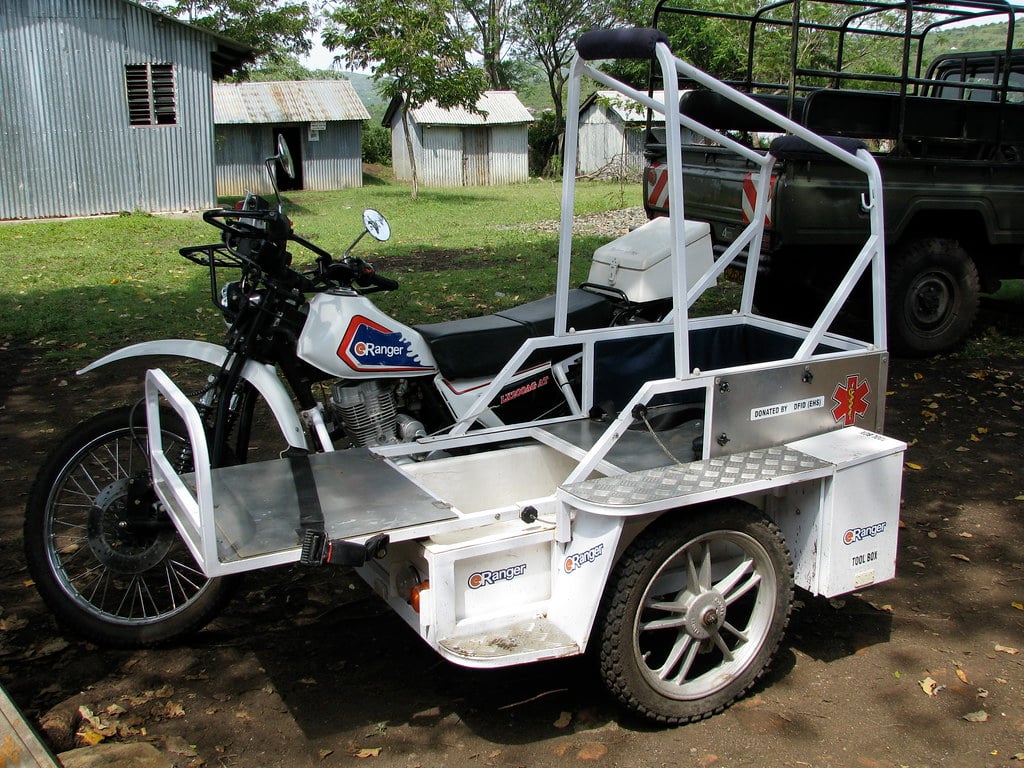
Kenya is a country that struggles with insufficient access to health care. This issue particularly affects those living in rural areas, where emergency services are often delayed. To address this, Kenya has begun utilizing an innovative solution in the form of motorcycle ambulances, connecting remote communities with essential health care services.
The Barriers to Rural Health Care in Kenya
Many people in Kenya’s rural areas face barriers to quality health care, highlighting the need for innovative solutions to connect neglected communities with essential medical care.
One barrier is the geographic distance from health care units and professionals, making it difficult for health care workers to reach patients. Motorcycle ambulances in Kenya help address the insufficient transportation system, providing better access to health care facilities.
Additionally, there is a lack of health care workers in rural Kenya, as trained workers prefer urban areas, leading to understaffing in rural hospitals. Moreover, rural health units often lack proper medical equipment, complicating the treatment process.
How Motorcycle Ambulances Work
In early 2026, motorcycle ambulances were introduced in Laikipia County, a rural area of Kenya, to improve access to health care for remote communities. A pilot program launched five motorcycle ambulances aimed at strengthening maternal and child health care services.
Motorcycle ambulances are typically stationed in hard-to-reach areas where poor road infrastructure and long distances delay medical treatment. They primarily transport pregnant women and other patients to health care facilities quickly, providing timely and potentially life-saving care.
By reducing travel times and reaching areas inaccessible to conventional ambulances, motorcycle ambulances are expected to improve emergency response capacity and support maternal health care outcomes in underserved regions.
Improving Maternal and Emergency Health Care
Giving birth without access to skilled medical care can place mothers and babies at greater risk of complications. In many rural parts of Kenya, long distances to health facilities and limited transport options have historically hindered pregnant women from reaching care in time.
Motorcycle ambulances are addressing these challenges by transporting patients from remote communities to hospitals and clinics more quickly. In a Jan. 2023 UNFPA account from Katilu, Turkana, volunteer ambulance driver Mark Epeyon uses a motorcycle fitted with a patient carrier and adjustable stretcher to reach isolated areas. According to the UNFPA, the service transported five women experiencing obstetric emergencies during its first month of operation, illustrating improved access to urgent maternal health care. While such initiatives will likely reduce delays, evidence currently demonstrates improved access to skilled care rather than a direct reduction in maternal mortality rates.
It is too early to measure the long-term impact of recently launched motorcycle ambulance programs in counties such as Laikipia. However, local officials and program partners expect the vehicles to strengthen emergency referral systems and improve access to maternal health care in hard-to-reach areas. More broadly, maternal mortality remains a significant public health challenge in Kenya, shaped by delays in accessing medical care, transport barriers, and shortages of health care resources. Supporters believe that improving transport links to health facilities could help reduce some of these risks as motorcycle ambulance programs develop.
The Role of NGOs and Community Partnerships
The success of motorcycle ambulance programs in Kenya has received support from NGOs and humanitarian organizations working to improve health care access in remote communities. In 2014, St John Ambulance Kenya deployed motorcycle ambulances in rural areas to help transport patients, particularly pregnant women, to health facilities more quickly. Working with the French Embassy, the organization introduced these vehicles in underserved regions where difficult terrain often limits access to conventional ambulances.
Other organizations in 2022, including UNFPA and the International Rescue Committee, have also supported motorcycle ambulance initiatives in Kenya to improve access to emergency and maternal health care. Through partnerships between NGOs, health care providers and local communities, these programs help ensure essential medical services reach isolated populations.
Driving Toward a Healthier Future in Kenya
As efforts to improve health care access continue, motorcycle ambulances in Kenya could play an increasingly important role in connecting rural communities with essential medical services. Continued investment in locally adapted health care solutions has the potential to reduce disparities between urban and rural populations and bring vital care within reach of more people.
Looking ahead, collaboration between governments, NGOs and community organizations may help expand these programs to additional regions, creating new opportunities to strengthen health care access alongside investment in rural health care staff and infrastructure.
– Lottie Oldreive
Lottie is based in Cardiff, Wales and focuses on Technology and Solutions, and Celebs for The Borgen Project.
Photo: Flickr
