How Scotland Is Leading the Fight Against Period Poverty
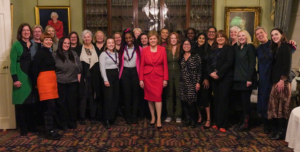 Period poverty, the inability to readily and affordably access menstruation products impacts an estimated 500 million women globally, according to Action Aid. Despite adequate menstruation products being a necessity for women’s health and well-being, millions of women are likely forced to make the decision between buying food and buying menstrual products.
Effects of Period Poverty
Period poverty is not merely an inconvenience, it carries massive health risks with regard to infection, especially in cases where women are subjected to female genital mutilation. In the global south, it is estimated that half of all women resort to using makeshift menstrual products like “rags, grass and paper.” These health impacts are exacerbated by the lack of access to clean water, causing additional difficulties in hygienically managing menstruation. Additionally, period poverty greatly impacts girls’ education as 1 in 10 girls in sub-Saharan Africa miss school while on their period. However, period poverty is not isolated to the global south, hundreds of millions of women from all over the world including the global north are deeply impacted by it.
Period Poverty in the UK
In a survey by Plan International U.K., more than a million women and girls aged 14–21 said that “they couldn’t afford menstrual products at some point in the past year.” Levels of period poverty in the U.K. dramatically worsened during the COVID-19 pandemic, with some parents resorting to stealing menstrual products. Period poverty in Scotland and the rest of the U.K. also has untold impacts on girls’ education with an estimated 137,700 girls in 2021 missing school due to lack of access to sanitary products. While the U.K. scrapped the 5% luxury product tax on period products in 2021 making them more affordable, it is clear that more work remains to be done in providing accessible menstrual products.
Scotland’s Period Products Act
After passing The Period Products Act in 2020, Scotland became the first country to ever “legally enshrine the right to free period products.” The act, which was unanimously approved in parliament is a massive step in eliminating the impacts of period poverty in Scotland. The law compels local governmental and educational institutions to provide free access to menstrual products to anyone who requires them. The Scottish Government has granted £2.8 million each year since 2019 to local authorities in the country to provide free period products. Additionally, from 2018–2022 the Scottish Government funded a £1.86 million project to give period product access to low-income families. The Period Products Act is not only set to dramatically reduce period poverty in Scotland but also to dramatically reduce the stigma around menstruation.
Next Steps
Hopefully, the rest of the U.K. and the world can follow the Scottish example and eliminate period poverty. Following the passing of the Period Products Act, the Northern Irish assembly passed a similar bill, and New Zealand has recently begun providing free access to period products in schools. The Period Products Act shows how legislation and “practical politics” can have a massively positive impact on millions of people’s lives, health and well-being.
– Jaydin Ruch
Photo: Flickr
