How Hydropower in the DRC is Reducing Poverty
 Only China and Russia possess greater hydroelectric potential than the Democratic Republic of the Congo (DRC), yet 97.5% of hydropower in the DRC is untapped, and this 100,000 MW capacity remains a dormant resource. This staggering lack of development is both the cause and the symptom of a substantial energy poverty gap. As the world looks toward renewable transitions in 2026, the challenge for the DRC lies in finally harnessing the power of its geography to fuel a long-overdue economic transformation.
The Congo River: A Blueprint for Hydropower in the DRC
The Congo River is the engine of the DRC’s immense hydropower capacity and is essential to fighting poverty. Its position across the equator ensures a steady, year-round surge, unaffected by the seasonal droughts that plague other hydropower regions.
Despite this reliable flow, the DRC remains one of the world’s most impoverished nations. While the river could technically power the entire African continent, the vast majority of its energy currently escapes into the Atlantic Ocean, leaving millions of Congolese homes and businesses in the dark. Bridging this gap is no longer just an engineering goal; it is a human rights necessity. By finally tapping into this ‘liquid gold,’ the DRC is beginning to unlock four critical pathways out of poverty.
Powering Rural Entrepreneurship
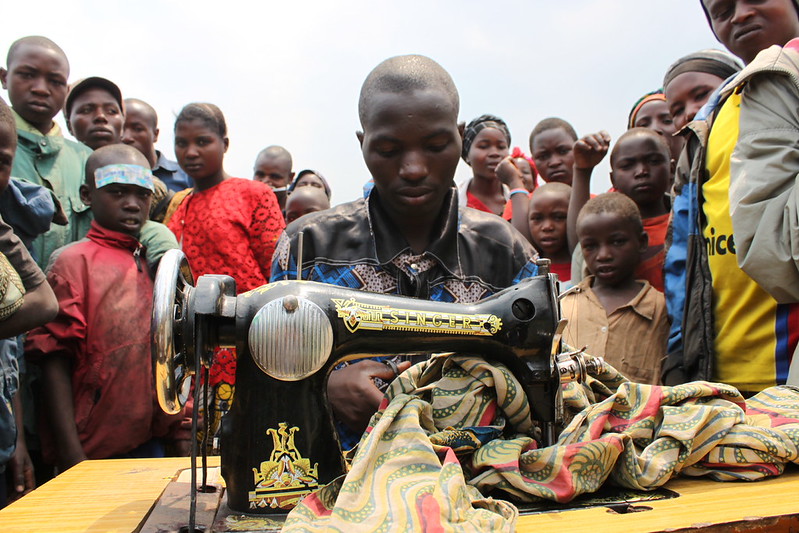
Reliable electricity is currently helping rebuild the DRC’s local economies by shifting manual labor toward productive use. Through initiatives like the Virunga Alliance, rural villages gaining access to electricity now allow market vendors to refrigerate produce and preserve perishables like fish and meat. This infrastructure is sparking immediate entrepreneurship; electric saws or sewing machines could be serving as catalysts for increased trade in newly electrified zones.
This transition is moving local communities from subsistence living to micro-enterprise, creating a stable cash flow that was previously impossible due to the prohibitive cost of diesel generators.
Boosting Agricultural Value Chains
The Virunga Alliance has “introduced modern farming techniques, provided high-quality seeds, and organised cooperatives to cultivate nearly 80 hectares of wheat, with plans to expand to 500 hectares.” According to the Alliance, “the introduction of mechanised tools such as tractors, harvesters, and threshers has significantly increased efficiency, enabling faster harvesting and the preparation of additional land for cultivation.”
The ability to process crops locally is increasing market value — rather than selling raw, perishable goods at a loss, farmers are now selling shelf-stable, higher-value produce. This shift could directly increase household income and reducing post-harvest waste in regions where hydropower and electricity are available.
How Localized Hydropower is Creating Jobs in North Kivu
While the world waits for project “Grand Inga,” decentralized projects like “Run-of-River” are already transforming the lives of many across the DRC, specifically in North Kivu. The Virunga Alliance is at the heart of this success, using the Congo River’s natural flow to generate electricity as opposed to using traditional dams with massive reservoirs. Not only is this much cheaper, requiring less capital, it is also faster and helps those in poverty now versus in 20 years — with minimal environmental disruption.
The Matebe hydroelectric plant is another great example, providing 13.6 MW of stable energy to the city of Goma and surrounding villages. Every megawatt generated by their plant creates approximately 1,000 local jobs. So far, the plant has connected more than 42,000 households and 2,800 businesses with power, offering young people viable employment alternatives to joining local armed groups.
Ending Poverty Through Hydropower in the DRC
The scale of the DRC’s energy crisis is as vast as the Congo River itself, but the success of decentralized projects is paving the way for further development in the nation. While infrastructural issues remain, the shift to localized run-of-the-river hydropower offers a scalable blueprint to move forward with.
Prioritizing smaller, high-impact investments, the DRC can bypass the decades-long wait for mega-dams and begin lifting millions out of poverty today.
Leveraging the river’s natural flow is no longer a technical challenge; it is a key driver behind providing the Congolese people with the necessary tools to build a more stable, brighter future.
– Rebecca Cameron
Rebecca is based in Edinburgh, Scotland and focuses on Technology and Solutions for The Borgen Project.
Photo: Flickr
