Comoros’ Ylang-Ylang Industry: Why Greener Growth Matters
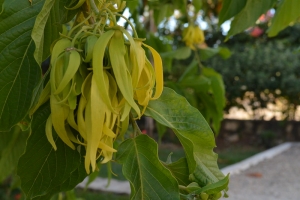 Comoros ranks among the world’s leading perfume producers, alongside Madagascar and Mayotte. In the country, the ylang-ylang flower does more than produce luxury fragrances. It supports thousands of rural households and provides a steady, environmentally conscious source of income and economic growth.
This industry also strengthens the national economy. Agriculture accounts for about one-third of Comoros’ GDP and export crops such as ylang-ylang, vanilla and cloves drive much of that growth.
Greener Practices, Stronger Incomes
Ylang-ylang creates direct economic opportunities for many families in Comoros. Around 10,000 producers cultivate the crop, particularly on the island of Anjouan. Farmers and workers earn a steady income from harvesting and selling the flowers. Women play a central role, spending long hours collecting blossoms to sell by the kilogram.
Because producers can harvest ylang-ylang flowers multiple times each month, the crop provides income year-round. This cycle of greener growth helps households manage expenses and reduces income instability. The industry also supports broader economic activity.
Small distilleries purchase flowers from independent farmers, allowing even small-scale producers to participate in export markets. These businesses create jobs and strengthen local skills in processing and production. Licensed exporters help maintain quality standards and connect Comoros to global markets.
As a result, even remote communities benefit from international trade. In 2022, ylang-ylang exports generated about $5.56 million, making the crop one of Comoros’ most valuable export products. Major markets include France, Switzerland, the U.S. and the U.K. This global demand brings valuable foreign income into the country.
Comoros’ Ylang-Ylang Industry
Recent developments are improving both sustainability and economic resilience in Comoros’ ylang-ylang industry. Producers are upgrading distillation equipment to reduce costs and improve efficiency. Improved ovens and stainless-steel alembics use less wood, lowering production expenses and making operations more sustainable.
Farmers are also planting trees such as mango and breadfruit to secure fuel sources while protecting natural forests. These efforts support long-term productivity and help preserve the resources on which livelihoods depend.
A Future Rooted in Prosperity
New environmental programs are also creating additional income streams for rural communities. NGOs now pay farmers, known as “water guardians,” to restore forests and protect water systems. These initiatives provide financial incentives while strengthening local ecosystems.
By linking conservation with income generation, these programs help reduce poverty and build economic security. Ylang-ylang already generates export revenue, employment and steady income for rural communities. Now, greener production methods are improving efficiency, protecting natural resources and creating new opportunities.
With these changes, the “flower of flowers” can continue to drive economic growth while helping communities move out of poverty. Looking ahead, greater investment in ylang-ylang production could further accelerate poverty reduction in Comoros. Training farmers in improved harvesting techniques could increase yields and raise incomes without requiring more farmland.
Expanding local distillation capacity would also allow communities to capture more value before export, creating additional jobs. Improved infrastructure, including transport and storage, could reduce waste and increase profitability. As international demand for sustainable fragrances grows, Comoros is well-positioned to establish itself as a premium, ethical supplier.
This shift could strengthen export earnings while supporting rural livelihoods. By combining sustainability with productivity, ylang-ylang production offers a practical path toward inclusive economic growth and long-term poverty reduction.
– Demetra Mykoniatis
Demetra is based in London, UK and focuses on Good News for The Borgen Project.
Photo: Flickr
