• Link to X
  • Link to Facebook
  • Link to Instagram
  • Link to TikTok
  • Link to Youtube
  • About
    • About Us
      • President
      • Board of Directors
      • Board of Advisors
      • Financials
      • Our Methodology
      • Success Tracker
      • Contact
  • Act Now
    • 30 Ways to Help
      • Email Congress
      • Call Congress
      • Volunteer
      • Courses & Certificates
      • Be a Donor
    • Internships
      • In-Office Internships
      • Remote Internships
    • Legislation
      • Politics 101
  • The Blog
  • The Podcast
  • Magazine
  • Donate
  • Click to open the search input field Click to open the search input field Search
  • Menu Menu

Archive for category: Global Poverty

Key articles and information on global poverty.

Developing Countries, Global Poverty, NGOs, Poverty Eradication

Landesa: Breaking the Poverty Cycle Through Land Rights

LandesaOver the last few centuries, many Western political philosophers, such as John Stuart Mill, have argued that property security is essential for humankind to maximize its potential for liberty and productivity. While almost all land and property are now legally protected in the Global North, only 30% of the world’s population has a legally registered title to their land and property, stifling economic growth and perpetuating poverty and marginalization. This is where Seattle-based organization Landesa comes in. To learn more about the organization’s work, The Borgen Project was privileged to speak with Tyler Roush, the Communications Director at Landesa.

About Landesa

Established as the “Rural Development Institute,” Landesa is a unique nongovernmental organization (NGO) aiming to tackle poverty through the power of formally and legally recognized Land Rights for individuals in the Global South. Worldwide, its valued work has helped to secure land rights for hundreds of millions of families. The NGO is a true inspiration, setting exceptionally high standards for working with and understanding the regional contexts in which it operates.

Landesa in Liberia: Land Rights Act 2018

One case highlighting the lengthiness and success of Landesa’s work is Liberia and the Land Rights Act, described as “one of the most progressive pieces of land rights legislation on the African continent.” Landesa began work in 2010 and, eight years later, had helped garner support for the Act through approval and ratification, “working alongside Liberian civil society, NGOs and the government.”

The significance of the Act was multidimensional, granting land rights to all Liberians for the first time and including strong provisions for women’s land rights. This was hugely significant since Landesa finds that “when women have stronger rights to land, they have more access to household resources, the family budget and decision making both within the household and in their local community.”

Furthermore, “women have unique insights into how land can be sustainably managed based on the types of responsibilities that they have in farming and growing food.” A large body of literature from credible organizations worldwide supports the idea that more land rights provisions for women specifically lead to increased gender equality, improved living conditions, food security, economic empowerment and reduced rates of domestic violence.

Landesa in Liberia: Post-Reform Work

Landesa’s work does not end with the successful passing of groundbreaking legislation. In fact, “after the passage of the Land Rights bill, even more work begins because now the law is in place, it needs to be implemented.” In many developing countries, a lack of education and low literacy rates can hinder land rights. So, Landesa’s next task in Liberia was to raise awareness about the new law. The Amplio Talking Books program does exactly that.

The talking book is a “durable, handheld audio device technology, developed by a Seattle-based partner, that has pre-recorded messages in local languages,” containing information about the newly found land rights and how individuals can utilize these. Community members will use and share these devices for several weeks before Landesa returns to assess what individuals have learned and answer questions. The Talking Books are then collected and taken to the next community. They have become “a really successful way to educate communities about their new rights.”

Landesa’s comprehensive education and support methods help promote peace, stability and sustainable economic development that will benefit all Liberians. Beyond the Talking Books, the organization is “supporting community land formalization, offering ongoing technical assistance for law and policy reform, strengthening government and community implementation capacity and building an evidence base to disseminate lessons to broader stakeholders.”

Projects for the Future

Roush explained to The Borgen Project that Landesa is an optimistic and bold organization that goes above and beyond in multiple regions. Another exciting effort is the Coastal Livelihoods and Mangroves Project, which “strengthens coastal land rights and promotes policies in six countries to reduce overuse of mangrove resources and protect both community livelihoods and ecosystems indispensable to confronting climate change.”

The significance of these mangrove forests is clear for both locals and non-locals, with more than 120 million individuals depending on the highly productive ecosystems for their livelihoods. Additionally, the ecosystems act as natural carbon sinks and shoreline protection from natural disasters. Landesa’s initiative is building momentum, with the organization working alongside “six countries, as well as with the Association of Southeast Asian Nations (ASEAN), on improving law and policy around coastal access, coastal use rights for communities and helping to conserve and restore mangrove forests.”

Conclusion

Landesa is setting the standards of cultural understanding and sensitivity toward potentially divisive issues with a wholehearted commitment to the demanding work. The organization has assisted “720 million people in just the past five years.” With continued patience, hard work and long-term planning, there is no reason why the organization can’t help many more in the next five years.

– Arshiya Eslamdoust
Photo: Flickr

April 8, 2024
https://borgenproject.org/wp-content/uploads/borgen-project-logo.svg 0 0 Lynsey 2 https://borgenproject.org/wp-content/uploads/borgen-project-logo.svg Lynsey 22024-04-08 07:30:152024-04-07 14:00:33Landesa: Breaking the Poverty Cycle Through Land Rights
Developing Countries, Education, Global Poverty

Educational Programs Combat Extreme Poverty

Educational ProgramsResearch has proven that education is a powerful tool in significantly reducing the effects of poverty. In addition, activists and those on the ground have begun to use educational programs to improve social mobility, especially in the most poverty-stricken countries where citizens endure extreme social and economic conditions.

Educational Disparities 

For many citizens, a lack of education could be the source of many factors, including marginalization and poverty. Inequalities arise according to an individual’s socioeconomic status and how far-developed a country is. In developing and developed countries, it varies whether or not the ruling government is stable enough to sustain an equitable education system for its citizens.

Poverty remains one of the more persistent barriers, a seemingly neverending cycle. Poverty perpetuates lower literacy rates and such limitations reap consequences. According to the United Nations Children’s Fund (UNICEF), more than “600 million children worldwide are unable to attain minimum proficiency levels in reading and mathematics, even though two-thirds of them are in school.” This is attributed to a need for more developed foundational skills, a direct result of poverty.

Educational Programs in Mitigating Extreme Poverty

Extensive measures from both government and community-based organizations are necessary to mitigate the direct effects of inadequate education on poverty. Such initiatives from the ground are critical because these communities work directly with those impacted by the effects of poverty. Nonprofit organizations provide educational materials and programs to the country’s most vulnerable and marginalized populations. That said, here are some educational initiatives working to end extreme poverty.

SEED Madagascar

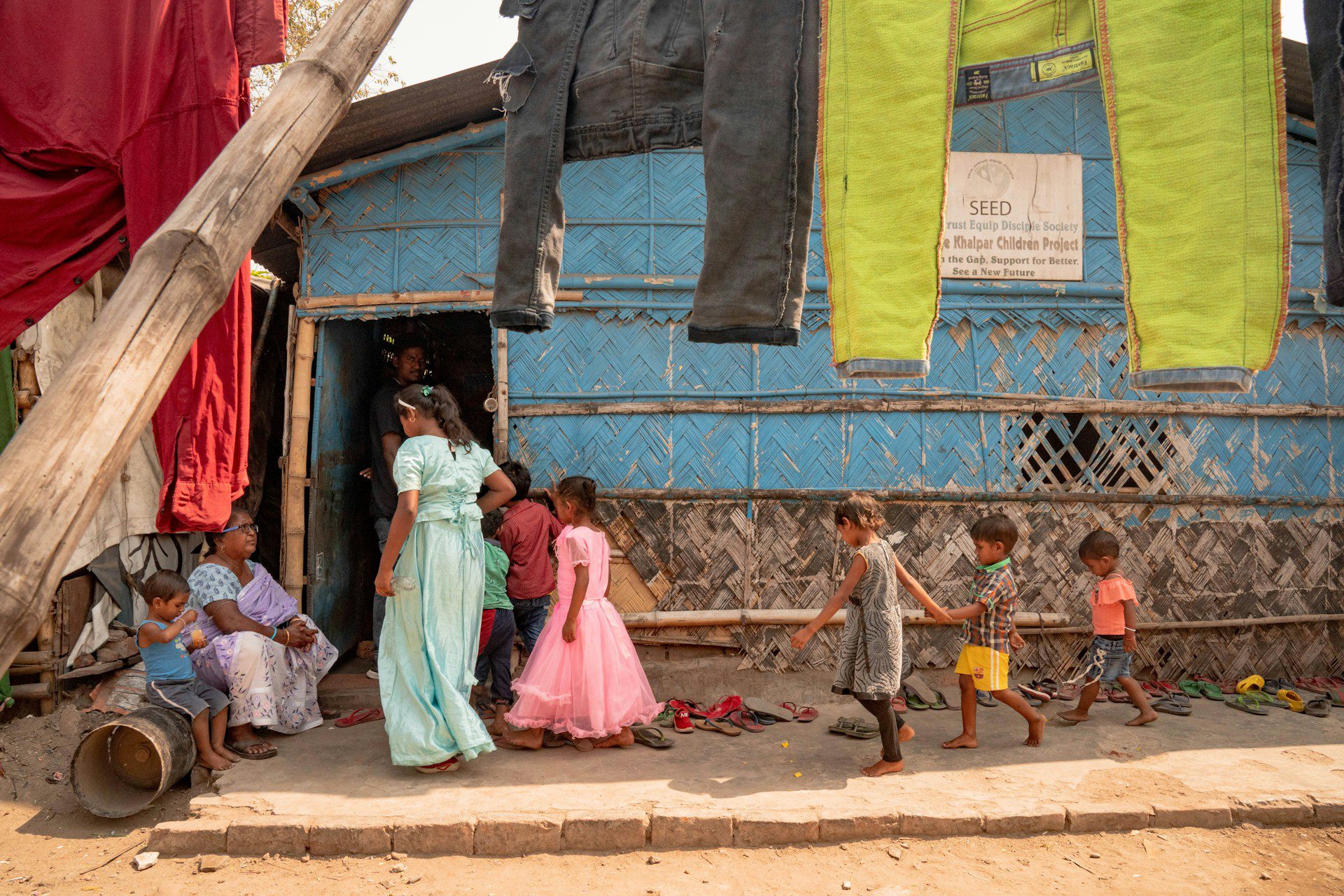
Sustainable Environment, Education & Development (SEED) in Madagascar is a British nonprofit organization operating in Southeast Madagascar. According to its mission statement, this organization builds community and environmental resilience by focusing on critical elements, including education. One project the organization prioritizes is education infrastructure. In the Anosy Region, where the organization completes most of its projects, the chances of children completing primary school could be higher. Through its work, SEED Madagascar has already completed educational projects: repairing existing buildings, building new schools and providing facilities and furniture to schools that lack them.

What makes this organization stand out is the implementation of better health practices for the students who attend these schools. Students can expand and build their literacy skills while learning how to improve their health. According to a 2023 report conducted by the organization, “Programme Sekoly,” increased access to water, sanitation and hygiene resources and education for more than 400 students and more than 10 teachers in Sainte Luce Primary School. This action was taken to curb the spread of diseases and fatalities associated with inadequate access to water, sanitation and proper hygiene facilities, all of which are connected to poverty.

Pratham USA

This organization was founded in 1995 to provide education to Mumbai slums. It is recognized as one of India’s largest and most successful nongovernmental agencies. Pratham works extensively in developing initiatives that help bridge the gaps in the education system. Filling such gaps includes solutions based on technology, where children are experiencing increased access to digital learning options in their curriculum. According to an evaluation conducted by the program, around 80% of children could do basic arithmetic after six to eight weeks of instruction provided through a learning camp. Ultimately, the nonprofit has reached more than more than 75 million children and youth since its inception.

Looking Ahead

Government infrastructure is often severely limited in most underdeveloped countries. Recognizing and acknowledging organizations’ ground-level work in combating poverty may help increase awareness of education’s role in breaking poverty cycles. Just as a lack of education can cause poverty, education can also drastically change it. Education opens windows of opportunity related to achieving higher education and an increase in economic resources and jobs.

– Dominic Samaniego
Photo: Flickr

April 8, 2024
https://borgenproject.org/wp-content/uploads/borgen-project-logo.svg 0 0 Lynsey 2 https://borgenproject.org/wp-content/uploads/borgen-project-logo.svg Lynsey 22024-04-08 01:30:522024-04-07 13:56:00Educational Programs Combat Extreme Poverty
Africa, Global Poverty, Health

How Investments Are Improving Kenya’s Health Care System

Kenya’s Health Care SystemKenya, located in East Africa, is known for its stunning landscapes and wildlife preserves. Since 2010, the nation has witnessed significant enhancements in its health care system. This has resulted in improved services and quality of life. The constitution, established in 2010, guarantees every individual the right to access the highest attainable standards of health care. Presently, Kenya’s health care system holds the second position in Africa, with South Africa leading in first place.

Despite this achievement, Kenya’s health care system is still facing obstacles to meeting its goal of having Universal Health Coverage (UHC) by 2030. The World Health Organization (WHO) defines UHC as being able to provide people with access to quality and essential health services (treatment, prevention, rehabilitation etc.) without subjecting the user to financial hardship. Currently, investments play a crucial role in helping accomplish this goal.

U.S. Trade and Development Agency

The U.S. Trade and Development Agency (USTDA) study grant to the Kenya Hospital Association (KHA) will expand and improve Kenya’s health care infrastructure. The project will increase access to more than 96,000 patients annually. It will support the building of five medical centers with advanced equipment. Furthermore, it will expand cancer treatment services at the Nairobi Hospital and digitize its health care services and operations.

World Bank Vaccine Facility

The World Bank announced in February 2024 that it will be financing Kenya’s first vaccine production facility. The facility is expected to be built and operational in 2029 and will be able to meet Kenya’s growing vaccine demand. The population of Kenya is increasing steadily by approximately 2% a year. Currently, the vaccine demand is 16 million people. However, it is expected to reach upwards of 25 million people in the coming years.

This investment will help decrease the mortality rate from preventable diseases through immunizations. Finally, with this new facility, Kenya will be able to catch up with South Africa in producing vaccines and successfully avoid vaccine shortages by producing locally.

$215 million Resilient Health Systems Project

Kenyan citizens, refugees, the counties of Garissa and Turkana (host communities) and women and children who are considered low-income will be able to receive an improved quality of health care. This project will play a crucial role in furthering UHC and care. It will increase the capacity of people that they can care for, addressing geographical challenges, financing and worker shortages.

The financial management of Kenya’s Medical Supplies Authority (KEMSA), which provides health products and technology, will be improved by enhancing accountability and transparency. The lack of health care delivery and services will be addressed for about 1.8 million people in host communities. Additionally, this will aid 590,000 refugees living in Garissa and Turkana. It will support the transition and operation of the Social Health Authority (SHA). In collaboration with UHC, it will provide “efficient, affordable and non-discriminatory health care services to all Kenyans.”

Final Remark

With investments like these, Kenya’s health care system is set to make a transformative step toward achieving its dream of UHC. Increasing access to quality health care for rural, low-income individuals, refugees, mothers and children will help improve socioeconomic inequalities in Kenya. These investments help ensure that Kenya is able to maintain a leadership role in health care. They guarantee access to health care as a fundamental right, as defined in its constitution.

– Gabrielle Schwartz
Photo: Flickr

April 8, 2024
https://borgenproject.org/wp-content/uploads/borgen-project-logo.svg 0 0 Lynsey 2 https://borgenproject.org/wp-content/uploads/borgen-project-logo.svg Lynsey 22024-04-08 01:30:022024-04-07 14:17:45How Investments Are Improving Kenya’s Health Care System
Global Poverty, Homelessness, Mental Health

Addressing the Homeless Crisis in Slovakia

Homeless Crisis in SlovakiaThe picturesque landscapes and rich cultural heritage of Slovakia often belie the social issues simmering beneath its scenic veneer. The country is grappling with a homelessness problem that demands a compassionate, multifaceted response. This article addresses the homeless crisis in Slovakia in this in-depth exploration of the underpinnings of this societal challenge. Additionally, it provides information about the ongoing efforts to address homelessness.

Understanding the Homeless Crisis in Slovakia

While it is easy to dismiss homelessness as a problem limited to urban centers, the issue is pervasive across various regions of Slovakia. The causes have layers, from economic downturns and job loss to mental health issues and lack of affordable housing. The data is disheartening, with numbers showing an upward trajectory in homelessness, particularly in urban areas. For example, the 2022 population census for Slovakia recorded 71,076 people without homes versus the 23,483 homeless population recorded in the 2011 census.

Exposing the Challenges

Life on the streets is an unimaginable struggle. The lack of a stable home is just the tip of the iceberg for those experiencing homelessness in Slovakia. Affordable housing is scarce, and the domino effect includes limited health care provisions and the perpetual struggle to access social services. For example, according to World Habitat, the limited access to affordable housing in Slovakia is largely due to the fact that there is a shortage of rental properties. Since buying homes is more common than renting in this nation, those who cannot afford to purchase a property are left with limited affordable renting options.

Not to mention, the stigma attached to being homeless exacerbates the challenges of reintegrating into society. Life is incredibly challenging for those living without a stable home, and the men, women and children have access to limited resources.

Government and Community Initiatives

Fortunately, the response to this crisis has been a mix of official and grassroots efforts. The Slovakian government has implemented certain policies aiming to provide shelter and support services to people without housing. Alongside these, non-governmental organizations (NGOs) and community-led initiatives have sprung up to provide practical aid and reconnect people experiencing homelessness with society.

NGOs have led several campaigns to help bring awareness and improve the response to homelessness in Slovakia. For example, NGO volunteers have partnered with STOPA Slovensko to record the population consensus for Slovakia more accurately. A local campaign known as “We Are Not Invisible” also helped bring more awareness to the growing number of homeless individuals needing assistance housing.

Final Thoughts

Homelessness is not an intractable issue. Building a safety net for those who have fallen on hard times is possible with sustained effort. Addressing the homeless crisis in Slovakia has shown promising signs of a society willing to grapple with this crisis. The act of helping is not just about charity but also about justice and societal progress.

Brainstorming quality ideas can help this country, and others experiencing mass homelessness can help solve this issue more quickly. For example, they can build yurt communities for those without housing to live in. Yurts have a long lifespan and are relatively inexpensive shelters. Together, it is possible to create a home for all in Slovakia.

– Kelly Schoessling
Photo: Pexels

April 7, 2024
https://borgenproject.org/wp-content/uploads/borgen-project-logo.svg 0 0 Jennifer Philipp https://borgenproject.org/wp-content/uploads/borgen-project-logo.svg Jennifer Philipp2024-04-07 07:30:272024-07-30 01:21:32Addressing the Homeless Crisis in Slovakia
Gender Equality, Global Poverty, Women's Empowerment

What Is Being Done To Alleviate the Gender Wage Gap in Austria

Gender Wage Gap in AustriaDespite high female employment rates, Austria grapples with one of the European Union’s largest gender pay gaps. Women’s economic independence is hindered by a prevalence of part-time work and unpaid care responsibilities within families, leading to career breaks and financial repercussions. This is compounded by gender segregation in lower-paying service industry jobs, with women significantly underrepresented in leadership positions across sectors such as economy, science, politics and public service. However, two of the most important ways that the gender wage gap in Austria has been addressed are through the National Action Plan (NAP) on Gender Equality in the Labor Market and the Pay Transparency Law.

Action Plan on Gender Equality in the Labor Market

Published in 2010, the NAP outlined strategies for the period spanning from 2010 to 2013 with the goal of eliminating existing gender disparities in the workforce and promoting the strategic and coordinated implementation of diverse initiatives and policies. Notably, the NAP highlighted the fact that women who are not fully integrated into the labor market or are marginally employed face a heightened risk of poverty in their later years. Especially because, in 2007, more than 70% of women who received a net income from the widow’s pension received pensions that fell below the poverty risk threshold, set at 60% of the median income.

During the period spanning 2019 to 2020, the EU-co-funded initiative known as “TRAPEZ – transparent pension future – securing women’s economic independence in old age” conducted an in-depth investigation into Austria’s Gender Gap in Pensions (GGP). The project’s objective was to thoroughly analyze the GGP and recommend practical strategies to mitigate its effects, ultimately bolstering the financial independence of older women.

The strategies outlined in the NAP likely provided important insights and data that informed the direction and focus of the TRAPEZ project. Additionally, the NAP’s emphasis on coordinated implementation of initiatives and policies to address gender disparities in the workforce would have fostered a collaborative approach among stakeholders, including governmental bodies, research institutions and advocacy groups. Overall, by recognizing the heightened risk of poverty faced by women with limited labor market integration or marginal employment, it seems that the NAP laid the groundwork for subsequent initiatives aimed at enhancing women’s financial security and narrowing the gender wage gap in Austria.

The Austrian Pay Transparency Law

Introduced in 2011, the transparency law ensures that if a company has more than 1000 employees, they are required to publish an annual income report detailing information about men’s wages and women’s wages as well as a clear statement of the minimum wage in job vacancy advertisements. Fortunately, there was a more significant wage increase among newly hired women in large firms following the reform compared to newly hired men, indicating a narrowing of the gender wage gap among recent hires.

However, according to results from a regression discontinuity design, the transparency law did not alter wages or the gender wage gap because the law’s impact on employment growth or turnover was small and lacked statistical significance. Notably, for larger firms, the transparency law correlated with a decreased percentage of women employed in treated firms. It seems that the implications for the gender wage gap in Austria, based on the transparency law, are mixed. On the one hand, the transparency law’s requirement for larger companies to disclose wage disparities and minimum wage information in job advertisements has potentially contributed to a reduction in the gender wage gap among recent hires. However, the overall impact of the law on income inequality is limited, as it did not significantly alter wages or the gender wage gap across the board.

Concerns

Transparency law advocates assert that disclosing pay information is crucial in closing the gender pay gap in Austria, as it enables women to confront discriminatory wage practices. However, skeptics express concerns regarding potential administrative burdens and fear that men might capitalize on the disclosed information more effectively than women. Some suggest that the policy’s ineffectiveness could be attributed to the fact that it does not require firms to act upon revealed wage differences. Additionally, the policy’s limited scope, which does not address factors such as firm sorting, may have contributed to its lack of effectiveness.

However, the transparency policy did result in a reduction in the rate at which individuals leave their employment at a treated firm within a given period. This suggests that the policy may have alleviated concerns about unfair pay schedules among workers, leading to higher job satisfaction and reduced turnover.

Final Remark

Currently, the gender wage gap in Austria has reduced from 23.5% to 18.8% from 2011 to 2021. Although this gap remains above the EU average, it is clear that progress has been made in reducing the wage gap over the past decade. Further initiatives focusing on transparency, equitable pay practices and broader gender equality measures will be crucial in achieving lasting change.

– Avery Fuller
Photo: Pexels

April 7, 2024
https://borgenproject.org/wp-content/uploads/borgen-project-logo.svg 0 0 Lynsey 2 https://borgenproject.org/wp-content/uploads/borgen-project-logo.svg Lynsey 22024-04-07 07:30:222024-04-05 02:55:31What Is Being Done To Alleviate the Gender Wage Gap in Austria
Foreign Aid, Global Poverty, Government

How Japan is Helping to Alleviate Poverty in the East

How Japan Assists in Aiding Poverty in the EastJapan, with its advanced social and economic markets, stands out in the East. However, neighboring countries continue to struggle with poverty. To address this, the country has launched innovative programs aimed at alleviating poverty in the east by bolstering the economies of these nations. This article examines Japan’s efforts to assist low-income countries in the East.

Japan Fund for Poverty Reduction

The Japan Fund for Poverty Reduction (JFPR), founded in 2000, provides grants to the poorest nations and most vulnerable groups, particularly the Asia-Pacific region. Such countries include India, Nepal, the Philippines and Malaysia. It aims to foster sustainable socioeconomic development. The grants target poverty reduction initiatives with the direct participation of nongovernment organizations, community groups and civil society. Eastern countries received $612.4 million from Japan as of 2013.

Nepal

From 2001 to 2011, JFPR helped Nepal with 10 projects and more than $17 million worth of aid. These projects include agriculture, governance and social sectors. At the moment, JFPR is supporting Nepal’s efforts to reduce anemia and other vitamin and mineral deficiency-related conditions. In addition, it assists the Nepal Police in inventing a new and improved system for the treatment of victims of crime against women and children in five districts.

Marginalized groups in Nepal such as Dalit, Majhi, Kumal and Bhote, have been helped by raising awareness about their social rights, organizing campaigns for social awareness and other workshops. Japan aims to integrate them fully into Nepalese society. There are also efforts to increase the number of Nepalese with legal identity documents, especially among the poor and vulnerable groups.

The ODA programs

Japan is also a major donor to countries in East Asia and other regions. In 2021, $10.7 billion was allocated to Asia. Through its ODA programs, areas such as health care, education, infrastructure development and agriculture are aided. Notable improvement has been seen in East Asia and Southeast Asia. In 1990, approximately 21% of people were living in poverty in Southeast Asia, as opposed to 6.8% in 2004. 

ODA –India

India has been one of the biggest receivers of Japan’s ODA loan over the last few decades. The Delhi Metro presents itself as a success story as a result of Japan’s contributions. The country introduced its Shinkansen System to India to build high-speed railways, the staple project of the Japan-India partnership. In 2022, India received 567.5 billion yen in loans from Japan and 4.7 billion yen in grants. Japan continues its support through the “Act East” policy and “Partnership for Quality Infrastructure” which help to support strategic connectivity. 

Looking Ahead

Japan’s commitment to alleviating poverty in neighboring Eastern countries is making a significant impact, providing vulnerable communities with the tools needed for sustainable development. Through targeted grants and development projects, Japan is fostering economic growth, enhancing social welfare and improving the living standards of millions. The success stories emerging from these efforts highlight the powerful role of international collaboration in tackling global poverty. Looking ahead, Japan’s innovative programs promise to continue supporting the fight against poverty, driving progress and prosperity in the East.

– Sepy Akbarian

Sepy is based in the UK and focuses on World News for The Borgen Project.

Photo: Unsplash

April 7, 2024
https://borgenproject.org/wp-content/uploads/borgen-project-logo.svg 0 0 Precious Sheidu https://borgenproject.org/wp-content/uploads/borgen-project-logo.svg Precious Sheidu2024-04-07 01:30:502024-04-05 02:45:47How Japan is Helping to Alleviate Poverty in the East
Advocacy, Development, Global Poverty

Guardians of Everest: Poverty Amongst Sherpas

Guardians of Everest: Poverty Amongst SherpasThe Sherpa people, nestled in the majestic peaks of the Himalayas, have long been synonymous with mountaineering prowess. Yet, behind the façade of adventure and glory lies a harsh reality: the pervasive poverty and exploitation faced by these indigenous mountain communities. In 2023, the Fourth Nepal Living Standards Survey reported that Nepal had a poverty rate of 20.27%. Currently, an intricate web of factors contributes to poverty amongst Sherpas, primarily stemming from exploitation within the adventure industry.

A Legacy of Mountaineering Excellence

For generations, Sherpas have served as the unsung heroes of Himalayan expeditions, guiding climbers through treacherous terrain and shouldering the burdens of the ascent. Renowned for their unparalleled strength, resilience and intimate knowledge of the mountains, Sherpas play an indispensable role in facilitating the conquest of some of the world’s highest peaks.

Moreover, Mount Everest, known as Sagarmatha in Nepal, has become a bucket-list expedition for some and often requires a Sherpa guide to navigate the tough terrain. As a result, the central Sherpa community has undergone a lasting alteration of its cultural practices and means of sustenance. According to The Kathmandu Post, tourism employs 11.5% of the Nepals workforce— about 370,000 people. The majority of Sherpas work within this industry.

Disparity in Compensation

Despite their indispensable contributions, Sherpas often find themselves at the short end of the economic stick. While expedition leaders and adventure companies reap substantial financial rewards from high-priced mountaineering expeditions, Sherpas receive meager wages for their laborious work. This vast disparity in compensation underscores the exploitative dynamics within the adventure industry, where Sherpa labor is undervalued and under-compensated. According to National Geographic, a guided hike to Everest can cost anywhere between $30,000 and $120,000.

We Are Reckless reported that on average, Sherpa guides only make around $4000 for the whole climbing season. Furthermore, it noted that guides with Western backgrounds make around $50,000 comparatively. In fact, the wage gap between Western guides and Sherpa guides emphasizes the lack of regard for Sherpa’s lives that the tourism industry has and brings to light the reality of poverty among Sherpas.

Occupational Hazards and Lack of Protection

Mountaineering expeditions, fraught with altitude sickness, avalanches and extreme weather, pose inherent risks. Sherpas, pivotal to these ventures, often face these dangers without adequate protection, insurance, or compensation for injuries or fatalities. Their safety and well-being frequently take a backseat in the quest for summit achievements. Unfortunately, a tragic event occurred in 2014 when at least 13 Sherpa guides perished in an avalanche on Everest, trapped in a ‘human traffic jam’ while carrying equipment for clients. Nonetheless, Sherpas routinely navigate these hazardous zones to facilitate climbers, and this highlights the perilous conditions they endure to support expeditions.

Environmental Degradation and Cultural Erosion

The commodification of Everest and other Himalayan peaks has led to environmental degradation and the erosion of traditional Sherpa culture. Commercial mountaineering has transformed once-pristine landscapes into overcrowded tourist hubs, straining fragile ecosystems and diminishing the spiritual significance of sacred mountains. Depali Rai, writing for Protocol Mag, describes the gentrification of Everest’s base camp, claiming the “once remote misty villages some 3440 meters above sea level now host Irish pubs, import Korean Ramyun and serve Nepalese and Western fare in equal measure.”

Sherpas, deeply reverent of the natural world and profoundly connected to their ancestral homeland, are grappling with the loss of traditional livelihoods and cultural identity amid unchecked commercialization.

Looking Forward

As awareness of poverty amongst Sherpas grows, there is an increasing call for equitable treatment, fair wages and safer working conditions in the mountaineering industry. Moreso, concerted efforts to address these issues can lead to a more sustainable and respectful approach to Himalayan expeditions, ensuring the Sherpas are honored not just for their skill but also for their indispensable contribution to the adventure tourism economy.

– Lauren McKenna

Lauren is based in Manchester, UK and focuses on World News for The Borgen Project.

Photo: Flickr
April 6, 2024
https://borgenproject.org/wp-content/uploads/borgen-project-logo.svg 0 0 Precious Sheidu https://borgenproject.org/wp-content/uploads/borgen-project-logo.svg Precious Sheidu2024-04-06 07:30:012024-04-05 02:35:04Guardians of Everest: Poverty Amongst Sherpas
Development, Global Poverty, Nonprofit Organizations and NGOs, Technology

Digital Innovation Empowering Rural Entrepreneurs

Empowering Rural EntrepreneursIn the face of rapid digital advancement, innovative solutions are emerging as powerful tools for alleviating poverty worldwide. The development sector is increasingly utilizing digital innovation to support rural entrepreneurs, thereby forging a path toward sustainable poverty reduction through technology. This article examines the transformative impact of online commerce and direct cash transfers by organizations like GiveDirectly and GiveWell on empowering rural entrepreneurs and sparking economic development in underserved areas.

The Power of Direct Cash Transfer

As technological advancements gain popularity in urban settings, rural communities are not left behind, due to aid from organizations like GiveDirectly. This organization equips people in rural areas with phones, enabling contributors to send funds directly to those in greatest need. GiveWell and GiveDirectly have demonstrated the success and sustainability of grants over loans in reducing poverty, through tracking and analyzing cash transfers. These grants, with few or no strings attached, have not only shown a proven track record of success but also represent the most ethical giving method, granting recipients complete control over their paths out of poverty.

Microloans vs. Unconditional Wealth Transfer

Assuming impoverished people cannot manage their finances overlooks the structural and systemic nature of poverty. This perspective has fueled the popularity of microloans as a poverty reduction strategy. When donating to an organization, contributions often cover staff salaries, outreach costs and more, stretching funds to support not only the target populations but also the organization’s sustainability. Meanwhile, loans risk entrenching people in a cycle of poverty, with the burden of repayment potentially falling on their children if the parents fail to pay off the debt.

For this reason, GiveWell has invested in the analysis of GiveDirectly, a study that compares microloans to unconditional cash transfers. According to GiveWell, “It requires far more overhead to run a microlending operation than to run a cash transfer operation.” Additionally, many microloan agencies operate as for-profit businesses rather than humanitarian nonprofits like GiveDirectly. This distinction often means there’s less incentive for them to avoid indebting the people they aim to assist

The Case for Direct Cash Transfers

Organizations have rigorously studied cash transfers, finding strong evidence they reduce monetary poverty. A 2016 report from the Department for International Development highlights cash transfers as among the most thoroughly researched development interventions. However, only 2% of major government funding goes toward direct cash transfers.

Global Market Access for Rural Artisans

Technological innovation, particularly online marketplaces, is advancing global development by opening access to the global market. People in low-income, rural areas often create sought-after artisanal products, but traditionally they could sell them only to tourists at local prices. For-profit and nonprofit companies are emerging to offer entrepreneurs technology access and digital business strategies. These initiatives empower rural women’s groups to develop websites or use existing platforms to sell their products at fair prices, reflecting the hours of labor invested in their creation. Digital platforms connect rural producers directly with consumers and markets, eliminating intermediaries and ensuring fair prices for their products. The ongoing trends show that collaborating through websites fosters community-led development.

The Future of Technology in Development

Digital innovation and solutions, such as direct cash transfers and global market access, are reshaping the landscape of poverty alleviation, empowering rural entrepreneurs to take charge of their economic futures. These advancements promise a sustainable pathway out of poverty, leveraging technology to bridge gaps and foster inclusive growth.

– Kiera Gorman

Kiera is based in Santa Cruz, CA, USA and focuses on Technology and Solutions for The Borgen Project.

Photo: Flickr
April 6, 2024
https://borgenproject.org/wp-content/uploads/borgen-project-logo.svg 0 0 Precious Sheidu https://borgenproject.org/wp-content/uploads/borgen-project-logo.svg Precious Sheidu2024-04-06 01:30:562024-04-05 02:31:57Digital Innovation Empowering Rural Entrepreneurs
Development, Foreign Aid, Global Poverty

Looking Back: 5 Influential Global Poverty Reduction Acts

Looking Back: 5 Influential Global Poverty Reduction Acts The United States (U.S.) has demonstrated its commitment to prioritizing global poverty reduction legislation. In recent years, the U.S. Congress has enacted significant bills aimed at reducing global poverty, with its impact resonating worldwide. So far, these efforts underscore the success of U.S. global poverty reduction acts and their ongoing effectiveness into 2024.

5 Influential Global Poverty Reduction Acts

  1. BUILD Act. The Better Utilization of Investments Leading to Development Act, known as The BUILD Act of 2018, established the United States International Development Finance Corporation to boost economic growth in developing countries. In a Center for Strategic and International Studies interview with Congressman Andy Kim (D-NJ), the House representative applauded the millions of equity investments provided in Ukraine and Brazil. The BUILD Act, under the IDFC’s framework, is slated for reauthorization in 2025.
  2. Global Food Security Act. The Global Food Security Act of 2016 enhanced farmers’ access to both local and international markets. The act improves agricultural infrastructure and expands market opportunities in developing countries. This act has lifted millions of people out of poverty, building on the achievements of the landmark Feed the Future Act of 2010. In addition, Feed the Future reduced global hunger by 5.2 million. It elevated 23.4 million people from poverty and generated $15.3 billion in agricultural sales for farmers, among other successes. As a vital component of global poverty reduction legislation, the Global Food Security Act received reauthorization in 2018 and 2023.
  3. Global Malnutrition Prevention and Treatment Act. The Global Malnutrition Prevention and Treatment Act of 2022 equipped the United States Agency for International Development (USAID) with the resources to tackle food safety, fortification and health care systems, among other health-related challenges in developing countries. As of 2022, USAID’s health initiatives have benefited 32 million children and 11.6 million pregnant mothers.
  4. Global Fragility Act. The Global Fragility Act (GFA), enacted in 2019, aims to prevent violence in fragile countries. The Biden administration identified nine countries where the U.S. plans to mitigate domestic conflicts and violence. Additionally, these partnerships include efforts in Haiti, Libya, Mozambique, Papua New Guinea and Coastal West Africa—namely Benin, Côte d’Ivoire, Ghana, Guinea and Togo—targeting regions with significant conflict challenges.
  5. Protecting Girls’ Access to Education in Vulnerable Settings Act. The Protecting Girls’ Access to Education in Vulnerable Settings Act, enacted in 2019, mandates USAID to prioritize education for displaced girls. This legislation aims to enhance access to education for children, especially girls in countries where they face discrimination. In addition, it addresses the gap wherein a quarter of girls aged 15 to 19 worldwide lack access to formal education. This significantly limits their employment opportunities in the formal sector.

Fighting Global Poverty

The U.S. continues to lead global poverty reduction acts through impactful legislation. Crucial issues from food security to education and conflict resolution are being addressed. In addition, these acts represent a multifaceted approach to eradicating poverty. They showcase the U.S.’s dedication to fostering sustainable development and stability worldwide. As these programs move forward, their ongoing success and expansion offer hope for a future where global poverty is significantly diminished. They underscore the importance of continued support and innovation in tackling these challenges.

– Marley Wilson

Marley is based in Waltham, MA, USA and focuses on World News for The Borgen Project.

Photo: Flickr

April 6, 2024
https://borgenproject.org/wp-content/uploads/borgen-project-logo.svg 0 0 Precious Sheidu https://borgenproject.org/wp-content/uploads/borgen-project-logo.svg Precious Sheidu2024-04-06 01:30:312024-04-05 02:22:34Looking Back: 5 Influential Global Poverty Reduction Acts
Africa, Developing Countries, Development, Global Poverty, Technology

Gaming in Africa: Human Development Benchmark

Gaming in Africa: Human Development BenchmarkIn 2009, Beth Kolko and Cynthia Putnam proposed the United Nations (U.N.) recognize video gaming, both creation and play, as a human development benchmark. The proposal, though initially seen as radical, has gained scientific support over time. Gaming in Africa is a significant aspect of this discussion.

Kolko and Putnam argue that gaming fosters the spread of computer technologies in areas and among groups that might otherwise lack access. They claim that “games constitute a significant portion of the ICT (information and communication technologies) ecology in developing regions and provide a pathway to people’s ‘first touch’ of a computer.” Understanding and utilizing technology in developing countries opens up local and international employment opportunities while educating communities. These opportunities are crucial for transitioning developing nations into developed ones capable of competing on the global stage.

Proliferation of Gaming in Developing Regions

Unfortunately, the 2009 proposal was denied and the matter has not been revisited by the U.N., but the scientific and social studies that have been done since have reinforced the concept of games as a benchmark of human development. The idea of gaming as an important step in the artistic and social development of a nation has not only been adopted by academics but also by nations all over the developing world.

Elevating Gaming in Africa

The Pan African Gaming Group (PAGG), an international collective of video game developers across Africa, aims to enhance the status of gamers and developers on the continent. In developing nations, gamers often find game consoles and high-end computers hard to access, prompting a shift to more affordable technology. Mobile gaming has engaged more than 186 million people throughout Africa, a demographic PAGG serves by collaborating with studios across the continent to create games that reflect African life.

Gaming’s Economic Potential

In a statement on its website, PAGG states “We believe that if games are culturally relevant to the local communities that we serve… create positive impacts in the lives of Africans and their community.” The group aims to foster a gaming community in Africa with the potential to become a significant force in the international market, a goal that appears to be bearing fruit.

Gam3s predicts that gaming in Africa will be a billion-dollar industry by the end of 2024. Key factors include wider internet access and more affordable cell phones, but Africa’s adaptation to modern gaming markets involves more complex strategies.

African Developers

Companies like Microsoft, Apple and EA rely heavily on credit card transactions for game purchases and subscriptions. However, with Africa’s credit card usage at only 2.7%, accessing games from major companies poses a challenge. Despite this, gaming in Africa continues to grow, due to innovative solutions tailored for the local market. These solutions include OPay, a digital bank based out of Nigeria and the sale of game vouchers in local stores and supermarkets, making gaming more accessible to a broader audience.

Innovations have paved the way for African developers like Leit Arts, Kayfo Games and Digital Mania to gain recognition. With strong local support and growing interest from international gamers, these companies could transform Africa into a key player in online creation, gaming and community building in the digital world.

– Charles McFadden

Charles is based in Glasgow, Scotland and focuses on Technology and Solutions for The Borgen Project.

Photo: Unsplash

April 5, 2024
https://borgenproject.org/wp-content/uploads/borgen-project-logo.svg 0 0 Precious Sheidu https://borgenproject.org/wp-content/uploads/borgen-project-logo.svg Precious Sheidu2024-04-05 07:30:382024-04-04 08:38:16Gaming in Africa: Human Development Benchmark
Page 319 of 2162«‹317318319320321›»

Get Smarter

  • Global Poverty 101
  • Global Poverty… The Good News
  • Global Poverty & U.S. Jobs
  • Global Poverty and National Security
  • Innovative Solutions to Poverty
  • Global Poverty & Aid FAQ’s
Search Search

Take Action

  • Call Congress
  • Email Congress
  • Donate
  • 30 Ways to Help
  • Volunteer Ops
  • Internships
  • Courses & Certificates
  • The Podcast
Borgen Project

“The Borgen Project is an incredible nonprofit organization that is addressing poverty and hunger and working towards ending them.”

-The Huffington Post

Inside The Borgen Project

  • Contact
  • About
  • Financials
  • President
  • Board of Directors
  • Board of Advisors

International Links

  • UK Email Parliament
  • UK Donate
  • Canada Email Parliament

Get Smarter

  • Global Poverty 101
  • Global Poverty… The Good News
  • Global Poverty & U.S. Jobs
  • Global Poverty and National Security
  • Innovative Solutions to Poverty
  • Global Poverty & Aid FAQ’s

Ways to Help

  • Call Congress
  • Email Congress
  • Donate
  • 30 Ways to Help
  • Volunteer Ops
  • Internships
  • Courses & Certificates
  • The Podcast
Scroll to top Scroll to top Scroll to top