• Link to X
  • Link to Facebook
  • Link to Instagram
  • Link to TikTok
  • Link to Youtube
  • About
    • About Us
      • President
      • Board of Directors
      • Board of Advisors
      • Financials
      • Our Methodology
      • Success Tracker
      • Contact
  • Act Now
    • 30 Ways to Help
      • Email Congress
      • Call Congress
      • Volunteer
      • Courses & Certificates
      • Be a Donor
    • Internships
      • In-Office Internships
      • Remote Internships
    • Legislation
      • Politics 101
  • The Blog
  • The Podcast
  • Magazine
  • Donate
  • Click to open the search input field Click to open the search input field Search
  • Menu Menu

Archive for category: Global Poverty

Key articles and information on global poverty.

Global Poverty, Innovations, Technology

Fire Prevention in South Africa: The Lumkani Lifesaving Innovation

LumkaniAcross the globe, 1 billion people live in informal settlements, spaces often marked by overcrowding, flammable materials and poor infrastructure. In South Africa, townships and informal communities regularly face the deadly risk of shack fires. In 2022, Cape Town alone reported 190 deaths due to these fires. These disasters destroy not only homes but also essential documents, medicines and educational materials, deepening the cycle of poverty for already vulnerable families. Lumkani, a social enterprise based in Cape Town, is rethinking fire prevention for low-income communities. By using heat-sensitive, networked early warning systems, the company equips families with the tools they need to survive fires and break the cycle of poverty they often leave behind.

The Overlooked Crisis of Shack Fires

Fires remain some of the most destructive yet neglected challenges in informal settlements. In places like Khayelitsha—one of Cape Town’s largest townships—shack fires commonly break out during colder months when residents use open flames, paraffin stoves or makeshift heaters to stay warm. Dust, steam and proximity to cooking areas often cause traditional smoke detectors to fail, resulting in frequent false alarms or abandonment. Limited space between dwellings and poor access to firefighting services allow a single fire to engulf entire neighborhoods within minutes. Beyond the immediate destruction, fires severely impact household economies. Fires wipe out everything from income sources to the legal IDs families need to access health care or education. For families living day-to-day, recovery becomes nearly impossible.

Lumkani’s Heat Sensor Network

Founded in 2014, Lumkani developed a low-cost, heat-based detector designed specifically for fire prevention in shack environments. Unlike traditional smoke detectors, Lumkani’s sensors are triggered by rapid increases in temperature, which is a more reliable fire indicator in informal housing. What makes Lumkani unique is its radio frequency network. When one device is triggered, it automatically alerts others within a 60-meter radius, giving entire communities critical seconds or minutes to evacuate or respond before the fire spreads. Lumkani devices also send SMS alerts to residents and designated community leaders through a central database. The fire prevention system is affordable and scalable, with devices costing around $10 and has been rolled out across parts of Cape Town, Johannesburg and Durban.

Results That Save Lives

According to Hollard, since rolling out Lumkani, the spread of 150 fires in South Africa has been limited. In collaboration with the International Red Cross, the Fire Sensors Initiative distributed 900 units. The results point to meaningful progress in saving lives and property. Lumkani also introduced micro-insurance for informal homes—one of the first of its kind in South Africa. For just $1.60, families can insure their homes against fire damage, enabling quicker recovery after disaster. This approach empowers low-income households not only to survive fires but to recover from them with dignity.

Why Fire Prevention Matters in the Fight Against Poverty

Poverty involves more than income; it includes constant exposure to risk. Shack fires in informal settlements are not random—they are predictable and preventable. When entire communities burn without warning, the long-term consequences trap families in poverty for generations. Lumkani offers a clear solution. By combining smart, locally tailored technology with community trust, this innovation saves lives and shields hard-earned progress from going up in flames. As global efforts to reduce poverty continue, solutions like Lumkani’s show that prevention may be just as powerful as direct aid. Sometimes, a $10 sensor could change everything.

– Rebecca Lee

Rebecca s based in Scotland and focuses on Technology and Solutions for The Borgen Project.

Photo: Flickr
June 9, 2025
https://borgenproject.org/wp-content/uploads/borgen-project-logo.svg 0 0 Precious Sheidu https://borgenproject.org/wp-content/uploads/borgen-project-logo.svg Precious Sheidu2025-06-09 01:30:502025-06-14 11:29:40Fire Prevention in South Africa: The Lumkani Lifesaving Innovation
Children, Global Health, Global Poverty

Spain Leads Infant Health Breakthrough Against RSV Infections

rsv infectionsSpain has emerged as a global leader in protecting infants from respiratory syncytial virus (RSV), launching a successful immunization campaign that dramatically reduced hospitalizations and intensive care admissions. According to Salut, the campaign cut ICU admissions by 90% and hospitalizations by 87%, while the overall number of RSV infections dropped by 68.9%.

In 2022, the European Union (EU) authorized the use of nirsevimab, the first monoclonal antibody (mAb) designed to prevent lower respiratory tract infections caused by RSV in newborns and infants during their first exposure to the virus. Carlos Rodrigo, clinical director of pediatrics at Germans Trias I Pujol Hospital in Badalona, praised the campaign’s acceptance rate. “The population’s acceptance rate was very high, as shown by the 87.7% coverage in Catalonia,” Rodrigo said. “If not surpassed, the expectations have been completely fulfilled.” Children under 6 months of age carry the highest risk and economic burden from RSV infections in Spain, making early prevention efforts especially critical.

Understanding RSV and Its Global Impact

RSV stands as one of the most common childhood infections and ranks as a leading cause of hospitalization in children under 5. Most children contract the virus by the age of 2. For infants and toddlers, RSV can cause serious symptoms, including breathing difficulties, low oxygen levels and dehydration. The virus plays a major role in global morbidity and mortality among children by driving epidemics of acute lower respiratory tract infections (RTIs). Recognizing this impact, Spain introduced its monoclonal antibody as a proactive measure to prevent severe RSV infections in infants and reduce strain on health care systems.

How Spain’s Monoclonal Antibody Strategy Works

Unlike vaccines that train the immune system over time, monoclonal antibodies like nirsevimab deliver immediate protection. This quality makes them especially useful during an infant’s first RSV season, when timely immunity matters most. Rodrigo emphasized the breakthrough: “The success of the measure is so evident that this year many other countries—such as the United States (U.S.), the United Kingdom (U.K.), Germany and Italy—will surely adopt it. The antibody is very well tolerated and the results are among the most spectacular ever seen in medicine.” He likened Spain’s RSV antibody rollout to historic breakthroughs such as penicillin or the polio vaccine. “It’s a huge, spectacular success,” he added, “a saving of suffering for parents and babies and of very high costs for the health care system.”

Building a Blueprint for Global Infant Health

Spain’s RSV prevention campaign offers valuable lessons for health policymakers worldwide. To replicate its success, health systems may need to plan proactively, ensure supply chains and implement targeted infant immunization strategies. Monoclonal antibodies may become key tools for protecting vulnerable populations, not only in Spain but worldwide. By prioritizing infant health and embracing innovative tools, Spain has made a significant leap forward in health care. Its model shows that with foresight and coordination, countries could reduce hospitalizations, protect children and ease the financial strain on health care systems.

– Abirame Shanthakumar

Abirame is based in Ontario, Canada and focuses on Global Health for The Borgen Project.

Photo: Unsplash

June 9, 2025
https://borgenproject.org/wp-content/uploads/borgen-project-logo.svg 0 0 Precious Sheidu https://borgenproject.org/wp-content/uploads/borgen-project-logo.svg Precious Sheidu2025-06-09 01:30:322025-06-07 14:04:06Spain Leads Infant Health Breakthrough Against RSV Infections
Education, Global Poverty

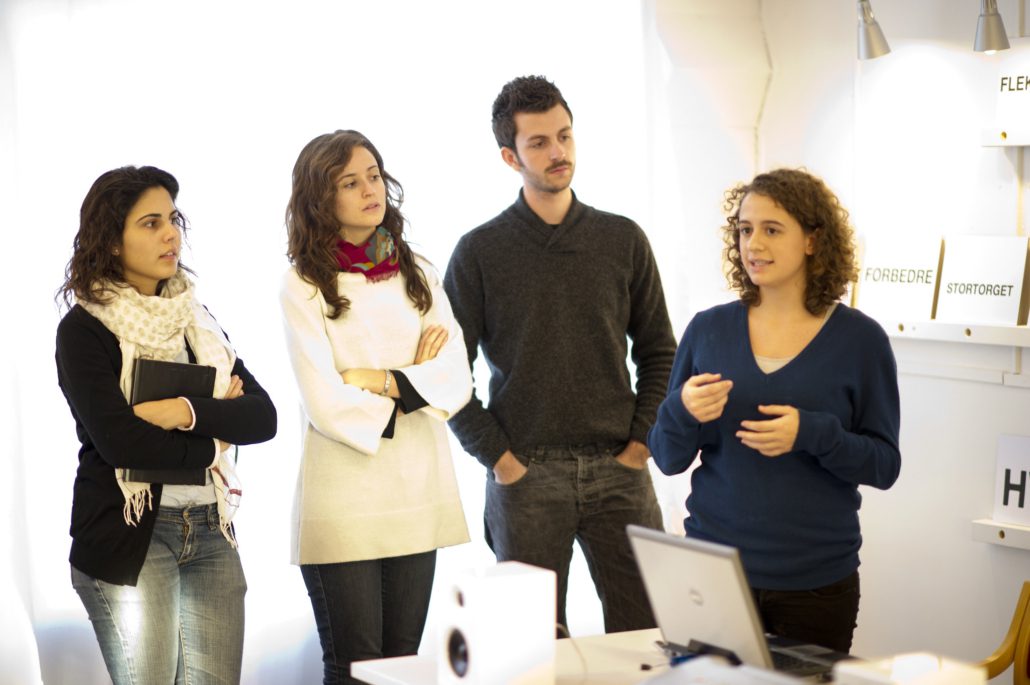
UNICEF and Education in Syria

Education in SyriaSince 2011, the Syrian Civil War has been one of the worst humanitarian crises in the world, with more than 16 million displaced civilians in dire need of assistance. Violent conflict demolished local infrastructure, further exacerbating the struggles of the Syrian population. While all livelihoods have been dismantled, one group has suffered more than the rest: children. However, this article will dive into the UNICEF education program and how it is helping to slowly rebuild the lives of youth in Syria.

Tragedy Strikes

As noted above, the war in Syria has displaced millions, with almost half being under the age of 18. On the run, without a stable home and constantly fearing for their lives, education is the last priority for these children. To put it bluntly, the conflict has stripped them of a basic human right.

There is soon to be an entire generation of children who never went to school in Syria. Roughly one-third of those who are enrolled do not make it to the end of primary school and more than 7,000 schools have been damaged or destroyed.

More than 2 million children are out of school and of the few classrooms that exist, all are overcrowded and lack basic materials. Teachers are inadequately trained and cannot overcome language barriers and most children face a certain degree of trauma

Modern-day Syria, with its everlasting conflict, has made it nearly impossible for children to receive a quality education, let alone even be enrolled in school. This could have drastic impacts on their cognitive development and future lives, making it nearly impossible to do anything substantial. The children who should have been following their dreams to become doctors, scientists and educators instead had to flee their homes in hopes of survival. However, a glimmer of hope has presented itself in recent years: UNICEF’s Emergency Education Program.

UNICEF Work in Syria

UNICEF established the “Self Learning Program” in Syria to support children who previously had little access to formal education, implementing Curriculum B, a similar program that looks to help students catch up to their peers, creating new classrooms across the country and training a host of new educators

The mission has been successful thus far, as more than 350,000 “out-of-school children have enrolled in Self-Learning Program or Curriculum B activities across Syria, 97% of the four-year program goal.”

UNICEF’s program has supported thousands of children in Syria, and even more across the world.

– Josh Weinstein

Josh is based in Chester Springs, PA, USA and focuses on Good News for The Borgen Project.

Photo: Flickr
June 8, 2025
https://borgenproject.org/wp-content/uploads/borgen-project-logo.svg 0 0 Naida Jahic https://borgenproject.org/wp-content/uploads/borgen-project-logo.svg Naida Jahic2025-06-08 07:30:382025-06-07 13:50:26UNICEF and Education in Syria
Global Poverty, Nonprofit Organizations and NGOs

How The New York Times Communities Fund Fights Global Poverty

New York Times Communities FundThe New York Times Communities Fund has supported global poverty reduction efforts for more than 100 years. Since The Fund’s establishment in 1911, it has raised more than $354 million. Currently, the nonprofit organization helps more than 1.5 million people yearly.

How It Works

Originally known as The Neediest Cases Fund, The New York Times Communities Fund annually raises money for thoroughly selected nonprofits with local to global impacts. The 113th campaign supports nonprofits such as First Book, which provides underserved schools across the U.S. with reading materials and the Campaign for Female Education (CAMFED), which promotes female education in rural Africa.

CAMFED

In 1993, Ann Cotton OBE founded CAMFED, aiming to drastically increase the number of girls in rural Africa who complete secondary school. Poverty prevents an astounding 95% of girls in this region from finishing school. CAMFED combats the social and financial barriers these girls face to not only allow them to stay in school but to blossom.

CAMFED increases a girl’s accessibility to education in several thoughtful ways. The organization pays school fees and provides girls’ uniforms, books and bicycles, helping young girls combat financial restraints. CAMFED also trains teachers and peer mentors to provide girls with social support, making them more likely to stay in school. After graduating, the girls will have access to finance, support and business training from CAMFED to ensure their success and ability to pass on their knowledge to the next generation.

Since 1993, CAMFED has aided the schooling of 7.2 million children, including 2.2 million girls completing secondary school, from the most deprived regions in Ghana, Malawi, Tanzania, Zambia and Zimbabwe. Through access to education, these girls become empowered women who inspire positive change in their communities. The support CAMFED provides lifts girls from poverty, putting them in a position to encourage and share knowledge with others to allow them to do the same.

Hispanic Federation

The Times also supports the Hispanic Federation. While the nonprofit mainly supports Hispanic communities and institutions in the U.S., it has granted $200,000 to Conservación ConCiencia in the Caribbean since Hurricane Maria devastated the region in 2017.

The Hispanic Federation’s donation focused on developing Puerto Rico’s resiliency to weather-related power outages that spoil fisheries’ stocks. Hurricane Maria left parts of Puerto Rico without power for months, destroying the food and income provided by fishing.

The Hispanic Federation’s grant to Conservación ConCiencia funded solar panels to prevent similar devastation from occurring in the future. This infrastructure makes families less likely to lose their livelihoods and fall into poverty after a natural disaster.

Takeaways

The New York Times Communities Fund fights global poverty by supporting nonprofits such as CAMFED and the Hispanic Federation. After more than 100 years of existence and positively impacting millions, the organization will likely continue using its influence to strive for a better world.

– Madison Fetch

Madison is based in Glasgow, Scotland and focuses on Business and Politics for The Borgen Project.

Photo: Unsplash

June 8, 2025
https://borgenproject.org/wp-content/uploads/borgen-project-logo.svg 0 0 Lynsey 2 https://borgenproject.org/wp-content/uploads/borgen-project-logo.svg Lynsey 22025-06-08 07:30:082025-06-07 13:54:49How The New York Times Communities Fund Fights Global Poverty
Global Poverty, NGOs, Women's Empowerment

Initiatives to Empower Ukrainian Women Through Entrepreneurship

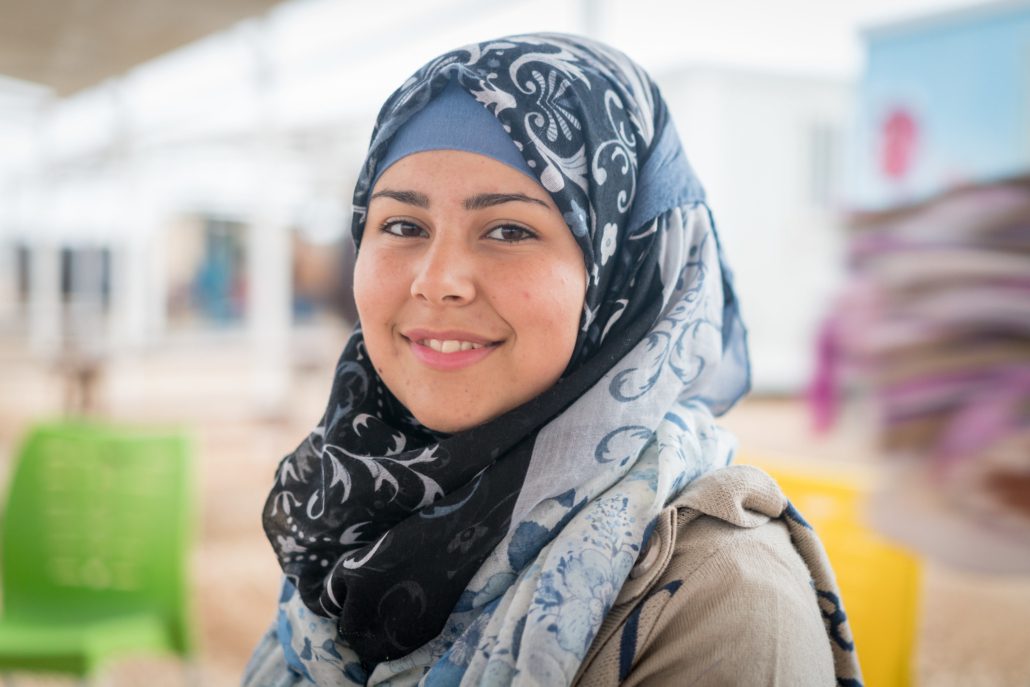
Ukrainian WomenImpact Force is a women-founded Ukrainian nongovernmental organization (NGO) that supports vulnerable groups with skills and resources. It helps small and medium-sized businesses grow sustainably and advises government bodies on reforms that promote transparency and inclusion.

Its program, “Dream and Achieve,” launched in 2023, has recently finalized its second cohort. The initiative was created to empower Ukrainian women through entrepreneurship. It receives support from international organizations like U.N. Women and government institutions such as France’s Ministry for Europe and Foreign Affairs.

Hope Amid Loss

Nina Levchuk and Olga Diakova are the co-leaders of the Dream and Achieve program on business development. The project emerged in response to the rising unemployment and the negative impact the Russian invasion had on women’s role in the economy. The program is designed to support those affected by war struggles, including internally displaced people, veterans and single mothers and to empower Ukrainian women through entrepreneurship.

The initiative offers a three-month training in digital marketing, socially responsible business models and strategies and personal mentorship. It also gives participants $1000 in financial assistance for their entrepreneurship initiatives.

Success Stories

The training and valuable insights have helped many women to take a bold step, whether launching a new business or reshaping the strategy of an existing one. Despite the different motivations, the program participants agree that Dream and Achieve has guided them to success.

  • Olena Vlasynevych is the wife of a veteran and also a yoga and meditation instructor. She founded Ashram Spokoiu to help women through stress and loss. Through the program, she refined her focus on women above 40 seeking harmony, strengthening her business vision. She’s expanding her offerings with new products, retreats and a solid online presence.
  • Anastasiia Filonenko created FILOCERA, a ceramics and sculpture brand that channels emotion through art. Her works decorate homes and restaurants, serving both domestic and therapeutic purposes. Thanks to Dream and Achieve, she relaunched her Etsy store and reached global customers.
  • Aliona Demchenko was relocated from Balky to Dnipro with her child. She launched Veseli Lystochky, a reusable notebook brand that combines learning and playing. They support children’s logic and memory development. After attending the Dream and Achieve program, she doubled her profits. She also gained skills in customer relationship management (CRM) and marketplaces. Now, her next goal is to open a child development center.

Impacts of the 2023 Cohort

The program received more than 1,000 applications, from which 80 women were selected. At the beginning of the program, 75% of the women hoped to acquire skills in using online platforms and e-commerce tools. By the end, 98% assured having improved their knowledge and skills in business management and the digital economy. Beyond training, the program came to be a boost to participants’ businesses. More than 32% reported an improvement in income and financial stability.

Many participants described the experience as inspirational and hope for more women to benefit from it. The initiative demonstrates a powerful truth: the first step in rebuilding a country needs people who dare to dream big.

– Sara Arias Saiz

Sara is based in Leipzig, Germany and focuses on Business and New Markets for The Borgen Project.

Photo: Flickr
June 8, 2025
https://borgenproject.org/wp-content/uploads/borgen-project-logo.svg 0 0 Lynsey 2 https://borgenproject.org/wp-content/uploads/borgen-project-logo.svg Lynsey 22025-06-08 03:00:392025-06-07 13:29:29Initiatives to Empower Ukrainian Women Through Entrepreneurship
Global Poverty, Technology

Reducing Poverty with Emerging Technologies in Sub-Saharan Africa

emerging technologies in sub-saharan africaSub-Saharan Africa is experiencing a discreet but profound digital revolution. The region has long been seen as being on the fringes of global innovation but is now experiencing rapid connectivity and technological development growth. Between 2005 and 2011, mobile phone subscriptions rose by 400% and internet access increased from 2.1% to 24.4% of the population between 2005 and 2018. Additionally, the 2022 Global Innovation Index ranks five countries in sub-Saharan Africa, including Kenya, Ghana and Senegal, among the world’s 100 most innovative countries. This dynamic is not just a question of infrastructure; it also reflects the rise in power of a local ecosystem of innovators, entrepreneurs and social startups that design solutions adapted to the realities on the ground. In this context, emerging technologies in sub-Saharan Africa, such as blockchain, artificial intelligence (AI) and the Internet of Things (IoT) are becoming concrete levers for poverty reduction.

Blockchain: A Tool for Financial Inclusion

In a region where a large part of the population remains excluded from traditional banking systems, blockchain offers a secure, transparent and decentralized alternative. In East Africa, the startup AZA Finance (formerly BitPesa) enables companies and individuals to make cross-border transactions faster and cheaper than traditional banking services.

Blockchain technology is also used to track the distribution of humanitarian aid, reduce the diversion risk and digital identities to populations lacking official documents and denied access to basic services. Thanks to these identities, millions can now open a mobile account, access microcredit or sign up for a health program.

AI for Health, Agriculture and Education

AI offers new perspectives in key areas of poverty reduction. In health, AI-based programs analyze X-rays for diseases such as tuberculosis, filling the acute shortage of doctors in rural areas. In agriculture, tools like UjuziKilimo in Kenya use sensors and algorithms to recommend the most profitable crops for farmers based on soil composition and climate forecasts.

On the education side, the M-Shule platform combines artificial intelligence and SMS to offer personalized educational content to primary school students. Each lesson adapts to the pace and level of the student, which is particularly useful in educational systems where class overcrowding and teacher shortages hinder learning.

IoT: Connecting Isolated Areas

The Internet of Things (IoT) is also transforming critical infrastructure. In areas not served by the national electricity grid, smart mini-solar grids managed remotely through connected sensors allow populations access to reliable electricity. IoT devices also monitor tank water levels or alert when a pump fails.

According to 360 Mozambique, these technologies are profoundly changing access to essential services and foreshadowing a new way of thinking about development centered on autonomy and local resilience.

M-Pesa: A Kenyan Success Story

Among the most emblematic examples of technological innovation against poverty, M-Pesa is central. Launched in 2007 by the operator Safaricom in Kenya, this mobile payment system allows its users to send, receive and save money via a basic mobile phone without a bank account.

According to a Massachusetts Institute of Technology study, M-Pesa helped lift some 194,000 Kenyan households out of extreme poverty between 2008 and 2014, including facilitating cash transfers, saving and access to microcredit. Many women, in particular, have used M-Pesa to create small businesses and gain economic autonomy.

The Case of Togo: When AI Helps to Target Emergency Aid

Beyond the private sector, African governments are also beginning to integrate emerging technologies into their social policies. The Novissi program, launched by the Togolese government in 2020, is a striking example. Using satellite data and artificial intelligence models, this program has automatically targeted the most vulnerable populations without requiring them to register manually.

Recipients received money transfers directly to their phones through the mobile money system. This device, deployed in a few weeks, helped more than 500,000 people affected by the COVID-19 crisis while limiting fraud and bureaucratic delays.

An Opportunity To Transform the Fight Against Poverty

The emergence of technology hubs, social incubators and public-private partnerships across Africa shows the potential. Organizations like the World Bank, the United Nations Development Programme (UNDP) and private foundations actively support this inclusive digital transition.

Emerging technologies alone cannot eradicate poverty in sub-Saharan Africa, but in a context where traditional solutions are reaching their limits, they represent a powerful lever to strengthen resilience, promote empowerment and improve access to basic services. In sub-Saharan Africa, they empower millions of marginalized people to build a more just, dignified and sustainable future.

– Eléonore Bonnaterre

Eléonore is based in London, UK and focuses on Technology and Solutions for The Borgen Project.

Photo: Flickr
June 8, 2025
https://borgenproject.org/wp-content/uploads/borgen-project-logo.svg 0 0 Lynsey 2 https://borgenproject.org/wp-content/uploads/borgen-project-logo.svg Lynsey 22025-06-08 03:00:042025-06-07 13:41:42Reducing Poverty with Emerging Technologies in Sub-Saharan Africa
Foreign Aid, Global Poverty

Decolonial Aid: A Different Approach to Humanitarian Work

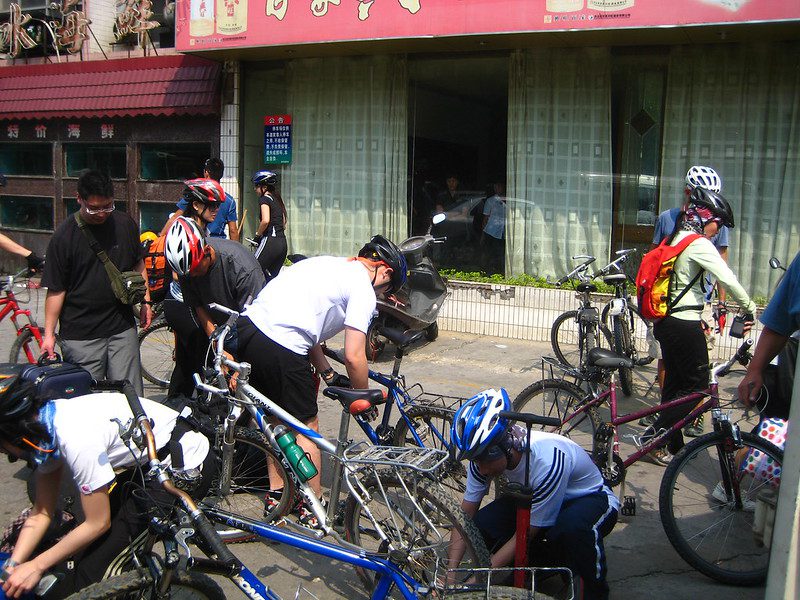
Decolonial AidThe concept of decolonial aid has gained increasing attention in recent years. Traditionally, global humanitarian systems have prioritized Western-led frameworks, which often overlook or sideline the expertise and leadership of local communities. As of 2020, there were fewer women from low- and middle-income countries in global health leadership roles than Harvard alumni, underscoring the imbalance in representation and influence. To address these disparities, many advocates have called for a shift toward decolonial approaches in international development and humanitarian work.

What is Decolonial Aid?

Decolonial aid refers to the rethinking of humanitarian and development practices by dismantling long-standing colonial structures and assumptions. It challenges the perceived superiority of Western knowledge systems and emphasizes the importance of local expertise, leadership and ownership in shaping aid efforts. According to Peace Direct, decolonial aid involves rejecting colonial ideologies regarding the superiority and privilege of Western thought and approaches.

Efforts to promote locally led aid are not new. At the 2016 Grand Bargain World Humanitarian Summit, donors and humanitarian organizations pledged to direct at least 25% of aid funding to local organizations. However, loopholes have allowed international NGOs (INGOs) with offices in low-income countries to register as local organizations and claim these funds. This limits the intended impact and highlights the need for stronger accountability in aid reform.

Refugee-Led Organizations in Uganda

Uganda hosts the largest refugee population in Africa, with more than 1.6 million people seeking safety from conflicts in South Sudan and the Democratic Republic of the Congo (UNHCR, 2024). During the COVID-19 pandemic, many international aid workers left Uganda and Refugee-Led Organizations (RLOs) stepped in to meet urgent needs.

These organizations provided essential services such as education, personal protective equipment and mental health support. An example is the African Youth Action Network (AYAN), which promotes economic self-reliance and supports refugee-led political advocacy (AYAN). Another group, the Youth Social Advocacy Team (YSAT), works on peacebuilding and trauma healing among young refugees. These examples reveal that local communities often design the most effective responses to their challenges.

Financial Autonomy for Women in India

Decolonial aid also includes improving financial independence and representation. In India, the Self-Employed Women’s Association (SEWA) supports female workers in the informal economy, who make up 93% of the national labor force. Despite its contribution, many face systemic barriers and undervaluation. SEWA operates in 18 of India’s 28 states and focuses on self-reliance and full-time employment for women. The union, led by elected representatives, provides services such as health care, legal aid, childcare and financial support. The World Bank reports that in India, families with lower incomes rely more heavily on women’s earnings, making their economic empowerment essential to household well-being

The Challenges of Decolonial Aid

Despite its success, many grassroots organizations face structural challenges. SEWA initially struggled to register as a union due to legal barriers for self-employed women. In Uganda, many RLOs face registration issues because refugee-led groups often lack legal recognition under national law. In addition, many donors remain hesitant to fund smaller organizations, preferring to support INGOs with greater visibility. RLOs and local groups also report being excluded from key decision-making processes, often due to visa restrictions or lack of access to policy information. These ongoing challenges limit the ability of local organizations to fully participate in shaping the systems that affect their communities.

Looking Ahead

To advance decolonial aid, international donors, governments and development agencies can potentially improve transparency, reduce legal and financial barriers and build long-term partnerships with local organizations. Increased investment in grassroots leadership and shared decision-making could enhance the sustainability and relevance of humanitarian responses. By amplifying local voices and prioritizing equity in global aid systems, decolonial aid offers a path toward more just, effective and community-driven development.

– Clodagh Dowson

Clodagh is based in Wiltshire, UK and focuses on Global Health and Politics for The Borgen Project.

Photo: Flickr
June 8, 2025
https://borgenproject.org/wp-content/uploads/borgen-project-logo.svg 0 0 Precious Sheidu https://borgenproject.org/wp-content/uploads/borgen-project-logo.svg Precious Sheidu2025-06-08 01:30:072025-06-07 13:19:23Decolonial Aid: A Different Approach to Humanitarian Work
Global Poverty, Period Poverty, Women

Fighting Period Poverty: Jameela Jamil’s partnership with Always

Jamil’s partnership with AlwaysJameela Jamil is an actress, activist and advocate for gender equality. Known for her role in The Good Place, she has built a reputation for using her platform to challenge societal norms and uplift marginalized voices. Recently, Jamil partnered with Always to fight period poverty—a widespread issue that prevents millions of girls and women from accessing menstrual products. Together, they launched initiatives that deliver menstrual products to underserved communities and advocate for systemic solutions through policy and education.

Understanding Period Poverty

Every month, more than 2 billion people around the world menstruate. Menstruation – or period – is a natural and healthy process, yet millions of women and girls cannot afford menstrual products or access to safe water and sanitation to manage their menstrual health and hygiene. In many low-income countries, period poverty forces girls to miss school and prevents women from accessing work opportunities. It also sustains stigma surrounding menstruation. This lack of access leads to health complications from unhygienic alternatives and causes long-term economic setbacks for women who cannot fully participate in society.

Role in Advocacy

Jamil has consistently used her voice to spotlight overlooked issues, including menstrual health. Through social media and public appearances, she highlights the hidden struggle of period poverty and stresses the need to treat menstrual care as a basic human right. Her advocacy frames period poverty not just as a product-access issue, but as a symptom of deeper systemic gender inequality. By confronting stigmas and encouraging open dialogue, Jamil helps normalize conversations about menstruation.

Jamil’s Partnership with Always

In partnership with Always, Jamil has helped distribute more than 1 million sanitary pads to girls in underserved communities across Africa, South Asia and Latin America. This effort ensures that fewer girls miss school due to menstruation. The partnership not only delivers immediate relief but also raises global awareness about menstrual equity.

Jamil also pushes for policy reforms to tackle period poverty at the systemic level. She advocates for menstrual equity laws that guarantee free access to sanitary products in schools and public institutions. Countries like Scotland have already passed such laws and Jamil encourages others to follow their lead. Public education campaigns and government-supported programs remain critical to building sustainable change.

Stories from Girls Impacted by Period Poverty

Jamil’s work also amplifies the voices of girls who have lived through period poverty. Many of them have shared how access to menstrual products helped them stay in school, pursue their goals and rebuild their confidence. Their experiences underscore a key truth: when girls receive the resources they need, they gain the power to strengthen their communities and economies.

Looking Ahead

While Jameela Jamil’s partnership with Always has made significant strides, millions of girls and women still face barriers due to menstruation. By supporting grassroots efforts, sharing information and pushing governments to prioritize menstrual health, the global community could help end period poverty for good.

– Divya Beeram

Divya is based in San Antonio, TX, USA and focuses on Technology and Celebs for The Borgen Project.

Photo: Flickr
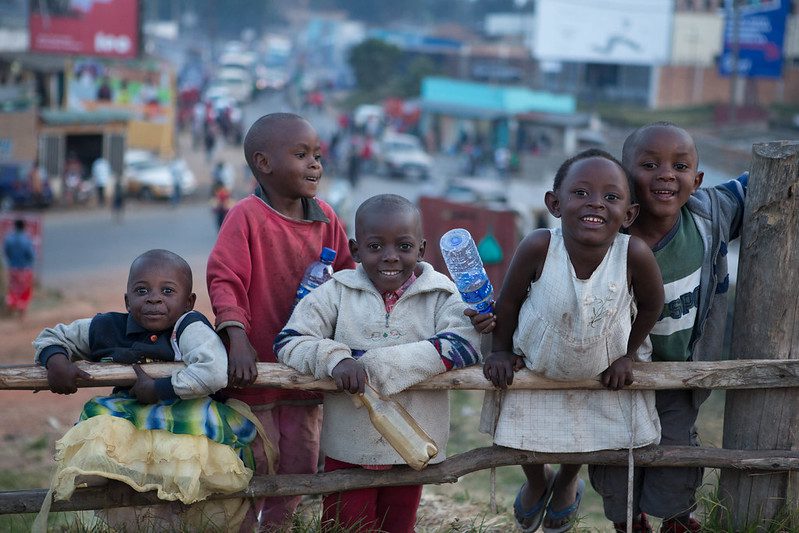
June 8, 2025
https://borgenproject.org/wp-content/uploads/borgen-project-logo.svg 0 0 Precious Sheidu https://borgenproject.org/wp-content/uploads/borgen-project-logo.svg Precious Sheidu2025-06-08 01:30:042025-06-07 03:10:37Fighting Period Poverty: Jameela Jamil’s partnership with Always
Global Health, Global Poverty, Women & Children

“The Roma Daja”: Improving Roma Maternal Health

"The Roma Daja": How a Guidebook Improves Roma Maternal HealthThe Roma are a diverse Indo-Aryan ethnic group originating from Northern India, with 10–20 million Roma currently living in Europe. The largest Romani populations reside in the Balkans. As of 2022, 80% of Roma live below the poverty line. Systemic discrimination drives this poverty and disproportionately affects Roma women. They often receive poor obstetric care and experience higher rates of complications. Studies reveal shorter gestation periods, more frequent miscarriages and a higher prevalence of teenage pregnancies among Romani women.

Maternal Outcomes and Access Barriers

Around 17.8% of Roma babies are born with low birth weight, more than double the 7.9% rate for non-Roma babies. Infant mortality among Roma children is 10 times higher than among their non-Roma counterparts. Home births remain more common and many women face malnutrition, a lack of health education and social taboos around pregnancy. Many also smoke during pregnancy. Financial instability, cultural barriers and discrimination keep Roma women from accessing prenatal care, a vital factor in improving maternal and infant health outcomes.

A New Solution

In 2023, Ireland’s Health Service Executive (HSE) collaborated with the Pavee Point Traveller and Roma Centre to launch the guidebook “Roma Daja—Supporting Roma Women During and After Pregnancy.” Roma women wrote the guidebook for other Roma women. Available in English, Romanian, Czech and Slovak, this free resource offers both hard copies and online access across Europe.

Roma health worker Bianca Tanase highlighted the reasons for the guide’s importance: “We also know Roma mothers-to-be are not always getting the right health information, experience language and literacy barriers, fear mistreatment and experience racism and discrimination.” She also noted the lack of basic supplies for Roma babies leaving the maternity hospital, stating, “This reflects that Roma babies are effectively disadvantaged—right from birth.” The guidebook supports Roma women through every stage of pregnancy and postpartum recovery. It also helps health care workers communicate more effectively and respectfully with Roma patients.

Inside “The Roma Daja”

The guidebook includes five sections: Trimester 1, Trimester 2, Trimester 3, Postnatal Stage and Pregnancy Loss. It targets Roma mothers who feel unsure, unwilling or unable to access formal obstetric care.

“Roma Daja” outlines lifestyle adjustments that support healthy pregnancies. It uses visuals and clear explanations to identify substances to avoid. A 2023 study found that 76% of Roma women continue smoking during pregnancy—a result of the widespread lack of maternal health education. Smoking increases the risk of complications for both mother and baby. In 2009, researchers observed poor nutrition among Roma mothers. This often leads to premature births or low birth weight. The guidebook emphasizes the importance of proper diet and nourishment during both pregnancy and breastfeeding, aiming to close the education gap and improve outcomes.

Establishing Trust

Many Roma women avoid prenatal checkups due to language barriers, low literacy and previous experiences with discrimination. “Roma Daja” helps build trust by explaining what happens during checkups and clarifying common obstetric terms such as gestational diabetes, caesarean sections and epidurals. Understanding medical language enables Roma women to make informed decisions and engage more confidently with health care services.

Preventing Complications

Without proper counseling, women risk overlooking warning signs during pregnancy. “Roma Daja” outlines symptoms to watch for, including COVID-19 symptoms, fever, bleeding, stomach pain and changes in baby movement. The postnatal section discusses common issues such as colic, jaundice and the importance of vaccinations. At the same time, the guidebook reassures mothers about normal symptoms like nausea, soreness and weight gain throughout pregnancy.

A Better Future for Roma Maternal Health

“Roma Daja—Supporting Roma Women During and After Pregnancy” fills a critical gap in Roma maternal health education. The guide empowers Roma women to make informed health decisions, which can reduce pre-term births, low birth weight and infant mortality. As more Roma communities gain access to this resource, maternal health outcomes have the potential to improve dramatically.

– Helen Cusick

Helen is based in Minneapolis, MN, USA and focuses on Good News and Global Health for The Borgen Project.

Photo: Flickr

June 7, 2025
https://borgenproject.org/wp-content/uploads/borgen-project-logo.svg 0 0 Precious Sheidu https://borgenproject.org/wp-content/uploads/borgen-project-logo.svg Precious Sheidu2025-06-07 07:30:342025-06-07 03:01:59“The Roma Daja”: Improving Roma Maternal Health
Electricity and Power, Global Poverty

The Pioneership of Renewable Energy in Turkmenistan

Renewable Energy in TurkmenistanSituated in the heart of Eurasia, Turkmenistan stands out as the only country in the world to decree free electricity, gas and water for its citizens until 2030. Recent advancements in the renewable energy industry in Turkmenistan have significantly increased the level of exports to neighboring countries, alongside alleviating energy poverty domestically.

Greening Turkmenistan’s Electricity Sector

The state power corporation Turkmenenergo is responsible for the management of urban and rural electrification, and one can trace the successes of its efforts back to 1913, with the establishment of the first electric power plant for the Turkmen population. Until 1957, small isolated power plants and diesel-based stations primarily supplied electric energy to consumers.

By 1979, Turkmenenergo achieved complete centralization of power in rural areas, reducing energy poverty and integrating renewables into the grid. In 1993, initiatives to enhance social welfare led to the provision of free electricity to the population prioritizing fulfilling energy satisfaction domestically.  Additionally, Turkmenistan has increased electricity exports to neighboring countries like Tajikistan, Kazakhstan, Afghanistan, Iran and Turkey, with a renewable sources powering a growing share.

Current Strategy

The development of a Public Outreach Strategy on Renewable Energy Sources and Energy Efficiency powers Turkmenistan’s transition to green electrification. The Global Environment Facility (GEF) funded the strategy, and the United Nations Development Programme (UNDP) implemented it.

The outreach strategy aims to raise public awareness about the benefits of renewable energy in Turkmenistan and to harness the country’s substantial solar energy potential. Given more than 300 sunny days annually, amounting to 2,774 hours of variable sunshine throughout the country, there is a significant interest in tapping into solar energy. By investing in outreach and infrastructure, Turkmenistan is actively integrating renewables into its grid, reducing greenhouse gas emissions and striving to meet its Net Zero targets by 2030.

Energy Accessibility

The government is undertaking efforts to construct and reconstruct electric networks in accordance with the President Gurbanguly Berdimuhamedov Development Programme, prioritizing energy accessibility in towns and villages. Leveraging the existing renewable energy potential will ensure a more consistent flow of centralized renewable electricity in Ashgabat, and this shift will reduce dependency on outdated modes of electrification based on traditional fossil fuels in Ashkhabad, Akhal and Abadan power plants.

The acceleration of renewable energy in Turkmenistan is integral for its economic, political and cultural development. Investing in green energy would help Turkmenistan mitigate energy poverty, and offer a more reliable and sustainable power supply. Indeed, studies have widely confirmed that increased consumption of renewable energy will accelerate emissions reduction and accelerate energy efficiency and conservation. Given this context, the acceleration of renewable energy in Turkmenistan directly supports efforts to promote sustainable environments that will facilitate urban growth by minimizing harmful externalities like air pollution and emissions.

The Turkmen Government’s Projects

The efforts of the Turkmen government have significantly alleviated energy poverty levels, reaching remote and hard-to-reach areas. The country has laid out projects to actively extend electrification from grids harnessed by renewable energy sources, such as solar and wind power, to supply electricity to settlements located on the outskirts of the country.

One notable project involves the construction of a 10-megawatt hybrid solar-wind power plant in the Serdar district of the Balkan province, near the Altyn Asyr Turkmen Lake. This facility aims to provide a reliable power supply to newly established settlements in the vicinity, enhancing energy accessibility and supporting the socio-economic development here. Furthermore, the construction of these cost-effective alternative green energy facilities that do not contribute to environmental damage, ensures the implementation of all state goals envisioning sustainability and growth. 

Additional Development Projects

Turkmenistan is actively seeking international cooperation to enhance its renewable share in the energy sector. The Asian Development Bank (ADB) plans to provide technical assistance for integrating renewable-based solutions to support the country’s green transformation. These initiatives include developing solar energy roadmaps and launching pilot urban solar power plants, leading to diversification of the economic and energy landscape alongside environmental sustainability.

Furthermore, Turkmenistan has launched a collaborative project with the European Union titled EU for Turkmenistan’s Green Development: Policy Dialogue and Climate Action 2024-2028. This initiative would focus on promoting renewable energy and energy efficiency, including measures to limit and cap harmful gaseous emissions.

Looking Ahead

The commitment to attain renewable energy in Turkmenistan is evident through the joint practical steps undertaken through its strategies and international collaborations. By focusing on sustainable development and energy efficiency, the country is paving the way towards a greener future, which will benefit both its citizens and the broader region.  

– Tanisha Bhattacharyya

Tanisha is based in the United Kingdom and focuses on Good News for The Borgen Project.

Photo: Unsplash

June 7, 2025
https://borgenproject.org/wp-content/uploads/borgen-project-logo.svg 0 0 Jennifer Philipp https://borgenproject.org/wp-content/uploads/borgen-project-logo.svg Jennifer Philipp2025-06-07 07:30:002025-06-07 02:18:46The Pioneership of Renewable Energy in Turkmenistan
Page 172 of 2162«‹170171172173174›»

Get Smarter

  • Global Poverty 101
  • Global Poverty… The Good News
  • Global Poverty & U.S. Jobs
  • Global Poverty and National Security
  • Innovative Solutions to Poverty
  • Global Poverty & Aid FAQ’s
Search Search

Take Action

  • Call Congress
  • Email Congress
  • Donate
  • 30 Ways to Help
  • Volunteer Ops
  • Internships
  • Courses & Certificates
  • The Podcast
Borgen Project

“The Borgen Project is an incredible nonprofit organization that is addressing poverty and hunger and working towards ending them.”

-The Huffington Post

Inside The Borgen Project

  • Contact
  • About
  • Financials
  • President
  • Board of Directors
  • Board of Advisors

International Links

  • UK Email Parliament
  • UK Donate
  • Canada Email Parliament

Get Smarter

  • Global Poverty 101
  • Global Poverty… The Good News
  • Global Poverty & U.S. Jobs
  • Global Poverty and National Security
  • Innovative Solutions to Poverty
  • Global Poverty & Aid FAQ’s

Ways to Help

  • Call Congress
  • Email Congress
  • Donate
  • 30 Ways to Help
  • Volunteer Ops
  • Internships
  • Courses & Certificates
  • The Podcast
Scroll to top Scroll to top Scroll to top