Malaria Vaccine in Burundi
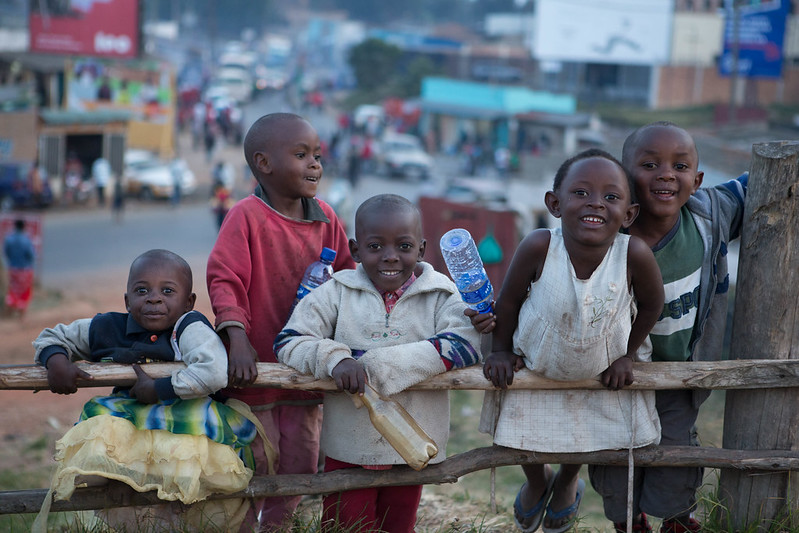 Burundi boasts of two capital cities, Gitega in Burundi’s center serving as the political capital, with Bujumbura to the southwest as the economic capital. Burundi is the second poorest country in the world as of 2025, with more than 80% of the population facing the risk of contracting malaria.
Background
Malaria is an infection that mosquitoes spread to humans, and is most commonly found in sub-Saharan Africa and other regions such as South America and Southeast Asia. While a healthy person can survive the infection, the people who face the most risk are children, the elderly, people with no prior immunity to the disease, and pregnant women. Malaria can spread from mother to unborn child, causing the child to contract the disease through birth. This can result in premature births, low birth weights, stillbirths, and miscarriages. Malaria is an epidemic disease in Burundi and the leading cause of death throughout the country, but thanks to a recent vaccine initiative, life in Burundi is taking a turn for the better.
Malaria in Burundi
According to a recent study on Burundi people accepting the malaria vaccine, nearly 55% of people surveyed expressed worry about side effects from the vaccine. People being wary of the malaria vaccine in Burundi is not surprising when considering the lack of available information about the vaccine. These fears, together with an unawareness of the vaccine at all, are the reason that the vaccine was not more readily available in Burundi.
The malaria vaccine is becoming much more available in Burundi thanks to the new Vaccine Independence Initiative. Throughout an information and exchange workshop in Bujumbura, Burundimany global health organizations sent representatives to “mobilize national decision-makers around the Vaccine Independence Initiative and to develop concrete recommendations for integrating the initiative into the country’s strategic and operational plans.” With this new initiative, the malaria vaccine will become the standard vaccination for children and adults, ensuring that everyone receives protection against the disease.
The Future
The introduction of the malaria vaccine to Burundi’s standard vaccine regimen could help to lessen malaria hospitalizations and reduce symptoms of infection. The vaccine itself is only the first step, and together with other methods of malaria prevention, it helps lessen rates of infection even more drastically. For the people of Burundi, coupling the vaccine with mosquito nets can show a much lower rate of infection and severity of symptoms. Using the vaccine with mosquito nets and anti-mosquito spray has shown to lessen rates of infection even more.
Adding the malaria vaccine to the standard regimen that children receive has shown a 13% drop in child deaths. These statistics show that the war on malaria in Burundi is beginning to slow, and the people are on the winning side.
– Zoe Felder
Zoe is based in Charlotte, NC, USA and focuses on Good News and Global Health for The Borgen Project.
Photo: Flickr
