• Link to X
  • Link to Facebook
  • Link to Instagram
  • Link to TikTok
  • Link to Youtube
  • About
    • About Us
      • President
      • Board of Directors
      • Board of Advisors
      • Financials
      • Our Methodology
      • Success Tracker
      • Contact
  • Act Now
    • 30 Ways to Help
      • Email Congress
      • Call Congress
      • Volunteer
      • Courses & Certificates
      • Be a Donor
    • Internships
      • In-Office Internships
      • Remote Internships
    • Legislation
      • Politics 101
  • The Blog
  • The Podcast
  • Magazine
  • Donate
  • Click to open the search input field Click to open the search input field Search
  • Menu Menu

Archive for category: Global Poverty

Key articles and information on global poverty.

Education, Employment, Global Poverty

3 Facts About Higher Education in Tunisia

Higher Education in TunisiaTunisia is a small North African country with a population of approximately 12 million people. The nation achieved independence from France in 1965 and has suffered a revolution since. It is a developing nation and, therefore, subject to certain idiosyncratic issues, one of which is the cultivation of higher education in Tunisia. Compared to other polities in a similar predicament and geographic region, Tunisia has a robust system and continues to develop research and pedagogical institutions through a myriad of methods.

Public higher education is free in Tunisia, and this opportunity allows for the population to develop the necessary skills for economic growth. In 2023, 261,000 students were enrolled in public institutions, and 45,000 were matriculated in private ones. Specialized programs are offered for certain degrees, and the remainder of academic disciplines abide by the typical bachelor-masters-doctorate system. Further, these degrees are recognized nationally and are held with respect in other nations elsewhere. Historically, the education system was reminiscent of the colonial French one; however, in recent years, they have begun the process of Arabization to separate themselves from western dependence and establish themselves as fiscally independent with a unique cultural identity.

The Tunisian poverty rate is 17.1% and the unemployment rate, as of this most recent fiscal quarter, is 16.2%. Recent graduates constitute a significant portion of the unemployment rate, which is often thought to be the result of skill mismatches between universities and companies. Individuals who resign to enlist in informal sectors of employment are frequently subject to suboptimal wages and limited mobility. The issue for Tunisian higher education is not one of aggregate matriculation, but one of skill optimization that is rectifying errors in the current apparatus by aligning the demand of the market with the production of the education system, or introducing foreign competitors into the domestic market. 

3 Facts About Higher Education in Tunisia

  1. Huawei’s Partnership With the Al-Khawarizmi Institute of Computer Science: Through a collaboration with the Chinese employee-owned technology company Huawei and the Tunisian Al-Khawarizmi Institute of Computer Science, 14 universities received the ability for AI and data computation. This partnership is prudential in the manner that it will allow for thousands of students to utilize advanced technology for research purposes. Under the auspices of the 2025 Digital Economy Development Plan, this partnership, amongst others, will seek to modernize the nation by establishing a digital platform to benefit both educators and students. With technological innovation, Tunisia can compete with Western markets and participate in the international service economy.
  2. Collaboration With Other Universities: Recently, Tunisian universities have been partnering with nations across the globe to facilitate cross-cultural communication and exchange of ideas. In the United States, for example, the University of Wyoming signed Memoranda of Understanding with four Tunisian universities. These universities can work together in favor of common interests, most exigently, since they both focus on agrarian studies, water management and animal husbandry. Further, the Italian University of Bologna and the Tunisian University of Carthage devised three strategic partnerships with the intent of generating new opportunities in the field of sustainable energy and innovation. Fostering scientific collaboration is a necessary condition for the development of cutting-edge technology and, therefore, the production of new capital. Yielding classes of well-traveled students may create new opportunities for domestic businesses by establishing prosperous relationships.
  3. The Tertiary Education for Employability Project: To ease the difficulty for graduates finding a job, the Tunisian government has endeavored to implement the Tertiary Education for Employability Project. It is an all-encompassing education reform that prepares students for employment by prioritizing attributes beneficial to the labor market. Matching market demands through cooperation with prominent industries and intensive internships offered throughout four-year programs, students find themselves with ample experience by the end of their tenure. More than 22,000 students have received help throughout the program’s history by participating in internships and receiving certificates. The World Bank funded the program and it served the interests of the nation for 8 years. The program was able to successfully expedite the process of job searching and cultivate a generation of students capable of aiding industries immediately.

Concluding Thoughts

The culmination of these programs helps create a promising future for higher education in Tunisia. Education is integral for the success of a country, and higher education allows for specialized acumen in potentially lucrative fields. Programs, such as the aforementioned ones, allow for developing nations to actualize their potency by creating a strong domestic market, which will, in turn, attract foreign investors. The process of creating a strong education system inevitably invites innovation and capital, allowing for the production of a service economy, one predicated on independent structures of wealth accumulation. Poverty is highest in rural areas, and a galvanization of the Tunisian higher education system will allow for a greater base of students to enroll, creating opportunity for those who were previously unable to infiltrate the developed sectors.

The rate of poverty is in tandem with the unemployment rate, and the rectification of the university system solves both issues by diminishing the unemployment rate, which therein reinstitutes the flow of capital. In the past, the nation has suffered from a mismatch between the skills that graduates acquired and the expertise necessary for the prosperity of the market, but slowly, these issues are being rectified. Tunisia is continuing to develop and finds itself with a bright, luminescent future.

– Jackson Hufman

Jackson is based in Glenwood, MD, USA and focuses on Business and Good News for The Borgen Project.

Photo: Wikipedia Commons

June 11, 2025
https://borgenproject.org/wp-content/uploads/borgen-project-logo.svg 0 0 Jennifer Philipp https://borgenproject.org/wp-content/uploads/borgen-project-logo.svg Jennifer Philipp2025-06-11 07:30:442025-06-11 00:54:543 Facts About Higher Education in Tunisia
Global Poverty, Health, Mental Health

The Positive Situation for Mental Health in San Marino

Mental Health in San MarinoRecent statistics show that the country of San Marino has a suicide rate of 7.59. In comparison, the worldwide average suicide rate as of 2021 is 8.9. Additionally, suicide rates have also dropped in the country, with an 8.01 rate in 2020 and a 7.59 rate in 2021, showing that mental health in San Marino receiving attention on a considerable level.

After the COVID-19 pandemic, San Marino experienced a concerning decrease in the mental health of its citizens and faced hard decisions on how to reintegrate citizens into a post-pandemic lifestyle. Over the last five years, San Marino has found that deteriorating mental health has links to stress, economic pressure and social isolation.

Community-centered environments are a strong deterrent against declining mental health and offer relief from stress, pressure and isolation. Because mental health decreased at the same time social isolation increased during the pandemic, the country focused on creating suitable community-based programs for citizens young enough to be in middle school, and old enough to be in retirement homes.

Mental Health for Old and Young Citizens

To specifically address mental health concerns in younger citizens, San Marino employs many awareness programs that work directly with public education in the country. These awareness programs started in 2021, prompted by COVID-19. The awareness programs involve partnering with police and substance abuse facilities for events to educate students and create environments where they can easily talk about depression and mental strain. Negative mental health for young citizens has almost always had links to academic pressure; citizens who could not perform well in school often felt frustrated and stuck. Interestingly, to San Marino, this meant that if public education could be improved upon and more accommodating for different students, then overall mental health in young citizens would generally increase.

Similar to young citizens, the country found that most of its older citizens over the age of 60 suffer from low mental health, largely due to social isolation. After partnering with the regional office of the Parliamentary Assembly of the Mediterranean (PAM), San Marino addressed many concerns with the mental health of older citizens. The country was able to employ more social services for older citizens, and further partnered with the World Health Organization (WHO) to allow community-based help. The country originally partnered with the WHO in 2013, but after the COVID-19 pandemic in late 2020, the country and the WHO made additional projects and plans to facilitate positive mental health.

Since 2020, San Marino’s citizens over 60 years old have had stable and improving mental health. Instead of the majority of elderly people living in retirement homes, the WHO has made it so that systems of care are in place where the majority of elderly citizens can grow old without leaving their original homes. Lowering feelings of depression among the elderly and promoting community-based involvement in neighborhoods due to the system of care in place.

Efforts To Address Mental Health in San Marino

Organizations like the WHO and PAM go to great lengths to ensure that countries like San Marino are well equipped to give citizens an environment that promotes mental well-being. The country also adopted the philosophy of “Parlare Aiuta” or Talking Helps, a national campaign promoting the openness of receiving care for poor mental health and quality conversations around the subject with the correct tones and vocabulary.

San Marino found that in many ways, at least for a small country, the best way to encourage positive mental health is to have productive conversations around the topic. Raising awareness with statistics is not enough; poor mental health has a connection to social isolation, so one of the best ways to help is to encourage citizens to educate themselves on the issue so they can have meaningful conversations when necessary.

Poverty is a contributing factor to poor mental health, but it has remained stable in San Marino over the last several years. The overall poverty rate in San Marino has stayed below 8%. In contrast, the average poverty rate worldwide is about 8.5%.

– Russell Bivins

Russell is based in Phoenix, AZ, USA and focuses on Good News for The Borgen Project.

Photo: Wikipedia Commons

June 11, 2025
https://borgenproject.org/wp-content/uploads/borgen-project-logo.svg 0 0 Jennifer Philipp https://borgenproject.org/wp-content/uploads/borgen-project-logo.svg Jennifer Philipp2025-06-11 07:30:172025-06-11 01:00:06The Positive Situation for Mental Health in San Marino
Agriculture, Global Poverty, Malnourishment

Everything You Need To Know About Poverty in Rwanda

Poverty in RwandaThe Republic of Rwanda, colloquially referred to as the Land of a Thousand Hills, is a small nation situated to the east of the Democratic Republic of Congo (DRC). Comparable in size to the state of Massachusetts, three main ethnic groups live in Rwanda: the Hutu, the Tutsi and the Twa. Although these groups share a common culture and language, people have sustained historical tensions, most tragically culminating in the 1994 genocide that significantly shaped the country’s identity. Rwandan officials and the United Nations have made remarkable efforts to alleviate the deep-rooted poverty in Rwanda that these tragic events exacerbated. Nevertheless, challenges remain, with approximately 38.6% of the population living below the poverty line.

Land Scarcity

In a country where 82% of the population resides in rural areas and 62% of the workforce is employed in agriculture, land scarcity is a significant issue and exacerbates poverty in Rwanda. Since the 1940s, the Rwandan population has increased almost sevenfold; now, with 525 people per square kilometer, Rwanda is the most densely populated country in Africa. The average farm size in Rwanda is a mere 0.4 hectares, which is far too small to sustain a single family, resulting in challenges to food security and livelihood sustainability.

Consequently, as the population continues to boom in size, the struggle for arable land intensifies, contributing to a cycle of land degradation and increased rural poverty. For instance, overploughing and soil erosion has degraded 45% of Rwandan land. Policymakers have urgently needed to address the scarcity of arable land in Rwanda, who have launched initiatives to reduce these intertwined social and economic issues. Government responses have included encouraging farmers to merge plots and increase productivity, which inheritance laws have hindered; promoting high-yield crops like maize on smaller plots of land; and implementing anti-erosion projects to restore soil fertility.

The Link Between Chronic Malnutrition and Poverty in Rwanda

Intrinsically linked to overpopulation and land scarcity, chronic malnutrition is another defining cause of poverty in Rwanda. Approximately one-fifth of Rwandan households experience severe food shortages, perpetuating a cycle of diets that are deficient in essential nutrients. Subsequently, more than 60% of Rwandan children rely on a starch-based diet, causing them to be small, underweight and chronically malnourished, with the average life expectancy being less than 70 years old. As a result, Rwandan children, particularly in rural areas of the Western provinces, suffer from stunted growth. The stunting rate in Rwanda has declined from 44% in 2010 to 33%, which is now in line with the average for Sub-Saharan Africa.

Governmental initiatives and NGO projects have worked to relieve the malnutrition plaguing Rwanda. Government programs include the Girinka program, which provides cows to low-income families to increase milk consumption, and the 1,000 Days program, which targets pregnant women and infants with fortified food. Meanwhile, the Global Alliance for Improved Nutrition (GAIN) has advocated for fortification policies that mandated iron and zinc in staple foods since 2016.

Changing Weather Patterns

Despite experiencing notable economic growth in recent years, Rwanda remains vulnerable to the multifaceted impacts of unpredictable weather patterns, which have substantially exacerbated existing poverty levels. Climate phenomena particularly affect the agricultural sector, a cornerstone of the Rwandan economy and the primary source of livelihood for most of its population. Erratic rainfall patterns have led to reduced crop yields. At the same time, catastrophic flooding events in 2020 destroyed more than 9,383 hectares of farmland, damaging or destroying approximately 8,143 houses and disrupting local food systems.

Moreover, changing weather patterns have intensified the prevalence of severe food insecurity and agricultural failure within the country. In the aftermath of the 2023 drought, staple food prices surged to 40.4%, further straining the economic capacity of low-income households. Notably, around 80% of Rwanda’s rural poor population relies heavily on rain-fed agriculture. Thus, weather shocks push them deeper into the cycle of poverty. While people have admirably made climate resilience, with the Green Climate Fund pledging $39.1 million for Rwandan adaptation projects, without global aid, it is the most vulnerable who will continue to bear the brunt as drastic weather changes exacerbate poverty in Rwanda.

Future of Poverty in Rwanda

While the Rwandan government, with the aid of various NGOs and global organizations, have made a remarkable effort to reduce poverty in Rwanda, it is still prevalent. The road ahead demands local empowerment and international solidarity. While Rwandan progress has been commendable, lasting progress necessitates scaling up climate-smart agriculture, strengthening safety nets and global investment to bolster grassroots activism, initiatives and infrastructure. Poverty in Rwanda is not inevitable, and with continued collaborative innovation, the struggles of today can become opportunities of the future.

– Emilia Bartle

Emilia is based in Watford, UK and focuses on Good News and Politics for The Borgen Project.

Photo: Wikipedia Commons

June 11, 2025
https://borgenproject.org/wp-content/uploads/borgen-project-logo.svg 0 0 Jennifer Philipp https://borgenproject.org/wp-content/uploads/borgen-project-logo.svg Jennifer Philipp2025-06-11 01:30:552025-06-11 00:42:16Everything You Need To Know About Poverty in Rwanda
Education, Global Poverty

Youth Empowerment in Nigeria: A Pathway to Stability and Growth

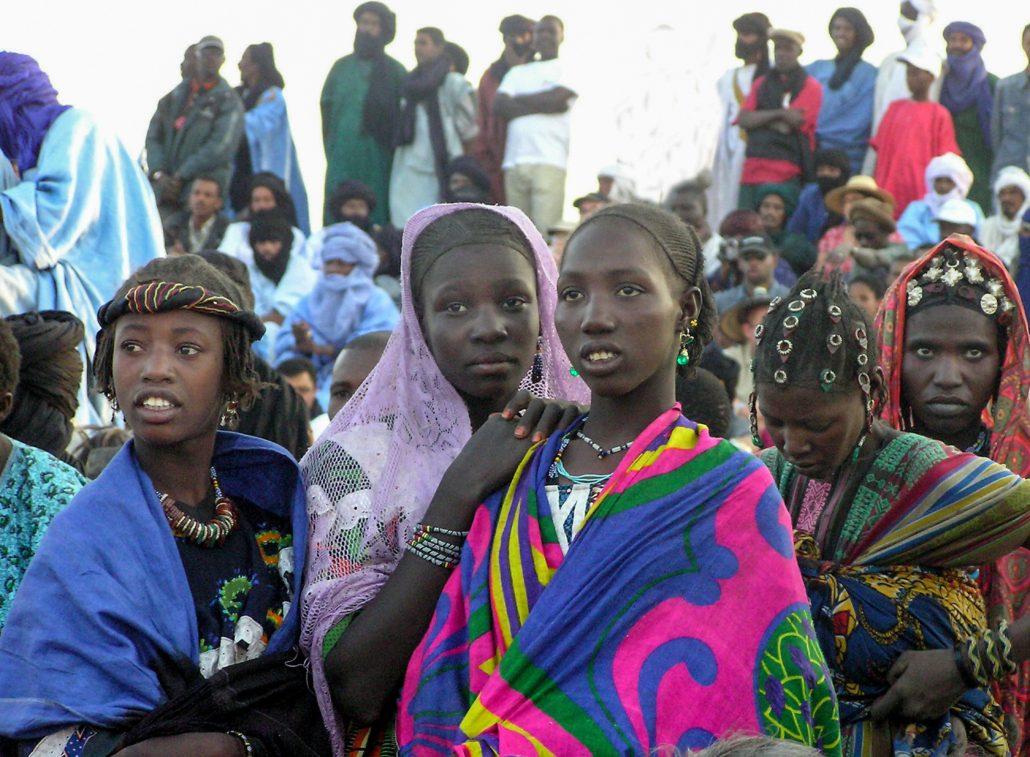
Youth Empowerment in NigeriaNigeria is a nation on the brink. With a population exceeding 227 million, more than 70% are under the age of 30. By 2050, Nigeria will likely have the third highest population in the world, surpassing the United States. Yet, the country faces a brewing demographic crisis: chronic youth unemployment, political disenfranchisement and rising insecurity threaten to ignite widespread unrest. Youth empowerment in Nigeria is no longer a development goal—it is a critical tool for national stability and economic growth.

Nationwide Youth Disillusionment

As of 2020, Nigeria’s youth unemployment rate hovered around 33.3% in 2020. This economic stagnation, paired with urban overcrowding and growing distrust in government institutions, has contributed to the rise of protests like #EndSARS and the spread of armed insurgency in northern regions.

The International Crisis Group has warned that Nigeria’s fragile social contract is under pressure, and that failure to provide meaningful opportunities for youth could destabilize West Africa’s largest democracy.

Investing in Peace Through Empowerment

Programs aimed at youth empowerment in Nigeria are increasingly viewed not only as developmental tools but as instruments of peacebuilding. One such effort is the Nigeria Jubilee Fellows Programme (NJFP), a government and UNDP initiative launched in 2021. The program offers year-long fellowships in private and public sector organizations for recent graduates, helping reduce the gap between education and employment. One measurable outcome of NJFP is that more than 20,000 fellows have been matched with host organizations across various sectors in Nigeria as of 2024.

Education Access and Human Development

Nigeria ranks 164h out of 191 countries on the United Nations Human Development Index (HDI) as of the 2023 report, placing it in the “low human development” category. The HDI measures key indicators such as life expectancy, education levels and gross national income per capita.

A closer look reveals that youth empowerment in Nigeria—or the lack thereof—is central to the country’s persistent development challenges. Youth represent the engine of national progress, yet many lack access to quality education, skills training or meaningful work. According to UNICEF Nigeria, around 10.5 million Nigerian children remain out of school, with many dropping out before completing a national secondary school education.

An initiative working to combat this is the Universal Basic Education Commission (UBEC), which partners with both federal and state governments to increase school enrollment through conditional cash transfers, free textbooks and girl-child education programs.

By investing in youth, Nigeria can significantly boost its HDI over time. Improvements in educational attainment, employment rates and health outcomes among young people directly translate to gains in national productivity, income growth and life expectancy. Empowering youth is not just social policy—it is a development strategy.

Long-Term Barriers to Empowerment

Despite promising initiatives, significant barriers remain. Many rural areas lack reliable electricity and internet connectivity—both of which are essential for participation in today’s digital economy. According to the International Telecommunication Union, only 12% of Nigerians have adequate access to the internet as of May 2022. 

Moreover, institutional bottlenecks and corruption continue to undermine youth-focused programs. Transparency International ranked Nigeria 145th out of 180 countries in its 2023 Corruption Perceptions Index.

Organizations like Tech4Dev and Andela are helping by building scalable programs that combine tech education with job placement services, particularly targeting underserved regions. These programs close the digital skills gap through scalable programs that merge education with employment opportunities, particularly for underserved communities.

Tech4Dev’s Digital for All Initiative

Tech4Dev’s Digital for All initiative emerged in partnership with Microsoft and Nigeria’s Federal Ministry of Communications and Digital Economy. It has provided basic to intermediate digital literacy training to more than 400,000 Nigerians with a strong focus on rural youth and women. The program includes job readiness tracks in areas such as cybersecurity, productivity tools and software development, with localized delivery to improve accessibility across all six geopolitical zones in Nigeria.

Andela’s Learning Community

With support from Google and Facebook, Andela’s Learning Community (ALC) offers intensive technical training in software engineering, product design and cloud computing. Since its inception, ALC has trained more than 100,000 young Africans with many participants securing freelance and full-time roles with global tech firms. The community-driven model allows learners to access mentorship, peer support and employment pipelines from entry-level to senior roles.

These initiatives not only equip youth with relevant, future-proof skills but also serve as bridges to employment, helping to reduce inequality and support Nigeria’s transition toward a knowledge-based economy.

Conclusion: Youth or Chaos

Nigeria stands at a major crossroad. Ignoring its burgeoning youth population invites instability. Empowering its young population—through targeted investments in education, jobs and leadership—can not only lift millions out of poverty but also prevent the next generation from resorting to violence. With the right support, Nigeria’s youth can become its greatest asset—not its greatest risk.

– Kenneth Oko-Oboh

Kenneth is based in Toronto, Ontario, Canada and focuses on Technology and Solutions for The Borgen Project.

Photo: Flickr
June 11, 2025
https://borgenproject.org/wp-content/uploads/borgen-project-logo.svg 0 0 Jennifer Philipp https://borgenproject.org/wp-content/uploads/borgen-project-logo.svg Jennifer Philipp2025-06-11 01:30:552025-06-11 00:49:13Youth Empowerment in Nigeria: A Pathway to Stability and Growth
Global Poverty, Sports

Soccer Without Borders: How Soccer Is Fighting Poverty

Soccer Without BordersSoccer (football) is regarded as the world’s most popular sport, with massive viewing numbers globally. However, beyond the superstar players’ money and fame, soccer is a powerful tool to combat poverty and create opportunities for marginalized communities. Indeed, around the globe, grassroots soccer programs address critical social issues, from access to education and health care to social inclusion and employment. Here are five global soccer initiatives that have made measurable impacts in reducing poverty and improving lives:

Street Child United

Street Child United (SCU) utilizes soccer as a platform to raise awareness about the struggles of homeless and working children, giving them a voice and helping to secure their rights. SCU’s flagship event, the Street Child World Cup, gathers thousands of vulnerable youths from countries including Brazil, India and Kenya to compete in soccer tournaments alongside workshops on legal rights and advocacy.

Beyond the competition, SCU advocates for vital identity documentation like birth certificates, essential for accessing education and health care. In recent years, SCU has helped secure hundreds of identity documents, impacting children’s ability to attend school and receive medical care. Since its creation, SCU has reached more than 1.4 million in more than 30 countries.

Common Goal

Established by Spanish midfielder Juan Mata in 2017, Common Goal encourages soccer professionals to pledge 1% of their earnings to a collective fund supporting worldwide soccer-based social initiatives. More than 200 players and managers from 48 different nationalities and 60 leagues have joined the movement, contributing to causes such as gender equality, education and social inclusion.

One of the beneficiaries of Common Goal’s funding is Soccer Without Borders in Uganda. More than 1,600 refugee and local youth are served annually by Soccer Without Borders Uganda through soccer, education and community-building programs. In 2023, one of the Soccer Without Borders initiatives, the Kampala Girls League, reached more than 1,000 girls, promoting gender equity and inclusion through soccer.

Kick4Life

Kick4Life is a charity based in Lesotho, a country facing one of the world’s highest HIV rates in the world alongside widespread youth unemployment. The program uses soccer for health education, life skills training and academic support, helping young people improve their chances of escaping poverty. Operating a soccer academy, school and social enterprise hotel, Kick4Life has directly reached more than 200,000 young people with health education programs and HIV testing services.

Additionally, more than 25,000 children have undergone voluntary HIV testing, with more than 1,000 testing positive and receiving ongoing treatment and counseling through referral networks.

Football for Peace

Football for Peace works in fragile and conflict-affected communities worldwide. It uses soccer to bridge ethnic, religious and social divides. Furthermore, Football for Peace runs “peace matches,” educational workshops and leadership camps targeting marginalized youth.

In Colombia, in partnership with the Ankle Foundation and funded by the UEFA Foundation for Children, it implemented a project to promote reconciliation between ex-Revolutionary Armed Forces of Colombia (FARC) combatants and local communities. The initiative involved 615 children of ex-combatants, providing them with soccer training and psychosocial support to facilitate social integration and prevent the resurgence of violence.

Aspire Academy

Aspire Academy, based in Qatar but with a significant scouting and outreach presence in West Africa, identifies promising soccer talent from countries. The Academy provides full scholarships, world-class training facilities, education and nutrition to talented boys from low-income backgrounds. Aspire’s Football Dreams program has scouted more than 3.5 million boys since its inception, with 18 to 20 elite scholarships being handed out annually after a rigorous selection process.

Beyond soccer, the Academy emphasizes academic education and life skills that can help propel young people into a working environment and reduce unemployment. Indeed, many who have successfully reached the Academy have secured professional contracts in Europe and Asia and actively contribute to development in their home communities.

These initiatives help bring change and fight poverty in marginalized and vulnerable regions. As one of the largest sports globally, the reach is limitless, leaving an opportunity for progression. These initiatives are just five examples.

– James Harwood

James is based in England, UK and focuses on Good News and Global Health for The Borgen Project.

Photo: Pexels

June 10, 2025
https://borgenproject.org/wp-content/uploads/borgen-project-logo.svg 0 0 Lynsey 2 https://borgenproject.org/wp-content/uploads/borgen-project-logo.svg Lynsey 22025-06-10 07:30:032025-06-10 01:41:53Soccer Without Borders: How Soccer Is Fighting Poverty
Global Poverty, Health, Innovations

How Frugal Health Care Innovation Is Reimagining Accessibility

 Frugal Health CareReports assessing the relationship between extreme poverty and health care accessibility have and continue to prove a cyclical relationship in which each exacerbates the other. Though the availability of health care across the world increases, out-of-pocket costs often force families and individuals below the poverty line. Meanwhile, populations suffering from untreated illness are unable to participate effectively in the workforce.

In short, being sick keeps people from financial earnings, while treatment costs account for most of their spending. Either path hampers the ability to participate in the local economy. In response, frugal health care initiatives have risen in popularity, combating the personal financial aspect of health care accessibility.

How Does Frugal Health Care Work?

Frugal health care works by using low-cost, low-tech solutions that are adapted to local needs. Many solutions arise by repurposing everyday tools or simplifying existing techniques. One early example is the stethoscope, originally made from a rolled piece of paper to preserve a patient’s modesty. Today, frugal innovations include using hardware drills instead of expensive medical ones and placing premature babies in plastic bags to prevent hypothermia.

These practical, outcome-based solutions stand apart from the prevailing model of Western, research-driven progress due to their deep contextualization. While vaccines serve as a universal preventive measure for those with access, innovations like the “Jaipur Foot” address specific local needs. Designed for barefoot amputees, the Jaipur Foot is affordable and effective thanks to partnerships with local artisans and readily available materials. Its success, however, is closely tied to local production capacity, making it a powerful but regionally limited solution.

The Frugal Biomedical Innovations Program

Western University has incorporated research into frugal health care innovation in Canada via its Frugal Biomedical Innovations Program (FBIP). A branch of the Engineering Health Equity (EHE) training program, the institute has partnership sites in Northern Canada, Ethiopia, Kenya, Nigeria, Rwanda, Senegal and Uganda. The FBIP is hands-on and follows a conceptualize-create-deploy model. This ensures that abstract ideas become a physical reality and are implemented in the low-resource communities where they are needed.

Partnering Universities also lead projects at home with the aid of the Frugal Biomedical Innovations Catalyst Grant program. One example is 3D-printed hands and feet developed by Bahir Dar Institute of Technology, Ethiopia. Another is a low-cost teledentistry system from the University of Nairobi, designed to improve oral health care in rural Kenya. Prototypes are tested in the field with financial support from organizations such as Western University’s Africa Institute and program grants from the Natural Sciences and Engineering Research Council of Canada.

A Good Enough Future

Hi-tech innovation in health care will and should continue to progress. However, the emerging focus on extending medical accessibility to areas lacking the financial and technological resources to implement it is ushering in a revolution of rural health care access.

The 2025 World Economic Forum identified the need for decentralized, equitable health care systems. Similarly, the 2024 report on Global Health Care Sector Outlook published by Deloitte University suggests multiagency collaboration and taking opportunities to digitalize care delivery.

Decentralization, equity and collaboration are pillars of frugal health care innovation. By prioritizing practical repurposing over novelty, an increasing number of communities will have access to the medical care necessary to facilitate economic growth.

– Emily Galán

Emily is based in Edmonton, Alberta, Canada and focuses on Global Health and Politics for The Borgen Project.

Photo: Pexels

June 10, 2025
https://borgenproject.org/wp-content/uploads/borgen-project-logo.svg 0 0 Lynsey 2 https://borgenproject.org/wp-content/uploads/borgen-project-logo.svg Lynsey 22025-06-10 07:30:012025-06-10 01:29:06How Frugal Health Care Innovation Is Reimagining Accessibility
Developing Countries, Development, Global Poverty

Reducing Poverty in São Paulo

Poverty in São PauloSão Paulo, a city in Brazil, has launched new initiatives to help reduce poverty and guide citizens to self-sufficiency. Two major programs, SuperAção SP and the Master Plan, take different approaches to the same goal. SuperAção SP focuses on personalized support, working directly with families to identify needs and provide training, funds and resources. Meanwhile, the Master Plan aims to fight poverty through urban development by improving housing, transportation and job access. Together, these efforts aim to create immediate relief and lasting economic stability.

SuperAção SP

SuperAção SP employs 500 specialized agents who will work with around 20 families, examining each family’s particular root cause of poverty and devising a specific plan to get them out of poverty. For instance, a mother who cannot afford to send her children to daycare will be given a fund and advised on what to save money for. Individuals with little to no prior job experience will receive training that equips them for the labor force, giving them a better chance at getting jobs. Families suffering from malnutrition and food shortages will receive emergency funds and resources that are completely food-centered.

The first step of this program is to reach and work with more than 100,000 families in São Paulo over the next two years. During this period, the objective is to lift these families out of extreme poverty and implant a degree of self-sufficiency that enables them to remain above the poverty line. What sets SuperAção SP apart from other poverty alleviation policies is its dual approach: providing immediate support to those in need while equipping individuals with the skills and opportunities necessary to achieve long-term economic independence.

The Master Plan

Another poverty reduction initiative in São Paulo is the Master Plan. Initially implemented in 2014, the plan was revised in 2023 to accommodate increased demands and to take a more proactive approach to addressing poverty. The Master Plan is designed to reduce poverty through urban development; it focuses on creating better public transportation, larger apartment buildings and more room for parking, subway systems and train stations.

The core premise of the Master Plan is that poverty can be reduced through improvements in urban infrastructure and public spaces. Larger apartments, with cleaner subway, train and bus stations, will improve the quality of life in a given area. As a response to the improved areas, employment will also increase in the form of business and new work opportunities will be created. In turn, these improvements are expected to stimulate local economic growth by encouraging business development and creating new employment opportunities.

Furthermore, by bringing housing and job prospects closer, the Master Plan aims to strengthen the quality of life and the labor market in São Paulo. The 2023 revision of the plan was partly driven by studies indicating that areas with well-developed public transportation and larger residential and commercial buildings experienced lower poverty rates.

Conclusion on Poverty Reduction in São Paulo

The Master Plan and SuperAção SP are just a few of the many poverty plans in São Paulo. The poverty rate in São Paulo has been steadily decreasing in recent years. In 2023, the poverty rate reached a new low of 27.4%, which had not been seen since 2012. Programs like the Master Plan and SuperAção SP continue to be implemented and revised to reduce poverty. 

– Russell Bivins

Russell is based in Phoenix, AZ, USA and focuses on Good News for The Borgen Project.

Photo: Pexels

June 10, 2025
https://borgenproject.org/wp-content/uploads/borgen-project-logo.svg 0 0 Lynsey 2 https://borgenproject.org/wp-content/uploads/borgen-project-logo.svg Lynsey 22025-06-10 01:30:252025-06-10 01:22:57Reducing Poverty in São Paulo
Global Poverty, Mental Health, Technology

TikTok Is Addressing Stigma Around Mental Health in the Arab Gulf

Mental Health in the Arab GulfMental health awareness has become increasingly prevalent in the modern day. A study made by the World Health Organization (WHO) in 2019 found that worldwide, 970 million people suffer from mental health issues, predominantly anxiety and depression. Mental health has become a well-discussed issue for much of the Western world. The existence of schemes such as mental health days and mental health first-aiders in the workplace demonstrates many businesses’ commitment to improving their workers’ mental health.

In the Arab Gulf, mental health is often considered a taboo subject. Issues such as depression or trauma can be perceived as shameful and shouldn’t be discussed with others. However, TikTok is now being used as a medium to address this stigma around mental health in the Arab Gulf states.

Perception of Digital Mental Health Campaigns in the Arab Gulf

A 2024 study analyzing responses to a digital mental health awareness campaign in the Gulf Cooperation Council (GCC) demonstrated that mental health remains an incredibly stigmatized topic. The study highlighted prevalently-held beliefs that mental illness does not exist and that such personal issues result from a lack of willpower, laziness or that it is a personal choice to be depressed or anxious.

Many in the survey also asserted beliefs that mental illness holds ties with religious and spiritual deficiencies, proclaiming that issues result from the influences of “Jinn” (evil spirits) or the “evil eye.” They often quoted practices of religious devotion, reciting the Qur’an or regularly praying as the solutions to these problems.

The widespread denial of mental illness throughout the GCC leads to a domino effect of issues, both socially and economically:

  1. Awareness and education around mental health is poor.
  2. Those suffering from issues of anxiety, depression or untreated trauma are unlikely to seek help from either professional services or to confer with others in their communities about their problems.
  3. Without seeking help or as a result of being criticized by others, these issues will likely exacerbate, potentially leading to emotional burnout, job loss, social exclusion or suicide.

Using TikTok To Breach the Stigma Around Mental Health

A few TikTok-based initiatives are currently being used to address the stigma around mental health in the Arab Gulf. As a free and popular digital platform, TikTok is a powerful tool for reaching those without access to formal mental health services. It uses approachable, entertaining ways to promote understanding and communication. Saudi Arabia and the United Arab Emirates (UAE) are the top two countries where TikTok has the most reach, with virtually 138.2% of Saudi Arabia’s population using the platform.

In 2024, TikTok began the “Change-Makers Program.” This initiative promoted creators’ and NGOs’ endeavors using the platform to prompt beneficial community changes. At the program’s launch, TikTok announced a list of 50 of these “Change-Makers,” including the first Change-Maker of UAE, Dr. Jana Bou Reslan. A Lebanese educational psychologist and professor, Bou Reslan has been posting TikTok content since 2022 and has garnered more than 220k followers.

Bou Reslan’s content offers Arabic-language education on how to tackle mental health issues such as high-functioning anxiety and low self-esteem. She also encourages well-being practices and open discussion of mental health. “Good mental health is of utmost importance for thriving communities, influencing everything from education to workplace productivity. Social media has been playing a vital role in reaching out to different audiences and promoting positive and relatable topics within our community,” she said.

Furthermore, in February 2024, TikTok MENAT hosted a Youth Mental Health Awareness Summit in Dubai. The event featured discussions by mental health professionals and TikTok’s safety experts. It focused on how social media can better equip young people in GCC with critical-thinking skills, promote media literacy and strive to build supportive digital communities. These strategies aim to improve the mental well-being of young people while also encouraging the building of digital skills that will improve future job prospects.

Improving Mental Health Awareness Can Help Alleviate Poverty

On the face of it, addressing the stigma around mental health in the Arab Gulf might not appear impactful when it comes to fighting poverty. However, the WHO notes that improving mental health care is inherently linked to reducing inequality and poverty across nations. One of the clearest ways this link manifests is through employment and income potential. Improving employment and income potential. Mental health can have a direct impact on individual employability and the economy as a whole.

According to the 2022 WHO World Mental Health Report, approximately 12 billion workdays a year are lost due to issues associated with anxiety and depression. By promoting open discussions about mental health, introducing workers to stress-reducing techniques and better equipping people for emotional regulation, people are less likely to burn out and hence not lose pay and/or their jobs. Unemployment can also be seen as shameful or indicative of personal failure in the Arab Gulf, especially for men and poor mental health also impacts the ability to find new work.

Another way mental health awareness can contribute to poverty alleviation is by supporting young people. It is estimated that worldwide, one out of seven adolescents exhibit symptoms of mental disorders. In the UAE, 17% to 22% of young people exhibit signs of depression and 28% show symptoms of anxiety. Better mental health awareness and support reduce school dropout rates. Also, by encouraging the diversification of skills in young people into digital literacy, generational poverty can be reduced through new fields of employment. Finally, improving skills in stress management can help with school and work pressures and improve coping skills in economically unstable households.

Final Remarks

In low-income countries, there is roughly one mental health professional per 100,000 persons. With such critically low access to services, free digital-based platforms such as TikTok provide easily accessible education on mental health and culturally appropriate content made in local languages.

They are a good entry point for NGOs looking to help communities. TikTok creators are busy addressing the stigma around mental health in the Arab Gulf to help people learn skills for personal empowerment, provide the means to form digital support networks and give access to advice where formal psychological services are unavailable.

– Reuben Avis-Anciano

Reuben is based in Oxfordshire, UK and focuses on Technology and Global Health for The Borgen Project.

Photo: Unsplash

June 10, 2025
https://borgenproject.org/wp-content/uploads/borgen-project-logo.svg 0 0 Lynsey 2 https://borgenproject.org/wp-content/uploads/borgen-project-logo.svg Lynsey 22025-06-10 01:30:022025-06-10 01:16:41TikTok Is Addressing Stigma Around Mental Health in the Arab Gulf
Agriculture, Global Poverty

Bees Aiding Food Security in Tonga

Food Security in TongaTonga is a Polynesian island nation vulnerable to natural disasters. Out of Tonga’s population of just more than 100,000, nearly 60% struggle to access affordable and nutritious food. Cyclones, volcanic eruptions and rising sea levels frequently disrupt local agriculture, leaving families without reliable food sources.

To address this challenge, the OHAI Tonga Honeybee Food Security Project, founded by Uili Lousi, introduced a surprising yet impactful solution—beekeeping. Beekeeping strengthens Tonga’s food systems by improving crop yields through pollination. Crops pollinated by bees produce up to 60% more food than those without pollinators. As a result, farmers in Tonga have started integrating beekeeping into agricultural practices to stabilize food production and protect livelihoods from environmental shocks.

Empowering Communities Through Bee Training

OHAI launched beekeeper training programs across the islands to build a skilled workforce capable of maintaining and protecting hives year-round. These programs aim to reduce Tonga’s dependence on food imports and help farmers recover quickly after disasters. Alongside crop benefits, bees produce honey and wax, creating new opportunities for trade and income generation. In 2024, beekeeping helped communities maintain food security during the first few quarters of the year, despite the region’s exposure to multiple climate shocks. Farmers and families who participated in bee training reported stronger crop resilience and greater food availability.

Growing Support Through Local Organizations

Two key organizations lead the country’s beekeeping initiatives. OHAI continues to educate the public on the role of pollinators and sustainable food systems. Meanwhile, the Beekeepers’ Association of Tonga (BATI) trains more local beekeepers and strengthens the island’s growing bee population. BATI focuses on long-term growth by preparing beekeepers to work through every season and weather pattern. These organizations also help residents design bee-friendly gardens and farms, which increase pollination and improve nutrition for households facing poverty. International organizations such as Volunteer Service Abroad (VSA) and Climate Reality have also supported Tonga’s beekeeping movement by offering training resources, tools and awareness campaigns.

Improving Nutrition and Stability

By early 2024, Tonga’s food security showed promising signs of stability for the first few quarters, despite ongoing environmental threats. Reports from the World Food Programme (WFP) confirmed that targeted local initiatives—including beekeeping—helped maintain steady food access. These programs directly address poor nutrition and reduce the island’s dependence on imported food. Through training and outreach, OHAI and BATI teach beekeepers how to protect hives from extreme weather and disease. These ongoing efforts keep bee populations strong and ensure that farmers can rely on them through future storms or droughts.

Looking Ahead

The beekeeping movement offers more than just food security in Tonga—it represents a path toward long-term resilience. As climate-related challenges continue to threaten agriculture and livelihoods, locally driven initiatives like those led by OHAI and BATI demonstrate the value of empowering communities with sustainable tools. By expanding beekeeper training, strengthening hive protection and increasing awareness of pollinators’ role in food systems, Tonga could continue building a more self-sufficient future. With each hive, the country moves closer to securing its food supply, improving livelihoods and fostering environmental stewardship for generations to come.

– Anastasia Flerchinger

Anastasia is based in Richland, WA, USA and focuses on Good News and Politics for The Borgen Project.

Photo: Flickr
June 9, 2025
https://borgenproject.org/wp-content/uploads/borgen-project-logo.svg 0 0 Precious Sheidu https://borgenproject.org/wp-content/uploads/borgen-project-logo.svg Precious Sheidu2025-06-09 07:30:492025-06-09 01:24:34Bees Aiding Food Security in Tonga
Disability, Global Poverty, Health

Addressing Disability and Poverty in Tunisia

Disability and Poverty in TunisiaAccording to the Multidimensional Poverty Index (MPI), a positive correlation exists between disability and poverty in Tunisia. Disabled people are more than twice as likely to live in poverty. Seventeen indicators determine the MPI, including health care, employment, education, living conditions and physical security. As of 2017, Tunisia’s disability prevalence is approximately 14% within a population of 12 million. Since the 2011 revolution, Tunisia has taken action to reduce disability poverty in its communities. The following article will explain the connection between disability and poverty in Tunisia, amplify Tunisia’s recent achievements in reducing disability-poverty and discuss further improvements.

The Connection Between Disability and Poverty in Tunisia

  1. Educational Setbacks: Mental and physical impairments hinder disabled children from attending school. Oftentimes, educational facilities in developing countries do not have accessible transport for students who require wheelchairs or special equipment. Mental disabilities prevent students from learning at the same rate as their peers. This educational gap has direct links to future unemployment and financial instability for disabled persons. 
  2. Lack of Employment: In Tunisia, 40% of disabled people are unemployed, a critical factor in the prevalence of disability-poverty. Inadequate education, limited legal protection and disability stigma drive unemployment. While the statistic is unknown, women with disabilities are more likely to face discrimination according to the Tunisian General Trade Union.
  3. Poor Access to Health Care: Disabled citizens struggle to obtain quality healthcare. Many healthcare facilities are not wheelchair accessible. Hospitals in developing countries often lack basic equipment such as X-ray machines, exam tables and scales, which prevents service to disabled patients. Healthcare services for disabled patients also tend to be more expensive.
  4. Infectious Disease Prevalence: Infectious diseases, particularly zoonotic diseases, are common in Tunisia and worsen disability-poverty. Specifically, infectious disease may cause disabilities, particularly in childhood, by impairing motor, cognitive and sensory function.
  5. Unsafe Living Conditions: Dangerous environmental factors can instigate disabilities. Poor sanitation and dangerous infrastructure increase the likelihood of developing a physical impairment. Additionally, unsafe living conditions worsen the health of disabled persons, hindering employment and access to special services. This enacts a cycle of poverty. Impoverished conditions worsen disability, and disability encourages poverty’s increase.

Tunisia’s Advancements in Disability-Poverty Reduction

  1. Disability Cards: As of 2012, the Ministry of Social Affairs (MoSA) administers disability cards to Tunisians with physical and mental impairments. These cards allow disabled persons to acquire special services and government protection from discrimination. Disabled persons holding these cards are also ensured transportation, health care, access to recreational areas and employment opportunities.
  2. Government Funding: The Orientation Act 83 is a federal step to prevent disability and poverty in Tunisia. Organizations are funded in their provision of special education, workshops, vocational training and rehabilitation services. A direct effect of this act is the establishment of four special education institutions in Tunisia.
  3. Official Representation: Tunisia’s Convention on the Rights of Persons with Disabilities (CRPD) originated in 2008 and provides government protection to disabled persons. Three stakeholders make up the CRPD: the Ministry of Social Affairs (MoSA), the Ministry of Education (MoE) and the Ministry of Health (MoH). These departments are largely responsible for improving the living conditions of people with disabilities.
  4. Social Organizations: Prior to the 2011 Jasmine revolution, social movements fighting disability-poverty were unheard of. Today, numerous associations exist to protect the welfare of disabled persons. The Tunisian Organization of the Rights of Persons with Disabilities, the Tunisian Association for the Rights of Persons with Disabilities and the Parents and Friends of Persons with Disabilities Association of Tunis are all organizations dedicated to the reduction of disability and poverty in Tunisia.
  5. Election Aid: In 2014, Tunisia implemented the use of sign language in all election-related communication. This applies to voting registration, electoral polls, political speeches and national television programming. In 2019, the country implemented new voting technology — braille and sign language lexicons — further aiding citizens with vision or hearing impairments. As a result, Tunisia’s educational gap is reduced and disabled participation in society has increased.

Barriers in the Fight Against Disability Poverty

  1. Limit Social Stigma: Much of the Tunisian population treats disabled persons as second-class citizens or “charity cases.” Disability stigma results in negative outcomes on employment and educational opportunities for the impaired. Employment’s decrease results in poverty’s increase.
  2. Reliable Enforcement: Although Tunisia has laws to protect the welfare of disabled persons, there is a lack of enforcement of these laws. Disabled citizens’ legal rights are not effectively monitored.
  3. Repair COVID-19 Damage: Disability-poverty increased during the pandemic due to higher unemployment. Not only were jobs harder to find, but disabled persons often require contact assistance, putting them at greater risk for disease transmission. Disabled students struggled with remote education, heightening the education gap. Tunisia’s COVID-19 recovery ended towards the end of 2021, but the impact of the pandemic remains prevalent for the disabled community.
  4. Tunisian Parliament Suspension: The Tunisian Parliament was suspended after the July 25, 2021, constitutional referendum. This suspension has prevented the Parliamentary Commissioner for Persons with Disabilities and other Vulnerable Groups from implementing field programs to aid disability-poverty.
  5. Broaden Disability Diagnosis: Although the disability card has reduced disability poverty in Tunisia, it is difficult to acquire these cards. They are given only after an approved medical assessment. This assessment may not account for all psychological impairments. 

Looking Ahead

Although disability and poverty are still a problem in Tunisia today, significant progress has occurred and points to future improvements. 

– Helen Cusick

Helen is based in Minneapolis, MN, USA and focuses on Good News and Global Health for The Borgen Project.

Photo: Pexels

June 9, 2025
https://borgenproject.org/wp-content/uploads/borgen-project-logo.svg 0 0 Jennifer Philipp https://borgenproject.org/wp-content/uploads/borgen-project-logo.svg Jennifer Philipp2025-06-09 07:30:172025-06-09 01:25:59Addressing Disability and Poverty in Tunisia
Page 171 of 2162«‹169170171172173›»

Get Smarter

  • Global Poverty 101
  • Global Poverty… The Good News
  • Global Poverty & U.S. Jobs
  • Global Poverty and National Security
  • Innovative Solutions to Poverty
  • Global Poverty & Aid FAQ’s
Search Search

Take Action

  • Call Congress
  • Email Congress
  • Donate
  • 30 Ways to Help
  • Volunteer Ops
  • Internships
  • Courses & Certificates
  • The Podcast
Borgen Project

“The Borgen Project is an incredible nonprofit organization that is addressing poverty and hunger and working towards ending them.”

-The Huffington Post

Inside The Borgen Project

  • Contact
  • About
  • Financials
  • President
  • Board of Directors
  • Board of Advisors

International Links

  • UK Email Parliament
  • UK Donate
  • Canada Email Parliament

Get Smarter

  • Global Poverty 101
  • Global Poverty… The Good News
  • Global Poverty & U.S. Jobs
  • Global Poverty and National Security
  • Innovative Solutions to Poverty
  • Global Poverty & Aid FAQ’s

Ways to Help

  • Call Congress
  • Email Congress
  • Donate
  • 30 Ways to Help
  • Volunteer Ops
  • Internships
  • Courses & Certificates
  • The Podcast
Scroll to top Scroll to top Scroll to top