The Gender Wage Gap in Syria and the Fight for Empowerment
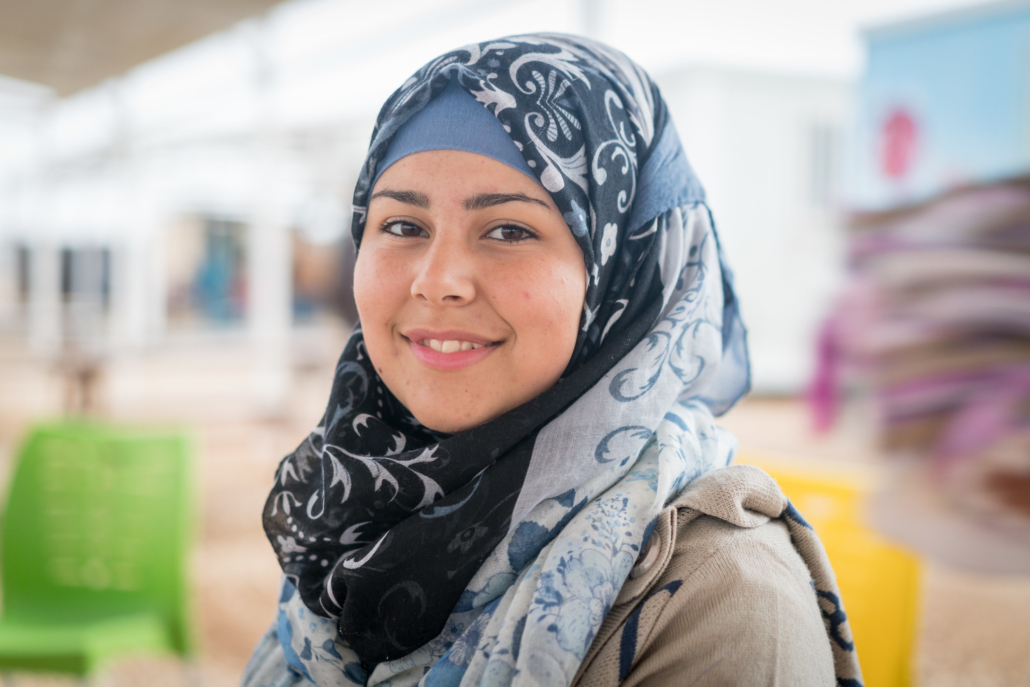 In Syria, where years of brutal violence and extreme poverty have devastated the nation, women are emerging not only as survivors of conflict, but as architects of their country’s future. Yet, despite the crucial role they now play in the rebuilding process, the gender wage gap in Syria remains a barrier to progress. Syrian women are largely undervalued and underpaid compared to their male counterparts, a reality that only perpetuates the nation’s dire economic situation.
A Country in Crisis
Many widely regard the Syrian civil war, which began in March 2011, as one of the worst humanitarian crises of the 21st century. Over a decade of fighting led to the displacement of more than 14 million civilians, social and political instability and the collapse of the economy. As of December 2024, an estimated 90% of Syrians lived below the poverty line, and 16.7 million people were in need of humanitarian assistance.
Only on December 8, 2024, after 24 years of oppressive totalitarian rule, did the Assad regime fall at the hands of opposition forces. The conflict claimed the lives of more than 600,000 people, many of them men. Now, with so many killed or displaced, Syrian women are increasingly taking on roles in shaping their families, communities and the future of their country.
A Disproportionate Impact on Women
At the same time, women are facing significant struggles. While the civil war had a negative impact on all Syrians, it disproportionately impacted women in many ways. Increases in sexual and gender-based violence, alongside the destruction of hospitals and clinics, deprived countless women of basic and reproductive health care. In 2023, 3.9% of Syrian girls ages 15-19 gave birth, a statistic that reflects both this limited access to health care and rising rates of early and forced marriage.
Syrian women also face a lack of employment opportunities, and when they do secure jobs, they are often receive less pay than men. Globally, women earn around 77 cents for every dollar that their male counterparts earn. Although comprehensive data on the gender wage gap in Syria is yet to exist, labor force participation rates illustrate the economic disparity: in 2024, it was 62.8% among males compared to only 13.3% among females. These numbers are representative of a wider trend in the Arab world, where women’s access to employment is up to 44% lower than men’s.
Beyond being concerning from a gender equality standpoint, the wage disparity in Syria also has serious, even life-threatening implications for women and their families. 92% of female-headed households report either an insufficient or complete inability to meet their basic needs. Additionally, 74% of the almost 6 million Syrians experiencing food insecurity or malnutrition are women and girls.
The Civil War as a Turning Point
However, suffering does not solely define the story of Syrian women. Amidst violence and desolation, many women stepped out of the home and into new roles, defying long held gender norms and stereotypes. Women found numerous ways to transform their challenges into opportunities by protesting against the Assad regime, finding work to support their families and empowering their daughters to learn to take care of themselves.
One particularly noteworthy individual is Ghalia Rahhal, founder of the Mazaya Center for Women’s Empowerment. Despite an assassination attempt, the murder of her son and sexist opposition, she has never stopped her fight to integrate feminist principles into Syrian laws and practices. By training women in refugee camps on politics and equality, Rahhal is preparing them to become active participants in the transitional and future government of their country.
Inspired to achieve similar goals, the nonprofit Uplifting Syrian Women seeks to help women and girls obtain better jobs by providing them with free online courses and trainings. The organization aims to close the gender wage gap in Syria by empowering women to enter the workforce and recognize their importance in the country’s rebuilding process.
Why Closing the Gap Matters
Looking forward, there is still much uncertainty surrounding the future of women in Syria. One reality, nevertheless, is that the empowerment of women is economically beneficial for all. As the World Economic Forum reports, increasing women’s workforce participation could boost a country’s economic output by up to 35%. That potential could become a reality as more and more women take an active role in the government and the workforce, helping close the gender wage gap in Syria and lift their country into a better future.
– Caroline Clark
Caroline is based in Needham, MA, USA and focuses on Global Health and Politics for The Borgen Project.
Photo: Flickr
